
What you’ll learn:
- Prebiotic sodas are sparkling beverages made with fiber that feeds gut bacteria, which may improve digestion.
- Studies show that prebiotics may support gut health, but the doses in prebiotic sodas are lower than what’s been studied for weight or metabolic benefits.
- Prebiotic soda can be a good swap for higher-calorie drinks, but whole, fiber-rich foods still matter far more than any single beverage.
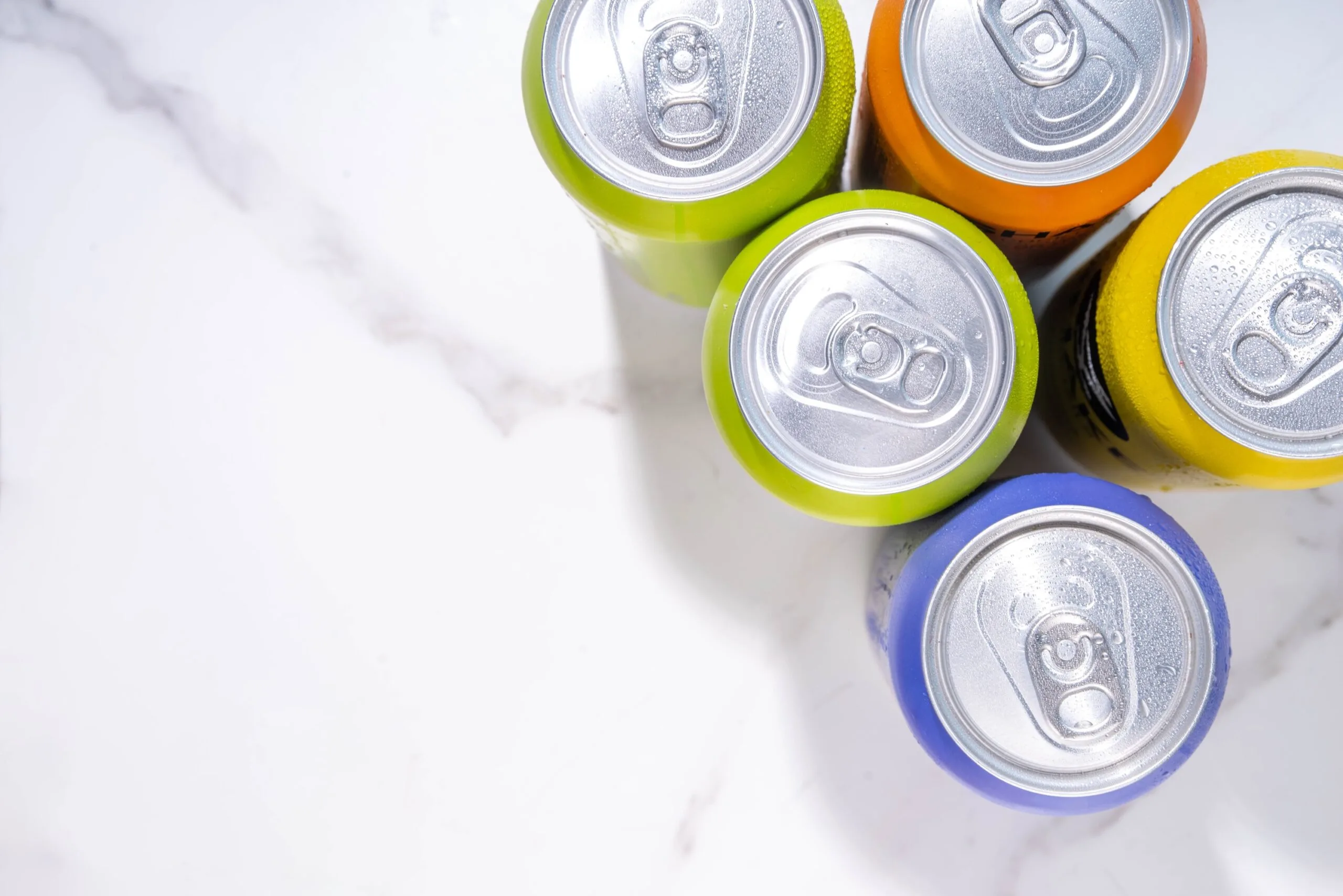
Prebiotic sodas are bubbling up everywhere right now. Different varieties of these sparkling beverages are lined up on grocery shelves and splashed across social media as a healthier alternative to traditional soda.
You may have seen a few like Olipop or Culture Pop and wondered what they are, and whether they are worth a try. These drinks are often marketed with promises of better gut health, improved digestion, and even support for weight loss.
These drinks belong to a new trend of “functional beverages,” a category of drinks formulated to deliver added benefits like fiber, electrolytes, or plant compounds—not just flavor or refreshment.
But can these drinks meaningfully support weight loss? And what role does prebiotic fiber play in gut health?
Let’s take a look at what prebiotic soda is, how it’s supposed to work in the body, and what current research and experts say about its role in a healthy diet. Plus, we’ll ask Dr. Karen Mann, MD, Noom Medical Director, what role they can play in a healthy diet.
What is prebiotic soda?
Prebiotic sodas contain ingredients that are meant to support gut health. Prebiotic sodas began to appear on grocery shelves around 2018. Brands like Poppi and Olipop both launched that year with the idea of combining sparkling beverages with prebiotic fiber to support digestive health.
Prebiotic soda is positioned as a healthier alternative to regular and diet soda. Compared to regular soda, prebiotic versions are usually lower in sugar and calories. Many avoid traditional diet-soda sweeteners like aspartame, though some use alternative low-calorie sweeteners such as stevia or monk fruit.
These drinks arrived at a time when gut health and increasing fiber started to become popular. They’ve grown more popular as social media and wellness culture embraced “functional beverages.”
By 2025, the prebiotic soda category had moved well beyond startup buzz: major industry player PepsiCo acquired Poppi, signaling how mainstream consumer demand for gut-focused beverages has become.
What is a prebiotic?
To really understand what a prebiotic soda is, you need to know what a prebiotic is. Prebiotics aren’t digested by your body. Instead, they travel to the large intestine, where they feed beneficial gut bacteria.
Feeding these bacteria matters because they help keep your digestive system working the way it should. When they’re well fed, they can support regular digestion, help maintain the gut lining, and play a role in how your body processes food. “Think of prebiotics as fuel for the ‘good’ bacteria in your gut. When they get what they need, they tend to do their jobs better,” says Dr. Mann.
Why has prebiotic soda become popular?
Prebiotic soda is tied to a bigger shift in how people think about health—especially gut health—and what they want from everyday drinks. As awareness of the microbiome has grown, more people are looking for ways to support digestion without completely giving up the foods and drinks they enjoy.
At the same time, the “better-for-you” beverage market has become extremely popular. Many people are cutting back on sugar- and artificially sweetened sodas, but still want a carbonated drink. Prebiotic soda fits neatly into that gap, with brands using language around gut health, fiber, and natural ingredients to position these drinks as healthier alternatives.
Social media has helped push the trend even further. Platforms like TikTok and Instagram are full of influencers talking about gut health routines, “fiber goals,” and favorite prebiotic sodas, making these drinks feel trendy and accessible. Together, rising health awareness, clever marketing, and viral wellness content have turned prebiotic soda into one of the most talked-about functional beverages on the shelf.
What does prebiotic soda do? Benefits for digestion and metabolism
Prebiotics are a type of fiber your body can’t digest, but your gut bacteria can. Instead of feeding you, they feed the helpful bacteria already living in your gut. When those bacteria get fed, they get to work.
Access GLP-1 Weight Loss with Noom
Explore a wide range of prescription medications supported by Noom’s program.Microdose GLP-1rx
Noom GLP-1rx
Noom GLP-1rx Plus
Wegovy®
Ozempic®
Metformin
Zepbound®
Mounjaro®
Liraglutide
As gut bacteria ferment prebiotic fiber, they produce short-chain fatty acids—mainly acetate, propionate, and butyrate. These small compounds help nourish the cells that line the colon, support regular digestion, and act as signaling molecules throughout the body. Some of those signals influence hormones involved in blood sugar control and appetite regulation, including pathways related to GLP-1. That’s a big reason scientists are interested in prebiotics in the first place.
Here’s what prebiotics may help with:
- Supporting digestion and gut health
- Helping good bacteria grow
- Playing a role in blood sugar and appetite signals
That said, research showing these effects comes from diets high in fiber from whole foods or supplements. Prebiotic sodas usually contain much smaller amounts, so while the science makes sense on paper, these effects haven’t been clearly proven at soda-level doses.
The most common prebiotic sodas and what they contain
While prebiotic sodas are often grouped together, they can vary, but they share some similarities. Typically, all contain carbonated water and a source of prebiotic fiber. The main differences come down to the type and amount of prebiotic fiber used, along with sweeteners and added functional ingredients.
- Poppi – Poppi contains a relatively small amount of prebiotic fiber, typically derived from agave inulin or cassava root fiber. It also includes apple cider vinegar, which the brand highlights for digestion.
- OLIPOP – OLIPOP uses a blend of prebiotic fibers, including chicory root inulin, cassava root fiber, and Jerusalem artichoke inulin. Many formulations also include botanical ingredients such as nopal cactus fiber, marshmallow root, calendula flower, and kudzu root.
- Culture Pop – Culture Pop contains both prebiotic fiber and heat-treated fermented ingredients that provide probiotics. Its prebiotic sources are typically derived from organic fruit juices, spices, and plant-based fibers rather than isolated fiber blends. This gives it a formulation that emphasizes fermentation and botanical ingredients over high fiber content.
- SunSip – SunSip generally uses chicory-derived inulin or resistant dextrin as its primary prebiotic fiber. Sweeteners usually include a combination of cane sugar and monk fruit. The ingredient list is relatively short, with fewer added botanicals, appealing to consumers who want a simpler functional beverage.
- Pepsi Prebiotic Cola – Pepsi’s prebiotic cola uses soluble corn fiber as its prebiotic source, paired with reduced sugar and stevia for sweetness. The formulation focuses on maintaining a familiar cola taste while adding a small amount of fiber, rather than delivering high doses or multiple prebiotic types.
Most common types of prebiotic fiber added:
- Inulin (can be from chicory root fiber, agave, or Jerusalem artichoke): This is the most common. It adds fiber with a little sweetness and dissolves well in carbonated drinks.
- Resistant dextrin (often from tapioca, cassava, or corn): This is also popular because it’s nearly tasteless, clear, and doesn’t have a lot of texture.
- Fructooligosaccharides (FOS): These are usually present as part of chicory root fiber rather than listed separately.
- Acacia fiber (gum arabic): This is a less common ingredient, but used by some brands because it’s gentler on digestion.
It’s also worth noting that prebiotic sodas are different from probiotic sodas—prebiotics feed existing gut bacteria, while probiotics contain live bacteria.
Other ingredients you might find in prebiotic soda and what they do:
In addition to prebiotic fiber, many prebiotic sodas include plant-based ingredients and extracts that aren’t found in regular soda. These ingredients don’t meet the scientific definition of a prebiotic, but are often added for flavor, texture, or traditional digestive associations.
- Nopal cactus (prickly pear cactus): Nopal cactus contains soluble fiber and mucilage, which can slow digestion and influence stool consistency. It’s often included for its traditional digestive uses and fiber content.
- Marshmallow root: Marshmallow root contains mucilage, a gel-like substance that can coat the digestive tract. It’s traditionally used to support digestive comfort.
- Calendula flower: Calendula provides antioxidant compounds and is commonly used in herbal preparations. In sodas, it’s typically included in small amounts to support botanical blends.
- Kudzu root: Kudzu root contains starches and plant compounds that have been used traditionally for digestive and metabolic support. In beverages, it’s included as part of plant-based formulations.
- Apple cider vinegar: Apple cider vinegar adds acidity and sharpness to flavor. It may also influence how quickly carbohydrates are absorbed after a meal.
- Organic fruit juice concentrates: Used for flavor, sweetness, and color, fruit juice concentrates contribute small amounts of sugars and naturally occurring compounds from fruit.
- L-malic acid, citric acid, tartaric acid: These acids help balance sweetness and create a crisp, soda-like taste without relying on high sugar levels.
- Added vitamins and minerals: Some prebiotic sodas include added micronutrients, such as B vitamins, zinc, or selenium, to support general wellness positioning. These don’t change gut bacteria directly, but they contribute to the drink’s nutritional profile.
Prebiotic soda: Nutrition information
Before you buy a prebiotic soda, take a look at the nutrition label. Prebiotic sodas aren’t all the same.
Here’s what to look for:
- Fiber content ranges widely: Most have about 2 to 9 grams per 12-ounce can.
- Calorie counts typically stay low: Many prebiotic soda brands contain 50 or fewer calories per 12-ounce can.
- Sugar content varies by brand, ranging from zero to 5 grams or less per serving.
- Sweetener types differ, including stevia, sugar alcohols, or small amounts of added sugar.
- Caffeine, some contain it; make sure to read the label.
Here’s a look at the most popular brands by what they typically contain:
(individual flavors and formulations vary)
| Brand (Calories • Fiber • Sugar) | Sweeteners used | Prebiotic fiber sources |
|---|---|---|
| Poppi 25–35 cal 2–3 g fiber | Organic cane sugar, stevia | Agave inulin; cassava root fiber |
| OLIPOP 35–50 cal 6–9 g fiber | Organic cane sugar, stevia, some fruit juice | Cassava root fiber; chicory root inulin; Jerusalem artichoke inulin |
| SunSip 30–35 cal 2–3 g fiber | Cane sugar, monk fruit | Inulin (chicory-derived); resistant dextrin |
| Bloom Pop 20–25 cal 3–4 g fiber | Organic cane sugar, stevia | PreticX™ (xylooligosaccharides) |
| Simply Pop 25–35 cal 5–6 g fiber | Fruit juice, monk fruit | Soluble corn fiber (resistant maltodextrin) |
| Popwell 30–40 cal 5–7 g fiber | Cane sugar, natural sweeteners, stevia | Chicory root inulin; resistant dextrin; plant-based soluble fibers |
| Pepsi Prebiotic Cola 30 cal 3 g fiber | Cane sugar, stevia | Soluble corn fiber |
Is there evidence that prebiotic soda can help you lose weight?
Not really—at least not on its own.
“Prebiotic soda is often grouped into the broader conversation around fiber, gut health, and metabolism. But when you zoom in on the research, the evidence specifically linking prebiotic soda to weight loss is still limited,” says Dr. Mann.
What the research actually shows
Most of what scientists know comes from research on prebiotic fiber in general, not soda. A large study of several clinical trials found that prebiotic supplementation was associated with modest reductions in body weight and BMI in adults.
The important thing to know: those studies used prebiotic fiber from whole foods, powders, or capsules, not beverages.
The amount of fiber matters
Fiber dose plays a major role in research outcomes:
- In many weight-related trials, people consumed anywhere from under 1 gram to more than 60 grams of prebiotic fiber per day.
- Most prebiotic sodas contain about 2 to 9 grams of fiber per can.
- While that amount may help support gut bacteria, it’s much lower than the doses shown to influence weight in clinical studies.
Because of that gap, researchers caution against assuming the same effects will happen from soda alone.
What studies on prebiotic soda focus on instead
When researchers study prebiotic sodas specifically, they tend to focus on short-term metabolic markers, not weight loss:
- One small trial found that a prebiotic soda improved post-meal blood sugar response compared to a sugar-sweetened soda.
- The study didn’t measure changes in body weight.
- Ongoing registered clinical trials continue to explore these drinks, but their main focus is blood sugar control, not weight reduction.
So, can prebiotic soda help with weight loss?
Here’s where experts generally land:
- Prebiotic sodas may be a better choice than sugary sodas for some people.
They’re not proven weight-loss tools. - The strongest evidence supports prebiotic fiber as part of an overall eating pattern—not as something delivered through a single drink.
“If you’re used to drinking soda regularly, switching to a prebiotic beverage can be a helpful transitional step—with the longer-term goal of cutting back on sweetened drinks overall,” says Dr. Mann.
Are prebiotic sodas healthier than regular soda?
In many cases, yes—but with limits.
Prebiotic sodas are usually lower in sugar and contain added fiber, which regular sodas don’t have. That fiber feeds beneficial gut bacteria and can support digestion, and it may also help with blood sugar control compared to sugary soft drinks.
That said, prebiotic sodas are still processed beverages. The amount of fiber they contain is relatively small, and some people experience bloating or gas from added fiber. Reading labels helps you decide which options fit your needs, especially if you’re sensitive to certain fibers or sweeteners.
Prebiotic soda: Benefits beyond weight loss
Even though the weight-loss claims around prebiotic soda aren’t well supported, that doesn’t mean these drinks offer no benefits. The prebiotic fiber they contain may play a role in digestion and appetite-related processes—just not in the dramatic way marketing sometimes suggests.
They may promote regularity and fullness
One of the most established areas of research around fiber is digestive regularity. Prebiotic fibers, like inulin, feed beneficial gut bacteria, which then produce compounds that help support normal bowel function.
Soluble fiber can slow digestion by forming a gel in the gut, which may contribute to a mild feeling of fullness. Some people notice this after drinking prebiotic sodas, though the effect tends to be subtle.
They will cause less of a blood sugar spike than sugar-sweetened soda
Early research suggests that feeding gut bacteria with prebiotic fiber lowers blood sugar. In one study (funded by Olipop), a prebiotic soda helped reduce blood sugar spikes after meals compared to regular soda.
It isn’t clear yet how they affect appetite
Researchers are also looking at whether prebiotic sodas affect hormones that help control appetite, such as GLP-1. One study currently underway is exploring this, but results aren’t available yet.
While there’s good evidence that prebiotic fiber supports gut health and may help you feel fuller, many of the bigger health claims around prebiotic sodas aren’t fully backed by science yet.
“These drinks may be a better choice than sugary soda for some people—but they’re not a substitute for a fiber-rich diet or a guaranteed path to better health,” says Dr. Mann.
Prebiotic sodas: Are they safe?
Prebiotic sodas can sound appealing, especially if you’re looking for an easy way to add more fiber. But like most functional foods, they come with trade-offs. Understanding the potential drawbacks can help you decide whether—and how often—they make sense for you.
- Added fiber can upset your stomach – One of the most common potential downsides is stomach upset. Because prebiotic sodas contain added fiber, they can cause bloating, particularly if your usual fiber intake is low. Dietitians often recommend increasing fiber gradually, since sudden increases can trigger bloating and digestive symptoms in some people. Ingredients like inulin, which is commonly used in prebiotic sodas, are known to cause digestive discomfort in some people at relatively small doses. Sipping slowly or starting with a smaller amount can help you see how your body responds.
- They’re pricey for what you get – Prebiotic sodas often cost $3 to $5 per can. While they do provide some fiber, they don’t offer the nutrients you’d get from other high-fiber foods like beans, vegetables, fruit, or oats.
- They aren’t a substitute for whole foods and a healthy diet – Swapping a prebiotic soda for a sugary soda can be a positive change. But if it starts replacing fiber-rich meals or snacks, it may do more harm than good. These drinks work best as an occasional add-on—not the main way you support gut health.
Frequently asked questions about prebiotic sodas
Can prebiotic soda fit into a weight-loss plan?
Whether prebiotic soda fits into a weight-loss plan really comes down to context. Prebiotic sodas aren’t necessary for weight loss, but they can make sense as a lower-sugar swap for regular soda. Compared to traditional soda, they’re usually much lower in sugar and calories, which can help reduce overall calories.
Where they tend to help most is behavior. If having a prebiotic soda makes it easier to cut back on sugary drinks, that swap can support weight goals over time. But adding them on top of an already balanced diet doesn’t offer much extra benefit. Water, unsweetened drinks, and fiber-rich whole foods are still the most reliable choices.
Does prebiotic soda make you poop?
It can help, but not in all cases. Prebiotic sodas contain added fiber that feeds beneficial gut bacteria. For some people, this fiber can help keep bowel movements regular, especially if they don’t usually get much fiber. But everyone reacts differently, and it shouldn’t be used as a laxative.
Can you drink prebiotic soda while pregnant?
There isn’t specific research proving that prebiotic sodas are unsafe during pregnancy, but experts generally advise caution with functional drinks that make health claims and aren’t well studied in pregnant people. Also, be sure to check the label for caffeine, as some include it.
“The best way to get nutrients and fiber when pregnant is from balanced, whole foods,” says Dr. Mann. “Talk to your doctor before trying new supplements or specialty drinks.”
Does prebiotic soda have caffeine?
Prebiotic sodas aren’t typically caffeinated. Whether a given brand has caffeine depends entirely on how it’s formulated. The “prebiotic” label refers to added fiber to support gut bacteria, not to caffeine content.
Poppi offers both caffeinated and caffeine-free options. Certain flavors include naturally sourced caffeine, while many others contain none. Checking the label is the best way to know what you’re getting.
Can prebiotic soda cause diarrhea?
It can, but it’s not inherent to prebiotic soda. Some prebiotic sodas contain fermentable fibers, such as inulin, which can cause loose stools in certain people, especially if consumed in large amounts or introduced too quickly. Most people tolerate moderate amounts without issue.
How often should you drink prebiotic soda?
It depends on your tolerance and overall fiber intake. Prebiotic sodas contain added fiber, so having one occasionally is generally reasonable for most people. Drinking several in a short period can cause bloating or digestive discomfort, especially if you’re not used to higher fiber intake.
Reviews from real Noom users
Desirea N. — Real Noom user
“My favorite parts of Noom are the care team and other Noomers. Sharing and getting help made me feel like I wasn’t doing it alone. That support made all the difference.”
Desirea N. — Real Noom user
Matthew M. — Real Noom user
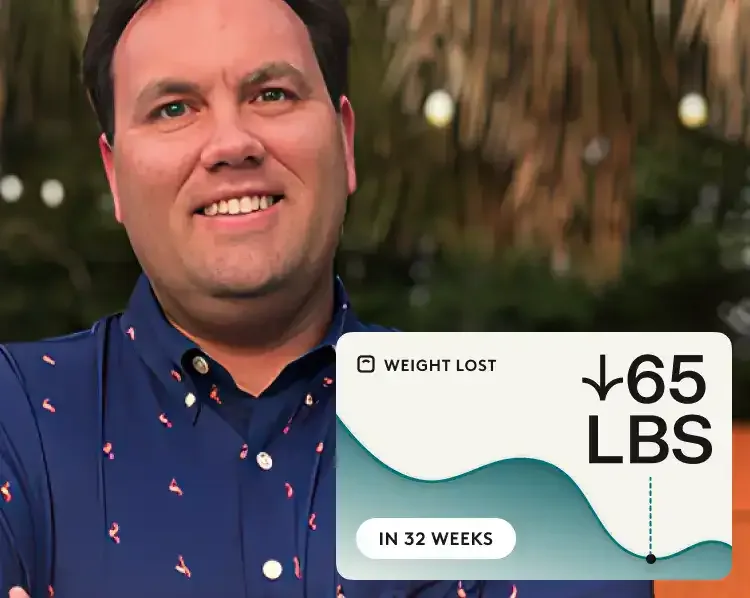
“Noom has taught me that every day is a new chance to make better, healthier choices. It's taught me how to stop overeating.’’
Matthew M. — Real Noom user
Lila M. — Real Noom user
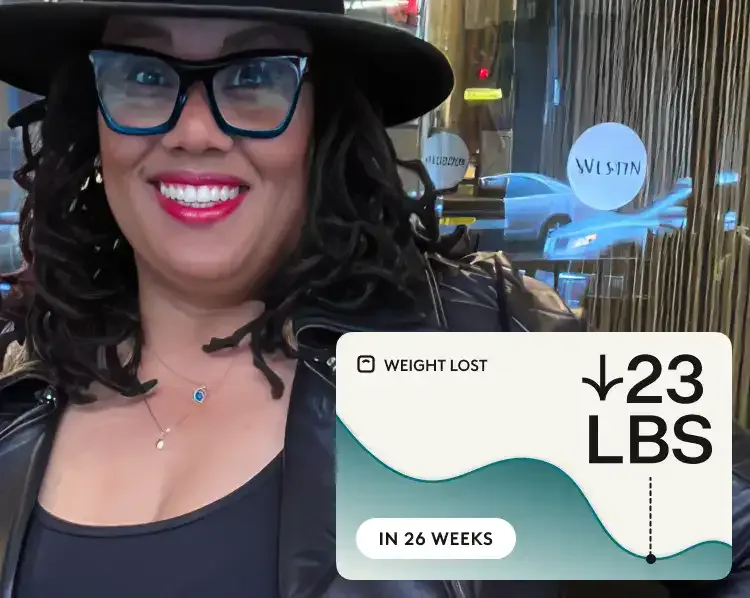
“Clinicians who understand how supportive medication can be is one of the best parts of Noom! I was convinced I wouldn’t have success but I’m down 11 pounds in two months.’’
Lila M. — Real Noom user
Steve M. — Real Noom user
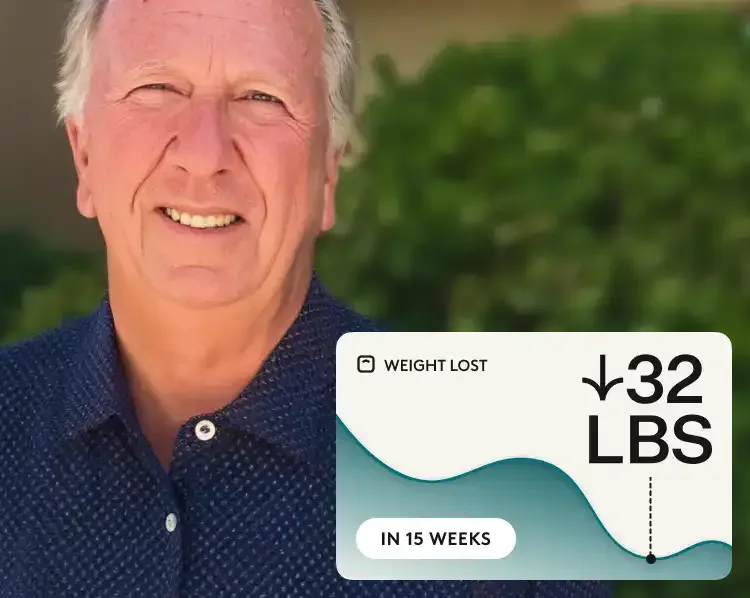
“Noom provided me with the medication which I could not get through Medicare. I have learned the tricks to better eating and life in general.”
Steve M. – Real Noom user
Daisy R. — Real Noom user
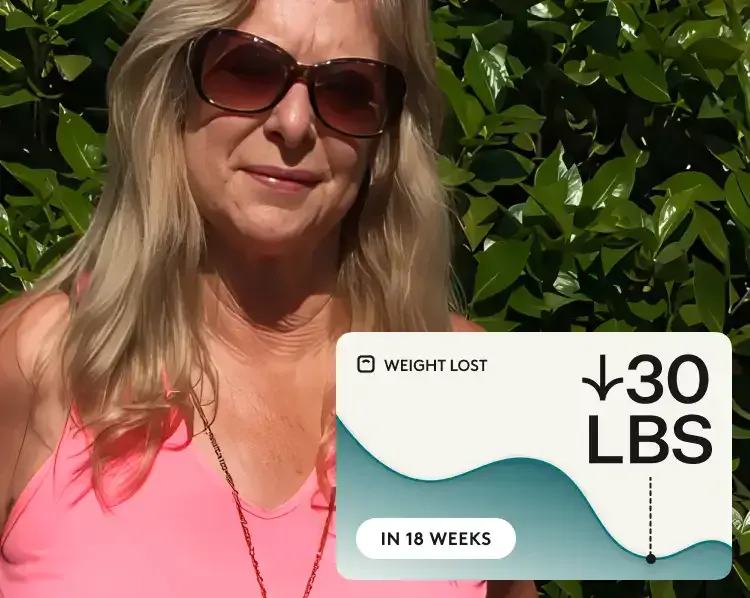
‘’Noom has changed my life and I’m so thankful, I feel great, have more energy and am no longer prediabetic.”
Daisy R. – Real Noom user
Sarah R. — Real Noom user
“All of the Noom providers that I’ve met with have been exceptional and prescribed medications that are appropriate for my situation and health.”
Sarah R. – Real Noom user
Madison S. — Real Noom user
“Noom made the process so simple and now I feel full, free from diet obsession, and at ease in my body again.”
Madison S. – Real Noom user
Sonday K. — Real Noom user
“My doctor recommended Noom after I was frustrated trying to lose weight. The lessons helped change my relationship with food. My body feels lighter & energized.”
Sonday K. – Real Noom user
Cam K. — Real Noom user
“I built healthy habits with coaching and lessons that make me confident I can maintain my weight loss long term.”
Cam K. – Real Noom user
Laura TR. — Real Noom user
“With the right medication through Noom, hunger and sugar cravings finally quieted and I have the tools to break the cycle.”
Laura TR. – Real Noom user
Jessica S. — Real Noom user
“Cravings and food noise are gone, I finally feel confident in the healthy habits I’ve built to last with Noom.”
Jessica S. – Real Noom user
The bottom line: Prebiotic soda won’t help you lose weight outside of a calorie deficit
Based on current evidence, prebiotic soda isn’t supported as a weight-loss tool on its own. While prebiotics are linked to gut health and may play a small role in appetite or metabolic processes, the amounts found in most sodas are far below what’s been studied for weight-related benefits.
But, for some people, prebiotic soda may be a better occasional choice than a sugary beverage—but that doesn’t mean it actively promotes weight loss. “Most nutrition experts agree that no single drink has a meaningful impact outside the context of overall diet and lifestyle,” says Dr. Mann
What matters far more is your broader eating pattern and daily habits. Whole foods still provide the most reliable source of fiber and nutrients, and progress tends to come from consistent, sustainable changes rather than swapping in one “better-for-you” product.
If you’re looking for more nutritional support, explore the Noom app on iOS & Android. You’ll find personalized guidance, daily articles, exclusive recipes, and expert-backed tools designed to help you discover the foods and habits that best support your body and your goals.
Editorial standards
At Noom, we’re committed to providing health information that’s grounded in reliable science and expert review. Our content is created with the support of qualified professionals and based on well-established research from trusted medical and scientific organizations. Learn more about the experts behind our content on our Health Expert Team page.