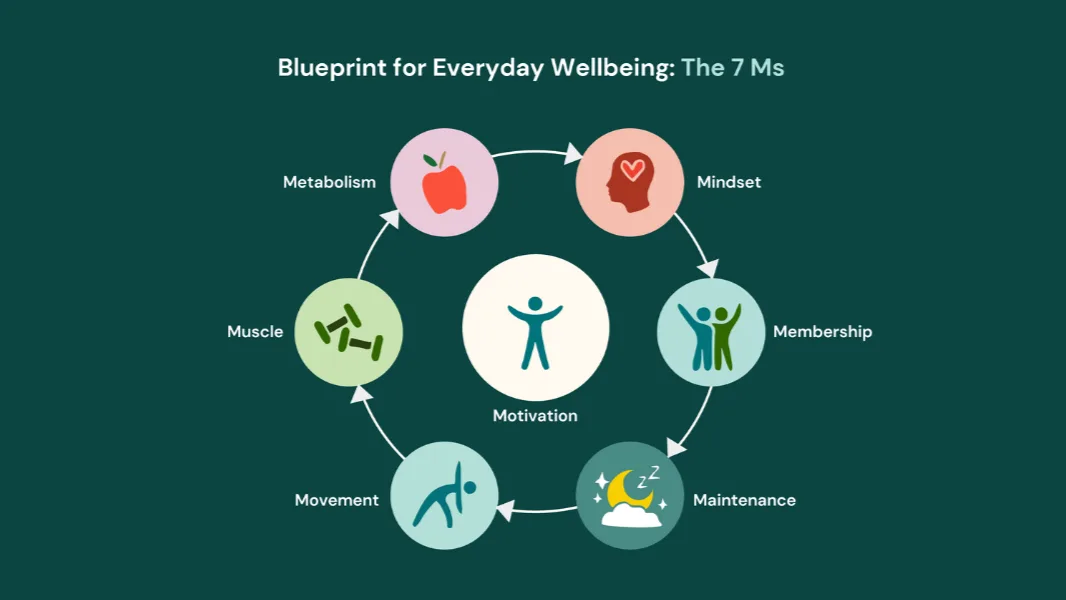

The 7 Ms of Wellbeing is a new, evidence-based framework that unites biological (Metabolism, Muscle, Movement) and psychological (Mindset, Maintenance, Membership) health, anchored by Motivation as the entry point and driving force.
Building upon earlier models such as Dr. Seligman’s well-validated PERMA model (focused on psychological flourishing), the 7 Ms are designed to be actionable, measurable, and intervention-ready. Each domain is rooted in scientific evidence and linked to specific, achievable behaviors with proven impacts on health and longevity.
The 7 Ms provide a practical, research-ready framework for:
- Intervention development for chronic disease prevention and mental health promotion
- Curriculum design in public health, psychology, and wellness education
- Measurement and evaluation of wellbeing beyond GDP or traditional biomarkers
By emphasizing the bi-directional loop between biology and psychology, the 7 Ms move beyond crisis management to a vision of human flourishing—adding not just years to life, but life to years.
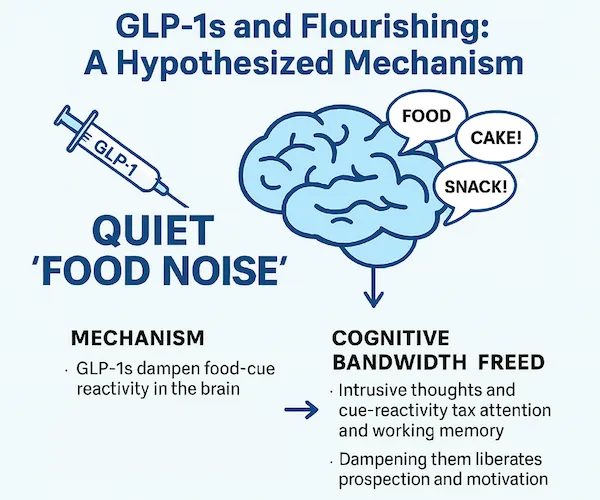
What’s more, this analysis suggests that GLP-1s may enable motivation for healthy behaviors by reducing “food noise.” GLP‑1s don’t just curb appetite; they turn down the brain’s reactivity to tempting cues, which reduces intrusive food thoughts. Since those thoughts otherwise consume attention and working memory, quieting them frees up the brain’s bandwidth for future‑oriented goals—like getting to the gym, prepping meals, or reconnecting socially. That may well explain the follow-on benefits to GLP-1 use across motivation and flourishing, and why trials now show related reductions in alcohol craving.
Introduction: Rethinking Wellness Paradigms
For decades, experts have understood that health is more than just the absence of disease. The World Health Organization defines health as “a state of complete physical, mental and social wellbeing.”
Building on this broad view, multi-dimensional wellness models emerged. Dr. Martin Seligman of the University of Pennsylvania created the modern, research-based field of Positive Psychology. He wrote: “There is more to psychology than the alleviation of misery. There is wellbeing.” He brought to the field a scientific rigor.
Prior to Seligman, no less a luminary than Abraham Maslow, of “Hierarchy of Need” fame, noted that Freud had addressed “the sick half” of psychology but not “the healthy half.” With humanistic psychology, Maslow opened the door for a “science of human flourishing,” laying the conceptual framework for Seligman, Haidt, Pawelski, and other pioneers.
What they have shown is this—Humans have an innate drive to flourish. Optimizing the lives of healthy people is fundamental to psychology, just as treating those who are ill is fundamental. So it is with health generally: Health exists on a continuum, and the vast majority stand to benefit from optimization.
Earlier wellness models made clear that wellness is multi-faceted, but their broad categories can feel abstract. A framework only drives change when it is operationalized into concrete action. Despite decades of such models, population health continues to decline. It’s time for a new approach—one that translates evidence into action and balances physical and psychological wellbeing while recognizing the central place of motivation.
To operationalize flourishing, I propose the 7 Ms of Wellbeing, a multi-dimensional framework for human flourishing, addressing biological and psychological health through motivational behavior change. The model is designed, above all, to be actionable—to empower everyone, everywhere to live better longer.
Background: The Dual Epidemic
The United States is facing two overlapping epidemics. The first is a chronic disease epidemic, with obesity, diabetes, and cardiovascular illness accounting for the majority of preventable morbidity and mortality. The second is a mental health crisis—rising rates of loneliness, isolation, depression, anxiety, and a lack of meaning and purpose in life.
Put another way: The average American with the average American blood biomarkers will get the average American chronic disease. The obesity rate in the US exceeds 40%. Meanwhile, the rate of overweight or obesity approaches 75%.
Traditionally, healthcare systems have treated “health” and “flourishing” as separate domains: One focused on health promotion and disease prevention, aiming for “normal” ranges for blood biomarkers like A1C; the other on the elimination of psychological misery. Each in its own way focused on improving an objective measure that is “poor” vs. a baseline, rather than targeting wellbeing into an “Optimal” range. Yet modern neuroscience and psychology suggest the division of biology vs. psychology is artificial, because motivation, mindset, and social connection have been shown to affect physical health outcomes.
That wellbeing can be achieved solely through the absence of misery is fantasy.
GLP-1s Beyond Weight Loss
The emergence of GLP-1 receptor agonists (e.g., semaglutide, marketed as Ozempic and Wegovy) provides an opportunity to rethink the mind-body connection. While initially designed for glycemic control and weight loss, these medications may also influence broader aspects of human flourishing, including motivation, compulsive behavior, and psychosocial wellbeing.
Clinical studies increasingly show that GLP-1s provide benefits beyond weight reduction. Randomized controlled trials have demonstrated cardiovascular improvements, including enhanced microvascular function and reduced risk of major adverse cardiac events. Additionally, there is emerging evidence that GLP-1s may modulate reward pathways, reducing compulsive behaviors such as overeating, alcohol consumption, and even gambling.
The ripple effect is profound: weight loss improves energy and mobility, which in turn support healthier habits like physical activity, social engagement, and better nutrition. More importantly, GLP-1s may strengthen motivation itself, creating a virtuous cycle where healthier choices become more sustainable.
Flourishing as a Framework
In modern psychology, flourishing extends beyond the absence of disease. It describes a state of thriving across multiple dimensions of life. Martin Seligman’s well-established PERMA model (2011) identifies five pillars: Positive Emotion, Engagement, Relationships, Meaning, and Accomplishment. Research shows strong associations between PERMA and outcomes like greater vitality, job satisfaction, resilience, and organizational commitment.
Meanwhile, global institutions like the UN and OECD—and forward-thinking nations—are considering measures of wellbeing beyond money/GDP. No doubt, the time has come for a Gross Flourishing Index to capture what truly matters: human wellbeing.
Rethinking Wellness Paradigms
The 7 Ms of Wellbeing highlight seven key domains:
Motivation is the entry point. Three Ms shape biological health: Metabolism, Muscle, and Movement—while three Ms shape psychological health: Mindset, Maintenance, and Membership.
Each domain emphasizes actionability, with biology and psychology influencing one another in a bi-directional loop.
Each “M” represents an evidence-based dimension of wellbeing, recast in clear, memorable terms that define specific areas for growth. This new framework retains the spirit of earlier models (covering mental, physical, and social health) but makes them more concrete and actionable.
Below, I explore each of the 7 Ms—their scientific rationale, why they matter, and practical ways to put them into action. The goal is a flexible approach to wellbeing that is easy to remember and implement in daily life.
The 7 Ms of Wellbeing: A Whole-Person Framework
1. Motivation: The Drive to Pursue and Sustain Goals
Motivation is the psychological and physiological drive that initiates, directs, and sustains goal-oriented behavior. It is the spark that gets us started on a task, and the fuel that keeps us going when challenges arise. Without motivation, even the best knowledge and resources fail to translate into meaningful action.
Given the importance of motivation to so many facets of health and human flourishing, it’s worth taking a step back to examine the neuroscience that underlies motivation.
In Homo Prospectus, Seligman and colleagues (2016) argue that what makes humans unique is prospection—our ability to imagine and evaluate future possibilities. This capacity is closely tied to the default mode network (DMN), a large-scale brain system active during rest and internally directed thought and critical to consciousness. The DMN includes regions such as the medial prefrontal cortex, posterior cingulate cortex, hippocampus, and angular gyrus.
Traditionally seen as a “mind-wandering” network, the DMN can now be understood as a future simulation system. It allows us to mentally rehearse scenarios, weigh alternatives, and plan long-term goals. Importantly, the DMN interacts with emotion and motivation circuits: the amygdala and ventromedial prefrontal cortex help us “feel” imagined outcomes, while the striatum’s dopamine pathways energize goal pursuit.
A Novel Hypothesis Linking Reduced “Food Noise” to Flourishing
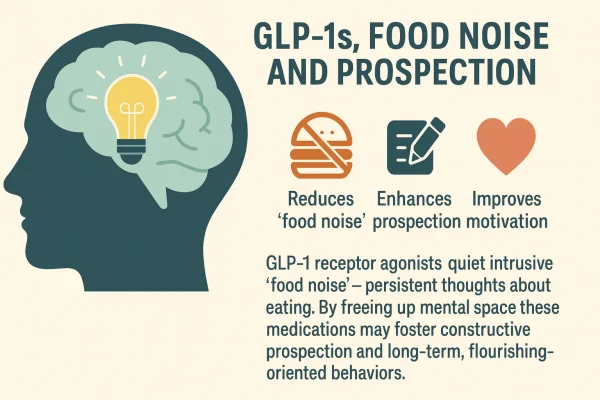
One of the most commonly reported effects of GLP-1s is the reduction of “food noise”—the intrusive, compulsive thoughts about food that dominate attention and decision-making. Cravings are controlled. From the perspective of neuroscience, food noise may represent maladaptive prospection: the brain repeatedly simulates short-term reward scenarios (e.g., sugary snacks, alcohol) at the expense of long-term goals. Studies suggest food cravings impair working memory and executive function.
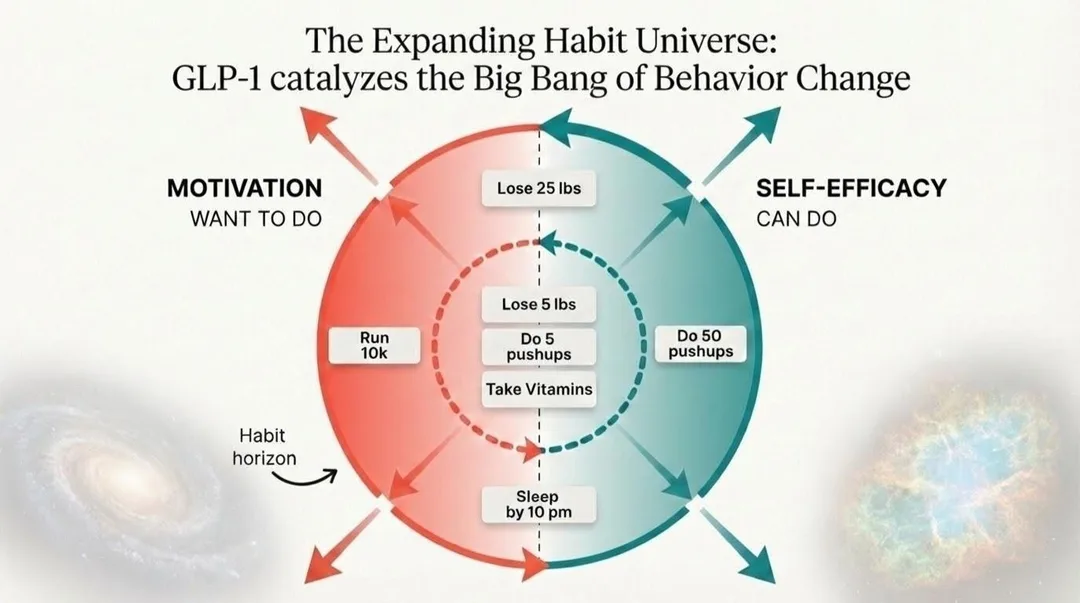
By quieting food noise, GLP-1s may liberate cognitive bandwidth for constructive prospection. Indeed, GLP-1s have been shown to limit prospective consumption. People taking a GLP-1 often describe newfound motivation for healthier behaviors such as exercise, preparing nutritious meals, or reconnecting socially. In effect, GLP-1s may shift the reward system from short-term dopamine bursts to longer-term flourishing-oriented behaviors. While GLP-1s have been shown to improve health-related quality of life, research is needed to investigate broader measures of wellbeing.
Perhaps what is happening is GLP-1s reduce cravings, removing the tax of cravings on working memory and attention. Reducing immediate-reward simulations in the Default Mode Network may enable future-oriented simulation to guide behavior. In the real world, patients talk about how their brains feel quieter, making it easier to engage in healthy behaviors. Perhaps GLP-1s not only increase satiety but make it easier to adopt healthy habits. We certainly see it every day at Noom.
Future research should investigate whether GLP-1s enhance flourishing outcomes generally, as well as if they enhance these outcomes independent of weight loss, and whether different dosing strategies (e.g., microdosing vs. standard dosing) yield differential effects on motivation and wellbeing.
Evidence-Based Tips for Motivation
While medication may create space for motivation, sustaining it requires intentional strategies. Three evidence-based practices are particularly powerful:
- Set small, achievable goals: Break large ambitions into small, achievable targets (e.g., walking 15 minutes three times per week). Use SMART goals (Specific, Measurable, Achievable, Relevant, Time-bound) to create clarity and accountability. Noom’s program is built around enabling healthy microhabits.
- Track your habits: Record daily behaviors in an app, journal, or simple calendar. Tracking provides visual reinforcement and helps highlight progress, which sustains engagement.
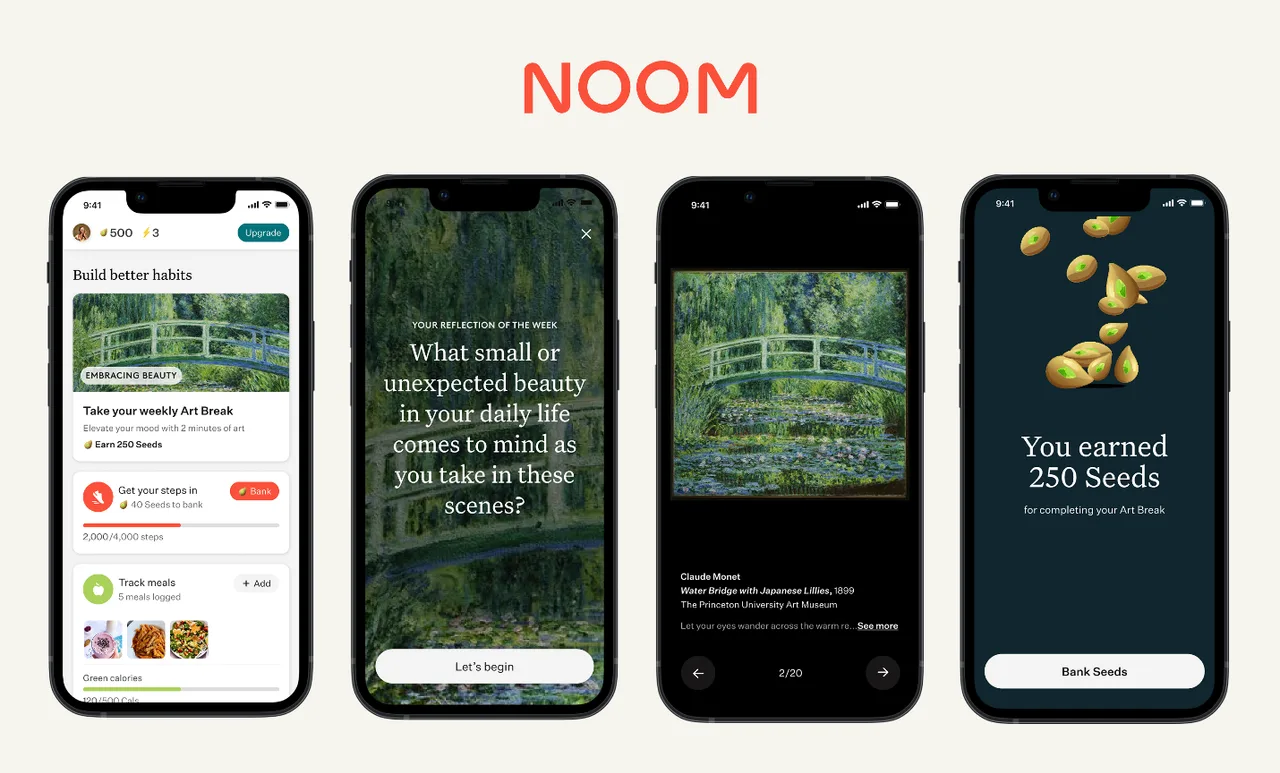
- Reinforce positive behaviors: Celebrate small wins to strengthen self-efficacy—the belief in your ability to succeed. Rewards can be intrinsic (the satisfaction of progress) or extrinsic (treating yourself after hitting a milestone). At Noom, we use two microcurrencies for positive reinforcement: Seeds, redeemable for rewards of monetary value; and Noomcoin, which unlocks app features and signals status within the community. By gamifying healthy behavior change, we make the process itself more fun and sustainable.
2. Metabolism (Nutrition and Metabolic Health)
Metabolism refers to nutritional and metabolic wellness—how we fuel our bodies and regulate vital health markers like blood sugar (A1C), cholesterol, and blood pressure. Traditional models lump diet and exercise under “physical” health, or, like PERMA, omit it altogether. By highlighting metabolism specifically in the 7 Ms, we emphasize the critical role of nutrition and metabolic indicators in preventing disease.
Each M in the 7 Ms stands on its own—something a flourishing person would pursue independently. Health is too broad to be reduced to a single dimension. Most people in the United States stand to benefit by optimizing metabolism.
Many feel reassured if their hemoglobin A1C (a 3-month blood sugar average) is “normal” (<5.7%). But research shows lower is better. Settling for the upper edge of “normal” isn’t enough—aiming for an A1C in the lower-normal range (closer to 5.0%) can substantially reduce the risk of diabetes and related health issues.
Numerous studies show the benefits of keeping A1C well below the prediabetes cutoff. A Harvard-led analysis of healthy adults without diabetes found that each 0.5 percentage-point increase in A1C above ~5.0% was associated with a 29% rise in the risk of coronary heart disease, with the lowest heart risk observed at ~5.0%. Likewise, the risk of progressing to diabetes climbs steeply beyond the low-5% range. For example, an A1C of 5.5–6.0% confers dramatically higher five-year diabetes odds than an A1C in the low 5’s. In short, what lab reports call “normal” doesn’t necessarily equal optimal. Mounting evidence shows that keeping A1C at the lower end of normal (closer to 5.0%) yields measurable health benefits, whereas higher-normal levels (e.g. 5.4%) carry added risk.
Only about 1 in 8 American adults have optimal metabolic measures (healthy levels of blood glucose, blood lipids, blood pressure, etc.), leaving the vast majority at heightened risk for type 2 diabetes, cardiovascular disease, and other chronic conditions.
Globally, poor diet is now the leading risk factor for death—linked to ~11 million deaths per year (about one in five worldwide), more than any other risk factor including smoking. These findings underscore a critical truth: metabolic wellness—driven by healthier eating and related interventions—must be central to any wellness paradigm.
Noom promotes healthy metabolism via two complementary pathways: medication and behavior change. Our GLP-1 and HRT offerings support metabolic and hormonal health. Our coaching and food tracking tools give members the tools they need to lose weight and improve their metabolism.
Ways to support metabolic health:
- Adopt a balanced, nutritious diet: Emphasize whole foods like vegetables, fruits, whole grains, lean proteins, and healthy fats. Minimizing excess sugar, refined carbs, and processed foods helps improve blood glucose and cholesterol. Small changes (like cutting sugary drinks or adding more fiber) can yield big metabolic benefits.
- Leverage modern tools and treatments: Regularly monitor metabolic indicators (weight, blood pressure, blood sugar levels). Use resources—like continuous glucose monitors (for diabetes) or GLP-1 medications (when prescribed)—to complement lifestyle changes and improve metabolic health.
- Maintain routine health checks: Keep up with screenings such as A1C tests for blood sugar, lipid panels for cholesterol, and doctor visits. Early detection of metabolic issues (prediabetes, high blood pressure, etc.) allows for proactive management through diet, activity, or medical guidance before they progress to serious disease.
3. Muscle (Strength and Physical Capacity)
Muscle represents the strength and functional aspect of physical health: building and maintaining muscle mass, strength, and functional fitness. Traditional wellness models include physical health broadly, but the 7 Ms deliberately split it into Muscle and Movement to ensure strength training gets its due focus alongside aerobic activity, as an end in itself.
Muscle mass is a powerful predictor of healthy aging and longevity. Research shows that the more skeletal muscle an individual has, the less prone they are to injury, chronic disease, and premature death. Older adults in the highest quartile of muscle mass (relative to height) had a ~20% lower all-cause mortality risk than those in the lowest quartile. A recent cohort study found that each additional kilogram of muscle was linked to a ~19% drop in mortality risk, and those with the greatest muscle mass had over a 50% lower risk of death compared to those with the least. The takeaway: it’s not just about preventing low muscle mass—actively building and maintaining muscle delivers substantial benefits for longevity and healthy aging.
Meanwhile, a large international study found that grip strength—a simple measure of muscular strength—was a powerful predictor of mortality. People with weaker grip strength had significantly higher all-cause death rates. Remarkably, grip strength predicted mortality risk more accurately than blood pressure.
Poor muscle health in older adults leads to frailty, falls, and loss of independence, whereas maintaining strength is associated with better metabolic health, bone density, and longevity. Thus, muscle deserves to stand on its own as a pillar of wellbeing.
Noom’s Muscle Defense™ product, part of our Healthy Weight and GLP-1 Companion offerings, was designed to prevent muscle loss as our members improve their health with accessible, sustainable workouts.
Ways to build and preserve muscle:
- Incorporate resistance training: Engage in strength-building exercises 2–3 times per week. This can include weightlifting, bodyweight exercises (like push-ups, squats), resistance band workouts, or yoga/pilates. Start at your level—even light resistance or using household objects as weights can help build muscle gradually.
- Focus on all major muscle groups: Ensure your routine targets legs, core, arms, back, and so on, for balanced strength. Functional movements (climbing stairs, carrying groceries, gardening) also build practical strength. Consistency is key—muscles strengthen over time with regular challenge and recovery.
- Protect and use your muscle as you age: Muscle mass naturally declines with age, so it’s crucial to stay active. If you’re older or managing health conditions, work with a trainer or physical therapist to design a safe strength program. Even simple exercises like chair squats or grip exercises can preserve muscle and improve daily functioning, reducing fall risk and promoting independence.
4. Movement (Physical Activity and Cardiovascular Fitness)
Movement covers the activity and aerobic fitness side of physical wellness. Regular movement (exercise, sports, walking, any bodily activity) is one of the most potent health enhancers available. Sedentary lifestyles, on the other hand, are deeply harmful.
One large study of over 122,000 adults found that cardiorespiratory fitness was inversely related to mortality—with no upper limit to the benefit. The fittest “elite” individuals had the lowest death rates, while the least fit faced a 5x higher mortality risk. Everyday activity also matters. A 2023 meta-analysis of 17 studies (totaling ~226,000 people) showed every additional 1,000 steps taken per day was associated with about a 15% reduction in risk of death, and those averaging 11,000 steps daily had a ~50–70% lower mortality risk than sedentary peers. These results make clear that striving for optimal physical activity levels (not just the minimum “in-range” amount) yields substantial longevity benefits.
Lack of movement contributes to a host of chronic diseases—heart disease, stroke, diabetes, some cancers—and also affects mental health and cognitive function. Conversely, regular movement yields extensive benefits: It improves cardiovascular health, helps control weight and metabolism, boosts mood and brain health, and even reduces symptoms of anxiety and depression. The Movement “M” underscores that staying active is central to wellbeing—and it complements Muscle, since combining both types of exercise drives the best outcomes.
Noom promotes movement with step tracking and community features that reward people for reaching step targets.
Ways to incorporate movement into everyday life:
- Meet weekly activity targets: Aim for the recommended amount of exercise – for adults, typically 150 minutes of moderate or 75 minutes of vigorous aerobic activity per week, plus muscle-strengthening sessions. You can break this into 30-minute brisk walks five days a week, for example. Choose activities you enjoy so you’ll stick with them.
- Sit less, move more throughout the day: Beyond formal exercise, look for ways to reduce sedentary time. Take walking breaks during work, use stairs instead of elevators, stretch during TV commercials, or try a standing desk. Even light activities like doing household chores or short strolls can add up and counteract the risks of prolonged sitting.
- Use simple metrics to stay on track: Set actionable daily movement goals, like a step count (e.g. 8,000–10,000 steps a day is a common target for health) or active minutes. Fitness trackers or smartphone apps can help monitor your activity. These concrete goals make it easier to ensure you’re getting enough movement and can motivate you with a sense of progress.
5. Mindset (Positive Emotion and Attitude, Resilience to Stress, Mindfulness, Purpose and Meaning)
Mindset represents the power of mental health, outlook, and resilience. Prior paradigms called this the emotional or psychological dimension—the 7 Ms use mindset to emphasize cultivating a positive, growth-oriented mental attitude.
There is good reason to prioritize mindset: mental wellness is fundamental to overall health. The WHO notes:
“Mental health is an integral part of health… there is no health without mental health.”
Positive psychological traits influence longevity. A Harvard study found that people with higher optimism live longer and have greater odds of reaching old age in good health. In a classic longitudinal study, older adults with positive self-perceptions of aging lived 7.5 years longer than those with negative views. More recent research in two large epidemiological cohorts found a dose-dependent effect of optimism on lifespan: the most optimistic people lived 11–15% longer and were significantly more likely to reach age 85 (“exceptional longevity”), even after adjusting for health conditions and behaviors. Such evidence indicates that cultivating a positive, proactive mindset (e.g. fostering optimism and resilient attitudes about aging) is a powerful, independent driver of healthy aging and longevity.
Noom promotes a healthy mindset via CBT lessons to boost self-efficacy for achieving health goals. We understand that a healthy mindset—marked by optimism, stress management, and emotional balance—is linked to better health outcomes and quality of life. Noom is developing a new suite of mood-boosting activities to further drive healthy mindset.
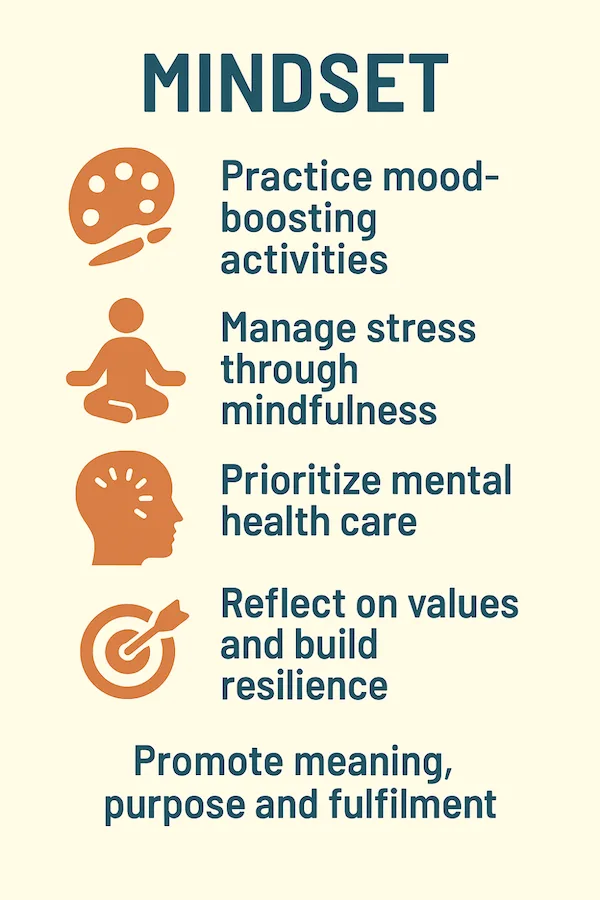
Ways to optimize mindset:
- Practice mood-boosting activities: Engage in hobbies, creative pursuits, or time with loved ones to foster positive emotions. Even simple acts like engaging with art, listening to uplifting music, or journaling about things you’re grateful for can boost your mood by savoring the little joys.
- Manage stress and build resilience by cultivating mindfulness: Techniques such as mindfulness meditation, deep breathing, or yoga can help reduce stress. Consider cognitive-behavioral strategies (like reframing negative thoughts) to cultivate a more optimistic, resilient outlook.
- Prioritize mental health care: Just as one sees a doctor for physical check-ups, maintain your psychological wellness. This can include talking to a therapist or counselor, practicing self-reflection, or joining support groups as needed to cope with life’s challenges.
A healthy mindset also includes meaning—having a sense of purpose, fulfillment, and aligning life with one’s values. This corresponds to the spiritual or existential dimension in other models, though “meaning” is here framed in secular, inclusive terms—it’s about finding purpose and significance in life.
A growing body of research shows that meaning in life isn’t just a philosophical concern but a wellness factor with tangible health impacts. People who feel a strong sense of purpose tend to experience better mental and physical outcomes. Notably, older adults with high life purpose have significantly lower mortality rates over time compared to those with low sense of purpose.
A large U.S. study of adults over 50 found that those with the lowest sense of purpose had more than double the risk of all-cause mortality compared to those with the highest purpose. In other words, individuals who felt a clear purpose in life tended to live significantly longer. The researchers concluded that life purpose is a modifiable risk factor for mortality and suggested that interventions to enhance one’s sense of purpose may improve health outcomes. The takeaway: Optimizing purpose—not just avoiding aimlessness—appears to be a powerful lever for healthier, longer life.
Purposeful living has been linked to benefits like improved cognitive function, reduced risk of heart disease, and greater resilience in the face of stress. In other words, why we live is as important as how we live for our overall wellbeing.
Ways to promote meaning, purpose and fulfillment:
- Reflect on your values and strengths: Set aside time for self-reflection, journaling, or meditation on what gives you purpose—whether it’s family, community, creativity, faith, or personal growth. Identifying your core values and talents can guide you toward activities that feel meaningful.
- Engage in purpose-driven activities: Dedicate energy to pursuits that align with your sense of meaning. This could be volunteering for a cause you care about, mentorship, community service, or projects and hobbies that give you a sense of accomplishment and contribution.
- Set meaningful goals: Rather than just going through the motions, establish goals (big or small) that connect to your purpose. For example, if learning and growth give you purpose, set a goal to master a new skill or take a class. Achieving these purpose-aligned goals can boost life satisfaction and wellbeing.
6. Maintenance (Rest, Recovery, and Sleep)
Maintenance is the essential dimension of rest, recovery, and sleep—the body and mind’s way of restoring balance and sustaining optimal function. While Motivation drives us forward, and Movement or Muscle keep us active and strong, Maintenance ensures that we can continue to perform, grow, and thrive without burning out. It both reinforces the other dimensions and is reinforced by them.
Maintenance includes high-quality sleep, deliberate recovery periods, and mental downtime. Sleep cycles allow the body to repair tissues, consolidate memories, regulate hormones, and support immune function. Recovery includes both physical (rest days after exercise, injury repair) and mental (pauses from cognitive load, relaxation techniques) aspects. Together, these practices ensure that effort in other domains—physical activity, social connection, learning—can be sustained over the long term.
Chronic sleep deprivation and inadequate recovery are strongly linked to higher risks of obesity, diabetes, cardiovascular disease, depression, and premature mortality. Sleep plays a critical role in emotional regulation and cognitive performance; inadequate sleep impairs decision-making, increases susceptibility to stress, and diminishes resilience. Just as muscles grow stronger during recovery rather than exertion, the mind integrates learning and creativity during rest. Without Maintenance, gains in metabolism, movement, or mindset cannot be fully realized.
Both sleep duration and sleep quality show clear dose-dependent effects on health – it’s not simply “good or bad” sleep. Incremental improvements in sleep (longer sleep and more restful, uninterrupted sleep) measurably benefit many health outcomes.
A meta-analysis in the European Heart Journal found that short sleep duration (<6 hours) was associated with a 48% increased risk of coronary heart disease and a 15% greater risk of stroke. The National Sleep Foundation highlights that 7–9 hours of nightly sleep supports optimal immune response, metabolic health, and cognitive performance. Studies in Nature Neuroscience show that sleep facilitates memory consolidation, while deep (slow-wave) sleep enhances the brain’s ability to retain and integrate new information. Research on athletes confirms that rest and recovery improve physical performance, reduce injury risk, and increase longevity in training outcomes.
Getting high-quality, restorative sleep confers its own stepwise health advantages. In one Harvard-affiliated analysis of 172,000+ adults, researchers created a 5-point “healthy sleep” score (based on adequate duration, infrequent insomnia, no sleep meds, and regular daytime alertness). They found a “clear dose-response”: with each additional good sleep habit, mortality risk dropped further. Participants who met all 5 sleep-quality criteria had a 30% lower risk of death from any cause than those with very poor sleep (0–1 out of 5). They also lived 2.4–4.7 years longer on average.
In addition to rest, recovery, and sleep, Maintenance also requires monitoring the body’s internal signals. Just as regular check-ins help ensure sustainable training, biomarker testing provides objective insight into whether the body is truly recovering, repairing, and staying in balance.
Key biomarkers like A1C (a measure of long-term blood glucose) and testosterone (critical for energy, muscle mass, libido, and overall vitality) can highlight early signs of imbalance before symptoms appear. Elevated A1C levels, for example, may indicate a progression toward insulin resistance or type 2 diabetes—conditions strongly linked to inadequate recovery and disrupted sleep. Low testosterone, on the other hand, can reflect chronic stress, overtraining, poor sleep, or nutritional deficiencies.
By tracking these markers, along with others such as cortisol, lipid panels, and inflammatory markers, individuals gain actionable feedback about how well their current lifestyle practices are supporting long-term health. When paired with high-quality sleep and proper recovery, biomarker testing creates a feedback loop: you not only rest, but you confirm through data that rest is working.
In this way, Maintenance becomes both restorative and preventive—helping to identify risks early, personalize recovery strategies, and ensure that the foundations of health are continually reinforced.
In short, Maintenance ensures that flourishing is sustainable. By respecting the body’s need to restore, recover, and recalibrate, we protect long-term health, enhance resilience, and create the conditions for every other “M” to thrive. We place this “M” within psychological health because Maintenance—through rest, recovery, and sleep—supports mental clarity, emotional balance, and resilience, which are essential for flourishing alongside purpose and connection (Membership).
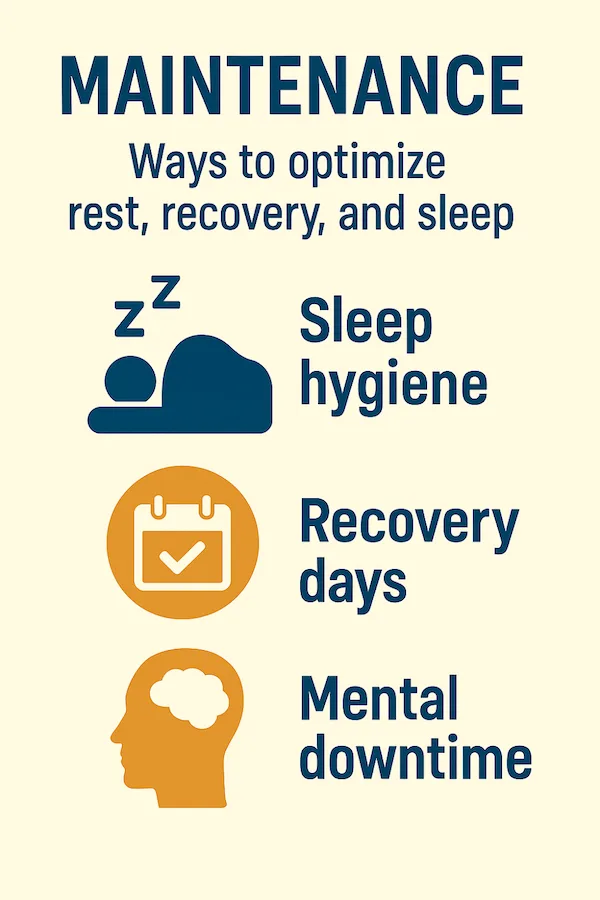
Ways to optimize rest, recovery, and sleep:
- Prioritize sleep hygiene: Maintain consistent sleep and wake times, reduce blue light exposure before bedtime, and create a cool, quiet sleep environment.
- Schedule recovery: Incorporate rest days into physical training routines, and use active recovery techniques like stretching, yoga, or light walking.
- Protect mental downtime: Engage in restorative practices like meditation, time in nature, or simple quiet reflection to recharge cognitive and emotional reserves.
7. Membership (Social Connection and Belonging)
Membership refers to a sense of belonging and connection with others—the social dimension of wellness. Humans are social creatures, and science confirms that social well-being is a major determinant of health. Strong social ties and community belonging (“membership” in supportive groups, whether family, friends, or any community) can literally add years to one’s life.
A meta-analysis of 148 studies found that people with rich social relationships had a 50% greater likelihood of survival than those who were socially isolated. In fact, the influence of social connection on mortality risk is comparable to smoking, and exceeds risk factors such as obesity. The former Surgeon General of the United States noted that loneliness can be as harmful as smoking 15 cigarettes a day. By including Membership, the 7 Ms paradigm makes clear that nurturing relationships is not optional—it is a necessity for wellness.
Noom supports membership via its community and social features. We help our members form social bonds for mutual support and encouragement along their health journeys.
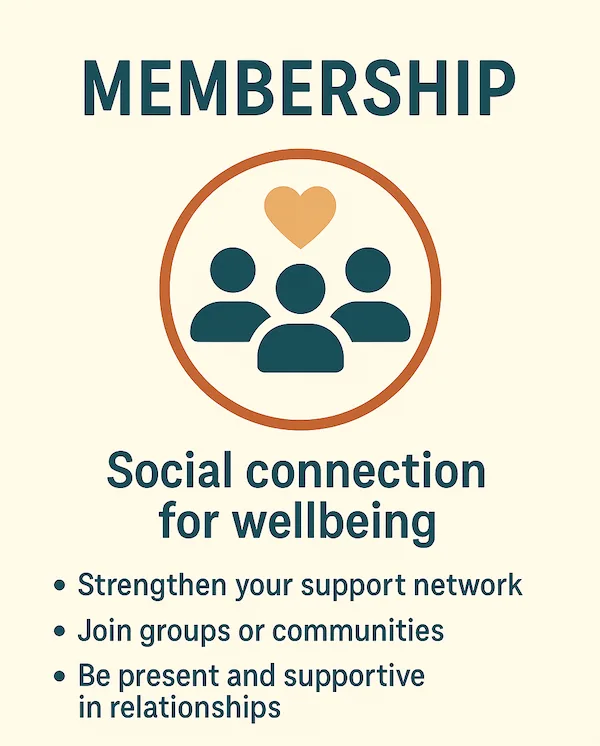
Ways to promote membership:
- Strengthen your support network: Make it a point to keep in touch with friends and family. Regular phone calls, meet-ups for coffee or walks, or even quick text check-ins can maintain and deepen bonds. Scheduling social time is as important as scheduling exercise or doctor visits.
- Join groups or communities: Find communities where you belong. This could be anything—a club, faith group, sports team, class, or volunteer organization. Shared activities help forge new connections and give a sense of camaraderie. Feeling part of a group with common interests can greatly enhance your sense of belonging.
- Be present and supportive in relationships: Quality of social ties matters as much as quantity. Practice active listening and empathy with those around you. Offer support and also be willing to ask for help when you need it. Fostering trust and reciprocity in relationships creates a reliable social safety net that benefits mental and physical health.
From Paradigm to Practice
The 7 Ms—beginning with the front door and driving force of Motivation and followed by the three biological health pillars of Metabolism, Muscle, and Movement and the three psychological health pillars of Mindset, Maintenance, and Membership—offer a comprehensive yet actionable roadmap for wellbeing.
This paradigm is meant to complement previous models by distilling their insights into concrete, memorable categories that individuals and institutions can readily act upon. Each “M” is rooted in evidence and aligns with dimensions highlighted by organizations like WHO. But this model goes further—emphasizing domains that lend themselves to specific and achievable interventions while balancing psychological and biological health.
Crucially, the 7 Ms do not exist in isolation—they are interrelated. Improvements in one domain often benefit the others. For example, exercise (Movement) can boost mood and alter Mindset; social support (Membership) can help one improve Mindset (mental health, meaning, and ability to cope with stress); and so on.
Motivation is more than just the entry point to wellbeing. It’s the dynamic force that keeps the biological and psychological elements in motion. It ensures that biological improvements translate into psychological gains, and psychological strength translates into biological health.
At Noom, we’ve seen firsthand how weight loss is correlated with overall wellbeing. GLP-1 medications may offer more than weight reduction; they may catalyze human flourishing by enhancing motivation, quieting compulsions, and enabling constructive prospection. By addressing all seven areas, a person creates a positive feedback loop of wellness. Noom stands ready to partner with academic institutions interested in studying the flourishing effects of GLP-1 medications.
For academic institutions, public health programs, or anyone seeking a holistic wellness strategy, the 7 Ms provide a clear checklist for curriculum or interventions—ensuring that initiatives touch on mental health, physical health (both metabolic and fitness-related), social belonging, and life purpose. For the general public, the 7 Ms are a handy wellness compass: a reminder that a truly healthy life is one where mind and body flourish, and connections and purpose are nurtured. The 7 Ms make wellness comprehensive yet attainable—empowering people to take proactive steps in each domain. By focusing on these seven pillars, we can move towards a more balanced, fulfilled, and healthy life on all fronts.
As the U.S. confronts both a chronic disease and a mental health crisis, the 7 Ms provide a practical, actionable model for whole-person wellbeing—one that moves beyond condition management toward a vision of healthcare that adds not only years to life, but life to years.
Editorial standards
At Noom, we’re committed to providing health information that’s grounded in reliable science and expert review. Our content is created with the support of qualified professionals and based on well-established research from trusted medical and scientific organizations. Learn more about the experts behind our content on our Health Expert Team page.