
What you’ll learn:
- Zepbound® prefilled pens cost just over $1,000 per month, while multi-dose pens (KwikPens) and single-dose vials through LillyDirect range from $299 to $449, depending on dose.
- What you actually pay for Zepbound® varies widely based on insurance coverage, savings programs, dose level, prescription format, and how you access care.
- Because drug pricing, manufacturer programs, and insurance coverage continue to shift, it’s worth staying informed before deciding whether Zepbound® fits your budget.
If you’ve thought about weight loss medications, you’ve probably considered Zepbound®. This once-weekly injectable is made with tirzepatide and can be very effective, with people on average losing about 21% of their starting body weight. But it also has a reputation for being expensive.
For many people looking for GLP-1 medication to help with weight loss, the cost is the thing that makes them think twice. With monthly costs that reach or exceed $1,000 a month without insurance, the price can be an important barrier to treatment.
But if you’ve thought about looking into a prescription for Zepbound®, it might be worth another look. Prices change, and insurance coverage can also fluctuate, and the beginning of 2026 comes with a few special changes. Recent price reductions that took effect in late 2025, along with expanded manufacturer programs, have changed what some people pay.
The government has also reached agreements with manufacturers to significantly lower costs for drugs like Zepbound®, especially for people on Medicare and Medicaid. These new pricing deals include discounted direct-to-consumer options and are designed to make these treatments more accessible to a broader group of people.
While the list price for Zepbound® prefilled pens remains just over $1,000 per month, for now, insurance coverage can significantly lower out-of-pocket costs for those who qualify. For people paying cash, lower-priced multi-dose pens (KwikPens) and single-dose vials sold directly through the manufacturer can bring monthly costs down. Additional savings programs may further reduce what you pay, depending on eligibility.

The Easy Way
to lose weight and get healthy.
See if you qualify*Initial 3-week subscription and 4 weeks of medication from $99 plus tax and $199 per month plus tax for 12-week subscription thereafter.


Understanding these paths can make the process feel far less overwhelming and help you decide whether Zepbound® fits your health goals and your budget.
Price snapshot (Estimated monthly costs)
- List price (MSRP) – $1,086 monthly
- With insurance – $25–$150 (varies by plan)
- Without insurance (cash) – $900–$1000 monthly for prefilled pens; $299–$449 monthly for multi-dose pens and single-dose vials
Zepbound® cost: News and changes for 2026
A handful of major announcements in late 2025 reshaped how much people may pay in 2026 for GLP-1s like Zepbound®. Here are the key updates that explain where prices are headed and why costs can still vary so widely.
- February 23, 2026: Eli Lilly announced a new multi-dose KwikPen® device for Zepbound®, allowing people to take their once-weekly medication from a single pen that contains four doses. The multi-dose pens are available through Lilly Direct for people paying cash for $299–$449 (depending on dose).
- December 1, 2025 – Eli Lilly cut cash prices for Zepbound® vials – Eli Lilly lowered monthly cash prices for single-dose Zepbound® vials purchased through LillyDirect. Pricing dropped to to $299–$449 (depending on dose), from $349–$499 for people paying with cash.
- November 6, 2025 – Pricing reset for GLP-1 drugs – The federal Most-Favored-Nation pricing framework was announced. This ties what the U.S. consumers pay for certain medications to the lowest prices paid in other comparable countries. In simple terms, it’s meant to stop U.S. customers from paying more for the same drugs that are cheaper in the rest of the world. This new framework means that the price that people pay for Zepbound® could drop from about $1,086 per month to roughly $346 on a government discount platform to be launched in early 2026, with Medicare copays capped at $50 for eligible people.
Despite these changes, the list price for the single-dose pre-filled Zepbound® remains just over $1,080 per month, which means insurance coverage, cash-pay programs, and savings options still matter. These updates signal a real shift toward broader access, but they also explain why Zepbound® costs can still look very different from one person to the next.
How much does Zepbound® cost per month?
When people ask how much Zepbound® costs per month, the short answer is: it depends.
Zepbound®’s monthly out-of-pocket cost varies based on insurance coverage, discount eligibility, and how you access care. It’s also important to factor in the cost of seeing a clinician—initial visits, follow-ups, and ongoing monitoring can all affect the total monthly cost.
Another piece people don’t always realize upfront is that Zepbound® is typically started at a lower dose and gradually increased over time, a process called titration. This helps your body adjust and reduces side effects, but it also means the price can go up as your dose increases.
Plus, what you’re taking Zepbound® for matters: coverage and pricing can differ depending on whether it’s prescribed for weight management or obstructive sleep apnea. All of these factors together explain why there’s no single “one-size-fits-all” monthly cost.
Here’s what you need to know about the true cost of a Zepbound prescription:
Zepbound®’s list price is around $1,080 per month, but very few people actually pay that amount. Insurance coverage, manufacturer discounts, and direct-pay options can lower costs. That’s why it’s more useful to look at real-world payment scenarios instead of focusing on the list price alone.
The medication itself isn’t the only expense to plan for. Most people also need doctor visits for prescriptions and follow-ups, plus periodic lab work. Depending on how care is delivered, these can add $150 to $300 per visit and $100 to $200 for labs, unless they’re bundled into a program or covered by insurance.
Zepbound® costs in 2026: Real-life scenarios
Instead of thinking about one fixed price, it helps to compare the most common ways people actually pay for Zepbound®. Zepbound®’s monthly cost can range from a few hundred dollars to over $1,000, depending on how you access it. Looking at insurance benefits, discount options, and care setup together gives a clearer picture of what you’ll actually pay and helps avoid surprises.
Access GLP-1 Weight Loss with Noom
Explore a wide range of prescription medications supported by Noom’s program.Microdose GLP-1rx
Noom GLP-1rx
Noom GLP-1rx Plus
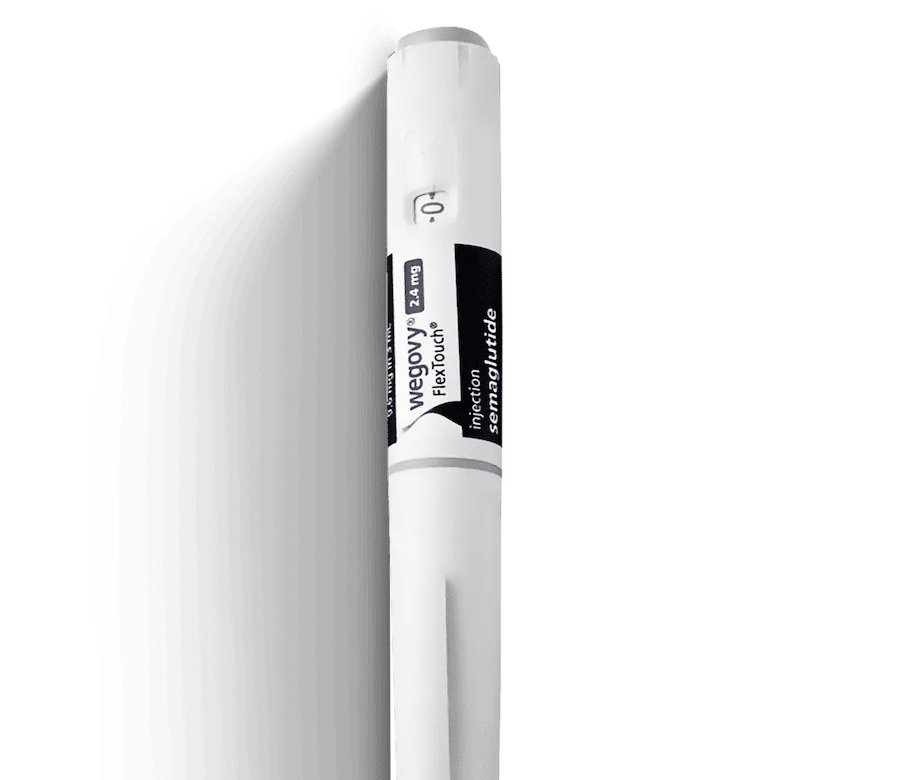
Wegovy®
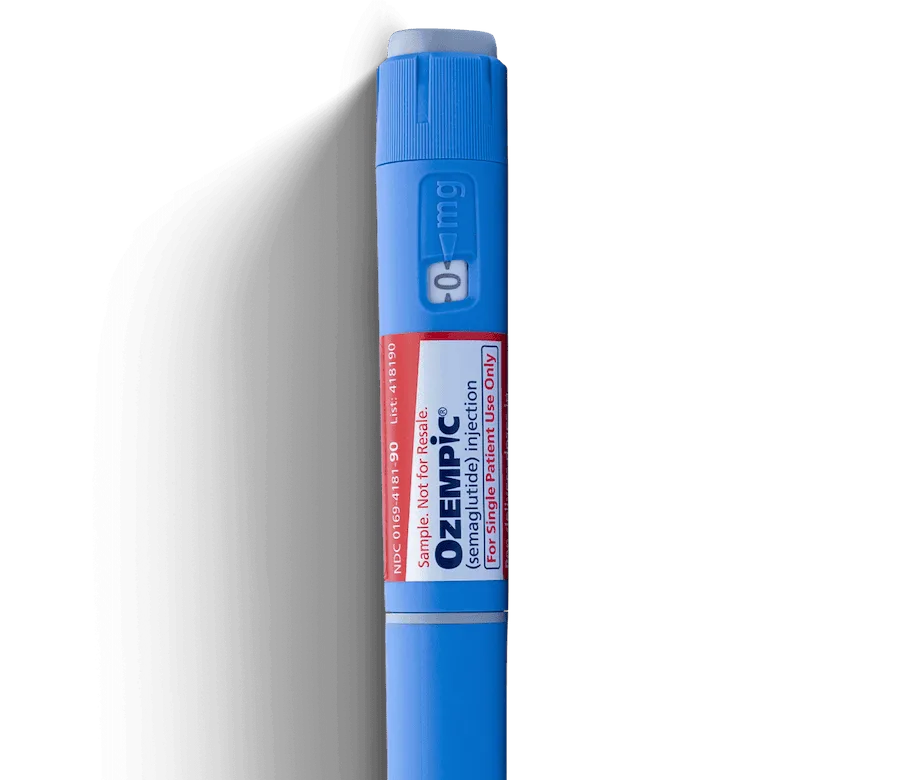
Ozempic®
Metformin
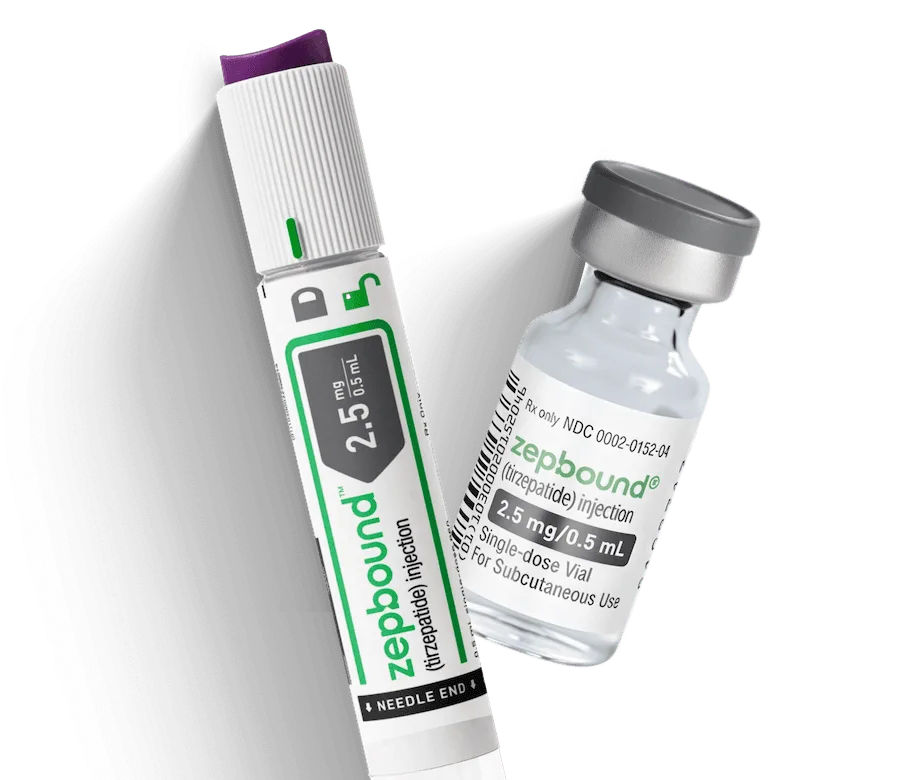
Zepbound®
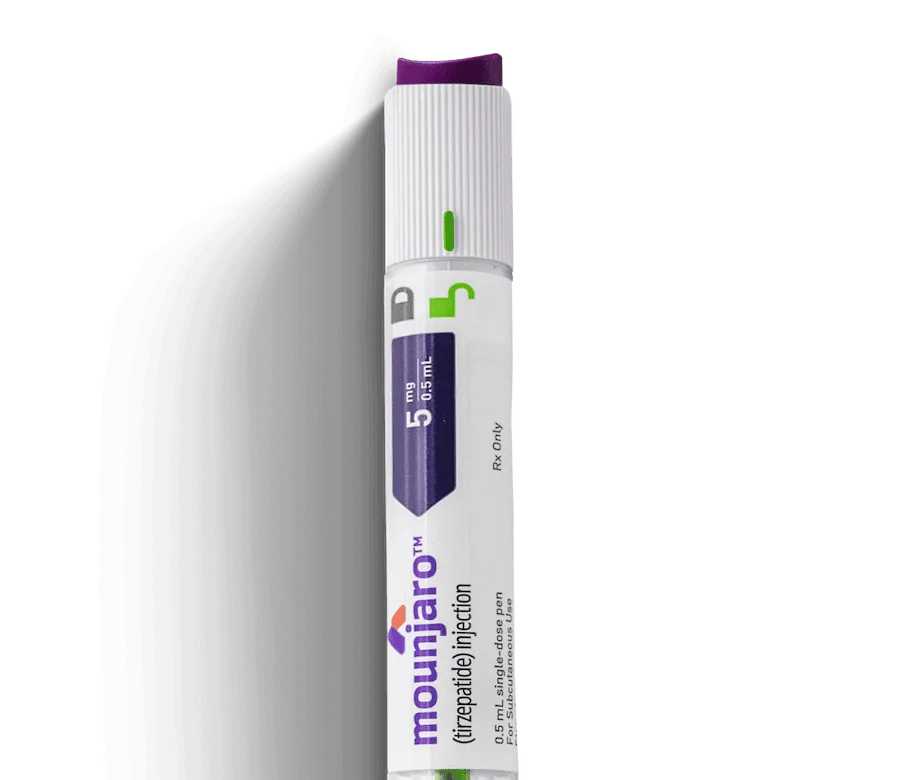
Mounjaro®
Liraglutide
The table below shows typical monthly cost ranges based on different payment setups and different options.
| Payment scenario | Estimated monthly cost | Who this is for |
|---|---|---|
| Full retail price | $1,080 | People without insurance or those who haven’t met a high deductible, though it’s rare that people pay the full amount. |
| With insurance | $25–$150 | People with plans that include weight-loss medication coverage or coverage for obstructive sleep apnea (OSA). |
| With the Zepbound® Savings Card | $25-$499* | Commercial insurance, even if the medication isn’t fully covered (more on this below). |
| With cash-pay discounts | $299-$449 | People who are choosing to self-pay for the Zepbound multi-dose pen or the single-dose vials. |
*Estimated pricing varies based on eligibility, dose, coverage, and available discounts.
Do you need a prescription for Zepbound®?
Yes. Zepbound® requires a prescription and isn’t available over the counter. You can’t legally buy Zepbound® without a prescription. If a website claims “no prescription needed,” that’s a warning sign; those products are often fake or unsafe.
Why you need a prescription for Zepbound
Zepbound will be slowly increased, based on side effects and results
The dose will be increased every few weeks based on side effects and effectiveness. Your provider will work with you to find the lowest dose that gives good results while keeping side effects manageable. The available doses are: 2.5 mg, 5 mg, 7.5 mg, 10 mg, 12.5 mg, and 15 mg
Learn more: Zepbound® dosage guide: How to find the right dose for weight loss
Zepbound can have side effects that need to be monitored
Zepbound® can cause side effects, most commonly nausea, vomiting, diarrhea, constipation, or stomach discomfort. These often improve with time, but your provider will want to check in and make sure side effects are manageable. Ongoing monitoring helps keep the medication both effective and safe.
Learn more: Zepbound® side effects: Symptom guide & management tips
Some people can’t take Zepbound
Zepbound® isn’t a good fit for everyone. Zepbound® isn’t right for everyone, and your healthcare provider will review your medical history to make sure it’s safe for you. Be open about any health conditions, medications, or plans for pregnancy before starting treatment.
You shouldn’t take Zepbound® if:
- You or a family member has ever had medullary thyroid carcinoma (MTC) or multiple endocrine neoplasia syndrome type 2 (MEN 2).
- You’ve had a serious allergic reaction to tirzepatide or any ingredients in Zepbound®.
- You are pregnant, planning to become pregnant, or breastfeeding. Zepbound® should be stopped two months before trying to conceive.
Your provider may recommend avoiding treatment with Zepbound if you:
- Have a history of pancreatitis or severe digestive issues like gastroparesis.
Learn more: What is Zepbound®? Exploring the weight loss benefits, side effects, and cost
Do I need an expensive doctor visit to get a prescription?
Getting a prescription doesn’t mean you have to pay $300 to see a specialist. Many people get a Zepbound® prescription through telehealth. A licensed clinician reviews your health history and writes a prescription, if it’s appropriate. For people without insurance, this is often the most affordable way to get a prescription for Zepbound®.
Just remember that prescriptions come with some extra costs. Follow-ups and lab work may be needed, and those visits can add to what you pay unless they’re bundled into a program.
How to get a prescription for Zepbound® without insurance
There’s more than one way to get a prescription for Zepbound®, even if you’re paying out of pocket. You can work with a clinician in person or online, and the total cost depends largely on how you access care. Telehealth has expanded access significantly, making it easier to connect with licensed providers—but pricing models and levels of support can vary, so it helps to understand your options.
Common ways to get a Zepbound® prescription
- Primary care provider (in person). Some primary care clinicians may prescribe Zepbound® if it’s medically appropriate. Without insurance, you’ll typically pay out of pocket for office visits, follow-ups, and any required lab work, which are often billed separately.
- Obesity medicine specialist or endocrinologist. These providers tend to have deeper experience with GLP-1s like Zepbound®. Specialist care often comes at a higher cost, with initial visits running several hundred dollars and additional fees for ongoing care and labs.
- Telehealth programs focused on weight or metabolic health. Telehealth platforms connect you with licensed clinicians through virtual visits. Some charge per appointment, while others use a flat monthly fee that includes evaluation, prescription management, and ongoing support. Medication costs are typically not included, so it’s important to review what each program covers.
- Online clinician marketplaces. Certain platforms offer one-time virtual consultations with independent providers. These visits can be less expensive upfront, but ongoing care—such as dose changes, monitoring, or refills—may require additional appointments and fees.
The cheapest way to get a prescription: Telehealth vs. In-person
If cost is your main concern, how you get the prescription matters just as much as the medication itself.
- Traditional in-person care adds up fast. An initial doctor’s visit often runs $200 or more; follow-ups can cost $150 each, and lab work is usually billed separately. Even before you fill a prescription, you could be several hundred dollars in.
- Telehealth programs like Noom Med use a flat monthly fee, which includes the clinician evaluation, prescription management, follow-ups, and often lab coordination. There are no surprise bills for every appointment, which makes costs far more predictable, especially if you’re paying without insurance.
For people without insurance—or those using insurance for branded medications—telehealth can be one of the most predictable ways to access prescription weight-loss care. Instead of paying per visit or navigating specialist referrals, Noom Med combines clinician evaluation, prescription support, and ongoing behavior-change tools in one place.
Noom Med for branded medications starts at $69 for an initial 30-day trial; medication isn’t included. You’ll fill the prescription at the pharmacy of your choice. You’ll also receive Noom’s full program, GLP-1 Companion access, and support from a dedicated Care Team.
Who is eligible for Noom Med?
Noom Med is designed for people who may benefit from additional medical support to reach their health goals. After reviewing your health history, a licensed clinician determines whether prescription weight-loss medications—including GLP-1s—may be appropriate. It’s often a good fit if you’ve struggled with weight loss in the past and want medical care paired with structured behavioral support.
Zepbound® cost without insurance: Pharmacy comparison
If you’re paying cash for Zepbound®, where you fill your prescription matters. Prices can vary by hundreds of dollars depending on the pharmacy, discount programs, and whether you’re buying directly from the manufacturer. If your goal is the cheapest pharmacy for Zepbound® without insurance, start by checking manufacturer programs like LillyDirect, then compare Costco and Walmart locally. For traditional pharmacies, always ask about coupons; prices often drop only after they’re applied.
Here is a side-by-side look at common options:
| Retailer / Pharmacy | Cash price (est.) | Insider tip |
|---|---|---|
| Costco | $900–$1400 | You don’t usually need a membership to use the pharmacy, but call ahead for current pricing. |
| Walmart | $950–$1,100 | Cash prices vary by store and dose. Ask the pharmacist about in-store discount programs and any available manufacturer savings options they accept. |
| Amazon Pharmacy | $25–$700 | Eli Lilly partners with Amazon Pharmacy for certain direct-to-consumer programs, which can unlock lower cash pricing for eligible people. Home delivery makes it convenient if local pharmacies are out of stock. |
| CVS / Walgreens | $900–$1,100 | Standard retail prices tend to be higher. Always show a coupon (GoodRx, SingleCare, etc.) at checkout. Most pharmacies will accept them for cash pricing. |
| LillyDirect | $299-$449 | Medication is fulfilled through LillyDirect’s partner pharmacies and shipped after your clinician sends a prescription. A valid prescription is required, and retail insurance can’t be used at checkout. The lower cash prices available through this program currently apply to the multi-dose KwikPen and the single-dose vials. |
Disclaimer: Prices are estimates based on data from Dec 2025.
How to get Zepbound® for $25 (Zebound Savings Card)
If you’re trying to lower the cost of Zepbound®, the manufacturer savings card is often the first option people hear about. Here’s how it actually works—and when the $25 price applies.
The Zepbound® Savings Card from Eli Lilly can significantly reduce out-of-pocket costs for prefilled pen prescriptions when you have commercial insurance and a prescription. If your insurance plan covers Zepbound®, the card can reduce your copay to as low as $25 per month for a one-, two-, or three-month supply, subject to program limits.
Important: This savings card applies to prefilled injector pens filled at retail pharmacies. It doesn’t apply to the Zepbound® KwikPen or the vials sold through LillyDirect’s cash-pay program.
What happens if my insurance doesn’t cover Zepbound®
If you have commercial insurance but your plan denies coverage for Zepbound®, the savings card may still provide a discount. It can lower the cost by several hundred dollars (often up to $650 per month), depending on the dose, pharmacy, and the program’s monthly and annual caps.
Who is (and isn’t) eligible
Eligible
- People with commercial drug insurance
- Prescriptions for the single-dose pen used for an FDA-approved indication
Not eligible
- People enrolled in Medicare, Medicaid, TRICARE, VA, or other government-funded plans
- People using LillyDirect cash-pay multi-dose KwikPen or vials
How to use the savings card
- Step 1: Visit the official Zepbound® savings page on the manufacturer’s website.
- Step 2: Enroll and download the savings card to your phone or print it.
- Step 3: When filling a pen prescription at a retail pharmacy, show both your insurance card and savings card.
- Step 4: Ask the pharmacist to apply the savings card after insurance, using the BIN, PCN, and Group (GRP) codes on the card.
For people paying fully out of pocket, LillyDirect KwikPen and vials are separate options with fixed cash pricing, and the savings card does not apply.
Zepbound without insurance: Tips to lower your monthly cost
These practical strategies can also help you save money on Zepbound®:
1. Ask for a 90-day supply instead of monthly refills: Many insurance plans and the manufacturer’s program offer better deals when you get three months at once, potentially saving you $50 to 150 per quarter compared to picking up your prescription every month.
2. Pay with your health savings account (HSA) or flexible spending account (FSA): When your doctor prescribes Zepbound® for a medical condition, you can use these pre-tax accounts to pay.
3. Check if manufacturer coupons count toward your deductible: Some insurance plans let coupon savings help you reach your yearly spending limit faster, while others don’t. Call your insurance company to ask how their “accumulator” program works.
4. Time your start date if you have a high-deductible plan: Starting Zepbound® early in the year helps you meet your deductible sooner, reducing costs for other medical care throughout the year. For instance, if your deductible is $3,000, starting in January means you’ll likely meet it by March or April.
5. Keep all your paperwork organized: Save receipts, prescriptions, and any letters from your doctor explaining why you need the medication. These documents support your HSA/FSA claims and can help with tax deductions later.
Zepbound® cost: Alternatives
If Zepbound®’s monthly cost still feels out of reach, even after insurance, coupons, or cash-pay options, there are alternatives to Zepbound®.
Some older medications, like phentermine, can cost under $50 per month. Others, such as Contrave®, Qsymia®, or Xenical®, fall somewhere in the middle.
These medications tend to produce more modest average results than Zepbound®, but for many people, the tradeoff between cost and outcomes is worth it, especially if affordability is the biggest barrier to getting started. Cheaper prescription alternatives exist, and programs like Noom Med help you find the option that fits your body and your budget.
Is there a generic version of Zepbound®
A generic version of Zepbound® doesn’t exist as of now. Patents protect tirzepatide for years, so searching for “generic Zepbound®” won’t turn up a true equivalent.
How does Zepbound® compare to other GLP-1 medications?
While GLP-1 medications work in similar ways, what people actually pay can vary widely based on the drug, the dose, and whether insurance plays a role.
Zepbound® isn’t the cheapest GLP-1 option, but it’s also not the most expensive. Understanding how it compares can help frame a more productive conversation about alternatives that better align with your budget and goals.
Seeing the numbers side by side can make it easier to decide whether Zepbound® is the right fit or whether another option is worth discussing with a clinician.
| Medication | Uses and approvals | Est. monthly retail | Manufacturer’s direct pay |
|---|---|---|---|
| Zepbound® (Tirzepatide) | Weight loss and obstructive sleep apnea (OSA) | $1,087 | Multi-dose KwikPen and single-dose vials: $299: 2.5 mg $399: 5 mg $449: 7.5 mg, 10 mg, 12.5 mg, and 15 mg |
| Wegovy® (Semaglutide) | Weight loss, heart disease, and metabolic-associated steatohepatitis (MASH) | $1,349 | Pen: $199: 0.25 mg and 0.5 mg $349:1 mg, 1.7 mg, and 2.4 mg Pill: $149: 1.5 mg $149–$199: 4 mg $299: 9 mg and 25 mg |
| Saxenda® (Liraglutide) | Weight loss | $1,349 | $1,349 |
| Generic liraglutide | Weight loss, heart disease, and type 2 diabetes treatment | $470 – $700 | N/A |
Other medications to consider
| Medication | Uses and approvals | Cost per month (without insurance) |
|---|---|---|
| Contrave® (Naltrexone and bupropion) | Weight loss | $600–$800 CurAccess™: $99 Learn more. |
| Metformin | Type 2 diabetes treatment, off-label weight loss | Generic: $4–$15 Brand name: $100–$500+ Learn more. |
| Qsymia® (Phentermine and topiramate ER) | Weight loss | $180–$260 Learn more. |
| Lomaira®, Adipex-P® (Phentermine) | Short-term weight loss | $27–$100 Learn more. |
| Tenuate®, Tenuate Dospan® (Diethylpropion) | Short-term weight loss | $40–$85 |
| Xenical®, Alli® (Orlistat) | Weight loss | $50–$800 |
Does insurance cover Zepbound®?
Zepbound is rarely covered by insurance when prescribed for weight loss. Coverage for OSA is more likely, but will vary by plan.
Employer-sponsored and private plans
Some employer-sponsored and private plans include Zepbound®, while others exclude GLP-1 medications unless special riders are in place. Even when covered, copays can vary widely. Most plans require extra paperwork before approving Zepbound®, and prior authorization is almost always required.
Medicare or Medicaid
Understanding government insurance coverage for Zepbound® is easier when you know what to look for. While navigating insurance can feel overwhelming, knowing the current rules and upcoming changes can help you plan ahead.
- Medicare coverage is limited. Right now, Medicare typically doesn’t cover medications prescribed for weight management. But some Medicare Part D and Medicare Advantage plans may cover Zepbound® when it’s prescribed for OSA. And as mentioned earlier, the Trump administration has also announced new agreements that could enable Medicare coverage for obesity treatment, with beneficiaries paying around $50 per month starting in 2026-2027.
- Medicaid depends on your state. Your state determines whether Medicaid covers Zepbound® for weight loss. Some state programs provide coverage with prior authorization, while others exclude it entirely. Things are changing—California’s Medi-Cal has stopped covering Zepbound® for weight management, a change that began January 1, 2026. Meanwhile, other states are also reconsidering their coverage due to budget pressures.
The fastest way to know what you’ll actually pay is to confirm benefits directly with your insurer or have your clinician’s office check for you. For a deeper breakdown of providers, approval rules, and real-world cost scenarios, see our full Zepbound® cost and insurance coverage guide.
Frequently asked questions about paying for Zepbound out of pocket
Zepbound® pricing isn’t always intuitive, especially once insurance, coupons, and cash options come into play. These FAQs cover the most common questions, so you know what to expect before you commit.
What is the cheapest way to get Zepbound® without insurance?
The cheapest way to get Zepbound® without insurance is through LillyDirect. The multi-dose KwikPen and single-dose vials start at $299/month for the 2.5 mg dose. Keep in mind that the price will increase as your dose increases. These multi-dose pens and single-dose vials contain the same medication as the single-dose pens.
Does the $25 coupon work if I have no insurance
No. The $25 Zepbound® Savings Card is only for people with eligible commercial (private) insurance that covers Zepbound®. It cannot be used if you are uninsured or have Medicare/Medicaid. Instead, uninsured people are directed to LillyDirect’s self‑pay vial program, which offers discounted cash prices on the multi-dose pen and single-dose vials.
How much is Zepbound® out of pocket?
Without insurance, you’ll likely pay around the $1,086 list price plus pharmacy fees for single-dose pre-filled pens. LillyDirect’s multi-dose KwikPen and single-dose vials range from $299 to $449 per month.
Do Noom Med costs include Zepbound®?
No, Noom Med’s program fee includes consultation with a clinician, our behavior change program, a dedicated Care Team, and everything you need to maximize your results with the medication. The monthly fee ($69 to start) doesn’t cover medication costs, but Noom Med can help you access the most affordable option for you. See if you qualify.
Does the monthly cost of Zepbound® include doctor visits?
No, medication costs are separate from doctor visits. Traditional visits can cost $200+ initially and $150+ for follow-ups. Telehealth services like Noom Med offer flat monthly fees that include clinician consultations, making costs more predictable.
Can I get Zepbound® for free?
Yes, through Lilly Cares patient assistance program, if you meet income requirements. The program is for households that earn less than certain federal poverty guidelines and are uninsured. This program can provide up to 12 months of free medication based on financial need and medical necessity.
Reviews from real Noom users
Desirea N. — Real Noom user
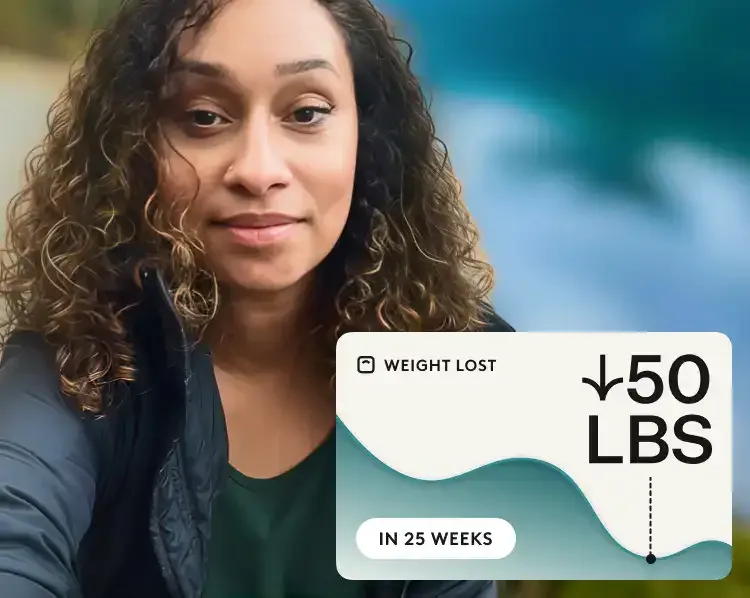
“My favorite parts of Noom are the care team and other Noomers. Sharing and getting help made me feel like I wasn’t doing it alone. That support made all the difference.”
Desirea N. — Real Noom user
Matthew M. — Real Noom user
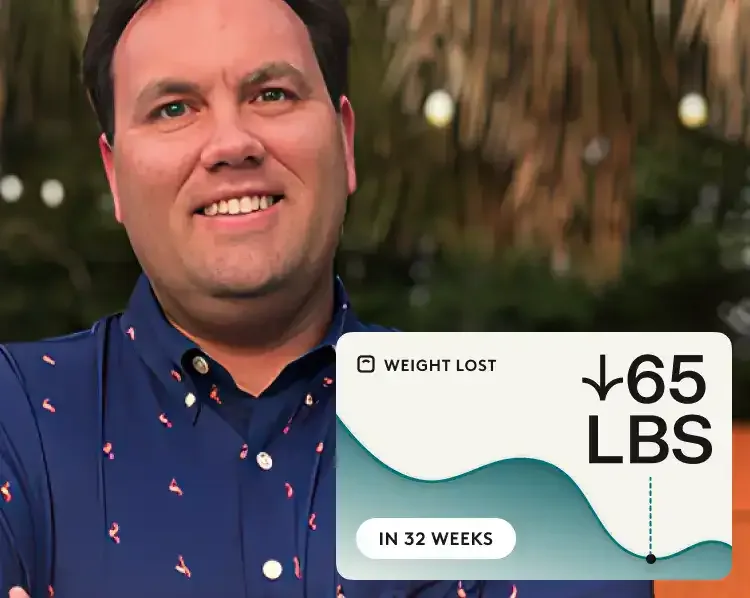
“Noom has taught me that every day is a new chance to make better, healthier choices. It's taught me how to stop overeating.’’
Matthew M. — Real Noom user
Lila M. — Real Noom user
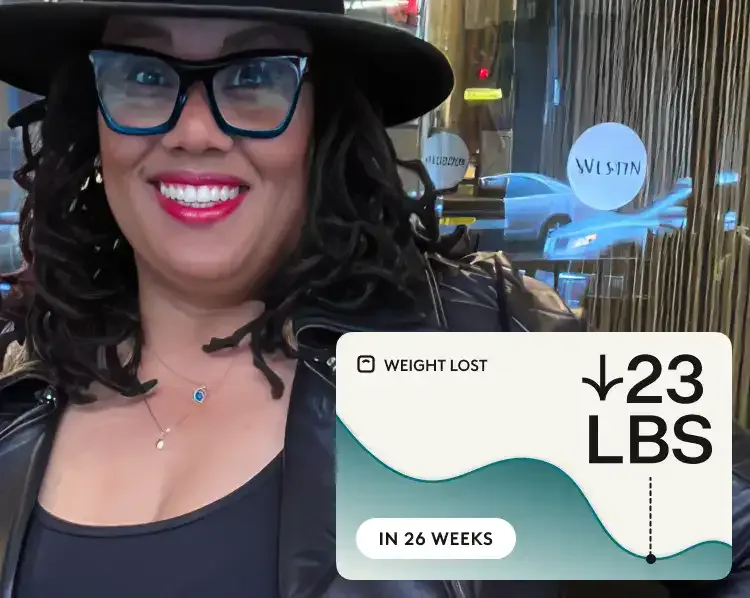
“Clinicians who understand how supportive medication can be is one of the best parts of Noom! I was convinced I wouldn’t have success but I’m down 11 pounds in two months.’’
Lila M. — Real Noom user
Steve M. — Real Noom user
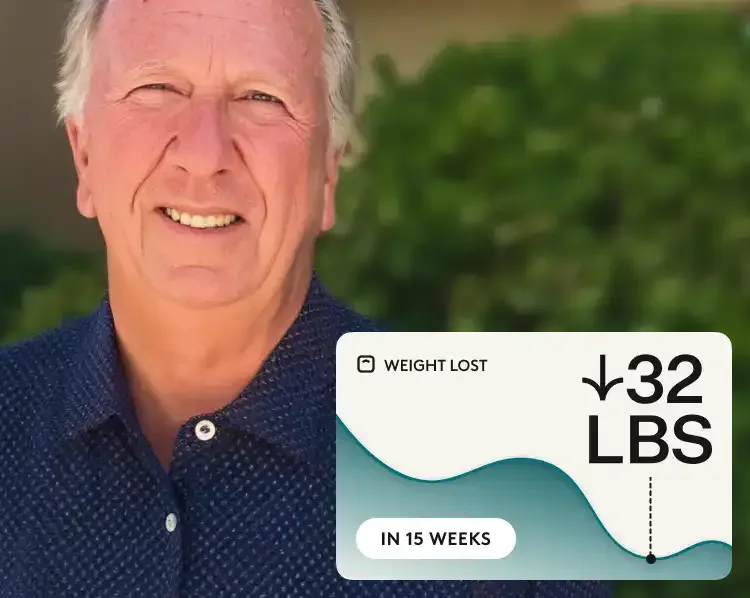
“Noom provided me with the medication which I could not get through Medicare. I have learned the tricks to better eating and life in general.”
Steve M. – Real Noom user
Daisy R. — Real Noom user
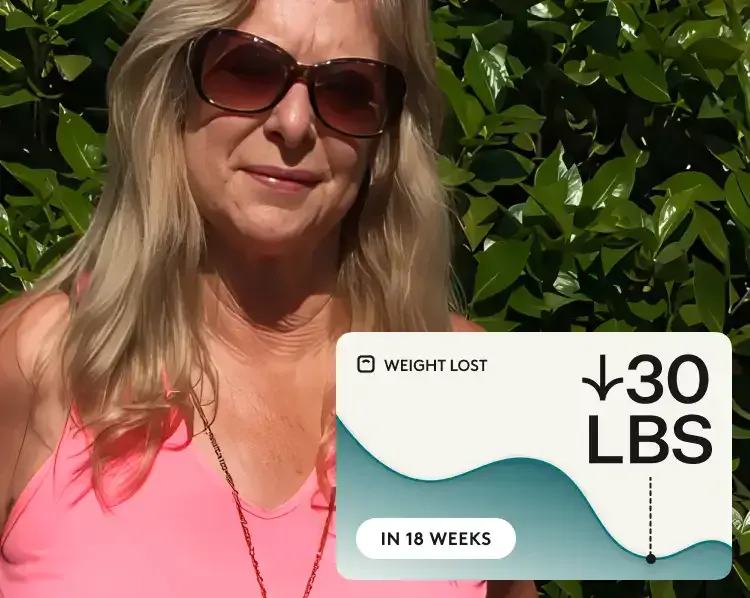
‘’Noom has changed my life and I’m so thankful, I feel great, have more energy and am no longer prediabetic.”
Daisy R. – Real Noom user
Sarah R. — Real Noom user
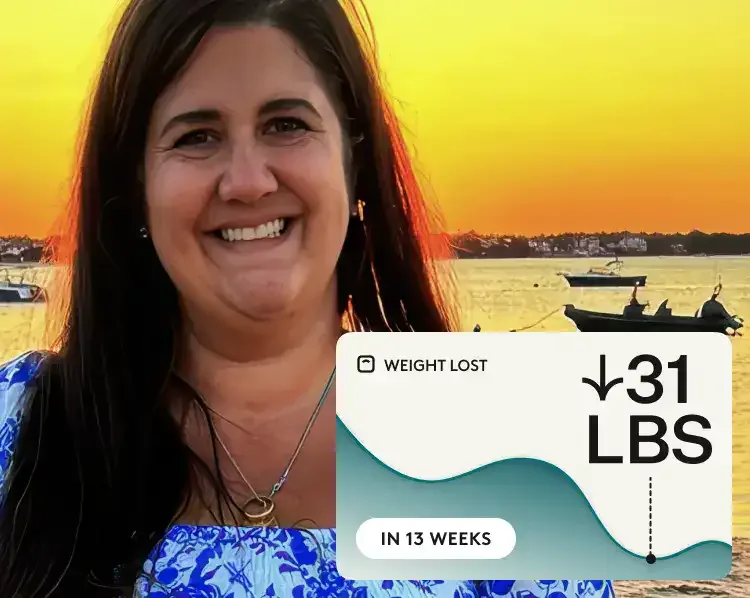
“All of the Noom providers that I’ve met with have been exceptional and prescribed medications that are appropriate for my situation and health.”
Sarah R. – Real Noom user
Madison S. — Real Noom user
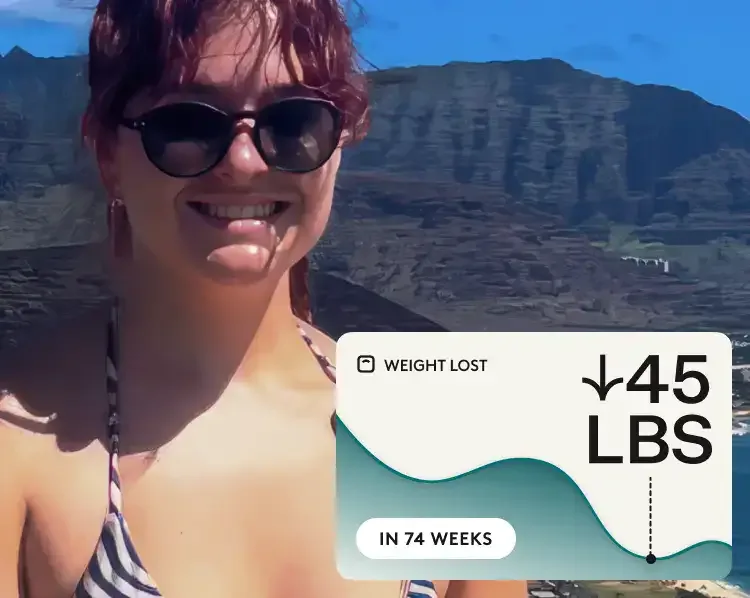
“Noom made the process so simple and now I feel full, free from diet obsession, and at ease in my body again.”
Madison S. – Real Noom user
Sonday K. — Real Noom user
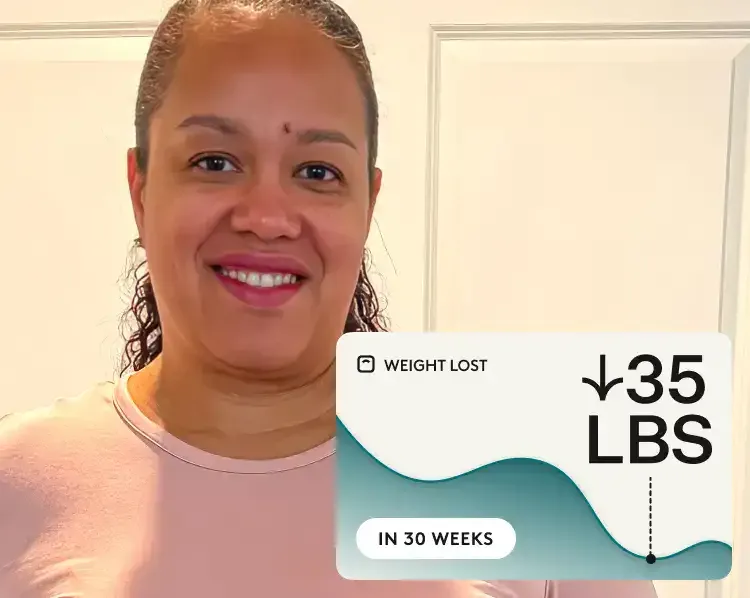
“My doctor recommended Noom after I was frustrated trying to lose weight. The lessons helped change my relationship with food. My body feels lighter & energized.”
Sonday K. – Real Noom user
Cam K. — Real Noom user
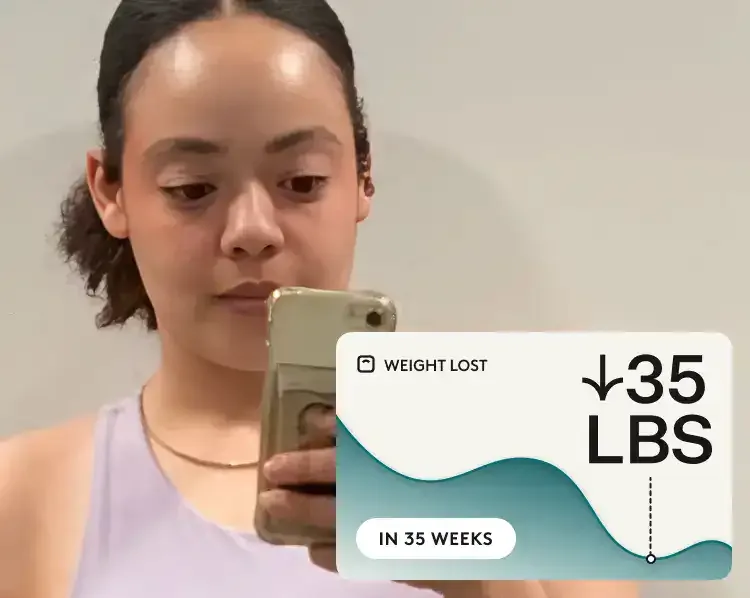
“I built healthy habits with coaching and lessons that make me confident I can maintain my weight loss long term.”
Cam K. – Real Noom user
Laura TR. — Real Noom user
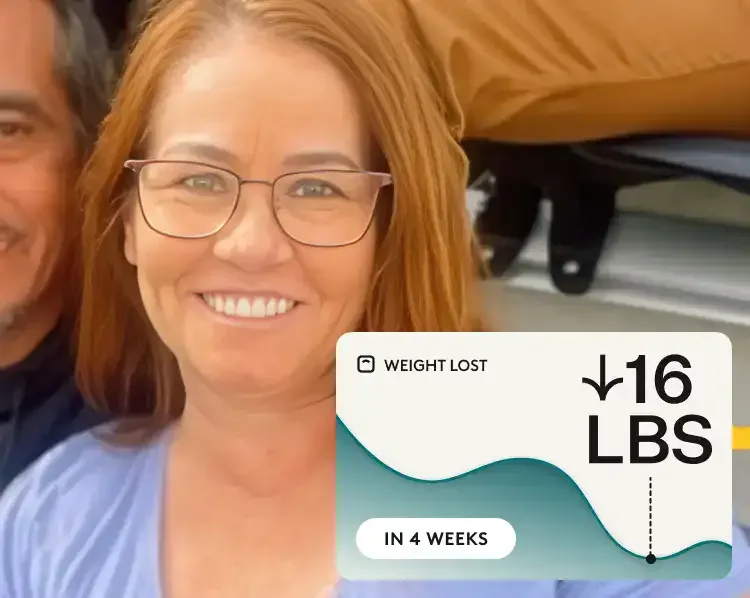
“With the right medication through Noom, hunger and sugar cravings finally quieted and I have the tools to break the cycle.”
Laura TR. – Real Noom user
Jessica S. — Real Noom user
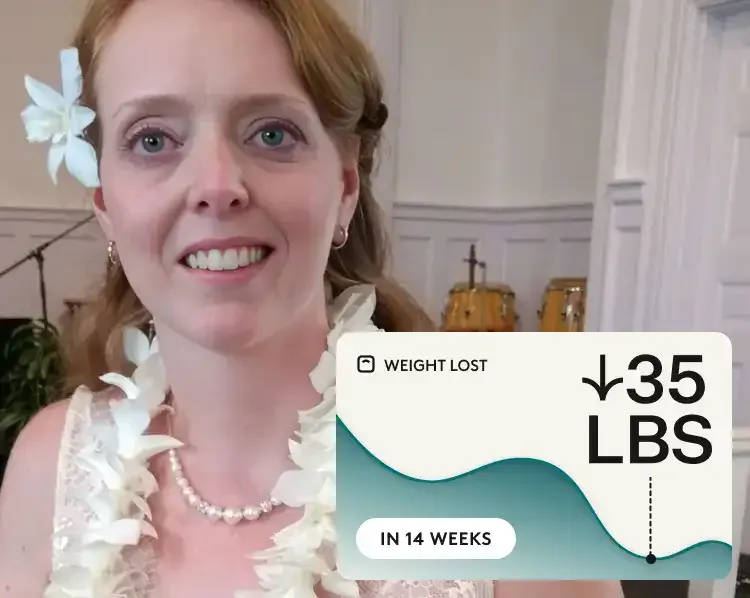
“Cravings and food noise are gone, I finally feel confident in the healthy habits I’ve built to last with Noom.”
Jessica S. – Real Noom user
The bottom line: Zepbound® cost depends on insurance, form, and other variables
Zepbound® doesn’t come with one fixed price. While the list price still sits just over $1,000 per month, many people pay less. Monthly costs can range from a few hundred dollars to the full retail price, depending on coverage, choice of single-dose pen, multi-dose pen, or vial, and where the prescription is filled.
It’s important to know which options are available to you. Manufacturer programs, direct-pay options, and insurance approvals can all change what you actually pay.
If you qualify, Noom Med can connect you with a clinician who can help find the right option for you and prescribe it, if needed. By combining prescription access with ongoing behavioral support, Noom Med guides you toward an option that fits both your health goals and your budget.
Editorial standards
At Noom, we’re committed to providing health information that’s grounded in reliable science and expert review. Our content is created with the support of qualified professionals and based on well-established research from trusted medical and scientific organizations. Learn more about the experts behind our content on our Health Expert Team page.