
What you’ll learn:
- Stopping Mounjaro® or any GLP-1 medication can lead to some weight regain as your natural hunger signals come back.
- Working with your clinician on a gentle step-down plan, rather than stopping suddenly, can make the change easier on your body.
- Consistent habits and support from your care team or programs like Noom can help you feel steadier after you stop Mounjaro® for weight loss.
If you’re using Mounjaro® (tirzepatide), deciding to stop can be a big decision. How you proceed will depend a lot on your reason for stopping. People stop taking a GLP-1 medication like Mounjaro® for several reasons. For some, the cost might not fit in their budget anymore; others may struggle with side effects, and still others may have reached their goal weight.
The reason you’re taking it matters, too—coming off Mounjaro® looks different if you’ve been using it off-label for weight loss versus taking it for type 2 diabetes. If diabetes management is the goal, it’s important to work with your doctor before stopping so you can safely transition to another medication and keep your blood sugar under control.
If you’ve been taking it for weight loss, there are some studies that can help guide what might happen. Research shows that some weight regain is common after stopping GLP-1 medications like tirzepatide, but that doesn’t mean all your progress disappears overnight. As the medication leaves your system, appetite and hunger signals tend to ramp back up, yet with the right strategies, many people can maintain some of the weight they’ve lost.
Let’s walk through what typically happens after stopping Mounjaro®, what the research actually shows, and practical ways to support your weight and health moving forward.
Why you might regain weight after stopping Mounjaro®
Mounjaro® contains tirzepatide, a medication that helps with weight loss by mimicking two hormones involved in appetite and metabolism: GLP-1 and GIP. GLP-1 helps manage blood sugar levels, reduce appetite, and slow digestion. GIP plays a role in how the body processes and stores energy from meals and appears to work more powerfully when GLP-1 is also activated.

The Easy Way
to lose weight and get healthy.
See if you qualify

As Mounjaro® gradually clears from the body, its effects on these hormone pathways fade. Without that added hormonal support, some changes are common, including:
- Appetite cues becoming stronger or more frequent
- Digestion returning to its normal speed, which can make meals feel less satisfying
- Blood sugar regulation shifting back toward your individual baseline, potentially affecting hunger and cravings
Together, these shifts can make it easier to eat more than you did while on the medication. Research shows that some degree of weight regain is common after stopping tirzepatide, a pattern also observed with other GLP-1–based treatments.
That said, evidence suggests most people don’t regain all the weight they initially lost. Continuing habits like consistent movement and balanced, satisfying meals can help support longer-term results. Knowing what to expect ahead of time can make the transition off medication feel more manageable and less discouraging. And the reason you’re stopping will help determine the path you take after.
Learn more: What is Mounjaro®? Exploring the weight loss benefits, side effects, and cost
Reasons for stopping Mounjaro® and what that means for controlling weight after
As we said, there are many reasons why pausing or stopping Mounjaro® may make sense. Life changes, health needs shift, and sometimes the timing or cost just doesn’t work anymore. Whatever leads you to step away, it can shape how your body responds and what kind of support helps you stay steady during this new phase.
If you’re stopping because of cost concerns
Out-of-pocket costs for Mounjaro® are around $1,080 per month. For some people, that price makes it hard to stay on the medication long-term, especially since insurance rarely covers it for weight loss. Even when the medication is helping, the cost alone can be the thing that pushes someone to pause.
What to do next: One possibility for a more affordable option is Zepbound®. Zepbound® and Mounjaro® both contain tirzepatide and come in the same doses, but Zepbound is FDA-approved for weight loss. While Zepbound is also expensive in pre-filled pen form, it can be more affordable in a vial-and-syringe form through the manufacturer’s Lilly Direct program.
Monthly prices depend on the dose, which will be increased to keep you losing steady weight (1 to 2 pounds per week) with the fewest side effects. Here are the monthly prices:
- $299 for the 2.5 mg dose
- $399 for the 5 mg dose
- $449 for the 7.5 mg, 10 mg, 12.5 mg, and 15 mg doses
Learn more: Mounjaro® costs in 2025: With and without insurance coverage
If you’re stopping because of side effects
Side effects can be common with tirzepatide, with many people experiencing gastrointestinal symptoms like nausea, vomiting, diarrhea, constipation, or bloating. These effects are usually most noticeable when you first start Mounjaro® or when your dose increases.
Access GLP-1 Weight Loss with Noom
Explore a wide range of prescription medications supported by Noom’s program.Microdose GLP-1rx

Noom GLP-1rx

Noom GLP-1rx Plus
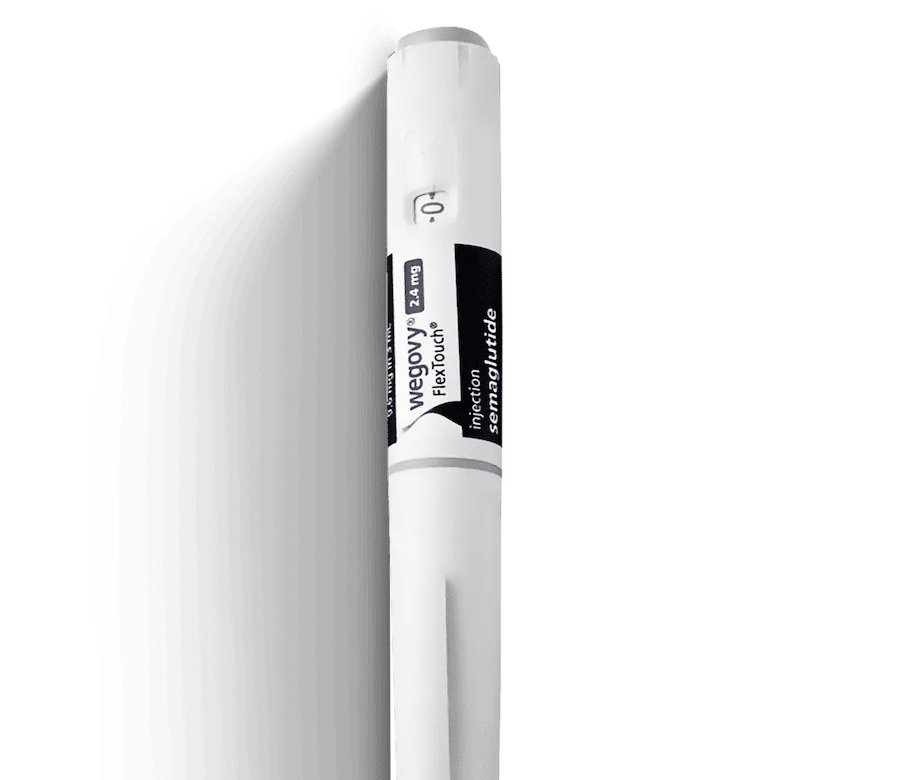
Wegovy®
Ozempic®

Metformin

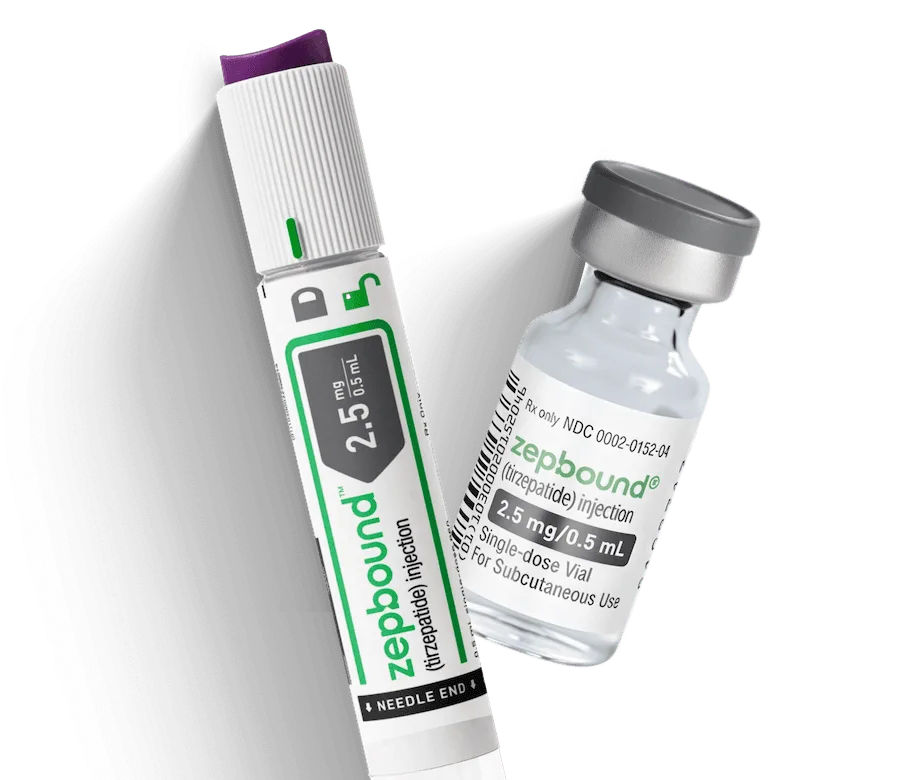
Zepbound®
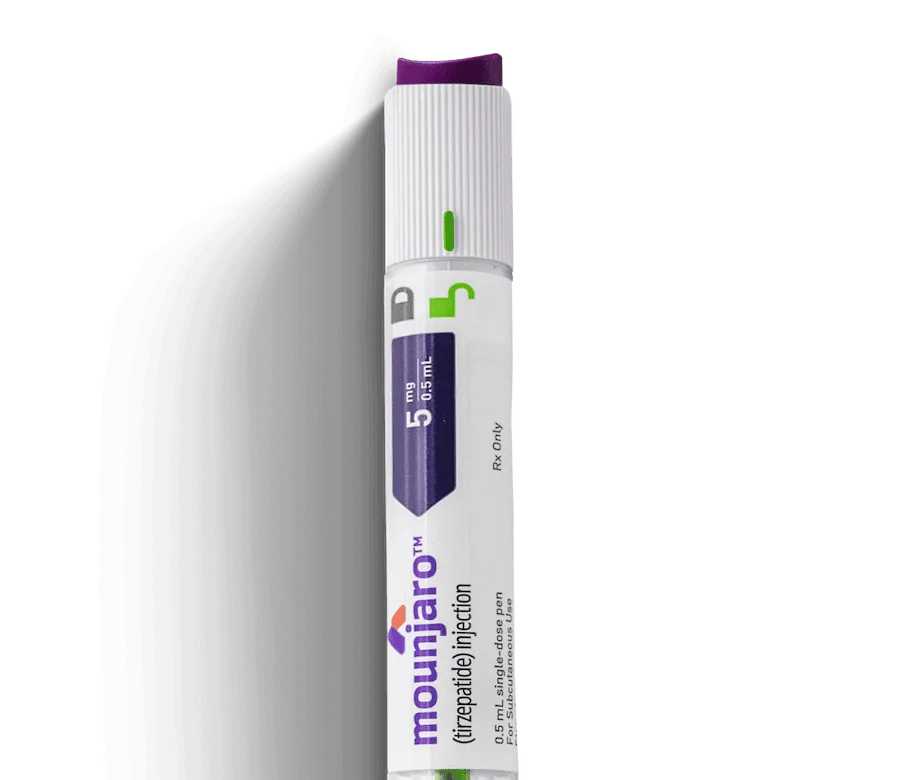
Mounjaro®
Liraglutide
How strong those side effects feel is often dose-dependent—the higher the dose, the more likely they are to show up or intensify. That’s why you’ll start at the lowest dose of tirzepatide and increase gradually, giving your body time to adjust.
If side effects become hard to manage, it doesn’t always mean you need to stop entirely. Your doctor may be able to suggest adjustments that might help make your side effects more manageable or switch you to a different medication.
What to do next: Instead of stopping altogether, your doctor might suggest making adjustments to help reduce your side effects. That can mean slowing down dose increases, staying at a lower dose longer, or even stepping back to a previous dose if side effects ramped up too quickly. Because many Mounjaro® side effects are dose dependent, giving your body more time to adjust can make a noticeable difference for some people.
It’s also helpful to know that not all GLP-1 medications feel the same, even though they work in similar ways. If you have side effects that don’t ease up and interfere with your daily life, ask your provider about switching to another medication.
Learn more: Mounjaro® side effects: Symptom guide and management tips
If you’re stopping because you’ve reached your goal weight
Reaching your weight loss goal is a big milestone. It’s natural to start thinking about how your body will do without Mounjaro® and to wonder what comes next. But it’s important to remember that stopping too quickly can actually compromise your progress.
That’s why doctors will usually advise you to taper off the medication rather than stopping abruptly to give your body time to adjust and help you keep the weight off. In fact, studies on similar GLP-1 medications showed that tapering off the medication slowly helped people to maintain their weight loss for at least 6 months.
What to do next: Talk with your doctor about how to stop. They may suggest a slow taper so your appetite and energy have time to adjust. They may also recommend a lower maintenance dose, since studies show that people were able to maintain weight loss with lower or less frequent doses.
If you’re stopping because weight loss has plateaued
A weight loss plateau is a normal part of most weight loss journeys, with or without a GLP-1. As your weight gets lower, your body burns fewer calories, which means you might see your weight loss slow down for a period of time. This slowdown can be discouraging, but plateaus on tirzepatide are normal and don’t mean the medication has stopped working.
What to do next: This is a good moment to check in with your clinician and look at a few practical factors that can influence a tirzepatide plateau. As you lose weight, your body’s calorie needs shrink, which can make the same eating and activity habits less effective over time. It’s important to revisit your overall calorie needs and make sure you’re prioritizing nutrient-dense foods, watching portion sizes, and getting enough protein.
Learn more: Zepbound® plateau: Why weight loss stalls happen and what to do next
If you are stopping because you are planning to conceive
You can’t take Mounjaro® during pregnancy or when you’re trying to become pregnant. The medication stays in your body for a while, so giving yourself enough time between your last dose and trying to conceive is important. This advice applies to the person who will carry the pregnancy; current research doesn’t show a need for a male partner to stop.
What to do next: Your provider will typically suggest coming off Mounjaro two months before trying to conceive. This gives your system time to clear the medication.
If you are stopping because you’re switching to another medication
If you and your doctor decide that Mounjaro® isn’t the best match for you, you may want to switch to another medication. While tirzepatide is one of the most effective GLP-1 medications available today, you have options when it comes to weight loss medications.
What to do next: Once you determine which medication you will switch to, your provider will guide you through the timing. They’ll help pick the right starting point for the new medication and let you know when to check in about how your body is adjusting.
The Easy Way
to lose weight and get healthy.
See if you qualifyLearn more about how Mounjaro® compares to other medications:
- Ozempic® vs. Mounjaro®
- Wegovy® vs. Mounjaro®
- Mounjaro® vs. Rybelsus®
- Saxenda® vs. Mounjaro®
- Mounjaro® vs. Trulicity®
- Mounjaro® vs. metformin
Stopping Mounjaro®: How to keep the weight off
Weight regain after stopping GLP-1 medications like Mounjaro® is common—but it doesn’t happen the same way for everyone. How you eat, how often you move, and the habits you build while on medication all influence how your body responds once the drug is out of your system.
Research on long-term weight maintenance shows that people who pair medication with consistent nutrition and movement habits are more likely to maintain their progress over time (NIH).
The evidence doesn’t promise that weight will stay perfectly stable forever—but it does point to several strategies that help reduce regain:
- Regular physical activity: Ongoing movement is consistently linked with better weight maintenance after medication, even when appetite signals change.
- Balanced meals and snacks: Eating patterns that prioritize protein, fiber, and portion awareness help support fullness and energy once medication support tapers off.
- Gradual tapering when possible: Research suggests that phasing off GLP-1 medications slowly, rather than stopping abruptly, may help with weight maintenance.
- Habit consistency after stopping: People who continue routines like regular exercise, mindful eating, and portion awareness tend to maintain more of their weight loss months—and even a year—after stopping medication.
- Ongoing support: Support from coaches, family, or structured programs makes it easier to stick with these habits, and studies show it can meaningfully improve long-term outcomes.
Overall, the work you do around eating and movement while taking tirzepatide becomes even more important after stopping. Those patterns form the foundation that supports weight maintenance as your body adjusts to fewer hormonal signals from medication.
Are you ready to stop taking Mounjaro®? Here’s what to ask yourself
Stopping Mounjaro® isn’t just about picking a date. It’s about making sure your body, routines, and health needs are ready for the shift. A quick reflection can tell you a lot about whether now is the right time.
You may not be ready to stop if:
- You are still cultivating solid habits around food, movement, or sleep
- You’ve had trouble keeping weight off after past attempts.
- You don’t yet have a taper plan or follow-up strategy.
- You’re using Mounjaro® for diabetes support and haven’t made a plan with your doctor for other ways to manage blood sugar.
If any of these feel familiar, slowing down and making a plan with your provider can make the transition a lot easier.
How to taper off Mounjaro® safely
If you and your provider decide it’s time to ease off Mounjaro®, tapering is usually the best route. The medication has been helping guide hunger and digestion, so a calm, gradual taper can make the shift feel much smoother.
Here’s what that can look like:
- Check in with your provider. They’ll review your dose, your health history, and how you’ve been feeling. Together, you’ll build a step-down plan that makes sense for you. Taking it slow prevents big swings in hunger or blood sugar as the medication leaves your system.
- Pay attention to how you feel. If you notice uncontrollable hunger, energy dips, or digestion issues, let your provider know. They can adjust the plan.
- Focus on your habits. Eat balanced meals, get regular exercise, drink enough water, and prioritize sleep. These simple habits become extra important while the medication fades.
- Build a support circle. Talking with people you trust or connecting with a group focused on healthy habits can give you encouragement and accountability through the transition. Research shows that support helps you stay consistent when hunger or routines start to change.
Note: Medication changes must be supervised by a qualified healthcare professional.
When to consider a maintenance dose and other medications
For some people, staying on a medication in some form makes sense, but not always at the same dose, or even the same prescription. Cost, insurance coverage, and side effects can all shape what’s realistic. In those cases, a lower maintenance dose or a switch to a different medication may help preserve some benefits while reducing burden. The goal is to find a sustainable option that supports appetite regulation and day-to-day consistency.
Why you might need a maintenance dose of Mounjaro
Research suggests that coming off Mounjaro® may be easier when people spend some time on a lower maintenance dose. Continuing tirzepatide at a reduced level will help you keep some of the medication’s appetite and metabolism-regulating effects.
A maintenance phase isn’t meant to drive further loss. Instead, it can help ease the return of hunger signals and give your body time to adjust as hormonal support gradually decreases, making the transition feel more manageable. It also gives you time to manage your habits and see what works best for you.
When to consider other GLP-1 medications
If you still want some level of support but Mounjaro® isn’t the right choice anymore, you can also explore semaglutide or liraglutide medications. Your clinician can help you sort through the choices so you can find something that aligns with your health goals, but here’s a quick overview of name, cost, and effectiveness.
| Medication | Brand names and uses | Cost per month (without insurance) |
|---|---|---|
| Semaglutide – GLP-1 receptor agonist | Ozempic®: type 2 diabetes, off-label weight loss Learn more Wegovy®: weight loss, heart disease, and MASH Learn more | Ozempic®: $998 With the manufacturer’s self-pay program: $199 – $499 Learn more Wegovy®: $1,350 With the manufacturer’s self-pay program: Pen: $199 – $349 Pill: $149 – $299 Learn more |
| Liraglutide – GLP-1 receptor agonist | Victoza®: type 2 diabetes, off-label weight loss Learn more Saxenda®: weight loss Learn more Generic liraglutide: weight loss, type 2 diabetes, heart disease | Victoza®: $800 to $1,400 Learn more Saxenda®: $1,350 Learn more Generic liraglutide: $470 – $1200 |
Other medications
If you want to try a medication that isn’t a GLP-1s, several others may give you the kind of support you’re looking for. Each works a little differently, and your provider can help you compare them so you can choose one that fits your body and your goals.
| Medication | Brand names | Cost per month (without insurance) |
|---|---|---|
| Metformin Type 2 diabetes (off-label weight loss) | Glucophage®, Fortamet®, Glumetza® Learn more | Generic: $4–$20 Brand name: $100–$500+ Learn more |
| Phentermine | Lomaira®, Adipex-P® Learn more | $27-$100 Learn more |
| Diethylpropion | Tenuate®, Tenuate Dospan® Learn more | $40-$85 |
| Naltrexone and bupropion | Contrave® Learn more | $600-$800 CurAccess™: $99 |
| Orlistat | Xenical®, Alli® Learn more | $50-$800 |
| Phentermine and topiramate ER | Qsymia® Learn more | $180–$260 |
How to keep the weight off after Mounjaro®: Lifestyle changes
When you’re no longer taking Mounjaro®, the things you do every day start to play a bigger role. Eating well, moving your body, and having steady routines can help you feel more in control as you move forward.
1. Nutrition: Choose foods that help you feel satisfied
Food plays a big role once you’re no longer using Mounjaro®, so simple, filling choices can help your day feel easier.
- Include a good source of lean protein at meals and snacks. Options like chicken or turkey, eggs, low-fat dairy, legumes, or plant-based proteins like tofu help you feel fuller. Research shows that eating enough protein can also help preserve muscle during weight loss, and you should be aiming for about 20 to 30 grams of protein per meal and snack.
- Fill out your plate with produce and fiber-rich carbohydrates. These foods slow digestion and help keep blood sugar more even. Studies also show that they can help to ease constipation, one of the common side effects of medications like Mounjaro®.
- Don’t skip healthy fats. Adding foods like fatty fish, olive oil, nuts, seeds, or avocado can make meals more satisfying. Studies show that they can support your body’s natural fullness signals. These foods are high in healthy, unsaturated fats, which have been shown in research to lower your risk of cardiovascular disease, reduce inflammation, and support blood sugar regulation.
2. Movement: Keep your body working
Staying active supports your strength, energy, and overall weight stability. Studies show that exercise can help people maintain their weight loss after stopping their medication.
- Aim for consistent aerobic activity most days of the week. Activities like brisk walking, cycling, swimming, or dancing can support heart health and overall energy. Many people work toward about 150 minutes of moderate movement per week. Mix in more challenging efforts when you can, such as hills, intervals, or faster-paced sessions, to support blood sugar control and fitness. But if you’re pressed for time, research shows that even a short, 10-minute walk after you eat can help regulate blood sugar.
- Include strength or resistance training two to three times per week. This can be done with bodyweight exercises like lunges and squats, resistance bands, free weights like dumbbells or kettlebells if you have a set, or gym machines to help preserve lean muscle.
3. Metabolic habits: Sleep, stress, and creating routines
According to research, sleep quality, stress levels, and routines play a bigger role in appetite regulation once Mounjaro® is no longer assisting.
- Aim for regular sleep—about 7 to 9 hours most nights.
- Practice stress management, incorporating things like deep breathing, stretching, or short walks.
- Eat regularly. Keeping meals on a fairly predictable schedule also helps your hunger cues feel more consistent as your body settles into its own rhythm again.
The takeaway is that medication can help create momentum, but sustainable routines are what carry progress forward. When healthy eating patterns, regular movement, and daily structure are already part of your life, maintaining weight loss after Mounjaro® becomes far more achievable.
Frequently asked questions about stopping Mounjaro®
A lot of people share the same concerns when they stop Mounjaro®. These quick FAQs can give you a better idea of what to expect.
Will you eventually stop losing weight on Mounjaro®?
Yes. You may reach a point where your weight levels out, even while you’re still taking Mounjaro®. This is a normal part of the process, since your body needs fewer calories as you lose weight and the pace naturally slows.
Studies show that weight loss is most significant in the first 24 weeks, with most people reaching a plateau by week 72, and this can happen for a few reasons. In some cases, you may have already reached a weight that’s appropriate for your body, which can also create a plateau.
If you’re unsure whether you’ve reached the best weight for you, or want to adjust your plan, checking in with your provider is the best next step. They can help you understand what’s happening and guide you on what to do next.
Learn more: How much should I weigh? How to find your ideal body weight
Do you have to stay on Mounjaro® forever to keep weight off?
GLP-1 medications like Mounjaro® are designed for long-term support, but that doesn’t mean everyone will need to stay on them indefinitely. Some people ease off gradually and maintain much of their progress by leaning into routines around eating, movement, sleep, and stress. Others feel better with continued or lower-dose support. Your clinician can help you sort out which approach makes the most sense for your long-term plans.
How long does tirzepatide stay in my system?
Tirzepatide has a half-life of roughly 5 days. You can typically expect it to take around 30 days for the medication to fully clear from your body. What’s important to know is that you may still feel some effects during that time, even if you’ve stopped injections. Appetite suppression, feeling full faster, or mild GI side effects can linger for a few weeks as the medication gradually wears off. For most people, hunger and digestion don’t snap back overnight—they tend to return slowly as hormone levels normalize.
What are the signs I should restart Mounjaro®?
A single day of stronger hunger doesn’t automatically mean you need to restart. What you want to watch for are patterns, like:
- Weight steadily climbing over several weeks.
- Feeling out of control around food despite balanced habits.
- Noticing weight-related issues returning.
Read more: How to stop food noise: Expert tips for calming the chatter
Reviews from real Noom users
Desirea N. — Real Noom user
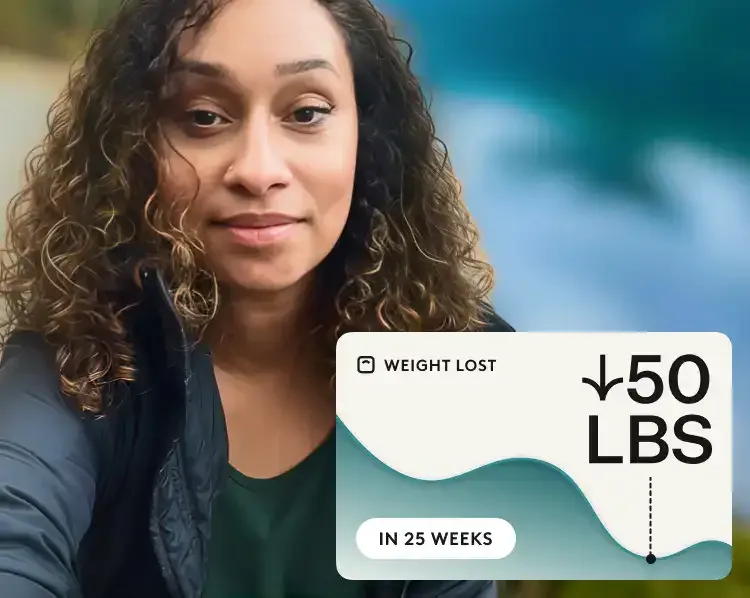
“My favorite parts of Noom are the care team and other Noomers. Sharing and getting help made me feel like I wasn’t doing it alone. That support made all the difference.”
Desirea N. — Real Noom user
Matthew M. — Real Noom user
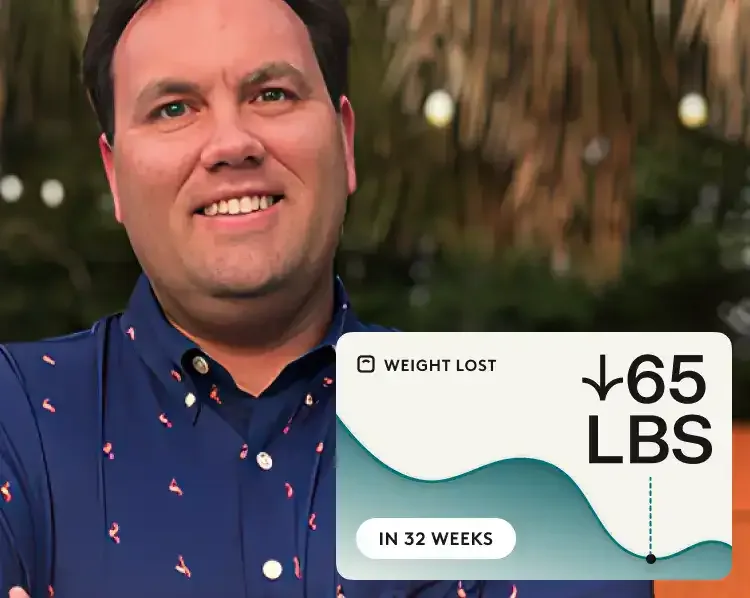
“Noom has taught me that every day is a new chance to make better, healthier choices. It's taught me how to stop overeating.’’
Matthew M. — Real Noom user
Lila M. — Real Noom user
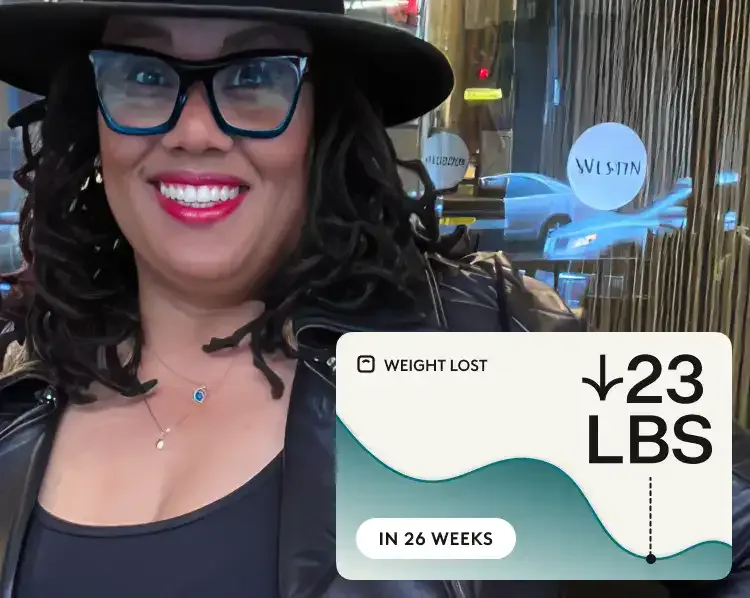
“Clinicians who understand how supportive medication can be is one of the best parts of Noom! I was convinced I wouldn’t have success but I’m down 11 pounds in two months.’’
Lila M. — Real Noom user
Steve M. — Real Noom user
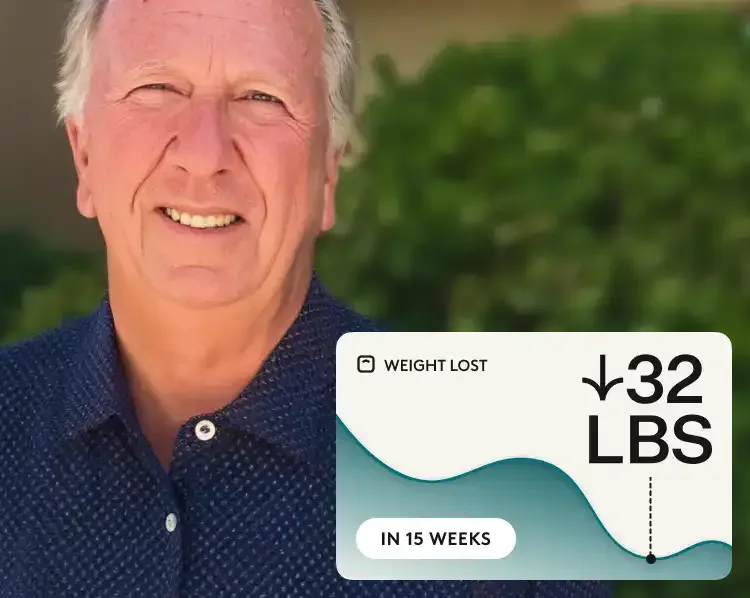
“Noom provided me with the medication which I could not get through Medicare. I have learned the tricks to better eating and life in general.”
Steve M. – Real Noom user
Daisy R. — Real Noom user
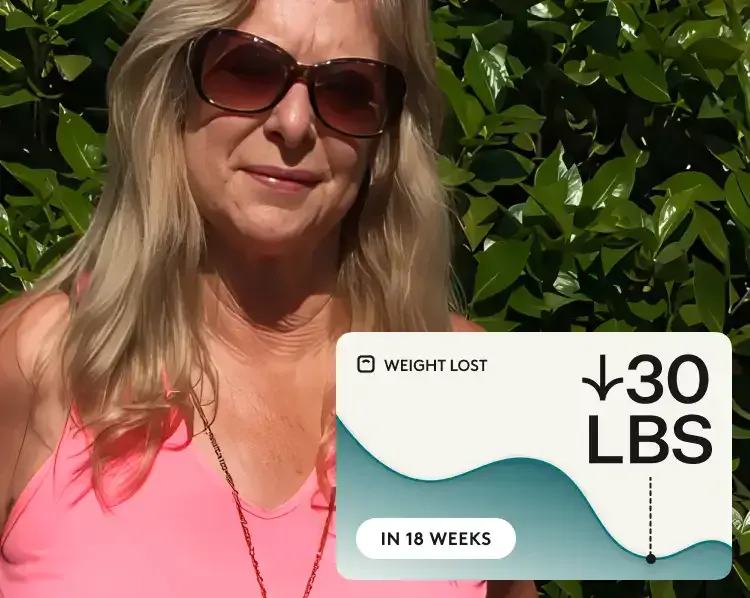
‘’Noom has changed my life and I’m so thankful, I feel great, have more energy and am no longer prediabetic.”
Daisy R. – Real Noom user
Sarah R. — Real Noom user
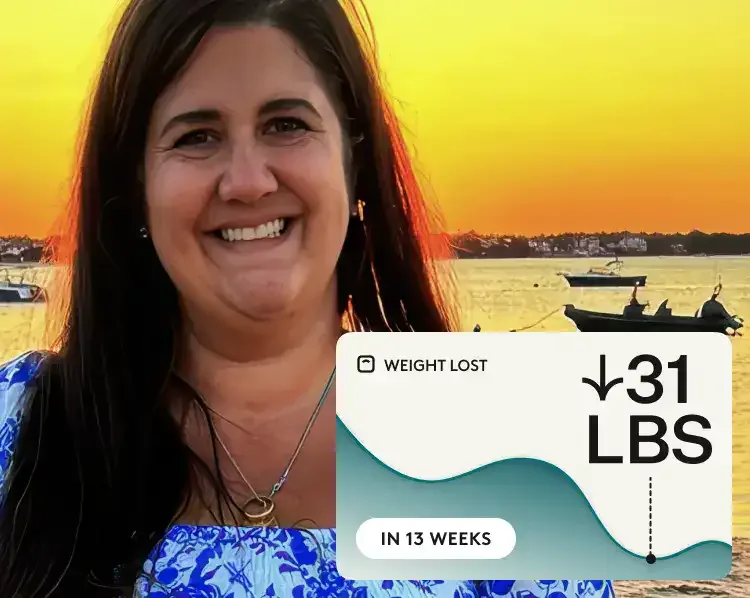
“All of the Noom providers that I’ve met with have been exceptional and prescribed medications that are appropriate for my situation and health.”
Sarah R. – Real Noom user
Madison S. — Real Noom user
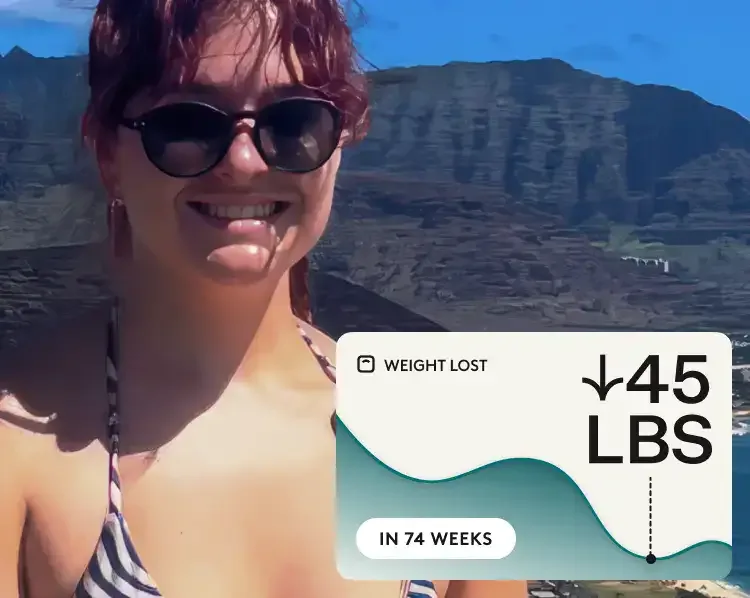
“Noom made the process so simple and now I feel full, free from diet obsession, and at ease in my body again.”
Madison S. – Real Noom user
Sonday K. — Real Noom user
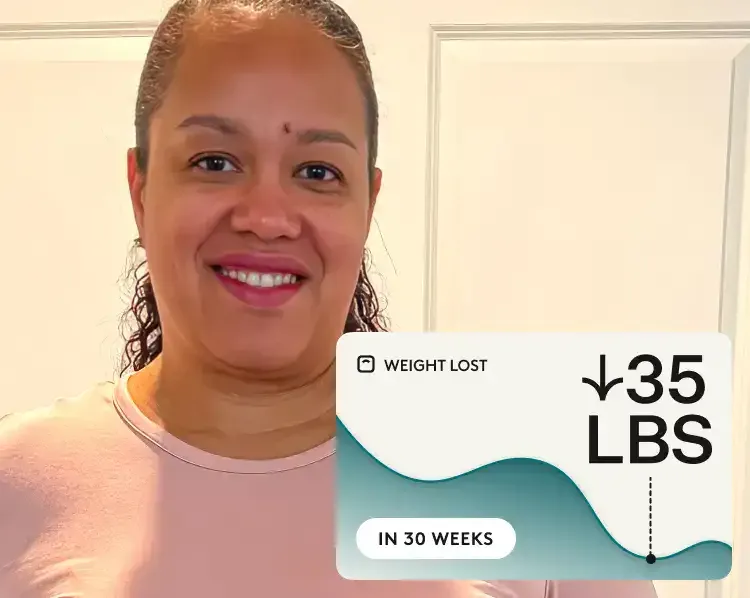
“My doctor recommended Noom after I was frustrated trying to lose weight. The lessons helped change my relationship with food. My body feels lighter & energized.”
Sonday K. – Real Noom user
Cam K. — Real Noom user
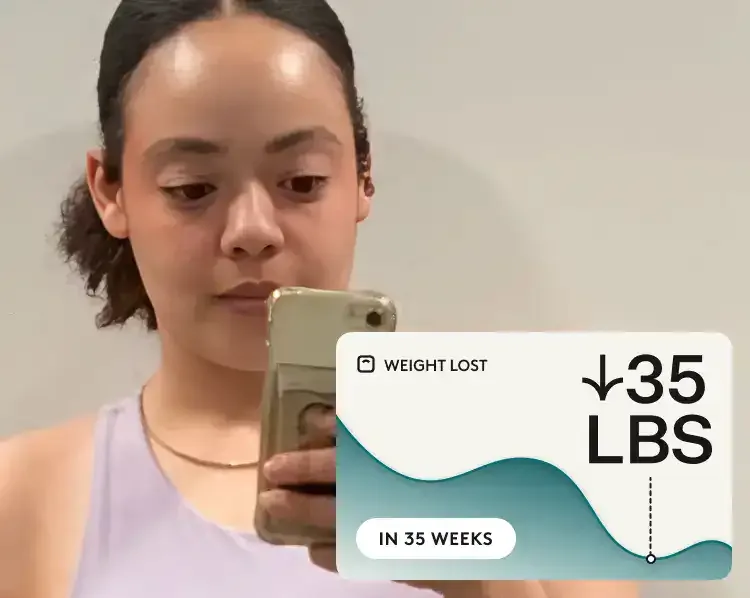
“I built healthy habits with coaching and lessons that make me confident I can maintain my weight loss long term.”
Cam K. – Real Noom user
Laura TR. — Real Noom user
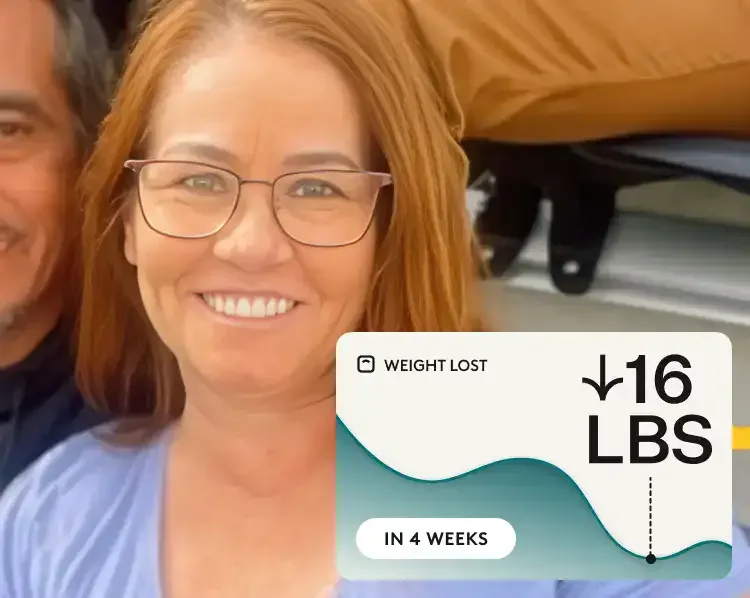
“With the right medication through Noom, hunger and sugar cravings finally quieted and I have the tools to break the cycle.”
Laura TR. – Real Noom user
Jessica S. — Real Noom user
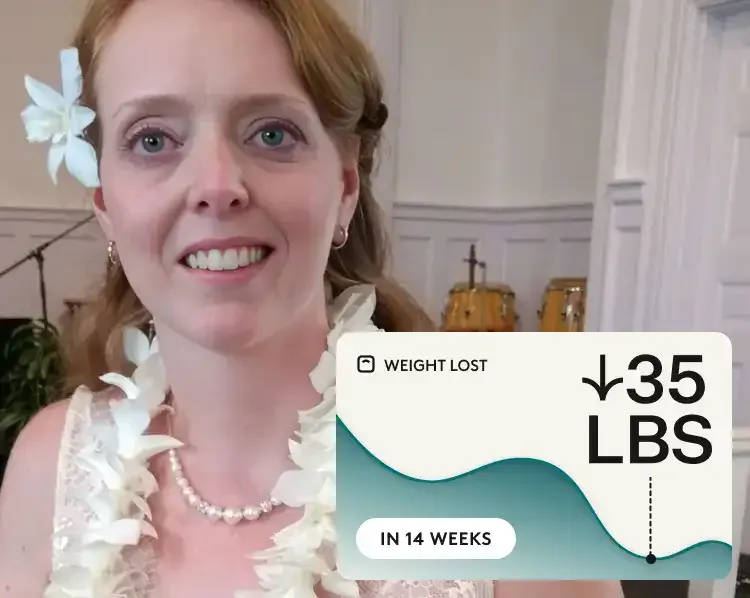
“Cravings and food noise are gone, I finally feel confident in the healthy habits I’ve built to last with Noom.”
Jessica S. – Real Noom user
The bottom line: Stopping Mounjaro® works best with a plan
When you decide to come off Mounjaro®, it helps to be prepared for change and have a plan in place. That might mean tapering slowly, staying on a lower maintenance dose, or working with your provider to switch to a medication that better fits your budget or side-effect tolerance. No matter the path, the foundation is the habits you built while taking it—structuring meals around protein and fiber, keeping movement consistent, and scheduling follow-ups to catch early signs of weight regain.
The goal isn’t to replace the medication perfectly, but to replace some of its support with tools you can actually sustain. There’s no single “right” way to stop. The most successful transitions are the ones that fit your real life, give your body time to adjust, and leave room to course-correct if needed.
If you’d like help keeping those habits consistent, one of Noom’s plans can give you structure, tools, and support that fit into your day without feeling overwhelming. Having guidance you can rely on can make life after GLP-1 treatment feel much easier to navigate.
Note: Mounjaro®, Ozempic®, Victoza®, and metformin are not FDA-approved to treat obesity or for weight loss.
Editorial standards
At Noom, we’re committed to providing health information that’s grounded in reliable science and expert review. Our content is created with the support of qualified professionals and based on well-established research from trusted medical and scientific organizations. Learn more about the experts behind our content on our Health Expert Team page.