

What you’ll learn:
- Weight loss drug coverage is still inconsistent today, with approvals often depending on diagnosis, plan type, and your insurer’s rules.
- Coverage is starting to evolve, with major updates like the BALANCE Model and insurers adjusting which GLP-1 drugs they cover.
- For lower costs, your best bet is comparing discount programs, self-pay pricing, and pharmacy coupons before paying full price.
Getting a prescription for a weight loss medication can feel like a big step, until you hit the next question: Will my insurance actually pay for it? For many people, that’s where things get confusing, because coverage rules can look completely different from one plan to the next.
Even though weight management is now widely recognized as a serious health issue, insurance coverage still varies a lot. For decades, weight loss medications were viewed more as lifestyle or cosmetic treatments than as medical therapies, and earlier generations of weight-loss drugs also raised safety concerns, which made insurers cautious about offering broad coverage.
Today, that landscape is starting to shift. Newer medications like GLP-1s have strong clinical evidence showing meaningful, sustained weight loss along with improvements in conditions like heart disease, obstructive sleep apnea, and MASH. Major medical organizations now recognize obesity as a chronic condition, not just a lifestyle issue.
Even so, insurance policies haven’t fully caught up. Coverage is often limited, inconsistent, or tied to other diagnoses, though ongoing policy changes and new programs suggest broader access may improve over time.
Since insurers currently aren’t required to provide coverage for weight loss medications, many plans have exclusions for weight-related treatment, and Medicare is legally not allowed to cover weight loss medications. When it is covered, plans usually require extra steps, like prior authorization or proof that a different medication didn’t work, before they approve a prescription. Cost is also a major reason coverage has lagged behind.


The newer GLP-1 weight loss medications can be very expensive, with the list prices for Wegovy®, Zepbound®, and Saxenda® all exceeding $1,000. Older weight loss medications like Xenical®, Contrave®, and Qsymia® can also be pricey, but some are now available as lower-cost generics or have manufacturer programs to make them more affordable.
While insurance coverage is typically someone’s first thought, no coverage doesn’t automatically mean the medication is out of reach.
And, though companies don’t have to cover weight loss medication by law, things are changing.
Let’s take a closer look at which weight loss drugs insurance may cover today and why approvals can depend so much on diagnosis and plan type. Plus, we’ll go through the most reliable ways to reduce your out-of-pocket costs and find the right medication for you.
What are the weight loss drugs available now?
In just the past few years, drugs like Zepbound®, Wegovy® (including the new Wegovy® pill), and even newer options like generic liraglutide have made medical weight loss more visible and widely discussed than ever before. These are all GLP-1s, which have seen a massive surge in use since Ozempic® became very well-known as an off-label weight loss solution. They now account for a growing share of prescriptions.
But while GLP-1 medications have grabbed the spotlight, they’re just one part of a much broader landscape. There are still several other types of weight-loss medications available, each working in different ways and suited for different needs. Understanding how these options compare can help you and your provider find the approach that fits your goals, preferences, and health history. Let’s take a look at some of these medications:
GLP-1 receptor agonists
GLP-1 medications mimic a natural hormone (GLP-1) that helps lower appetite, slow digestion, and regulate blood sugar. The result is feeling full sooner, staying full longer, and having fewer cravings overall.
In terms of weight loss, Saxenda® (liraglutide) was the first GLP-1 specifically approved for weight management, marking a major shift away from older medications that worked primarily as appetite suppressants. From there, newer options like Wegovy® (semaglutide) and Zepbound® (tirzepatide) built on that foundation with longer-acting dosing and significantly greater average weight loss in clinical trials.
While they’re all part of the same broader category, the differences come down to how you take them, how often you take them, and the average amount of weight loss they typically produce.
| Medication | Brand names | Effectiveness | How it’s taken |
|---|---|---|---|
| Semaglutide | Wegovy® (injection and pill), Ozempic® (off-label) | Clinical trials show about 15% average weight loss over 68 weeks. | Weekly injection or daily pill (Wegovy) |
| Tirzepatide | Zepbound®, Mounjaro® (off-label) | Studies show about 15% to 21% average weight loss depending on dose. | Weekly injection |
| Liraglutide | Saxenda®, Victoza® (off-label), generic liraglutide | Around 5 to 6% average weight loss over about 1 year in studies. | Daily injection |
Appetite suppressants
Appetite suppressants were one of the earliest prescription options for weight loss and are still commonly used today. Unlike newer medications, they work by acting on the central nervous system to reduce hunger signals, curb cravings, and sometimes slightly increase energy expenditure.
Access GLP-1 Weight Loss with Noom
Explore a wide range of prescription medications supported by Noom’s program.Microdose GLP-1rx
Noom GLP-1rx
Noom GLP-1rx Plus
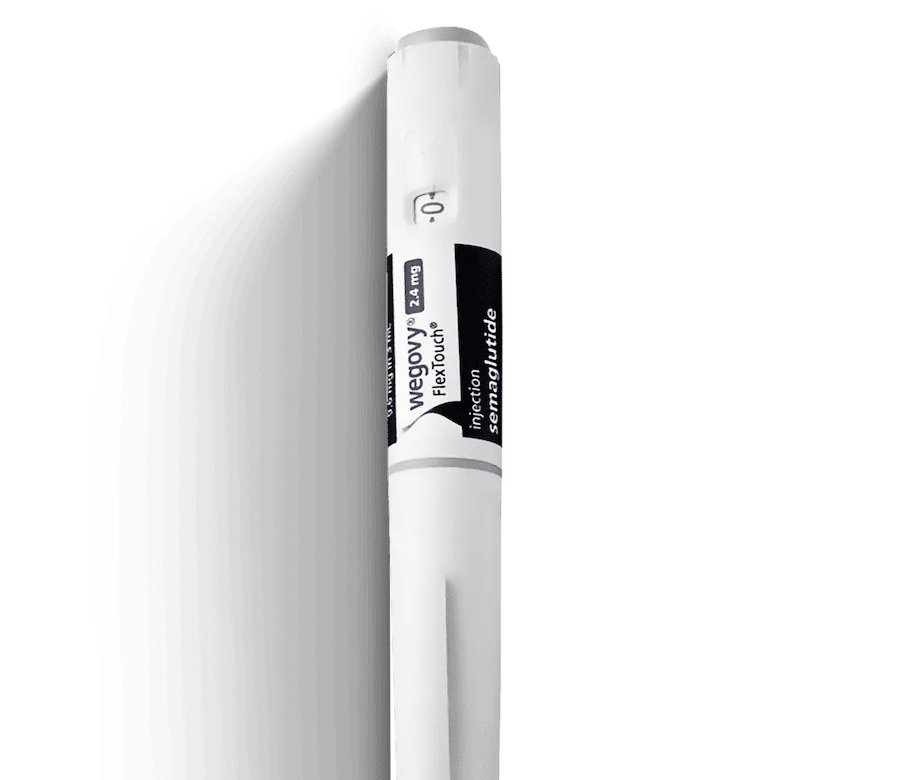
Wegovy®
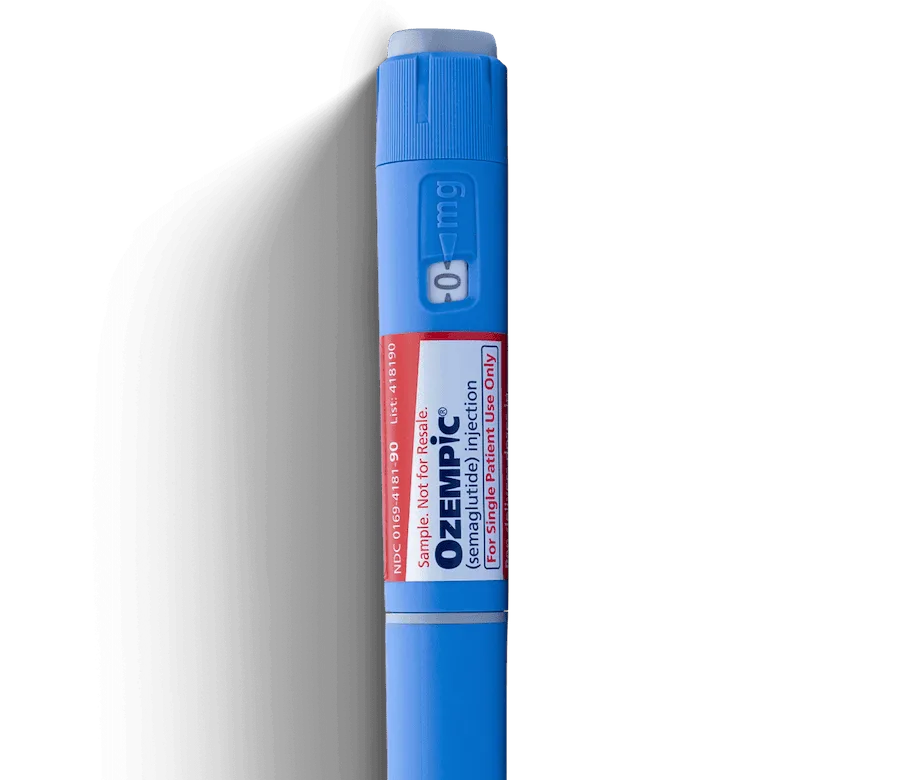
Ozempic®
Metformin
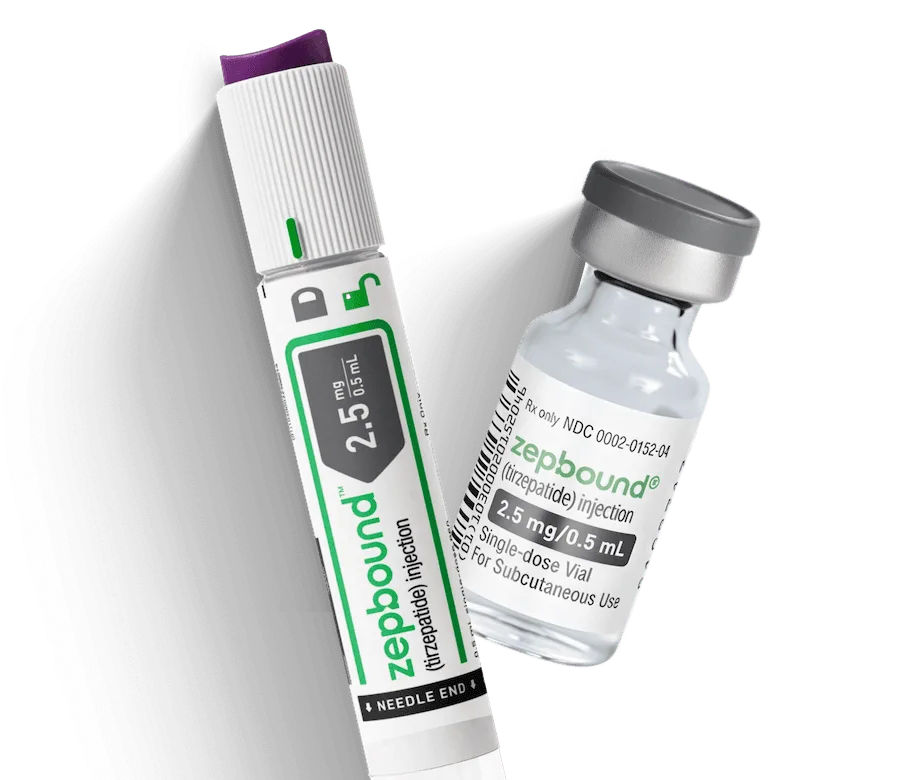
Zepbound®
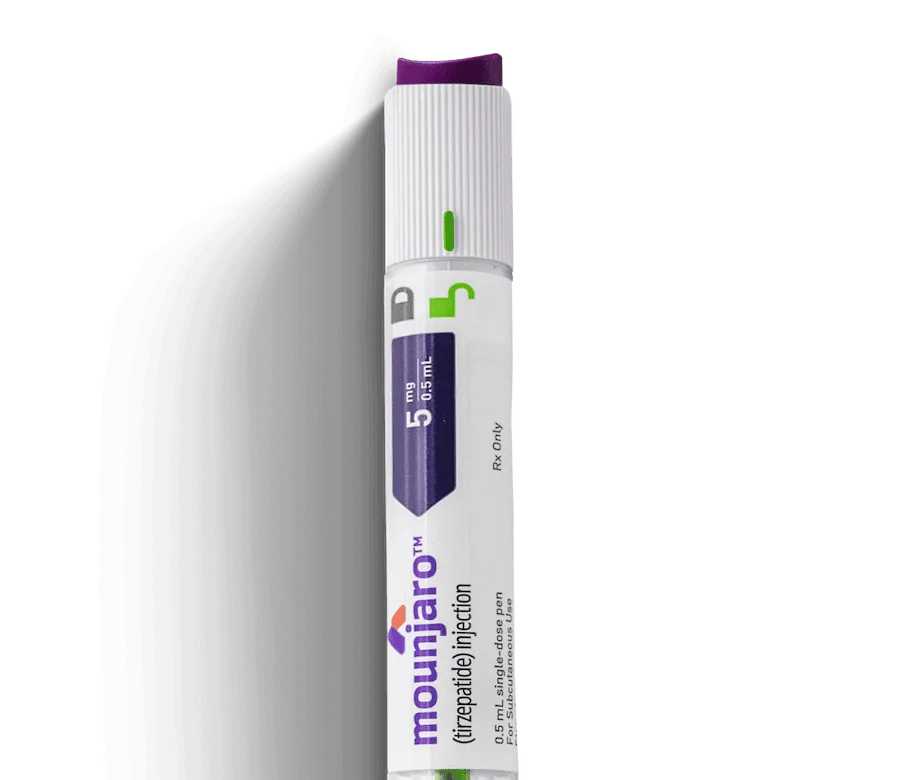
Mounjaro®
Liraglutide
While they’re often grouped together, appetite suppressants aren’t all the same. Some are single agents, like phentermine, which has been used since the 1950s for short-term weight loss. Others combine medications to target multiple pathways—for example, Contrave® (naltrexone + bupropion) works on both appetite and reward centers in the brain, while Qsymia® (phentermine + topiramate) pairs a stimulant with a medication that helps reduce cravings.
They’re typically taken as daily pills and tend to produce more moderate weight loss compared to newer treatments, but can still be a practical option for many people.
| Medication | Brand names | Effectiveness | How it’s taken |
|---|---|---|---|
| Phentermine | Lomaira®, Adipex-P® | About 80% of people lost at least 5% of body weight in approximately 6 months, according to studies. | Daily pill |
| Diethylpropion | Tenuate®, Tenuate Dospan® | Clinical trials show 10% average weight loss over around 6 months. | Pill taken 1–3 times daily |
| Naltrexone + bupropion | Contrave® | Studies show 5–10% weight loss over about 1 year. | Pill taken up to twice daily |
| Phentermine + topiramate ER | Qsymia® | About 10% average weight loss over 56 weeks in trials. | Daily capsule |
Fat absorption inhibitors
Fat absorption inhibitors take a different approach to weight loss than most other medications. Instead of acting on the brain or appetite hormones, they work directly in the digestive system to block a portion of the fat you eat from being absorbed. This means fewer calories are taken in from food, with the unabsorbed fat passing through the body.
The main medication in this category, orlistat, has been available since the late 1990s and was one of the first long-term weight loss medications approved for use. It’s available both as a prescription (Xenical®) and in a lower-dose over-the-counter version (Alli®), making it more accessible than many newer treatments. While weight loss tends to be more modest compared to other options, it can still be effective—especially when combined with dietary changes.
| Medication | Brand names | Effectiveness | How it’s taken |
|---|---|---|---|
| Orlistat | Xenical®, Alli® | Studies show about 10% average weight loss over 1 year. | Pill taken three times daily with meals |
Are weight loss drugs ever covered by insurance?
Weight loss drugs can be covered by insurance, but coverage is far from consistent. It often depends on your insurance type and your diagnosis, as well as the medication you’ve been prescribed.
Why insurance type and diagnosis matter
Insurance coverage for weight-loss medications can look very different depending on the type of plan you have. In the U.S., most people fall into one of a few main categories—employer-sponsored insurance, marketplace plans, or government programs like Medicare and Medicaid—and each comes with its own rules around what’s covered and why. Here’s how they typically compare:
- Employer-sponsored plans: These vary widely, but larger employers are more likely to offer coverage for GLP-1 medications or other weight-loss drugs. And GLP-1s are still more likely to be covered when prescribed for other purposes, such as type 2 diabetes, obstructive sleep apnea (OSA), or risk of heart disease. Other weight loss medications may be covered, depending on the plan.
- Marketplace plans: These are individual health insurance plans you can buy through the federal or state-run exchanges (like Healthcare.gov), often used by people who don’t get coverage through an employer. Coverage is often limited, and many plans exclude weight loss medications unless they’re being used for another approved condition.
- Medicare: Medicare doesn’t cover medication when it’s prescribed for weight loss because it legally can’t cover weight loss medications, though some may be covered when prescribed for different uses.
- Medicaid: Coverage depends on the state you live in, and the rules can change from year to year.
Even if your plan does include weight loss medication coverage, approval isn’t always automatic. Many insurers require prior authorization, which means your provider must submit paperwork showing you meet the plan’s criteria. That might include BMI requirements, related health conditions, or documentation of past weight management efforts.
When will insurance cover weight loss drugs?
Weight loss medications are getting more attention from insurers, but access still varies widely. Some plans are opening the door a little wider, while others are actually pulling back. Here are some of the biggest updates shaping what may happen next:
- Medicare is exploring expanded access through a voluntary program called the BALANCE Model, which could allow some plans to offer certain GLP-1 medications starting as early as January 2027 (with Medicaid participation beginning in May 2026).
- Big pharmacy benefit managers are making major changes, too. For example, CVS Caremark removed Zepbound® from many formularies in July 2025, while keeping Wegovy® as a covered option for many plans. That kind of switch can affect millions of people.
- Medicaid coverage is still limited and keeps changing. As of January 2026, only 13 state Medicaid programs cover GLP-1 medications for weight management, and many still require prior authorization. Some states have also recently dropped coverage due to budget and cost concerns.
- Older and non–GLP-1 medications are also still limited. Drugs like phentermine, naltrexone-bupropion (Contrave®), and orlistat are sometimes easier to get covered. In some cases, insurers require people to try one of these options first (called step therapy) before approving newer medications like GLP-1s.
So yes, things are shifting, and some of these updates are a big deal. But insurance coverage is still a patchwork, and what’s covered can look totally different depending on where you live and what plan you have. That’s why there’s still no clear, set date for when weight loss medications will become widely covered for everyone.
What GLP-1 weight loss drugs are covered by insurance—and when
Insurance coverage for GLP-1 medications can feel confusing fast, mostly because the rules aren’t the same everywhere. A medication might be covered under one plan and denied under another, even if it’s the exact same prescription.
A big reason comes down to what the drug is being prescribed for. Many weight loss medications are also approved for other health conditions, and insurance companies are often more likely to cover them when they’re tied to a non-weight-loss diagnosis.
For example, coverage is usually more likely when a medication is prescribed for:
- Type 2 diabetes, to help manage blood sugar (Ozempic and Mounjaro)
- Heart disease risk reduction, to lower the chance of serious heart events in eligible people (Wegovy, Victoza, generic liraglutide)
- Obstructive sleep apnea (OSA) (Zepbound)
- Metabolic dysfunction–associated steatohepatitis (MASH) (Wegovy)
Your plan may also require extra steps before it says yes, like:
- Prior authorization – your provider sends paperwork explaining why you need it
- Step therapy – you may need to try a different medication first
Here’s a quick look at GLP-1 medications and how insurance often treats them:
| Medication (brand name) | What it’s approved for and used for | When insurance may cover it* |
|---|---|---|
| Ozempic® (semaglutide) | Type 2 diabetes, off-label weight loss | Private: Commonly covered for diabetes; rarely covered for weight loss Medicare: May be covered for diabetes Medicaid: Typically covered for diabetes; weight loss use is generally not covered |
| Wegovy® (semaglutide) | Injection: Weight loss, heart disease, MASH Pill: Weight loss | Injection: Private: Sometimes covered for weight management if the plan includes those benefits; may be covered for cardiovascular risk reduction Medicare: Not covered for weight loss alone; may be covered for approved conditions like heart disease Medicaid: Varies by state; limited coverage for weight loss, more common for other approved uses Pill: Private: Coverage is emerging but still limited; may be included on some plans with weight management benefit Medicare: Not covered for weight loss alon Medicaid: State-dependent; weight-loss coverage is uncommon and often restricted |
| Rybelsus® (semaglutide) | Type 2 diabetes | Private: Commonly covered for diabete Medicare: Covered for diabetes under Part D plans Medicaid: Generally covered for diabetes |
| Mounjaro® (tirzepatide) | Type 2 diabetes, off-label weight loss | Private: Typically covered for diabetes; not usually covered for weight loss Medicare: Covered for diabetes Medicaid: Usually covered for diabetes; weight loss use not covered |
| Zepbound® (tirzepatide) | Weight loss; obstructive sleep apnea (OSA) | Private: May be covered for OSA; weight-loss coverage depends on plan and employer benefits Medicare: Not covered for weight loss alone; possible coverage for OSA Medicaid: Varies by state; limited coverage for weight loss, may cover OSA Learn more. |
| Victoza® (liraglutide) | Type 2 diabetes and heart disease | Private: Commonly covered for diabetes and cardiovascular indications Medicare: Covered for diabetes Medicaid: Generally covered for diabetes |
| Saxenda® (liraglutide) | Weight management | Private: Sometimes covered if the plan includes weight-loss benefits Medicare: Not covered for weight loss Medicaid: State-dependent; weight-loss coverage is limited |
| Generic liraglutide | Type 2 diabetes, weight loss, heart disease | Private: Commonly covered for diabetes/heart disease; weight-loss coverage varies Medicare: Covered for diabetes Medicaid: Typically covered for diabetes; other uses depend on the state |
Coverage varies by plan, and prior authorization is common.
How to get weight loss drugs covered by insurance
Getting weight loss drugs covered by insurance usually comes down to one thing: making sure your plan has a reason to say yes. Once you know what insurance companies look for, the process gets a lot clearer.
Here are a few smart steps that can help:
- Check your plan documents first. Look for coverage rules around “weight management medications” or “anti-obesity medications.” Some plans exclude them completely, while others cover them with conditions.
- Review your insurance company’s covered drug list (formulary). This is the official list of medications your plan covers.
- Ask about prior authorization. Prior authorization means your insurance company wants your provider to submit paperwork showing why the medication is medically appropriate. It can also take time, since providers often have to send multiple explanations before insurance approves it.
- Know the common requirements. Many plans require certain health criteria, like:
- A specific BMI threshold
- A related health condition (like type 2 diabetes, sleep apnea, or heart disease risk)
- Proof of past weight-loss efforts (such as a structured program or nutrition counseling)
Your provider plays a big role here. Insurance approval is often based on how your diagnosis is documented and what the medication is being prescribed for.
If your request gets denied, you may still have options. Many plans allow an appeal, where your provider submits additional information explaining why the medication is necessary. Appeals can work, but they’re not guaranteed, and they often take time.
How to get weight loss medications for less when insurance won’t cover them
Paying full price for a weight loss medication can be difficult. The good thing is that even without insurance coverage, there are still a few ways to bring the price down.
Here are some of the most common cost-saving paths people use:
- Manufacturer cash-pay programs and savings programs: Some drugmakers offer discount cards or special pricing for people who are paying out of pocket.
- Dose-specific pricing: Some programs charge less for starter doses, which can reduce early costs.
- Retail pharmacy discounts: Some pharmacies offer lower self-pay pricing, discount coupons, or special membership-based savings programs.
- Generic options: Some weight loss medications have lower-cost generic versions available (though many newer GLP-1s still don’t).
A lot of the biggest savings come from manufacturer-sponsored programs and pharmacy coupons, which can lower the cost compared with standard retail pricing. Here’s a quick look at common medications and the alternatives that may help reduce out-of-pocket costs:
| Medication | List price | Alternatives for people paying without insurance |
|---|---|---|
| Wegovy® (semaglutide) | $1,349 | NovoCare PharmacyPen: $199: 0.25 mg and 0.5 mg $349:1 mg, 1.7 mg, and 2.4 mg Pill: $149: 1.5 mg $149–$199: 4 mg $299: 9 mg and 25 mg |
| Zepbound® (tirzepatide) | $1,087 | LillyDirect vials and multi-dose pen: $299: 2.5 mg $399: 5 mg $449: 7.5 mg, 10 mg, 12.5 mg, and 15 mg |
| Saxenda® (Liraglutide) | $1,349 | Generic Saxenda®: ~$759 (with pharmacy coupons) |
| Qsymia® (Phentermine + topiramate ER) | ~$240–$300 | Generic phentermine/topiramate ER: $60–$200 Savings options: Qsymia® Savings Card: $70–$75 off/month Qsymia® Engage program: $98/month (home delivery) |
| Lomaira® (Phentermine) | ~$18–$37 | Generic phentermine: ~$5–$20 Lomaira® Lo-Cost Access Program: caps price at about 50 cents per tablet for those who qualify. |
| Contrave® (bupropion + naltrexone) | ~$500–$700 | CurAccess™ Patient Support Program: $99/month |
Prices may vary by pharmacy and are subject to change.
Telehealth can also be part of the cost conversation. Noom, for example, offers multiple options depending on what kind of support you’re looking for, including habit-based programs and clinician-guided GLP-1 medication programs for those who qualify.
Learn more: How much does Noom cost in 2026 (and what do you get)?
Weight loss drugs covered by insurance: Medicare vs Medicaid
Medicare and Medicaid both help people pay for healthcare, but they work very differently. And that difference matters a lot when you’re trying to figure out whether a weight loss medication might be covered.
- Medicare is a federal program, which means the rules are mostly the same no matter where you live. Medicare also has long-standing restrictions that prevent it from covering medications prescribed only for weight loss. That’s why many GLP-1 drugs aren’t covered unless they’re being used for a different FDA-approved medical reason, like type 2 diabetes or certain heart-related risk conditions.
- Medicaid is a state-run program, which means coverage can look completely different depending on your state. Some states cover GLP-1 medications for weight management, while others don’t. Even in states that do cover them, there are often additional steps, such as prior authorization or strict eligibility requirements.
Here’s a simple side-by-side look at how Medicare and Medicaid coverage typically work:
| Feature | Medicare | Medicaid |
|---|---|---|
| Who sets the rules? | Federal government | Individual states |
| Weight loss drug coverage | Usually limited | Depends on the state |
| Common reason for coverage | FDA-approved medical reasons, such as diabetes or heart-related indications | Weight management may be covered in some states |
| Biggest barrier | Federal exclusions | State budgets and state policy |
Even with newer programs being tested, changes tend to happen slowly. For now, the smartest move is checking your plan rules carefully, since coverage can look very different depending on where you live and what program you’re enrolled in.
Frequently asked questions about weight loss drugs covered by insurance
Coverage for weight loss medications will vary even with the same drug and the same insurance company. These FAQs answer the questions that come up most often, including why coverage gets denied and what you can do next.
Why won’t my insurance cover weight loss drugs?
Many insurance plans still treat weight loss medications as optional, which means they may exclude them completely. Others may only cover them in specific cases, like when the medication is prescribed for type 2 diabetes or another FDA-approved condition. Cost is also a major factor, since many of these medications are expensive and often intended for long-term use.
Will insurance cover weight loss drugs in the future?
Possibly, but there’s no single timeline. Coverage is slowly expanding in some areas, but it’s happening unevenly. Some employers and private plans may adopt coverage sooner, while government programs tend to move more slowly and usually require policy changes.
That said, there are a few real signs things are shifting, including CMS’s BALANCE Model, a voluntary program designed to help Medicare and Medicaid plans expand access to certain GLP-1 medications by negotiating lower pricing with drug manufacturers. It’s set to begin in May 2026 for Medicaid and January 2027 for Medicare Part D plans, which could make coverage more realistic for more people over time.
Are GLP-1 drugs ever covered for weight loss?
Sometimes, yes, but it depends on the plan. Some private insurance companies and Medicaid will cover GLP-1 medications like Wegovy® or Zepbound® for weight management. Other plans may still exclude them unless the prescription is tied to other conditions. Medicare can’t cover these medications or any weight loss medications when prescribed for weight loss alone.
Can a doctor help get weight loss drugs approved?
Maybe. Your healthcare provider plays a big role in the approval process, especially if your plan requires prior authorization. They may need to submit medical records, BMI documentation, or proof that other approaches were tried first. The more detailed the paperwork, the better your chances, though approval still isn’t guaranteed.
What if insurance denies coverage?
A denial doesn’t always mean it’s a dead end. You can ask your provider to submit an appeal, request an exception, or double-check whether the medication is covered under a different diagnosis category. You can also explore manufacturer savings programs, pharmacy discounts, or cash-pay options if coverage falls through.
Does prior authorization mean approval?
No. Prior authorization just means your insurance company wants extra paperwork before they agree to cover the medication. Even after it’s submitted, the request can still be denied, or your provider may be asked to send additional information before a final decision is made.
Reviews from real Noom users
Desirea N. — Real Noom user
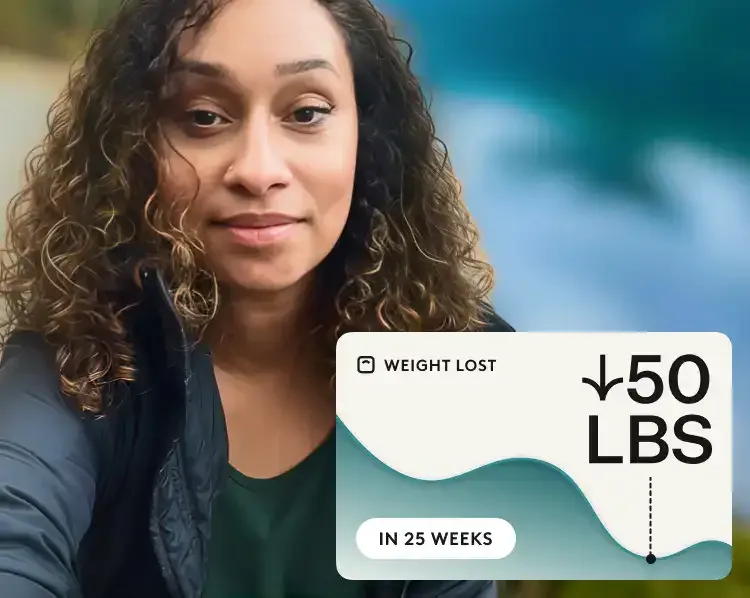
“My favorite parts of Noom are the care team and other Noomers. Sharing and getting help made me feel like I wasn’t doing it alone. That support made all the difference.”
Desirea N. — Real Noom user
Matthew M. — Real Noom user
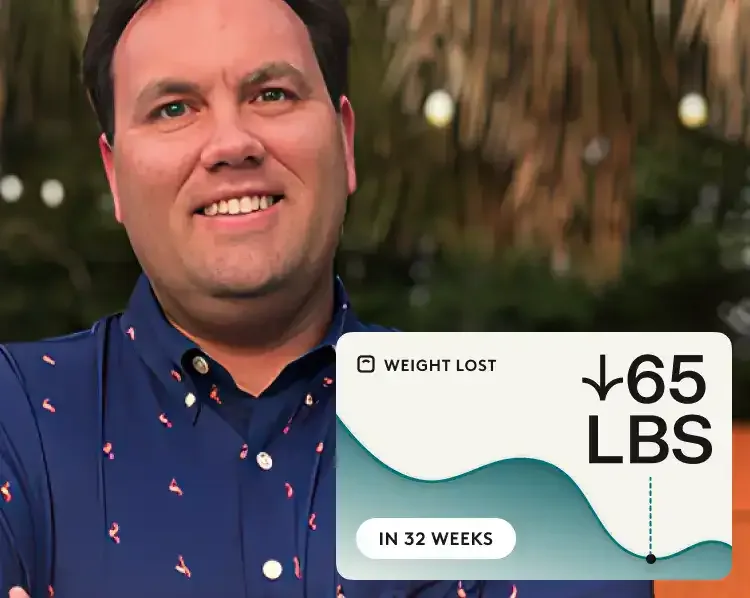
“Noom has taught me that every day is a new chance to make better, healthier choices. It's taught me how to stop overeating.’’
Matthew M. — Real Noom user
Lila M. — Real Noom user
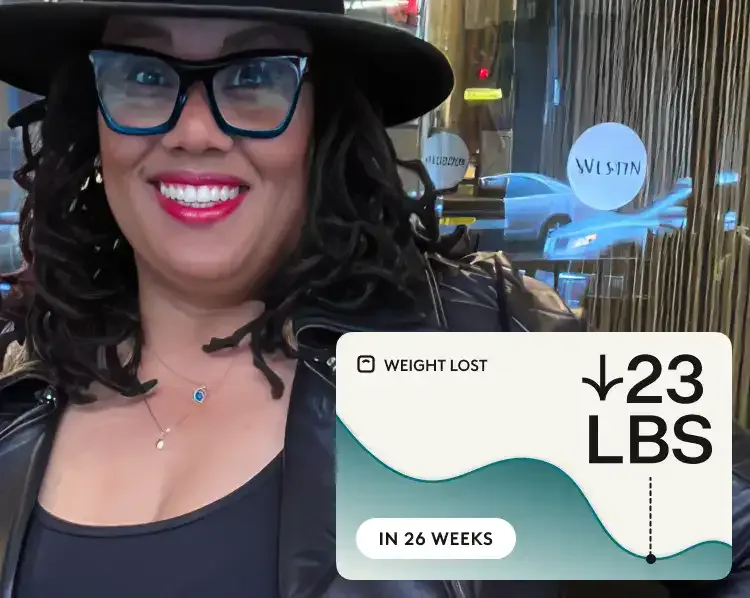
“Clinicians who understand how supportive medication can be is one of the best parts of Noom! I was convinced I wouldn’t have success but I’m down 11 pounds in two months.’’
Lila M. — Real Noom user
Steve M. — Real Noom user
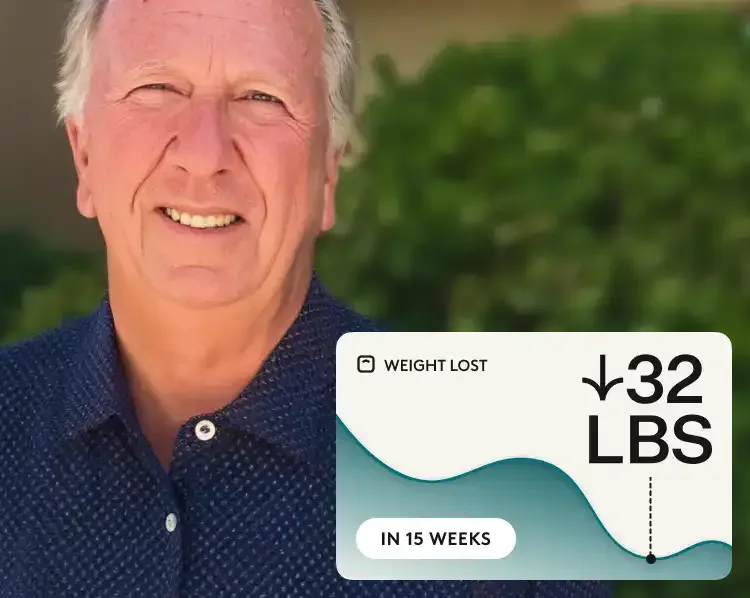
“Noom provided me with the medication which I could not get through Medicare. I have learned the tricks to better eating and life in general.”
Steve M. – Real Noom user
Daisy R. — Real Noom user
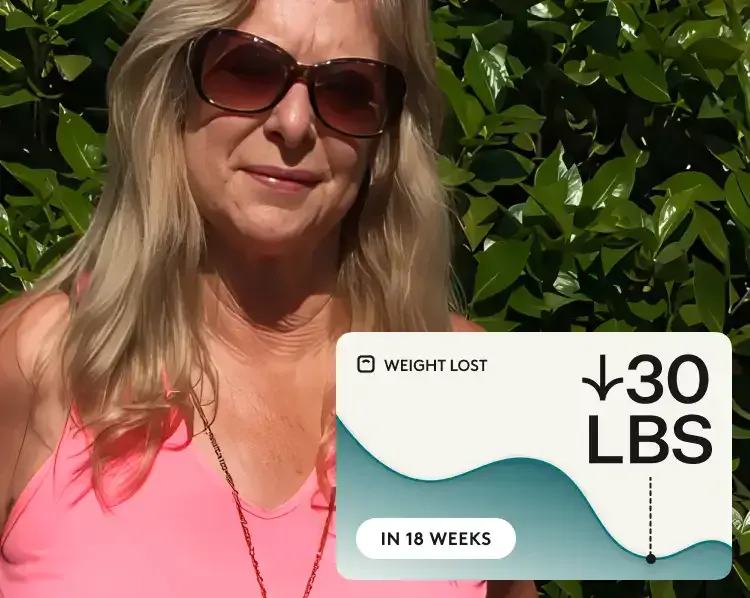
‘’Noom has changed my life and I’m so thankful, I feel great, have more energy and am no longer prediabetic.”
Daisy R. – Real Noom user
Sarah R. — Real Noom user
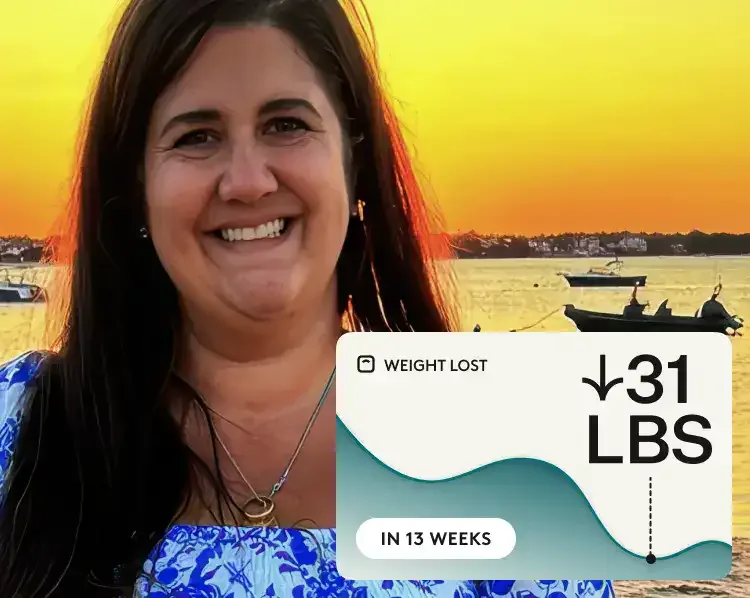
“All of the Noom providers that I’ve met with have been exceptional and prescribed medications that are appropriate for my situation and health.”
Sarah R. – Real Noom user
Madison S. — Real Noom user
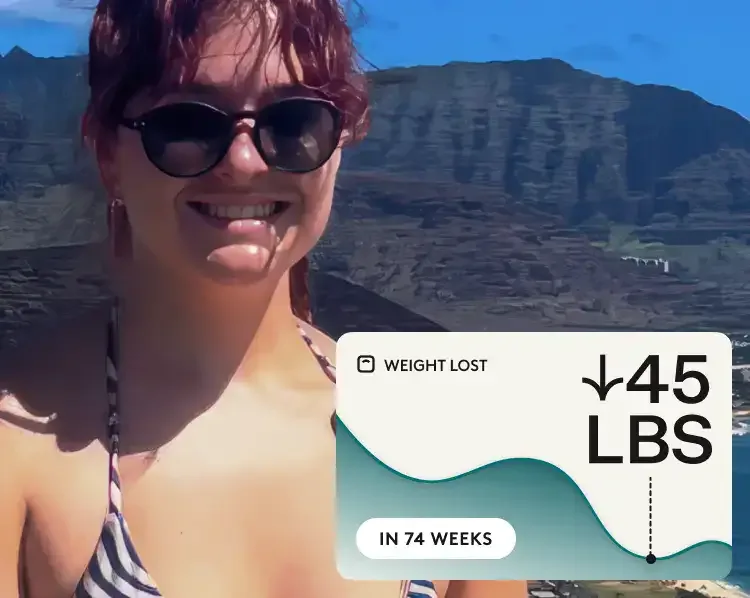
“Noom made the process so simple and now I feel full, free from diet obsession, and at ease in my body again.”
Madison S. – Real Noom user
Sonday K. — Real Noom user
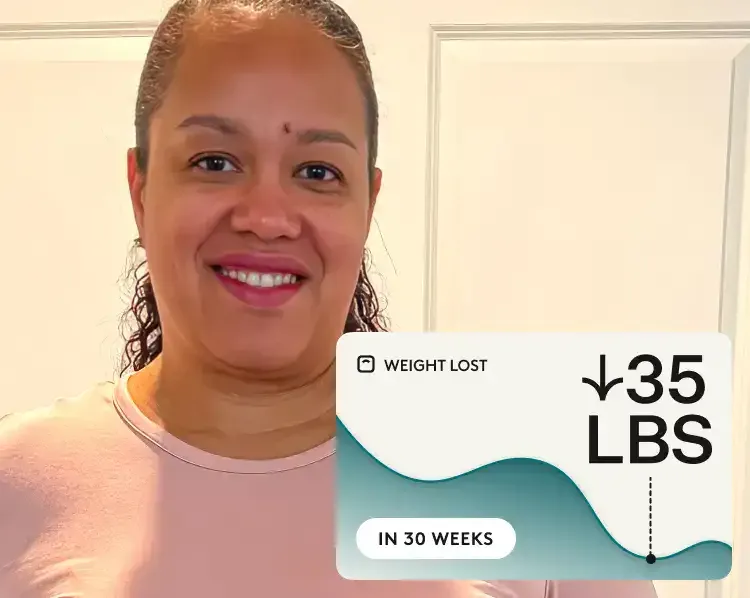
“My doctor recommended Noom after I was frustrated trying to lose weight. The lessons helped change my relationship with food. My body feels lighter & energized.”
Sonday K. – Real Noom user
Cam K. — Real Noom user
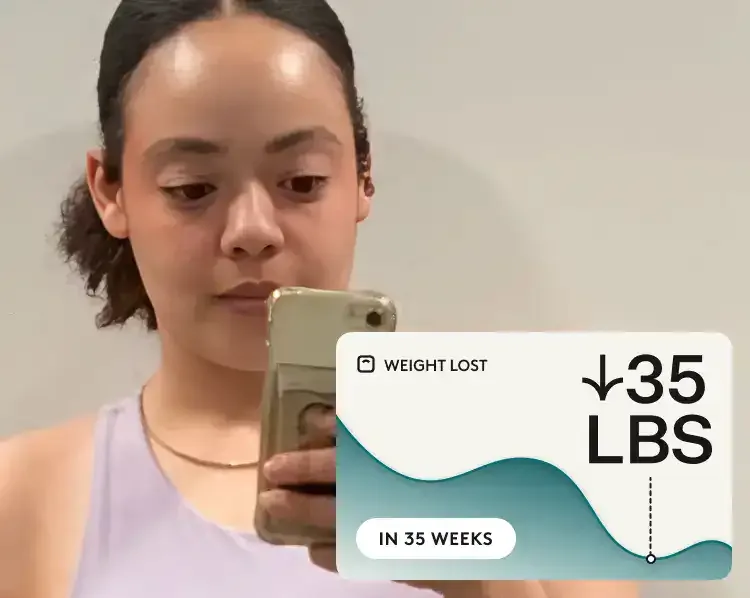
“I built healthy habits with coaching and lessons that make me confident I can maintain my weight loss long term.”
Cam K. – Real Noom user
Laura TR. — Real Noom user
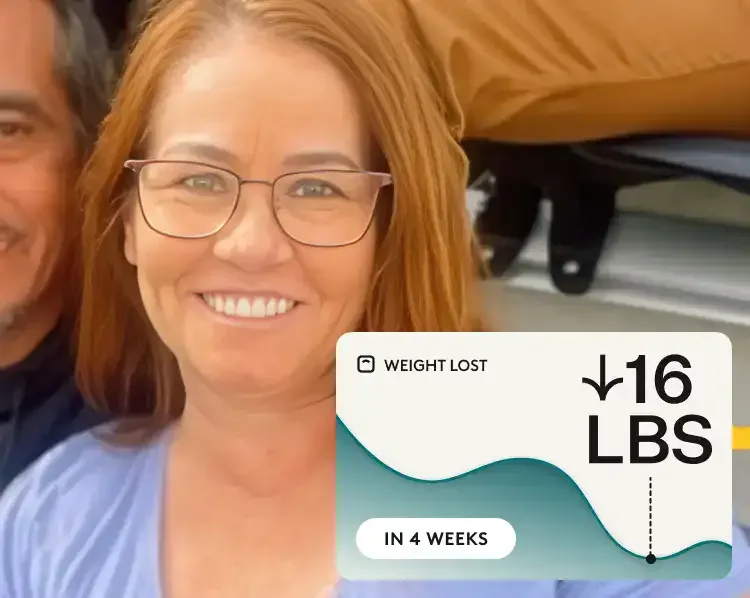
“With the right medication through Noom, hunger and sugar cravings finally quieted and I have the tools to break the cycle.”
Laura TR. – Real Noom user
Jessica S. — Real Noom user
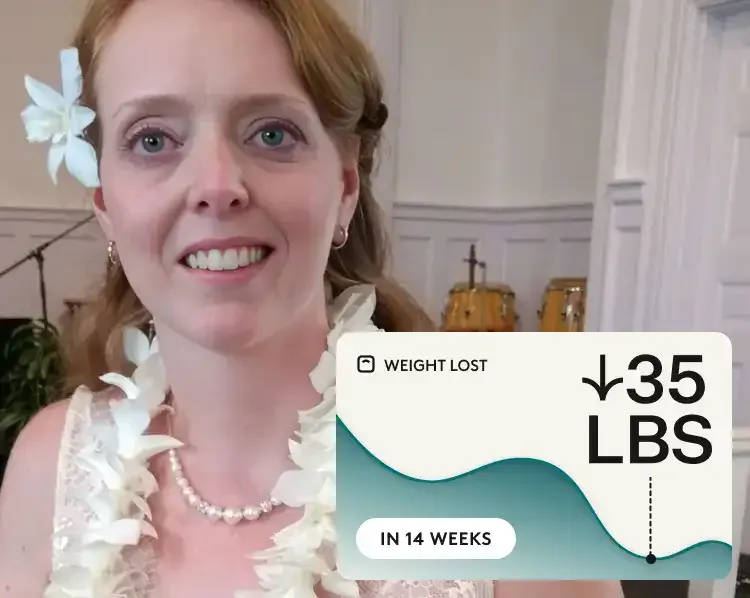
“Cravings and food noise are gone, I finally feel confident in the healthy habits I’ve built to last with Noom.”
Jessica S. – Real Noom user
The bottom line: Coverage for weight loss medications is expanding, but still unlikely
Insurance coverage for weight loss drugs can feel unpredictable because it often depends on the exact plan you have and what the medication is being prescribed for. Some medications may be covered for diabetes or other health conditions, while weight management coverage can still be limited. And even if your plan covers the drug, you may still need prior authorization or extra documentation before you get a yes.
The biggest takeaway is that your plan type matters a lot. Employer plans, marketplace plans, Medicare, and Medicaid all play by different rules, and even Medicaid coverage can change depending on your state. That’s why it helps to check your formulary, understand what paperwork your plan requires, and explore savings options like manufacturer programs, pharmacy discounts, and generics when they’re available.
If you’re considering GLP-1 medications, Noom Med is another option to explore. If you qualify, you’ll be matched with a clinician who can prescribe medication if it’s a good fit. Plus, you’ll get ongoing support like coaching, meal planning, and habit-building tools that can help support your weight loss goals while you build healthier routines day by day.
Editorial standards
At Noom, we’re committed to providing health information that’s grounded in reliable science and expert review. Our content is created with the support of qualified professionals and based on well-established research from trusted medical and scientific organizations. Learn more about the experts behind our content on our Health Expert Team page.