
What you’ll learn:
- There is no FDA-approved oral tirzepatide pill, Mounjaro® and Zepbound® are both available only as once-weekly injections.
- Tirzepatide’s peptide structure is much harder to deliver in pill form than single-hormone medications like semaglutide and orforglipron.
- If you’re looking for a pill form, Wegovy®, Foundayo®, and the Ozempic® pill are approved oral options in the U.S.
More people than ever are asking the same question: Is there an oral version of tirzepatide, the active ingredient in Zepbound® and Mounjaro®? Searches for “Mounjaro pill” and “Zepbound pill” have climbed right alongside the rest of the questions around GLP-1 medications. This is largely because there have been lots of changes in the oral GLP-1 category recently.
The Wegovy® pill launched in late 2025, and Foundayo® followed shortly after. Also, Rybelsus®, which has been on the market since 2019, was recently rebranded as the Ozempic® pill.
So, it raises a natural question: If semaglutide (Wegovy® and Ozempic®) and the newer orforglipron (Foundayo®) can be made into oral forms, why can’t tirzepatide?
While we don’t really know why Eli Lilly, the company that creates tirzepatide medications Zepbound® and Mounjaro®, hasn’t created an oral tirzepatide, the best guess comes down to the chemical makeup of the molecule.
Let’s go through how tirzepatide works, why it’s unlikely to become an oral option soon, and what’s in production in terms of oral GLP-1 medication. Plus, you’ll learn how the available pills on the market work for people who are looking to manage their weight or have other conditions that GLP-1s can help.

The Easy Way
to lose weight and get healthy.
See if you qualify
What is tirzepatide?
Tirzepatide is the active ingredient in Zepbound and Mounjaro. It’s a dual hormone agonist—which means it mimics two hormones at once: GLP-1 (glucagon-like peptide-1) and GIP (glucose-dependent insulinotropic polypeptide). When those pathways are activated, they can lower appetite, slow the rate at which food leaves your stomach, and help regulate blood sugar. The dual action is believed to be what makes it the most effective GLP-1, with an average weight loss of 21% of starting weight over about 72 weeks.
The difference between Mounjaro® and Zepbound®
Mounjaro® and Zepbound® both contain tirzepatide in the same doses. The biggest difference is what they’re FDA-approved for, and those approvals affect insurance coverage.
- Mounjaro® is approved for the management of type 2 diabetes.
- Zepbound® is approved for weight loss and obstructive sleep apnea (OSA).
Both are delivered the same way: a once-weekly injection. Neither one comes in a pill.
While people use both for weight loss, Mounjaro® is considered off-label use, and it doesn’t have a discounted cash-pay option in the manufacturer’s Lilly Direct program. Most people pay less for Zepbound® when filling it through the pharmacy, as weight loss medication is often not covered by private insurance.
Learn more: Zepbound® vs. Mounjaro®
Why people look for an oral tirzepatide pill
It’s easy to see the appeal of an oral version of tirzepatide. Weekly injections aren’t for everyone, and a pill would be simpler to take, easier to travel with, and wouldn’t require refrigeration. Cost may also play a role, as the currently available GLP-1 pills are often less expensive than injectable medications through manufacturers’ cash-pay programs.
Beyond convenience, many people are drawn to tirzepatide because it has produced the greatest average weight loss among the currently approved GLP-1 medications in clinical trials. It’s also unique in targeting both GLP-1 and GIP receptors rather than GLP-1 alone. Researchers believe that dual action is one reason it often leads to greater weight loss than medications that target only GLP-1.
Is Eli Lilly working on an oral version of tirzepatide?
Not in publicly available human clinical trials. Although researchers have explored experimental ways to deliver tirzepatide-like medications orally in laboratory and animal studies, no oral tirzepatide tablet has entered publicly registered clinical trials in people. Instead, Eli Lilly focused on developing orforglipron, a non-peptide oral GLP-1 medication designed specifically to work as a pill.
Why tirzepatide doesn’t have an oral version: Potential reasons
Making a medication into a pill sounds like it should be the easy part. But for drugs like tirzepatide, the challenge isn’t convenience—it’s chemistry. The lack of a disclosed development timeline suggests the science hasn’t been straightforward. Here’s why turning this particular injection into a tablet is so much harder than it sounds.
It’s a dual-hormone therapy, not a single one
Tirzepatide was engineered to activate both the GIP and GLP-1 receptors through a single molecule—and researchers found it engages each one differently, which may be key to its strong metabolic effects. It’s also modified with a fatty acid chain that slows how quickly the body clears it, making once-weekly dosing possible.
That dual action is a big part of what makes tirzepatide so effective as an injectable. But it also makes the molecule larger and structurally more complex than a single-hormone peptide. Greater molecular complexity tends to make a drug harder to stabilize, harder to manufacture consistently, and harder to get through the digestive system intact—all of which matter when researchers are trying to move a medication from injectable form to pill form.
GLP-1 pills and injections reach your bloodstream completely differently
Tirzepatide is a peptide—a chain of amino acids that the body treats as food. Swallow it, and your digestive system does exactly what it’s designed to do: break it down. Stomach acid and digestive enzymes would destroy the drug before it ever had a chance to work. That’s why peptide medications are typically injected—bypassing the GI tract entirely.
Getting a peptide through the stomach and into the bloodstream in pill form requires a workaround. Oral semaglutide ( Wegovy pill and Ozempic pill) uses an absorption enhancer called SNAC, which temporarily raises the pH around the tablet and protects the drug from digestive enzymes long enough for it to pass through. Tirzepatide’s added structural complexity likely makes the same issue harder to get around.
Even with the right workaround, very little of the medication from the current GLP-1 pills is absorbed
Here’s the part that surprises most people: even when oral delivery of a GLP-1 works, it barely works. Research shows that oral bioavailability for semaglutide is only around 0.4% to 1%—meaning less than one percent of what you swallow reaches your bloodstream. To compensate, oral doses are set much higher than injectable ones.
Tirzepatide’s dual-hormone structure and fatty acid modification may add to the challenge of delivering it as a pill. Supporting that idea, one preclinical study tested SNAC-based oral delivery of a dual GIP/GLP-1 peptide—similar in class to tirzepatide, though not tirzepatide itself—and found that bioavailability remained low and highly variable in animal models. While the findings can’t be applied directly to tirzepatide, they highlight how difficult it can be to formulate larger dual-agonist peptides for oral delivery.
Eli Lilly developed orforglipron (Foundayo®) instead
Eli Lilly has put its main resources behind orforglipron (Foundayo®)—a completely different kind of drug. It’s not a peptide. It’s a small molecule designed to survive the digestive system without any absorption enhancer. The contrast is telling: rather than spend years trying to reformulate tirzepatide for oral use, Lilly built a new molecule that sidesteps the problem altogether. Whether that reflects a strategic choice, a technical dead end with oral tirzepatide, or simply a faster path to market isn’t publicly known—but for now, orforglipron is the oral option Lilly is bringing forward.
Read more: Tirzepatide for weight loss
What GLP-1 pills are currently available?
Tirzepatide isn’t available as a pill, but three oral GLP-1 medications already exist. Both of the oral semaglutide products on the market today, Wegovy® pill and Ozempic® pill, are the same molecule, made by Novo Nordisk, using SNAC delivery technology. The one orforglipron medication, Foundayo®, is made with a non-peptide molecule, which means it can be taken with or without food, at any time of day.
Here’s how the 3 compare and what they are approved to treat:
| Medication | Active ingredient | What it’s approved for | Avg. weight loss in trials | How it’s taken |
|---|---|---|---|---|
| Wegovy® pill | Semaglutide | Weight loss, heart disease prevention, and MASH | 14% over 64 weeks | Daily, in the morning before eating or drinking, no more than 4 oz. of water, wait 30 min |
| Ozempic® pill | Semaglutide | Type 2 diabetes (used off-label for weight loss) | 6% over 1 year | Daily, in the morning before eating or drinking, no more than 4 oz. of water, wait 30 min |
| Foundayo® pill | Orforglipron | Weight loss | 11% over 72 weeks | Daily, with or without food, any time of day |
Other oral and next-generation medications in trials
The oral GLP-1 category isn’t done evolving, and some trials are targeting pills with multiple hormone pathways. The most exciting development is amycretin.
Amycretin is a Novo Nordisk medication in trials that targets GLP-1 and amylin, a hormone tied to fullness and blood sugar control. It’s being developed in both injectable and oral form.
In a mid-stage clinical trial, the highest weekly injection dose produced about 24% average weight loss at 36 weeks, and the highest oral dose produced about 13% weight loss over 12 weeks. Novo Nordisk announced it would advance both formulations to late-stage trials starting in early 2026.
Read more: What is amycretin? Early weight loss results & how it works
FAQ about the tirzepatide pill
Does tirzepatide come in pill form?
No. Tirzepatide is only available as an injection, under the brand names Mounjaro® (for type 2 diabetes) and Zepbound® (for weight loss and OSA). There is no oral version of tirzepatide.
When will tirzepatide be available in pill form?
There’s no timeline, and there’s no announced development program at Eli Lilly for an oral tirzepatide. Eli Lilly’s only oral GLP-1 is orforglipron (Foundayo®). Future advances in oral peptide delivery, or a new formulation strategy, could eventually make an oral tirzepatide possible, but nothing like that has been publicly announced.
The Easy Way
to lose weight and get healthy.
See if you qualifyDoes oral semaglutide work as well as injectable semaglutide?
Not quite: The Wegovy® pill produced about 14% average weight loss in trials, while injectable Wegovy® can see an average weight loss af about 18.7%. How much a person ultimately loses depends on their starting weight, biology, and their lifestyle habits.
Does Eli Lilly have a pill equivalent to tirzepatide?
Foundayo® (orforglipron) is the closest thing Eli Lilly has to an oral counterpart, but it’s a different molecule that only targets GLP-1, not GIP. In trials, Foundayo® produced an average of about 11% body weight loss, compared with roughly 21% for tirzepatide—though individual response varies widely based on lifestyle factors and biology.
Will there ever be an oral tirzepatide pill?
There’s no confirmed timeline or announced program for one. Eli Lilly’s near-term oral strategy is built around orforglipron rather than tirzepatide itself, largely because tirzepatide’s larger, dual-receptor peptide structure is much harder to stabilize and deliver in pill form than a single-pathway molecule. Future advances in oral peptide delivery could change that, but for now, tirzepatide remains an injection-only medication.
Reviews from real Noom users
Desirea N. — Real Noom user
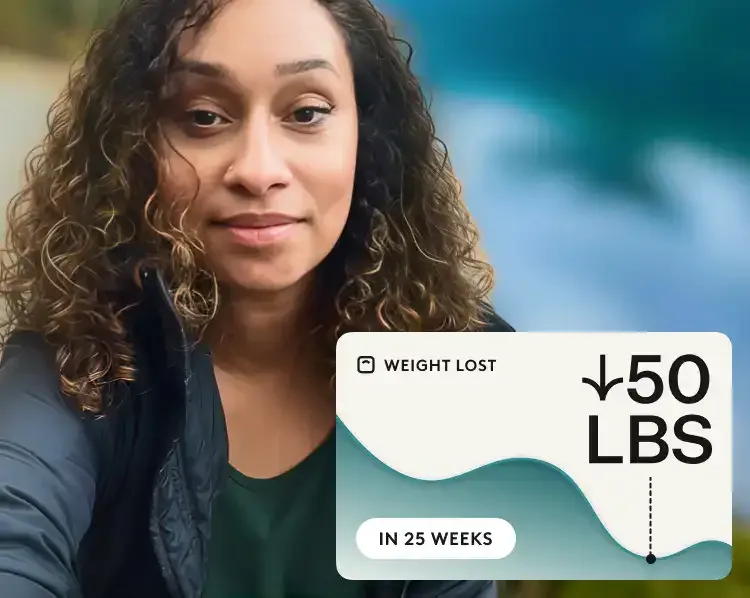
“My favorite parts of Noom are the care team and other Noomers. Sharing and getting help made me feel like I wasn’t doing it alone. That support made all the difference.”
Desirea N. — Real Noom user
Matthew M. — Real Noom user
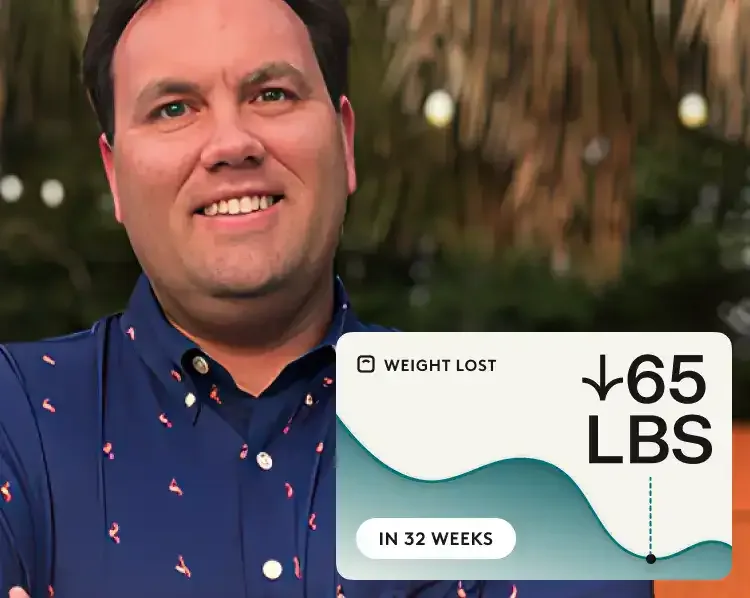
“Noom has taught me that every day is a new chance to make better, healthier choices. It's taught me how to stop overeating.’’
Matthew M. — Real Noom user
Lila M. — Real Noom user
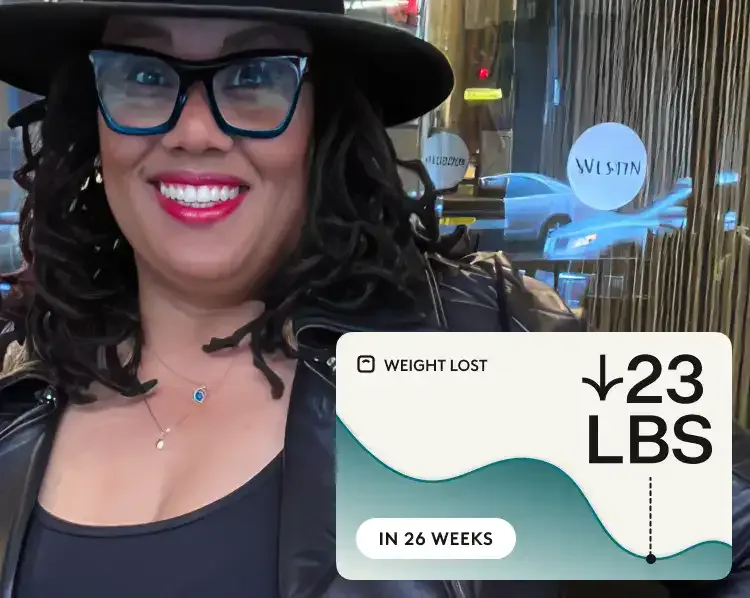
“Clinicians who understand how supportive medication can be is one of the best parts of Noom! I was convinced I wouldn’t have success but I’m down 11 pounds in two months.’’
Lila M. — Real Noom user
Steve M. — Real Noom user
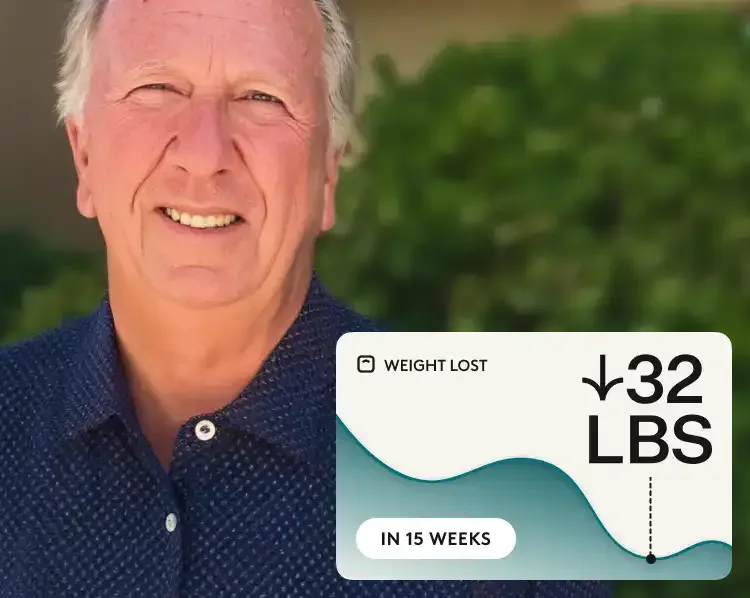
“Noom provided me with the medication which I could not get through Medicare. I have learned the tricks to better eating and life in general.”
Steve M. – Real Noom user
Daisy R. — Real Noom user
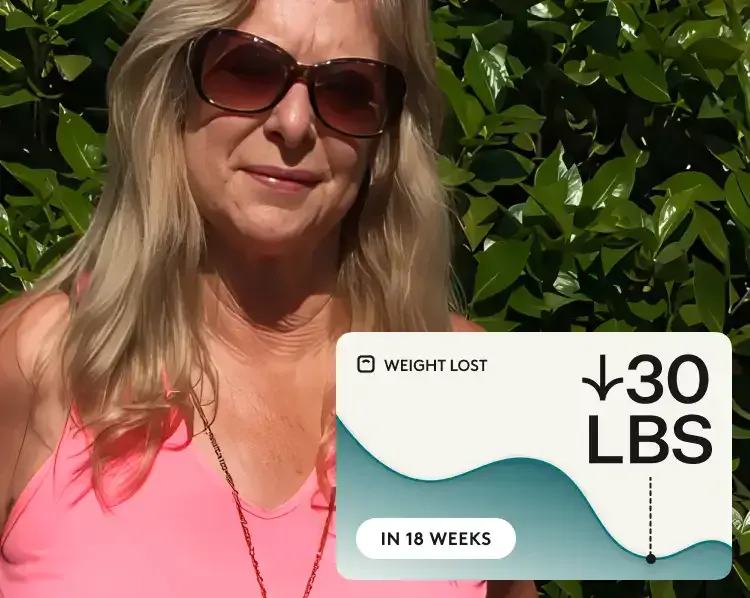
‘’Noom has changed my life and I’m so thankful, I feel great, have more energy and am no longer prediabetic.”
Daisy R. – Real Noom user
Sarah R. — Real Noom user
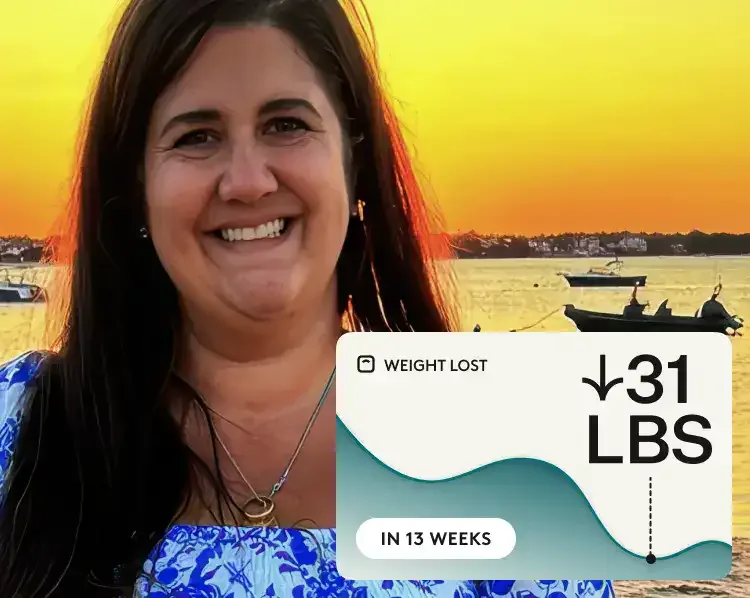
“All of the Noom providers that I’ve met with have been exceptional and prescribed medications that are appropriate for my situation and health.”
Sarah R. – Real Noom user
Madison S. — Real Noom user
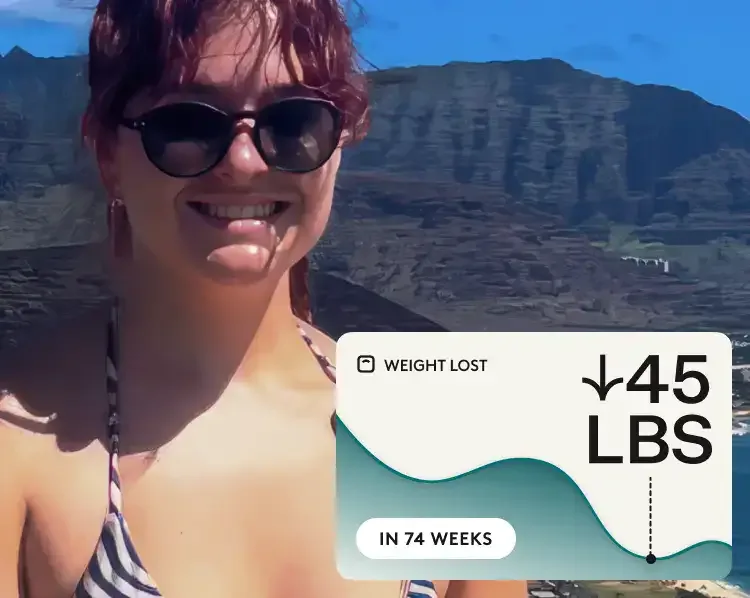
“Noom made the process so simple and now I feel full, free from diet obsession, and at ease in my body again.”
Madison S. – Real Noom user
Sonday K. — Real Noom user
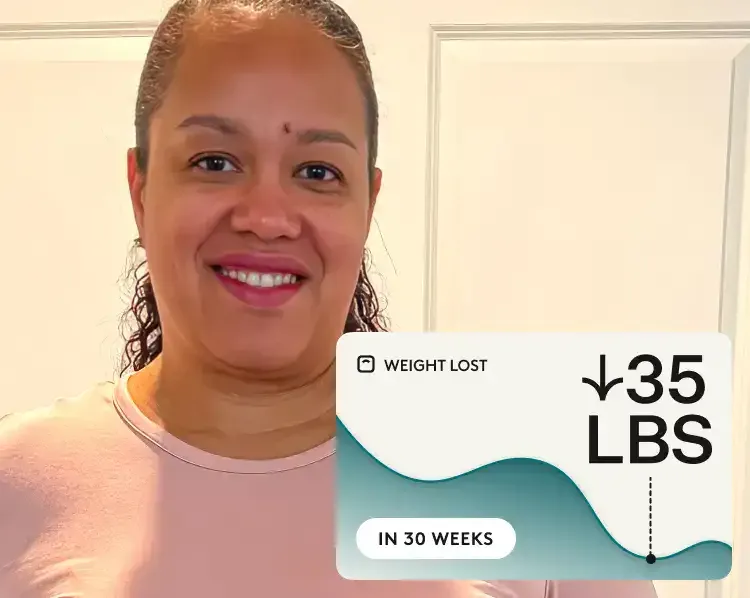
“My doctor recommended Noom after I was frustrated trying to lose weight. The lessons helped change my relationship with food. My body feels lighter & energized.”
Sonday K. – Real Noom user
Cam K. — Real Noom user
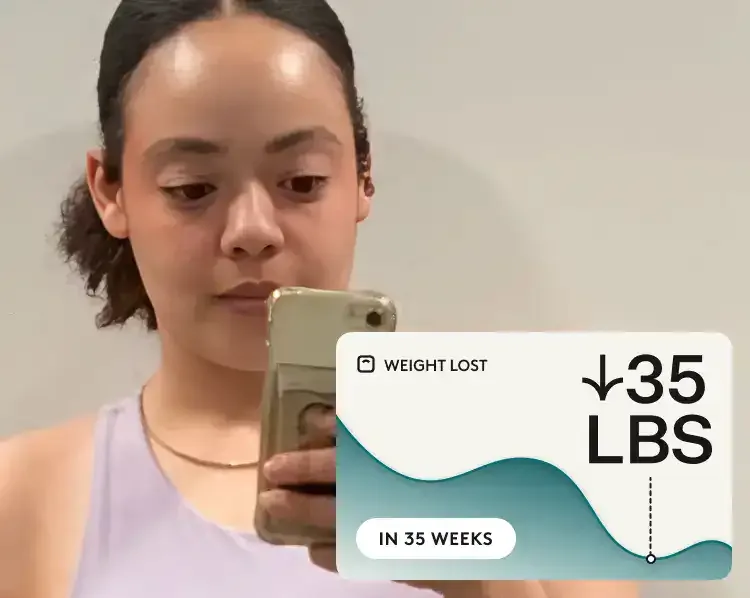
“I built healthy habits with coaching and lessons that make me confident I can maintain my weight loss long term.”
Cam K. – Real Noom user
Laura TR. — Real Noom user
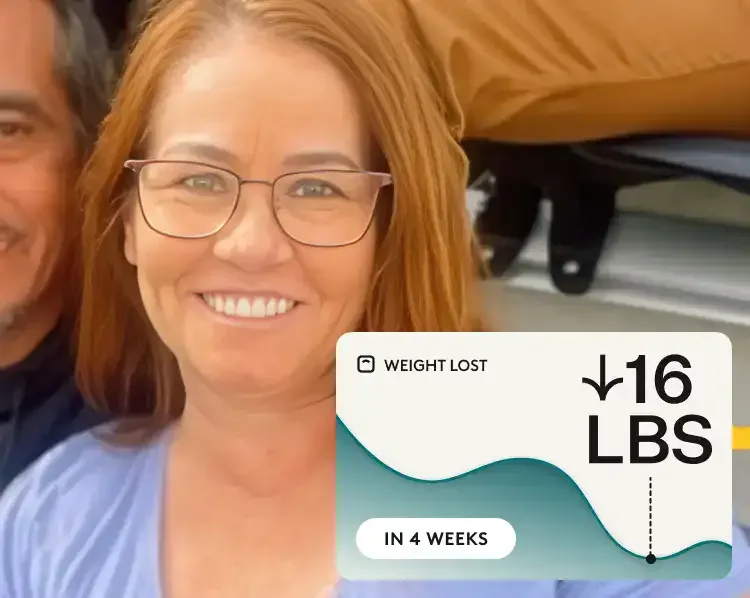
“With the right medication through Noom, hunger and sugar cravings finally quieted and I have the tools to break the cycle.”
Laura TR. – Real Noom user
Jessica S. — Real Noom user
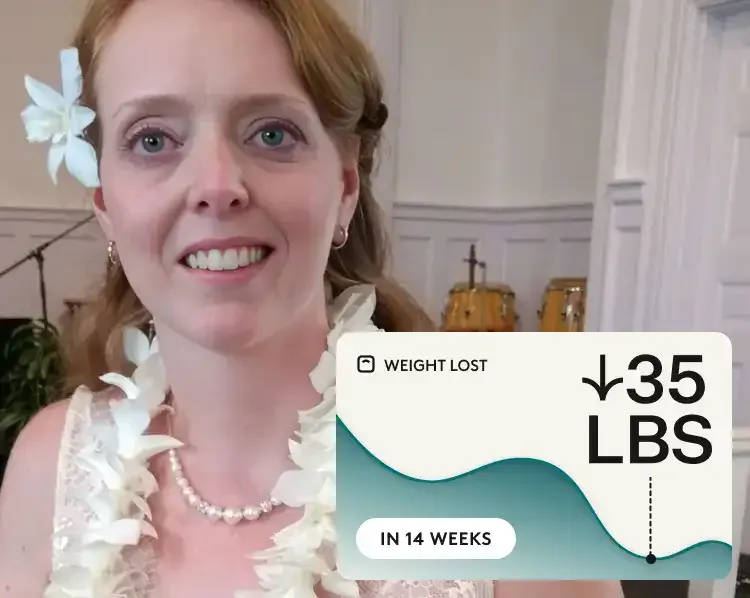
“Cravings and food noise are gone, I finally feel confident in the healthy habits I’ve built to last with Noom.”
Jessica S. – Real Noom user
The bottom line: There’s currently no tirzepatide pill, but other GLP-1 pills are available
If you’ve been searching for a “Mounjaro pill” or “Zepbound pill,” the answer is that one doesn’t exist today, and there’s no public timeline for when—or if—it will. Tirzepatide’s dual-hormone, peptide-based structure makes it particularly challenging to formulate as an effective oral medication, even with absorption technologies like SNAC. Instead, Eli Lilly’s oral GLP-1 program is focused on Foundayo® (orforglipron), a different medication that was designed as a pill and works through a single hormone pathway rather than two.
If taking a pill is a priority, the Wegovy® pill, Foundayo®, and the Ozempic® pill are FDA-approved options that may be worth discussing with your healthcare provider, depending on your health goals and medical history. If you’re specifically interested in tirzepatide, though, it’s only available as a once-weekly injection.
If you want help figuring out which option fits your goals and lifestyle, see if you qualify for Noom Med. A clinician can walk you through what’s available now, help you weigh the tradeoffs, and connect you with coaching that makes results easier to maintain long term.
Editorial standards
At Noom, we’re committed to providing health information that’s grounded in reliable science and expert review. Our content is created with the support of qualified professionals and based on well-established research from trusted medical and scientific organizations. Learn more about the experts behind our content on our Health Expert Team page.