
What you’ll learn:
- The list price of Ozempic® is around $980 per month without insurance, but there are ways to save.
- Most people pay less by using manufacturer savings programs, pharmacy discounts, and telehealth services.
- Recent manufacturer and government initiatives have also promised lower out-of-pocket costs with new prices and expanded Medicare benefits set to roll out through 2026.
Ozempic® has become one of the most talked-about medications of the decade—not just for its role in managing type 2 diabetes, but also for its off-label use as a weight loss aid. It has also made headlines for its price. While the nearly $1,000-per-month list price still exists, it no longer tells the whole story. Discount programs and newer cash-pay options have changed what many people actually pay, though insurance coverage still remains limited.
In 2026, the out-of-pocket price range for Ozempic® is wider than most people expect—and it largely depends on how you’re paying.
- With insurance: If your plan covers Ozempic®, monthly costs often fall in the $25 to $150 range, depending on your deductible, formulary tier, and whether you qualify for a manufacturer savings card. (This is rare for off-label weight loss but possible if prescribed for diabetes management.)
- Paying out of pocket: Cash-pay pricing is more flexible than it used to be, with manufacturer-supported programs bringing monthly costs to about $199 to $499, depending on dose and eligibility.
These changes reflect a broader shift that began in late 2025 and continues into 2026. Recent moves by both the manufacturer and the federal government have started to reshape how Ozempic® and other GLP-1 medications are priced, especially for people paying cash or using insurance.
Ozempic® and similar medications can now be more affordable if you know where—and how—to look. This guide breaks down the current pricing landscape, available savings programs, and practical ways to estimate and lower your monthly cost.
Ozempic price snapshot 2026
- List price (MSRP) – $998 per month
- With insurance – $25-$150 per month
- Without insurance (cash) – $199-$499+ per month
Ozempic® cost: News and changes for 2026
In late 2025, a series of official announcements—from Novo Nordisk and from U.S. government agencies—signaled a shift toward lower out-of-pocket costs, especially for people paying cash or using public insurance. Here’s how those changes unfolded and why they matter.


- November 2025 – White House announces plan to lower GLP-1 prices – The White House unveiled an agreement aimed at reducing retail prices for GLP-1 medications, including Ozempic and Wegovy (semaglutide approved for weight loss). The plan outlines a new federal program, expected to launch in mid-2026, designed to cap consumer prices at around $350 per month. While details are still being finalized, the announcement signaled a broader policy shift toward lowering GLP-1 costs across the U.S. market, especially for people paying out of pocket.
- November 2025 – Novo Nordisk introduces new cash-pay pricing for Ozempic® – Novo Nordisk announced new self-pay options to improve access for uninsured people. People can get the lowest doses of Ozempic for $199 per month for the first two months, through March 2026. After that, pricing will be $349 per month for all other doses except the highest 2 mg dose, which will be $499.
- Late November 2025 – Medicare negotiates a lower Ozempic® price – The federal government released updated Medicare pricing beginning in 2027. These prices will likely apply for those taking the medication for type 2 diabetes, but the exact coverage isn’t yet clear.
As these programs roll out and evolve into 2026, pricing is likely to continue shifting, especially as newer treatments like retatrutide and additional GLP-1 options move closer to market. This increased competition could continue to put downward pressure on pricing over time—potentially giving people more affordable choices in the years ahead.
Ozempic® cost: Monthly breakdown 2026
Many people want to know how much Ozempic® will cost per month without insurance, but the answer is different for everyone. While Ozempic® does have a high list price, that figure is a reference point—and rarely what most people actually pay. Your real monthly cost depends on insurance coverage, savings programs, dose, and how you access care.
List price vs. what you actually pay
Ozempic® is listed at around $998 per month, but the price you actually pay out of pocket will come down to insurance coverage, manufacturer savings programs, and any pharmacy coupons or options. Depending on your situation, those can reduce the price by hundreds of dollars.
What you actually pay also includes the cost of seeing your doctor, what they’re prescribing the medication for, and what dose you’re prescribed. Ozempic® is started at a low dose and gradually increased over time to help your body adjust and reduce side effects.
Savings programs for Ozempic
Novo Nordisk offers savings through its NovoCare Pharmacy for people paying out of pocket. People new to taking the medication will pay $199 per month for the first two months at the 0.25 mg and 0.5 mg doses (until the end of March), followed by $349 per month for the 0.5 mg and 1 mg doses; the 2 mg will cost $499.
Other things you’ll pay for:
- Doctor visits for prescription renewals
- Cost: $150–$300 per visit
- Frequency: Every 3 to 6 months
- Lab work to monitor progress and safety
- Cost: $100–$200
When averaged out, these extras can add $50 to $100 per month to your overall healthcare budget.
Ozempic: Monthly cost comparison
| Payment scenario | Estimated monthly cost | Who is this for? |
|---|---|---|
| Full retail price | $997.58 | This is the manufacturer’s baseline list price, and rarely what most people pay |
| With insurance | $25–$150 | People with commercial insurance whose plan covers Ozempic® and who qualify for savings cards. |
| Through NovoCare Pharmacy | $199–$499 | Uninsured or people paying out of pocket using Novo Nordisk’s savings offers. |
Why you need a prescription for Ozempic
Ozempic® is a prescription-only medication, and there aren’t any safe or legal over-the-counter alternatives. Getting the dose right—and adjusting it over time—really matters.
That’s where a healthcare provider comes in. They’ll review your medical history, screen for conditions that make Ozempic® unsafe, and help monitor side effects as your dose changes. Taking Ozempic requires medical oversight to make sure it’s both effective and safe for you. Here are a few specific reasons why:
Ozempic® will be slowly increased or titrated based on results:
Ozempic® is prescribed on a step-up schedule to help your body adjust and reduce side effects. Your dose is typically increased every few weeks based on how you’re feeling and how well it’s working. Your provider’s goal is to find the lowest effective dose that delivers results without unnecessary discomfort. Available doses include: 0.25 mg (starter dose), 0.5 mg, 1 mg, and 2 mg once weekly.
Learn more: Ozempic® dosage guide: Finding the right dose for effective results
Access GLP-1 Weight Loss with Noom
Explore a wide range of prescription medications supported by Noom’s program.Microdose GLP-1rx
Noom GLP-1rx
Noom GLP-1rx Plus
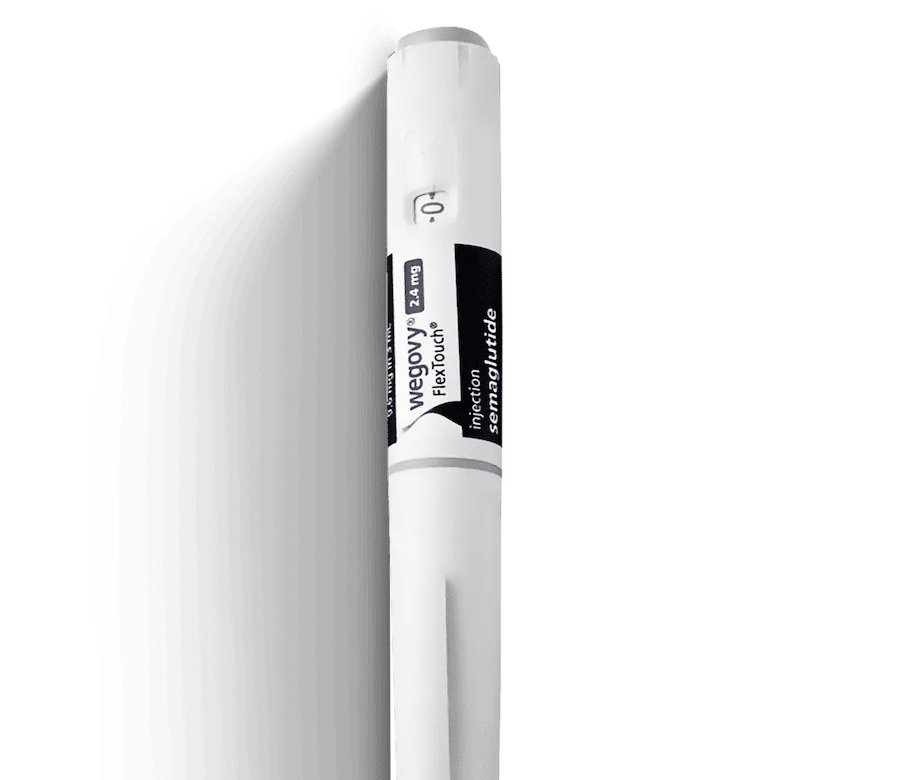
Wegovy®
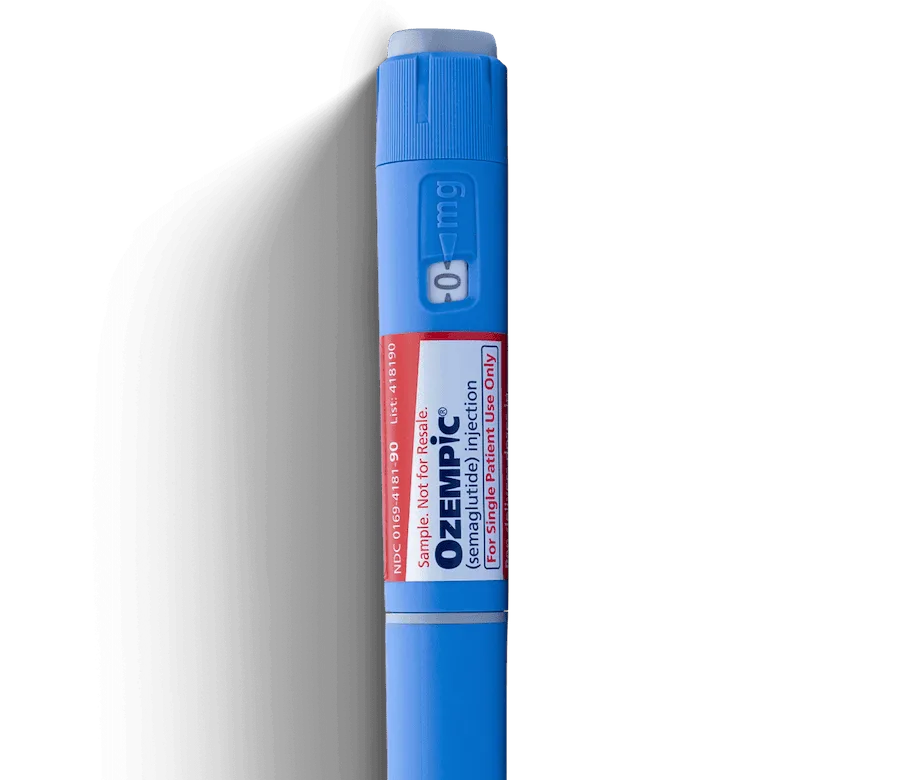
Ozempic®
Metformin
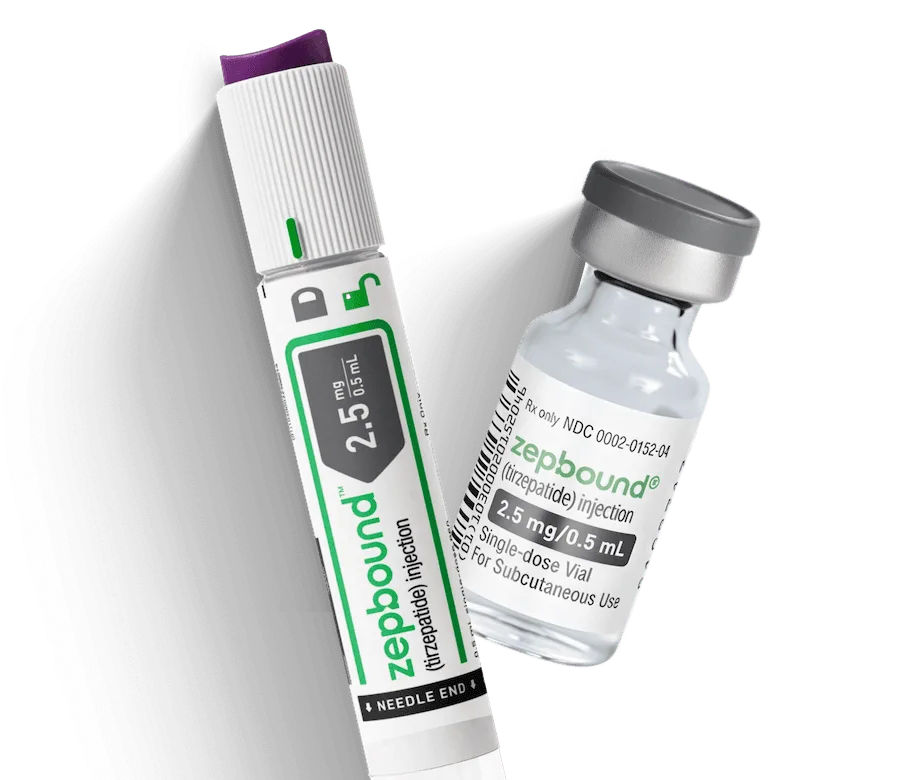
Zepbound®
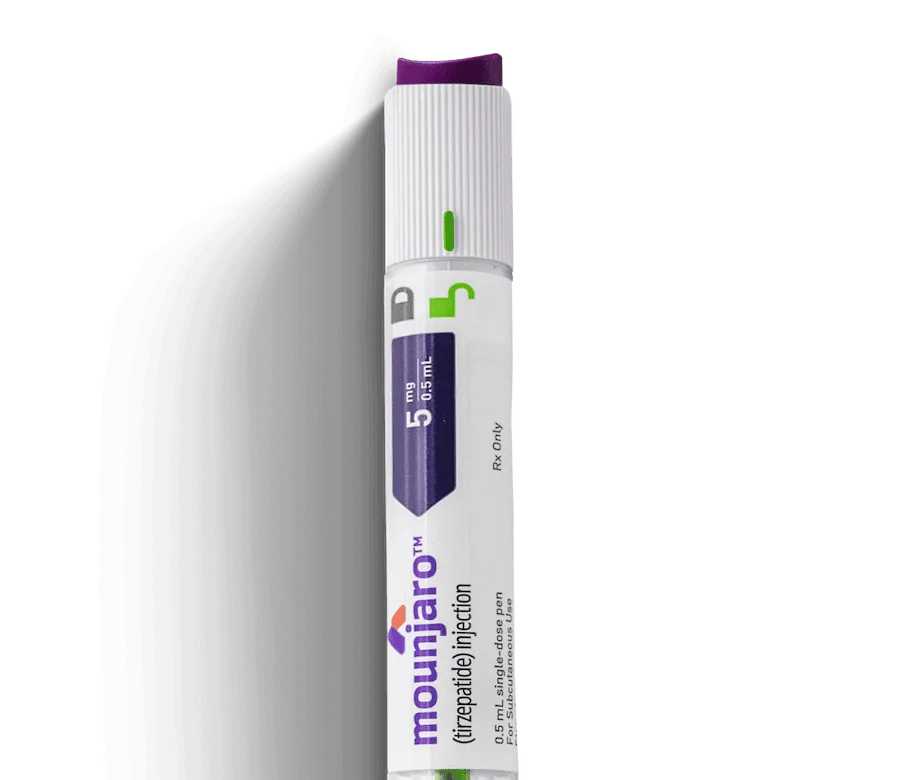
Mounjaro®
Liraglutide
Ozempic® can have side effects that need to be monitored
Like other GLP-1 medications, Ozempic® can cause side effects—most commonly nausea, vomiting, diarrhea, constipation, or stomach upset, especially during dose increases. These symptoms often ease over time, but regular check-ins with your provider help ensure side effects stay manageable and treatment remains safe and effective.
Learn more: Ozempic® side effects: What to expect and how to manage them
Some people can’t take Ozempic®
Ozempic® isn’t the right choice for every person, which is why a prescription and medical review are important. Your healthcare provider will go over your medical history, current medications, and future plans (including pregnancy) before starting treatment.
You shouldn’t take Ozempic® if:
- You or a family member has a history of medullary thyroid carcinoma (MTC) or multiple endocrine neoplasia syndrome type 2 (MEN 2).
- You’ve had a serious allergic reaction to semaglutide or any ingredient in Ozempic®.
- You are pregnant, planning to become pregnant, or breastfeeding. Ozempic® should be stopped at least two months before trying to conceive.
Your provider may recommend avoiding Ozempic® if you:
- Have a history of pancreatitis or significant digestive conditions such as gastroparesis.
Learn more: Ozempic® for weight loss: How it works and what to expect
How to get a prescription for Ozempic® without insurance
Today, there are multiple ways to access a licensed clinician to get a prescription for Ozempic—both in person and online. Costs can vary widely depending on the route you choose. Telehealth, in particular, has made the process faster and more accessible, but it’s worth comparing options to find what fits your needs and budget.
- Primary care doctor (in person). Primary care providers can prescribe Ozempic® if it’s medically appropriate. Without insurance, expect to pay out of pocket for office visits, follow-ups, and any required lab work, which are often billed separately.
- Endocrinologist or obesity medicine specialist. Specialists may be more familiar with GLP-1 medications, but they’re typically the most expensive option. Initial visits can cost several hundred dollars, with additional charges for follow-ups and labs.
- Telehealth weight-loss or metabolic health programs. Telehealth providers connect you with licensed clinicians through virtual visits. For example, Noom Med pairs prescription weight-loss care with coaching and healthy habit support. If you’re eligible, you can meet virtually with a licensed provider who reviews your health history and can prescribe medications like Ozempic® or other GLP-1s when appropriate. You’ll also get guidance around nutrition, movement, and lifestyle—so medication is just one part of a bigger, more sustainable plan.
- Online doctor marketplaces. Some platforms offer one-time virtual consultations with independent clinicians. These can be lower cost upfront, but ongoing care, dose adjustments, or follow-ups may require additional appointments.
The advantages of telehealth
For people without insurance, telehealth can be one of the most predictable ways to access prescription weight-loss care. Instead of paying per visit or navigating specialist referrals, programs like Noom Med combine clinician evaluation, prescription support, and ongoing behavior-change tools in one place.
Noom Med starts at $69 (medication isn’t included). Noom’s clinicians will evaluate you and write a prescription to be filled at your preferred pharmacy. You’ll get access to Noom’s full behavioral-change program, GLP-1 Companion access, and support from a dedicated Care Team, plus so much more.
Who is eligible for Noom Med?
Noom Med is designed for people who may benefit from additional medical support to reach their health goals. After reviewing your health history, a licensed clinician determines whether prescription weight-loss medications—including GLP-1s—may be appropriate. It’s often a good fit if you’ve struggled with weight loss in the past and want medical care paired with structured behavioral support.
Not sure if you qualify? You can check eligibility by completing Noom’s intake questionnaire.
Ozempic® cost without insurance: Pharmacy comparison
If you’re paying out of pocket, where you fill your Ozempic® prescription matters. Cash prices can vary widely between pharmacies, and in some cases, the difference can be hundreds of dollars per month. That variation has grown as manufacturers have introduced their own pharmacy fulfillment options alongside traditional retail pharmacies.
That’s why many people compare prices at pharmacies like Walmart, Costco, and CVS—as well as manufacturer-supported options—before choosing where to fill their prescription.
What affects the cash price?
- Pharmacy pricing policies. Each pharmacy sets its own retail price for Ozempic, which can lead to wide variation—even within the same city.
- Warehouse clubs and discount programs. Membership-based pharmacies and third-party savings programs may offer lower prices than standard retail pharmacies, depending on dose and location.
- Manufacturer-supported pharmacy fulfillment. In recent years, drug manufacturers have begun offering direct or supported pharmacy fulfillment to reduce distribution markups and improve price transparency. For some patients, options like NovoCare Pharmacy may be among the lowest out-of-pocket options available, particularly when compared with traditional retail pricing.
- Large chain pharmacies. National chains often price Ozempic® closer to the list price unless you’re using a coupon, discount card, or manufacturer savings option.
Cash prices for Ozempic® vary more than most people expect. Shopping around—including checking manufacturer-supported pharmacies—is one of the simplest ways to reduce your monthly cost if you’re paying without insurance. Even switching pharmacies can make a meaningful difference.
Pricing references are based on GoodRx retail data and manufacturer programs as of December 2025. Actual prices vary by location, dose, pharmacy, and eligibility.
Ozempic® pharmacy cost: Price without insurance
| Retailer/pharmacy | Est. cash price (no insurance)* | What to know |
|---|---|---|
| Costco | $199 – $499 depending on dose | Costco’s Member Prescription Program (with a valid Rx) offers discounted GLP-1 prices in partnership with manufacturers at about half retail. |
| Walmart | $199 – $499 depending on dose | Widely available and consistent pricing; helpful if you need reliable stock or easy transfers |
| Amazon Pharmacy | $1,000-$1,200 (availability may vary) | Convenient for delivery, but pricing matches standard retail without special programs |
| CVS / Walgreens | $199 – $499 depending on dose | Good option if you already use Walgreens for other prescriptions; pricing is typically the same nationwide |
| NovoCare Pharmacy | $199 – $499 depending on dose | Novo Nordisk’s discount pricing available through NovoCare is often about half the usual retail rate. |
*The Costco, Walmart, CVS/Walgreens pharmacies all offer the NovoCare Pharmacy pricing with a valid GoodRx coupon. This coupon pricing only applies to adults who are NOT enrolled in insurance from any government, state, or federally funded medical or prescription benefit programs, and who agree not to seek reimbursement from any insurance plan for the out-of-pocket costs of the medication.
How to get Ozempic® for $25
If you’re trying to lower your monthly Ozempic® costs, the Ozempic® savings coupon is one of the most important tools to understand. When it applies, it can reduce what you pay—but it only works under specific conditions.
Who qualifies for the Ozempic® $25 savings coupon?
The $25 savings card is available only to people with commercial (private) insurance. To qualify:
- You must have commercial insurance
- Your insurance plan must cover Ozempic®
- You must be prescribed Ozempic® for diabetes management.
- You can’t be enrolled in Medicare, Medicaid, VA benefits, or TRICARE.
If all of those apply, the Ozempic® manufacturer savings card can reduce your cost to as little as $25 per month, subject to program limits.
How to use the Ozempic® savings coupon
Using the Ozempic® manufacturer’s coupon is straightforward:
- Step 1: Visit the official sign-up page
- Step 2: Sign up and download the savings card to your phone or digital wallet.
- Step 3: At the pharmacy, present both your insurance card and the savings card.
- Step 4: Make sure the pharmacist enters the BIN, PCN, and GRP codes from the card so it processes correctly.
The pharmacy runs your insurance first, then applies the savings card to reduce your out-of-pocket cost.
What happens if insurance denies coverage?
For people without insurance or whose insurance doesn’t cover Ozempic®, you can use the self-pay pricing option through NovoCare Pharmacy.
- $199 for the first two fills of the 0.25 mg or 5 mg doses, then $349
- $349 for the 1 mg dose
- $499 for the 2 mg dose
Ozempic cost without insurance: Other tips to lower your monthly cost
If you’re looking for how to save money on Ozempic, the good news is that you have more options than just relying on a single coupon. Whether you’re insured or searching for the cheapest way to get Ozempic® without insurance, a few smart strategies can help reduce what you pay each month and make costs more predictable.
- Ask about a 90-day supply: When possible, request a 90-day (3-month) supply instead of monthly refills. Some insurance plans charge a lower overall copay for a longer supply—sometimes closer to paying for two months instead of three. Even when savings aren’t dramatic, fewer pharmacy trips can still save time and some money.
- Pay with pre-tax dollars: Ozempic® qualifies as an eligible medical expense, which means you can use HSA or FSA funds to pay for it. This won’t change the sticker price, but it does lower your real cost by letting you use pre-tax dollars.
- Explore manufacturer and pharmacy programs: If you don’t have insurance coverage, look into manufacturer programs like NovoCare Pharmacy.
- Revisit coverage every year: Medication coverage can change from year to year. During open enrollment, check whether Ozempic® is covered differently—or whether another plan offers better terms for GLP-1 medications.
Alternatives to Ozempic®
While a generic Ozempic® doesn’t exist yet, that doesn’t mean you’re out of options. Depending on your reasons for getting a prescription for Ozempic, you have other options. If your goal is diabetes treatment, there are other diabetes medications you can discuss with your doctor. If your goal is weight loss, there are GLP-1 and non-GLP-1 medications.
If you qualify for Noom Med, you’ll be connected to a clinician who can find the right medication for you and prescribe it, if needed. The program also combines psychology-based coaching, exclusive muscle-preserving options, and tools and tips to make weight loss sustainable.
Ozempic® vs. other GLP-1 medications: Cost comparison
GLP-1 medications work in similar ways by helping regulate appetite, slow digestion, and support blood sugar control, but they vary in effectiveness, approvals, and cost. Let’s take a look at how Ozempic® compares to the most popular GLP-1 medications:
| Medication | Uses and approvals | Monthly cost (est.) |
|---|---|---|
| Ozempic® (Semaglutide) | Type 2 diabetes, heart disease, off-label weight loss | Retail: $998 NovoCare Pharmacy: $199: 0.25 mg and 0.5 mg (for the first two months) $349: 0.5 mg, and 1 mg $499: 2 mg |
| Wegovy® (Semaglutide) | Weight loss, heart disease, and metabolic-associated steatohepatitis (MASH) | Retail: $1,349 NovoCare Pharmacy: Pen: $199: 0.25 mg and 0.5 mg; $349:1 mg, 1.7 mg, and 2.4 mg Pill: $149: 1.5 mg; $149–$199: 4 mg; $299: 9 mg and 25 mg |
| Zepbound® (Tirzepatide) | Weight loss and obstructive sleep apnea (OSA) | Pen: $1,087 Vial and syringe: $299: 2.5 mg $399: 5 mg $449: 7.5 mg, 10 mg, 12.5 mg, and 15 mg |
| Mounjaro® (Tirzepatide) | Type 2 diabetes | $1,112 |
| Saxenda® (Liraglutide) | Weight loss | $1,349 |
| Victoza® (Liraglutide) | Type 2 diabetes, and to reduce major cardiovascular events in adults with type 2 diabetes and heart disease | $544: 0.6 mg and 1.2 mg doses $815: 1.8 mg dose |
| Generic liraglutide | Weight loss, heart disease, and type 2 diabetes treatment | $470 – $700 |
Prices may vary by pharmacy and are subject to change
If you want to know more, check out:
- Ozempic® vs. Wegovy®
- Ozempic® vs. Zepbound®
- Ozempic® vs. Mounjaro®
- Ozempic® vs. Saxenda®
- Ozempic® vs. Victoza®
- Ozempic® vs. Trulicity®
When does insurance cover Ozempic®?
First, insurance for Ozempic depends on what it’s prescribed for. Most insurance plans don’t routinely cover medications prescribed for weight loss, and that’s the biggest reason Ozempic® is often denied. The same plan may cover it when it’s prescribed for type 2 diabetes.
When coverage is an option, even for diabetes, insurers usually require prior authorization, meaning a clinician has to document medical necessity before the prescription is approved. This step can take a few days to about a week, but it can make a meaningful difference. For people with commercial insurance who do get approval, monthly costs may drop to around $25 to $150, depending on the plan.
Does Medicare or Medicaid cover Ozempic®?
These two government programs have different rules and timelines for Ozempic® coverage. Here’s what you need to know about each program’s specific requirements and processes.
Medicare:
- Medicare Part D covers Ozempic® for diabetes, but doesn’t cover weight-loss drugs due to federal rules—negotiated prices start in 2027.
- Enhanced Alternative Medicare plans may offer broader coverage as supplemental benefits, but you’ll pay higher premiums.
Medicaid:
- Medicaid coverage varies dramatically by state—all states cover diabetes care, but only 13 states cover weight management.
- Prior authorization typically takes 3-7 business days and requires your doctor to submit clinical documentation proving medical necessity.
- State Medicaid programs like Florida require clinical prior authorization even for diabetes treatment, adding extra steps.
The key difference is that Medicare has federal restrictions, while Medicaid policies change from state to state.
If you want to go more in-depth, check out our guide to Ozempic® pricing with and without insurance
Frequently asked questions about Ozempic costs without insurance
These answers address the most common cost concerns and help you understand your actual options for affordable access.
What is the cheapest way to get Ozempic® without insurance?
The NovoCare Pharmacy program offers the lowest official pricing: $199 for your first two months for the 0.25 mg and 0.5 mg doses, then $349 monthly thereafter for the 0.5 mg and 1 mg doses, and $499 for the 2 mg dose.
Does the $25 coupon work if I have no insurance?
No, the $25 savings card is only for people with commercial insurance coverage. Uninsured patients must use the separate NovoCare pricing program instead. Government insurance, like Medicare and Medicaid, also doesn’t qualify for the $25 offer.
How much is Ozempic® out of pocket without insurance?
Without insurance, the list price is $997 monthly. The Ozempic® manufacturer pricing program offers the lowest pricing at $349 monthly after an initial $199 introductory period for those first taking the medication.
Does Noom provide Ozempic®?
Noom Med doesn’t include medication costs. But Noom Med helps you get prescriptions and navigate savings programs while providing medical evaluation and support for a flat monthly fee. The service makes accessing care more predictable and affordable.
Does the monthly cost of Ozempic® include doctor visits?
No, the medication price doesn’t include doctor visits or lab work. Traditional doctor visits can add $200-$400 monthly to your total cost. Noom Med charges a flat monthly fee that includes clinician consultations, making costs more predictable.
Can I get Ozempic® for free?
You might qualify for Novo Nordisk’s Patient Assistance Program if you’re uninsured and meet income requirements. This program can provide free Ozempic® for people with type 2 diabetes. Contact NovoCare at 1-866-310-7549 to check your eligibility.
Reviews from real Noom users
Desirea N. — Real Noom user
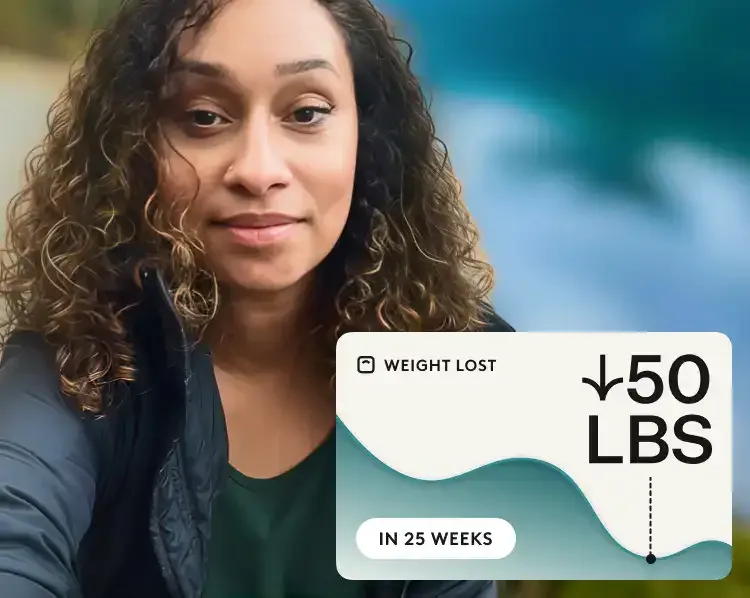
“My favorite parts of Noom are the care team and other Noomers. Sharing and getting help made me feel like I wasn’t doing it alone. That support made all the difference.”
Desirea N. — Real Noom user
Matthew M. — Real Noom user
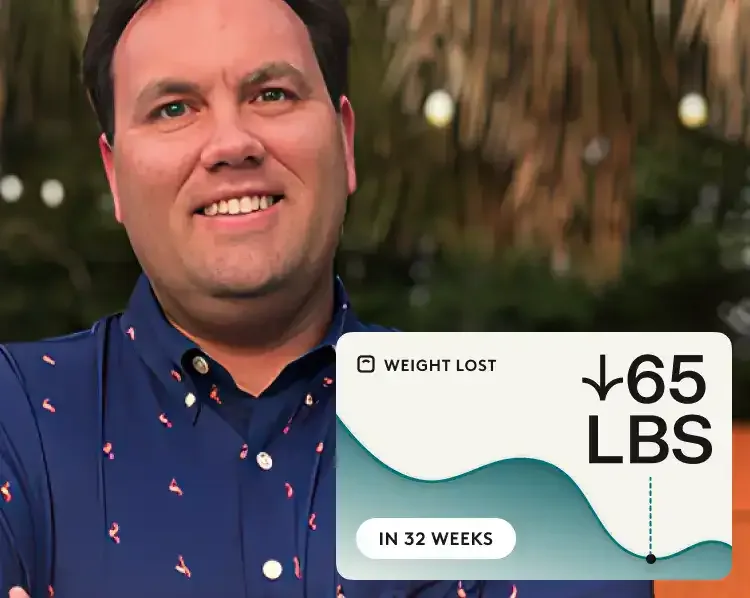
“Noom has taught me that every day is a new chance to make better, healthier choices. It's taught me how to stop overeating.’’
Matthew M. — Real Noom user
Lila M. — Real Noom user
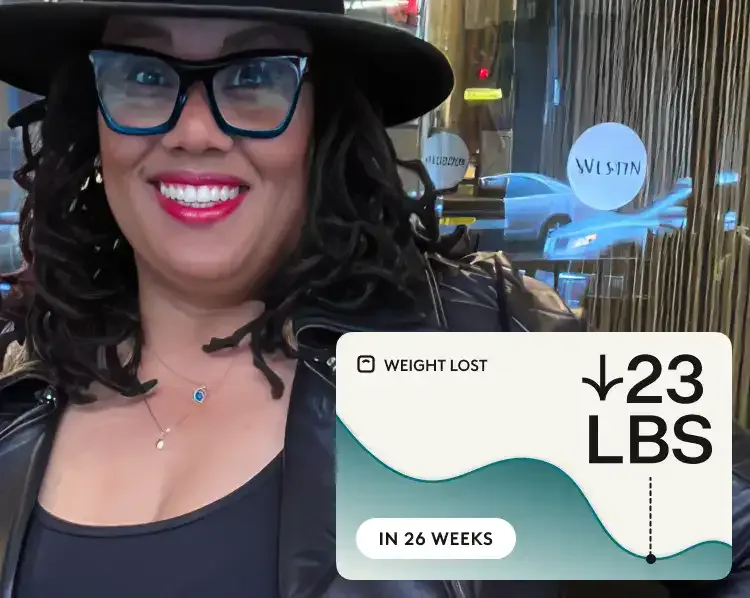
“Clinicians who understand how supportive medication can be is one of the best parts of Noom! I was convinced I wouldn’t have success but I’m down 11 pounds in two months.’’
Lila M. — Real Noom user
Steve M. — Real Noom user
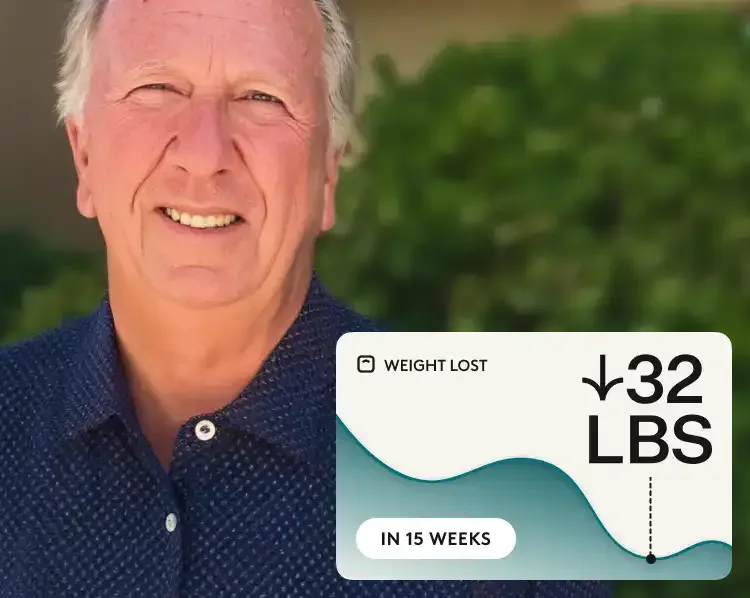
“Noom provided me with the medication which I could not get through Medicare. I have learned the tricks to better eating and life in general.”
Steve M. – Real Noom user
Daisy R. — Real Noom user
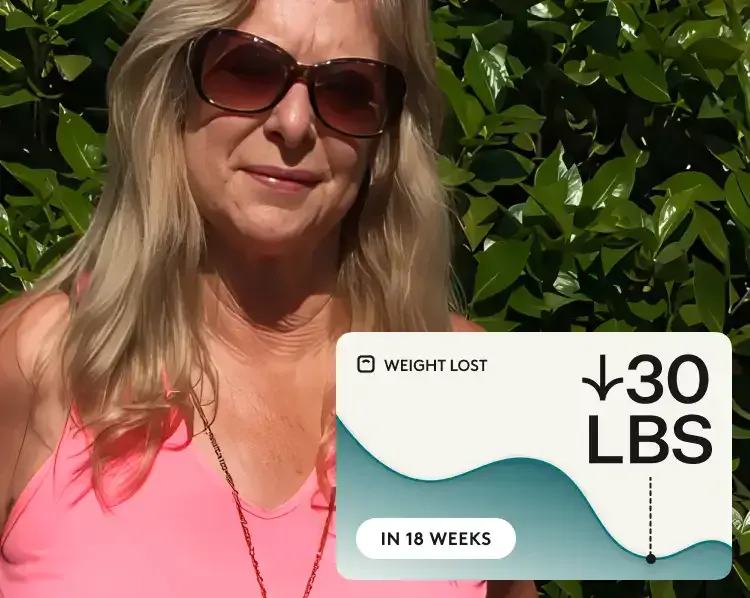
‘’Noom has changed my life and I’m so thankful, I feel great, have more energy and am no longer prediabetic.”
Daisy R. – Real Noom user
Sarah R. — Real Noom user
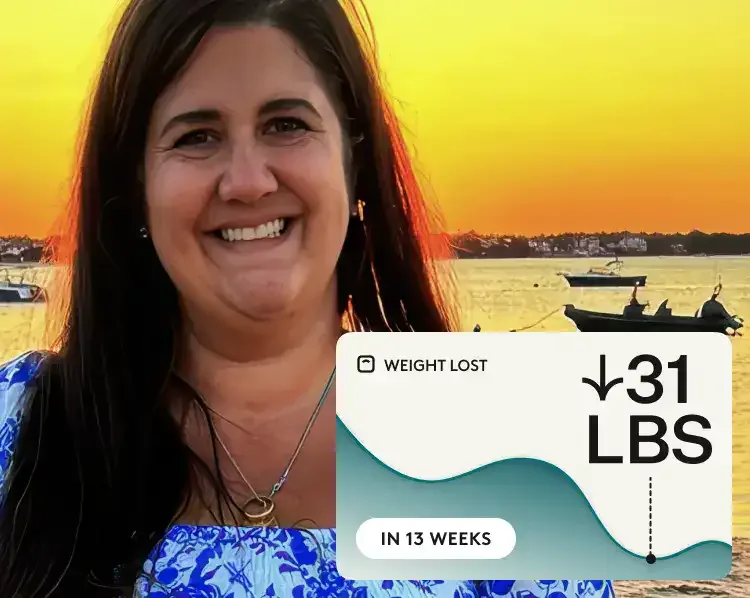
“All of the Noom providers that I’ve met with have been exceptional and prescribed medications that are appropriate for my situation and health.”
Sarah R. – Real Noom user
Madison S. — Real Noom user
“Noom made the process so simple and now I feel full, free from diet obsession, and at ease in my body again.”
Madison S. – Real Noom user
Sonday K. — Real Noom user
“My doctor recommended Noom after I was frustrated trying to lose weight. The lessons helped change my relationship with food. My body feels lighter & energized.”
Sonday K. – Real Noom user
Cam K. — Real Noom user
“I built healthy habits with coaching and lessons that make me confident I can maintain my weight loss long term.”
Cam K. – Real Noom user
Laura TR. — Real Noom user
“With the right medication through Noom, hunger and sugar cravings finally quieted and I have the tools to break the cycle.”
Laura TR. – Real Noom user
Jessica S. — Real Noom user
“Cravings and food noise are gone, I finally feel confident in the healthy habits I’ve built to last with Noom.”
Jessica S. – Real Noom user
The bottom line: Ozempic® costs vary without insurance
Ozempic® can cost as much as $998 per month without insurance, but that doesn’t mean everyone pays that price. As this guide shows, there are ways to bring costs down. Uninsured people may qualify for lower cash-pay options starting around $199 through manufacturer programs, and these are also offered through other pharmacies.
The key takeaway is this: you have options. Comparing pharmacies, understanding savings cards, and checking eligibility for manufacturer assistance can all make a meaningful difference. Telehealth services can also simplify the process by helping you get a prescription without expensive office visits.
If you’re looking for support beyond medication alone, see if you qualify for Noom Med, which pairs prescription access with psychology-based coaching, exclusive muscle-building exercises, meal planning and tracking, and more to help you build habits that last.
Note: Mounjaro®, Ozempic®, and Victoza® are not FDA-approved to treat obesity or for weight loss.
Editorial standards
At Noom, we’re committed to providing health information that’s grounded in reliable science and expert review. Our content is created with the support of qualified professionals and based on well-established research from trusted medical and scientific organizations. Learn more about the experts behind our content on our Health Expert Team page.