
What you’ll learn:
- Januvia® (sitagliptin) is FDA-approved for managing type 2 diabetes, not for weight loss, and is generally considered weight-neutral.
- While Januvia® helps regulate blood sugar by indirectly enhancing GLP-1 and GIP, its effects on weight are minimal compared to GLP-1 drugs.
- For effective weight management, FDA-approved options like Wegovy® or Zepbound® paired with a comprehensive program like Noom can provide better results.
Januvia® is a medication that is typically prescribed to help people with type 2 diabetes manage blood sugar. While you may have heard about Januvia® being used for off-label weight loss, like Ozempic® or Mounjaro®, it really isn’t very effective for it.
While it’s helpful for blood sugar control, people usually don’t lose much weight, if any, while taking it. Research consistently shows that Januvia is considered weight-neutral, meaning it generally helps people maintain their weight rather than lose it.
That distinction matters, especially for people comparing different diabetes or weight-loss medications. To understand why Januvia doesn’t lead to meaningful weight loss, it helps to look at how it works in the body, who it’s designed for, and how its results stack up against more effective options like GLP-1 medications.
What is Januvia®?
Januvia® is a prescription pill used to help people with type 2 diabetes keep their blood sugar under control. It’s a DPP-4 (dipeptidyl peptidase-4) inhibitor, meaning it blocks the enzyme DPP-4, which normally breaks down the body’s GLP-1 and GIP hormones. These hormones are released after a meal to help regulate blood sugar and signal fullness by telling the pancreas to release more insulin and the liver to make less sugar.
By inhibiting the DPP-4 enzyme, Januvia allows GLP-1 and GIP to stay active longer, helping to keep blood sugar steadier throughout the day.

The Easy Way
to lose weight and get healthy.
While these are the same hormones targeted by GLP-1 medications like Ozempic®/Wegovy® and Mounjaro®/Zepbound®, the way Januvia works is very different. GLP-1 drugs directly mimic the hormones, creating a much stronger effect that often leads to weight loss. Januvia simply helps your body’s own hormones last longer, improving blood sugar control but typically not causing meaningful weight changes.
How is Januvia® taken?
Januvia is taken once a day by mouth, which makes it convenient. It comes in three strengths: 25 mg, 50 mg, and 100 mg. You can take it with or without food, but it’s best to take it at the same time every day to keep blood sugar stable.
Does Januvia® help with weight loss?
Studies show that Januvia is “weight-neutral.” In a 26-week clinical trial, people taking it lost an average of 1% of their body weight—about 2 pounds for someone weighing 200 pounds. That small drop is most likely from better blood sugar control, not because the drug itself burns fat.
By comparison, medications designed for weight loss tell a very different story. Wegovy® has been shown to help people lose an average of 15% of their body weight. People taking Zepbound® see and average of 21% of body weight lost. It’s easy to see why doctors don’t consider Januvia a weight-loss treatment.
Why would someone consider Januvia® for weight loss?
The main reason is that Januvia® indirectly acts on some of the same hormones as GLP-1 drugs. But the effect is far weaker. The second reason is that it’s a pill, which can feel less intimidating than an injection.
Those factors make it understandable why people might be curious. But the reality is that Januvia isn’t that effective for weight loss. Plus, insurance won’t cover it for that purpose, and paying out-of-pocket can cost over a thousand dollars a month.
Januvia®: Side effects and safety
Like any prescription medication, Januvia® can cause side effects ranging from mild to serious, though most people tolerate it well.
Common side effects are usually mild and temporary, such as headaches, runny or stuffy nose, sore throat, cough, nausea, or diarrhea.
More serious but less common side effects include pancreatitis, allergic reactions, kidney problems, severe joint pain, and heart failure. Low blood sugar can also occur, especially if Januvia is combined with insulin or sulfonylureas.
Your doctor will go over all the side effects with you in more detail if you are prescribed Januiva®.
Januvia® vs. other medications: Weight loss potential
If you look at Januvia® compared to other medications, you can see that it isn’t the right option if weight loss is the main goal. Here’s what you can expect in terms of weight loss:
| Medication | Average weight loss | Study duration |
|---|---|---|
| Januvia® (sitagliptin) | 1% | 26 weeks |
| Zepbound® (tirzepatide) | 21% | 72 weeks |
| Wegovy® (semaglutide) | 15% | 68 weeks |
| Qsymia® (phentermine/topiramate ER) | 10% | 56 weeks |
| Xenical® (orlistat) | 8.5% | 52 weeks |
| Saxenda® (liraglutide) | 5% | 52 weeks |
| Metformin | 5% | 26 weeks |
Januvia®: Price, accessibility, and brand
Januvia® isn’t designed for weight loss, and it can also be expensive. Without insurance, the average retail price runs about $994 to $1,664 per month on GoodRx.
Coverage depends on your insurance, and again, coverage is very unlikely for weight loss:
- Private insurance usually covers Januvia®, but only for type 2 diabetes, not weight loss.
- Medicare (Part D) and Medicaid also cover it for diabetes, but not for weight management.
- Manufacturer savings are available for some people with private insurance (Merck savings card), but don’t apply to Medicare or Medicaid.
A true generic version of Januvia® isn’t widely available in U.S. pharmacies yet. However, Zituvio, an authorized generic version of sitagliptin, the active ingredient in Januvia, has received FDA approval and is expected to become more available gradually. This authorized generic contains the same active ingredient and dosage strength as Januvia but is sold under a non-branded label, which could help lower costs once distribution expands.
Reviews from real Noom users
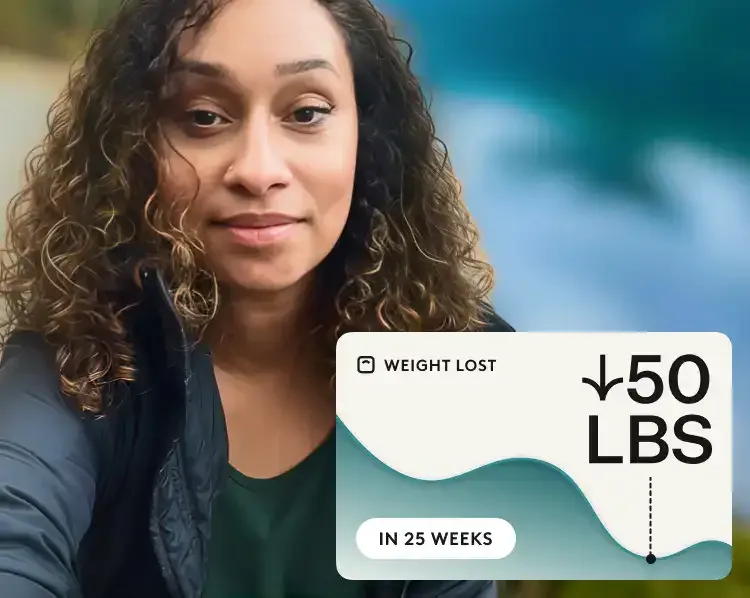
“My favorite parts of Noom are the care team and other Noomers. Sharing and getting help made me feel like I wasn’t doing it alone. That support made all the difference.”
Desirea N. — Real Noom user
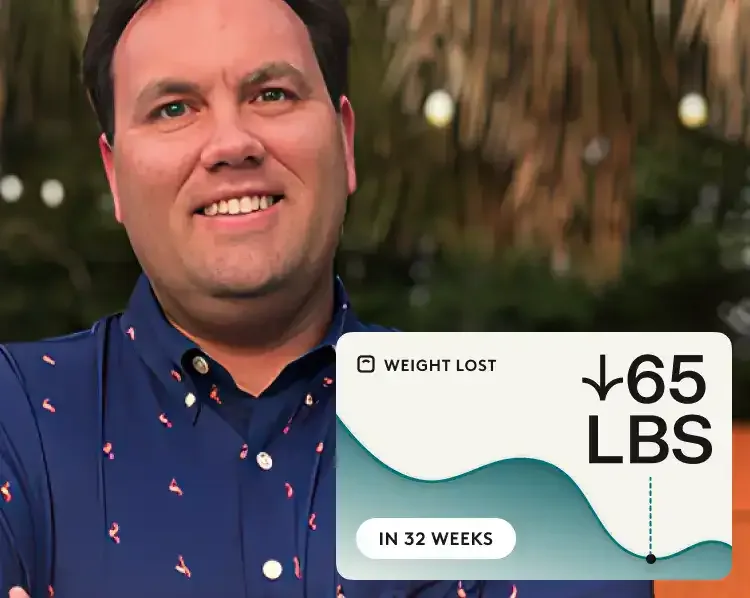
“Noom has taught me that every day is a new chance to make better, healthier choices. It’s taught me how to stop overeating.”
Matthew M. — Real Noom user
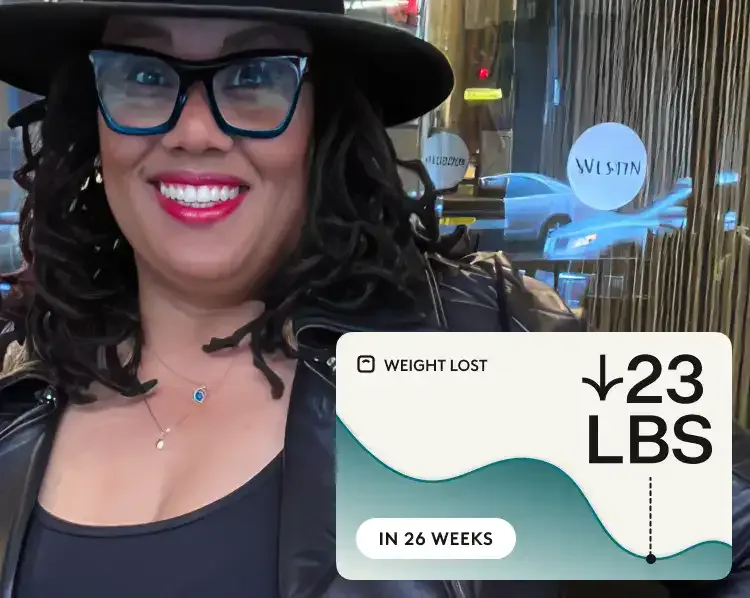
“Clinicians who understand how supportive medication can be is one of the best parts of Noom! I was convinced I wouldn’t have success but I’m down 11 pounds in two months.”
Lila M. — Real Noom user
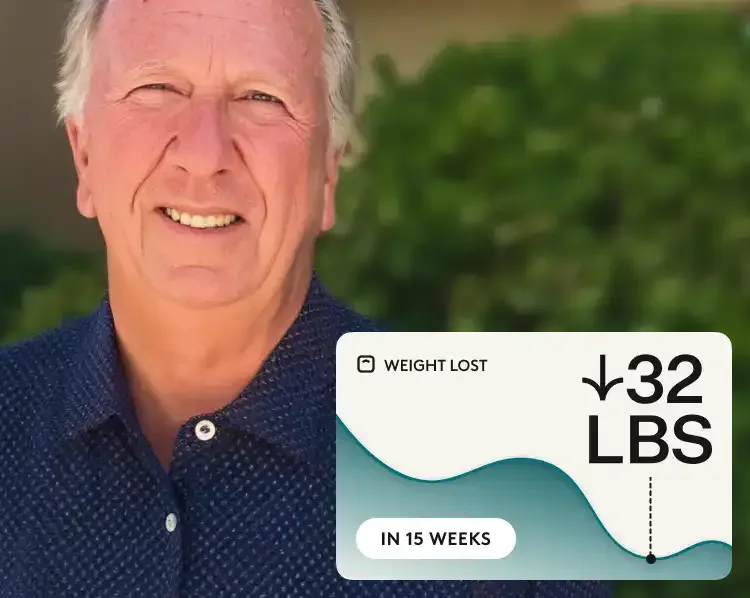
“Noom provided me with the medication which I could not get through Medicare. I have learned the tricks to better eating and life in general.”
Steve M. – Real Noom user
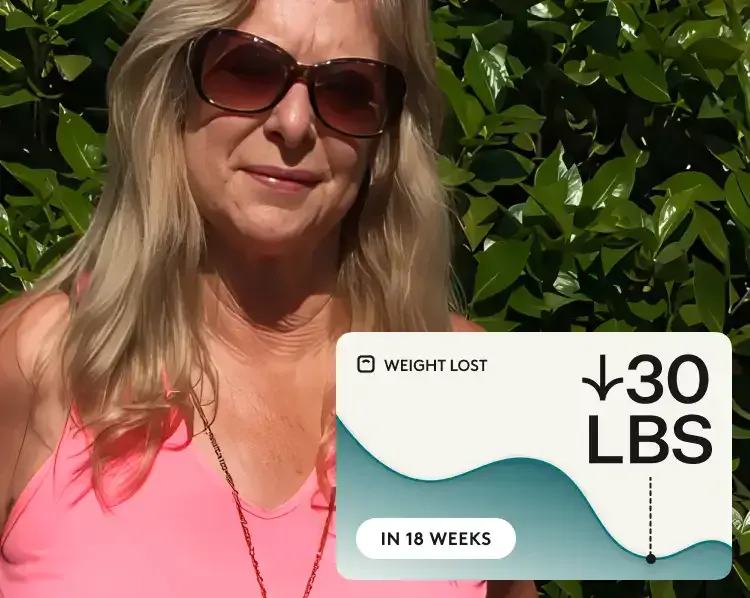
“Noom has changed my life and I’m so thankful, I feel great, have more energy and am no longer prediabetic.”
Daisy R. – Real Noom user
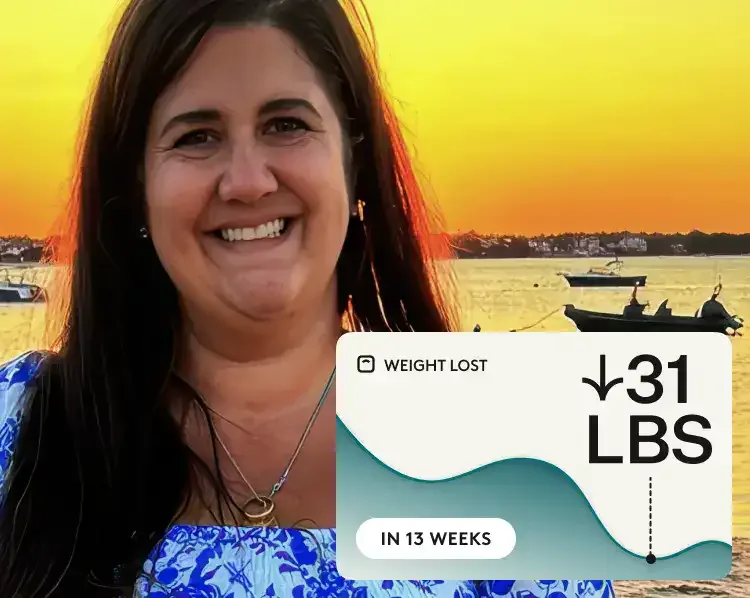
“All of the Noom providers that I’ve met with have been exceptional and prescribed medications that are appropriate for my situation and health.”
Sarah R. – Real Noom user
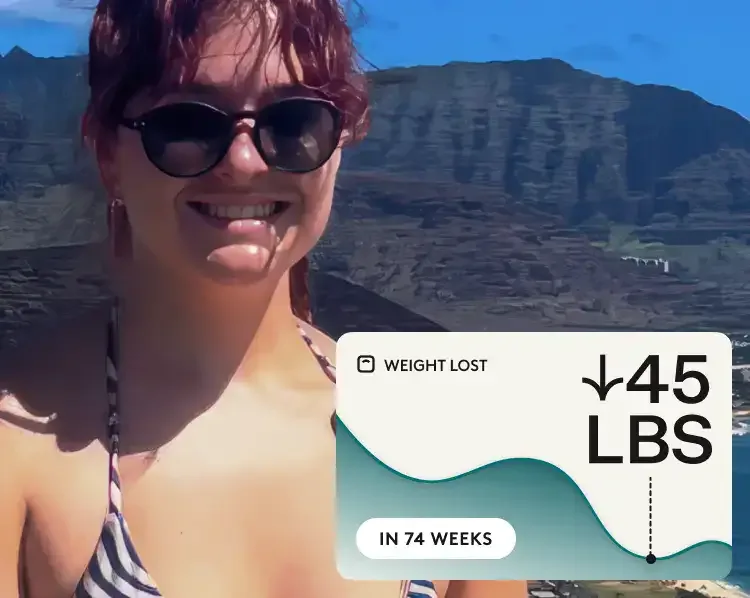
“Noom made the process so simple and now I feel full, free from diet obsession, and at ease in my body again.”
Madison S. – Real Noom user
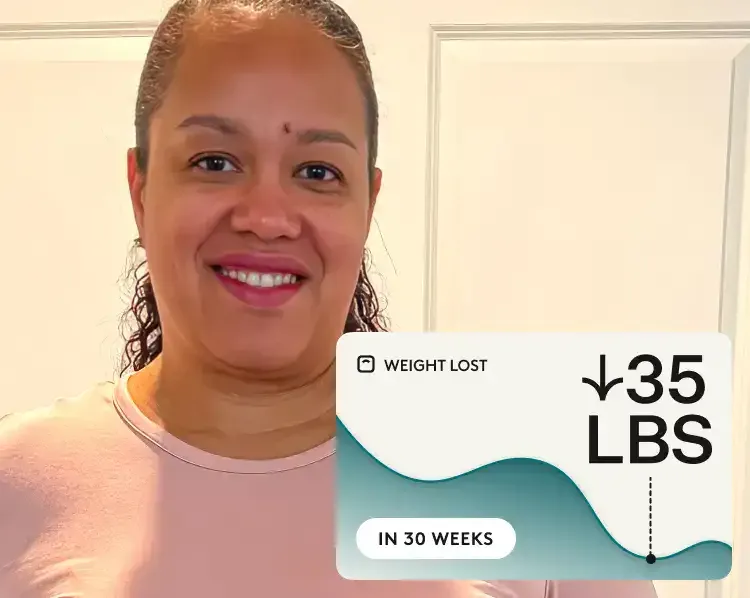
“My doctor recommended Noom after I was frustrated trying to lose weight. The lessons helped change my relationship with food. My body feels lighter & energized.”
Sonday K. – Real Noom user
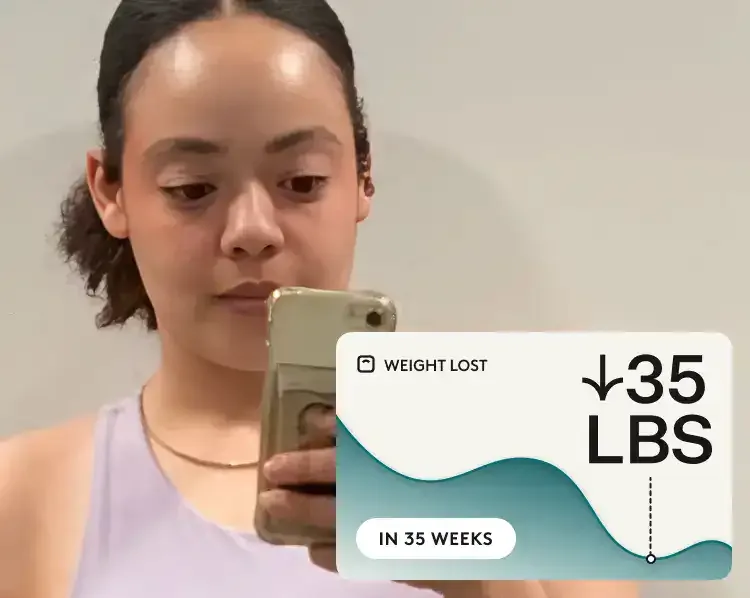
“I built healthy habits with coaching and lessons that make me confident I can maintain my weight loss long term.”
Cam K. – Real Noom user
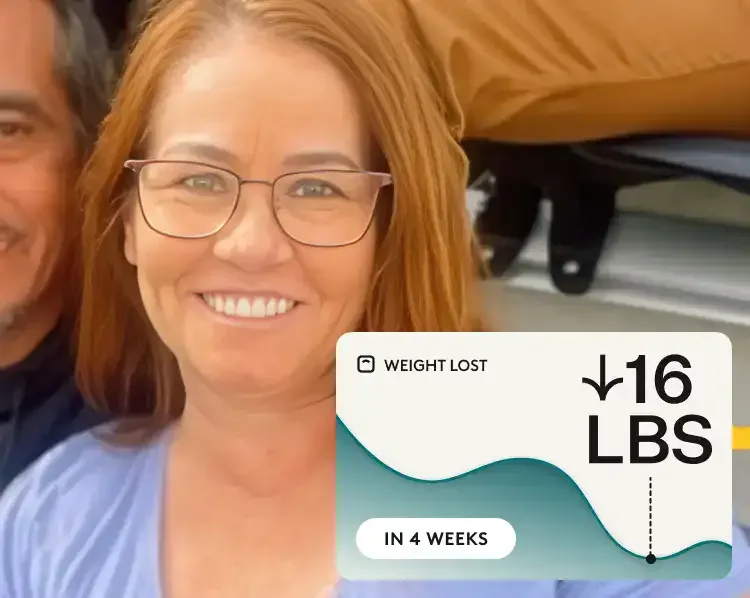
“With the right medication through Noom, hunger and sugar cravings finally quieted and I have the tools to break the cycle.”
Laura TR. – Real Noom user
“Cravings and food noise are gone, I finally feel confident in the healthy habits I’ve built to last with Noom.”
Jessica S. – Real Noom user
The bottom line: Januvia® doesn’t typically help people lose weight
When it comes to weight management, Januvia® probably isn’t the right medication. While it’s effective for controlling blood sugar in people with type 2 diabetes, most people won’t lose a meaningful amount of weight while taking it. Januvia® does act on the same hormones as GLP-1 drugs like Wegovy® or Zepbound®, but it does so in a much weaker, indirect way that doesn’t lead to the same weight-loss benefits.
If you’re thinking about weight loss medication, see if you qualify for Noom Med. You’ll be matched with a clinician who can evaluate your health, discuss your goals, help find a prescription that fits, and prescribe it if needed. Plus, your team will help design a weight loss plan that works for you.
Note: Januvia®, Ozempic®, and Mounjaro® are not FDA-approved to treat obesity or for weight loss.
Editorial standards
At Noom, we’re committed to providing health information that’s grounded in reliable science and expert review. Our content is created with the support of qualified professionals and based on well-established research from trusted medical and scientific organizations. Learn more about the experts behind our content on our Health Expert Team page.