
What you’ll learn:
- A new study found that people who drank more coffee tended to have less body fat and more muscle despite having similar BMIs.
- Caffeine and other compounds in coffee may affect energy use and metabolism, but researchers don’t yet know what’s behind the connection.
- The study found an association, not cause and effect, so drinking more coffee isn’t a proven way to lose fat or build muscle.
If coffee is already part of your morning routine, a new study offers an interesting reason to keep enjoying it: People who regularly drank more coffee tended to have less body fat and more muscle—even though their BMI wasn’t significantly different.
We’ve looked at coffee and weight loss before. Caffeine can temporarily increase energy expenditure and may reduce appetite for a short time, but those effects are modest, and drinking coffee isn’t a shortcut to losing weight.
This new research asks a slightly different—and arguably more interesting—question. Instead of looking at what happens in the hours after you drink coffee, researchers compared habitual coffee intake with body composition, including total body fat, visceral fat, and muscle.
The results suggest there may be more to coffee’s relationship with metabolic health than a temporary caffeine boost. But they don’t mean adding another cup will automatically build muscle or burn fat.
Here’s what researchers found—and what it could mean for your weight-management goals. Plus, Maggie Hudspeth, RDN, Noom’s Senior Manager of Coaching, breaks down some of the science.

The Easy Way
to lose weight and get healthy.

The new coffee and body composition study, explained
The study, published in the European Journal of Nutrition, analyzed data from over 2,000 people who have been followed by researchers since birth as part of a long-running health study.
At age 46, participants reported how much coffee they typically drank and underwent measurements of their body composition and metabolic health. Researchers looked at everything from body fat and visceral fat to muscle, blood sugar, insulin, other markers of metabolic health, and sex hormones.
Participants were grouped according to how much coffee they drank:
- 0 cups per day: 70 people
- 1–2 cups per day: 296 people
- 3–4 cups per day: 822 people
- 5+ cups per day: 1,076 people
The study was cross-sectional, meaning researchers compared people at one point in time. They weren’t assigned to drink different amounts of coffee and then followed to see what happened.
That distinction matters: The study can tell us that coffee drinking and body composition were associated, but it can’t tell us that coffee caused those differences.
Coffee drinkers had less body fat and more muscle
Here’s where things get interesting.
People in the higher-coffee groups tended to have less total body fat, less visceral fat, and more muscle than people who drank less coffee. Visceral fat is the fat stored around the organs in your abdomen and is particularly relevant to metabolic health because higher amounts are associated with insulin resistance and cardiometabolic risk.
But their BMI was essentially the same.
That’s notable because BMI only reflects weight relative to height; it doesn’t distinguish between fat and muscle. Two people can have the same BMI while having very different body compositions.
In the study, people drinking five or more cups per day had an average body-fat percentage of about 27%, compared with roughly 30% among those drinking one to four cups. They also had more muscle on average. Researchers found a similar pattern with visceral fat.
“This doesn’t mean drinking five cups of coffee a day will change your body composition—or that it’s something you should try!” says Hudspeth. “What’s interesting is that people who drank more coffee had similar BMIs but tended to have less fat and more muscle. It suggests there may be differences in metabolic health that BMI or the number on the scale doesn’t capture.”
Why might coffee be linked to body composition?
Researchers don’t know yet why people who drank more coffee tended to have less body fat and more muscle. But there are a few possible explanations worth exploring.
Caffeine could affect energy use and exercise
Caffeine itself could contribute to the pattern researchers saw. Previous research suggests it can temporarily increase energy expenditure and fat burning, while research on caffeine and exercise suggests it can improve some aspects of exercise performance.
“These effects are relatively small and short-lived, so this doesn’t mean coffee is going to burn body fat or build muscle for you,” says Hudspeth. “But it’s possible that these small effects, repeated over time, could help explain some of the differences researchers saw in people who regularly drink coffee.”
Other compounds in coffee may matter, too
Coffee contains much more than caffeine. It also contains hundreds of plant compounds that may have effects in the body.
Some of these compounds may influence how the body processes blood sugar and responds to insulin, as well as inflammation and other processes involved in metabolic health. A review of coffee’s bioactive compounds and metabolic health identified several possible ways coffee could influence metabolism.
That doesn’t mean these compounds caused the differences in body fat or muscle seen in this study. But they give researchers other possibilities to investigate beyond caffeine alone.
Coffee drinkers showed other metabolic differences
The body-composition findings weren’t the only differences researchers saw. People who drank more coffee also showed differences in blood sugar, insulin, amino acids, and sex hormones.
For example, both men and women who drank more coffee had lower levels of certain amino acids in their blood that, when chronically elevated, have been linked to insulin resistance and a higher risk of type 2 diabetes. Men who drank more coffee also showed signs of better insulin sensitivity, meaning their bodies appeared to use insulin more effectively to manage blood sugar.
The researchers also found different sex-hormone patterns in both men and women.
“We don’t know yet what these differences mean for your health,” says Hudspeth. “But they suggest that regular coffee drinking may be linked to broader differences in how the body processes and uses energy—not just how much fat or muscle you have.”
Researchers still don’t know what’s driving the connection
Right now, these are possible explanations, not proof of what’s happening.
The study’s lead author said that researchers saw a distinct hormonal pattern even after accounting for BMI and lifestyle factors.
The next step is figuring out whether coffee actually contributes to these differences—and, if it does, what part of coffee is responsible. The researchers say more research, including controlled human studies, will be needed to answer those questions.
Does drinking more coffee mean less body fat?
“Not necessarily—and this is probably the most important thing to understand about this study,” says Hudspeth. “Researchers found a connection between drinking more coffee and having less body fat and more muscle, but they didn’t show that coffee actually caused those differences.”
Noom’s Most Powerful Program
A dual-pathway GLP-1 and behavior change for lasting results.
There are several reasons to be cautious:
- It was an observational study. Researchers didn’t ask people to start drinking coffee and watch their body composition change. As the researchers note—and outside coverage of the study has emphasized—the findings can’t establish cause and effect.
- Coffee drinkers weren’t identical in other ways. Physical activity, smoking, alcohol use, education, diet, and other lifestyle factors can influence metabolic health. Researchers adjusted for several of these variables, but statistical adjustments can’t eliminate every possible difference.
- Coffee intake was self-reported. People may not remember exactly how much they drink, and a “cup” isn’t always the same size.
- The study doesn’t establish an ideal amount. Although the highest-intake group drank five or more cups per day, that doesn’t mean five cups is better than two—or that increasing your intake would change your body composition.
- Other research hasn’t consistently found the same effect. A separate 2026 study found no statistically significant differences in body composition across coffee-intake groups after adjustment.
That last point is especially useful context. This is an intriguing finding, but it isn’t settled science yet.
What does this mean if you’re trying to lose fat or preserve muscle?
You probably don’t need to change your coffee habit based on this study alone, and you certainly shouldn’t exceed healthy levels of caffeine intake.
If you enjoy coffee and tolerate caffeine well, it can fit into a healthy weight-management plan. But think of it as something that may support your routine rather than something that drives your results.
The fundamentals still matter much more:
- Prioritize protein. Higher-protein diets can help preserve lean mass during weight loss, especially when paired with resistance exercise.
- Include resistance training. Strength training provides the stimulus your body needs to maintain and build muscle and is particularly helpful for preserving lean mass while losing weight.
- Pay attention to your coffee order. Plain coffee contributes very few calories, but syrups, sweetened creamers, whipped cream, and other additions can turn it into a much higher-calorie drink.
- Don’t chase the highest intake from the study. More coffee isn’t automatically better. The FDA cites 400 milligrams of caffeine per day as an amount not generally associated with negative effects for most adults, although sensitivity varies considerably.
- Consider your caffeine tolerance. Too much caffeine can interfere with sleep or cause jitteriness, anxiety, or a racing heart—and poor sleep can work against weight-management goals.
Reviews from real Noom users
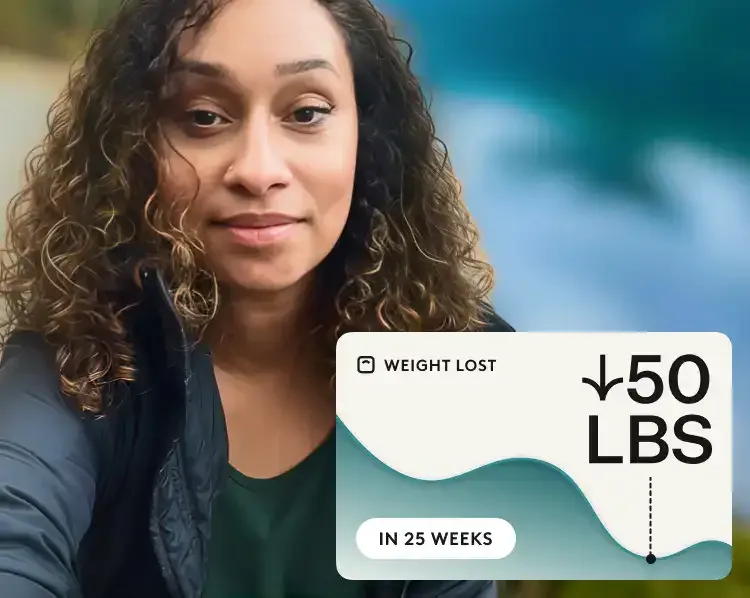
“My favorite parts of Noom are the care team and other Noomers. Sharing and getting help made me feel like I wasn’t doing it alone. That support made all the difference.”
Desirea N. — Real Noom user
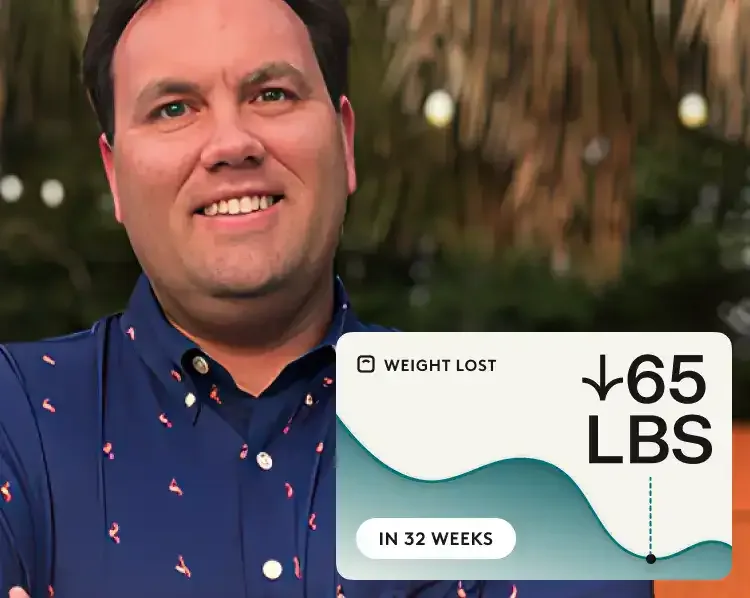
“Noom has taught me that every day is a new chance to make better, healthier choices. It’s taught me how to stop overeating.”
Matthew M. — Real Noom user
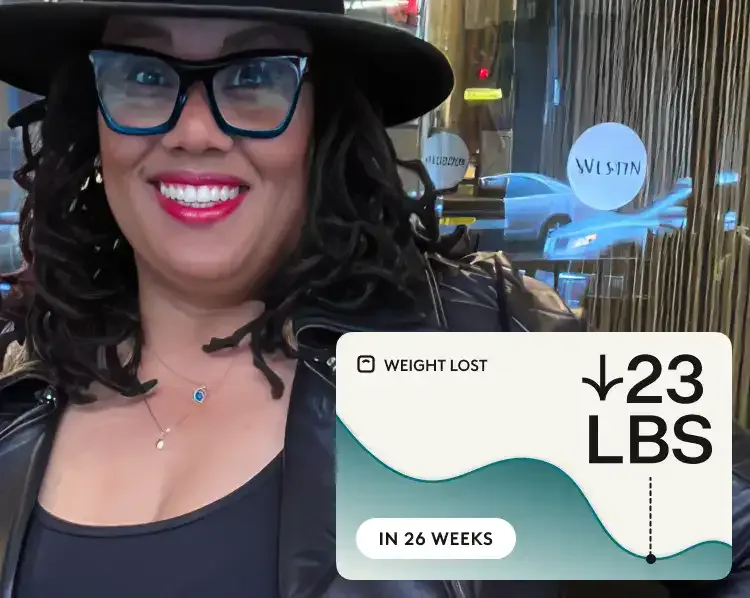
“Clinicians who understand how supportive medication can be is one of the best parts of Noom! I was convinced I wouldn’t have success but I’m down 11 pounds in two months.”
Lila M. — Real Noom user
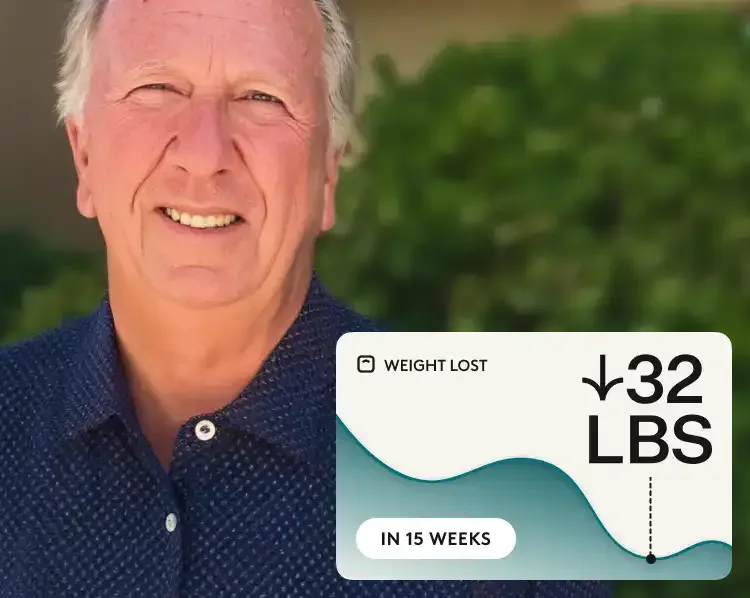
“Noom provided me with the medication which I could not get through Medicare. I have learned the tricks to better eating and life in general.”
Steve M. – Real Noom user

“Noom has changed my life and I’m so thankful, I feel great, have more energy and am no longer prediabetic.”
Daisy R. – Real Noom user
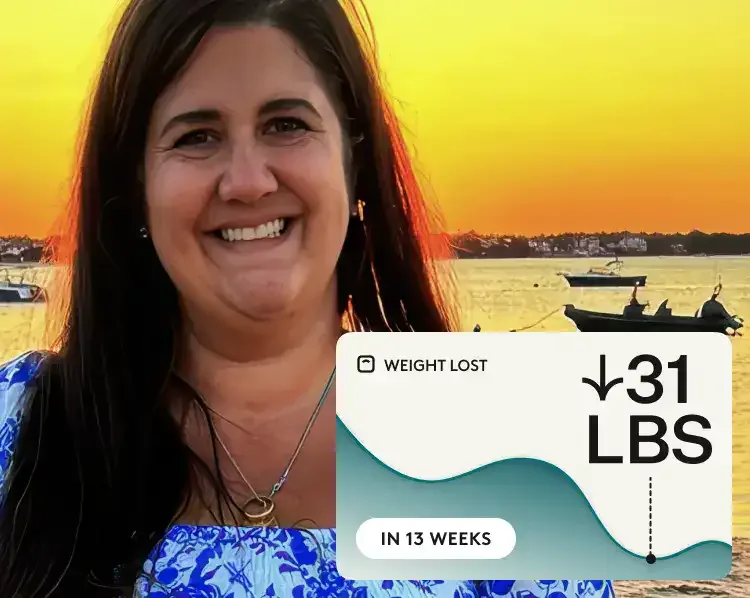
“All of the Noom providers that I’ve met with have been exceptional and prescribed medications that are appropriate for my situation and health.”
Sarah R. – Real Noom user

“Noom made the process so simple and now I feel full, free from diet obsession, and at ease in my body again.”
Madison S. – Real Noom user
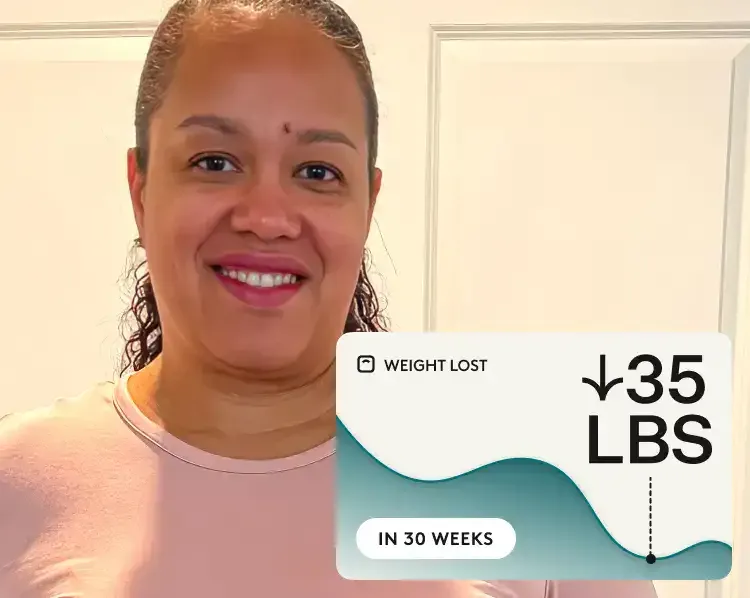
“My doctor recommended Noom after I was frustrated trying to lose weight. The lessons helped change my relationship with food. My body feels lighter & energized.”
Sonday K. – Real Noom user
“I built healthy habits with coaching and lessons that make me confident I can maintain my weight loss long term.”
Cam K. – Real Noom user

“With the right medication through Noom, hunger and sugar cravings finally quieted and I have the tools to break the cycle.”
Laura TR. – Real Noom user
“Cravings and food noise are gone, I finally feel confident in the healthy habits I’ve built to last with Noom.”
Jessica S. – Real Noom user
The bottom line: Coffee may be linked to a leaner body composition—but it isn’t building the muscle alone
The most interesting finding from this study isn’t that coffee drinkers weighed less. They didn’t, at least according to BMI.
Instead, people who drank more coffee tended to have less total and visceral fat and more muscle despite having similar BMIs. Researchers also found differences in metabolic markers and sex hormones, suggesting habitual coffee drinking may be connected to metabolic health in ways that aren’t visible on the scale.
“It’s an interesting connection and definitely worth studying further,” says Hudspeth. “But we’re not at the point where we can say that drinking coffee burns body fat or builds muscle on its own.”
For now, keep your coffee if you enjoy it—but keep doing the things we know make a bigger difference for body composition: eating enough protein, strength training, staying active, sleeping well, and building habits you can maintain. Your morning cup may have some interesting metabolic effects, but it still can’t do your squats for you.
Editorial standards
At Noom, we’re committed to providing health information that’s grounded in reliable science and expert review. Our content is created with the support of qualified professionals and based on well-established research from trusted medical and scientific organizations. Learn more about the experts behind our content on our Health Expert Team page.