

What you’ll learn:
- Alli®, the over-the-counter version of orlistat, supports modest weight loss by blocking the absorption of some dietary fat.
- As an over-the-counter medication, Alli® offers an accessible alternative to prescription weight loss drugs.
- Alli® works best with a lower-fat, lower-calorie diet and other healthy lifestyle changes.
When you start looking into weight loss medications, it can be overwhelming. There are lots of options to choose from, and most options require a prescription and regular check-ins with a provider. And for good reason, these medications are powerful and need to be used correctly for the best results and safety. Alli® is a bit different, being one of the only FDA-approved weight loss medications you get over the counter.
Alli is a version of orlistat. Orlistat is available in prescription strength (as Xenical®) and over the counter. It comes as a pill that you take with meals that have some fat in them.
When you take Alli® with a meal, it helps block about 25% of the fat you eat from being absorbed by your body. How does it do that? We’ll go through the way it works, who Alli is best for, and what to ask yourself before trying it. Plus, we’ll go through the potential side effects and what you can do to get the most out of it.
What is Alli® and how does it work?
Alli® is different from other weight loss medications you may be familiar with. Orlistat, the active ingredient, doesn’t lower your appetite or slow digestion like GLP-1 receptor agonists Wegovy and Zepbound. Instead, it works right in your digestive system, affecting the amount of fat you absorb from each meal.
How Alli® affects fat digestion
After you eat, your body produces an enzyme called lipase to break down fat so it can absorb it. Alli® works as a lipase inhibitor, which means it slows that enzyme down.
When lipase is partially blocked, some of the fat from your meal doesn’t get broken down all the way. Instead of being absorbed, it passes through your system. The end result is you don’t absorb all the calories from the fat you eat.
All of this happens in your digestive tract. Alli® doesn’t affect your appetite, blood sugar, or brain signals the way GLP-1 medications do.
What is Xenical®
Xenical is the prescription-strength version of orlistat. It uses the same active ingredient and is for people who need a stronger product.
What’s the most important thing to know when using Alli®
Alli® is meant to be taken with meals that contain fat. If what you’re eating doesn’t have much fat, you wouldn’t take a pill. That said, this doesn’t mean higher-fat meals work better. Orlistat can only block a portion of the fat you eat, so meals that are very high in fat can make the medication less effective. Higher-fat meals also increase the likelihood of digestive side effects, which we’ll go through below.
Here’s what to know:
- Take 1 capsule with each meal containing fat before or shortly after
- Distribute your fat grams evenly across meals throughout the day
- Don’t take Alli® more than 3 times a day
While Alli® can block some of the fat and calories you eat, it isn’t meant to replace everyday habits. Alli® tends to work best when it’s supporting changes you’re already making, like eating a more balanced diet, fewer processed foods, and increasing exercise. For a lot of people, it helps create more awareness around fat choices and portions.
How much weight can you lose with Alli®?
Studies show that when combined with a reduced-calorie, low-fat diet, orlistat can lead to moderate additional weight loss compared to diet and exercise alone.
Here’s the average weight loss you can expect according to studies:
- 60 mg (Alli®): On average, people lose about 2 to 3% of their starting body weight in the first 6 months, when combined with a reduced-calorie, low-fat diet.
It may also help reduce belly fat more than diet and exercise alone. In one study, people taking Alli three times a day lost more total body fat compared with people who followed diet changes without the medication.
Together, these studies show that Alli® tends to produce modest but consistent additional weight loss versus just diet alone.
Rx weight loss, the right way, with Noom
Get access to prescription weight loss medication with Noom.Microdose GLP-1s
Wegovy®

Ozempic®

Metformin

Zepbound®
Mounjaro®
Liraglutide

Alli®: How long does it take to see results?
Weight loss with Alli® is usually moderate and slow but steady.
| Time frame | What studies show |
|---|---|
| 0–3 months | Changes are usually small; this phase is often about adjusting eating habits |
| By 6 months | People lose about 2 to 3% more of their starting body weight compared with diet alone. |
| Beyond 6 months | Long-term data is limited for Alli® (60 mg); stronger 1-year data comes from prescription-strength orlistat |
If Alli® works for you, results usually show up over months, not weeks. The weight loss tends to be modest, but it can add up over time when the medication is used consistently alongside healthier eating habits.
Alli®: How to take it for weight loss
Take one capsule with each main meal that contains fat (up to 3 times a day), either during the meal or within an hour after. No fat on the plate? No need to take a dose. Skipping it in those moments helps avoid unnecessary side effects and keeps the medication working the way it’s supposed to.
Available dosage strengths
Alli® is available in one dosage strength:
- 60 mg of orlistat per capsule
You may also hear about Xenical®, which is prescription-strength orlistat. Xenical® contains 120 mg of orlistat per capsule, double the dose found in Alli®. Because of that higher strength, Xenical® requires a prescription and is used under medical supervision.
While the two medications use the same active ingredient, they’re not interchangeable. If you’re using Alli®, stick with the OTC dosing. If a higher dose is being considered, that’s a conversation to have with a healthcare provider.
Maximum recommended daily dose
- 3 capsules per day (180 mg)
Taking more than three capsules a day isn’t recommended and won’t lead to better weight loss. It mainly increases the chances of side effects.
Is there a titration process?
There isn’t. With Alli®, you start at the standard dose right away: one 60 mg capsule with each fat-containing meal, up to three times a day.
Over time, many people naturally fine-tune how they use Alli®: skipping doses with very low-fat meals or adjusting food choices rather than changing the dose itself. The dose stays steady, while the routine gets more comfortable.
What to eat and what to avoid while taking Alli
To get the most out of Alli®, plan meals that are low in fat and balanced. The medication works by blocking fat, so your diet needs to match that approach. Eating a reduced-calorie, low-fat diet can help minimize side effects and support weight loss.
What to eat
While there are no specific foods you need to avoid with Alli, some will help you lose weight and digest better than others. Here are some guidelines:
- Keep total fat to about 30% of your daily calories, aiming for roughly 15 grams of fat per meal.
- Distribute fat evenly across your meals rather than saving it for one high-fat meal.
- Include lean proteins, high-fiber carbs, fruits and vegetables, and healthy fats (in moderation). Some tips:
- Choose lean cuts of meat, poultry, and fish
- Grill, bake, or steam foods instead of frying
- Use low-fat dairy
- Replace creamy dressings with vinaigrettes made with measured olive oil
What to avoid (or limit)
Eating too much fat increases the chance of uncomfortable digestive side effects and can make Alli® less effective. Here’s what to limit:
- Fried foods
- High-fat or processed meat: bacon, sausage, fatty cuts of beef or pork
- Full-fat dairy: cream, whole milk, full-fat cheese
- Creamy, buttery, or oily sauces
- Large amounts of added fats
- Processed and high-fat snacks
- Pastry, cakes, cookies, chocolate, and other high-fat desserts
Learn more: Orlistat for weight loss: How it works and what to expect
Alli®: Side effects and safety
Because Alli® works by blocking some of the fat you eat, that fat will come out with bowel movements. For most people, that means changes to digestion, especially when first starting the medication. These effects are closely tied to what and how you eat. Here’s what to expect:
Common side effects
The most frequent side effects include:
- oily spotting
- gas with oily spotting
- urgent need to have a bowel movement
- loose stools
- oily or fatty stools
- increased number of bowel movements
You’re more likely to experience these effects after eating meals high in fat, which is why sticking to a lower-fat diet (around 30% of daily calories from fat) makes a big difference.
Most people find that these effects are strongest in the first few weeks as they learn how to eat while taking the medication.
How to manage common side effects
The most important thing to know about managing Alli® side effects is this: they’re closely tied to how you take the medication and what’s on your plate. Small adjustments can make a noticeable difference.
| Guideline | What to do | Why it helps |
|---|---|---|
| Keep fat intake steady and moderate | Aim to spread fat evenly across meals and keep daily fat intake around 30% of total calories, about 15 grams per meal. | Side effects are more likely when meals are very high in fat. Staying within this range helps Alli® work more smoothly and reduces digestive surprises. |
| Take Alli® only with meals that contain fat | Take Alli® during a meal or up to one hour after a fat-containing meal. If a meal is skipped or very low in fat, skip the dose. | Alli® only works when there’s fat to block. Taking it without fat doesn’t help and can increase discomfort. |
| Watch portion sizes | Keep meat portions around 2–3 ounces per meal and choose lean cuts when possible. | Most protein foods contain some fat, so portion awareness helps keep fat intake in a manageable range. |
| Choose lower-fat cooking methods | Grill, bake, broil, or steam foods, and use cooking spray instead of oil or butter when possible. | Cooking methods can add a lot of fat if not measured. Reducing added fats helps prevent meals from becoming higher in fat. |
| Expect an adjustment period | Be prepared for digestive side effects to be more noticeable in the first few weeks. | Many people find these effects become less frequent and easier to manage as eating patterns settle. |
Alli®: Severe side effects to know
While severe side effects are rare with Alli, some require immediate medical attention if they happen. Here’s what to look for:
- Liver problems: Liver problems are extremely uncommon but can happen. Watch for yellowing of the skin or eyes, dark urine, severe stomach pain, or unusual fatigue.
- Kidney stones: Alli® may increase your risk of kidney stones. If you notice severe or continuous abdominal pain, stop taking the medication and contact your healthcare provider right away.
Important note on vitamin deficiencies
Because Alli® blocks fat absorption, it can also reduce your body’s ability to absorb fat-soluble vitamins, like A, D, E, and K. Taking a daily multivitamin helps prevent deficiencies. The multivitamin should be taken at least two hours before or after Alli®, or at bedtime, which helps reduce interference with vitamin absorption. Choose a multivitamin that includes these fat-soluble vitamins plus beta-carotene for the best protection.


Who shouldn’t take Alli?
Alli® isn’t right for everyone. Certain medical conditions and situations make it unsafe or require extra caution. Because Alli® is available over the counter, it’s important to look through these before deciding to take it. Checking in with a healthcare provider is always the best way to make sure it’s safe based on your health history and current medications.
You shouldn’t take Alli® if you:
- Have chronic malabsorption syndrome, a condition that affects how your body absorbs nutrients
- Have cholestasis, a condition where bile flow from the liver is blocked
- Are pregnant or breastfeeding
You should talk with a healthcare provider before using Alli® if you:
- Have a history of eating disorders, such as anorexia or bulimia
- Have medical conditions such as diabetes, kidney stones, pancreatitis, or gallbladder or thyroid disease
- Have had an organ transplant
- Take certain medications that may interact with orlistat, including cyclosporine or levothyroxine
Alli: Overdose risks and symptoms
Knowing Alli®’s overdose risks matters—especially because taking more than directed, or accidental ingestion, can lead to serious complications.
- Severe stomach pain, persistent diarrhea, and changes in urine color are the main warning signs to watch for.
- You might also notice yellowing of your skin or eyes, dark urine, or light-colored stools.
Here’s what to watch for:
- Severe stomach pain, ongoing diarrhea, or vomiting
- Changes in urine color, especially dark urine
- Yellowing of the skin or eyes
- Light-colored stools or unusual fatigue
These symptoms can be signs of liver injury and should be treated as a medical emergency, not something to wait out.
There isn’t a quick way to reverse an orlistat overdose, which is why recognizing warning signs early and getting medical help right away is so important.
If a child accidentally takes Alli®:
Most accidental ingestions in young children cause mild or no symptoms, often limited to gastrointestinal effects. Still, any accidental ingestion should be taken seriously, and poison control or emergency care should be contacted right away.
What to do if you notice these warning signs
If you spot any of these symptoms, don’t wait to see if they improve on their own. Call Poison Control immediately at 1-800-222-1222 for guidance, or visit PoisonHelp.org for online resources. If someone has collapsed, is having trouble breathing, or can’t be awakened, call 911 right away. Doctors usually want to check you out at the emergency room and keep an eye on you for taking too much, similar to protocols used for other weight loss medications.
Prevention and safe storage of Alli
Keep Alli® in a secure location away from children and never exceed the recommended dose of three 60 mg capsules daily. Proper storage prevents accidental ingestion, especially since even large accidental doses can cause significant stomach upset. Remember that taking extra Alli® won’t speed up your weight loss; it only increases your risk of serious side effects.
Alli®: Cost and insurance considerations
If you’re thinking about adding Alli® to your weight-loss plan, it helps to know what it’ll cost you month to month.
What will Alli® typically cost per month?
Alli® typically costs between $50 and $84 for one bottle (90 capsules), which lasts about one month when taken three times daily with meals. Shopping around at different pharmacies can help you find the best deal.
Alli®: Can I use insurance?
Most insurance plans don’t cover Alli® because weight-loss medications are rarely covered by insurance. Medicare and Medicaid plans typically don’t cover weight-loss medications.
- Private insurance: Coverage for weight-loss medications is limited overall. Some plans may cover prescription options like Xenical® under specific conditions, but over-the-counter products like Alli® are typically not covered.
- Medicare: By law, Medicare plans generally don’t cover medications used for weight loss, which includes orlistat.
- Medicaid: Coverage varies by state. Some states cover FDA-approved prescription weight-loss medications with restrictions, but OTC products like Alli® are usually excluded.
Because coverage for weight-loss drugs is uncommon and OTC medications are rarely included, most people should plan to pay for Alli® out of pocket. Some tax-advantaged health spending accounts or employer reimbursement programs (such as an HSA, FSA, or HRA) may allow reimbursement, depending on plan rules.
Are there manufacturer’s discounts for Alli®?
You can find manufacturer coupons on the Alli® website that may offer one-time savings of up to $70, depending on the promotion.
Is there a generic version of Alli?
There’s no generic version of the 60 mg over-the-counter dose, but prescription orlistat (Xenical®) comes in 120 mg capsules and has generic options available.
Alli®: Dosage adjustments and personalization
The only dose adjustment you should make when taking Alli is to not take a pill if your meal doesn’t contain any fat.
Here’s what you can do:
- Skip a pill: Alli® only works when there’s fat in the meal. If you’re eating something very low in fat, like berries with non-fat Greek yogurt, skip a dose.
Signs you may need to reassess how you’re using Alli®
Stop taking Alli® and checking in with a healthcare provider if:
- Severe or persistent abdominal pain occurs
- Digestive symptoms continue despite a lower-fat diet
- Weight loss plateaus even with consistent use and attention to diet
Most of the time, ongoing side effects or limited results aren’t about the dose being wrong. They’re a cue to take another look at meal fat, timing, or overall eating patterns.
Tips for best weight loss results with Alli®
Taking Alli® the right way can make the difference between manageable side effects and uncomfortable surprises. Learning how to take Alli for the best results involves smart timing, meal planning, and knowing what to do when things don’t go as planned.
What to do if you miss a dose
If you forget to take Alli® with a meal and remember within an hour, you can go ahead and take it. If more than an hour has passed, just skip that dose and take your next capsule with your next meal that contains fat.
Never double up or try to make up for a missed dose. Taking extra capsules will not improve results and can increase side effects. Missing a dose once in a while happens. Just pick things back up at the next meal and keep going.
How to use Alli®: A quick reference guide
| If this happens… | Here’s what to do |
|---|---|
| Meal with fat | Take 1 capsule during or within 1 hour after eating. This is when Alli® can actually do its job. |
| Fat-free or very low-fat meal | Skip the dose. No fat means nothing for Alli® to block. |
| Missed dose (within 1 hour) | Go ahead and take the capsule when you remember. |
| Missed dose (over 1 hour) | Skip it and move on. Take your next dose with your next meal that contains fat. |
Learn more: Get more information about orlistat and how it works, or explore other weight loss medication options
Alli® vs. other weight loss medications: Weight loss potential
Alli® is generally less effective than prescription drugs like GLP-1s. Let’s take a look at several types of weight loss medications to show how Alli® compares across a wider range of options at the highest dose.
| Medication | Average weight loss |
|---|---|
| Orlistat – Alli® | 5% |
| Orlistat – Xenical® | 8.5% |
| Tirzepatide – Zepbound® | 21% |
| Semaglutide – Wegovy® | 15% |
| Liraglutide – Saxenda® | 6% |
| Bupropion/naltrexone – Contrave® | 12% |
| Phentermine/topiramate ER – Qsymia® | 10% |
| Metformin (off-label weight loss) | 7% |
Remember that weight loss medications work best when combined with healthy eating and regular movement, regardless of which option you choose.
Frequently asked questions about weight loss with Alli®
These answers address the most common questions about Alli®, including safely incorporating this medication into their routine.
Can you drink alcohol while taking Alli®?
There’s no medical reason you can’t drink alcohol while taking Alli®, but alcohol can add calories that can slow weight loss. Alcohol can also worsen digestive side effects. Talk with your healthcare provider about what amount fits your goals.
What kind of diet and exercise plan works best with Alli®?
A reduced-calorie diet where fat makes up less than 30% of your daily calories works best with Alli®. Aim for about 15 grams of fat per meal and include regular physical activity. This approach maximizes weight loss while minimizing digestive side effects.
What happens if you miss a dose of Alli®?
If you remember within one hour of eating a fat-containing meal, take the missed dose. If more than an hour has passed or your meal contains no fat, skip that dose and continue with your regular schedule. Never take two doses at once to make up for a missed one.
Can you stop taking Alli® any time?
Yes, you can stop Alli® at any time without tapering or worrying about withdrawal symptoms. Orlistat doesn’t cause addiction, but having a plan to maintain your healthy habits after stopping helps prevent weight regain.
How long can you safely take Alli®?
Most weight loss occurs in the first six months of taking Alli®. You can use it for up to a year as part of a weight loss program. If you haven’t lost at least 5% of your starting weight after a few months, continuing Alli® may not help you lose more weight.
Can I take 2 Alli® instead of 1 Xenical®?
While two 60 mg Alli® capsules equal one 120 mg Xenical® capsule in total milligrams, taking two Alli® capsules with a single meal would exceed the dosing directions on the OTC label. Alli® is approved for one 60 mg capsule per fat-containing meal, up to a maximum of three capsules per day, and should be taken exactly as stated on the package.
Xenical® is a prescription medication with a higher per-meal dose that is intended to be used under medical supervision. Alli® capsules aren’t meant to be combined to replicate prescription dosing, and doing so goes beyond the approved nonprescription use. Always follow package directions or consult a healthcare provider before making any dosing changes.
Reviews from real Noom users
Desirea N. — Real Noom user
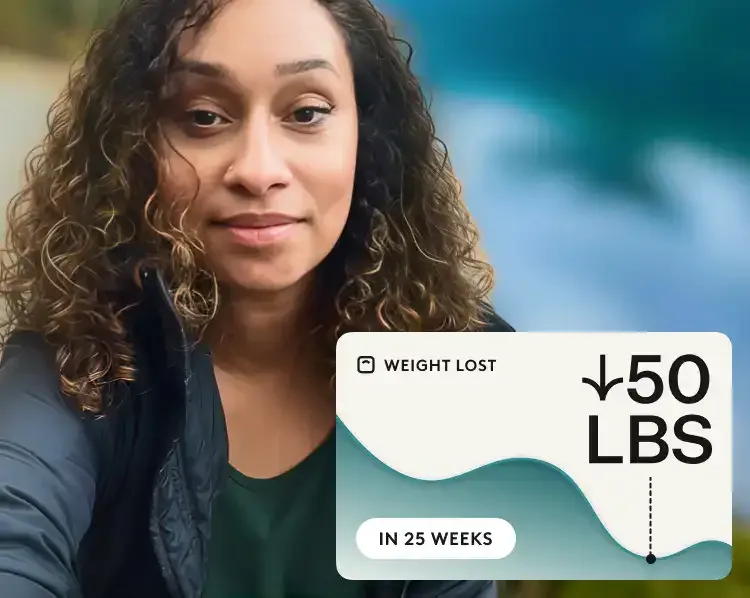
“My favorite parts of Noom are the care team and other Noomers. Sharing and getting help made me feel like I wasn’t doing it alone. That support made all the difference.”
Desirea N. — Real Noom user
Matthew M. — Real Noom user
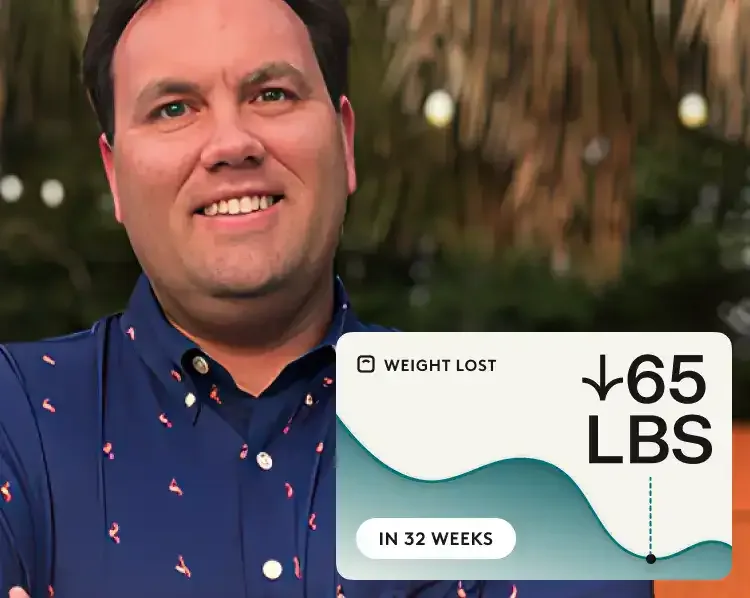
“Noom has taught me that every day is a new chance to make better, healthier choices. It's taught me how to stop overeating.’’
Matthew M. — Real Noom user
Lila M. — Real Noom user
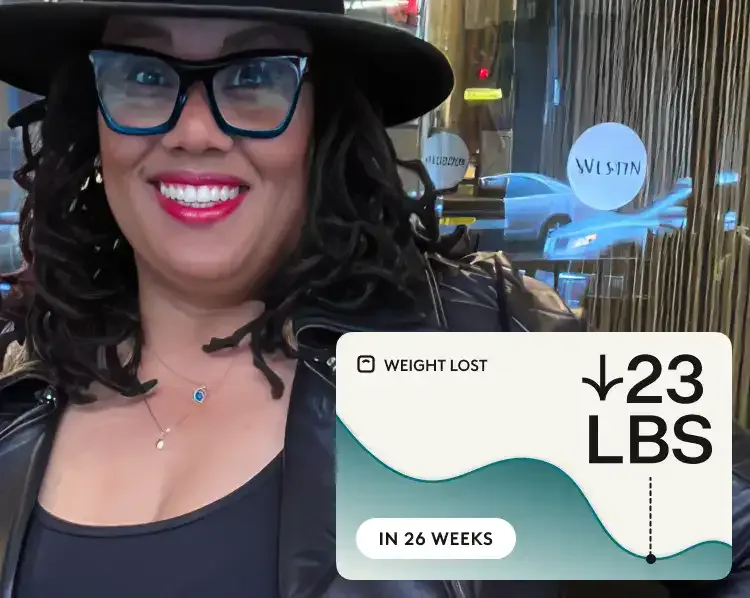
“Clinicians who understand how supportive medication can be is one of the best parts of Noom! I was convinced I wouldn’t have success but I’m down 11 pounds in two months.’’
Lila M. — Real Noom user
Steve M. — Real Noom user
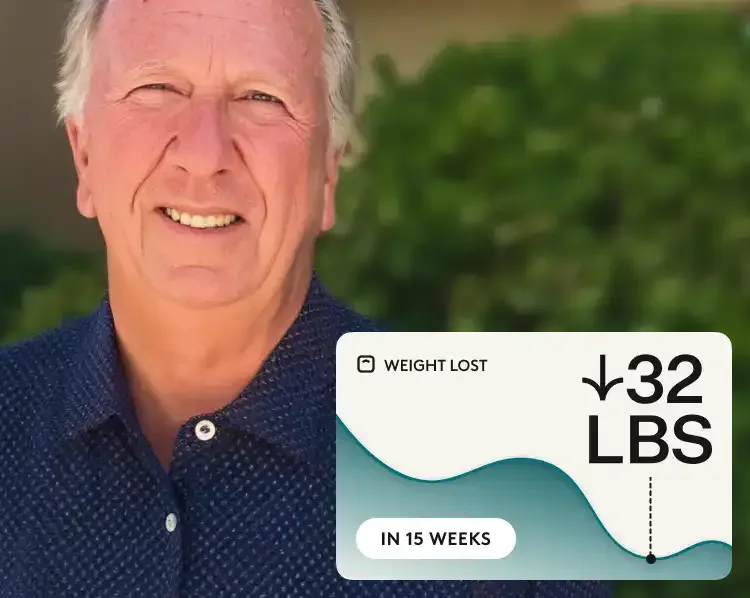
“Noom provided me with the medication which I could not get through Medicare. I have learned the tricks to better eating and life in general.”
Steve M. – Real Noom user
Daisy R. — Real Noom user
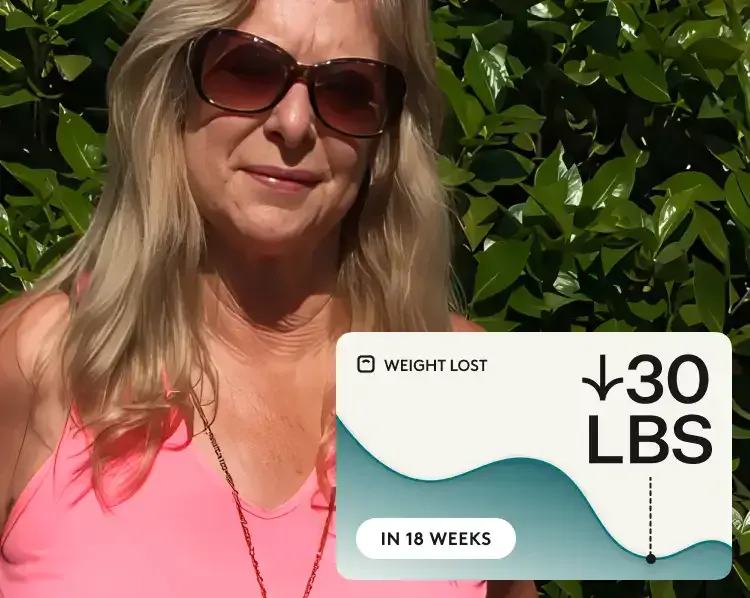
‘’Noom has changed my life and I’m so thankful, I feel great, have more energy and am no longer prediabetic.”
Daisy R. – Real Noom user
Sarah R. — Real Noom user
“All of the Noom providers that I’ve met with have been exceptional and prescribed medications that are appropriate for my situation and health.”
Sarah R. – Real Noom user
Madison S. — Real Noom user
“Noom made the process so simple and now I feel full, free from diet obsession, and at ease in my body again.”
Madison S. – Real Noom user
Sonday K. — Real Noom user
“My doctor recommended Noom after I was frustrated trying to lose weight. The lessons helped change my relationship with food. My body feels lighter & energized.”
Sonday K. – Real Noom user
Cam K. — Real Noom user
“I built healthy habits with coaching and lessons that make me confident I can maintain my weight loss long term.”
Cam K. – Real Noom user
Laura TR. — Real Noom user
“With the right medication through Noom, hunger and sugar cravings finally quieted and I have the tools to break the cycle.”
Laura TR. – Real Noom user
Jessica S. — Real Noom user
“Cravings and food noise are gone, I finally feel confident in the healthy habits I’ve built to last with Noom.”
Jessica S. – Real Noom user
The bottom line: Alli® can be effective for moderate weight loss
Alli® can support modest, gradual weight loss when used alongside a lower-fat diet and regular physical activity. Because it works by blocking the absorption of some dietary fat, results tend to develop over time and are typically more limited than those seen with prescription weight-loss medications such as GLP-1s.
Before deciding whether Alli® is the right option, it’s important to consider a few practical factors. Monthly costs usually fall between $60 and $90, and digestive side effects are common, particularly when meals are higher in fat. The FDA has also reviewed rare reports of serious liver injury associated with orlistat, though no direct causal relationship has been established. Speaking with a healthcare provider can help determine whether Alli® aligns with your health history, expectations, and overall weight-loss plan.
If you’re exploring medication-supported weight loss, working with a clinician can make a meaningful difference. If you qualify, Noom Med will connect you with a licensed clinician who can help find the right medication for you and prescribe it, if needed. The program will also help you build habits that support long-term health, with the tools and support to make those changes last.
Editorial standards
At Noom, we’re committed to providing health information that’s grounded in reliable science and expert review. Our content is created with the support of qualified professionals and based on well-established research from trusted medical and scientific organizations. Learn more about the experts behind our content on our Health Expert Team page.