

What you’ll learn:
- hs-CRP is a blood marker that reveals inflammation that you can’t see or feel, linked to heart health and aging.
- Everyday habits, like eating more fiber, staying active, sleeping well, and managing stress, can help lower hs-CRP.
- Watching trends over time matters more than one result and shows how your habits are really working.
Inflammation doesn’t always announce itself. Sometimes it hums along in the background for years. Sometimes it’s too subtle to show up as symptoms or routine blood work, but it still influences how you feel day to day and how your body ages over time.
High-sensitivity C-reactive protein (called hs-CRP for short) isn’t a test that’s automatically included on standard lab panels. But it offers powerful insight into low-level inflammation that’s worth paying attention to—not just for long-term health, but for feeling better now and aging well.
Here’s what may surprise you. In a study of more than 2,000 adults aged 80 and older, those in the highest hs-CRP group had a 49% higher risk of dying during the study period compared to those with the lowest levels. While it’s not a marker most clinicians regularly track, it plays a quiet, influential role behind the scenes in your body.
Let’s learn how high-sensitivity C-reactive protein works, what influences it, why it’s worth keeping track of, and what you can do to take steps toward feeling better now and in the future.
What is high-sensitivity C-reactive protein (hs-CRP)?
High-sensitivity C-reactive protein (hs-CRP) is a protein your liver releases whenever inflammatory activity is present anywhere in the body. You can think of it as an internal alarm system. When your immune system senses something that needs attention, your liver responds by sending more hs-CRP into your bloodstream.
Your hs-CRP level reflects how active your immune system is at a given moment. Research shows that higher levels often mean the immune system is working overtime in the background, even when you feel well. This ongoing activation can be influenced by factors such as chronic stress, poor sleep, certain dietary patterns, excess body weight, or underlying health conditions.
Over time, this type of low-level inflammation matters big time. Large population studies have consistently linked elevated hs-CRP to a higher risk of heart disease and stroke. Importantly, these associations persist even when traditional cardiovascular markers, such as cholesterol and blood pressure, fall within normal ranges.
To capture this subtle inflammation, clinicians use a high-sensitivity version of the CRP test. Unlike standard CRP tests, hs-CRP can detect very small increases in inflammation, making it especially useful for identifying chronic, low-grade immune activity before symptoms appear.
Why high-sensitivity C-reactive protein (hs-CRP) is a crucial predictor of current and future health
Understanding how hs-CRP relates to how you feel now and longevity helps explain why this single marker plays such an important role in your health. By offering early insight into inflammation and disease risk well before symptoms appear, hs-CRP gives you a clearer snapshot of your current health, so you can take care of yourself now in ways that support long-term health and aging.
Increased hs-CRP levels: Link to major health problems
Research consistently shows that elevated hs-CRP is associated with many of the most serious health challenges people face as they get older.
A large study found that people who start out with higher hs-CRP levels are more likely to experience heart attack, stroke, or die from cardiovascular causes over time.
Understanding hs-CRP: A signal, not a direct cause
Because hs-CRP reflects underlying inflammation rather than causing disease directly, it functions as a risk marker—a signal that something worth investigating may be happening in the body.
A helpful way to think about hs-CRP is as a smoke detector. The alarm alerts you to a problem that needs attention. When hs-CRP is elevated, it often reflects ongoing inflammatory activity that may affect how you feel today subtly and contribute to disease over time if left unaddressed.
The longevity connection: Lower levels mean better outcomes
Large population studies reveal a clear pattern: people who maintain consistently lower hs-CRP levels tend to live longer and remain healthier as they age.
A study of adults ages 45 and older found that those who maintained consistently low hs-CRP levels had significantly better survival rates than those with rising or persistently elevated levels, with those in the high, stable group facing more than twice the mortality risk of the low, stable group.
Access GLP-1 Weight Loss with Noom
Explore a wide range of prescription medications supported by Noom’s program.Microdose GLP-1rx
Noom GLP-1rx
Noom GLP-1rx Plus
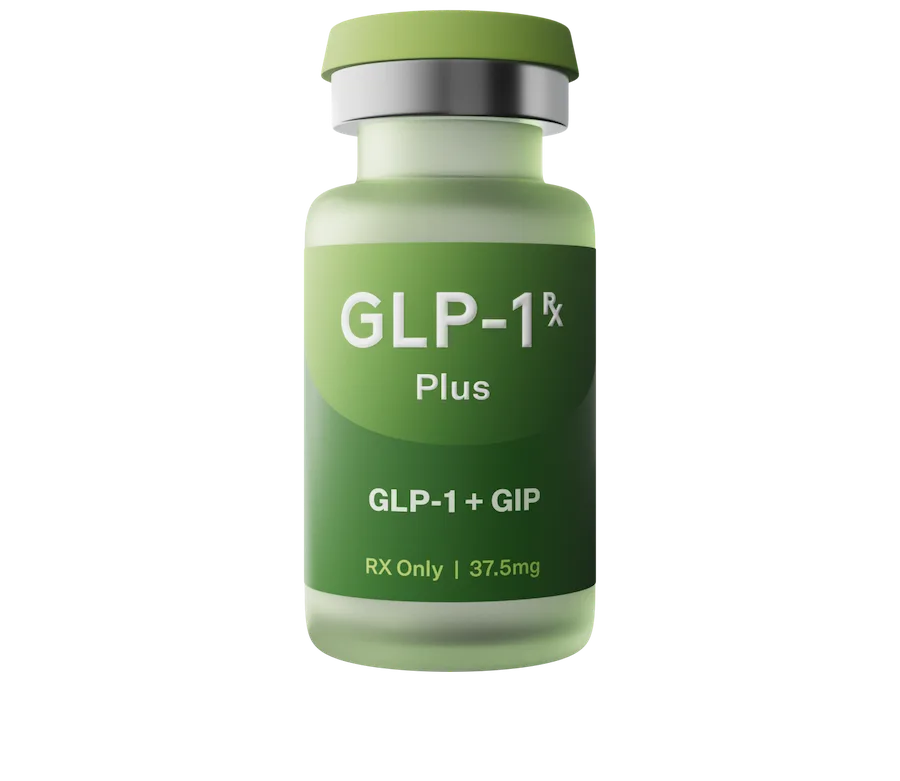
Wegovy®
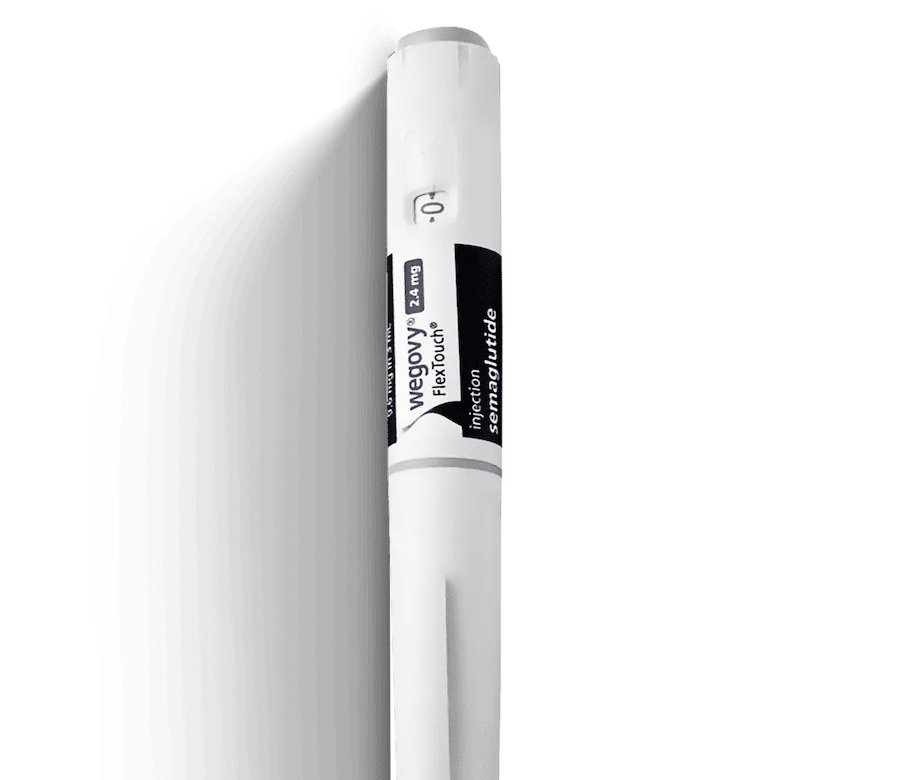
Ozempic®
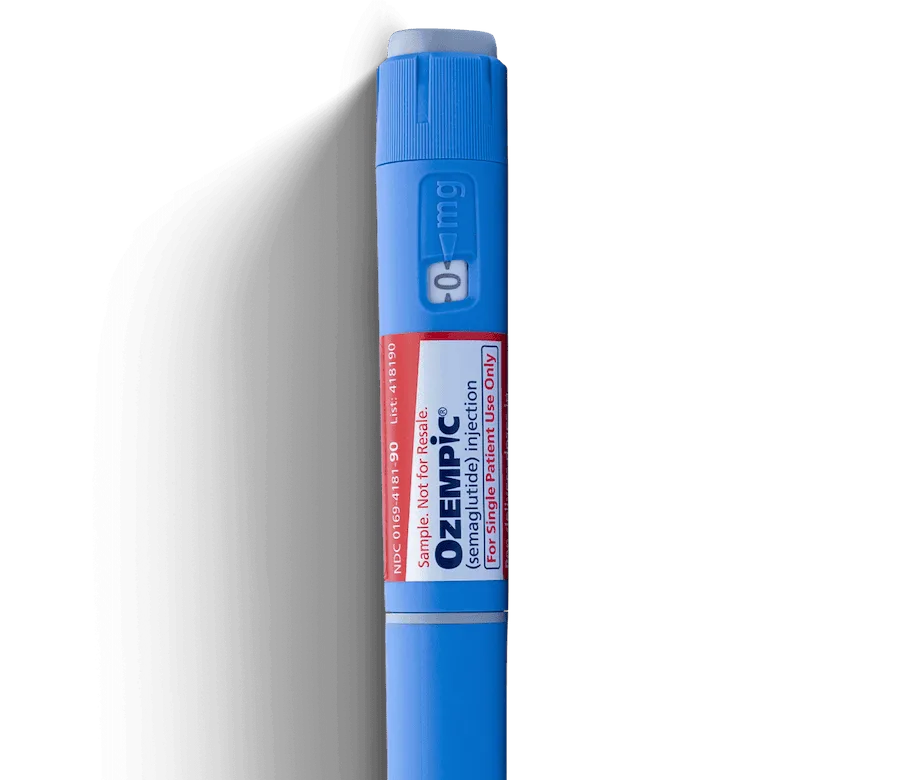
Metformin
Zepbound®
Mounjaro®
Liraglutide
High-sensitivity C-reactive protein (hs-CRP): How it’s measured and tested
Testing hs-CRP is simple, but getting meaningful results depends on timing and context. The test measures very small amounts of C-reactive protein in your blood, offering insight into low-level inflammation that may not cause obvious symptoms. Understanding how the test works and what can influence results helps ensure the numbers reflect your usual inflammation level, not a temporary spike.
What the testing process looks like
Getting an hs-CRP test is quick and straightforward. It’s a simple blood draw, usually from your arm, and there’s no need to fast or do anything special beforehand. You can eat as you normally would and keep taking most regular medications unless your doctor tells you otherwise. The whole process only takes a few minutes, and the results are usually ready within a day or two.
When and how to test for the most accurate results
Because hs-CRP responds quickly to what’s happening in your body, timing matters. A few factors can temporarily push levels higher and make results harder to interpret:
- Schedule testing when you’re feeling well and free from active infections or recent injuries. Both can cause a significant short-term spike in CRP that doesn’t reflect your baseline.
- Recent colds, vaccinations, or minor injuries can elevate levels for days or even weeks after the fact, so it’s worth mentioning these to your doctor when reviewing results.
- Some medications, including NSAIDs and statins, may lower hs-CRP levels — let your doctor know everything you’re taking so results can be interpreted in context.
Who testing is most useful for
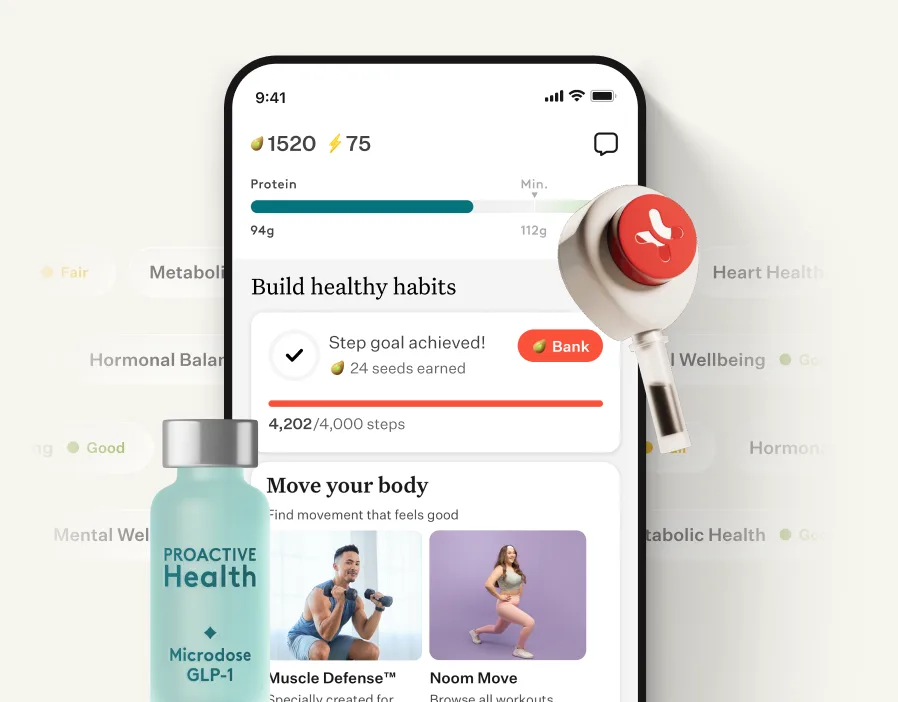
Because hs-CRP levels naturally fluctuate—often by 30 to 60 percent within the same person—one test alone may not tell the full story. Many clinicians recommend repeating the test or averaging results taken a few weeks apart to better understand your baseline and track meaningful changes over time. Regular hs-CRP testing, included with the Noom Proactive Health Microdose GLP-1Rx Program, helps you follow those trends and adjust your health habits with more clarity.
hs-CRP: Understanding your results
You just got your lab results back and see “hs-CRP: 2.1 mg/L” on the page. What does that number actually mean for your health? Understanding hs-CRP reference ranges helps you see where you stand and what steps might benefit your health now and in the future.
The key is knowing the difference between what’s considered “normal” in the general population and what levels support a long, healthy life.
How to interpret hs-CRP levels (mg/L):
- 3.0 or lower mg/L is considered low to moderate cardiovascular risk, but Noom clinicians target even lower: 1 mg/L or less for the lowest risk.
- Higher than 3.0 mg/L suggests an elevated heart disease risk and may prompt additional testing or monitoring.
hs-CRP: When to retest and seek clinical guidance
If your hs-CRP comes back above 3.0 mg/L, don’t panic. Clinical experts recommend repeating the test in about two weeks, since temporary factors like a recent cold or intense workout can spike your numbers. Values above 10 mg/L usually signal acute inflammation and need prompt medical attention. Persistently high results need discussion with your healthcare provider to rule out underlying conditions.
hs-CRP: What changes the number?
Your hs-CRP result can differ from one test to the next. Levels can shift based on short-term events and long-term health patterns. Knowing what influences hs-CRP helps you tell the difference between a temporary spike and a signal worth addressing.
- Acute factors cause temporary spikes – Things like a cold, recent injury, or a tough workout can push hs-CRP up for days to weeks. The good news is that levels usually return to your normal range once your body recovers. For the most accurate picture of your baseline inflammation, it’s best to test when you’ve been feeling well for at least two weeks.
- Weight matters – Higher BMI is consistently associated with elevated hs-CRP levels, making weight management a meaningful lever for reducing low-grade inflammation over time.
- Chronic health conditions keep levels raised – Conditions like diabetes, thyroid disorders, and kidney disease can maintain higher inflammation. Even seemingly minor issues like gum disease or poor sleep quality contribute to ongoing elevated levels.
- Daily habits create lasting patterns – Smoking, physical inactivity, chronic stress, and diets high in processed foods all contribute to the kind of low-grade inflammation that shows up in your numbers over time.
- Your body’s natural makeup plays a role – Age and sex naturally influence hs-CRP, with levels tending to rise as you get older. Levels also vary by sex and can shift with hormonal changes over time — particularly around menopause. Your genetic makeup also affects how much CRP your body naturally produces.
- Some medications help lower inflammation – Statins, certain pain relievers, and newer treatments like GLP-1 medications have been linked to reduced hs-CRP levels. Regular biomarker tracking can help you see how these interventions affect your inflammation over time.
hs-CRP: How to improve it
Every day choices can influence how you feel now and how your body ages. Learning how to lower hs-CRP for longevity doesn’t require extreme changes. Here are some things that can help:
Focus on fiber-rich foods
What you eat directly affects your hs-CRP levels. A meta-analysis of randomized controlled trials in adults with elevated BMIS found that increasing dietary fiber by at least 8 grams daily lowered CRP by an average of 0.37 mg/L. Research also shows that people following a healthy, predominantly plant-based eating pattern reduced their hs-CRP by 0.8 mg/L over one year compared to those who didn’t change their diet.
Make movement a regular part of your day
Exercise is one of the most reliable ways to lower hs-CRP. An analysis of 43 studies found that regular physical activity reduced hs-CRP by an average of 0.67 mg/L in both healthy adults and those with heart disease.
The effect was strongest when people combined movement with healthy eating and lost weight. Scientists also discovered that people with high fiber intake who also did regular resistance training had 40 to 60% lower odds of elevated hs-CRP—in both men and women. The study used grip strength and resistance exercise frequency as markers of overall strength and fitness.
Prioritize quality sleep and manage stress
Your sleep habits affect inflammation more than you might think. Research involving nearly 75,000 adults found that poor sleep quality and sleeping more than 10 hours nightly were linked to higher hs-CRP levels. Aim for 7 to 9 hours of consistent, quality sleep each night.
Managing stress through relaxation techniques, social support, or mindfulness can also help keep inflammation in check, since chronic stress triggers inflammatory pathways in your body. Consistent changes to sleep and stress habits have been shown to improve inflammatory markers over time, though timelines vary by individual.
High-sensitivity C-reactive protein (hs-CRP): How to track progress
Tracking hs-CRP effectively means looking at trends over time, not single snapshots. Your hs-CRP numbers naturally go up and down, so consistent monitoring paired with lifestyle notes gives you the clearest picture.
Studies have found that individual numbers fluctuate quite a bit, which is why tracking hs-CRP requires multiple tests to spot real patterns.
- Retest every 8 to 12 weeks to see real changes, not just daily ups and downs
- Write down recent illness, tough workouts, or stressful events near test dates
- Use the same lab and whether you’ve eaten or not for fair comparisons
- Track dietary changes, weight, and activity levels alongside your numbers
- Note any medications or supplements that might affect inflammation
Studies show real improvements can appear within one year of consistent lifestyle changes. Even small, consistent decreases show your efforts are working. Consistent tracking helps you stay motivated and adjust your approach as needed. Noom Proactive Health connects lab results with daily habit lessons and tracking to help you see how your choices affect your results.
Frequently asked questions (FAQs) about tracking high-sensitivity C-reactive protein
These answers provide practical guidance based on current research and clinical recommendations about hs-CRP testing and tracking.
What does a high hs-CRP level mean for current and long-term health?
Higher hs-CRP levels are linked to increased risk of heart disease, stroke, and other age-related conditions. Research shows that people with persistently elevated hs-CRP have roughly 2 to 3 times higher risk of cardiovascular events over time. An elevated hs-CRP can also be your body’s way of signaling that something is going on right now, like ongoing inflammation from stress, illness, injury, or metabolic strain. But it’s a risk marker, not a direct cause of disease.
How can I lower my hs-CRP naturally?
Because hs-CRP reflects inflammation, daily habits play a major role in lowering it. Research shows that regular movement, fiber-rich eating patterns, healthy weight management, quality sleep, and stress reduction can all reduce hs-CRP levels over time. Even small, consistent changes can make a meaningful difference. Tracking trends rather than single results helps you see how lifestyle shifts affect inflammation and long-term health.
Focus on eating minimally processed foods, especially those rich in fiber and antioxidants. Studies show that shifting to an anti-inflammatory eating pattern rich in dark leafy greens can reduce hs-CRP within just 7 days. Regular movement, quality sleep, and stress management also help lower inflammation naturally.
Who should get tested for hs-CRP, and how is the test done?
hs-CRP testing can be useful for anyone who wants to better understand their health over time, not just people already identified as having higher cardiovascular risk. It offers insight into low-grade inflammation, which can shift as your lifestyle, stress levels, and overall health change.
The test itself is simple and quick, usually done with a standard blood draw when you’re feeling well, since illness can temporarily affect results. Looking at patterns across multiple tests, rather than a single snapshot, can be especially helpful. Noom Proactive Health offers regular, convenient at-home testing that is designed to support long-term monitoring.
What hs-CRP level should I be concerned about?
High-sensitivity C-reactive protein (hs-CRP) reflects low-grade inflammation in the body that’s linked to long-term heart and metabolic health. Levels below 1.0 mg/L are generally associated with lower cardiovascular risk. Results between 1.0 and 3.0 mg/L suggest a moderate risk, while levels above 3.0 mg/L are linked to a higher risk.
Reviews from real Noom users
Desirea N. — Real Noom user

“My favorite parts of Noom are the care team and other Noomers. Sharing and getting help made me feel like I wasn’t doing it alone. That support made all the difference.”
Desirea N. — Real Noom user
Matthew M. — Real Noom user

“Noom has taught me that every day is a new chance to make better, healthier choices. It's taught me how to stop overeating.’’
Matthew M. — Real Noom user
Lila M. — Real Noom user

“Clinicians who understand how supportive medication can be is one of the best parts of Noom! I was convinced I wouldn’t have success but I’m down 11 pounds in two months.’’
Lila M. — Real Noom user
Steve M. — Real Noom user

“Noom provided me with the medication which I could not get through Medicare. I have learned the tricks to better eating and life in general.”
Steve M. – Real Noom user
Daisy R. — Real Noom user

‘’Noom has changed my life and I’m so thankful, I feel great, have more energy and am no longer prediabetic.”
Daisy R. – Real Noom user
Sarah R. — Real Noom user

“All of the Noom providers that I’ve met with have been exceptional and prescribed medications that are appropriate for my situation and health.”
Sarah R. – Real Noom user
Madison S. — Real Noom user

“Noom made the process so simple and now I feel full, free from diet obsession, and at ease in my body again.”
Madison S. – Real Noom user
Sonday K. — Real Noom user

“My doctor recommended Noom after I was frustrated trying to lose weight. The lessons helped change my relationship with food. My body feels lighter & energized.”
Sonday K. – Real Noom user
Cam K. — Real Noom user

“I built healthy habits with coaching and lessons that make me confident I can maintain my weight loss long term.”
Cam K. – Real Noom user
Laura TR. — Real Noom user

“With the right medication through Noom, hunger and sugar cravings finally quieted and I have the tools to break the cycle.”
Laura TR. – Real Noom user
Jessica S. — Real Noom user

“Cravings and food noise are gone, I finally feel confident in the healthy habits I’ve built to last with Noom.”
Jessica S. – Real Noom user
The bottom line: Tracking hs-CRP can help you live better now and in the future
Your hs-CRP level gives you a clear signal of how much inflammation is present in your body and how it may affect your long-term health. It’s not a diagnosis, but it’s a useful marker for understanding patterns that influence aging, heart health, and overall resilience.
The most important takeaway is this: hs-CRP is highly responsive to daily habits. Changes in how you eat, move, sleep, and manage stress can meaningfully lower inflammation over time. With Noom’s Proactive Health Microdose GLP-1Rx Program, testing for hs-CRP is included as part of a set of biomarkers, with ongoing support to help you understand your results and stay focused on the changes that move your health in the right direction.
Editorial standards
At Noom, we’re committed to providing health information that’s grounded in reliable science and expert review. Our content is created with the support of qualified professionals and based on well-established research from trusted medical and scientific organizations. Learn more about the experts behind our content on our Health Expert Team page.