

What you’ll learn:
- A lipid panel measures total cholesterol, LDL, HDL, and triglycerides.
- Tracking these numbers over time can help detect heart disease and diabetes risk, often before symptoms appear.
- Daily habits like what you eat, how you move, and how you manage stress have the biggest long-term impact on cholesterol and triglyceride levels.
Paying attention to a few key health numbers can make a real difference—not just in how you feel as you age, but in how you feel day to day. When you know what’s happening inside your body, it’s easier to make small, realistic changes that support your energy, focus, and overall wellbeing now, while also protecting your health long term. One of the most important things to know for both daily health and longevity? Your cholesterol.
Cholesterol issues rarely send warning signals. You can feel perfectly fine while subtle changes in your blood quietly increase your risk for heart disease and metabolic issues over time. A lipid panel helps uncover those hidden risks early—so you can see what’s happening beneath the surface and make changes before it turns into something bigger.
Rx weight loss, the right way, with Noom
Get access to prescription weight loss medication with Noom.Microdose GLP-1s
Wegovy®
Ozempic®
Metformin

Zepbound®
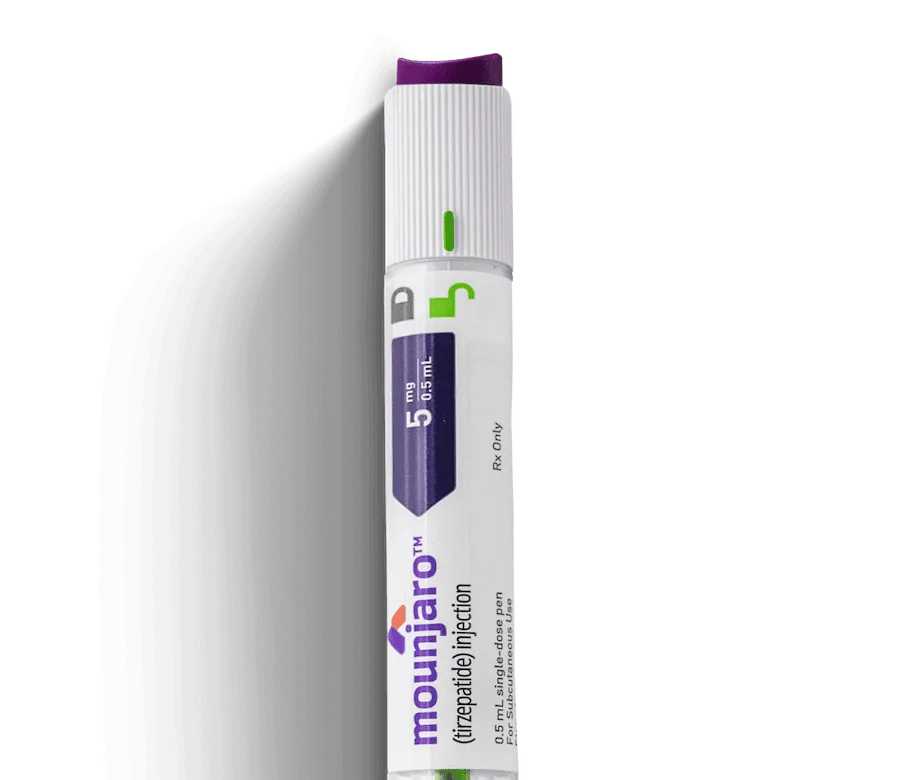
Mounjaro®
Liraglutide
This test measures four key markers: LDL, HDL, total cholesterol, and triglycerides. Each one tells a different part of the story about your heart and blood vessel health, and together they offer a much more complete view than any single number alone.
Some values are linked to plaque buildup and inflammation, while others reflect protective capacity in your arteries—making this panel a powerful snapshot of how well your body is functioning now—and what it may be trending toward over time.
Ahead, we’ll break down how a fasting lipid panel works, when fasting is necessary, what optimal levels look like, and how to translate your results into practical steps that support cardiovascular health and longevity. Paying attention to your numbers and making changes now can help you feel better today and protect your health for years to come.
What is a fasting lipid panel?
A fasting lipid panel is a blood test that shows how your body processes fats. Specifically, how fats like cholesterol and triglycerides move through your bloodstream. Most people don’t actually have to fast for this test, so fasting is usually only recommended or needed in special situations that your doctor can help you determine. The test looks at four key numbers that help paint a clear picture of your overall lipid balance:
- LDL (low-density lipoprotein): LDL is often called “bad” cholesterol because high levels can lead to plaque buildup in your arteries. Over time, that plaque can narrow or stiffen blood vessels, raising the risk of heart attacks and strokes. Lower LDL generally means less stress on your heart and blood vessels.
- HDL (high-density lipoprotein): HDL is known as “good” cholesterol because it helps clean up excess cholesterol in your bloodstream. It carries cholesterol away from your arteries and back to the liver, where it can be processed and removed. Higher HDL levels are usually linked with better heart protection.
- Triglycerides: Triglycerides are a type of fat in your blood that your body uses for energy. When levels are high, it often means your body is storing more energy than it needs, which can increase the risk of heart disease—especially when paired with high LDL or low HDL. Keeping triglycerides in a healthy range supports both heart health and metabolic balance.
- Total cholesterol: Total cholesterol is the overall amount of cholesterol in your blood. It’s basically a snapshot that combines LDL, HDL, and a portion of your triglycerides. On its own, it doesn’t tell the full story, but it’s a helpful starting point for understanding your overall heart and metabolic risk.
The key takeaway is that not all cholesterol is bad. Some is essential for things like building cells and supplying energy, but problems arise when there’s too much of the wrong kind in circulation. Excess lipids can stick to artery walls and form plaque, gradually narrowing blood vessels and making it harder for blood to flow.
Over time, this process increases the risk of heart disease and stroke, which is why a lipid panel is such an important tool for understanding heart health and catching issues early.
Beyond heart health: What a lipid panel can tell you about your current and future health
Your lipid panel does a lot more than check a box for heart health—it gives meaningful insight into how your body is aging and where health risks may be headed. Here’s why it matters, according to the research:
- It predicts long-term health, not just heart disease. Studies from institutions like the National Heart, Lung, and Blood Institute show that cholesterol levels can predict cardiovascular risk decades later.
- High cholesterol affects more than the heart. Elevated total cholesterol and LDL have been linked to higher rates of stroke, cognitive decline and dementia, frailty, and even all-cause mortality—not just heart issues.
- Some lipid numbers are signals, others are drivers. Triglycerides often reflect deeper metabolic issues like insulin resistance, while LDL cholesterol plays a more direct role by contributing to plaque buildup in arteries.
- Big studies show clear patterns. Large-scale research following over a million people has found that higher LDL is tied to a higher risk of death from cardiovascular disease, while higher HDL is associated with lower risk.
- Improving your numbers really does matter. Even though not every lipid marker is purely causal on its own, improving your lipid profile is consistently associated with lower disease risk—and, in many studies, better odds of healthier aging and a longer life.
Lipid panel: How it’s measured and tested
A lipid panel is measured using a standard blood test. For the most accurate results, you’ll be asked to fast for 8 to 12 hours beforehand. An even more convenient option is at-home testing.
Through the Noom Proactive Health GLP-1Rx Program, you’ll receive a regular Biomarkers Test Kit that allows you to complete an at-home blood test to track your cholesterol levels and several other key biomarkers. Certified labs analyze your blood sample and deliver the results right to the app, enabling you to get clear, actionable insights into your health.
How it’s measured: Some values, like total cholesterol, HDL, and triglycerides, are measured directly. LDL is often calculated using a formula, though some labs now measure LDL directly for better accuracy at higher triglyceride levels.
Accuracy: Lipid panels are considered highly accurate when performed under standard conditions. Together, these results provide a dependable foundation for assessing cardiovascular risk and guiding prevention strategies. It’s normal for results to vary slightly from test to test due to day-to-day biological changes or small differences between labs. Tracking trends over time, ideally using the same lab, gives the most meaningful insight.
What can influence results? Even though lipid panels are generally reliable, a few things can temporarily shift your numbers:
- Recent illness, infection, or inflammation
- High stress, poor sleep, or dehydration
- Certain medications (e.g., steroids, hormone therapy, beta blockers)
- Intense exercise within 24 hours of testing
- Not fully fasting before the blood draw (if needed)
Lipid panel: Understanding your results
A lipid panel looks at several types of fats in your blood that collectively reflect your cardiovascular and metabolic health. Rather than focusing on a single number, clinicians look at patterns across these markers to understand risk, resilience, and long-term health.
Total cholesterol
Total cholesterol adds up the cholesterol carried by different particles in your blood, including LDL and HDL. It’s often the first number people notice, but it’s really just a measure, not a diagnosis. Two people can have the same total cholesterol but very different health risks depending on how much of it comes from “bad” LDL versus “good” HDL, and what their triglycerides are.
Disclaimer: Lab ranges are general guidelines—your ideal cholesterol goals depend on your overall cardiovascular risk and should be interpreted with a clinician.
How it’s interpreted:
- Desirable (normal): Below 200 mg/dL
- Borderline high: 200–239 mg/dL
- High risk: 240 mg/dL or higher
From a prevention standpoint, lower total cholesterol within the normal range is generally associated with lower cardiovascular risk, but only if that lower number reflects lower LDL, not low HDL. That’s why clinicians always look at the full panel, not total cholesterol alone.
LDL cholesterol (“bad” cholesterol)
LDL cholesterol carries cholesterol from the liver to tissues throughout the body. When there’s too much LDL circulating, it can deposit cholesterol into artery walls and contribute directly to plaque formation. Because of this, LDL isn’t just a warning sign; it’s considered a causal driver of atherosclerotic cardiovascular disease.
How it’s interpreted:
- Optimal: Below 100 mg/dL
- Near or above optimal: 100–129 mg/dL
- Borderline high: 130–159 mg/dL
- High: 160–189 mg/dL
- Very high: 190 mg/dL or higher
For people at higher risk, such as those with known heart disease, diabetes, or multiple risk factors, clinicians often aim for lower LDL levels than the general population, because lower LDL is consistently linked to fewer heart attacks and strokes over time.
HDL cholesterol (“good” cholesterol)
HDL helps move excess cholesterol away from arteries and back to the liver for processing. Higher HDL levels are generally associated with lower cardiovascular risk, but raising HDL with medication is not associated with a reduced risk of cardiovascular events. Because of that, HDL is best thought of as a risk marker, not a direct treatment target.
How it’s interpreted:
- Low (higher risk): Below 40 mg/dL
- Higher: 40 mg/dL or higher for men and 50 mg/dL for women
HDL tends to reflect overall metabolic health. People who are physically active, insulin-sensitive, and metabolically healthy often have higher HDL without specifically trying to raise it. It’s important to note that very high HDL doesn’t necessarily mean lower risk, and in some studies, extremely high HDL hasn’t had protective effects.
Triglycerides
Triglycerides are the main form of fat your body uses to store energy. After you eat, especially meals high in sugar or refined carbohydrates, excess energy is converted into triglycerides and released into the bloodstream.
Persistently elevated triglycerides are closely linked to insulin resistance, inflammation, fatty liver disease, and cardiovascular risk, which is why they’re such an important part of a lipid panel.
How they’re interpreted:
- Normal: Below 150 mg/dL
- Borderline high: 150–199 mg/dL
- High: 200–499 mg/dL
- Very high: 500 mg/dL or higher
From a longevity and metabolic health perspective, many clinicians prefer triglycerides to be well below the upper limit of normal, since lower levels are consistently associated with better cardiometabolic outcomes.
Also good to know: Total cholesterol/HDL-C ratio
This ratio shows how balanced your cholesterol is overall and is often a stronger predictor of heart disease than total cholesterol alone.
- Healthy levels: Most clinicians aim for a ratio under 4, with under 3.5 considered a more protective range.
- How to improve it: Lowering LDL and supporting healthy HDL is the most effective way to improve the ratio. Eating more fiber-rich whole foods, reducing saturated fats, and moving your body daily all help shift cholesterol in a healthier direction, and heart-healthy lifestyle choices like the Mediterranean diet improve both sides of the equation.
- Treatment: Medications that lower LDL—like statins or ezetimibe—can improve the ratio when lifestyle changes aren’t enough. Your clinician will choose treatments based on your overall heart-health risk.
Lipid panel: Short- and long-term influences
Your lipid panel will move up or down based on what’s happening in your body, what’s been going on long term, and even factors you were born with. Understanding why numbers shift helps you interpret results more calmly and accurately.
Short-term changes
These factors can temporarily affect your lipid levels for days or even a few weeks, without reflecting your true baseline health. Think of them as short-term disruptions that can nudge your numbers up or down based on what your body is dealing with at the moment—stress, recovery, hydration, or hormone shifts—rather than a meaningful change in your long-term heart or metabolic risk. That’s why a single lipid panel sometimes needs context, or even a repeat test, before drawing meaningful conclusions.
- Infection and inflammation: Illness and infection trigger immune responses that can change how your body processes fats. For example, infections can increase triglycerides and alter lipoprotein metabolism until recovery.
- Recent workouts: Short-term physical activity can affect lipid readings if you exercise intensely within a few days of the test, since day-to-day variability in lipids is expected.
- Dehydration: Being dehydrated changes blood volume and can concentrate blood components, temporarily affecting measured values on a lipid panel.
- Alcohol intake: Drinking alcohol, even occasionally, can raise triglycerides and influence cholesterol metabolism, particularly when consumption is higher, due to effects on lipid synthesis and liver function.
- Menstrual phase and hormones: Normal hormonal fluctuations throughout the menstrual cycle can influence lipid metabolism and lab values in women before menopause.
Longer-term influences
These factors tend to cause persistent changes in lipid levels and often require ongoing management. Unlike short-term bumps from things like a recent workout or mild illness, these are longer-lasting influences that shape how your body handles fats day in and day out. They’re usually tied to underlying health conditions, body composition, or medications that affect metabolism over months or years, which is why they matter more when you’re looking at trends in your lipid panel rather than a single snapshot in time:
- Elevated BMI/higher body fat: Elevated body fat is linked with higher triglycerides and lower “good” HDL cholesterol, often as part of metabolic syndrome.
- Thyroid status: Thyroid hormones affect how your body metabolizes cholesterol and triglycerides; both underactive and overactive thyroid conditions are associated with abnormal lipid levels.
- Kidney disease: Chronic kidney disease can raise triglycerides and disrupt normal lipid handling in your bloodstream.
- Liver disease: The liver makes and clears cholesterol and triglycerides, so liver dysfunction can cause sustained lipid changes.
- Medications: These medications can alter lipid levels:
- Blood pressure meds (like thiazide diuretics and beta blockers)
- Hormone therapies (estrogen/progestin, oral contraceptives)
- Corticosteroids
- Some antipsychotics and immunosuppressants
Age and genetics
Some influences on your lipid levels are largely outside your control. Age, sex-related hormones, ancestry, and genetics all shape how your body processes cholesterol over a lifetime. They help explain why two people with similar diets and habits can have very different lipid panels, and why your numbers can shift even when you’re “doing everything right.”
- Age: LDL and total cholesterol tend to rise with age, but may decrease again later in life. For example, one study showed that total cholesterol peaked at around 50-60 years old, before slowly declining again until age 88.
- Sex: Men typically have lower HDL and higher LDL than women, and studies also show that HDL often drops after menopause.
- Ethnicity: Lipid patterns vary across populations (for example, higher triglycerides are more common in some Asian and Hispanic groups)
- Genetics: Common genetic variants affect how your body produces and clears cholesterol. Conditions like familial hypercholesterolemia can cause very high LDL despite a healthy lifestyle.
How to improve the numbers in your lipid panel
Improving your lipid panel isn’t about chasing “perfect” numbers on a lab report. It’s about helping your body work better day to day and setting yourself up to feel good years from now. The good news is this doesn’t require extreme diets or drastic changes. It’s the same familiar habits you hear about all the time: eating balanced meals, moving your body regularly, sleeping well, and managing stress. These health habits support cholesterol levels and, in turn, how your body functions both now and long term.
How to eat to manage cholesterol levels
What you eat has a powerful impact on cholesterol and triglycerides because it directly affects how your liver makes and clears fats from your blood. Foods high in fiber and healthy fats tend to improve lipid levels over time, while diets heavy in added sugar and refined carbs often push triglycerides up and throw cholesterol out of balance.
- Swap saturated fats for unsaturated fats: Replacing foods high in saturated fat—such as butter, fatty meats, and full-fat dairy—with unsaturated fat sources like olive oil, nuts, seeds, avocado, and fatty fish can help lower LDL (“bad”) cholesterol. Saturated fats are more likely to raise LDL levels in the blood, while unsaturated fats help the liver clear LDL more efficiently, supporting healthier cholesterol without feeling restrictive.
- Add more soluble fiber: Soluble fiber, found in oats, beans, lentils, apples, and citrus fruits, dissolves in water and forms a gel-like substance in your gut. That gel binds to cholesterol and bile acids, preventing some of that cholesterol from being absorbed into your bloodstream.
- Cut back on added sugars and refined carbs: This is especially important for lowering triglycerides and improving overall metabolic health.
How to move for healthy cholesterol levels
Exercise helps lower triglycerides, raises “good” HDL cholesterol, and makes it easier for your body to clear fat from the bloodstream after meals. Even simple things like walking, cycling, or strength training a few times a week can shift your lipid levels in a healthier direction, independent of what the scale does.
- Aerobic activity—like brisk walking, cycling, or swimming—helps lower triglycerides and LDL while raising HDL by encouraging your muscles to use fat for energy and improving how efficiently your body clears fats from the blood. Research shows that regular aerobic exercise boosts enzymes involved in fat breakdown and cholesterol removal, leading to healthier lipid levels overall.
- Strength training helps improve insulin sensitivity, which supports healthier cholesterol levels by helping your body use sugar for energy instead of storing it as fat. Over time, that can contribute to lower LDL and higher HDL. A large study on resistance training and insulin sensitivity backs this up, showing that building muscle makes your body more efficient at breaking down both sugar and fat.
Other lifestyle habits that can support healthy cholesterol levels
How well you sleep, how much alcohol you drink, how you manage stress, and even staying properly hydrated all play a role in keeping your cholesterol levels in a healthy range.
- Prioritize sleep: Research shows that poor sleep quality is linked to abnormal lipid levels. For example, one study showed that those who scored poorly on a sleep quality questionnaire had increased triglyceride and LDL levels and lower HDL levels. Aim for 7 to 9 hours and a consistent sleep schedule.
- Limit alcohol: Alcohol can disrupt lipid levels, especially with heavier or more frequent drinking, raising triglycerides and contributing to unhealthy cholesterol patterns. But, some research suggests that when people who previously drank lightly or moderately stop drinking, HDL may decrease and LDL may increase slightly. That doesn’t mean alcohol is protective overall—heavy drinking clearly worsens lipid levels and increases the risk of cancer, liver disease, and cardiovascular disease. For cholesterol and overall health, avoiding heavy drinking and keeping alcohol intake low remains the safest approach.
- Manage stress: Chronic psychological stress significantly worsens lipid profiles, with one study finding that highly stressed people are more likely to have elevated “bad” LDL cholesterol. This is thought to happen because stress triggers hormonal shifts that simultaneously spike triglycerides and deplete “good” HDL cholesterol.
- Stay hydrated: Dehydration can make cholesterol levels appear higher than they really are. In studies, those who drank less water and therefore had more concentrated urine had higher LDL and cholesterol levels and lower HDL levels than those who drank more water.
What medications are prescribed to manage cholesterol levels
If lifestyle changes aren’t enough, medications can play a helpful role in improving cholesterol and other lipid markers. Each class works a little differently, and the “right” option depends on someone’s overall risk, lab values, and tolerance:
- Statins (e.g., atorvastatin, rosuvastatin): The most commonly prescribed cholesterol drugs, statins lower LDL by reducing how much cholesterol the liver makes. They are associated with lower heart attack and stroke risk, with side effects that are usually mild but can include muscle aches or liver enzyme changes.
- Ezetimibe: This medication lowers LDL by blocking cholesterol absorption in the gut and is often added when statins alone don’t lower LDL enough, with good tolerability and minimal muscle-related side effects.
- PCSK9 inhibitors (e.g., alirocumab, evolocumab): These injectable medications dramatically lower LDL and are typically reserved for people with very high cardiovascular risk or genetic cholesterol disorders due to their cost and targeted use.
- Bempedoic acid: A newer oral medication that reduces cholesterol production in the liver, bempedoic acid can be helpful for people who can’t tolerate statins and is less likely to cause muscle symptoms because it isn’t active in muscle tissue.
- Fibrates (e.g., fenofibrate, gemfibrozil): Fibrates primarily lower triglycerides and can modestly raise HDL, making them useful when triglycerides are significantly elevated but not a first-line option for lowering LDL.
- Prescription-strength niacin (vitamin B3): While niacin can lower LDL and triglycerides and raise HDL, its use has declined due to side effects like flushing and blood sugar changes, along with limited added benefit for heart outcomes.
- Bile acid sequestrants: These medications lower LDL by binding bile acids in the gut but are used less often because of gastrointestinal side effects and a higher pill burden, though they may be an option for people who can’t use other therapies.
To keep in mind: Medications don’t replace lifestyle habits—they work best alongside consistent nutrition, movement, sleep, and stress management.
When supplements can help manage cholesterol
Supplements can help, but they work best as add-ons, not replacements. They’re most effective when layered on top of solid nutrition, regular movement, and—when needed—medications.
- Omega-3 fatty acids. Best known for lowering triglycerides, omega-3s are available as fish oil or algae-based supplements, but meaningful triglyceride reductions usually require higher, therapeutic doses—often achieved with prescription omega-3s, which are more concentrated and better studied. They’re generally well tolerated, though mild GI symptoms or a fishy aftertaste can occur, and high doses should be used under medical guidance, especially if you take blood thinners.
- Plant sterols and stanols. Found in fortified foods and supplements, plant sterols and stanols help lower LDL by reducing cholesterol absorption in the gut. The effect is modest but consistent with daily use, making them a reasonable option for mildly elevated LDL or those seeking non-drug approaches, though they don’t significantly affect triglycerides or HDL.
Overall, supplements might nudge lipid numbers in the right direction, but their effects are smaller and more variable than prescription medications.
Lipid panel: How to track progress
Most healthy adults are often told to get their lipid panels checked every 4 to 6 years, which can be enough to catch major red flags. But from a proactive health perspective, that frequency may not be enough. Cholesterol and other cardiometabolic markers tend to shift gradually as you age, and testing only every few years can miss early trends that signal how your health is changing over time.
Checking more often helps you see direction, not just a single snapshot. Subtle, year-over-year changes in LDL, HDL, or triglycerides can reveal early shifts in metabolic or cardiovascular health—well before anything shows up as “out of range.” That insight gives you time to adjust habits or treatment earlier, when changes are often easier and more effective. The goal is to see consistent trends that show your approach is working.
Noom Proactive Health GLP-1Rx Program makes it easier to track biomarkers over time and connect them to daily habits, helping you understand why they’re changing, not just that they are.
Ultimately, proactive health isn’t about perfect numbers. It’s about using your data to make small, informed adjustments to habits that support long-term health.
Learn more: What is Noom’s Proactive Health Microdose GLP-1Rx Program?
Lipid panel: When medication or further observation will be suggested
Most cholesterol issues don’t cause symptoms, so a lipid panel is often your first clue that something needs attention. But there are a few results and situations where you shouldn’t wait it out, which often involves getting a referral for further testing or a prescription for medication.
- LDL cholesterol ≥190 mg/dL (this is considered “severe” and often triggers evaluation for genetic causes and more aggressive treatment).
- Triglycerides ≥500 mg/dL, because very high TG is linked to increased pancreatitis risk (and risk climbs further as TG rises).
- A big, unexpected change from your usual results (especially if your habits/meds haven’t changed). Lipids can vary naturally, and labs have some measurement variability, but large swings can also signal a secondary cause (like illness, medication effects, thyroid issues, etc.), so it’s worth rechecking and discussing.
- A family history of premature heart disease or stroke (events in a first-degree relative before 55 for men or 65 for women), since that meaningfully raises risk and often changes how closely clinicians monitor and treat lipids.
When you should seek immediate medical attention
- Abnormal lipid results plus symptoms that could signal a heart problem, such as:
- chest discomfort/pressure/pain
- shortness of breath
- pain spreading to the arm, neck, jaw, or back
- sudden nausea, sweating, or lightheadedness (often emphasized for women)
Frequently asked questions about lipid levels and cholesterol numbers
These FAQs break down the most common, practical questions about cholesterol and lipid panel testing and results.
What do the numbers mean for my day-to-day life?
Your lipid panel helps estimate your risk for heart disease and stroke. For example, one study showed that having a lot of variability in lipid levels was associated with an increased risk of cardiovascular disease. The results help guide decisions about diet changes, exercise, and possibly medications.
Do I need to fast before my lipid panel?
If your doctor tells you to fast, you will have to fast for 8 to 12 hours before your test—that way, your triglycerides and LDL numbers come out as accurately as possible given your particular medical situation. But most people don’t need to fast, unless they have a specific health condition that requires it. It’s always best to check with your doctor to determine if you’ll need to fast for your test.
What if I accidentally eat or drink something before the test?
If you were specifically instructed to fast and you accidentally ate or drank something, call your doctor’s office. They might reschedule your test or decide to proceed anyway, depending on what and when you ate or drank something. Water, black coffee, or plain tea are usually allowed during fasting periods.
How often should I get a lipid panel?
If you want to know more about how your habits are affecting your health, more frequent testing can give you some more insight. Noom Proactive Health Microdose GLP-1Rx Program allows you to do more frequent, at-home biomarker testing so you can track your health more closely over time.
Should children or teens get a lipid panel?
There are currently differing recommendations for testing for children or teens, but the most universally accepted opinion is that it’s not usually needed for most children unless they have risk factors that would warrant it. Kids with a family history of heart disease or other risk factors will likely be instructed to have their cholesterol checked at least once between the ages of 9 and 11 and again between 17 and 21, but may need earlier or more frequent testing depending on their health status or family history. Your doctor can help you determine if getting a lipid panel is recommended for your child.
The bottom line: A lipid panel is an important diagnostic tool for heart and metabolic health
A fasting lipid panel is one of the most powerful tests we have to understand what’s happening with your heart and metabolic health, often long before symptoms ever appear. This basic blood draw can offer valuable insight into risks that can quietly build over time. More importantly, it gives you a chance to address issues before they can cause damage.
Reviews from real Noom users
Desirea N. — Real Noom user
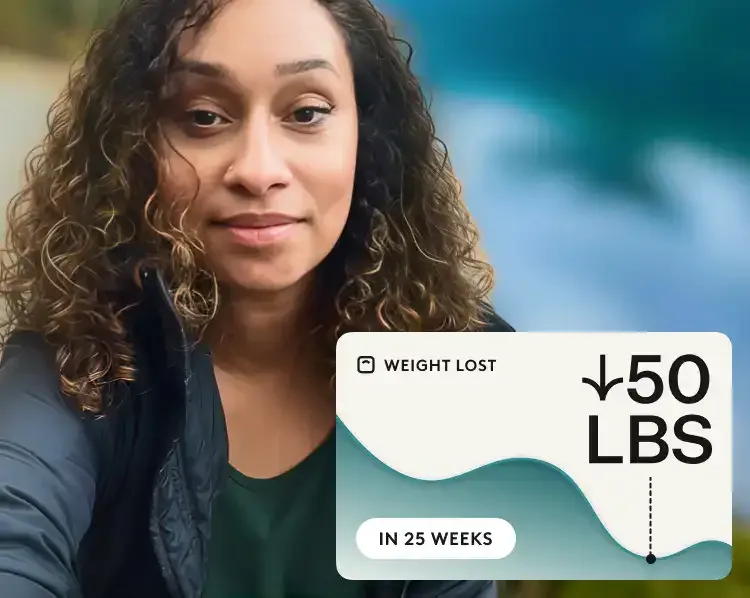
“My favorite parts of Noom are the care team and other Noomers. Sharing and getting help made me feel like I wasn’t doing it alone. That support made all the difference.”
Desirea N. — Real Noom user
Matthew M. — Real Noom user
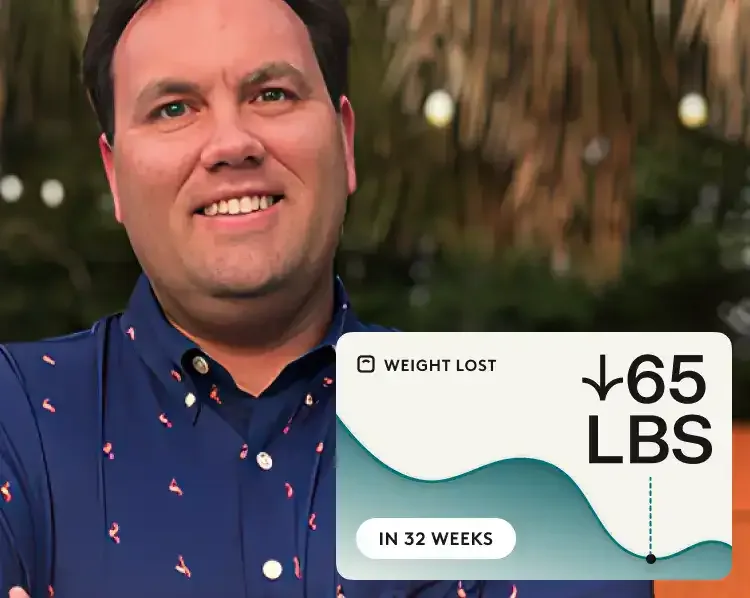
“Noom has taught me that every day is a new chance to make better, healthier choices. It's taught me how to stop overeating.’’
Matthew M. — Real Noom user
Lila M. — Real Noom user
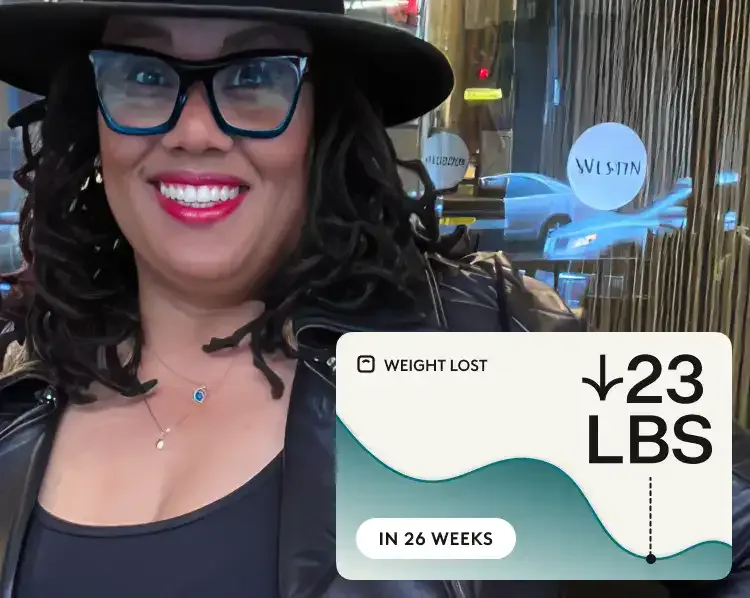
“Clinicians who understand how supportive medication can be is one of the best parts of Noom! I was convinced I wouldn’t have success but I’m down 11 pounds in two months.’’
Lila M. — Real Noom user
Steve M. — Real Noom user
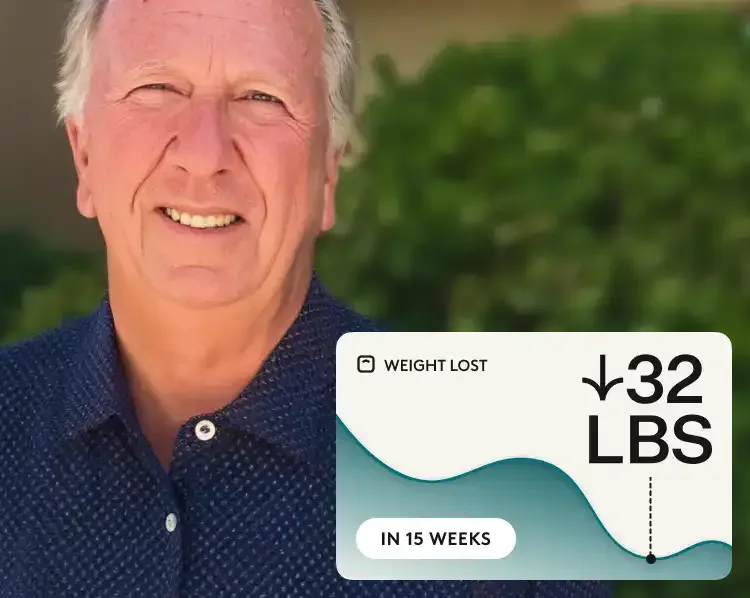
“Noom provided me with the medication which I could not get through Medicare. I have learned the tricks to better eating and life in general.”
Steve M. – Real Noom user
Daisy R. — Real Noom user
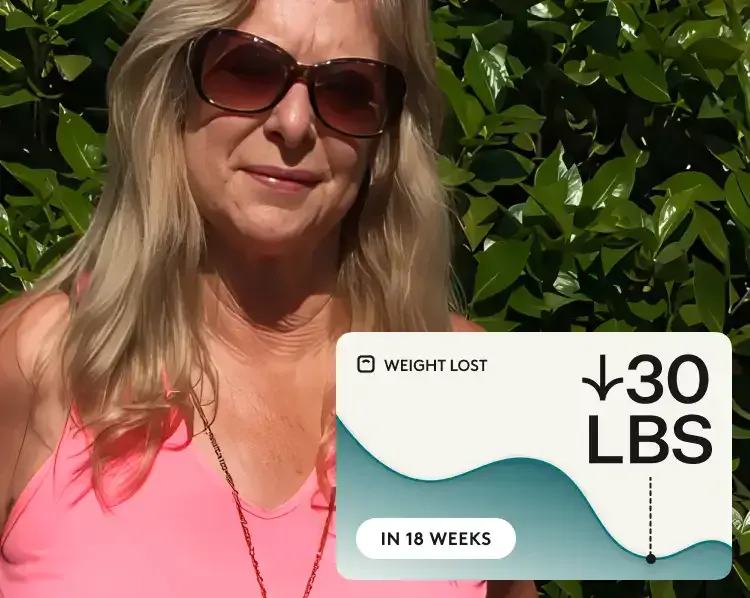
‘’Noom has changed my life and I’m so thankful, I feel great, have more energy and am no longer prediabetic.”
Daisy R. – Real Noom user
Sarah R. — Real Noom user
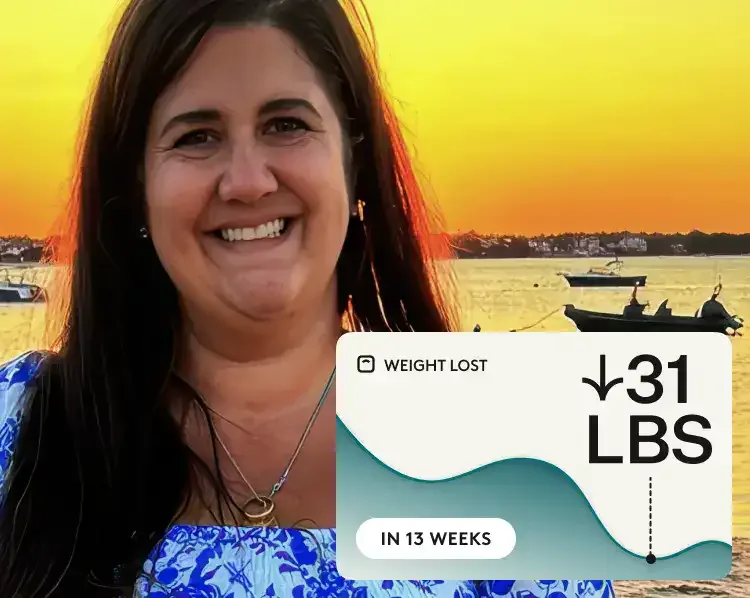
“All of the Noom providers that I’ve met with have been exceptional and prescribed medications that are appropriate for my situation and health.”
Sarah R. – Real Noom user
Madison S. — Real Noom user

“Noom made the process so simple and now I feel full, free from diet obsession, and at ease in my body again.”
Madison S. – Real Noom user
Sonday K. — Real Noom user
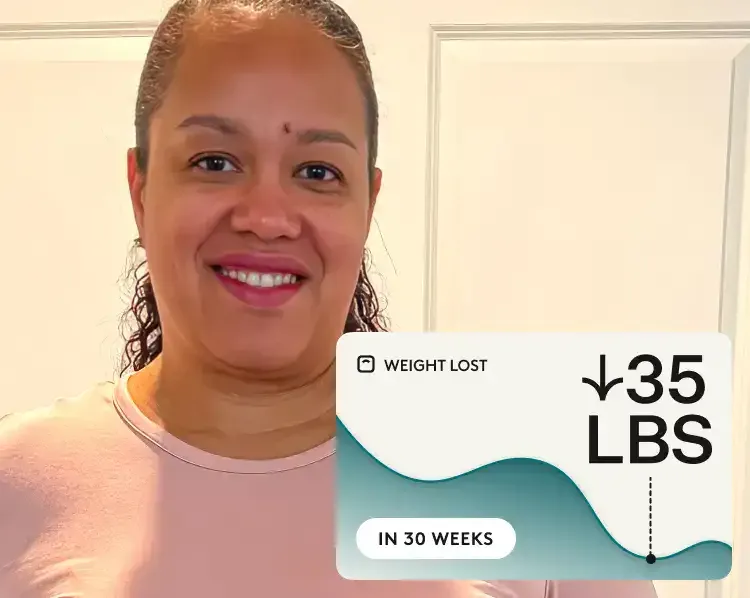
“My doctor recommended Noom after I was frustrated trying to lose weight. The lessons helped change my relationship with food. My body feels lighter & energized.”
Sonday K. – Real Noom user
Cam K. — Real Noom user
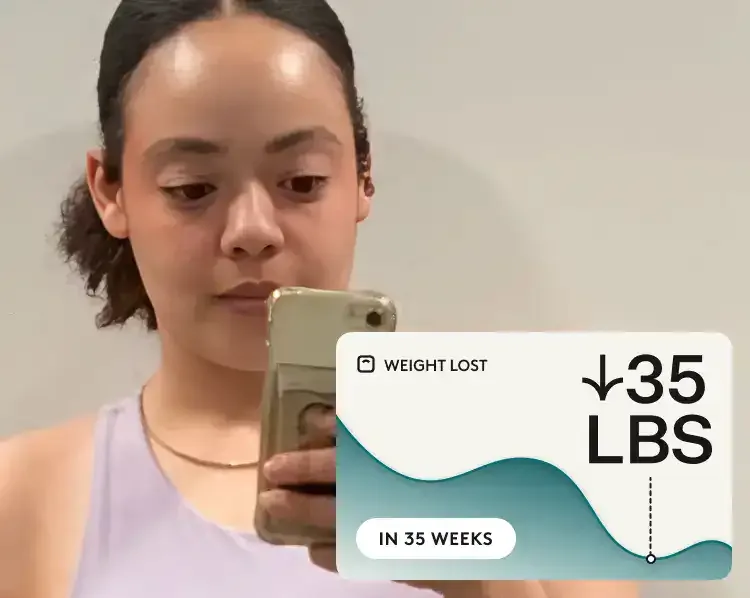
“I built healthy habits with coaching and lessons that make me confident I can maintain my weight loss long term.”
Cam K. – Real Noom user
Laura TR. — Real Noom user
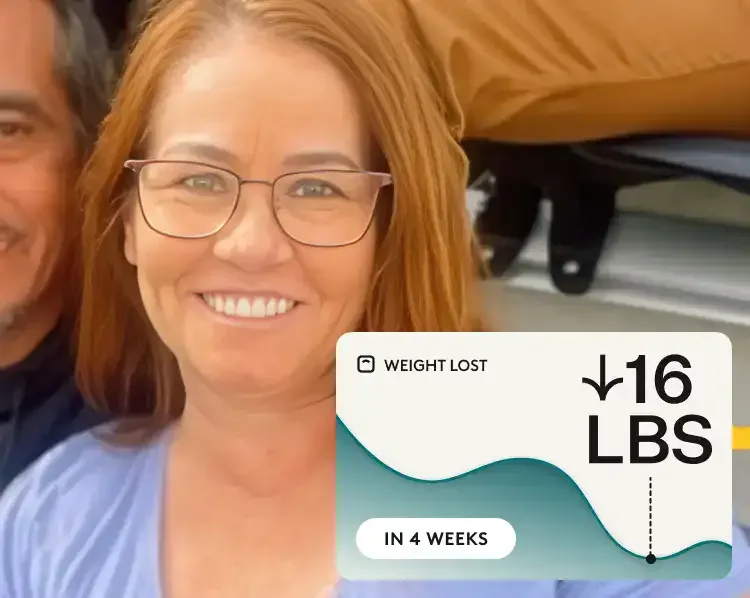
“With the right medication through Noom, hunger and sugar cravings finally quieted and I have the tools to break the cycle.”
Laura TR. – Real Noom user
Jessica S. — Real Noom user
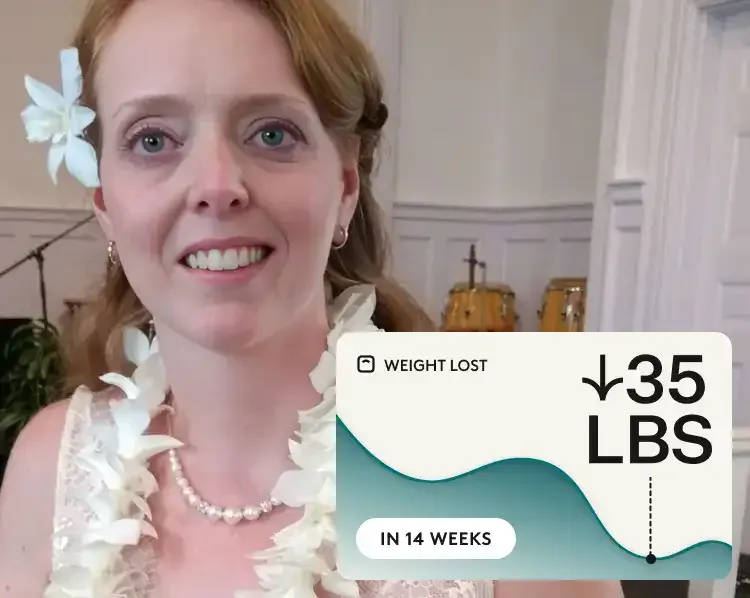
“Cravings and food noise are gone, I finally feel confident in the healthy habits I’ve built to last with Noom.”
Jessica S. – Real Noom user
Your results reflect both short-term choices and long-term habits, from what you ate last week to how consistently you move, sleep, and manage stress over months and years.
By giving you access to convenient, at-home biomarker testing, Noom’s Proactive Health Microdose GLP-1Rx Program empowers you with data, insights, and personalized action plans. The program takes a preventive, whole-health approach, tracking key markers tied to metabolic, cardiovascular, and inflammatory health so you can understand what’s happening beneath the surface and adjust over time. It also includes clinically guided, low-dose GLP-1 support, if prescribed, to help you stay on top of your health in both the short and long term. Combined with Noom’s habit-building support and regular retesting, it’s designed to help improvements show up not only on your next lipid panel, but in how you feel day to day.
Editorial standards
At Noom, we’re committed to providing health information that’s grounded in reliable science and expert review. Our content is created with the support of qualified professionals and based on well-established research from trusted medical and scientific organizations. Learn more about the experts behind our content on our Health Expert Team page.