What you’ll learn:
- The internet’s “pea propaganda” trend is turning inexpensive frozen peas into customizable salads, protein-packed lunches, and easy meals.
- The trend brings together several popular nutrition ideas, including fibermaxxing, high-protein eating, and budget-friendly meal prep.
- Peas provide both protein and fiber, which can help with fullness, but the viral salads aren’t automatically better for weight loss than traditional salads.
The internet has a way of turning one ordinary food into the must-have ingredient for just about everything. Remember when cauliflower was replacing rice, pizza crust, and mashed potatoes? Or when cottage cheese suddenly started showing up in everything from ice cream to bread? Now, frozen green peas are getting their moment in the spotlight, thanks to a trend called “pea propaganda.”
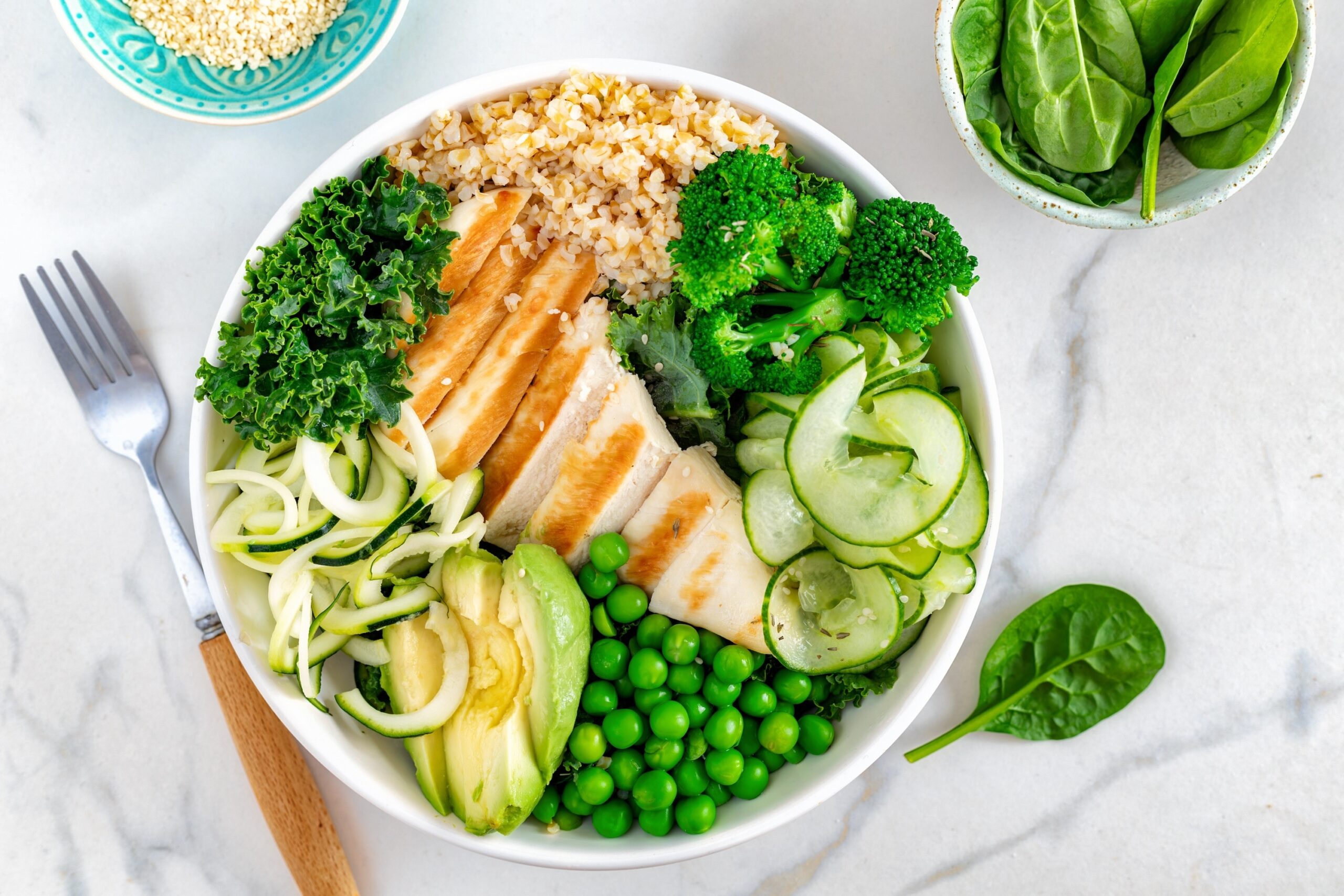
It started with a simple idea: Swap the lettuce in your salad for peas, then pile on ingredients protein and other healthy ingredients. The resulting viral pea salads have taken off on social media, with creators sharing everything from Caesar-inspired combinations to high-protein lunch bowls. And the trend isn’t stopping at salads. People are finding ways to add peas to all kinds of everyday meals.
And peas have more going for them than you might expect. Green peas belong to the legume family, along with beans, lentils, and chickpeas. That helps explain why they provide protein and fiber. Just ½ cup of cooked green peas contains about 4 grams of each.
They’re also inexpensive, convenient, and widely available. Combine them with higher-protein ingredients like chicken or salmon, and you’ve got the foundation for a filling meal.
But does swapping lettuce for peas actually make a salad healthier? Can the combination of protein and fiber help with fullness and weight loss? And are there any downsides to eating large amounts of peas?
Noom’s Most Powerful Program
A dual-pathway GLP-1 and behavior change for lasting results.
We’ll explore how pea propaganda took off, what people are actually making, and how it fits into today’s protein- and fiber-focused food trends. Plus, Maggie Hudspeth, RDN, Senior Manager of Noom Coaching, weighs in on the potential benefits, drawbacks, and how to make this viral trend work for your health and weight-loss goals.
What is pea propaganda? Inside the viral pea salad trend
Pea propaganda is a social media trend that’s turning ordinary green peas into the star of salads, bowls, and quick meals. And much of the credit goes to Raven Ross, a Pilates instructor and wellness creator, who has made spreading the word about peas something of a personal mission.
Ross, who says she eats a bowl of peas every day, has been sharing videos under the hashtag #peapropaganda, showing off her favorite ways to eat them. Her combinations are simple: Think green peas mixed with shredded chicken, salmon, cheese, bacon bits, or whatever dressing she has on hand. Rather than following a complicated recipe, she treats peas as an easy base for a filling meal.
And why call it pea propaganda? Despite the negative associations with the word, it’s meant to be playful. On TikTok, “propaganda” has become a joking way to describe the hype surrounding everything from trendy foods to lifestyle habits. In this case, Ross is essentially running a one-woman campaign to convince people that peas deserve more attention.
Her enthusiasm has caught on. Other creators have started sharing their own versions of the viral pea salad, including Caesar-inspired combinations and Greek- and Mediterranean-style bowls. Some have taken the idea beyond salads altogether, adding peas to snacks and other everyday dishes.
Ross didn’t invent pea salad, but her #peapropaganda videos have helped give this familiar ingredient a new identity: an affordable, convenient way to add protein and fiber to meals without much preparation.
Why is the viral pea salad and pea propaganda trending?
The internet’s love of the viral pea salad and the pea propaganda trend seems to be tapping into something bigger than a newfound love of peas. As interest in protein, fiber, and GLP-1 medications grows, so does the conversation around losing weight in a way that supports overall health. People are looking for foods that help them feel full, provide important nutrients, and fit into everyday life. Peas check several of those boxes.
“What I like about trends like the pea salad and pea propaganda is that they encourage people to think about what they can add to their meals, rather than what they need to cut out,” says Hudspeth. “Foods that provide protein, fiber, and other important nutrients can help make meals more satisfying while supporting overall health. And when those foods are affordable and easy to prepare, they’re much more practical to include regularly.”
Here’s what’s likely driving the green pea propaganda trend:
1. Peas combine two major nutrition trends related to weight loss: Protein and fiber
High-protein eating has been a popular wellness trend for years, with added protein showing up in products like coffee, breakfast foods, and desserts. The growing use of GLP-1 medications has added to the conversation, as people focus on getting enough protein to help maintain muscle during weight loss.
Access GLP-1 Weight Loss with Noom
Explore a wide range of prescription medications supported by Noom’s program.
Microdose GLP-1rx
Noom GLP-1rx
Noom GLP-1rx Plus
Wegovy®
Ozempic®
Metformin
Zepbound®
Mounjaro®
Liraglutide
More recently, fiber has been getting similar attention through the fibermaxxing trend, as people look for ways to support digestion, feel fuller, and potentially manage their weight.
Peas offer both nutrients in one food. A half-cup of cooked green peas has about 4 grams each of protein and fiber—considerably more than the same volume of lettuce.
And when creators combine peas with chicken, salmon, or Greek yogurt, they’re building meals that provide even more protein. For example, a salad with 1 cup of cooked peas and 3 ounces of cooked chicken breast provides approximately 33 grams of protein and 9 grams of fiber, before adding vegetables, cheese, or dressing.
2. It’s another example of an ordinary food getting a wellness makeover
Social media has a way of taking one familiar ingredient and finding ways to put it in just about everything. Cauliflower became a substitute for rice, pizza crust, and mashed potatoes. Chia seeds started appearing in puddings, smoothies, and viral drinks, often promoted for their fiber content and potential weight-loss benefits.
Now peas are getting similar treatment. As pea propaganda catches on, it’s moving beyond viral pea salads, with people finding ways to add peas to pasta, grain bowls, soups, and other everyday meals. Instead of treating them as a vegetable that belongs on the side, the trend encourages people to make peas a regular ingredient in whatever they’re eating.
And that’s part of the appeal. The trend isn’t necessarily about discovering a new superfood. It’s about finding more creative ways to use something that’s already nutritious, inexpensive, and easy to keep on hand.
3. It’s cheap, convenient, and requires almost no cooking
Frozen peas are widely available, typically cost just a few dollars per bag, and last for months in the freezer. They also require almost no prep. There’s nothing to wash, peel, or chop, and they cook well in the microwave.
Some varieties even come in steam-in-bag packaging, so you can microwave them right in the bag. You can also add frozen peas directly to soups, pasta, and other dishes while they’re cooking, letting them heat through without preparing them separately.
For a pea salad, just cook the peas according to the package directions, let them cool, and add ingredients like rotisserie chicken, canned salmon, cheese, chopped vegetables, or dressing. It’s a meal that comes together with very little hands-on cooking.
And because peas hold up better than delicate lettuce, they’re useful for meal prep, too.
Can adding peas to everything help you lose weight?
Peas can be a healthy addition to a weight-loss plan, but eating more of them won’t automatically lead to weight loss. Their biggest advantage is that they provide protein and fiber that can help make meals more satisfying, along with vitamins and minerals like vitamin C, vitamin K, folate, potassium, and manganese that support overall health.
A cup of cooked green peas has about 134 calories, 8.6 grams of protein, and 8.8 grams of fiber. That’s a meaningful amount of fiber for one food, providing about a third of the 25 to 30 grams many adults aim for each day.
Here’s how peas may support weight management:
- They can help you feel fuller. Fiber slows digestion and can help you stay satisfied after eating. Protein also contributes to fullness, so foods that provide both may help make meals more satisfying.
- They can make meals more nutritious. Peas provide vitamins and minerals, including vitamin C, vitamin K, folate, and potassium. These nutrients support overall health, which matters when you’re eating fewer calories to lose weight.
- They can help you build more filling meals. Adding peas to a salad, soup, or bowl can increase its fiber and protein content without requiring a complicated recipe.
“Swapping lettuce for peas changes more than the texture of a salad. A cup of cooked peas has roughly 125 more calories than a cup of lettuce, but it also provides considerably more protein and fiber,” says Hudspeth. “That could make the salad more filling and help you stay satisfied longer, potentially reducing the urge to snack later. For weight loss, the goal isn’t always to choose the lowest-calorie ingredient. It’s to build meals that satisfy your hunger while supporting your overall calorie and nutrition goals.”
The takeaway? Peas aren’t a weight-loss food in the sense that they burn fat or speed up metabolism. But they can help you put together meals that support your nutrition goals and make it easier to feel satisfied while managing your calorie intake.

The Easy Way
to lose weight and get healthy.
What’s in the viral pea salad recipe?
The pea propaganda movement took off with a simple idea: Make peas the base of a salad instead of lettuce. Ross helped popularize combinations of peas, chicken or salmon, cheese, and dressing. Other creators quickly started sharing their own versions.
There’s no single official pea propaganda recipe, but most versions follow the same basic formula:
- Green peas: Cooked and cooled frozen peas form the base.
- Protein: Shredded rotisserie chicken, canned salmon, or another protein source makes the salad more substantial.
- Vegetables: Cucumbers, tomatoes, red cabbage, or whatever you have on hand add crunch and variety.
- Cheese: Parmesan, feta, or another favorite adds flavor.
- Dressing: Anything from Caesar dressing to a simple combination of lemon juice, olive oil, and seasonings can bring it together.
To make your own viral pea salad, cook the peas according to the package directions and let them cool. Combine them with your chosen ingredients, toss with dressing, and serve.
The appeal is that you can adjust the recipe to your preferences and nutrition goals. Adding more vegetables creates variety, while including a lean protein source and healthy fat can help make it a more satisfying meal.
Can you eat too many peas?
For most people, peas are a nutritious food that can be enjoyed regularly. But adding them to every single meal might be a bit much. Even with a food that’s good for you, more isn’t necessarily better, especially when it comes to fiber and digestive comfort. Here are a few things to keep in mind:
- Focusing too much on one food can be problematic. No single ingredient has magical weight-loss powers, and treating any food as something you must eat can lead to rigid food rules and an unhealthy relationship with eating. A balanced diet is built on variety, not eating the same supposedly healthy food at every meal.
- They can cause gas and bloating. Peas contain fiber and fermentable carbohydrates that gut bacteria break down, producing gas. If you’re not used to eating much fiber, suddenly increasing your intake may lead to bloating or discomfort. Start with smaller portions and increase gradually.
- The extras can change the nutrition of a dish. A pea salad made with vegetables, lean protein, and a bit of olive oil and vinegar will have a different calorie and nutrient profile than one with generous amounts of cheese, mayonnaise, or oil. Those ingredients can still fit into a healthy eating plan, but portions matter.
“There’s no need to eat peas constantly to get their benefits,” says Hudspeth. “Enjoy them if you like them, but keep making room for other vegetables, fruits, legumes, healthy fats, and protein sources in your diet.”
How to join the pea propaganda movement (and make it healthy)
One of the best things about pea propaganda is that there’s no single recipe to follow. While making a pea salad is one way, you can be creative. Peas are versatile enough to work in everything from quick lunches to more substantial dinners, and frozen peas make it easy to keep them on hand.
If you’re looking for ways to incorporate them into a weight-loss plan, here are a few ideas:
- Mix them into soups and stews. Add peas during cooking to increase the fiber and protein content. They work especially well in vegetable soups, chicken soups, and brothy dishes.
- Add them to pasta or grain bowls. A half-cup of peas can add color, texture, and nutrients to a meal. Pair them with vegetables and a protein source for a more balanced dish.
- Blend them into a spread or dip. Mash cooked peas with lemon juice, herbs, and a little olive oil for a spread to use on toast or serve with vegetables. Or try mixing mashed peas into avocado or guacamole—a combination that had its own moment as a lighter take on the classic dip.
- Use them to bulk up familiar meals. Stir peas into scrambled eggs, rice dishes, casseroles, or other meals you already make.
You don’t need to add a large serving every time. Starting with a half-cup of cooked peas provides about 4 grams each of fiber and protein, and you can adjust the amount based on your appetite and the rest of your meal.
“One of the most helpful things about a trend like this is that it gives people new ideas for foods they may already have at home,” says Hudspeth. “You don’t need to overhaul your diet to eat more nutritious meals. Small changes, like adding peas to a dish you already enjoy, can be an easy place to start.”
And if you’re taking a GLP-1 medication for weight loss, peas can contribute fiber and some protein, but they shouldn’t replace more concentrated protein sources. Since these medications can also cause digestive side effects, adding fiber gradually may be more comfortable than suddenly eating large amounts.
FAQs about the viral pea salad and pea propaganda
Are peas a vegetable or a legume?
Both! Green peas belong to the legume family, along with beans, lentils, and chickpeas. Nutritionally, they’re also considered a starchy vegetable. That means they provide carbohydrates along with fiber, plant-based protein, vitamins, and minerals.
Are frozen peas as healthy as fresh peas?
Yes. Frozen peas are typically frozen soon after harvesting, helping preserve their nutrients. They’re a convenient, affordable alternative to fresh peas and work just as well in most recipes. Choose plain frozen peas without added sauces or seasonings if you want more control over the ingredients.
Can you eat frozen peas without cooking them?
It’s best to follow the cooking instructions on the package, even if you’re adding the peas to a cold salad. Frozen vegetables aren’t necessarily ready to eat straight from the bag. Cook the peas as directed, then cool them before mixing them into your salad.
Are peas a good source of protein?
Peas contain more protein than many vegetables, with about 9 grams per cooked cup. That’s a useful contribution, but it’s less than you’d get from foods like chicken, fish, eggs, or tofu. For a higher-protein meal, pair peas with another protein source rather than relying on them alone.
Can I use canned peas?
Yes! Canned peas are already cooked, so you can drain and rinse them before adding them to a salad or another dish. They’re convenient and provide protein, fiber, and other nutrients, just like fresh or frozen peas. The main differences are texture and sodium. Canned peas tend to be softer, so they may not hold up as well in a pea salad, and some varieties contain added salt. Look for low-sodium or no-salt-added options, or rinse regular canned peas to help reduce the sodium.
Reviews from real Noom users
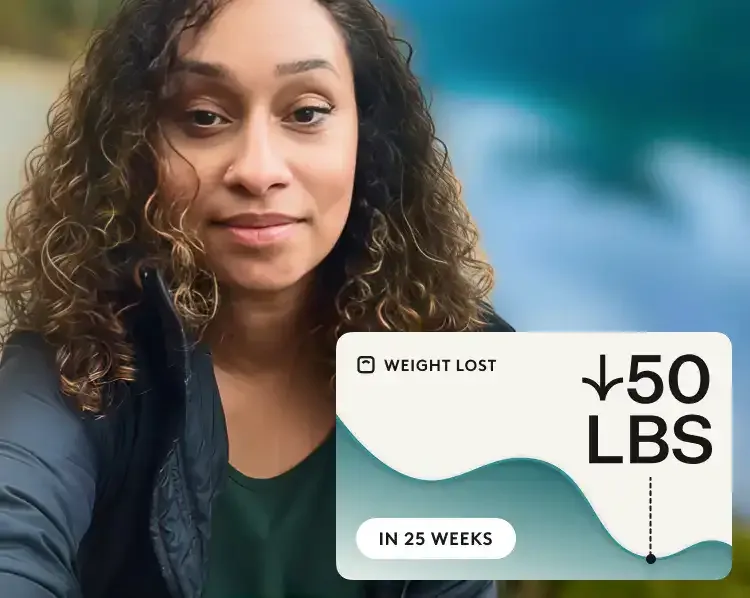
“My favorite parts of Noom are the care team and other Noomers. Sharing and getting help made me feel like I wasn’t doing it alone. That support made all the difference.”
Desirea N. — Real Noom user
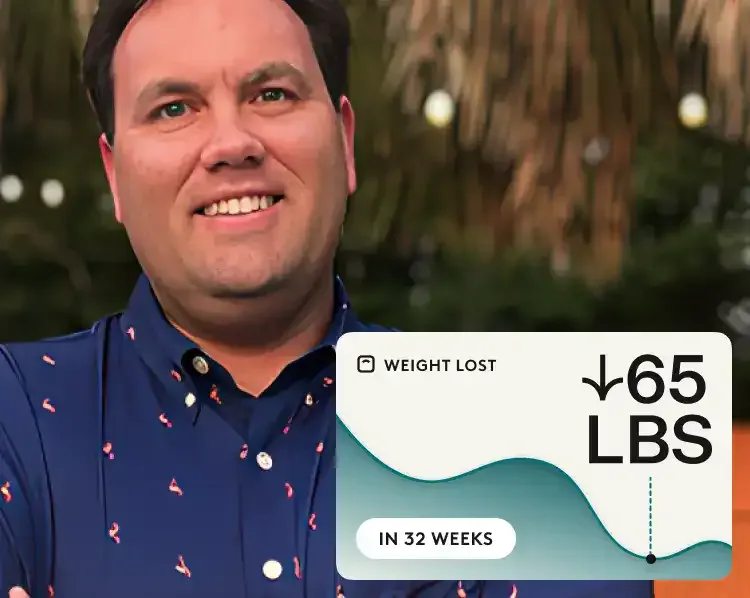
“Noom has taught me that every day is a new chance to make better, healthier choices. It’s taught me how to stop overeating.”
Matthew M. — Real Noom user
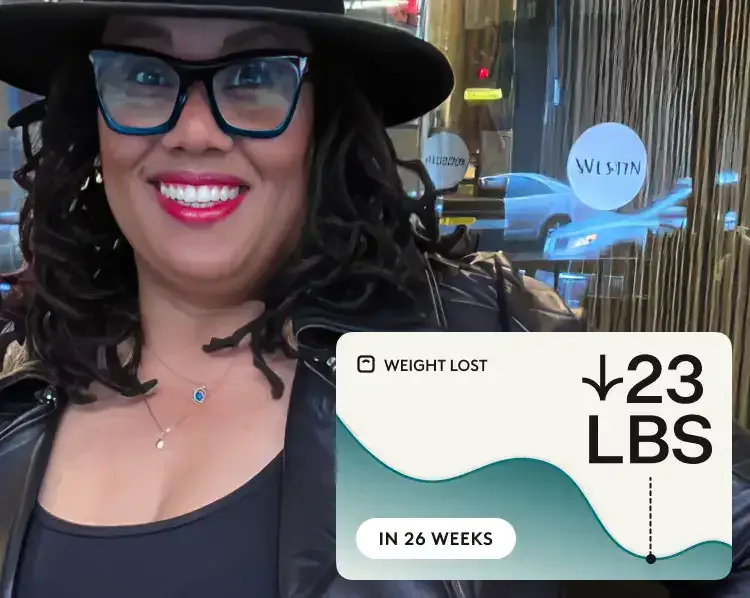
“Clinicians who understand how supportive medication can be is one of the best parts of Noom! I was convinced I wouldn’t have success but I’m down 11 pounds in two months.”
Lila M. — Real Noom user
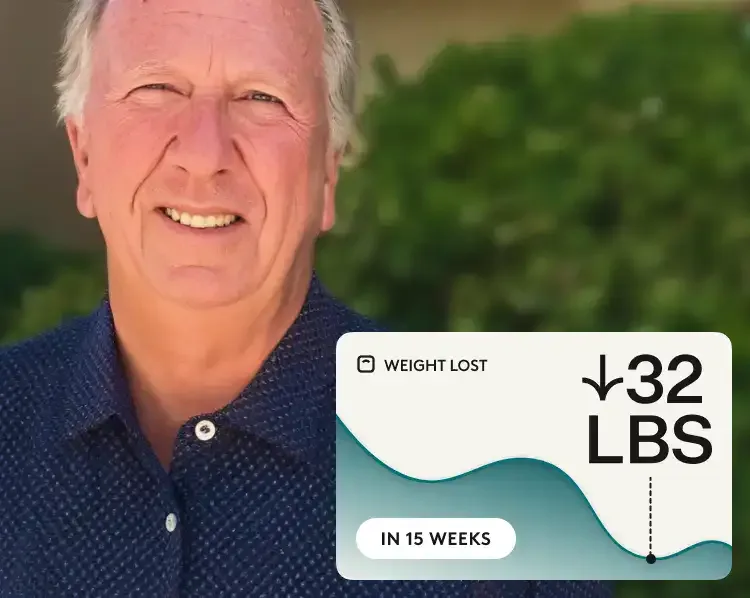
“Noom provided me with the medication which I could not get through Medicare. I have learned the tricks to better eating and life in general.”
Steve M. – Real Noom user
“Noom has changed my life and I’m so thankful, I feel great, have more energy and am no longer prediabetic.”
Daisy R. – Real Noom user
“All of the Noom providers that I’ve met with have been exceptional and prescribed medications that are appropriate for my situation and health.”
Sarah R. – Real Noom user
“Noom made the process so simple and now I feel full, free from diet obsession, and at ease in my body again.”
Madison S. – Real Noom user
“My doctor recommended Noom after I was frustrated trying to lose weight. The lessons helped change my relationship with food. My body feels lighter & energized.”
Sonday K. – Real Noom user
“I built healthy habits with coaching and lessons that make me confident I can maintain my weight loss long term.”
Cam K. – Real Noom user
“With the right medication through Noom, hunger and sugar cravings finally quieted and I have the tools to break the cycle.”
Laura TR. – Real Noom user
“Cravings and food noise are gone, I finally feel confident in the healthy habits I’ve built to last with Noom.”
Jessica S. – Real Noom user
The bottom line: Adding peas to your meals is healthy, but don’t overdo it
Pea propaganda is one viral food trend that deserves some of the attention it’s getting. Green peas are affordable, convenient legumes that provide fiber, plant-based protein, vitamins, and minerals. They can make salads and other meals more filling, and they’re easy to incorporate into foods you already enjoy.
But peas aren’t a weight-loss shortcut. They won’t burn fat or boost your metabolism, and replacing lettuce with peas won’t automatically make a meal healthier. What matters is the overall balance of your meals, including how much protein, fiber, and energy they provide—and whether they leave you feeling satisfied.
“What I like about pea propaganda is that it makes healthy eating feel approachable,” says Hudspeth. “You don’t need expensive ingredients or complicated recipes to make a nutritious meal. Adding peas to a salad or a dish you already enjoy is a small change that can add protein, fiber, and nutrients. And those small, sustainable changes are what can make a real difference over time.”
So, should you join the pea propaganda movement? If it inspires you to experiment with nutritious ingredients and build meals that keep you satisfied, absolutely. Just remember that peas are one part of a healthy eating pattern, not the secret to weight loss.
Want more ways to build satisfying meals and develop healthy habits that last? Noom can help you understand your eating patterns, make informed food choices, and work toward your weight-loss goals without restrictive food rules. Download Noom for free on iOS or Android to get started.
Editorial standards
At Noom, we’re committed to providing health information that’s grounded in reliable science and expert review. Our content is created with the support of qualified professionals and based on well-established research from trusted medical and scientific organizations. Learn more about the experts behind our content on our Health Expert Team page.