What you’ll learn:
- Zepbound® vials are single-dose containers of tirzepatide that you use with a separate needle and syringe.
- Some people choose vials over pens because they can cost less when paying without insurance, although they require more preparation.
- You’ll get the same medication whether you use a vial, a prefilled single-dose pen, or a four-dose KwikPen®.
Zepbound® is one of the most effective weight-loss medications available today, making it a popular choice for people looking to lose weight. But it can also be one of the more confusing options because it has three different ways to take it. Which is available to you will depend on what insurance you have or whether you need to pay cash through the manufacturer.
Zepbound is available as a single-dose pen, a multi-dose pen, and a vial that is used with a syringe. People with standard insurance coverage will use the single-dose pen. Those who qualify for the Medicare GLP-1 Bridge Program will use the multi-dose pen, also called a KwikPen®. But those who are buying through LillyDirect can choose single-dose vials or the KwikPen®.
If you’re trying to decide between the vial and the KwikPen, let’s go through what to expect, how to use it, whether it changes the experience, and what you should know about safety and the best injection spots.
What is Zepbound®—and how is it used?
Zepbound® is a brand name for the active ingredient tirzepatide. Many people are prescribed it for weight loss because it lowers appetite, slows digestion, and regulates blood sugar. (It’s also approved to treat obstructive sleep apnea (OSA).) It’s injected once per week.
People start at the lowest dose, and it’s increased every 4 weeks, or longer depending on side effects and response, until you reach the dose that works best for you or the maximum dose.In clinical trials, people taking the highest approved dose (15 mg) lost an average of about 21% of their body weight over 72 weeks, with somewhat lower average results at lower doses — about 15% at 5 mg and 19.5% at 10 mg.
Noom’s Most Powerful Program
A dual-pathway GLP-1 and behavior change for lasting results.
Learn more: Zepbound® results: How much weight can you lose month to month?
What are Zepbound® vials?
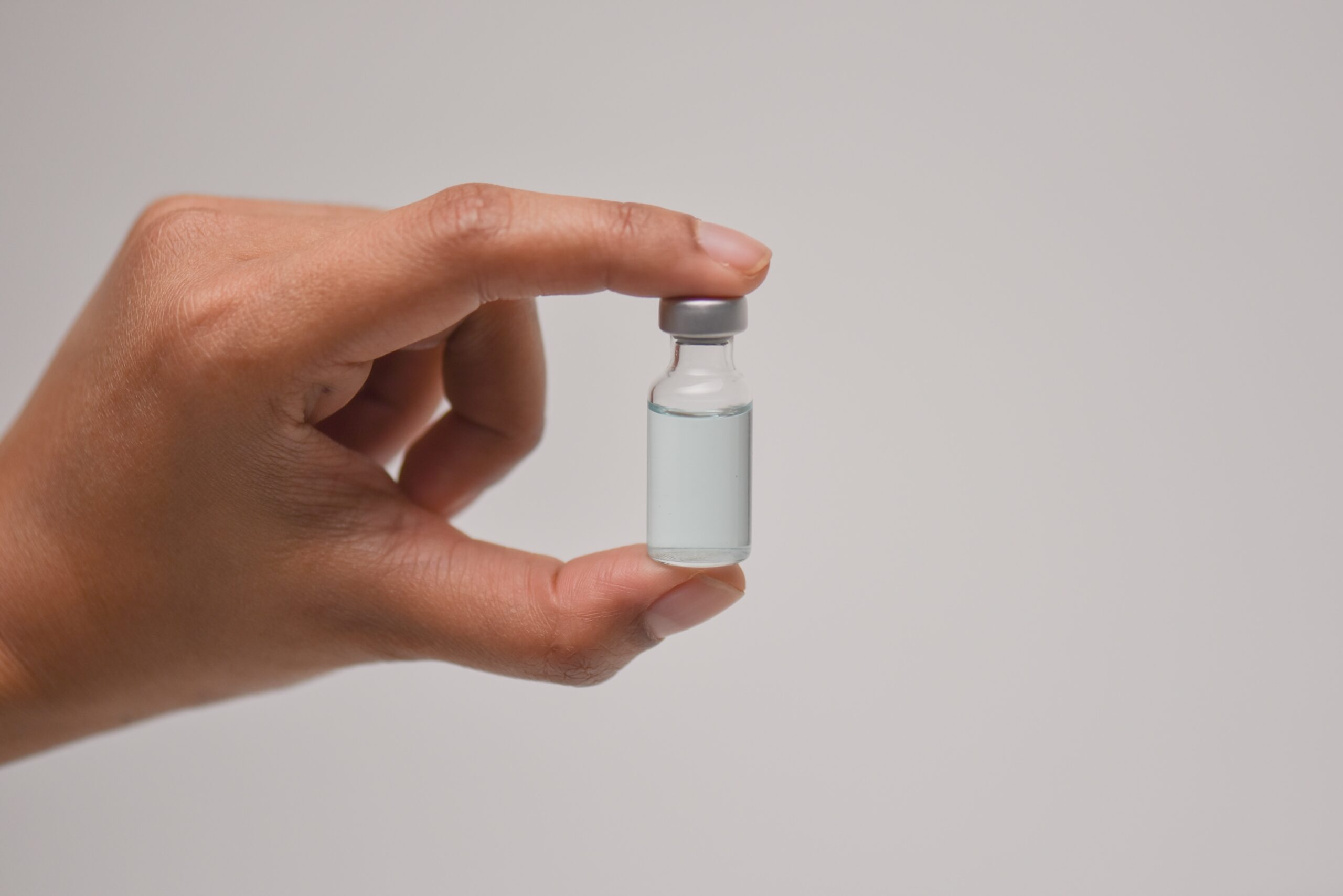
Zepbound® vials are small glass containers that each hold one weekly dose of tirzepatide. Unlike the prefilled single-dose pen or KwikPen, Zepbound® vials don’t come with built-in needles. You’ll need to purchase the appropriate needles and syringes separately, then draw the medication from the vial before each injection.
There’s no measuring; each vial contains a single dose. The main differences are how you prepare the injection, where you buy it, and how you pay for it.
Single-dose vials and prefilled pens are available in all six Zepbound® strengths:
- 2.5 mg (starting dose)
- 5 mg
- 7.5 mg
- 10 mg
- 12.5 mg
- 15 mg (maximum approved dose)
Your provider will follow the standard dose escalation process of the other Zepbound® forms. Treatment starts with 2.5 mg once weekly for four weeks. If you’re tolerating side effects and your provider agrees, you’ll increase by 2.5 mg after a minimum of four weeks.
This gradual schedule gives your body time to adjust and can help reduce digestive side effects. If needed, you can stay at a dose longer to give yourself time to adjust. You won’t necessarily need to reach 15 mg: your maintenance dose depends on how well the medication works for you and how well you tolerate it.
Learn more: Zepbound®: How to find the right dose for weight loss
Why do some people choose Zepbound® vials?
There are several reasons someone might choose Zepbound® vials instead of the single-dose pens:
- Potentially lower out-of-pocket cost: For people paying without insurance, Zepbound® vials may offer a lower-cost way to access brand-name Zepbound®. Pricing varies by dose and how you purchase it, so we’ll break down the costs—and how they compare with the pens—below.
- Preference for a traditional syringe: Some people may simply prefer drawing up and injecting medication themselves rather than using an auto-injector.
- Discomfort with auto-injectors: Someone who dislikes the spring-loaded mechanism or sound of an injection pen might prefer a syringe.
- More control over the injection process: With a syringe, you control when and how quickly the needle is inserted and the medication is injected.
- Availability: Depending on supply, insurance coverage, or pharmacy access, the vial may sometimes be a practical way to obtain the prescribed dose.
The tradeoff is convenience. Unlike the pens, vials require you to have the correct supplies, draw up the prescribed dose, inject it with a syringe, and safely dispose of the needle and syringe afterward.
What do Zepbound® vials cost?
Zepbound® single-dose vials available through LillyDirect®. Zepbound® vials start at $299 for a 28-day supply. Needles and syringes aren’t included in that price; an injection-supply kit is currently available for an additional $5 at checkout. The price of the medication increases with the dose:
Access GLP-1 Weight Loss with Noom
Explore a wide range of prescription medications supported by Noom’s program.
Microdose GLP-1rx
Noom GLP-1rx
Noom GLP-1rx Plus
Wegovy®
Ozempic®
Metformin
Zepbound®
Mounjaro®
Liraglutide
| Dose | LillyDirect® self-pay price |
|---|---|
| 2.5 mg | $299 per month |
| 5 mg | $399 per month |
| 7.5 mg | $449 per month* |
| 10 mg | $449 per month* |
| 12.5 mg | $449 per month* |
| 15 mg | $449 per month* |
*For the 7.5 mg, 10 mg, 12.5 mg, and 15 mg doses, the $449 price is available through the Zepbound® Journey Program when you refill within 45 days of your previous delivery. If you miss that window, Lilly lists regular prices of $499 for 7.5 mg and $699 for the 10 mg, 12.5 mg, and 15 mg doses. Eligibility requirements, limits, taxes, and other terms may apply.
Does the Medicare GLP-1 Bridge program cover Zepbound® vials?
No. The Zepbound® KwikPen® is the only Zepbound® format included in the Medicare GLP-1 Bridge program. Eligible Medicare Part D enrollees pay a flat $50 monthly copay for the KwikPen®, regardless of dose. Zepbound® single-dose vials and single-dose pens aren’t included in the Bridge program.
If you have Medicare and take Zepbound® for obstructive sleep apnea, coverage may instead be available through your regular Part D plan, depending on its rules and covered-drug list.
Read more: What to know about the Medicare GLP-1 Bridge program
You can also use Noom’s insurance checker to get a better idea of what you may pay through your plan.
Zepbound® vials: Tips for use and choosing an injection site
Using a Zepbound® vial takes a little more preparation than using a prefilled injection pen because you’ll need to draw the medication into a syringe yourself. It might feel like a lot of steps at first, but your healthcare provider will show you how to prepare and inject your dose before you use a vial for the first time.
Always follow the official instructions for use included with your medication, even if you’ve used another injectable medication before. Here’s an overview of what the process looks like:
Here are the basic steps for using Zepbound® vials:
- Gather your supplies. You’ll need one Zepbound® single-dose vial, a new needle and syringe recommended by your healthcare provider, an alcohol swab, gauze, and a sharps container. Needles and syringes aren’t included with the vials.
- Check the vial. Confirm that the medication, dose, and expiration date are correct. The liquid should be clear and colorless to slightly yellow. Don’t use it if it has been frozen, looks cloudy or discolored, or contains particles.
- Wash your hands and choose an injection site. Wash your hands, then decide where you want to inject. Options include the abdomen or thigh (or have another person inject into the back of the upper arm). Clean the area with an alcohol swab and let it dry completely.
Read more: Choosing Zepbound® injection sites - Prepare the vial. Remove the plastic cap, but leave the rubber stopper in place. Clean the stopper with an alcohol swab.
- Prepare the syringe. Attach the needle securely and draw 0.5 mL of air into the syringe. Push the needle through the rubber stopper and inject the air into the vial.
- Draw up the medication. Turn the vial and syringe upside down, keep the needle tip in the liquid, and draw the medication. Tap out any air bubbles, then slowly push the plunger until its tip lines up with 0.5 mL.
- Inject the dose. Insert the needle into your skin and push the plunger all the way down. Keep the needle in place for at least five seconds to help make sure you receive the full dose.
- Remove the needle.
- Dispose of everything safely. Put the used needle and syringe into an FDA-cleared sharps container. Throw away the opened vial after the injection, even if a small amount of liquid remains. Don’t reuse or share vials, needles, or syringes.
What’s the best injection site for Zepbound® vials?
There are three areas of the body to choose from, but the best spot for you comes down to personal preference and comfort. Zepbound® can be injected under the skin of the:
- Abdomen: Stay at least 2 inches from your belly button.
- Thigh: Use the upper front portion.
- Upper arm: Another person should inject into the back of your upper arm.
A study found that a person gets the same amount of tirzepatide when using all three sites, so no location is expected to produce better weight loss results.
Choose the area that is easiest to reach and most comfortable for you. The abdomen and thigh are often the simplest for self-injection, while the upper arm usually requires help.
No matter which one you choose, rotate the exact injection spot each week, and avoid skin that is irritated, bruised, scarred, or tender.
Read more: Zepbound® injection sites
Zepbound® vial troubleshooting: Common issues
Minor injection-site reactions can happen when using Zepbound® vials. These may include brief stinging, mild redness or tenderness, light bruising, a small lump, or a tiny drop of blood after the needle is removed. They should improve fairly quickly. Rotating injection sites and letting the alcohol dry before injecting may help limit irritation.
Contact your healthcare provider if redness, swelling, pain, or a lump worsens or doesn’t go away. Warmth, pus, fever, spreading redness, or increasing tenderness could indicate an infection. Get immediate medical help for trouble breathing or swallowing, swelling of the face or throat, severe hives, fainting, or other signs of a serious allergic reaction.
Noom’s Most Powerful Program
A dual-pathway GLP-1 and behavior change for lasting results.
Here’s what to do if something goes wrong during your injection:
- Medication leaks or you aren’t sure you received the full dose: Don’t inject another dose. Contact your healthcare provider or Eli Lilly for guidance.
- The syringe or needle doesn’t work properly: Don’t try to repair or reuse it. Dispose of it safely and use new supplies. If you’re unsure whether medication was injected, contact your healthcare provider before taking further action.
- You inject into the wrong area: Zepbound® should be injected under the skin of the abdomen or thigh, or into the back of the upper arm with another person’s help. Contact your provider if you think it went into a muscle, vein, or unapproved area.
- You miss your usual injection day: According to the prescribing information, take the missed dose within four days. If more than four days have passed, skip it and take your next dose on the regularly scheduled day. Keep at least three days between doses if you change your weekly injection day.
Always follow the official vial instructions and ask your healthcare provider for help if an injection problem keeps happening.
Zepbound® vials: Safe storage tips
Zepbound® vials are usually stored in the refrigerator, but they can stay at room temperature for a limited time if needed. Here are the most important things to remember:
- Keep unopened vials refrigerated: Store them at 36°F to 46°F (2°C to 8°C) in their original carton to protect them from light.
- Never freeze Zepbound®: Don’t use a vial that has been frozen.
- Room temperature is okay for up to 21 days: If needed, an unopened vial can be kept at room temperature up to 86°F (30°C) for a total of 21 days. Once you take it out of the refrigerator, don’t put it back.
- Keep track of how long it’s been out: Throw away an unrefrigerated vial after 21 days, even if you haven’t used it. Traveling with your medication? Learn more about traveling with Zepbound®.
- Use each vial only once: Throw it away after your injection, even if there’s medication left inside.
- Keep medication and supplies safely stored: Keep Zepbound® vials, needles, syringes, and other injection supplies out of the reach of children.
Not sure whether a vial is still okay to use? If it got too warm, was left out longer than recommended, or you’re unsure how it was stored, check with your pharmacist, healthcare provider, or Lilly before using it.
Zepbound® vials vs. KwikPen®: How to choose between them
If you’re deciding between Zepbound® vials and the KwikPen®, the medication and weekly dosing are the same—the biggest differences are how you prepare and inject your dose, how many doses come in each container, and what you’ll pay. Both options are available in all six Zepbound® strengths and require you to purchase needles separately. A vial contains one weekly dose, while a KwikPen® contains four. You’ll use a new vial each week, while you’ll keep the same KwikPen® for four weekly doses.
| Factor | Zepbound® single-dose vial | Zepbound® KwikPen® |
|---|---|---|
| Doses per unit | One weekly dose per vial | Four weekly doses in one pen |
| Needle | Needle and syringe, purchased separately | Compatible pen needle, purchased separately |
| Preparing the dose | Draw medication from the vial into a syringe | Attach a new needle and dial the pre-set dose |
| After the injection | Discard the needle, syringe, and opened vial | Remove and discard the needle; keep the pen for the remaining doses |
| Room-temperature storage | Up to 21 days before use; discard immediately after opening and injecting | Up to 30 days; discard 30 days after first use or after four doses |
FAQs about Zepbound® vials
Can I choose Zepbound® vials if I have insurance?
Yes. You can choose Zepbound® vials even if you have insurance, but the vials are a cash-pay option through LillyDirect®, so your insurance won’t be billed for them.
If you have commercial or employer-based insurance that covers Zepbound® single-dose pens, you may qualify for the Zepbound® Savings Card and pay as little as $25 for a one-, two-, or three-month prescription, depending on eligibility and program limits, up to a $1,300 annual cap. That offer applies to the pens, not the vials.
If you have Medicare Part D, there’s another option to compare. Eligible people may be able to get the Zepbound® KwikPen® for $50 per month through the Medicare GLP-1 Bridge program. The single-dose vials aren’t covered through this program.
If you have Medicaid or another government-funded health plan, you aren’t eligible for the commercial Zepbound® Savings Card. Coverage and costs can vary by program and state, so check your plan to see what Zepbound® options are available to you.
Before choosing the vials, compare the cash price with what you’d pay for another Zepbound® format through your insurance or a program you qualify for.
Learn more: Zepbound® costs with and without insurance coverage
Where can I buy tirzepatide vials?
Zepbound® single-dose vials are available exclusively through LillyDirect® with a valid prescription, but that doesn’t mean there’s only one way to get them. You can ask your current healthcare provider to prescribe the vials or use Noom Med, which can send your prescription to LillyDirect®. If you don’t have a provider, LillyDirect® can also connect you with independent virtual or in-person care.
LillyDirect® now works with a network of pharmacy partners to fill prescriptions, making it easier to choose how you get your medication. Zepbound® vials can be delivered to your home for free, or you can choose free pickup at participating pharmacies. You’ll still get LillyDirect® cash pricing either way.
How much is in one Zepbound® vial?
Each Zepbound® single-dose vial contains 0.5 mL of liquid, enough for one injection. The amount of tirzepatide in that liquid depends on your prescribed strength: 2.5 mg, 5 mg, 7.5 mg, 10 mg, 12.5 mg, or 15 mg.
Are Zepbound® vials cheaper than the pens?
They can be. If you’re paying cash, the vials may be a less expensive way to get Zepbound®. But if your insurance covers Zepbound® and you qualify for the Savings Card, you could pay less for the pens.
The easiest way to compare is to look at what you’d actually pay for each option—not just the list price.
Is the medication in Zepbound® vials the same as in the pens?
Yes. Both contain tirzepatide and come in the same Zepbound® dose strengths. The biggest difference is how you take them. With a vial, you draw the medication into a syringe yourself; with the single-dose pen, the medication is already measured and ready to inject.
Do Zepbound® vials come with needles and syringes?
No. You’ll need to buy needles and syringes separately. Your healthcare provider or pharmacist can tell you which supplies to get and show you how to use them.
Can I switch from Zepbound® pens to vials?
Yes, your healthcare provider can prescribe the vial instead of the pen if it makes sense for you. Since the way you prepare and inject the medication is different, make sure you know how to use the vial before your first dose.
Do Zepbound® vials need to be refrigerated?
Yes. Keep unopened Zepbound® vials in the refrigerator at 36°F to 46°F (2°C to 8°C). If needed, you can keep a vial at room temperature up to 86°F (30°C) for up to 21 days. Once it’s been stored at room temperature, don’t put it back in the refrigerator.
Can I save what’s left in a Zepbound® vial?
No. Each vial is meant for one injection. Throw it away after your dose, even if you can still see a little medication inside. Don’t save leftover medication or combine medication from different vials.
Reviews from real Noom users
“My favorite parts of Noom are the care team and other Noomers. Sharing and getting help made me feel like I wasn’t doing it alone. That support made all the difference.”
Desirea N. — Real Noom user
“Noom has taught me that every day is a new chance to make better, healthier choices. It’s taught me how to stop overeating.”
Matthew M. — Real Noom user
“Clinicians who understand how supportive medication can be is one of the best parts of Noom! I was convinced I wouldn’t have success but I’m down 11 pounds in two months.”
Lila M. — Real Noom user
“Noom provided me with the medication which I could not get through Medicare. I have learned the tricks to better eating and life in general.”
Steve M. – Real Noom user
“Noom has changed my life and I’m so thankful, I feel great, have more energy and am no longer prediabetic.”
Daisy R. – Real Noom user
“All of the Noom providers that I’ve met with have been exceptional and prescribed medications that are appropriate for my situation and health.”
Sarah R. – Real Noom user
“Noom made the process so simple and now I feel full, free from diet obsession, and at ease in my body again.”
Madison S. – Real Noom user
“My doctor recommended Noom after I was frustrated trying to lose weight. The lessons helped change my relationship with food. My body feels lighter & energized.”
Sonday K. – Real Noom user
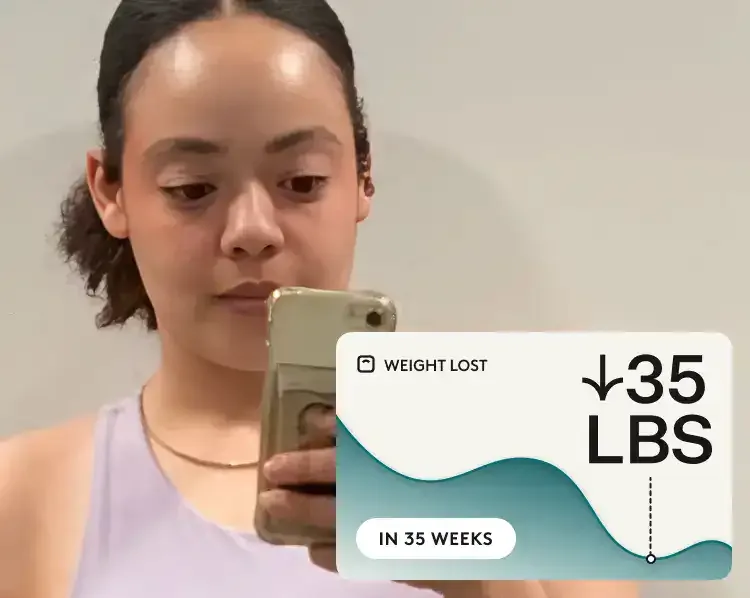
“I built healthy habits with coaching and lessons that make me confident I can maintain my weight loss long term.”
Cam K. – Real Noom user
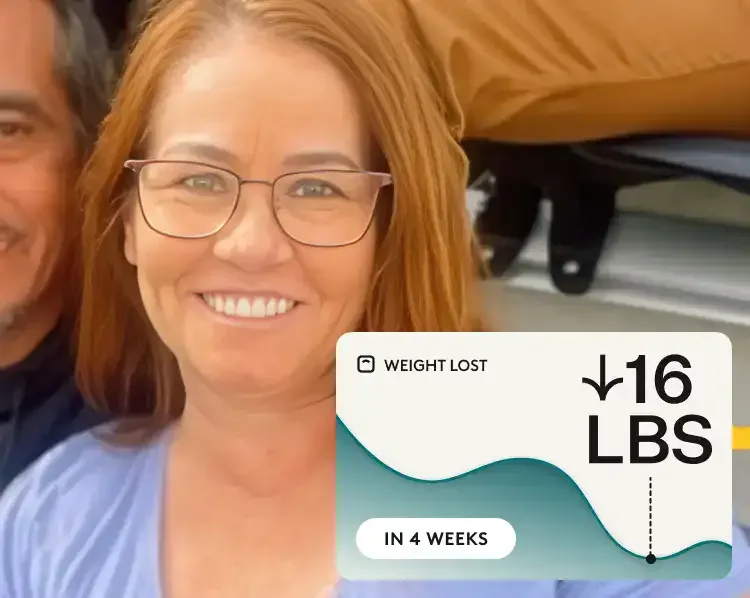
“With the right medication through Noom, hunger and sugar cravings finally quieted and I have the tools to break the cycle.”
Laura TR. – Real Noom user
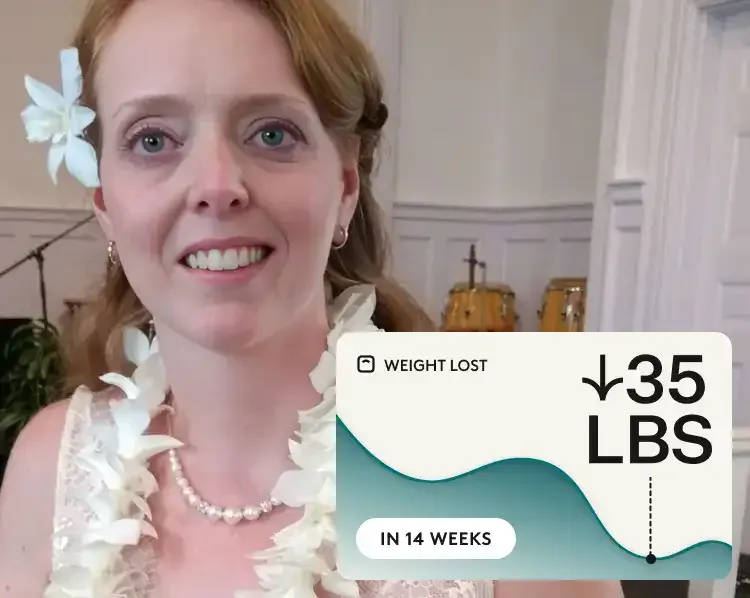
“Cravings and food noise are gone, I finally feel confident in the healthy habits I’ve built to last with Noom.”
Jessica S. – Real Noom user
The bottom line: Zepbound® vials are a single-dose option through Lilly Direct
Zepbound® vials give you another way to access the same once-weekly tirzepatide used in the pens. The medication, available doses, and expected effects are the same—the biggest differences are how you inject it, where you get it, and what you pay.
If you’re paying cash, the vials can be one of the more affordable ways to get brand-name Zepbound through LillyDirect®. If you have commercial insurance or Medicare Part D, another format may cost less, so it’s worth comparing all of your options before deciding.
The vials do require a little more hands-on work: You’ll need needles and syringes, you’ll draw up each dose yourself, and you’ll need to safely dispose of your supplies afterward. But if you’re comfortable with those extra steps, the vial can be a straightforward alternative to an injection pen.
Ultimately, the best Zepbound® format is the one that works with your coverage or budget and feels manageable to use every week. Your healthcare provider can help you compare your options and make sure you know how to use whichever version you choose.
If you’re wondering whether Zepbound® or another GLP-1 medication is right for you, see if you qualify for Noom Med. You’ll be connected with a clinician who can help determine which medication and delivery system may fit your needs and prescribe it if appropriate. You’ll also have access to support for managing side effects and building healthy habits that last.
Editorial standards
At Noom, we’re committed to providing health information that’s grounded in reliable science and expert review. Our content is created with the support of qualified professionals and based on well-established research from trusted medical and scientific organizations. Learn more about the experts behind our content on our Health Expert Team page.