

What you’ll learn:
- Retatrutide isn’t FDA-approved yet, but Eli Lilly has launched a limited early access program for some people.
- The program uses the FDA’s expanded access pathway to provide investigational drugs in rare, case-by-case situations.
- People must meet strict eligibility criteria, and their clinician must submit the request on their behalf.
Retatrutide has been one of the most closely watched GLP-1 medications in development since early trial results started showing weight loss beyond anything else on the market. It’s Eli Lilly’s experimental triple hormone receptor agonist, meaning it targets three separate pathways—GLP-1, GIP, and glucagon—the first of its kind. For most of that time, the drug’s story has been “wait for approval,” expected sometime in 2027 or 2028. That changed this summer.
On August 3, 2026, Eli Lilly confirmed it will let a limited number of people apply for retatrutide before the FDA approves it. The move follows reporting from STAT six weeks earlier that a single 79-year-old patient had already received the drug this way.
This is promising for retatrutide’s future, but the pathway itself is narrow. It’s only for a small group of people who meet specific medical criteria and have no other option. Those who qualify will apply through their clinician via an expanded-access program Eli Lilly is now accepting requests for. But meeting the criteria still doesn’t guarantee an application gets approved.
Let’s go through what retatrutide “early access” actually means, who can realistically qualify, how the application process works, and what retatrutide has shown in clinical trials so far. With input from Dr. Ameen Masoodi, MD, a board-certified physician in family and obesity medicine.
Quick reference: do you meet the criteria?
| Criterion | What it means in practice |
|---|---|
| Age | 18 or older |
| Refractory obesity | BMI of 35+ despite adherence to and tolerance of the highest available dose of an approved obesity therapy |
| Complications | At least two serious or life-threatening obesity-related complications currently being treated |
| Trial ineligibility | Unable to enroll in an ongoing trial of retatrutide or a comparable investigational drug |
Read more about retatrutide:
- Retatrutide side effects and safety: What early research shows so far
- Retatrutide dosing: What we know from early clinical trials
- What is a GLP-3? Retatrutide’s popular nickname explained
- Retatrutide vs. tirzepatide: Which one works best for weight loss?
- Retatrutide vs. semaglutide: How do they compare for weight loss?
What is retatrutide—and how much weight can you lose?
If you aren’t familiar with what retatrutide is, it’s a GLP-1 medication that Eli Lilly, the maker of Zepbound® and Mounjaro®, has in trials. While it’s best known for its weight loss results, Eli Lilly is also studying it for type 2 diabetes, knee osteoarthritis pain, obstructive sleep apnea, and a handful of other obesity-related conditions.
It’s also one of the most closely watched drugs in development because of how it works. It’s a triple agonist, meaning it targets three hormone pathways instead of one or two. Wegovy® (semaglutide) mimics GLP-1 alone, while Zepbound® (tirzepatide) targets a second pathway, GIP, which works alongside GLP-1 on appetite and insulin release. Retatrutide goes a step further by also targeting glucagon, a pathway that may increase energy use and affect how the body processes fat. Researchers are still studying how much this pathway contributes to the drug’s weight-loss effects.
Retatrutide is still running through Phase 3 trials. It has shown promise but doesn’t have FDA approval and is unavailable—which is exactly what makes this summer’s early access news such a shift.
What it does have is trial results that explain the excitement. In Lilly’s Phase 3 TRIUMPH-1 trial, people assigned to the highest retatrutide dose lost about 25% of their starting weight on average after 80 weeks. This calculation included everyone assigned to the treatment, including people who stopped taking it during the study. Among participants estimated to remain on treatment, the average was 28.3%.
For comparison, using that same everyone-included measure, Zepbound’s (tirzepatide) pivotal trial showed about 21% average weight loss at 72 weeks, and Wegovy’s (semaglutide) showed about 18% for Wegovy HD (7.2 mg), its highest dose.
Learn more: What is retatrutide? Early tests suggest it may be the strongest GLP-1 yet
What does “early access” for retatrutide actually mean?
The FDA calls this pathway “expanded access.” It exists for people with a serious or life-threatening condition who have no comparable approved therapy and can’t get into a clinical trial. Essentially, the possible benefit has to justify the risk, and providing the drug can’t interfere with its development.
It’s not a clinical trial itself, and it’s not a pharmacy prescription. It’s a case-by-case exception the FDA can allow when a drug company agrees to provide an unapproved medication outside of research.
“The simplest way to think about expanded access is that it’s a safety valve,” says Dr. Masoodi. “For someone with a serious medical condition who’s run out of approved options and can’t enroll in a clinical trial, it creates a narrow path to request an investigational treatment before it’s officially approved.”
This pathway isn’t new, and it isn’t unique to retatrutide. The modern version of it took shape during the AIDS crisis in the 1980s, when patient advocates pushed the FDA to speed access to experimental HIV treatments, and it’s since been used for everything from cancer drugs to rare-disease treatments. It’s also more familiar than you might think: President Trump used the same pathway in 2020 to receive Regeneron’s experimental monoclonal antibody cocktail for COVID-19, before that treatment was authorized.
In June, STAT reported that Lilly had given a single person — a 79-year-old whose identity was never disclosed — access to retatrutide through this pathway, reportedly at the request of a senior clinician. Lilly had granted access to one person with no public criteria, and that drew scrutiny over how the decision was made. After doctors started asking Lilly for the same option for their own patients and getting no response, the company formalized a broader program.
Who qualifies for retatrutide early access? The eligibility criteria
So who is this actually for? Lilly’s program comes with four specific, public requirements. Meeting them doesn’t guarantee access, but they’re a fast way to tell whether this path is even worth raising with your clinicians. Lilly told STAT that people have to meet all four:
- Age 18 or older.
- Refractory obesity—a BMI of 35 or higher despite adhering to and tolerating the highest available dose of an approved obesity therapy. In practice, that often means someone has already maxed out a medication like tirzepatide (Zepbound) with insufficient results, though Lilly’s language doesn’t name a specific drug.
- At least two serious or life-threatening obesity-related complications you’re currently being treated for—think severe sleep apnea, pulmonary hypertension, advanced NASH, or cardiovascular disease.
- Unable to enroll in an ongoing trial of retatrutide or a comparable investigational drug, whether that’s because you don’t meet a trial’s criteria or there’s no accessible site nearby.
Lilly also expects standard treatment options, including bariatric surgery, to have already been discussed with you through shared decision-making with your doctor. These criteria are specific to retatrutide, but they sit on top of Lilly’s general expanded access policy, which lays out the same core principles the company applies to any investigational medicine: a serious or life-threatening condition, no comparable approved therapy, inability to join a trial, and a benefit that outweighs the known risk.
Meeting all four criteria doesn’t guarantee approval. Lilly reviews each request individually, so this program isn’t something most people should expect to access.
Here’s how Dr. Masoodi thinks people should view the program:
“I think it’s important for people to understand that this isn’t an early-access program for those who simply want to try the next generation of weight loss medication,” says Dr. Masoodi. “It’s intended for a very small group of people with severe obesity who’ve exhausted currently available options and have significant obesity-related health complications. If you don’t meet those criteria, it doesn’t mean you’re being denied a better treatment—it means there are still approved therapies that should be considered first.”
Why would someone need early access instead of waiting for FDA approval?
Lilly has said it plans to submit its application for approval in the first quarter of 2027. FDA review of that kind of application typically takes 10 to 12 months, which puts a realistic approval date in late 2027 or early 2028—with the drug reaching pharmacies some months after that.
For most people considering retatrutide, that wait is an inconvenience, not a medical emergency. For someone whose obesity is already causing serious complications despite treatment, waiting another 18 months or more may not be medically reasonable. That gap is what the program is meant to address. Again, this is not for everyone, and it’s not a general alternative to using other approved medications.
How to apply for retatrutide early access: Step-by-step
There’s no direct-to-patient application. A patient can’t call Lilly or ask a pharmacy—the request has to come from a treating physician:
- The physician confirms there’s no suitable approved treatment and checks ClinicalTrials.gov for an active retatrutide trial the person could join instead.
- If none fits, the physician contacts Lilly’s medical affairs team directly with the case. Lilly’s general expanded-access policy promises a response within five business days of receiving the required medical information.
- If Lilly agrees to supply the drug, the physician submits a treatment plan to the FDA and secures sign-off from an institutional review board (IRB).
- The person being treated gives informed consent, acknowledging that an unapproved drug carries risks that aren’t fully known.
Beyond those steps, cost and duration are still open questions. Lilly hasn’t said how long treatment would continue or who covers related monitoring. On pricing after approval, the company has said only that it plans to reflect the drug’s overall value to the health care system.
Read more: What is retatrutide? Early tests suggest it may be the strongest GLP-1 yet
Should you ask your doctor about retatrutide early access?
Most people will not qualify for this new program. It’s intended only for a person who has exhausted approved options at maximum dose, has documented life-threatening complications, and has no trial available. If that’s not your situation, this isn’t the option it might look like from the headlines.
“This isn’t a shortcut around the approval process—it’s meant for people who’ve run out of other medically appropriate options,” says Dr. Masoodi. “If you’re already doing well on an approved medication, it’s best to continue that. Your best option is the one that’s already working.”
Reviews from real Noom users
Desirea N. — Real Noom user
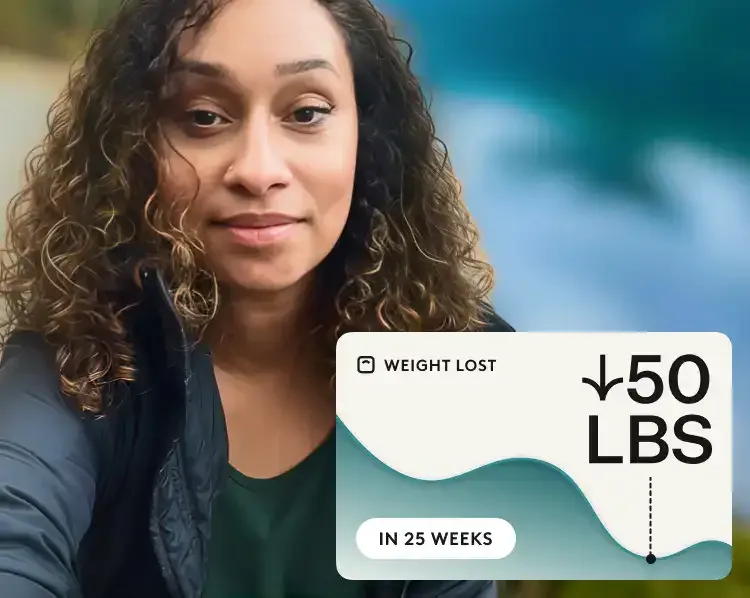
“My favorite parts of Noom are the care team and other Noomers. Sharing and getting help made me feel like I wasn’t doing it alone. That support made all the difference.”
Desirea N. — Real Noom user
Matthew M. — Real Noom user
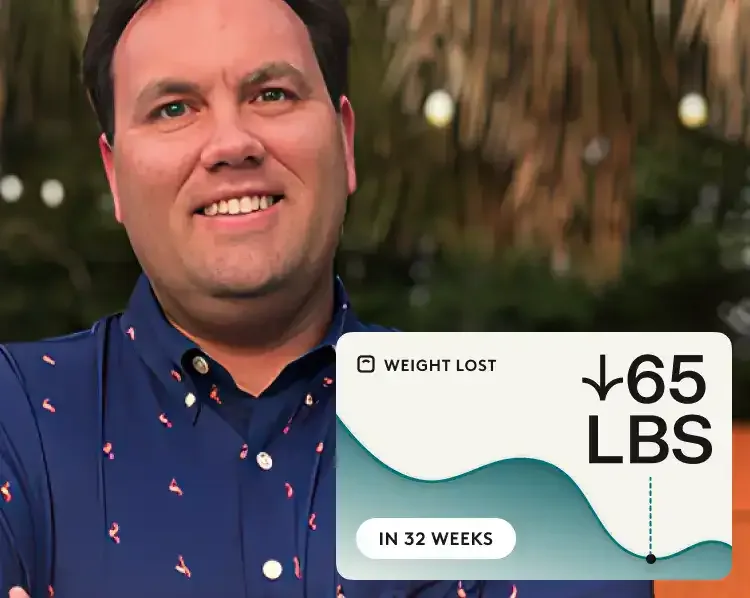
“Noom has taught me that every day is a new chance to make better, healthier choices. It's taught me how to stop overeating.’’
Matthew M. — Real Noom user
Lila M. — Real Noom user
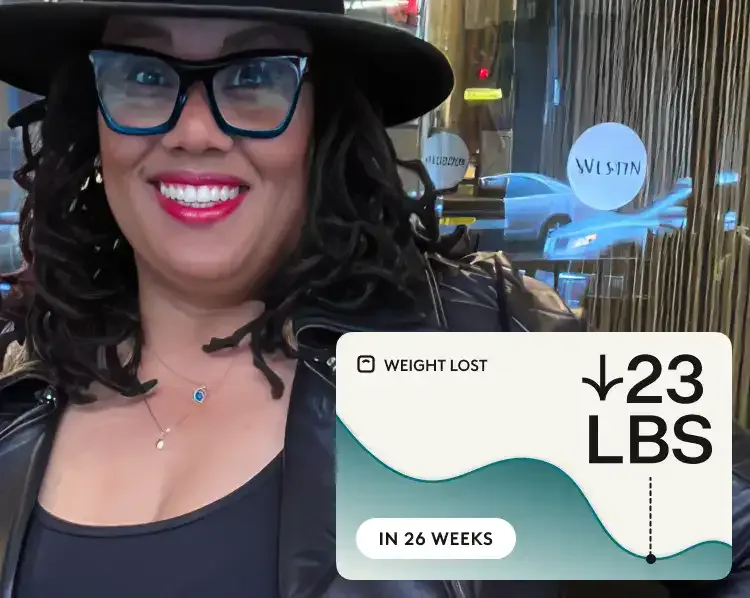
“Clinicians who understand how supportive medication can be is one of the best parts of Noom! I was convinced I wouldn’t have success but I’m down 11 pounds in two months.’’
Lila M. — Real Noom user
Steve M. — Real Noom user
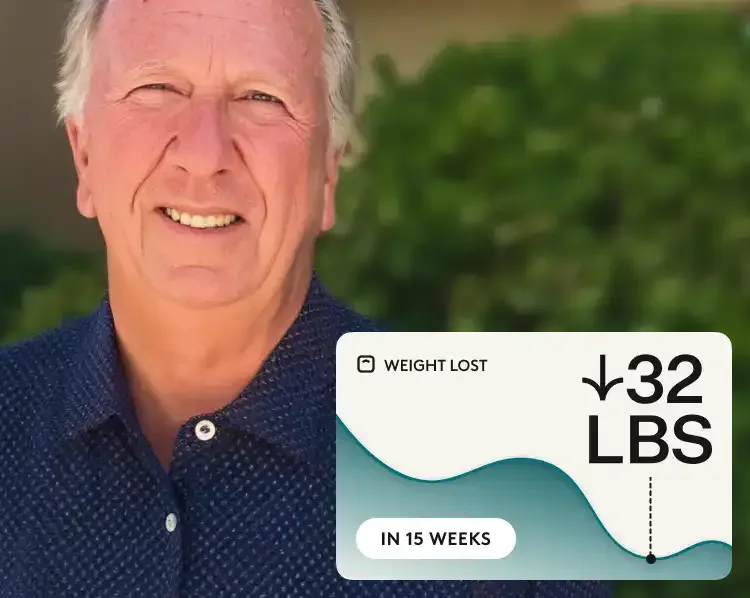
“Noom provided me with the medication which I could not get through Medicare. I have learned the tricks to better eating and life in general.”
Steve M. – Real Noom user
Daisy R. — Real Noom user
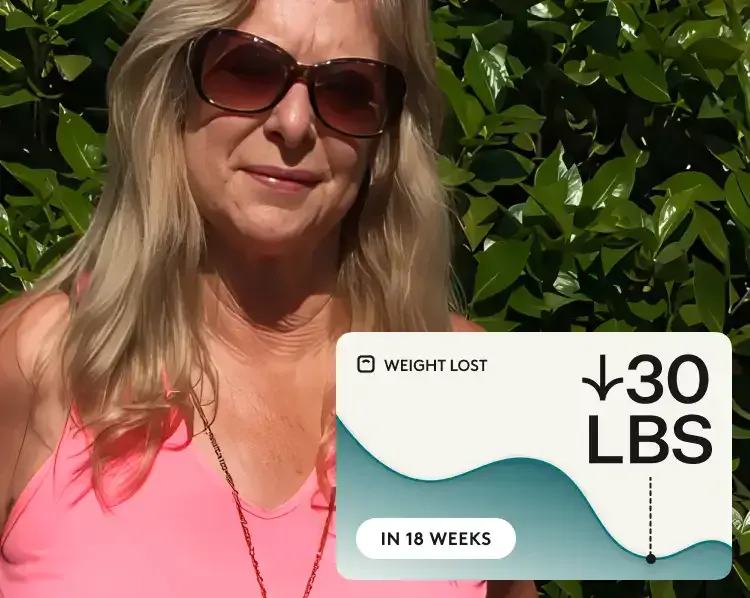
‘’Noom has changed my life and I’m so thankful, I feel great, have more energy and am no longer prediabetic.”
Daisy R. – Real Noom user
Sarah R. — Real Noom user
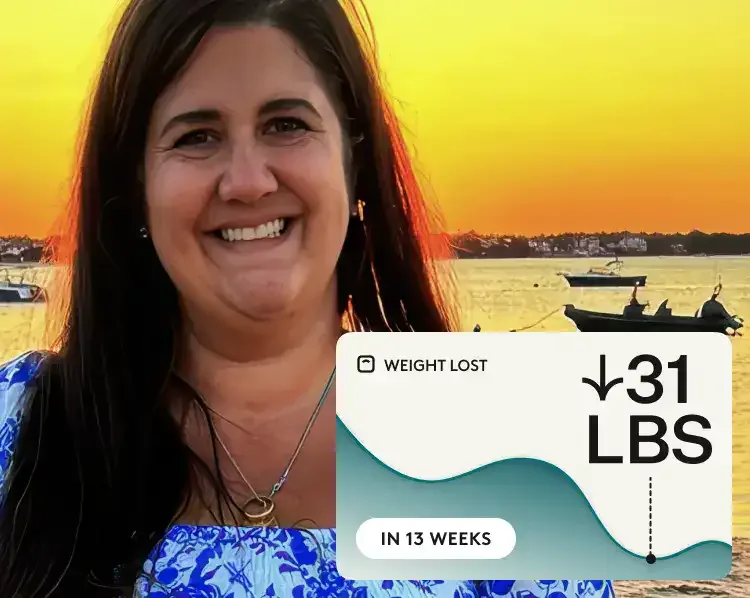
“All of the Noom providers that I’ve met with have been exceptional and prescribed medications that are appropriate for my situation and health.”
Sarah R. – Real Noom user
Madison S. — Real Noom user
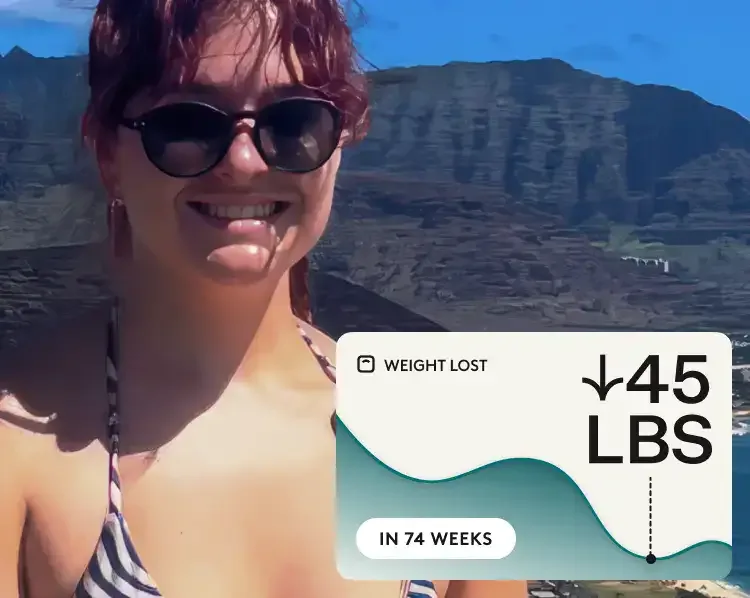
“Noom made the process so simple and now I feel full, free from diet obsession, and at ease in my body again.”
Madison S. – Real Noom user
Sonday K. — Real Noom user
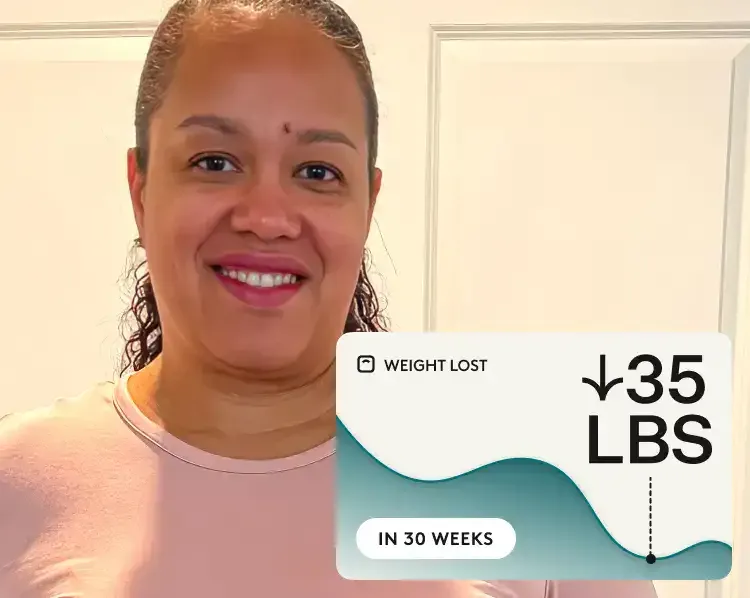
“My doctor recommended Noom after I was frustrated trying to lose weight. The lessons helped change my relationship with food. My body feels lighter & energized.”
Sonday K. – Real Noom user
Cam K. — Real Noom user
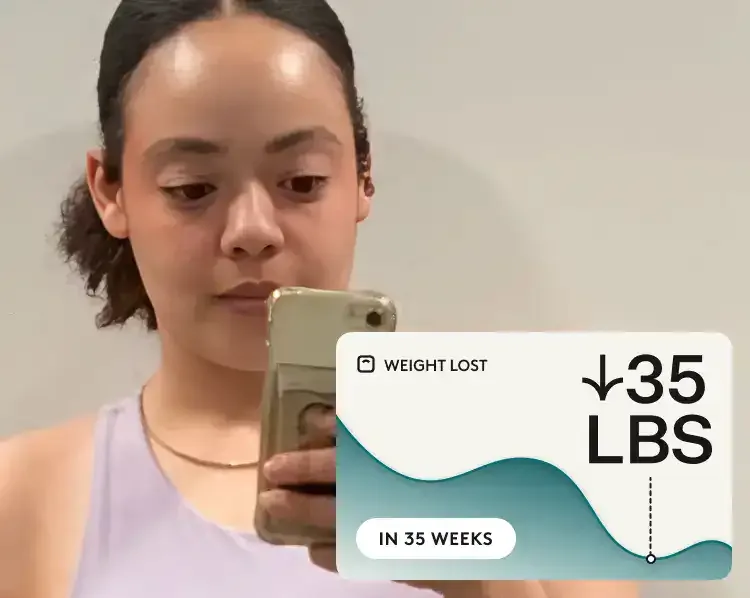
“I built healthy habits with coaching and lessons that make me confident I can maintain my weight loss long term.”
Cam K. – Real Noom user
Laura TR. — Real Noom user
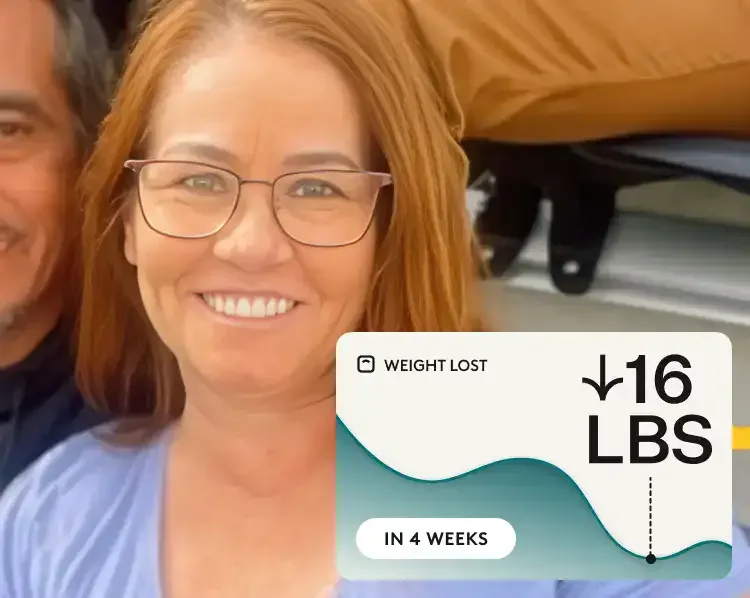
“With the right medication through Noom, hunger and sugar cravings finally quieted and I have the tools to break the cycle.”
Laura TR. – Real Noom user
Jessica S. — Real Noom user
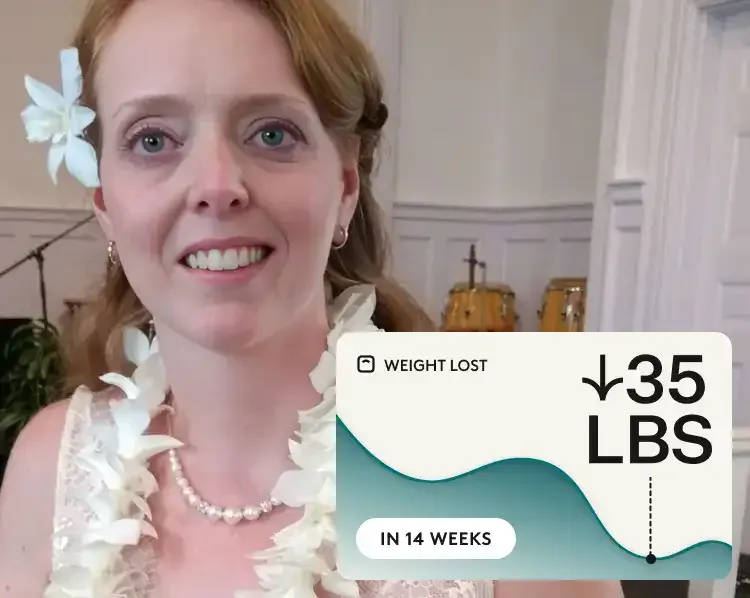
“Cravings and food noise are gone, I finally feel confident in the healthy habits I’ve built to last with Noom.”
Jessica S. – Real Noom user
The bottom line: Early access to retatrutide is limited
Early access to retatrutide is a narrow program for a small group of people—people who haven’t lost enough weight at the maximum dose of other treatment and medications, are managing serious complications, and can’t get into a trial.
“While retatrutide continues through the approval process, the best next step for most people is to focus on treatments that are already available. A clinician can help you understand which options fit your goals today—and whether new medications like retatrutide may become relevant in the future,” reminds Dr. Masoodi.
If you’re curious about where things stand with approved GLP-1 options while retatrutide works through trials and FDA review, see if you qualify for Noom Med. If so, you’ll be connected with a clinician who can find the right medication for you and prescribe it if needed. Plus, the program combines clinician monitoring, Care Team guidance, and a habit-building program to help you lose weight sustainably

The Easy Way
to lose weight and get healthy.
See if you qualify
Editorial standards
At Noom, we’re committed to providing health information that’s grounded in reliable science and expert review. Our content is created with the support of qualified professionals and based on well-established research from trusted medical and scientific organizations. Learn more about the experts behind our content on our Health Expert Team page.