

What you’ll learn:
- The Ozempic® pill contains semaglutide and is approved for type 2 diabetes, while Foundayo® contains orforglipron and is approved for weight management.
- Ozempic® pill and Foundayo® also differ in dosing, daily routine, and flexibility, which may influence which option feels easier to stick with long term.
- Insurance coverage, side effect profiles, daily routine, and pricing all play into which GLP-1 pill feels more realistic for your life.
If you’ve been keeping an eye on the GLP-1 medication space lately, 2026 has had a lot of changes, particularly with oral GLP-1 medications.
Eli Lilly launched Foundayo® (orforglipron) in April 2026, the second oral GLP-1 cleared specifically for weight management. Novo Nordisk officially retired the Rybelsus® brand in the U.S. and relaunched its oral semaglutide tablet as the Ozempic® pill, now available in 1.5 mg, 4 mg, and 9 mg doses for type 2 diabetes. And in late 2025, the Wegovy® pill—an oral version of semaglutide approved for weight loss—also received FDA approval.
So now there are three oral GLP-1 options on the market. But that doesn’t mean they’re interchangeable.
While all three are pills that target the same receptor (GLP-1), they each have their differences. We’ve covered Foundayo® versus the Wegovy® pill—but can the Ozempic® pill be an option for people looking to lose weight? Let’s walk through the similarities, the differences, and which might be the right choice for weight loss.
Ozempic® pill vs Foundayo®: What are they made of?
Both are pills, both target the same receptor—but they’re built completely differently.
GLP-1 is a hormone your gut naturally releases after you eat. It signals your brain that you’re full, slows digestion, and helps regulate blood sugar. GLP-1 receptor agonists are medications that mimic the hormone to produce the same effects.
The key distinction is about the type of molecule each drug uses to do that:
- Ozempic® pill (semaglutide) is a peptide—a short chain of amino acids, essentially a compact protein. Semaglutide is about 94% identical to GLP-1, the natural hormone, so the body recognizes it the same way. Whether injected or taken as a pill, Ozempic® and Wegovy® share the same active ingredient—just delivered differently.
- Foundayo® (orforglipron) is a small-molecule, non-peptide drug—a synthetic chemical compound that was designed from scratch to fit the GLP-1 receptor and activate it, but its structure looks nothing like the natural hormone. Small molecules tend to be simpler, more stable, and easier to manufacture in pill form than peptides.
Why does this matter? Peptide drugs like semaglutide are harder to absorb orally—your stomach tends to break them down before they can work, which is why they require special formulations or injections. Orforglipron, being a small molecule, doesn’t have that problem, making Foundayo® a more straightforward oral pill.
Same target, same basic effect—just two very different chemical approaches to get there.
Ozempic® pill vs Foundayo®: What are the similarities?
Even though these two pills have different active ingredients and different approved uses, there’s meaningful overlap in how they work and what you can expect while taking them.
- They work on the same pathway. Both the Ozempic® pill and Foundayo® activate GLP-1 receptors, which help reduce appetite, slow digestion, and regulate blood sugar. Even though the molecules themselves are different, they have a similar effect on the body.
- Both follow a step-up dosing schedule. With both medications, you will start at the lowest dose. Both increase no less than every 30 days to give your body time to adjust and help manage side effects. Your provider will guide the pace based on how you’re responding.
- The side effect profiles are similar. The most commonly reported side effects for both pills are gastrointestinal—nausea, diarrhea, vomiting, constipation, and stomach discomfort. These tend to show when first starting the medication or when doses increase, and they typically ease as your body adjusts.
- Neither is for everyone. Both carry warnings about thyroid C-cell tumors observed in animal studies (though the clinical significance in humans isn’t confirmed for either drug). Neither should be used by anyone with a personal or family history of medullary thyroid carcinoma (MTC) or Multiple Endocrine Neoplasia syndrome type 2 (MEN 2). Both require caution in people with a history of pancreatitis or severe GI conditions.
Ozempic® pill vs Foundayo®: What are the differences?
This is where the conversation gets interesting. Even though both are daily GLP-1 pills, the day-to-day experience of each medication—and the results you can expect—can look quite different.
- They’re approved for different things. The Ozempic® pill is approved for type 2 diabetes. Foundayo® is approved for weight management.
- One is a rebrand, the other is entirely new. The Ozempic® pill carries forward an updated Rybelsus® R2 formulation under the Ozempic® name—a strategic rebrand designed to leverage Ozempic®’s name recognition. Foundayo® is a completely new drug made with orforglipron, a non-peptide small molecule that represents a genuinely new approach to oral GLP-1 therapy.
- They contain different active ingredients. The Ozempic® pill is semaglutide—a peptide-based drug with decades of clinical data behind it. Foundayo® is orforglipron—a newer, non-peptide small molecule and the first of its kind to reach the market. This is a genuinely new drug class, not a reformulation.
- The daily routine is very different. The Ozempic® pill must be taken first thing in the morning on an empty stomach with a small sip of plain water, then you wait at least 30 minutes before eating, drinking anything else, or taking other medications. Foundayo® has no food restrictions, no water restrictions, and no time-of-day requirement. You take it whenever it fits your schedule. For many people, that flexibility is a deciding factor.
Ozempic® pill vs Foundayo®: How much do they cost?
Pricing for both medications is evolving as coverage policies catch up to these new launches. Here’s where things stand as of mid-2026.
- The Ozempic® pill has a list price of approximately $1,027 per month. Through NovoCare® Pharmacy, self-pay pricing is $149 for the 1.5 mg dose, $199 for 4 mg, and $299 for 9 mg. People with eligible commercial insurance may pay as little as $25 per month through Novo Nordisk’s savings programs.
- Foundayo® pricing through LillyDirect starts at $149 per month for the 0.8 mg starting dose, $199 for the 2.5 mg dose, and $299 for the 5.5 mg through 17.2 mg maintenance doses. People with eligible commercial insurance may also pay as little as $25 per month through Eli Lilly’s savings card program.
For full pricing breakdowns, see the guides to Ozempic® pill cost and Foundayo® cost.
| Pricing category | Ozempic® pill | Foundayo® |
|---|---|---|
| Retail price | List price: $1,027/month | List price: Not widely published as a single list price |
| Price with insurance | As little as $25/month with eligible commercial insurance and savings programs. Read more. | As little as $25/month with eligible commercial insurance and savings card. Read more. |
| Self-pay / cash-pay price | $149: 1.5 mg $199: 4 mg $299: 9 mg (via NovoCare®) | $149: 0.8 mg $199: 2.5 mg $299: 5.5–17.2 mg (via LillyDirect®) |
When does insurance cover Ozempic® pills or Foundayo®?
- Coverage for the Ozempic® pill is typically tied to type 2 diabetes benefits. Since it’s approved for diabetes, insurance plans are more likely to review it under diabetes medication benefits. If it’s prescribed off-label for weight management, coverage is unlikely.
- Coverage for Foundayo® depends on your plan’s weight loss medication benefits. Some private and employer plans include weight management medications, but many still don’t. It’s worth checking directly with your insurer.
Read more: Are weight loss drugs covered by insurance?
Does Medicare cover Ozempic® pills or Foundayo®?
With Medicare, coverage has historically depended on why the medication is prescribed—and that’s still true, though things are starting to shift.
Access GLP-1 Weight Loss with Noom
Explore a wide range of prescription medications supported by Noom’s program.Microdose GLP-1rx
Noom GLP-1rx
Noom GLP-1rx Plus
Wegovy®
Ozempic®
Metformin
Zepbound®
Mounjaro®
Liraglutide
- The Ozempic® pill is approved for type 2 diabetes, so Medicare Part D plans are more likely to cover it when prescribed for that use.
- Foundayo®, as a weight management medication, has historically been excluded from Part D coverage. But starting July 1, 2026, CMS is launching the Medicare GLP-1 Bridge, a short-term demonstration program that will cover qualifying GLP-1 medications—including Foundayo®—for eligible Medicare Part D beneficiaries for $50 per month. Read more about who qualifies for Foundayo through Medicare.
The Bridge program runs through December 31, 2027, with the longer-term BALANCE Model expected to follow. Since Medicare rules can change, checking directly with your plan is always the safest bet.
Read more: Does Medicare cover weight loss drugs?
Ozempic® pill and Foundayo®: How long do you need to take them?
Both medications are designed for long-term use, but the reason depends on why you’re taking them.
- For type 2 diabetes, the Ozempic® pill is typically part of an ongoing treatment plan. Blood sugar management is a long-term commitment, and stopping a diabetes medication without your provider’s guidance can affect glucose control.
- For weight management, Foundayo® works by continuously activating GLP-1 receptors that regulate appetite and fullness. Those effects gradually fade if you stop taking it. That doesn’t mean stopping automatically undoes your progress—especially if you’ve built consistent habits—but it’s worth going in knowing that hunger signals tend to return after discontinuation.
Some providers recommend a gradual dose taper or a maintenance dose rather than stopping altogether. Either way, your provider is the right person to help you plan what long-term treatment looks like for your specific situation.
Read more: Stopping a GLP-1: What to expect and how to manage weight after
Ozempic® pill vs Foundayo®: Side effects and safety
Both Ozempic® pill and Foundayo® come with their own side effects, safety warnings, and day-to-day considerations. While they’re both oral GLP-1 medications, the overall experience can feel a bit different depending on the medication, your routine, and how your body responds to it.
Common side effects
Both medications activate GLP-1 receptors, which slow gastric emptying, reduce appetite, and change how your body processes food. That means the most common side effects for both are digestive—they tend to show up early on or when your dose increases, and typically ease as your body adjusts.
The table below shows reported rates at each medication’s highest approved dose. Because these numbers come from different clinical trials with different populations, study designs, and durations, they reflect general trends rather than a direct head-to-head comparison.
Digestive side effects appear more frequently with Foundayo® across most categories, which likely reflects its higher maximum dose and potentially its different molecular mechanism.
| Side effect | Ozempic® pill (Oral semaglutide 14 mg*) | Foundayo® 17.2 mg |
|---|---|---|
| Nausea | 20% | 35% |
| Vomiting | 8% | 24% |
| Diarrhea | 10% | 25% |
| Constipation | 5% | 24% |
*Ozempic® pill (9 mg) is a reformulation of Rybelsus® (14 mg)—same drug, smaller pill. No separate side-effect trial was run for the new version; the FDA accepted data from the original Rybelsus® PIONEER trials after Novo Nordisk showed both deliver the same amount of semaglutide. Foundayo® data is from the ATTAIN-1 and ATTAIN-2 trials (prescribing information).
Read more: Foundayo® side effects: Symptom guide and management tips
Serious side effects and warnings
Serious side effects with either medication are uncommon, but your provider will want you to know the warning signs before starting the Ozempic® pill or Foundayo®. Both have warnings about:
- Pancreatitis: Severe upper stomach pain that may radiate into your back, especially with nausea or vomiting, should prompt immediate contact with your provider or a visit to urgent care.
- Kidney problems: Ongoing vomiting or diarrhea from either medication can lead to dehydration and kidney strain. Watch for swelling, reduced urination, severe fatigue, or breathing changes.
- Low blood sugar: Especially relevant if you’re also taking insulin or sulfonylureas alongside the Ozempic® pill. Symptoms include sweating, shakiness, dizziness, confusion, and rapid heartbeat.
- Gallbladder problems: Pain near the upper right side of your stomach, fever, nausea, or yellowing of skin or eyes should be checked quickly.
- Severe allergic reactions: Swelling of the lips, tongue, or throat, or difficulty breathing, requires emergency medical care.
- Boxed warning: Both medications carry an FDA boxed warning about thyroid C-cell tumors observed in animal studies. For Foundayo®, it’s worth noting that orforglipron wasn’t pharmacologically active in the rodent species used in those studies and did not produce tumors in rodents. Still, the risk in humans isn’t fully established for either drug.
If you’re ever unsure whether a symptom is serious, reaching out to your provider is always the better call.
Read more: GLP-1 side effects: What to expect and how to manage them
Who shouldn’t take Ozempic® pills or Foundayo®?
Since both medications target GLP-1 receptors, they share similar precautions. You should avoid these medications if you:
- Have a personal or family history of medullary thyroid cancer (MTC) or MEN 2
- Have had a serious allergic reaction to semaglutide (for Ozempic® pill) or orforglipron (for Foundayo®)
- Are pregnant, trying to become pregnant, or breastfeeding
Your provider will also want to know about any past or current concerns, including pancreatitis, kidney problems, gallbladder issues, severe gastroparesis, or diabetes-related vision changes. Sharing your full history helps your provider choose the safest option for your body and your goals.
Which is safer: the Ozempic® pill or Foundayo®?
There isn’t strong evidence to say one is definitively “safer” than the other in absolute terms. The Ozempic® pill benefits from semaglutide’s longer clinical and regulatory history, with the Ozempic® injection first approved in 2017. Foundayo® is newer to the market with a different molecular structure, meaning there’s currently less long-term safety data available, though the ATTAIN trial program enrolled more than 3,000 adults.
The bigger difference often comes down to how your body tolerates each specific drug, your overall health profile, and which doses you’re taking. Some people do well on one GLP-1 but struggle with another, even within the same drug class.
Ozempic® pill vs Foundayo®: Which is better for weight loss?
If weight loss is your primary goal, Foundayo is likely your best choice. If you are looking for semaglutide for weight loss, the Wegovy® pill, Ozempic’s sister drug, would be your best option. Here’s why:
- Foundayo® is FDA-approved for weight management. People taking the highest dose of Foundayo® (equivalent to 17.2 mg) lost an average of about 11% of their starting body weight over 72 weeks. People began losing weight within the first month, with the greatest changes happening over the first 36 weeks.
- Ozempic® pill isn’t FDA-approved for weight management. It’s approved for type 2 diabetes. The Wegovy® pill is approved for weight loss and the dose of semaglutide goes up to 25 mg. The Wegovy® pill showed an average of about 14% weight loss, making it the best result among the oral options.
Remember, these are averages; individual results depend on starting weight, diet, activity level, and how your body responds.
Read: For a detailed comparison of the oral GLP-1 weight loss options, see Wegovy® pill vs. Foundayo®.
Can you switch between the Ozempic® pill and Foundayo®?
Because these are two completely different drugs—not just different doses of the same molecule—switching between them is a bigger transition than, say, switching between the Ozempic® injection and the Ozempic® pill. Your provider will likely restart you at a lower dose and escalate gradually, even if you were previously on a stable GLP-1.
Reasons someone might switch include cost, insurance changes, side effect tolerance, availability, or shifting health goals. If you’re moving from a diabetes medication to a weight management medication (or vice versa), that’s a conversation to have with your provider so the transition is safe and deliberate.
Ozempic® pill vs Foundayo®: Dosage and administration
This is one area where the daily experience of each pill really stands apart.
- Ozempic® pill is taken once daily in the morning, on an empty stomach, with no more than 4 ounces of plain water. You then wait at least 30 minutes before eating, drinking anything else, or taking other oral medications. For full prescribing details, see the Ozempic® pill prescribing information.
- Foundayo® is taken once daily at any time. You can take it with breakfast, before bed, or whenever works best for your schedule. If you miss a dose, take it as soon as you remember (but never two doses in the same day). If you miss seven or more consecutive days, contact your provider before restarting. For the full dosing schedule, see how to take Foundayo®.
Both medications follow a gradual dose escalation schedule. Here’s how the approved dose strengths compare:
| Ozempic® pill doses | Foundayo® doses |
|---|---|
| 1.5 mg (starting dose) 4 mg 9 mg (maximum approved dose) | 0.8 mg (starting dose) 2.5 mg 5.5 mg 9 mg 14.5 mg 17.2 mg (maximum approved dose) |
Your provider may adjust the pace of dose increases depending on side effects, how your body is responding, and your overall treatment goals.
Choosing between the Ozempic® pill vs Foundayo®: Which is right for me?
These two medications occupy very different roles, even though they’re both daily GLP-1 pills. The Ozempic® pill is generally a diabetes medication that also offers cardiovascular protection. Foundayo® is a weight management medication with a flexible dosing routine and a newer drug class behind it.
The main differences come down to approved use, active ingredient, daily routine, dose options, weight loss data, and insurance coverage. Here’s how they line up:
| Category | Ozempic® pill | Foundayo® |
|---|---|---|
| Active ingredient | Semaglutide | Orforglipron |
| Manufacturer | Novo Nordisk | Eli Lilly |
| Drug type | Peptide-based GLP-1 | Non-peptide small molecule GLP-1 |
| Available doses | 1.5 mg, 4 mg, 9 mg | 0.8 mg, 2.5 mg, 5.5 mg, 9 mg, 14.5 mg, 17.2 mg |
| FDA-approved for | Type 2 diabetes | Weight management (BMI ≥30 or ≥27 with comorbidity) |
| Dosing format | Daily pill, morning only, empty stomach, 30-min wait | Daily pill, any time, no food/water restrictions |
| Self-pay price range | $149–$299/month (NovoCare®) | $149–$299/month (LillyDirect®) |
| With eligible insurance | As low as $25/month | As low as $25/month |
| Average weight loss (nearest comparable data) | 4–6% (Rybelsus® 14 mg studies) Wegovy® pill: 14% | 11% |
Your provider can help you sort through these differences and determine which option aligns best with your health goals and daily routine.
Frequently asked questions about the Ozempic® pill vs. Foundayo®
You probably still have questions about costs, coverage, and how these two pills compare day-to-day. Let’s tackle the most common ones.
Is the Ozempic® pill cheaper than Foundayo®?
At the self-pay level, pricing is remarkably similar. Both start at $149 per month for the lowest dose through their respective manufacturer pharmacies. The Ozempic® pill has a published list price of about $1,027 per month, while Foundayo®’s list price isn’t published as a single number. What you actually pay will depend on your insurance, your dose, and which savings programs you qualify for. For many people, the monthly out-of-pocket cost ends up being comparable.
Read more:
Does Foundayo® work as well as the Ozempic® pill for weight loss?
For weight loss specifically, Foundayo® has the stronger data. It’s the one that’s FDA-approved for weight management and showed an average of about 11% body weight loss in trials. The Ozempic® pill is approved for diabetes, and the closest available weight loss data from equivalent Rybelsus® studies showed about 4 to 6% body weight loss. These are different drugs at different doses studied in different populations, so it’s not a direct comparison—but Foundayo® was designed for weight management from the start.
Does Foundayo® have fewer side effects than the Ozempic® pill?
In clinical trial data, Foundayo® showed higher rates of most digestive side effects, including nausea, constipation, diarrhea, and vomiting, compared to what was reported in Ozempic® pil -equivalent doses of Rybelsus®. Overall, 60 to 69% of people taking Foundayo® at maintenance doses experienced at least one GI side effect. GLP-1 side effects tend to be dose-dependent, so the higher dose range of Foundayo® likely contributes to this. Most side effects were mild to moderate and improved over time.
Will insurance cover the Ozempic® pill or Foundayo®?
It depends on your plan and the reason for the prescription. The Ozempic® pill is more likely to be covered when prescribed for type 2 diabetes. Foundayo® coverage depends on whether your plan includes weight management medications. Checking directly with your insurer before starting treatment is always the smartest move. You can also use Noom’s Insurance Checker.
Can I switch to Foundayo® if I’m currently on the Ozempic® pill?
Switching is possible, but it’s not something to do on your own. These are different drugs with different dose ranges and different mechanisms of absorption. Your provider will guide the transition, starting you at Foundayo®’s lowest dose and escalating from there, even if you were already on a stable dose of oral semaglutide. Never overlap GLP-1 medications without medical guidance.
Reviews from real Noom users
Desirea N. — Real Noom user
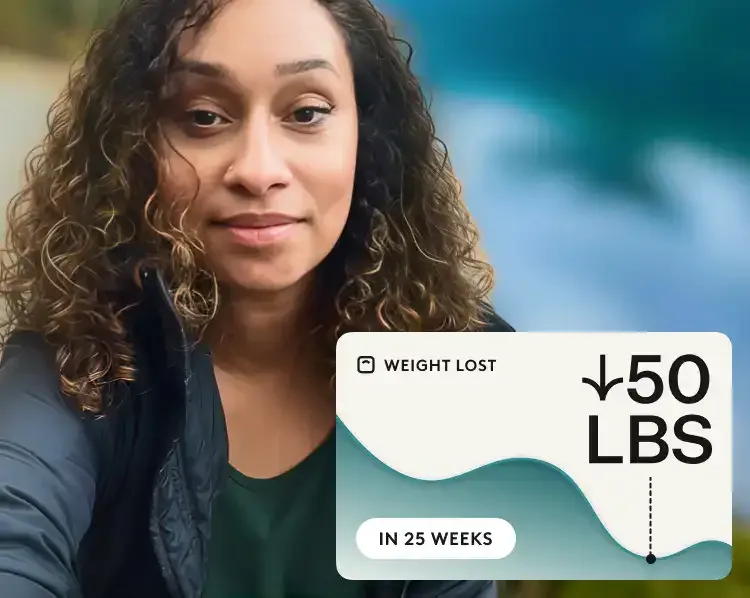
“My favorite parts of Noom are the care team and other Noomers. Sharing and getting help made me feel like I wasn’t doing it alone. That support made all the difference.”
Desirea N. — Real Noom user
Matthew M. — Real Noom user
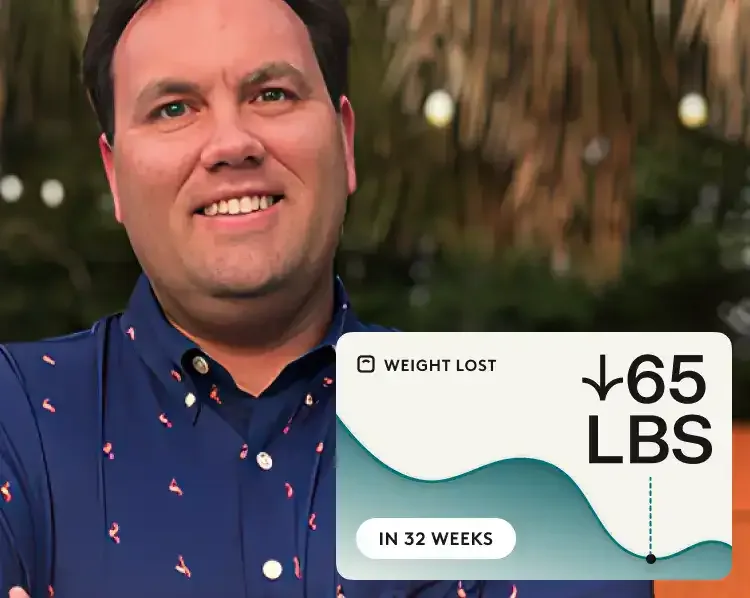
“Noom has taught me that every day is a new chance to make better, healthier choices. It's taught me how to stop overeating.’’
Matthew M. — Real Noom user
Lila M. — Real Noom user
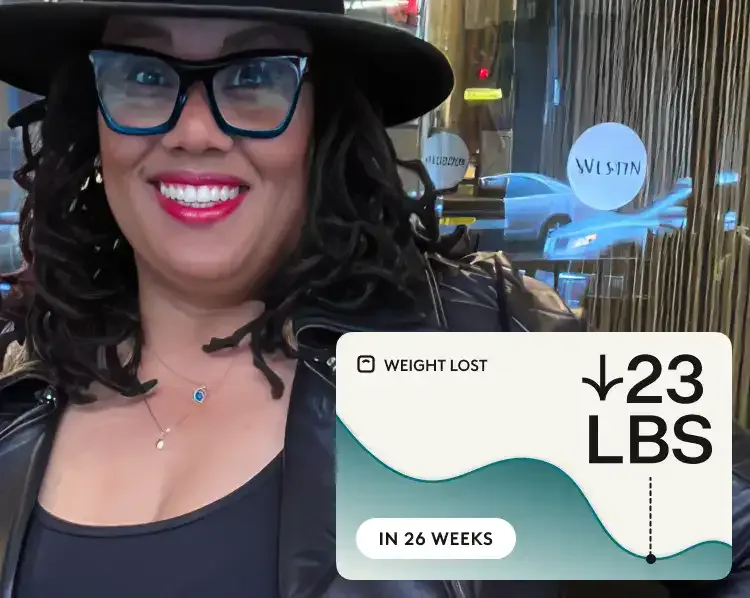
“Clinicians who understand how supportive medication can be is one of the best parts of Noom! I was convinced I wouldn’t have success but I’m down 11 pounds in two months.’’
Lila M. — Real Noom user
Steve M. — Real Noom user
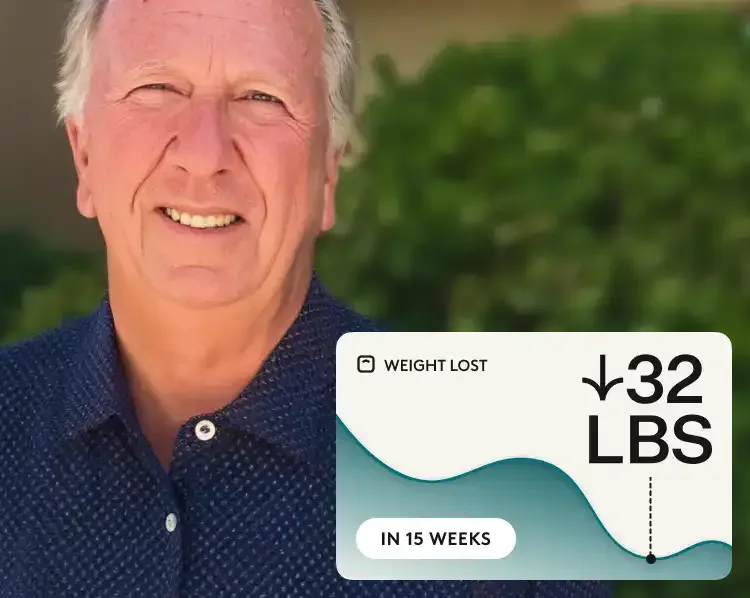
“Noom provided me with the medication which I could not get through Medicare. I have learned the tricks to better eating and life in general.”
Steve M. – Real Noom user
Daisy R. — Real Noom user
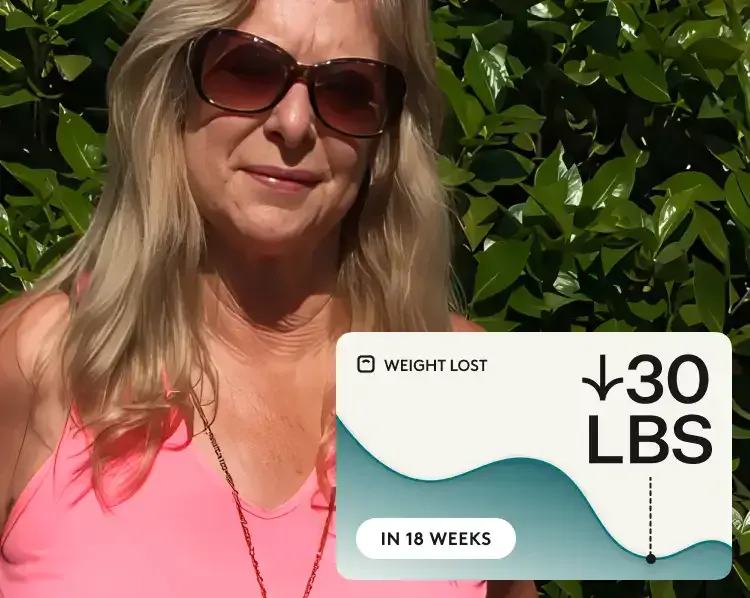
‘’Noom has changed my life and I’m so thankful, I feel great, have more energy and am no longer prediabetic.”
Daisy R. – Real Noom user
Sarah R. — Real Noom user
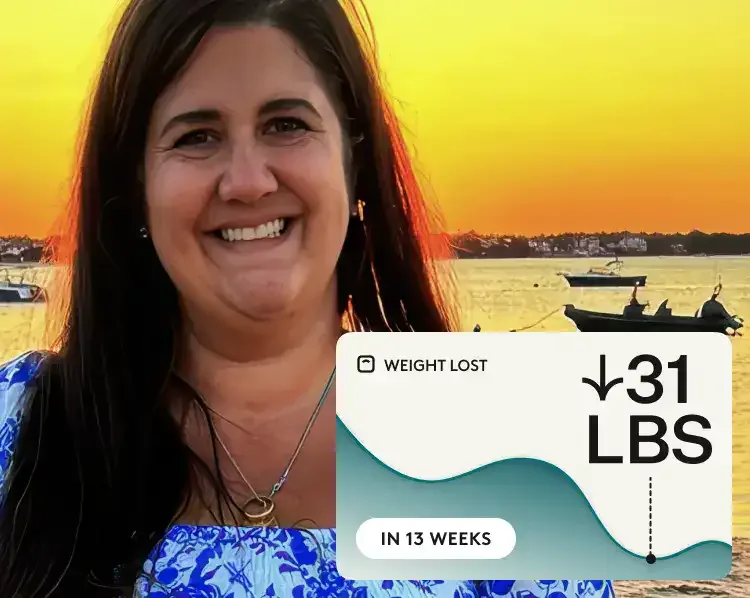
“All of the Noom providers that I’ve met with have been exceptional and prescribed medications that are appropriate for my situation and health.”
Sarah R. – Real Noom user
Madison S. — Real Noom user
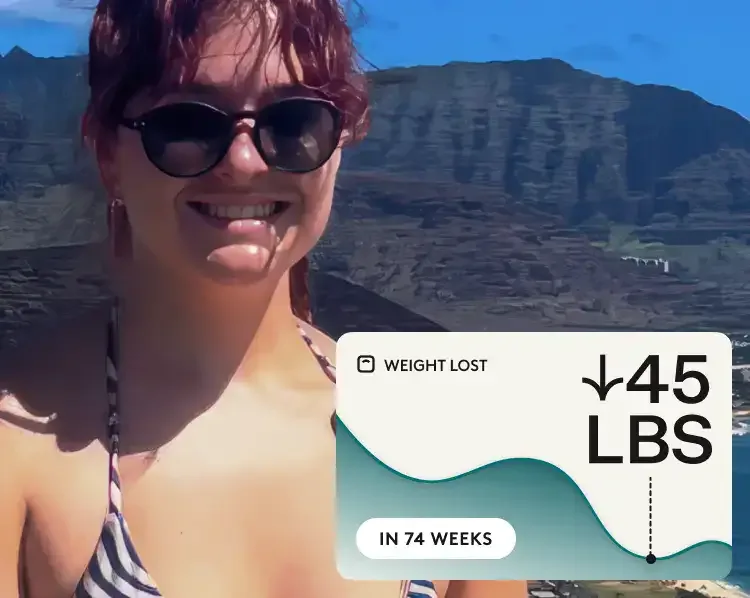
“Noom made the process so simple and now I feel full, free from diet obsession, and at ease in my body again.”
Madison S. – Real Noom user
Sonday K. — Real Noom user
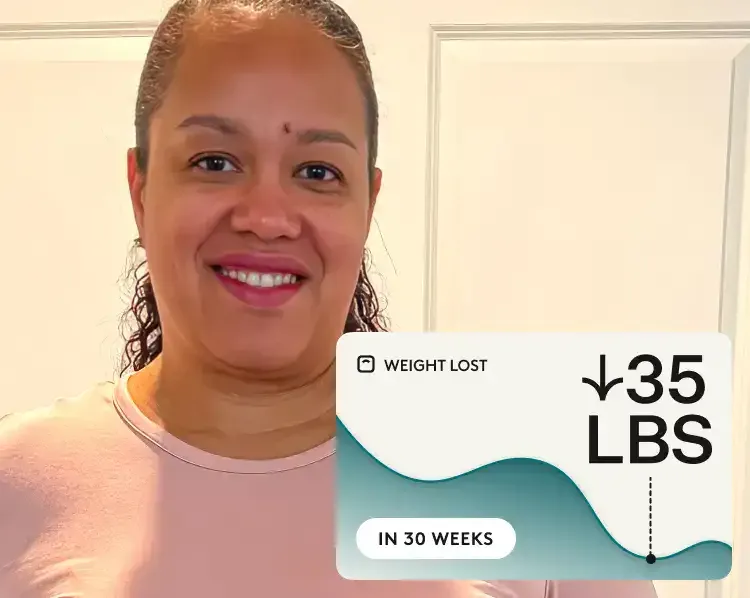
“My doctor recommended Noom after I was frustrated trying to lose weight. The lessons helped change my relationship with food. My body feels lighter & energized.”
Sonday K. – Real Noom user
Cam K. — Real Noom user
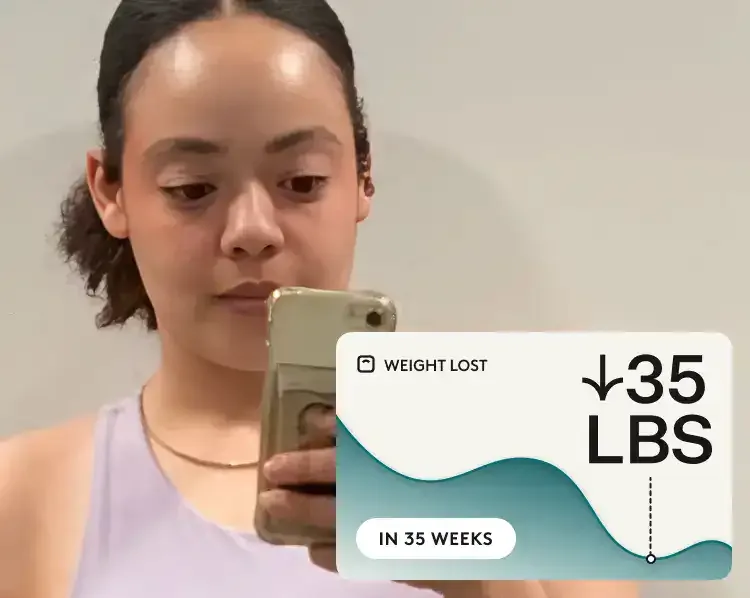
“I built healthy habits with coaching and lessons that make me confident I can maintain my weight loss long term.”
Cam K. – Real Noom user
Laura TR. — Real Noom user
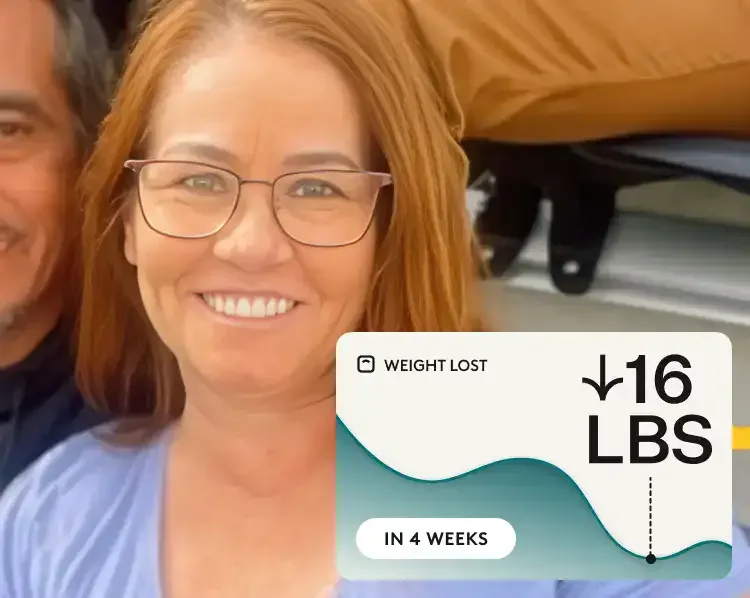
“With the right medication through Noom, hunger and sugar cravings finally quieted and I have the tools to break the cycle.”
Laura TR. – Real Noom user
Jessica S. — Real Noom user
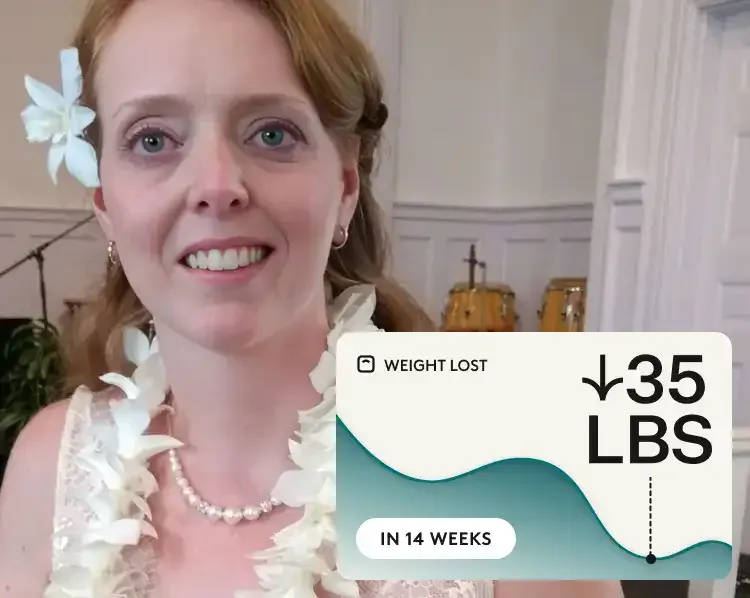
“Cravings and food noise are gone, I finally feel confident in the healthy habits I’ve built to last with Noom.”
Jessica S. – Real Noom user
The bottom line: Two different GLP-1 pills for two different needs
Ozempic® pill and Foundayo® both give you GLP-1 therapy in a once-daily tablet, but that’s where most of the similarity ends. They’re built from different molecules, approved for different conditions, dosed differently, and come with different daily routines.
If you have type 2 diabetes and need blood sugar management, the Ozempic® pill is a good choice. If weight management is your primary focus and you value dosing flexibility—no fasting window, no time restrictions, no empty-stomach rules—Foundayo® was designed for that exact purpose.
Neither option replaces the other, and there’s no universally “better” choice. Your health history, treatment goals, insurance situation, and tolerance for different daily routines should all factor in.
If you’re ready to explore your options, see if you qualify for Noom Med. If you do, you’ll be paired with a licensed clinician who can assess whether a GLP-1 medication or another treatment is a good fit for you. You’ll also get a personalized plan that combines medical guidance with practical habit support to help you build lasting results.
Note: The Ozempic® pill is not FDA-approved for weight loss or weight management. Foundayo® is not currently FDA-approved for type 2 diabetes, though Eli Lilly has stated it plans to submit for that indication.
Editorial standards
At Noom, we’re committed to providing health information that’s grounded in reliable science and expert review. Our content is created with the support of qualified professionals and based on well-established research from trusted medical and scientific organizations. Learn more about the experts behind our content on our Health Expert Team page.