
What you’ll learn:
- Contrave® has a retail price of $500 to $800 per month, but manufacturer programs and discounts can significantly reduce out-of-pocket costs.
- If you’re paying cash, the CurAccess home-delivery program may lower the cost of Contrave® to about $99 per month for eligible people.
- If you have insurance coverage, your monthly cost could be as low as $20 with manufacturer savings programs, though actual costs vary by plan and coverage.
If you’re thinking about starting Contrave® for weight loss, one of the first questions that probably comes to mind is: What will Contrave® cost without insurance? It’s a fair concern. Like many prescription weight management medications, Contrave® can be effective—but the price can feel like a barrier, especially if your insurance doesn’t cover it.
Contrave® combines two drugs, naltrexone and bupropion, which work together in the brain to help reduce hunger and control cravings. It’s typically prescribed for adults with a BMI over 30, or over 27 with weight-related health conditions like high blood pressure or high cholesterol, and it’s intended to be used alongside lifestyle changes like improved nutrition and physical activity.
The good news is that the sticker price—often around $500-$800 per month—doesn’t typically reflect what people pay out of pocket. While Contrave® has a relatively high retail cost at most pharmacies, what people actually pay can vary quite a bit depending on discounts, manufacturer programs, and where they fill their prescription.
If you’re paying cash, understanding how pricing works—and what options are available—can make a big difference in what you ultimately spend. In this article, we’ll break down the typical monthly cost of Contrave® without insurance, what drives those prices up or down, and the different ways you may be able to lower your total expense.
Price snapshot (estimated monthly costs)
| Cost scenario | Estimated monthly price |
|---|---|
| List price | $530–$740 |
| With insurance | $20–$199 with manufacturer savings card |
| Without insurance (cash) | $99 per month with the CurAccess program |
Contrave® cost: News and changes for 2026
Unlike some newer weight loss medications, Contrave® hasn’t had major pricing shifts, new formulations, or large-scale policy changes recently. But that doesn’t mean the cost landscape is staying the same overall.

The Easy Way
to lose weight and get healthy.
See if you qualify
Most of the movement is happening around a different class of medications—GLP-1s—which are starting to become more accessible and, in some cases, more affordable for people paying out of pocket. That shift could influence how people compare their options, even if Contrave® pricing itself hasn’t changed much.
Here are a few key updates affecting GLP-1 medication costs and access:
- April 1, 2026: Eli Lilly’s once-daily GLP-1 pill Foundayo® (orforglipron) received FDA approval for weight loss.
- December 23, 2025: The Medicare GLP-1 Bridge program was announced. It’s a short-term demo program giving eligible Medicare Part D beneficiaries access to select GLP-1 weight loss medications for $50 per month, launching July 1, 2026. Covered drugs include Wegovy®, Zepbound®, and Foundayo®.
- January 5, 2026: Wegovy pill received FDA approval – This oral version of Wegovy® offers a weight loss-approved alternative to injections. Cash prices for this option typically range from about $149 to $299 per month,
While these updates don’t directly change the cost of Contrave®, they do highlight a shift in the overall weight loss medication landscape. As more pricing programs and options emerge for GLP-1s, the gap between different treatment choices may start to narrow—making it even more important to compare both cost and effectiveness when deciding what’s right for you.
How much does Contrave® cost per month?
When you’re wondering how much Contrave® costs per month, the upfront cost can feel concerning. But here’s the thing—most people don’t actually pay that full amount thanks to manufacturer programs, pharmacy discounts, and insurance help when available.
The list price is higher than what most people pay
Without insurance, Contrave®’s list price typically ranges from $530 to $740 each month for a 30-day supply at retail pharmacies. This wide range reflects differences in pharmacy location and local pricing. If you have insurance coverage, their savings card might lower your pharmacy copay to as little as $20 per month. If you’re paying with cash, using the manufacturer’s CurAccess program can bring your cost down to $99 per month.
Here’s what you need to know about the true cost of a Contrave® prescription:
Keep in mind, your total Contrave® expense isn’t just the pills. You’ll need regular clinician visits for monitoring (especially during the first few months), potential lab work, blood pressure checks, and and possibly prior authorization paperwork if you have insurance coverage.
Factor in an extra $50 to 150 per month for telehealth visits or $100 to 300 for traditional doctor appointments to get the full picture of your true cost.
Here’s what you might actually pay each month based on your situation:
| Payment method | Monthly cost | Notes |
|---|---|---|
| Cash (list price) | $530-$740 | Varies by pharmacy location |
| GoodRx coupon | $199-$615 | Updated daily, no insurance needed |
| CurAccess program (Manufacturer’s discount program) | $99 | Free shipping, eligibility required |
| Insurance + savings card | $20-$199 | Commercial insurance only |
Do you need a prescription for Contrave®?
Yes, Contrave® does require a prescription, and there’s no over-the-counter version available. Because Contrave® affects brain chemistry and has important safety considerations, a licensed provider is always part of the process—and that’s a good thing. Here’s why you need a prescription for Contrave®:
Access GLP-1 Weight Loss with Noom
Explore a wide range of prescription medications supported by Noom’s program.Microdose GLP-1rx
Noom GLP-1rx
Noom GLP-1rx Plus
Wegovy®
Ozempic®
Metformin
Zepbound®
Mounjaro®
Liraglutide
Contrave® is gradually increased, based on tolerance and response
Contrave® isn’t started at the full dose right away. Instead, your provider will slowly increase your dose over several weeks to help your body adjust and reduce side effects like nausea or headaches. Generally, Contrave® is prescribed using a gradual, four-week dosing schedule to help minimize side effects. The goal is to reach a dose that supports weight loss while still being manageable for you.
Learn more: Contrave® dosage guide: How to find the right dose for weight loss
Contrave® can cause side effects that need monitoring
Contrave® can cause side effects such as nausea, constipation, headache, dizziness, dry mouth, or trouble sleeping. While many of these are mild and improve over time, there are also more serious risks—like increases in blood pressure or mood-related changes—that require monitoring.
Having a prescribing provider allows for regular check-ins, dose adjustments, and guidance to keep treatment both safe and effective.
Learn more: Contrave® side effects: Symptom guide & management tips
Some people can’t take Contrave®
Contrave® isn’t appropriate for everyone, which is why a prescription—and a medical review—matters. Your provider will evaluate your medical history, current medications, and overall health before prescribing.
You shouldn’t take Contrave® if:
- You have uncontrolled high blood pressure
- You have a seizure disorder or a history of seizures
- You use opioids or are undergoing opioid withdrawal
- You have an eating disorder, such as bulimia or anorexia
- You are taking other medications that contain bupropion
- You are pregnant or planning to become pregnant
Your provider may recommend avoiding Contrave® if you:
- Have a history of certain mental health conditions
- Have liver or kidney disease
- Take medications that may interact with bupropion or naltrexone
Learn more: Contrave® for weight loss: How it works and what to expect
How to get a prescription for Contrave®
When you’re looking for the cheapest way to get a prescription for Contrave® without insurance, how you get that prescription matters just as much as where you fill it. The total cost of medication access includes both getting the prescription and paying for the pills—and these costs can vary dramatically between telehealth and traditional doctor visits.
You can get a prescription for Contrave® through either an in-person provider or an online service, and the overall cost will depend on things like visit fees, follow-ups, and how much support is included. In recent years, telehealth has made the process more convenient and accessible, but pricing and services can vary—so it’s helpful to understand your options before getting started.
Common ways to get a Contrave® prescription
- Primary care provider (in person). Your primary care doctor can prescribe Contrave® if it’s appropriate for your situation. If you don’t have insurance, you’ll typically pay out of pocket for appointments, follow-up visits, and any lab work, all of which are usually billed separately.
- Weight management specialist or endocrinologist. Specialists often have more experience with medications like Contrave®, especially for patients with complex health needs. That added expertise can be helpful, but visits are often more expensive. Initial consultations may cost a few hundred dollars, with additional charges for ongoing care and labs.
- Telehealth programs focused on weight or metabolic health. Telehealth platforms connect you with licensed clinicians through virtual visits. Some charge per appointment, while others offer a monthly membership that covers evaluation, prescription management, and follow-ups. Medication costs are usually separate, so it’s important to confirm what’s included.
- Contrave®’s manufacturer-sponsored telehealth program. Contrave® offers an online program that connects eligible people with licensed clinicians who can evaluate, prescribe, and manage treatment remotely. The program includes an initial medical assessment, and if prescribed, medication can be shipped directly to your home. Pricing is typically structured as a physician consultation fee plus a monthly medication cost, which may be lower than paying retail pharmacy prices without insurance. Eligibility, clinician availability, and program details vary by state.
- Online clinician marketplaces. Some platforms offer one-time virtual consultations with independent providers. These can be lower cost upfront, but ongoing care—like refills, dose adjustments, and monitoring—often requires additional visits and added fees.
Getting a prescription for Contrave®: Telehealth vs. in-person
If keeping costs manageable is a priority, how you get your prescription can make a big difference.
- Traditional in-person care can add up quickly. An initial visit may cost $200 or more; follow-ups can run around $150, and lab tests are typically billed separately. Before you even fill your prescription, total costs can easily reach several hundred dollars.
- Telehealth programs take a more bundled approach. Many offer a flat monthly fee that includes clinician evaluations, prescription management, follow-ups, and sometimes lab coordination. This can make costs more predictable—especially if you’re paying out of pocket.
For people without insurance, or those whose insurance only covers the medication itself, telehealth can be one of the simplest ways to access prescription weight management care. Instead of scheduling multiple appointments or managing referrals, platforms like Noom Med combine clinician support, prescription oversight, and behavior-change tools in one place.
Noom Med for branded medications starts at $69 for an initial 30-day trial (medication not included). You’ll fill your medication at your preferred pharmacy and get access to Noom’s full program, including support from a Care Team and tools designed to help with long-term habit change.
Who is eligible for Noom Med?
Noom Med is designed for people who may benefit from medical support alongside lifestyle guidance. After reviewing your health history, a licensed clinician will determine whether prescription medications like Contrave® are appropriate for you. It can be a good fit if you’re looking for a structured approach that combines medical care with ongoing support for nutrition, activity, and behavior change. See if you qualify.
Contrave cost without insurance
When you’re paying out-of-pocket for Contrave®, where you get your prescription filled can make a real difference. The same prescription can cost hundreds of dollars more at one pharmacy compared to another, making it worthwhile to compare prices before filling your prescription.
Contrave without insurance: Pharmacy comparison
Contrave® prices without insurance can range from around $200 to over $670 per month without a discount, depending on which pharmacy you choose. Here’s a comparison of monthly costs for a 30-day supply (120 tablets) at major pharmacy chains based on GoodRx data.
| Pharmacy | Monthly Cost |
|---|---|
| Walmart | $160-199 |
| Costco | $180-199 |
| Sam’s Club | $166-199 |
| Target | $161-208 |
| CVS | $161-208 |
| Walgreens | $151-209 |
Prices as of June 2026. Costs vary by location and may change.
Use comparison tools to find current local pricing
Before filling your prescription, check real-time prices using tools like GoodRx. These platforms show current pricing at pharmacies near you and often provide discount coupons that can further reduce your out-of-pocket cost. Since prices vary by geographic location and change frequently, it’s worth checking each time you refill.
CurAccess home-delivery program
While pharmacy discounts may help to slightly reduce the cost, the most inexpensive way to get Contrave® without insurance is through the manufacturer’s CurAccess program. This mail-order discount program provides the medication at a reduced cash price with home delivery. Let’s take a look at how the program works:
- The monthly cost can drop to a maximum of $99 for eligible users.
- The medication is delivered right to your home through one of the third-party mail-order pharmacies that the manufacturer partners with.
- It’s available to people without insurance coverage or those with government plans who will not be submitting to their plans for reimbursement. For those with private insurance that covers Contrave®, monthly costs may be even less than $99, depending on your plan and coverage.
- Enrollment typically requires coordination with your healthcare provider.
To get started, your provider will send your prescription to one of the approved mail-order pharmacies. Then, you’ll submit your insurance (if applicable) and shipping information by calling the pharmacy or using the QR code provided on the Contrave® website. The medication will be sent directly to your home with free shipping, and the pharmacy will follow up with any additional reductions to your out-of-pocket costs based on your insurance coverage, if you have it.
How to get Contrave for $20
It’s possible to pay as little as $20 per month for Contrave®, but that lower price depends on having commercial insurance that covers the medication. The manufacturer offers a savings program that can significantly reduce what you pay out of pocket—though the exact amount varies based on your coverage. Here’s how the Contrave® savings structure works.
What the Contrave® savings program actually does
The manufacturer of Contrave® offers a savings card designed to lower your out-of-pocket costs after insurance is applied. For people with commercial insurance that covers Contrave®, this program can reduce monthly costs to as little as $20, depending on how the plan processes the claim and the program’s savings limits.
If your insurance doesn’t cover Contrave®—or you don’t have insurance—the same program may still help by capping your monthly cost at around $199, up to a maximum savings of $444.96 per year. While that’s higher than the lowest copay scenario, it’s still significantly less than the typical retail price, which often ranges from $500 to $700 per month.
Like most manufacturer programs, this savings is applied after insurance (when applicable). It doesn’t replace your coverage—it simply helps reduce what you owe after your insurer pays its portion.
Who qualifies (and how coverage affects cost)
Eligible:
- People with commercial (non-government) insurance
- If your plan covers Contrave®, you may pay as little as $20 per month with the savings card (depending on plan design and program limits).
- If your plan doesn’t cover Contrave®, or you’re uninsured, the program may lower your cost to about $199 per month.
- Prescriptions written for the FDA-approved use of Contrave®.
- Fills processed at participating pharmacies.
Not eligible for manufacturer savings tied to insurance:
- People enrolled in Medicaid can’t use the savings card.
- People are attempting to combine the savings card with certain third-party discount programs as primary coverage.
How to use the Contrave® savings card
- Step 1: Visit the official Contrave® website to enroll in the savings program
- Step 2: Download or save the savings card to your phone (or print a copy)
- Step 3: Bring both your insurance card and savings card to the pharmacy
- Step 4: Ask the pharmacist to apply the savings card after processing your insurance
The exact amount you pay will depend on your insurance coverage, pharmacy pricing, and the program’s savings limits—but for many people, the savings card can reduce monthly costs substantially.
When does insurance cover Contrave®?
Contrave® coverage isn’t consistent across insurance plans, and in many cases, it’s not covered at all since insurers aren’t required to cover weight loss medications. Whether your plan helps pay for it depends on your specific benefits, how the medication is classified, and your particular health background. When coverage is available, out-of-pocket costs can be relatively low—sometimes around $20 with a copay—but many plans exclude weight management medications entirely.
- Employer-sponsored and private plans: Some private and employer-based insurance plans do cover Contrave®, but coverage varies widely. Even when approved, the medication may be placed on a higher-cost tier, which affects your monthly cost. Check directly with your plan.
- Medicare coverage is limited. Medicare doesn’t cover medications prescribed specifically for weight loss, including Contrave®. This is due to federal rules that exclude weight-loss drugs from Part D coverage. There are ongoing discussions about expanding coverage for obesity treatments, but as of now, access remains limited.
- Medicaid varies by state. Medicaid coverage for Contrave® depends entirely on your state’s policies. Some states include weight-management medications with prior authorization and strict criteria, while others exclude them altogether—for example, Minnesota Medicaid lists Contrave among drugs that are “excluded from coverage.” Because state programs frequently update their formularies and coverage rules, access can change over time.
The most reliable way to understand your coverage is to check directly with your insurance provider or review your plan’s formulary. For a deeper breakdown of costs and savings options, it can also help to explore manufacturer programs and alternative pricing pathways.
Contrave®: Tips to lower your monthly cost
Small changes in how you fill and pay for Contrave® can add up to meaningful savings over time. Here’s how to save money, whether you’re paying cash or using insurance.
- Order a 90-day supply instead of monthly refills to reduce overall costs and pharmacy trips
- Use your savings card early in the year if you have a high-deductible plan to meet your deductible faster
- Pay with HSA or FSA funds for Contrave® and doctor visits when you have a prescription for a medical condition
- Time your refills strategically around pharmacy promotions or insurance benefit resets
- Keep documentation ready, including prescriptions and letters of medical necessity for HSA/FSA reimbursements
These tactics can work together—you might use your HSA card to pay for a 90-day supply early in your plan year, combining multiple savings approaches. Similar strategies work for other weight management medications, too, so understanding these options helps with your overall budget.
Frequently asked questions about Contrave without insurance
When you’re considering Contrave® but worried about the cost, you likely want straight answers about costs and savings options. These answers focus on real numbers and practical steps you can take today.
What is the cheapest way to get Contrave without insurance?
The CurAccess patient support program offers Contrave® for $99 per month with free shipping, regardless of insurance status. This means you can use this offer if you’re uninsured, if you have commercial insurance, or if you have federal insurance (like Medicare, Medicaid, or TRICARE) but are not using the program to cover a portion of medication costs. To get started, you’ll need to transfer your prescription to their partner mail-order pharmacy. This savings program typically costs less than retail prices and most discount cards.
Does the Contrave coupon work if I have no insurance?
Yes, the Contrave Savings Card works for uninsured people or those who have insurance that doesn’t cover Contrave®. Without insurance, you’ll pay no more than $199 per month using the manufacturer’s coupon. The CurAccess program at $99 per month is usually a better option for people paying out of pocket.
How much is Contrave out of pocket?
With insurance: With insurance, Contrave® typically costs around $30 to $150 per month, depending on your plan. If you’re eligible for the manufacturer savings card, your cost could drop to as little as $20 per month—or up to about $199 if your plan doesn’t cover the medication fully.
Without insurance: Without insurance, retail prices usually range from about $530 to $740 per month, though some pharmacies may charge more. The manufacturer’s CurAccess home delivery program can significantly reduce this cost, bringing it down to around $99 per month for eligible patients.
Does the monthly cost of Contrave® include doctor visits?
No, the $99 per month CurAccess price covers only the medication and shipping. Doctor visits, lab work, and monitoring are separate costs. Telehealth options through services like Noom Med often provide more predictable pricing that includes both consultation and prescription management.
Can I get Contrave® for free?
Contrave® isn’t available for free, but the manufacturer does offer a few discount options, with the $99 per month CurAccess program being the lowest advertised price. Some clinical trials or research studies might provide free medication, but these have specific eligibility requirements.
Reviews from real Noom users
Desirea N. — Real Noom user
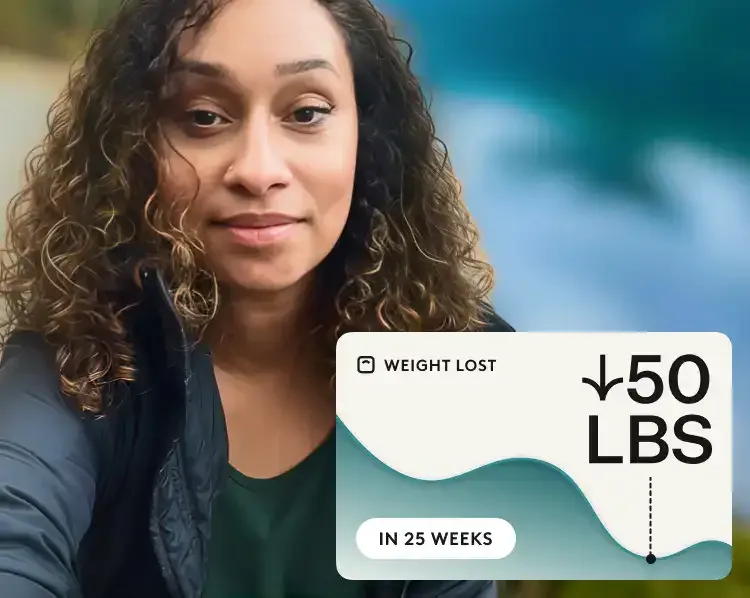
“My favorite parts of Noom are the care team and other Noomers. Sharing and getting help made me feel like I wasn’t doing it alone. That support made all the difference.”
Desirea N. — Real Noom user
Matthew M. — Real Noom user
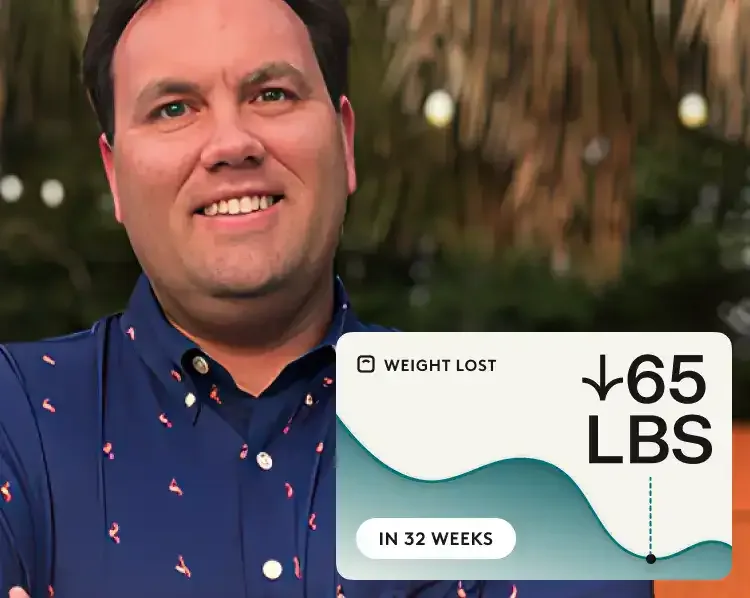
“Noom has taught me that every day is a new chance to make better, healthier choices. It's taught me how to stop overeating.’’
Matthew M. — Real Noom user
Lila M. — Real Noom user
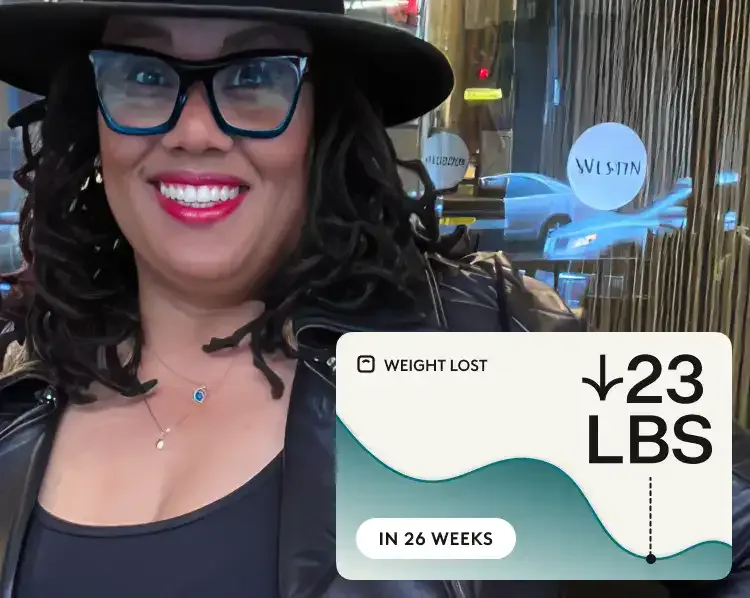
“Clinicians who understand how supportive medication can be is one of the best parts of Noom! I was convinced I wouldn’t have success but I’m down 11 pounds in two months.’’
Lila M. — Real Noom user
Steve M. — Real Noom user
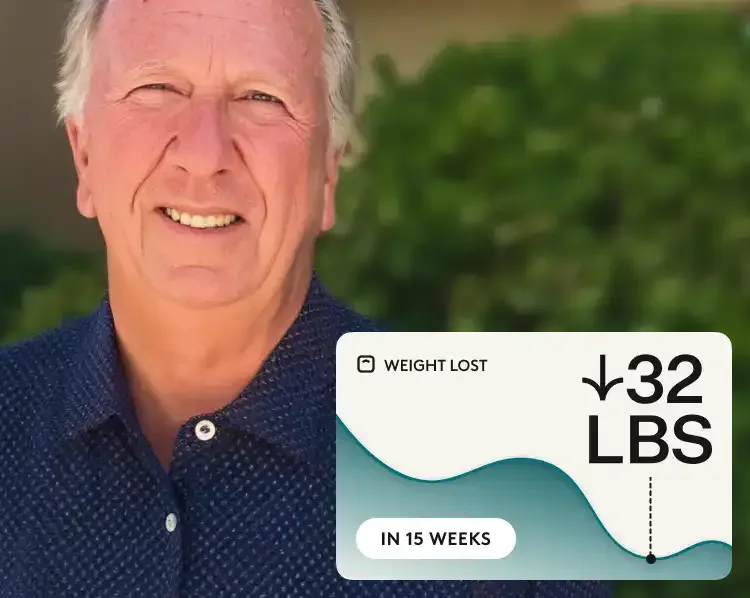
“Noom provided me with the medication which I could not get through Medicare. I have learned the tricks to better eating and life in general.”
Steve M. – Real Noom user
Daisy R. — Real Noom user
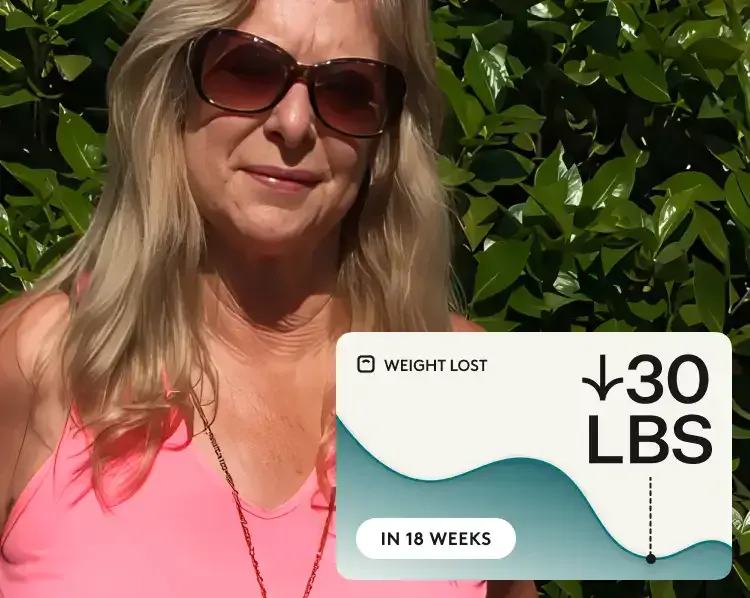
‘’Noom has changed my life and I’m so thankful, I feel great, have more energy and am no longer prediabetic.”
Daisy R. – Real Noom user
Sarah R. — Real Noom user
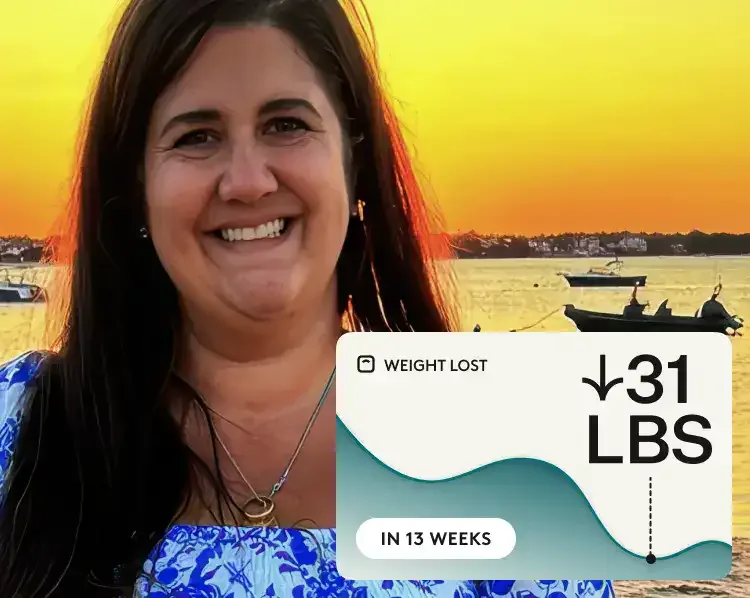
“All of the Noom providers that I’ve met with have been exceptional and prescribed medications that are appropriate for my situation and health.”
Sarah R. – Real Noom user
Madison S. — Real Noom user
“Noom made the process so simple and now I feel full, free from diet obsession, and at ease in my body again.”
Madison S. – Real Noom user
Sonday K. — Real Noom user
“My doctor recommended Noom after I was frustrated trying to lose weight. The lessons helped change my relationship with food. My body feels lighter & energized.”
Sonday K. – Real Noom user
Cam K. — Real Noom user
“I built healthy habits with coaching and lessons that make me confident I can maintain my weight loss long term.”
Cam K. – Real Noom user
Laura TR. — Real Noom user
“With the right medication through Noom, hunger and sugar cravings finally quieted and I have the tools to break the cycle.”
Laura TR. – Real Noom user
Jessica S. — Real Noom user
“Cravings and food noise are gone, I finally feel confident in the healthy habits I’ve built to last with Noom.”
Jessica S. – Real Noom user
The bottom line: There are ways to save on Contrave® with and without insurance
When you first see the cash price of Contrave®—often around $500 to $800 a month—it can feel like an immediate no. But that number usually isn’t the whole story. Many people end up paying much less through the manufacturer’s programs or pharmacy discounts that can lower the cost. So while the sticker price gets attention, it’s often not the number that matters most.
The more useful question is: what would Contrave® actually cost you? That depends on whether you have insurance, whether your plan covers it, and whether you qualify for the manufacturer’s discount options.
If you’re considering Contrave®, it’s worth checking those paths before ruling it out. And if you want help sorting through medication options for weight management, see if you qualify for Noom Med. If so, you’ll be connected with a clinician who can prescribe medication, if needed, and can support you with medical guidance and a longer-term approach that goes beyond the prescription itself.
At the end of the day, the goal is to find a plan that actually works for your body and your budget—because weight loss support should be realistic, not stressful.
Editorial standards
At Noom, we’re committed to providing health information that’s grounded in reliable science and expert review. Our content is created with the support of qualified professionals and based on well-established research from trusted medical and scientific organizations. Learn more about the experts behind our content on our Health Expert Team page.