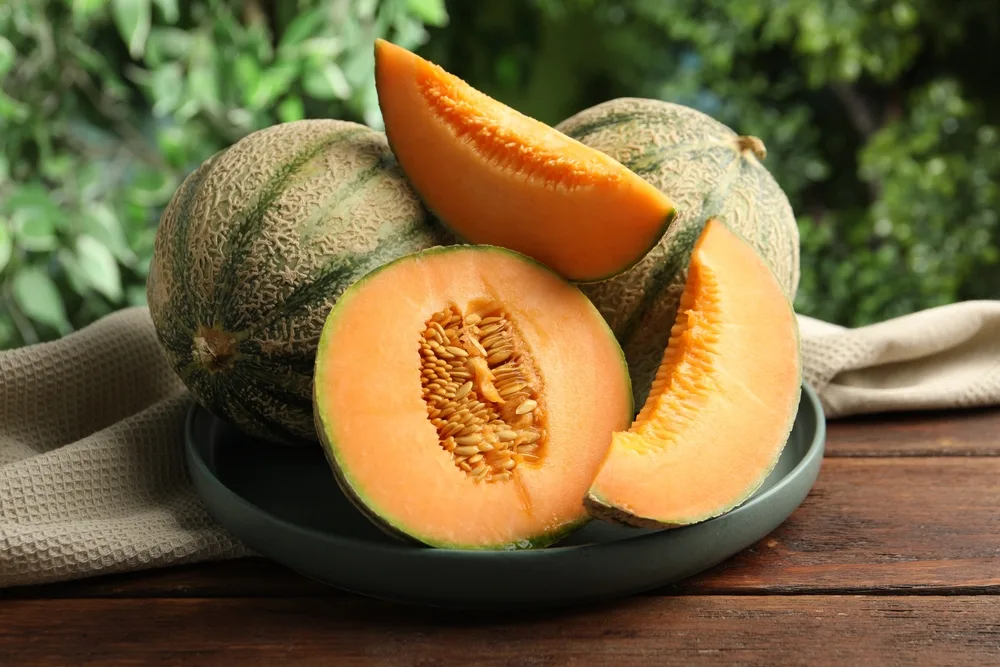
Cantaloupe tends to get overlooked in nutrition conversations. It’s sweet, inexpensive, easy to find year-round, and often treated as little more than a basic fruit salad filler. But from a weight loss perspective, it has a lot going for it. It’s packed with water, relatively low in calories, and provides vitamin C and beta-carotene, nutrients that support immune function, skin health, and overall wellness.
It’s also one of those foods that feels more indulgent than it actually is. A large bowl can be satisfying for relatively few calories, which is part of why fruit with a high water content can help support fullness during weight loss.
Still, cantaloupe works best when you think about the bigger picture of the meal. Most of its carbohydrates come from natural sugars, and while its glycemic load is fairly modest, it’s not especially high in protein or fiber on its own. Pairing it with foods like Greek yogurt, cottage cheese, nuts, or a higher-protein breakfast can help make it more filling and balanced.
Here’s the full nutritional breakdown of cantaloupe, including calories, carbs, vitamins, glycemic impact, diet compatibility, and smart ways to include it in a weight loss plan.
✅ Quick answer
Yes—cantaloupe can absolutely fit into a balanced eating pattern, including one focused on weight loss. At about 54 calories per cup (160g) and roughly 90% water, it’s refreshing, hydrating, and naturally sweet without being especially calorie-dense. It’s also one of those foods that can make healthier eating feel more satisfying and enjoyable. The natural sweetness may help satisfy a craving for something sweet, while the high water content adds volume and freshness to meals and snacks.

See if your insurance
covers GLP-1s.
The form only takes 2 minutes to answer. We’ll handle the rest.
GET STARTED🚀 Weight-loss benefits
- Very low in calories for the amount you get – At just 54 calories per cup, cantaloupe gives you a surprisingly large, satisfying portion for relatively few calories. Because it’s packed with water, it takes up a lot of physical space, which can help meals and snacks feel more substantial. A big bowl of cantaloupe feels generous—not like you’re picking at a tiny “diet” portion.
- Sweet enough to actually hit the spot – One of the hardest parts of changing your eating habits is feeling like every sweet craving has to be ignored. Cantaloupe can help bridge that gap. It’s naturally sweet, juicy, and refreshing, but nowhere near as calorie-dense as desserts, candy, or sugary snacks.
- Hydrating and refreshing – Cantaloupe is about 90% water, which is part of why it feels so refreshing, especially in warmer weather. Water-rich foods can also help with fullness and hydration at the same time. And honestly, a lot of us go through the day slightly dehydrated without realizing it, which can make low energy and random snackiness feel worse.
⚠️ Things to be mindful of:
- Moderate glycemic index – Cantaloupe has a glycemic index of around 65, which places it in the moderate range. For most people, that’s not a major concern, especially when it’s eaten as part of a balanced meal or snack. If you’re managing blood sugar, prediabetes, or type 2 diabetes, pairing cantaloupe with protein or fat—like Greek yogurt, cottage cheese, or nuts—may help create a steadier blood sugar response.
- Food safety matters with pre-cut melon – Melons grow on the ground and have textured outer rinds that can carry bacteria. When the melon is sliced, bacteria from the surface can transfer to the flesh. Washing the outside before cutting and refrigerating cut melon promptly helps reduce the risk.
- Can cause digestive discomfort for some people – Cantaloupe contains fermentable carbohydrates that may trigger bloating or digestive discomfort in people who are sensitive to FODMAPs or prone to IBS symptoms. This doesn’t affect everyone, but some people find they tolerate smaller servings better than large bowls at once.
🥗 Nutrients in cantaloupe (per 1 cup / 160g)
| Nutrient | Amount | % RDA* |
|---|---|---|
| Calories | 54 calories | 3% |
| Protein | 1.3 g | 3% |
| Total carbs | 13.1 g | 5% |
| Fiber | 1.4 g | 5% |
| Sugars | 12.6 g | — |
| Total fat | 0.3 g | 0% |
| Saturated fat | 0.08 g | 0% |
| Monounsaturated fat | 0.00 g | — |
| Polyunsaturated fat | 0.13 g | — |
*Recommended dietary allowance (RDA) is defined as the average daily amount of nutrients needed to meet the requirements of nearly all healthy people in a specific group.
Most of the calories in cantaloupe come from carbohydrates in the form of naturally occurring sugars, while fat remains almost negligible, and protein is relatively low. The combination of high water content and low calorie density is part of what makes cantaloupe feel refreshing and physically substantial despite providing relatively few calories per serving.
The fiber content is modest at 1.4 grams per cup. While that’s lower than higher-fiber fruits like berries or pears, it still contributes to slowing digestion and moderating how quickly the fruit’s sugars are absorbed. Because cantaloupe is low in both fat and protein, it tends to work best nutritionally alongside foods that provide those nutrients, such as Greek yogurt, cottage cheese, nuts, or seeds.
Cantaloupe also contains small amounts of unsaturated fats, including trace omega-3 and omega-6 fatty acids, though not in amounts significant enough to meaningfully contribute to daily fat intake. Its nutritional strengths are more tied to hydration, low calorie density, and micronutrients like vitamin C and beta-carotene than to macronutrient content.
💊 Vitamins & minerals in cantaloupe (per 1 cup / 160g)
| Vitamin/Mineral | Amount | % RDA* |
|---|---|---|
| Vitamin C | 58.7 mg | 65% |
| Vitamin A (beta-carotene) | 270 µg RAE | 30% |
| Potassium | 427 mg | 9% |
| Folate (B9) | 33.6 µg | 8% |
| Niacin (B3) | 1.17 mg | 7% |
| Copper | 0.06 mg | 7% |
| Pantothenic acid (B5) | 0.34 mg | 7% |
| Vitamin B6 | 0.11 mg | 6% |
| Magnesium | 19.2 mg | 5% |
| Zinc | 0.29 mg | 3% |
| Phosphorus | 24 mg | 2% |
| Calcium | 14.4 mg | 1% |
Along with being hydrating and relatively low in calories, cantaloupe provides meaningful amounts of vitamin C, beta-carotene, and potassium.
Vitamin C is the standout nutrient, with one cup providing about 65% of the daily recommended amount. In addition to supporting immune function, vitamin C is involved in collagen production, wound healing, antioxidant defense, and iron absorption.
Cantaloupe is also rich in beta-carotene, the pigment responsible for its orange color. The body converts beta-carotene into vitamin A as needed, and one cup provides about 30% of the daily recommended intake. Vitamin A plays an important role in vision, immune health, and maintaining healthy skin and mucous membranes.
Potassium is another nutrient worth noting. At roughly 427 mg per cup, cantaloupe contains more potassium than many people expect from fruit. Potassium helps regulate fluid balance, nerve signaling, muscle function, and blood pressure. Since many Americans don’t get enough potassium, foods like cantaloupe can help contribute to daily intake.
🔍 Nutrient breakdown
Glycemic index (GI) of cantaloupe
Glycemic index: 65 (Moderate)
💡 Tip: Cantaloupe’s moderate GI means it raises blood sugar faster than low-GI foods like vegetables and legumes, but the effect is manageable at typical serving sizes. Pairing it with a protein source—cottage cheese, Greek yogurt, or a handful of nuts—slows the blood sugar rise and extends how full you feel afterward.

The Easy Way
to lose weight and get healthy.
See if you qualify
Is cantaloupe high in protein?
❌ No – cantaloupe contains 1.3g of protein per cup.
Better protein alternatives: Greek yogurt | Cottage cheese | Hard-boiled eggs
Is cantaloupe high in fiber?
❌ No – cantaloupe has 1.4g of fiber per cup.
💡 Tip: To meaningfully boost the fiber content of a cantaloupe-based snack, pair it with chia seeds, flaxseed, or a high-fiber grain. The fiber from those additions complements the water and micronutrients from the melon.
Is cantaloupe low in carbs?
❌ No – cantaloupe has 13.1g of carbs per cup.
💡 Tip: For most people following a balanced or moderate-carb approach to weight loss, cantaloupe’s carbs come packaged with enough nutrition to be well worth including. If you’re following a strict low-carb plan, account for a one-cup portion as a deliberate carb choice and balance accordingly.
Is cantaloupe gluten-free?
✔️ Yes – cantaloupe is naturally and completely gluten-free. People with celiac disease or gluten sensitivity can eat it freely. The only edge case is pre-cut cantaloupe processed in facilities that also handle wheat products, which is relevant for those with severe celiac disease.
Is cantaloupe good for fat loss?
✔️ Yes – cantaloupe’s very low calorie density, high water content, and natural sweetness make it one of the better fruits for fat loss. It makes it easier to maintain a calorie deficit without feeling deprived. It won’t accelerate fat burning on its own, but it consistently supports the conditions that make fat loss sustainable: lower calorie intake, better hydration, and fewer high-calorie snack substitutions.
🍽️ Diet compatibility: Which diets include cantaloupe?
| Diet | ✅/❌ | Why |
|---|---|---|
| Keto | ❌ | At 13.1g net carbs per cup, cantaloupe doesn’t fit comfortably within the 20–50g daily carb limit of a ketogenic diet. Even a modest serving uses up a significant portion of the daily allotment. |
| Paleo | ✅ | Cantaloupe is a whole, unprocessed food with no additives—exactly what paleo emphasizes. Fruit is actively encouraged on paleo. |
| Mediterranean | ✅ | The Mediterranean diet encourages generous fruit intake, and cantaloupe fits seamlessly. It pairs naturally with Greek yogurt and works well as a light breakfast addition or dessert substitute. |
| Vegan | ✅ | Cantaloupe is a whole plant food with zero animal-derived ingredients. It’s a useful source of vitamin C and beta-carotene on a plant-based diet. |
| Gluten-free | ✅ | Cantaloupe is naturally gluten-free. People with severe celiac disease should verify that pre-cut versions weren’t processed in a shared facility with wheat-containing foods. |
Cantaloupe has very broad diet compatibility—it works for paleo, Mediterranean, vegan, and gluten-free eating patterns without modification. The one clear exception is keto, where the carbohydrate count creates a genuine structural issue. For Mediterranean and paleo eaters especially, cantaloupe is a natural fit and a practical way to hit micronutrient targets at a low calorie cost.
🌟 Is cantaloupe healthy? What are the health benefits?
Metabolic health: Is cantaloupe good for your metabolism?
- Boosts metabolism? ⚠️ Neutral to modest – Cantaloupe doesn’t have any direct thermogenic effect, but its vitamin C content is worth noting: vitamin C is involved in the synthesis of carnitine, a compound that helps transport fatty acids for energy use. Adequate vitamin C and good hydration—both of which cantaloupe supports—keep normal metabolic function running smoothly.
- Improves insulin sensitivity? ✔️ Possibly – Some research links higher dietary beta-carotene and vitamin C intake with improved insulin sensitivity over time, though the evidence isn’t strong enough to make a direct clinical claim for cantaloupe specifically. As part of an overall diet rich in whole plant foods, it contributes to an eating pattern consistently associated with better insulin function.
- Effect on fat storage? Positive – Cantaloupe’s very low calorie density means it doesn’t contribute meaningfully to caloric surplus, which is the primary driver of fat storage. Its moderate GI is manageable at normal serving sizes when eaten alongside other foods, and the fiber content helps moderate the insulin response.
Cholesterol impact: Does cantaloupe affect cholesterol levels?
- Does it lower LDL (bad) cholesterol? ⚠️ Unlikely directly – Cantaloupe doesn’t contain the soluble fiber types most strongly associated with LDL reduction. Its fiber content is modest. That said, it fits within the kind of plant-forward diet consistently linked with healthier lipid profiles.
- Does it raise HDL (good) cholesterol? ❌ Limited data – There is no strong direct evidence that cantaloupe specifically raises HDL. Its antioxidants and vitamins support cardiovascular health broadly.
- Overall impact on heart health? Favorable – Cantaloupe is low in sodium, cholesterol-free, and delivers meaningful amounts of potassium, vitamin C, and beta-carotene—all associated with cardiovascular benefit. The potassium content in particular is well-established for helping lower blood pressure.
💡 Tip: Cantaloupe pairs well with a small portion of walnuts—the omega-3 fats in walnuts and the potassium and vitamin C in cantaloupe create a snack with real cardiovascular benefit.
Can I eat cantaloupe in a calorie deficit?
✔️ Yes, with confidence: At 54 calories per cup, cantaloupe is one of the most practical foods you can eat in a calorie deficit. A generous serving leaves plenty of room in a standard daily budget, and the combination of water, natural sweetness, and moderate fiber satisfies both physical hunger and sweet cravings at minimal caloric cost.
💡 Tip: When hunger hits between meals, cantaloupe is a smarter choice than crackers, granola bars, or fruit juice—you get more volume, real sweetness, and hydration for fewer calories.
Is cantaloupe rich in antioxidants?
✔️ Yes: Cantaloupe contains several meaningful antioxidants, most notably beta-carotene, vitamin C, and smaller amounts of lutein, zeaxanthin, and beta-cryptoxanthin. The beta-carotene in cantaloupe is particularly bioavailable because of the fruit’s soft, water-rich matrix.
Does cantaloupe support gut health?
✔️ Yes: Cantaloupe provides fiber that feeds beneficial gut bacteria and contributes to a healthy microbiome. The high water content also supports the fluid environment that healthy digestion depends on. While cantaloupe isn’t a fermented food or concentrated prebiotic source, it works well as a regular component of a gut-friendly diet.
Does cantaloupe support digestion?
Positive: The combination of water and fiber in cantaloupe supports smooth, regular digestive transit. Cantaloupe is gentle and well-tolerated by most people, including those with sensitive digestive systems. At very large servings, some people with fructose sensitivity may notice mild discomfort, but this is uncommon at a standard one-cup serving.
Does cantaloupe help you feel satiated and less hungry?
Moderate: Cantaloupe’s high water content and moderate fiber create a meaningful sense of fullness relative to its calorie count. It won’t sustain you for hours the way a protein-rich meal will, but it’s a genuinely satisfying snack that takes the edge off hunger between meals.
Satiety level: Moderate
💡 Tip: Pair cantaloupe with a protein source like cottage cheese or Greek yogurt to extend satiety—the combination of volume from the fruit and protein from the dairy creates a much more filling snack than either on its own.
Does cantaloupe help with nighttime cravings?
✔️ Yes: Cantaloupe’s natural sweetness makes it one of the better whole-food options for satisfying a post-dinner sweet craving without affecting your calorie goals. At under 60 calories for a generous serving, it’s a practical swap for ice cream, cookies, or fruit juice.
💡 Tip: Keep pre-cut cantaloupe in a container at eye level in the fridge so it’s the first thing you reach for when a nighttime craving hits. Accessibility matters more than you’d think.
Access GLP-1 Weight Loss with Noom
Explore a wide range of prescription medications supported by Noom’s program.Microdose GLP-1rx
Noom GLP-1rx
Noom GLP-1rx Plus
Wegovy®

Ozempic®

Metformin
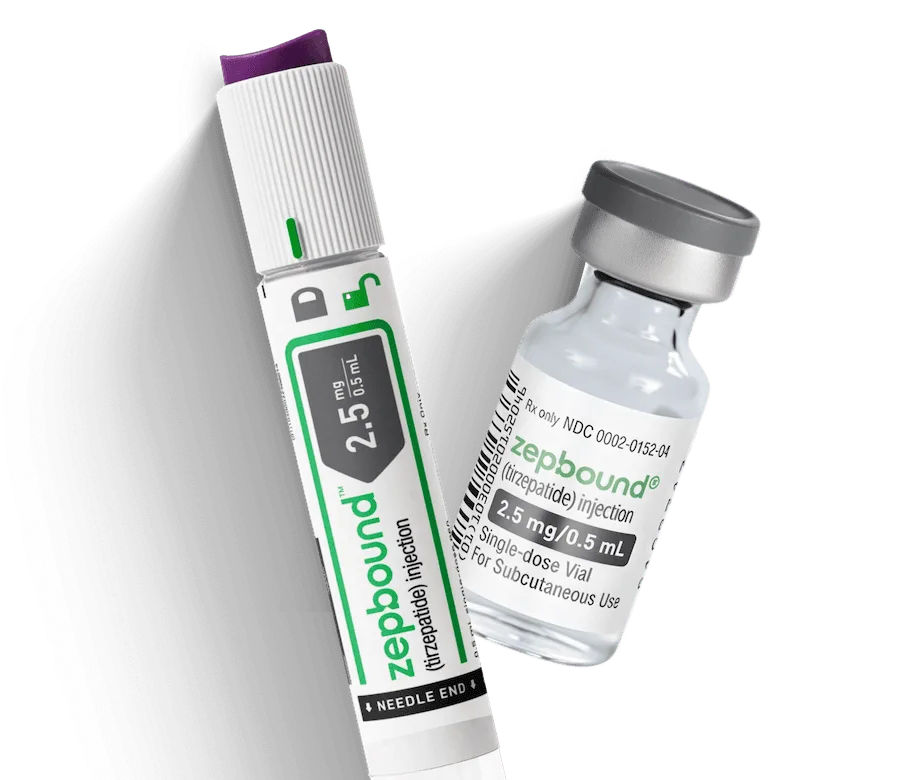
Zepbound®
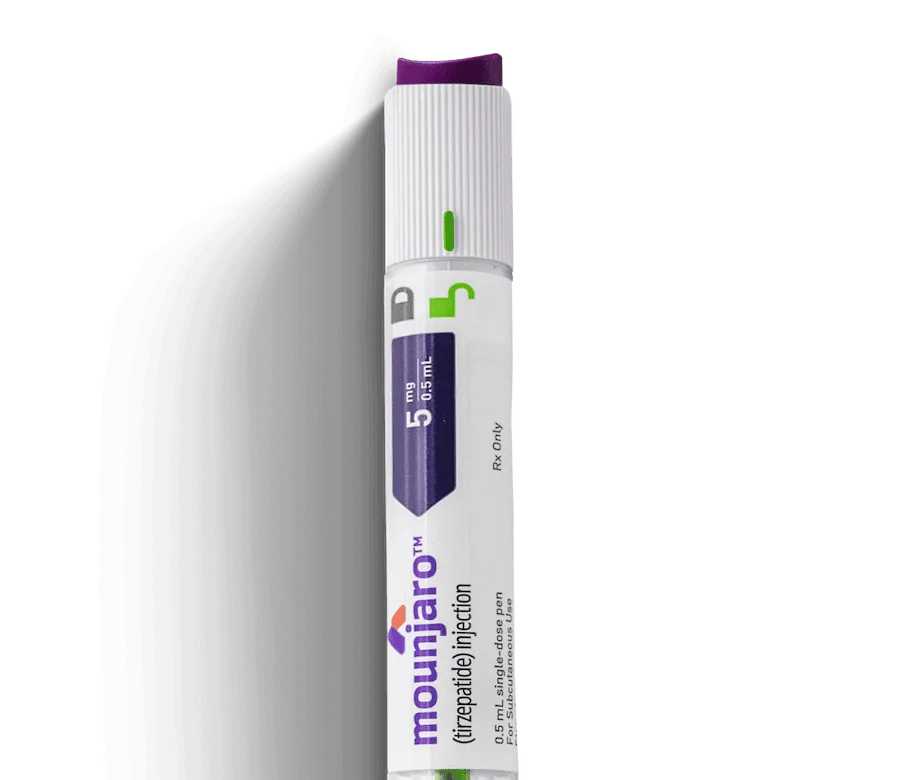
Mounjaro®
Liraglutide

Does cantaloupe help reduce inflammation?
✔️ Yes: The combination of vitamin C, beta-carotene, and other antioxidants in cantaloupe gives it meaningful anti-inflammatory properties. Chronic low-grade inflammation is increasingly understood as a contributor to obesity and metabolic dysfunction, so regularly eating anti-inflammatory whole foods has value that extends beyond the scale.
Is cantaloupe beneficial for brain health?
✔️ Yes: Cantaloupe’s folate content supports neurotransmitter synthesis, and deficiency is associated with cognitive decline. Vitamin C also supports the nervous system, and the hydration cantaloupe contributes to playing a practical role in cognitive performance—even mild dehydration impairs concentration and short-term memory.
Can cantaloupe improve skin and hair health?
✔️ Yes: Vitamin C is essential for collagen synthesis, which gives skin its structure and elasticity. Beta-carotene, converted to vitamin A by the body, supports skin cell turnover. Getting both from a single whole-food source makes cantaloupe a genuinely useful choice for skin health from the inside out.
Can cantaloupe help balance hormones?
⚠️ Limited evidence: Cantaloupe isn’t a hormone-regulating food in any direct sense, but its vitamin B6 and folate content support some of the enzymatic processes involved in neurotransmitter and hormone production. More broadly, eating a diet rich in nutrient-dense whole foods—of which cantaloupe is a solid example—supports the metabolic conditions in which healthy hormone balance is more achievable.
💡 Tip: For hormonal health, the bigger picture matters more than any single food. Cantaloupe contributes to a nutrient-dense, anti-inflammatory dietary pattern—combine it with adequate sleep, stress management, and regular movement for the most meaningful impact.
🍽️ Best ways to eat cantaloupe for weight loss
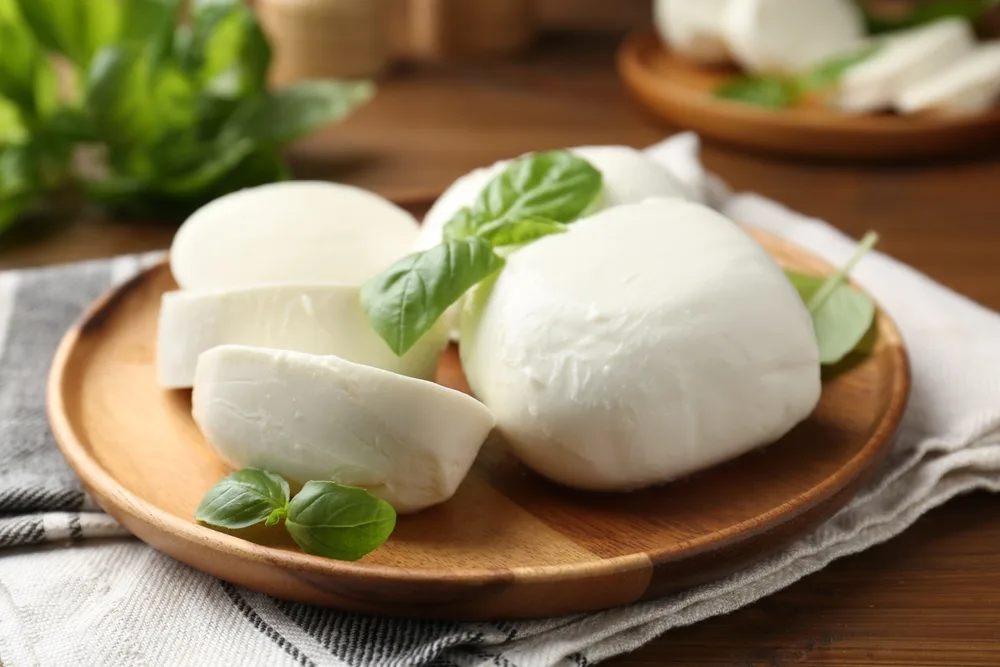
- With a protein pairing – Eating cantaloupe fresh alongside a protein source—cottage cheese, Greek yogurt, hard-boiled eggs, or sliced turkey—is the most effective way to turn a light snack into something that actually keeps you full. The protein slows digestion, moderates the blood sugar response, and extends how full you feel. This pairing works well at breakfast or as a mid-afternoon snack.
- As a dessert replacement – Swapping a post-dinner dessert for a chilled bowl of cantaloupe is a calorie-saving move you can make consistently. You get real sweetness and satisfaction for under 60 calories, compared to 250 to 400 calories for a typical dessert serving.
- In a savory salad – Cantaloupe works well in savory preparations—paired with cucumber, mint, arugula, and feta cheese, or with prosciutto and fresh basil. These combinations are balanced and filling.
Melon Day is observed on the second Sunday in August. Try these healthy cantaloupe recipes:
- Summer Tomato & Cantaloupe Salad – Minimalist Baker (a savory melon salad with cucumber, tomato, and a lime-mint dressing)
- Tropical Fruit Salad – Cookie and Kate (cantaloupe with watermelon and pineapple—works well served over yogurt)
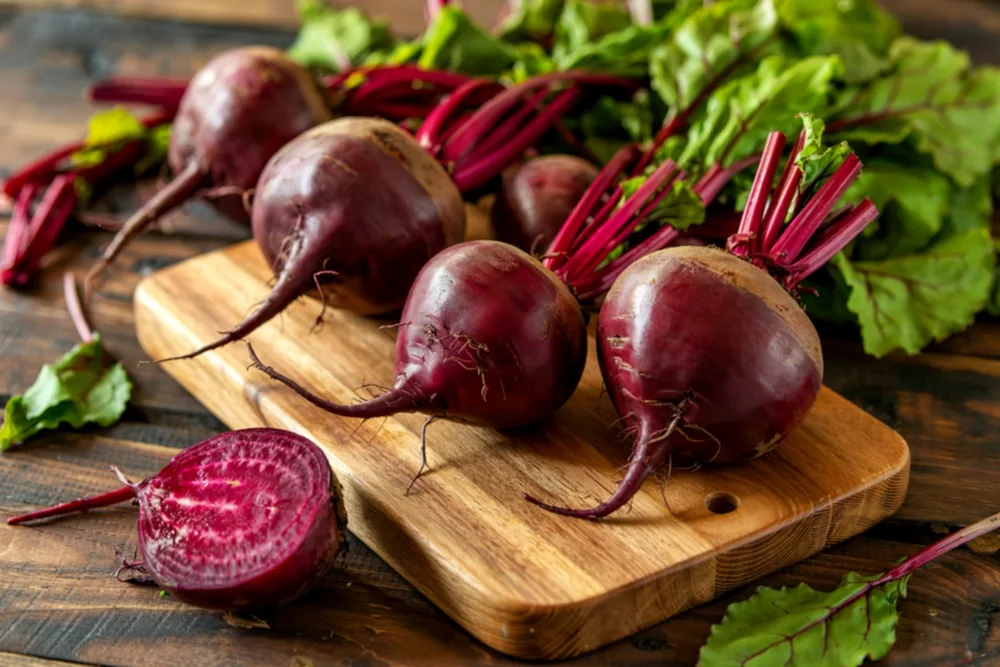
- Beet, Avocado & Grapefruit Salad with Cantaloupe – Love & Lemons (cantaloupe used in a vibrant savory salad with beets, avocado, and pistachios)
🍏 Best alternatives & comparisons (per 1 cup / ~160g)
| Food | Calories | Carbs | Fiber | Protein | Fat |
|---|---|---|---|---|---|
| Cantaloupe | 54 | 13.1 g | 1.4 g | 1.3 g | 0.3 g |
| Watermelon | 46 | 11.6 g | 0.6 g | 0.9 g | 0.2 g |
| Honeydew melon | 61 | 15.5 g | 1.4 g | 0.9 g | 0.2 g |
| Strawberries | 49 | 11.7 g | 3.0 g | 1.0 g | 0.5 g |
| Peaches (sliced) | 60 | 14.7 g | 2.3 g | 1.4 g | 0.4 g |
Cantaloupe sits comfortably in the same calorie range as most of its fruit peers. Watermelon has slightly fewer calories per cup, but cantaloupe pulls ahead significantly on vitamin A and vitamin C. Strawberries are the best fiber choice in this group at 3 grams per cup—more than double cantaloupe—making them the stronger pick if satiety and blood sugar management are the priority. Any of these fruits is a solid weight-loss-friendly choice; the best one is the one you’ll eat consistently.
Frequently asked questions about cantaloupe and weight loss
How many calories are in a cup of cantaloupe?
One cup of cantaloupe (about 160g) contains 54 calories. A two-cup serving—a pretty generous bowl—still comes in under 110 calories.
Can I eat cantaloupe every day on a diet?
Yes, for most people. Cantaloupe is a whole food with a strong micronutrient profile, and eating a cup a day fits comfortably within nearly any balanced eating approach. The main exception is strict low-carb or ketogenic diets, where the 13g of carbs per cup needs to be accounted for carefully.
Does cantaloupe have a lot of sugar?
One cup of cantaloupe has 12.6g of natural sugar. But it comes alongside water, fiber, vitamins, and antioxidants—a very different package from 12g of added sugar in a candy or sweetened drink. The body processes it more slowly, and the overall nutritional value is high. At one-cup servings, it’s not a sugar concern for most people.
Is cantaloupe better than watermelon for weight loss?
It depends on what you’re optimizing for. Watermelon has slightly fewer calories (46 vs. 54 per cup), but cantaloupe is significantly higher in vitamin C and vitamin A. If you want more nutritional value per calorie, cantaloupe wins. Both are solid choices.
What is the best time to eat cantaloupe for weight loss?
There isn’t a single best time, but a few contexts work particularly well. As a mid-morning or mid-afternoon snack, it prevents hunger from building to the point where you make impulsive food choices. As a post-dinner sweet, it satisfies cravings at very low caloric cost. At breakfast, paired with Greek yogurt or cottage cheese, it adds volume and micronutrients to a protein-rich start.
Is cantaloupe okay for people with diabetes?
Cantaloupe can be part of a diabetes-friendly eating plan, but its moderate GI of 65 means it should be eaten thoughtfully. Pairing it with protein or fat—like cottage cheese or a handful of nuts—blunts the blood sugar response. Portion size matters too: a half-cup portion is more manageable than a full cup for anyone closely monitoring glucose. Always check with your healthcare provider for personalized guidance.
Does cantaloupe cause bloating?
For most people, no. Cantaloupe is generally well tolerated and isn’t considered one of the fruits most commonly associated with bloating at typical serving sizes. Its high water content and relatively modest fiber content also make it feel fairly easy to digest for many people.
That said, people who are sensitive to FODMAPs, fructose, or larger amounts of fruit at once may notice bloating or digestive discomfort, especially with bigger portions.
🧠 The bottom line: Cantaloupe is good for weight loss
Cantaloupe works so well in a healthy eating pattern because it’s refreshing, naturally sweet, and surprisingly satisfying for how light it is. At just 54 calories per cup and about 90% water, it gives you a lot of volume and flavor without feeling heavy. It also brings along vitamin C, beta-carotene, and potassium, making it more nutritionally substantial than its “fruit salad filler” reputation suggests.
It’s especially helpful when you want something cold, juicy, and sweet but don’t necessarily want a rich dessert or sugary snack. A bowl of ripe cantaloupe can genuinely hit that craving while still feeling fresh and hydrating.
Where cantaloupe works best is alongside foods that add staying power. On its own, it’s more of a refreshing snack. Paired with cottage cheese, Greek yogurt, prosciutto, nuts, or eggs, it becomes something more balanced and filling that can carry you through the afternoon or round out breakfast.
Sustainable weight loss comes from consistently making choices that let you eat less without feeling like you’re missing out—and cantaloupe is exactly that kind of food. If you’re looking for support building those habits, Noom’s program is built around exactly that kind of practical, sustainable approach.
See if your insurance
covers GLP-1s.
The form only takes 2 minutes to answer. We’ll handle the rest.
GET STARTED📖 Scientific evidence
- Choosing foods with a high water content—like cantaloupe—may help you eat less overall. (Physiology & Behavior, 2009) Research by Barbara Rolls found that people eat a consistent weight of food regardless of its calories—meaning that choosing low-calorie-density foods may help you eat a satisfying portion for far fewer calories.
- The beta-carotene in cantaloupe is highly bioavailable—meaning your body can easily use it. (Journal of Agricultural and Food Chemistry, 2011) This study found that the body absorbs the beta-carotene in cantaloupe well, making it a good source of vitamin A.
- Cantaloupe is a good source of potassium, which has been associated with lower blood pressure in studies. (BMJ, 2013) A review of 22 studies found that higher potassium intake was linked to meaningful reductions in blood pressure, though most studies used supplements rather than food sources.
- Cantaloupe is a good source of both beta-carotene and vitamin C, and getting more of these nutrients from food may be linked to a lower risk of type 2 diabetes. (Advances in Nutrition, 2024) A large review found that higher dietary intake of both was associated with reduced diabetes risk, with one cup of cantaloupe delivering nearly 4mg of beta-carotene. That said, the link was seen with food sources specifically — supplement studies didn’t show the same effect.
Editorial standards
At Noom, we’re committed to providing health information that’s grounded in reliable science and expert review. Our content is created with the support of qualified professionals and based on well-established research from trusted medical and scientific organizations. Learn more about the experts behind our content on our Health Expert Team page.