
What you’ll learn:
- GLP-1 medications can help people lose weight, but they work best when combined with behavioral support, making your choice of program just as important as your choice of medication.
- Both offer access to GLP-1 medications and community support, but Noom emphasizes psychology-based habit change, while Weight Watchers focuses on points tracking.
- Long-term weight loss success depends on finding a program that matches your personal goals, learning style, and support needs.
This article is for educational purposes only and does not constitute medical advice. The information contained herein is not a substitute for and should not be relied upon for professional medical advice. Consult your clinician about the risks and benefits of any treatment.
As weight loss care evolves, programs are no longer just about tracking food or counting points. Today’s leading platforms combine digital tools, coaching, and often prescription medications like GLP-1s to support more meaningful, sustained weight loss.
Both Noom and Weight Watchers (WW) now offer access to GLP-1 medications alongside structured programs, but the experience inside each platform is distinct.
Noom blends medical care with psychology-based lessons, daily habit-building tools, and community support designed to create sustainable change.
Weight Watchers integrates GLP-1 treatment into its established points system, pairing medication with food tracking, workshops, and community accountability.
New from Noom
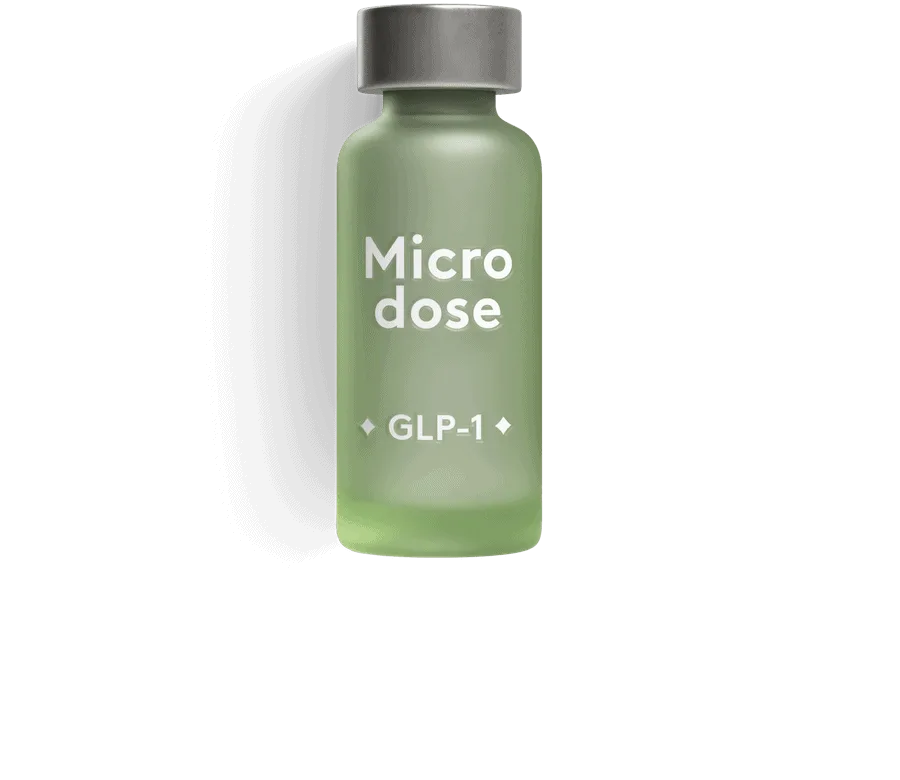
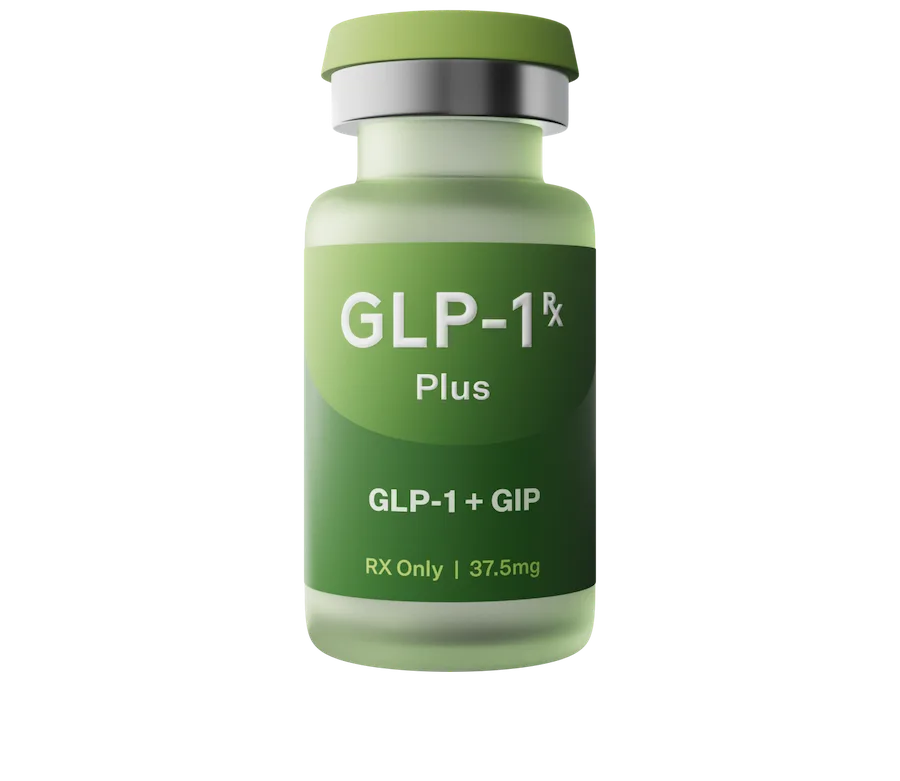
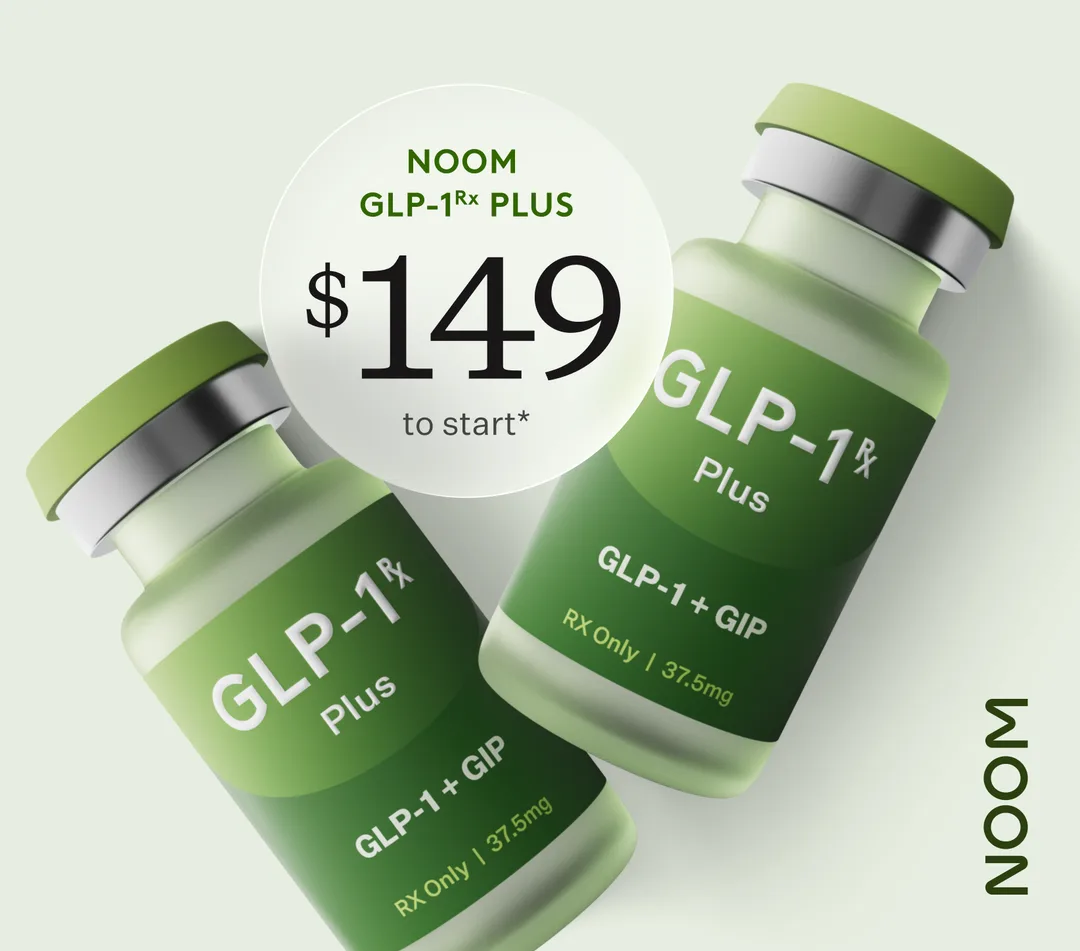
Microdose GLP-1Rx Plus
An affordable way to start your GLP-1 journey with Compounded Tirzepatide.

*Initial 3 week subscription and 4 weeks of medication from $79 plus tax and $199 per month plus tax for 12 week subscription thereafter. Final pricing depends on program selection. Noom GLP-1Rx Plus Microdose Program involves medication (when appropriate), healthy diet, exercise and support. Individual results vary. Meds & personalization based on need as determined by a third-party clinician. Medications are not reviewed by FDA for safety, efficacy, or quality. No affiliation with Eli Lilly and Company, the only US source of FDA-approved tirzepatide. Not available in all 50 US states.
Let’s compare Noom and Weight Watchers in 2026—looking at program structure, GLP-1 options, pricing, and long-term support—so you can decide which approach best fits your goals.
Noom vs. Weight Watchers: Different approaches to weight loss
As weight-loss programs expand to include GLP-1 medications, the breadth of support—and how medication is integrated into care—becomes increasingly important. Both Noom and Weight Watchers offer tools for weight management, but they differ in how comprehensively those tools are combined and how medication fits into the overall strategy.
Noom brings more than 15 years of experience in behavior-based weight loss. Its approach combines:
- Psychology-based daily lessons and mindset tools grounded in behavioral science
- Coaching and accountability support
- Food, weight, and habit tracking in a single app
- Access to licensed clinicians through the Noom Med program
- Multiple medical pathways, including full-dose GLP-1s, microdose GLP-1s, and oral weight-loss medications
- Ongoing guidance for side-effect management, appetite changes, and long-term habit maintenance
Within Noom Med, prescription options—including injectables, oral medications, and microdose alternatives—are integrated directly into the behavior-change program. Medication is treated as one component of a broader habit-building strategy, designed to support appetite regulation while members develop skills for maintaining progress long term.
Weight Watchers (WW) offers an established, structure-first approach to weight loss that includes:
- A points-based food system that simplifies daily eating decisions
- App-based food, weight, and activity tracking
- Community accountability through workshops and digital support
- Access to GLP-1 medications through AccessMed+
- Educational resources focused on nutrition, movement, and consistency
WW added clinical pathways to complement its existing points system and community model. Medication is layered onto a traditional framework centered on tracking, routine, and group accountability, with an emphasis on consistency and adherence rather than ongoing behavior-change coaching.
Why these differences matter for long-term success
The rapid expansion of GLP-1 availability has created a wave of programs that may appear similar on the surface. But long-term success depends on more than access to medication—it hinges on how well a program supports behavior change, eating psychology, and maintenance over time.
In practice:
- Noom is behavior-first, using medication as a supportive tool rather than the entire solution. The program is designed to help members internalize skills and adapt as medication use, appetite, and routines change.
- Weight Watchers is structure-first, relying on points, tracking, and community to guide eating patterns through stable, repeatable routines.
Both programs offer comprehensive toolsets, but their foundations are different. Noom integrates medication, psychology, and coaching into a single, continuous experience built on more than a decade of expertise. Weight Watchers pairs medication access with a familiar, rules-based system focused on consistency and accountability.
The right choice depends on whether you want guidance driven by internal skill-building and adaptation, or by an external framework that simplifies daily decisions and reinforces routine.
Access GLP-1 Weight Loss with Noom
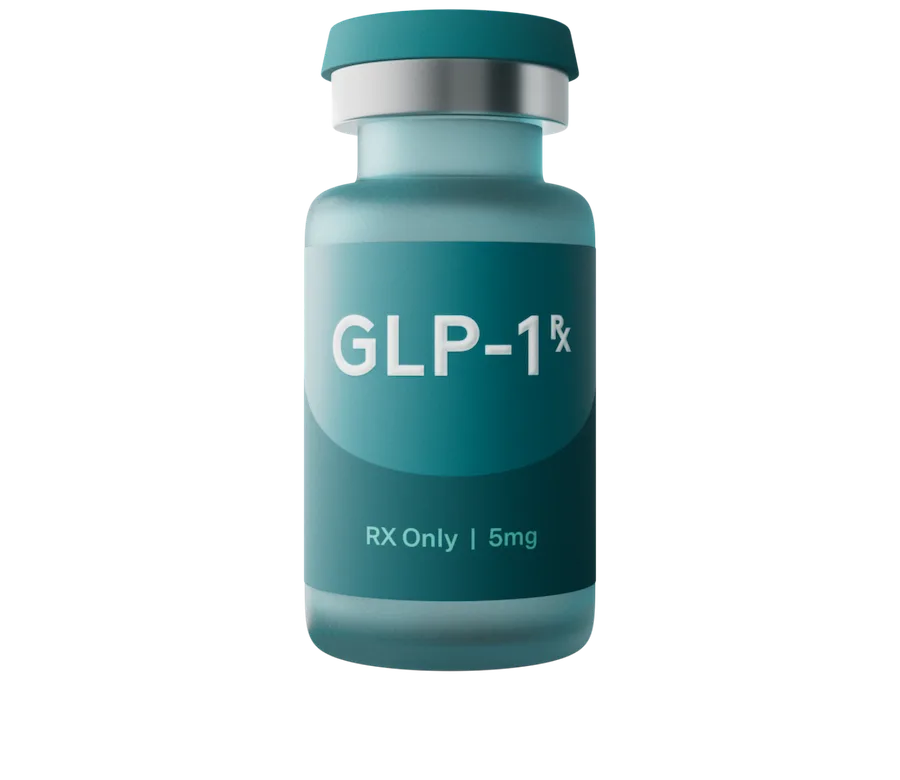
Explore a wide range of prescription medications supported by Noom’s program.Microdose GLP-1rx
Noom GLP-1rx
Noom GLP-1rx Plus
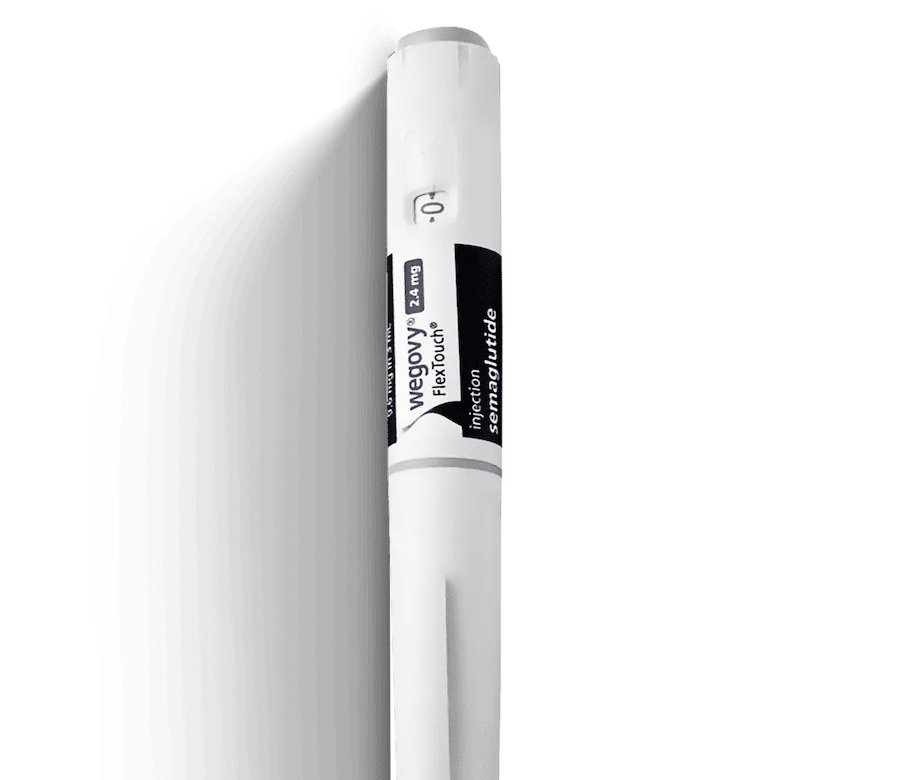
Wegovy®
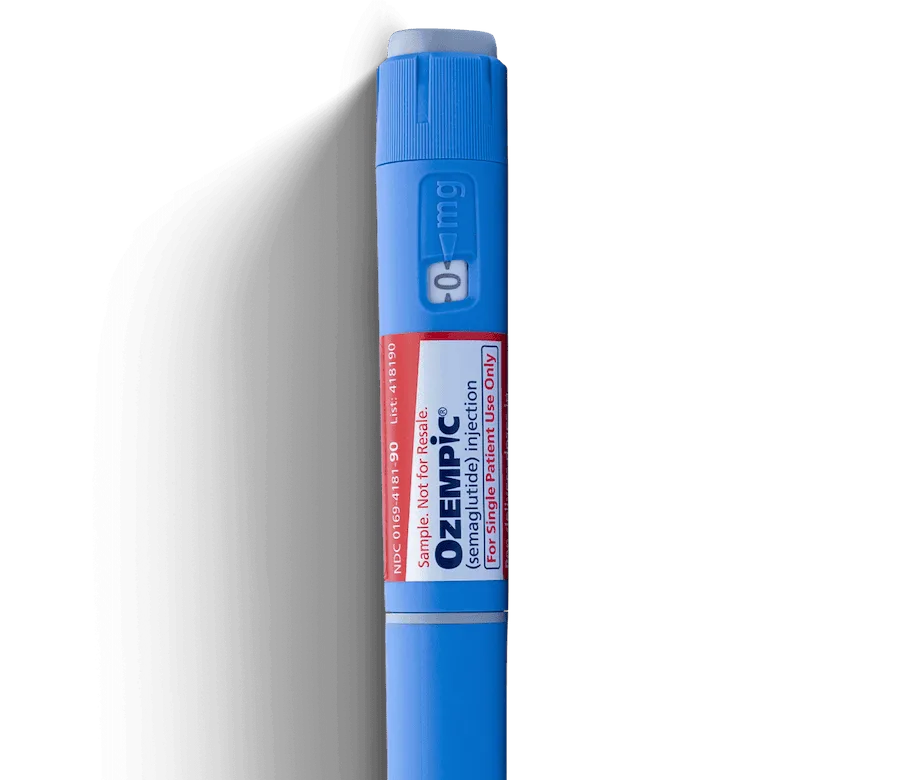
Ozempic®
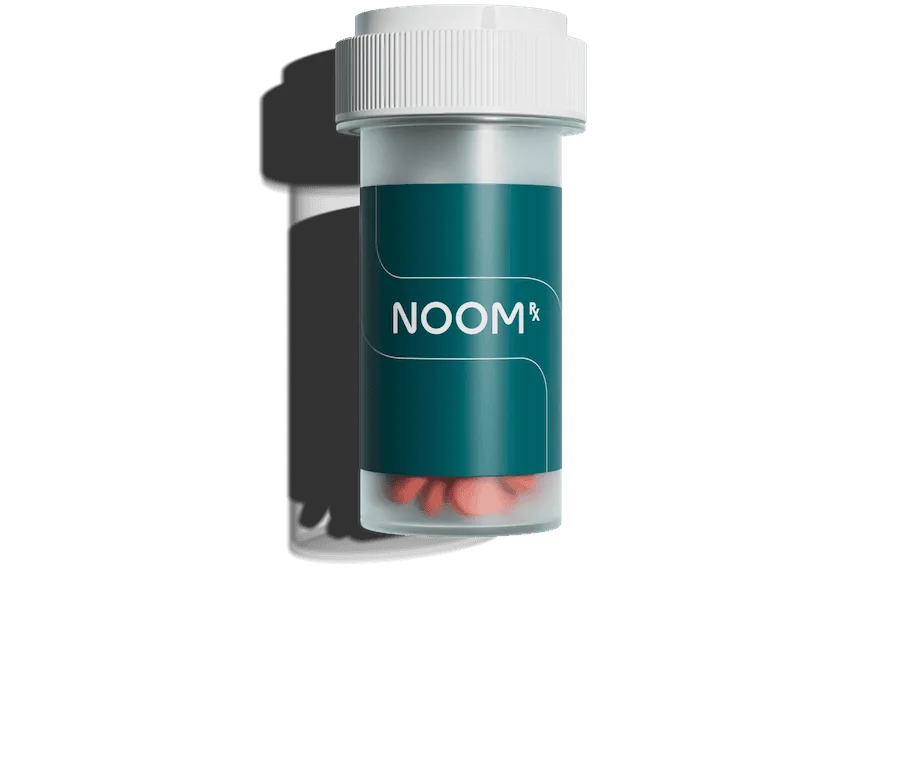
Metformin
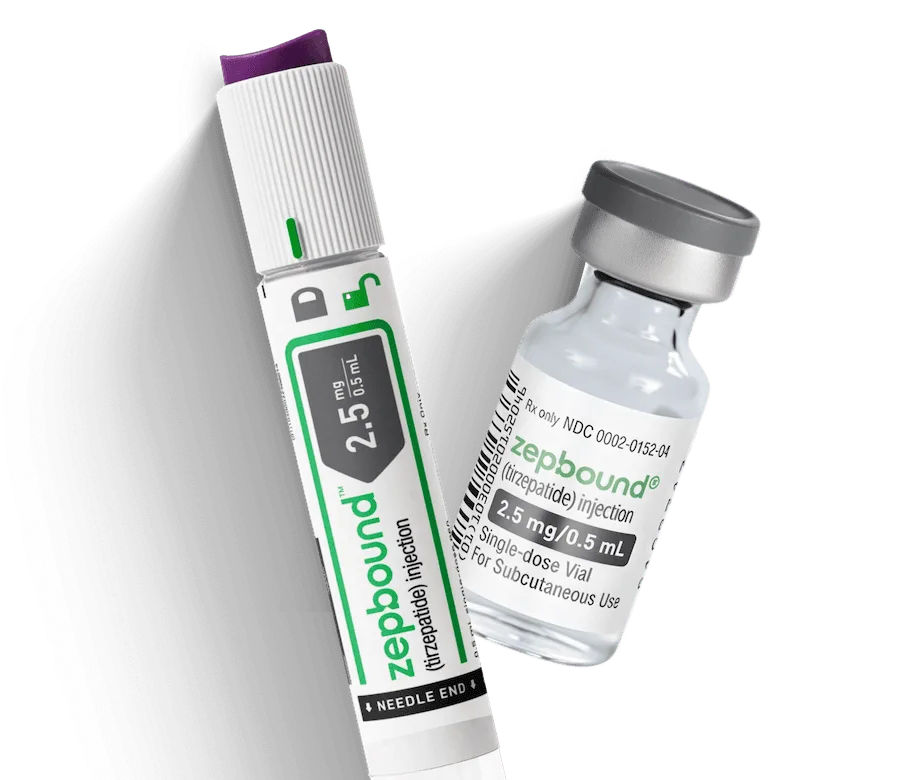
Zepbound®
Mounjaro®
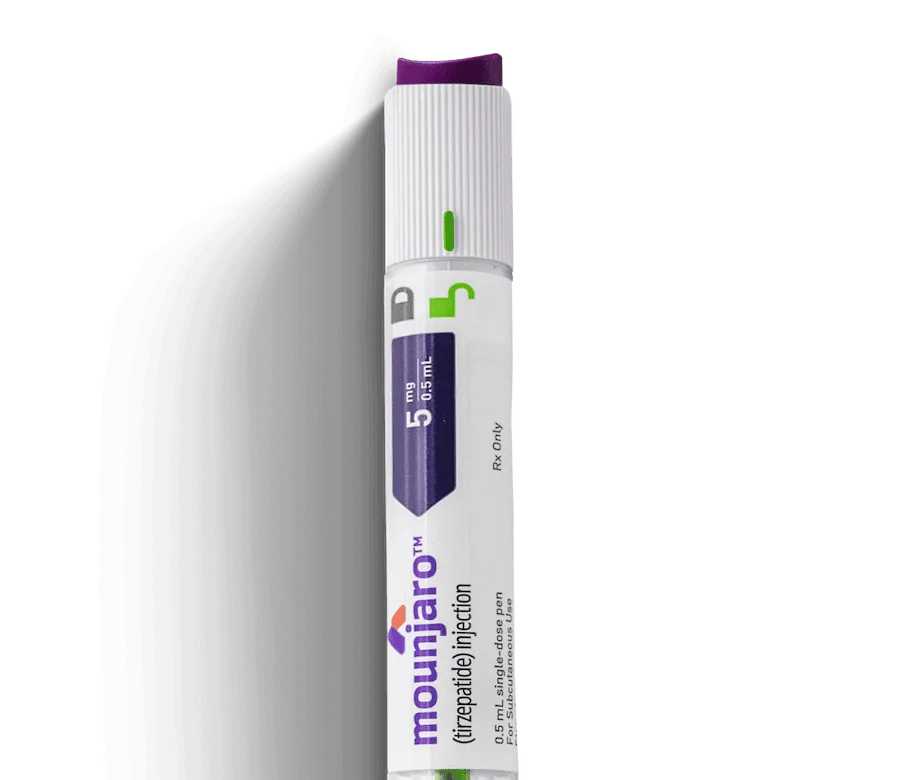
Liraglutide
Noom vs. Weight Watchers: Program features compared
Both Noom and Weight Watchers support weight loss with a combination of digital tools and, for eligible members, access to GLP-1 medications, but their programs are structured differently.
| Feature | Noom | Weight Watchers |
|---|---|---|
| Medication access | GLP-1 medications are available through Noom’s GLP-1 & GLP-1 Plus Programs (including Microdose GLP-1), metformin, and prescriptions for brand-name medications. | GLP-1 medications are available through the Med+ plan via WeightWatchers Clinic |
| Access to a clinician | Licensed clinician access plus access to coaches for daily guidance, motivation, and accountability. | Med+ only: telehealth-based clinician screening and follow-ups through WeightWatchers Clinic; Core and Core+ don’t include clinician care |
| Side-effect management | Care Team available, plus GLP-1 Companion. SmartDose medication tracking to personalize your dosage. Microdose option available, designed for lower and slower titration based on clinical need and adaptable to your response. | Med+ only: clinician-led medication oversight, dosing guidance, and side-effect support |
| Medication tracking | Includes SmartDose feature to log doses, side effects, and share updates automatically with the Care Team. | Med+ only: medication tracking and monitoring supported through the WW app and Clinic check-ins |
| Nutrition & recipes | Library of thousands of recipes, color-coded food system, AI food tracker, and protein-focused tools. | Points® system with a personalized daily Points budget, 350+ ZeroPoint foods, barcode scanning, restaurant guides, and 11,000+ recipes (available across plans) |
| Lessons | Psychology-based behavior change program with daily habit lessons. | Educational content focused on nutrition, activity, and consistency, supported by tracking tools and workshops (plan-dependent) |
| Fitness & muscle support | On-demand classes (yoga, HIIT, strength, Pilates) plus Muscle Defense™ tools to help preserve lean muscle during weight loss. | Activity tracking, general movement guidance, and-demand fitness class library |
Noom vs. Weight Watchers: Weight loss medication options
Both Noom and Weight Watchers provide a path to prescription weight-loss medications for people who clinically qualify. The key differences lie in the range of medications offered, dosing flexibility, and how medical care is integrated with ongoing behavior support.
Here’s how these options compare across both platforms:
| Medication option³ | Noom | Weight Watchers |
|---|---|---|
| GLP-1s | Plans that include medication, starting at $129/month. Telehealth access to branded medications, starting at $69/month. Prescribable options include Ozempic®, Wegovy® (injectable and pill), Mounjaro®, Zepbound®, generic liraglutide, and more. | Offered through WeightWatchers Clinic (Med+ plan). Prescribable options include Ozempic®, Wegovy® (injectable and pill), Zepbound®, Saxenda®, and Mounjaro®. Medication costs aren’t included. |
| Microdose or gradual dosing | Noom Microdose GLP-1Rx Program starting at $99/month (medication included). Low doses designed to manage observable side effects and ramp up tolerance over time based on clinical need. | Microdosing isn’t currently offered as a structured program. Standard dosing follows prescriber guidance through WeightWatchers Clinic. |
| Oral medications | Starting at $69/month (medication included). Prescribable options include metformin. (Wegovy pill is part of the standard Noom Med program and the prescription is filled at your pharmacy of choice.) | WeightWatchers Clinic supports oral weight-loss medications based on clinical evaluation and eligibility. Medication is not included |
Note: Ozempic®, Mounjaro®, and metformin are not FDA-approved to treat obesity or for weight loss. Price varies based on final program selection.
How to start GLP-1 treatment with Noom or Weight Watchers
Starting a weight-loss program with either Noom or Weight Watchers begins with a structured intake process to determine whether you qualify for GLP-1 medications or other treatment options. Both platforms make sign-up straightforward, but they differ in how clinical care and ongoing support are integrated into the overall experience.
| Step | Noom | Weight Watchers |
|---|---|---|
| Step 1 – Health questionnaire | If approved, the provider recommends an appropriate treatment plan, which may include GLP-1 medications, based on clinical eligibility. Medication is filled at your pharmacy of choice. | Take a medical quiz that collects medical history and weight-loss information to determine whether you may qualify for medications. |
| Step 2 – Clinician review | Licensed clinician reviews your intake to confirm safety and determine if GLP-1 medication is appropriate. | After enrolling in Med+, a dedicated medical provider reviews the assessment and, if eligible, develops a treatment plan. |
| Step 3 – Prescription & delivery | Some medications are shipped directly for free; branded prescriptions can be filled at your choice of pharmacy (local or mail-order) or shipped through the manufacturer. | If approved, the provider recommends an appropriate treatment plan, which may include GLP-1 medications, based on clinical eligibility. Medication is fill at your pharmacy of choice. |
| Ongoing support | Access to coaching, a Care Team for medication and side-effect guidance, GLP-1 Companion, Muscle Defense™, daily lessons, tracking tools, a dedicated community, and thousands of recipes. | Members begin the GLP-1 Success Program in the WW app, participate in coach-led experiences, and engage with the Med+ community. Clinical follow-ups occur as part of the treatment plan. |
Both programs simplify access to GLP-1 treatment, but they differ in how support continues after medication begins. Noom blends clinical care with behavior-change coaching and daily guidance, while Weight Watchers combines clinical oversight with its long-standing Points-based structure and community support.
Noom vs. Weight Watchers: Pricing and insurance
Here’s a brief overview of what you can expect in terms of cost when it comes to Noom and Weight Watchers:
| Category | Noom | Weight Watchers |
|---|---|---|
| Starting price | Noom Med Telehealth Program starts at $69 (doesn’t include medication). Oral medication plans start at $69 (includes metformin) Microdose GLP-1 plans start at $99 (includes medication)1 Full dose GLP-1 and GLP-/GIP plans start at $1292 (includes medication)3 | Med+:. $74/month (First month $25) for 12-month plan. (Other time frames are available)GLP-1 medication costs are not included |
| Coaching & behavior tools | Included with Noom Med, which integrates GLP-1 care with daily lessons, psychology-based coaching, and tracking tools. | Med+ includes GLP-1-related clinical care, medication tracking, dosing, and side-effect support, and group coaching |
Note on insurance: For branded GLP-1s, prescriptions may be covered if filled at your pharmacy, depending on the insurance carrier. Some medication and service costs may qualify for FSA or HSA reimbursement, depending on your plan.
Noom vs. Weight Watchers: GLP-1 dosing and administration
Both programs prescribe GLP-1 weight-loss medications, but their approach to dosing, titration, and follow-up differs in structure and personalization. How each program handles dose increases, administration options, and ongoing monitoring can shape both comfort and long-term success.
| Dosing approach | Noom | Weight Watchers |
|---|---|---|
| Microdose GLP-1 | Starting below the standard dose, it is designed for lower and slower SmartDose titration within Noom’s program, adaptable to user response; increased gradually as tolerated. | Not offered as a structured program. Weight Watchers does not currently provide a dedicated microdose GLP-1 option. |
| Full-dose GLP-1 | SmartDose titration protocol with a clinician available to answer any questions; dosing adjusted based on progress and side-effect tolerance. | Clinician-directed starting doses with gradual increases over time to balance effectiveness and tolerability (no public dosing schedule published). Supported by clinician assessment and supervision through WeightWatchers Med+ |
| Follow-up support | Care Team guidance and ongoing side-effect tracking through the GLP-1 Companion. | Ongoing clinician check-ins through WeightWatchers Clinic to monitor response and adjust treatment as needed. |
Individual results vary. Meds & personalization based on clinical need.
Noom vs. Weight Watchers: Frequently asked questions
When choosing between weight loss programs that now offer GLP-1 medications, you likely have practical questions about how these programs integrate medication with behavioral support. Here are answers to the most common topics people ask when evaluating their options.
Is behavior change really necessary if I’m on a GLP-1?
Yes—behavioral support is a key factor in maintaining weight loss with or without medication. While GLP-1s can help users lose 15 to 20% of their body weight, research shows that long-term success depends on daily habits, mindset, and lifestyle changes.4
With Noom Med, you’ll gain access to Noom’s clinically recognized behavior-change program at no extra cost—a program that helps members help you lose 37% more weight on a GLP-15 compared to using medication alone.
What support do I get after I stop taking the medication?
Weight regain is common after stopping GLP-1s—studies show people regain about 67% of their weight loss within a year. Programs with ongoing behavioral support help you maintain your progress. Noom’s GLP-1 Companion provides continued coaching, community support, and psychology-based tools designed to help you keep the weight off even after medication ends.
Will my insurance cover any part of the cost?
Coverage varies widely. Only 19% of large employers covered GLP-1s for weight loss in 2025, and many are reducing coverage due to costs. Some plans require you to participate in lifestyle programs before they’ll approve medication. Check with your insurance provider about specific coverage and explore manufacturer savings programs that may reduce your out-of-pocket costs.
Reviews from real Noom users
Desirea N. — Real Noom user
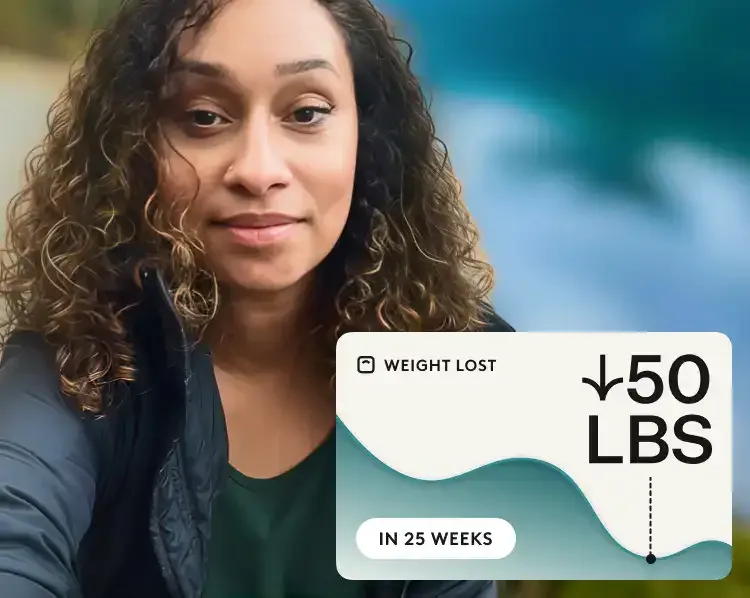
“My favorite parts of Noom are the care team and other Noomers. Sharing and getting help made me feel like I wasn’t doing it alone. That support made all the difference.”
Desirea N. — Real Noom user
Matthew M. — Real Noom user
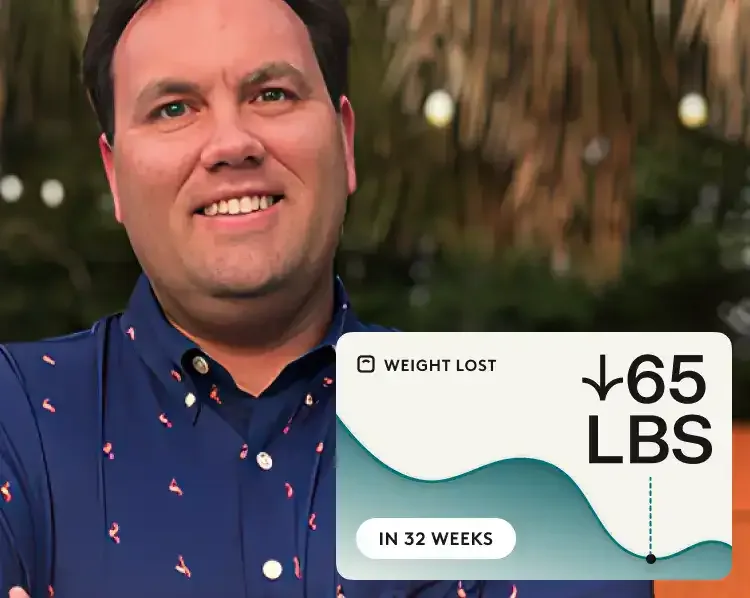
“Noom has taught me that every day is a new chance to make better, healthier choices. It's taught me how to stop overeating.’’
Matthew M. — Real Noom user
Lila M. — Real Noom user
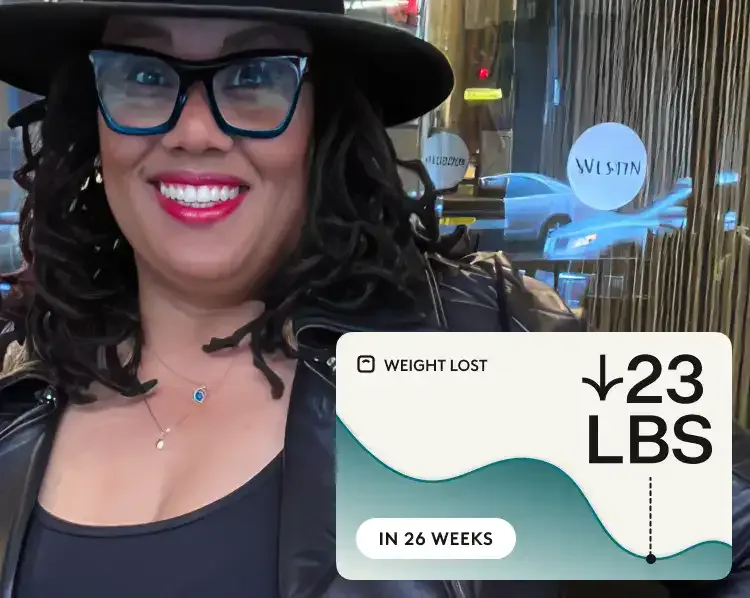
“Clinicians who understand how supportive medication can be is one of the best parts of Noom! I was convinced I wouldn’t have success but I’m down 11 pounds in two months.’’
Lila M. — Real Noom user
Steve M. — Real Noom user
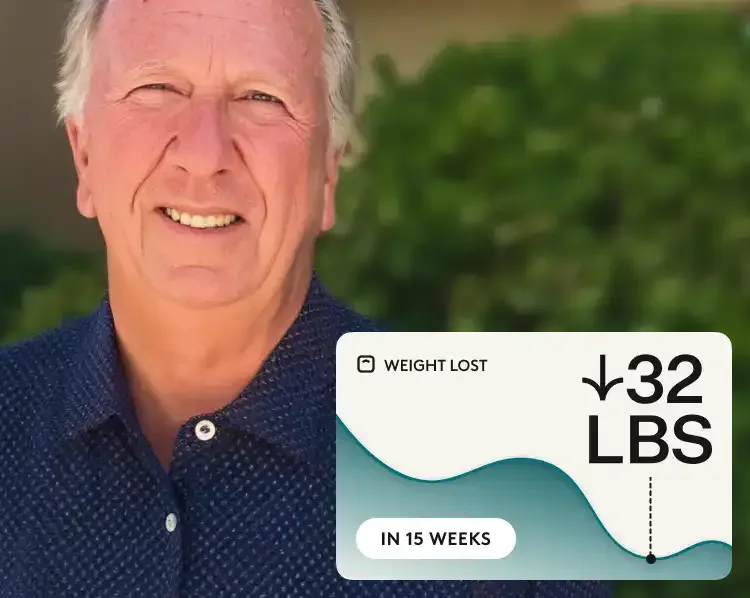
“Noom provided me with the medication which I could not get through Medicare. I have learned the tricks to better eating and life in general.”
Steve M. – Real Noom user
Daisy R. — Real Noom user
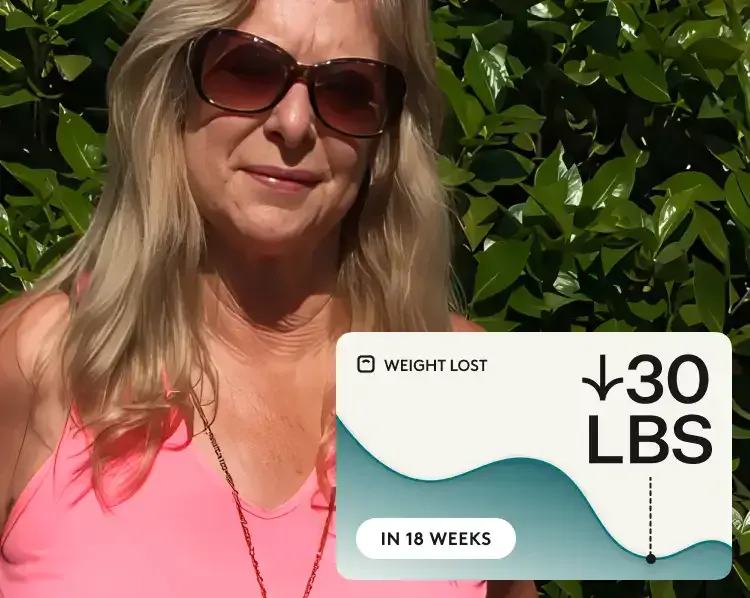
‘’Noom has changed my life and I’m so thankful, I feel great, have more energy and am no longer prediabetic.”
Daisy R. – Real Noom user
Sarah R. — Real Noom user
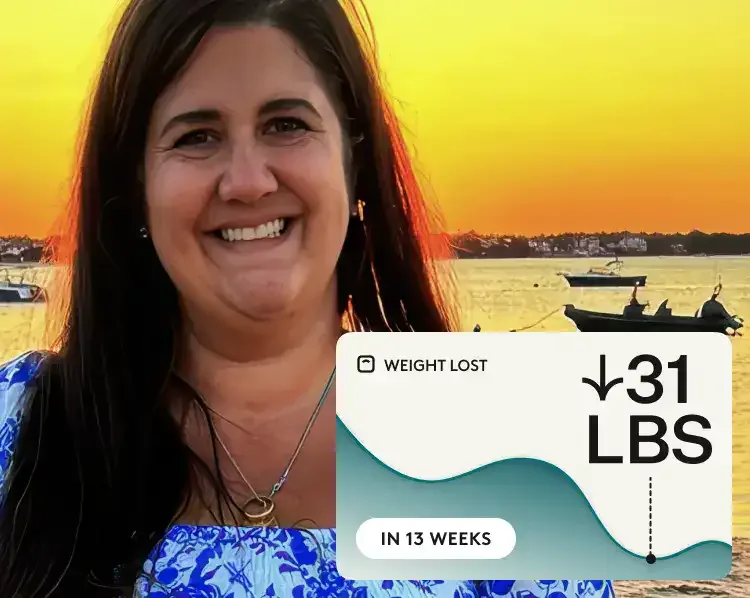
“All of the Noom providers that I’ve met with have been exceptional and prescribed medications that are appropriate for my situation and health.”
Sarah R. – Real Noom user
Madison S. — Real Noom user
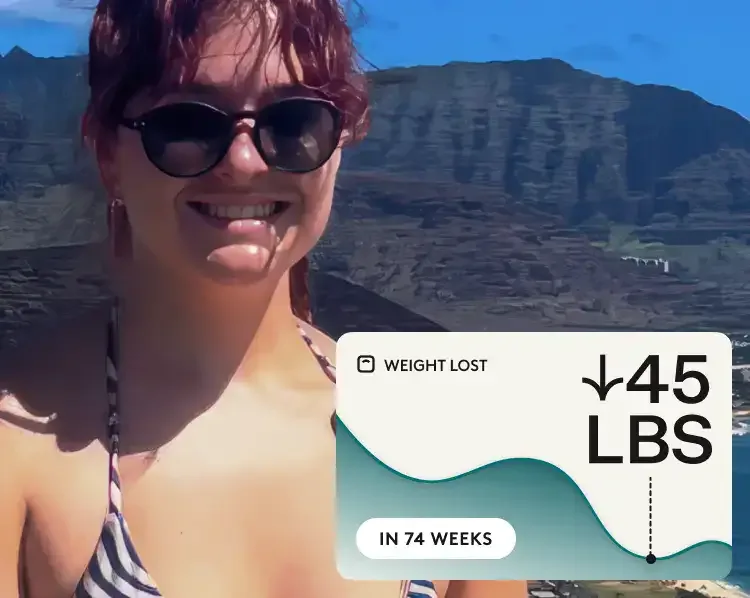
“Noom made the process so simple and now I feel full, free from diet obsession, and at ease in my body again.”
Madison S. – Real Noom user
Sonday K. — Real Noom user
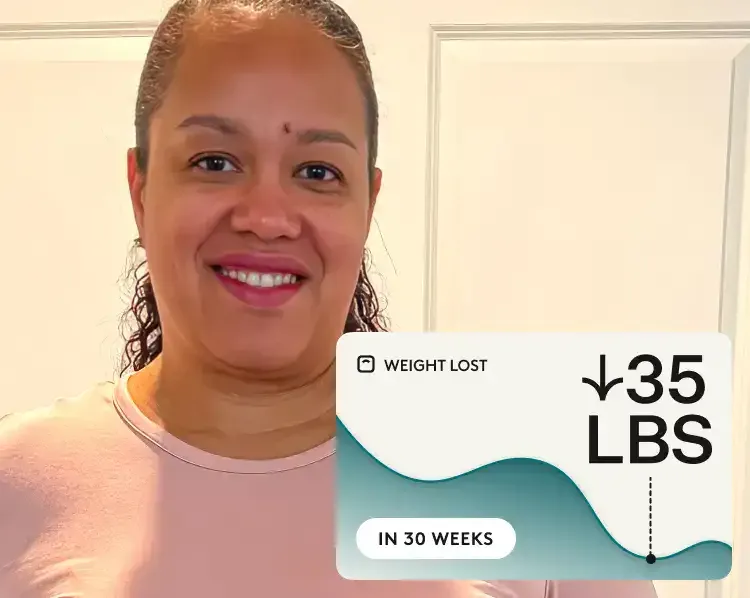
“My doctor recommended Noom after I was frustrated trying to lose weight. The lessons helped change my relationship with food. My body feels lighter & energized.”
Sonday K. – Real Noom user
Cam K. — Real Noom user
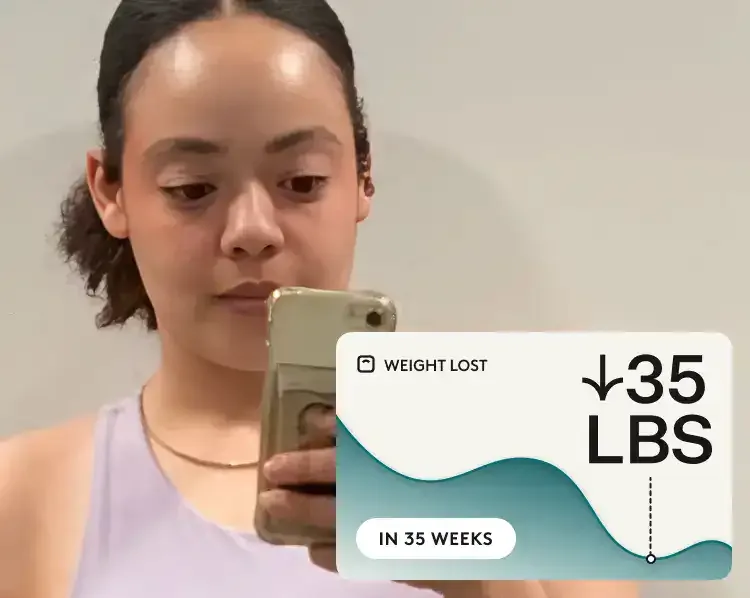
“I built healthy habits with coaching and lessons that make me confident I can maintain my weight loss long term.”
Cam K. – Real Noom user
Laura TR. — Real Noom user
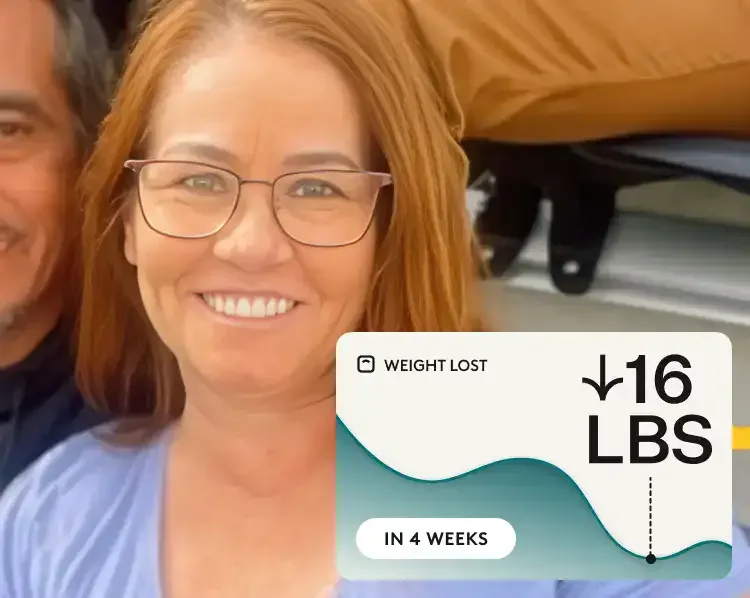
“With the right medication through Noom, hunger and sugar cravings finally quieted and I have the tools to break the cycle.”
Laura TR. – Real Noom user
Jessica S. — Real Noom user
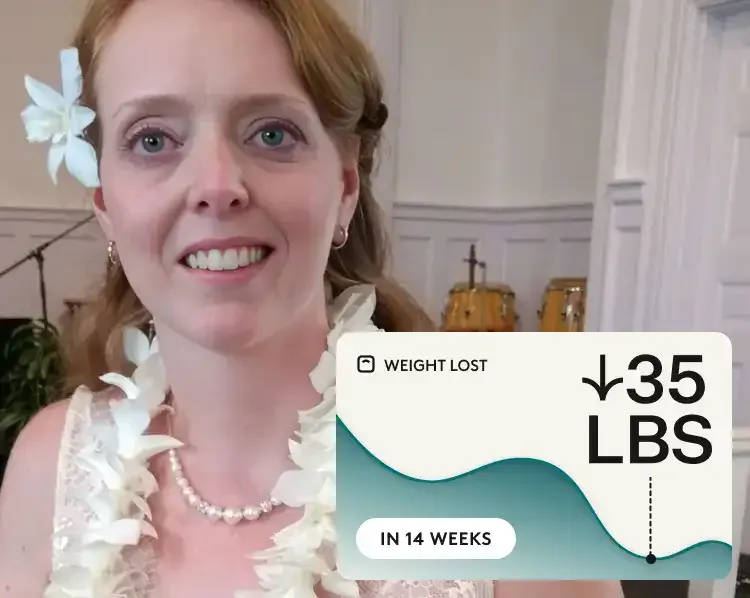
“Cravings and food noise are gone, I finally feel confident in the healthy habits I’ve built to last with Noom.”
Jessica S. – Real Noom user
Noom vs. Weight Watchers: How to choose the best program for you
GLP-1 medications have reshaped modern weight management, but medication alone isn’t enough. Long-term success depends on the system around the prescription: education, coaching, and support that help habits stick over time.
Noom: Behavior meets biology
- Combines psychology-backed coaching with multiple GLP-1 prescription options, including full-dose, microdose, and oral pathways.
- Includes daily habit lessons, food and weight tracking, and interactive progress tools designed to support long-term behavior change.
- Provides access to a dedicated Care Team for medication guidance, dose adjustments, and side-effect management.
- Offers Microdose GLP-1 programs that start at lower doses and use slower, personalized titration to manage observable side effects and tolerance.
- Backed by more than 15 years of clinical research and expertise in sustainable, behavior-driven weight management.
Weight Watchers: Structure and accountability
- Offers GLP-1 access through WeightWatchers Clinic, layered onto its existing tracking and community framework.
- Centers its approach on the Points® system, offering clear guidelines that simplify daily food choices.
- Provides accountability through app-based tracking, digital tools, and optional workshops or group support.
- Emphasizes consistency and routine through a familiar, rules-based structure.
If your goal is to build lasting habits and maintain results long term, both Noom and Weight Watchers offer a more comprehensive framework that extends beyond the prescription—combining GLP-1 treatment with coaching, education, and structured behavioral support. Where they differ is in their approach: Noom offers more GLP-1 options and leans heavily on psychology-based lessons and cognitive behavior strategies, while Weight Watchers centers its program around branded meds, a points system, and community support.
Ready to learn more? Find out which Noom program is right for you!
- The compounded semaglutide products provided by Noom are not reviewed by FDA for safety, efficacy, or quality. Novo Nordisk Inc. is the only company in the United States with FDA-approved products containing semaglutide, identified under the trade names Rybelsus®, Ozempic®, and Wegovy®. Not available in all 50 US states. ↩︎
- Initial 3-week subscription and 4 weeks of medication covered by Noom GLP-1Rx Programs starting pricing. Final pricing depends on program selection. Noom GLP-1Rx Program involves a healthy diet, exercise, support, and additional features depending on program selection. ↩︎
- The compounded semaglutide products provided by Noom are not reviewed by FDA for safety, efficacy, or quality. Novo Nordisk Inc. is the only company in the United States with FDA-approved products containing semaglutide, identified under the trade names Rybelsus®, Ozempic®, and Wegovy®. Not available in all 50 US states. ↩︎
- Individual results may vary. Long-term outcomes depend on ongoing engagement and individual factors. ↩︎
- Results based on a January 2026 analysis of 14,203 Noom GLP-1Rx Program members who actively logged weight over a 40 week period. High and low engagement groupings measured by quantile of app opens. Higher app engagement was associated with greater weight loss at 16 weeks; this association does not imply causation. ↩︎
Editorial standards
At Noom, we’re committed to providing health information that’s grounded in reliable science and expert review. Our content is created with the support of qualified professionals and based on well-established research from trusted medical and scientific organizations. Learn more about the experts behind our content on our Health Expert Team page.