
What you’ll learn:
- Wegovy® is a branded medication that contains semaglutide, and tirzepatide is the active ingredient in Zepbound® and Mounjaro®.
- Clinical studies show higher average weight loss with tirzepatide (21%), but Wegovy® remains a reliable and effective choice for many people at an average of 14 to 15%.
- The best choice for you will depend on your health history, goals, budget, and potential side effects.
Deciding to look into weight loss medications is a big step, and can also be confusing with all the new terminology. If you have been exploring medications, chances are you have come across the words Wegovy® and tirzepatide. Both are important in the weight loss conversation, but they are different.
The important thing to remember about these two is that one is a brand name for semaglutide that is prescribed for weight loss (Wegovy®), and the other is the active ingredient in two branded medications, Zepbound® and Mounjaro® (tirzepatide).
Which medication is right for you will depend on a few different factors, like budget, side effects, and the form you want to take the medication.
Let’s go through what the similarities and differences are between Wegovy® and tirzepatide, how they are prescribed for weight loss, and which is right for you. We’ll also look at the main differences in terms of pricing, side effects, and more, so you can make an informed decision with your provider.
Tirzepatide vs. semaglutide: The medications
Wegovy® is manufactured by Novo Nordisk, along with Ozempic® and Rybelsus®, while tirzepatide medications are manufactured by Eli Lilly. Before comparing which option may lead to more weight loss, it helps to look at how these medications are grouped by active ingredient, brand, and approved uses.
Noom’s Most Powerful Program
A dual-pathway GLP-1 and behavior change for lasting results.
Here’s a look at all the medications:
| Active ingredient/Manufacturer | FDA-approved uses | Available doses & forms |
|---|---|---|
| Semaglutide/Novo Nordisk | Wegovy®: weight loss, heart disease, MASH Wegovy® oral tablet: weight loss, heart disease Ozempic® & Rybelsus®: type 2 diabetes (can be prescribed off-label for weight loss) | Wegovy® injection: 0.25 mg, 0.5 mg, 1 mg, 1.7 mg, 2.4 mg (weekly) Wegovy® oral tablet: 1.5 mg, 4 mg, 9 mg, 25 mg (daily) Ozempic® injection: 0.25 mg, 0.5 mg, 1 mg, 2 mg (weekly) Rybelsus® tablet: (daily) R1: 3 mg, 7 mg, 14 mg R2: 1.5 mg, 4 mg, 9 mg |
| Tirzepatide/Eli Lilly | Zepbound®: chronic weight management; obstructive sleep apnea (OSA) Mounjaro®: type 2 diabetes (sometimes prescribed off-label for weight loss) | Injection (both brands): 2.5 mg, 5 mg, 7.5 mg, 10 mg, 12.5 mg, 15 mg (weekly) Vial & syringe (Zepbound®) 2.5 mg, 5 mg, 7.5 mg, 10 mg, 12.5 mg, 15 mg (weekly) |
Tirzepatide vs. Wegovy®: How do they work?
Tirzepatide and Wegovy® work by mimicking hormones that affect appetite, digestion, and blood sugar regulation. These hormones act like signals between the gut and the brain, helping the body recognize when it has had enough to eat. Wegovy and tirzepatide medications mimic GLP-1 (glucagon-like peptide 1), but tirzepatide also mimics GIP. Here’s why that matters:
- GLP-1 receptors are found both in the brain and the digestive system. When activated, they act on appetite centers in the brain that lower appetite, slow digestion, and regulate blood sugar. Together, these effects help people feel full sooner, stay full longer, and naturally eat less.
- Tirzepatide, the active ingredient in Zepbound® and Mounjaro®, also targets GIP (glucose-dependent insulinotropic polypeptide) alongside GLP-1. GIP is a gut hormone released after meals that helps regulate insulin secretion, fat metabolism, and appetite signaling. Acting on both pathways may help enhance metabolic control and lead to more weight loss than GLP–1–only medications like Wegovy®.
Tirzepatide vs. Wegovy®: What are the similarities?
Even though tirzepatide medications and Wegovy® use different active ingredients, they share some similarities in how they’re used and what people can expect from them. Here are a few ways they’re similar.
- They are both considered GLP-1 medications.
- Both have FDA-approved options for weight loss: Wegovy® and Zepbound® are both approved for weight loss.
- They come as weekly injections you give yourself: Both tirzepatide medications and Wegovy® are taken once a week as injections under the skin. Wegovy® is also newly available as an oral tablet.
- Doses increase slowly over time: All medications start at the lowest dose. The dose is gradually increased to help balance side effects with results. The goal, for people taking it for weight loss, is steady weight loss (1 to 2 pounds per week) with the fewest side effects.
- They share similar side effects: These often involve the stomach and digestive system, such as nausea, vomiting, diarrhea, and constipation. How often they occur can vary from person to person and by dose.
Tirzepatide vs. Wegovy®: What are the differences?
Even though tirzepatide medications and Wegovy® share a few similarities, there are a few key differences that can shape how each one fits into your weight management plan.
Weight loss effectiveness can vary
In a head-to-head 72-week trial comparing tirzepatide and semaglutide, researchers found meaningful differences in average weight loss.
- Tirzepatide (Zepbound®) led to about 20% average body weight loss
- Semaglutide (Wegovy®) led to about 14% average body weight loss.
- A greater percentage of people taking tirzepatide reached higher weight-loss milestones (like 15% or 20% of body weight).
Higher average weight loss in a clinical trial doesn’t automatically make one medication the better choice. Individual response varies, and factors like side-effect tolerance, cost, insurance coverage, and long-term adherence often matter just as much in real-world results.
Wegovy comes as a pill; tirzepatide doesn’t
In addition to its once-weekly injection, Wegovy® is now available as a once-daily oral tablet. Both versions of tirzepatide are only available as weekly injections.
Eli Lilly is developing an investigational oral GLP-1 medication called orforglipron, but there is no approved tirzepatide pill at this time.
Their injection options are different
Zepbound® is available in both prefilled injector pens that you can get at most pharmacies and single-use vials through Lilly Direct. When taken as an injection, Wegovy® is only available in a prefilled injector pen, but recent news suggests it could be available in vials in the future.
Side effect frequency can vary
Both Wegovy® and tirzepatide tend to cause similar types of side effects, most commonly digestive symptoms like nausea, diarrhea, constipation, or indigestion. These effects are usually mild to moderate and often improve as the body adjusts to the medication.
Access GLP-1 Weight Loss with Noom
Explore a wide range of prescription medications supported by Noom’s program.
Microdose GLP-1rx
Noom GLP-1rx
Noom GLP-1rx Plus
Wegovy®
Ozempic®
Metformin
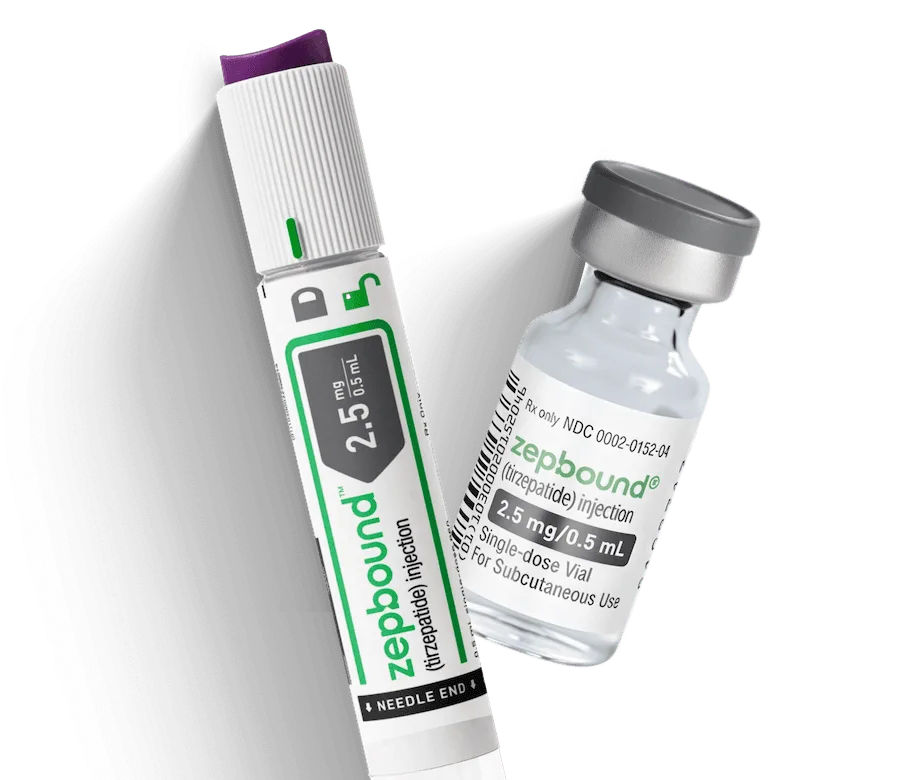
Zepbound®
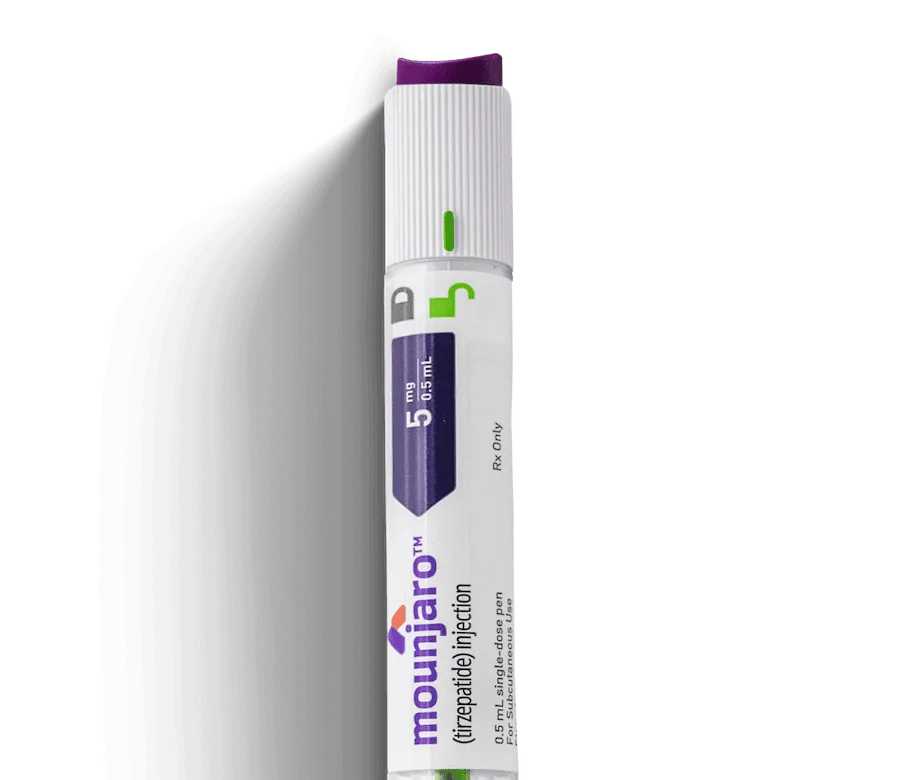
Mounjaro®
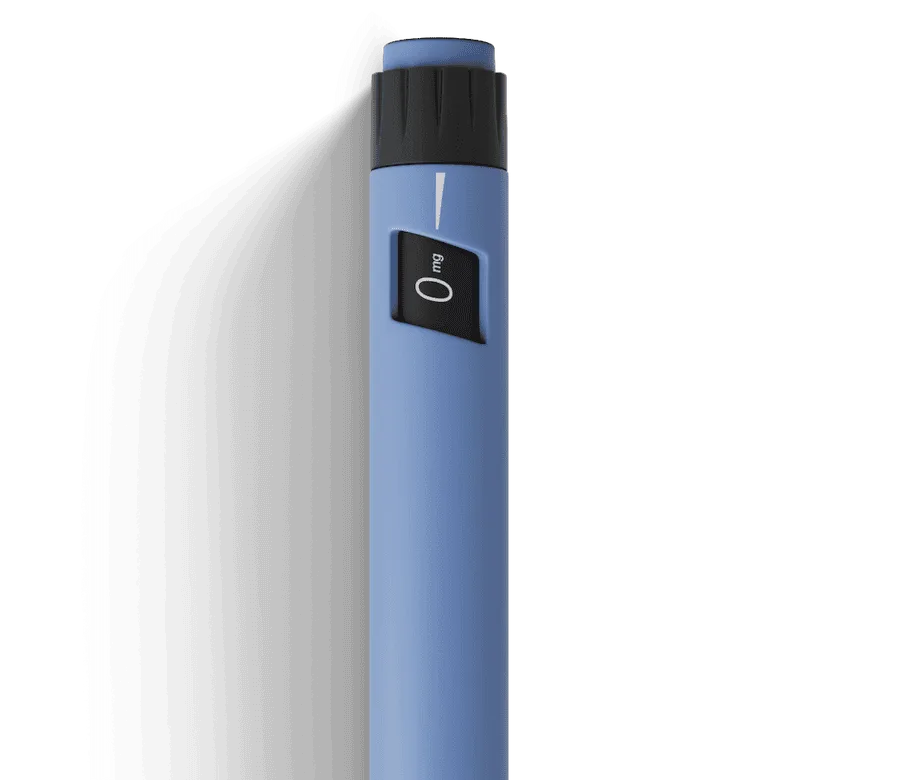
Liraglutide
Some studies show that Wegovy® may be associated with higher rates of nausea, vomiting, constipation, and acid reflux, while Zepbound® may cause fewer digestive side effects overall but slightly more injection site irritation.
There isn’t a universally “better” option. Side effects vary from person to person; dose pacing, monitoring, and individual tolerance play such an important role when choosing between these medications.
Tirzepatide vs. Wegovy®: Which is better for weight loss?
If you are comparing tirzepatide and Wegovy®, you likely want to know which one tends to lead to more weight loss. Results can vary from person to person. Things like access, cost, staying on treatment, and long-term habits all play a role.
That said, clinical studies do give us a general idea of what these medications can do on average.
Tirzepatide vs. Wegovy®: How much weight can you lose?
No two people have the exact same experience, but research helps show what weight loss often looks like on average. Here’s what studies have found for the highest doses of tirzepatide and Wegovy®.
- Tirzepatide (Zepbound® and Mounjaro®): At the highest dose (15 mg), people lost an average of about 21% of their starting body weight.
- Wegovy® (semaglutide): At the highest dose of the injectable form (2.4 mg), people lost an average of about 15% of their body weight. The pill showed an average of 14% weight loss at the 25 mg dose.
These numbers reflect average results from clinical trials. How much weight you lose can vary based on your starting weight, eating and activity habits, overall health, and how your body responds to the medication.
How long does it take to see results?
Weight loss with Wegovy® and tirzepatide medications usually begins within the first few weeks. Here’s what studies show about average body weight loss at different time frames.
Around 3 months:
- Tirzepatide: about 8%
- Wegovy®: about 5%
Around 6 months:
- Tirzepatide: about 15%
- Wegovy®: about 10.5%
1 year and beyond:
- Tirzepatide: about 21%
- Wegovy®: about 15%
These results are from people who reached the highest approved doses used in studies: 15 mg for tirzepatide and 2.4 mg for Wegovy® (semaglutide).
Read more: Wegovy® vs. Zepbound® for weight loss: Which one works best?
Who can take tirzepatide or Wegovy® for weight loss?
For weight management, GLP-1 use generally applies to people who meet one of the following criteria:
- A BMI of at least 30, or
- A BMI of at least 27, along with a weight-related condition like high blood pressure or high cholesterol
Who shouldn’t take tirzepatide or Wegovy®?
Tirzepatide and Wegovy® can be helpful tools for weight management, but they aren’t meant for everybody. Your healthcare provider will screen for certain health conditions before prescribing either option.
You shouldn’t take tirzepatide medications or Wegovy® if you have:
Noom’s Most Powerful Program
A dual-pathway GLP-1 and behavior change for lasting results.
- A personal or family history of medullary thyroid carcinoma (MTC)
- A history of multiple endocrine neoplasia syndrome type 2 (MEN 2)
- A serious allergic reaction to tirzepatide, semaglutide, or any of the ingredients in these medications
Your clinician will determine if GLP-1 medications are right for you if you have a history of:
- Pancreatitis, kidney problems, or gallbladder disease, including gallstones
- Diabetic retinopathy
- Gastroparesis or other serious digestive conditions
Tirzepatide and Wegovy® are also not for people who are pregnant, planning to become pregnant, or breastfeeding.
For more detailed safety information, you can review the Wegovy® safety page or the safety pages for Zepbound® and Mounjaro®.
Can you switch between tirzepatide and Wegovy®?
Switching between tirzepatide and Wegovy® is possible, but it should always be done with guidance from a healthcare provider. Each medication has its own dosing plan, and matching the transition carefully matters.
- Why people switch: Some switch because of cost, insurance changes, side effects, or because weight loss has slowed, and they want to try a different option.
- What switching can feel like: You may notice changes in how hungry you feel, how full you get, or how your body reacts at first. Some side effects may also change.
- How providers handle the switch: Wegovy® and tirzepatide use different dosing schedules. Your provider will choose a starting dose based on what you’re currently taking and how you’ve responded so far.
If switching is on your mind, a quick check-in with your provider can help you understand the best way to move forward.
If you take tirzepatide or Wegovy® to lose weight, will you need to keep taking them forever?
Tirzepatide and Wegovy® are both designed for long-term weight management, not quick fixes. Some of the longest studies followed people taking semaglutide (Wegovy®) for 4 years and tirzepatide for about 3 years and 4 months, showing how weight changes can hold up over several years, not just weeks or months.
While these medications make it easier to manage appetite and portion size, they don’t permanently change how your body works. That means stopping treatment can sometimes lead to weight returning, especially if lifestyle changes aren’t solid yet.
What happens if you stop taking tirzepatide or Wegovy®?
- Some weight regain is common: Studies show most people regain all or more of the weight within a year after stopping GLP-1 medications.
- Slower stopping may help: Gradually tapering off helped people keep their weight stable for around 26 weeks in one study.
- Daily routines make a difference: Consistent eating patterns, movement, sleep, and structure support long-term success.
- Many people restart: Large real-world studies show many people restart treatment within a year if their weight starts to creep back.
- Ongoing treatment is an option: Some people use long-term or adjusted dosing to help maintain results, based on their needs.
Tirzepatide and Wegovy® can be helpful, but they work best alongside habits you can keep up with. If you’re thinking about stopping, it’s worth talking with your healthcare provider and using structured support like Noom to help maintain progress.
Read more:
- Stopping tirzepatide: What to expect & how to manage weight after
- Stopping Wegovy®: What to expect & how to manage weight regain
Tirzepatide vs. Wegovy®: Dosage and administration
Tirzepatide medications and both forms of Wegovy® follow a gradual dose escalation schedule. The goal for all types is to get the dose that keeps you losing steady weight with the fewest side effects. You may be kept at a lower dose for longer if you are losing weight or have issues with side effects. All medications are started at the lowest dose and increased to achieve the best results with the lowest side effects. Typically, that is every 4 weeks, but your path may vary.
- Tirzepatide can be taken using pre-filled injector pens (Mounjaro & Zebound) or single-use vials (Zepbound only, through Lilly Direct).
- Wegovy® is available in pre-filled injector pens and a new once-daily pill option.
Here’s a look at the doses:
Tirzepatide
Zepbound® and Mounjaro® come in the same dose strengths.
Pre-filled injector pens
- Zepbound®/Mounjaro®: 2.5 mg, 5 mg, 7.5 mg, 10 mg, 12.5 mg, 15 mg
Vial and syringe (Zepbound® only)
- 2.5 mg, 5 mg, 7.5 mg, 10 mg, 12.5 mg, 15 mg
Learn more: Tirzepatide dosage guide: How to find the right dose for weight loss
Wegovy®
Wegovy® (semaglutide) is available in two forms: a once-weekly injection and a once-daily pill.
Injectable Wegovy® doses:
- 0.25 mg, 0.5 mg, 1 mg, 1.7 mg, 2.4 mg
Wegovy® pill dosing:
- 1.5 mg, 4 mg, 9 mg, 25 mg (once daily)
Learn more: Wegovy® dosage guide: Finding the right dose for weight loss results
Tirzepatide vs. Wegovy®: Cost and insurance considerations
When choosing between tirzepatide and Wegovy®, cost can be a deciding factor. Both medications come with high list prices—and when they’re prescribed specifically for weight loss, insurance coverage is still limited for many people.
Most commercial plans don’t automatically include these medications for weight loss. Medicare generally doesn’t cover them for weight management alone. That means a lot of people end up exploring manufacturer programs to lower their out-of-pocket costs.
Does insurance cover tirzepatide or Wegovy®?
When it comes to insurance, coverage for tirzepatide and Wegovy® when used for weight loss is often limited. While some plans do include weight loss medications, many don’t.
Here’s how coverage typically works:
- Employer plans: Coverage depends on what your employer has chosen to include. If it’s unclear, your HR or benefits team can help explain your options.
- Private insurance: Coverage is rare and varies by plan. Calling your insurance provider is usually the fastest way to get answers.
Because insurance rules change frequently, it’s a good idea to check coverage before starting or switching medications.
Does Medicare cover tirzepatide or Wegovy®?
Medicare currently doesn’t include coverage for weight loss medications. That means tirzepatide and Wegovy® aren’t covered when prescribed for weight management alone.
That said, there are a few exceptions tied to other health conditions:
- Wegovy® may be covered for heart health or MASH: Some Medicare plans may approve Wegovy® when it’s prescribed for cardiovascular risk reduction or MASH.
- Zepbound may be covered for obstructive sleep apnea (OSA).
- Mounjaro may be covered for diabetes treatment.
What do tirzepatide and Wegovy® cost without insurance?
When you don’t have insurance coverage for weight loss medications—which is still common—manufacturers’ direct savings programs can make tirzepatide medications and Wegovy® more affordable.
Lilly’s LillyDirect® program can lower out-of-pocket costs for Zepbound®. Novo Nordisk’s NovoCare® Pharmacy can significantly lower what you pay for the Wegovy® injection and pill.
Here’s a look:
| Medication | Cost (monthly) |
|---|---|
| Tirzepatide | Zepbound® Pens: $1,086 Lilly Direct vials: $299 – $449 Mounjaro® List price: $1,112 |
| Wegovy® (semaglutide) | List price: $1,350 NovoCare® Pharmacy: Pen: $199 – $349 Pill: $149 – $299 |
Because these situations depend on diagnosis and plan details, it’s best to confirm coverage directly.
For more information, check out:
- Wegovy® costs: With and without insurance coverage
- Wegovy® pill cost: With and without insurance
- Zepbound® costs: With and without insurance coverage
- Mounjaro® costs in 2025: With and without insurance coverage
Tirzepatide vs. Wegovy®: Side effects and safety
While GLP-1 medications like tirzepatide and Wegovy® tend to share similar side effects, how often they occur can vary by medication and dose. Most are related to digestion and happen early in treatment or when your dose is increased. There are also rare but serious risks that should be reviewed with your provider.
Tirzepatide vs. Wegovy®: Most common side effects
Digestive side effects are the most common with GLP-1 medications. Below are the most common ones seen in studies comparing Wegovy® (semaglutide) and tirzepatide:
| Symptom | Wegovy® (Semaglutide) 1.7-2.4 mg | Zepbound® (Tirzepatide) 10-15 mg |
|---|---|---|
| Nausea | 44% | 44% |
| Vomiting | 21% | 15% |
| Diarrhea | 23% | 24% |
| Constipation | 29% | 27% |
| Abdominal pain | 7% | 6% |
| Dyspepsia (indigestion) | 7% | 6% |
| GERD (acid reflux) | 11% | 6% |
Shared side effects:
- Nausea: The most common symptom for both, affecting about 44% of people for both medications.
- Diarrhea: Occurs at nearly the same rate, around 23% for Wegovy vs. 24% for Zepbound.
- Abdominal pain and indigestion: These milder issues show up occasionally, affecting about 6 to 7% of users overall.
Notable differences:
- Vomiting: Reported more often with Wegovy® (21%) than with Zepbound® (15%).
- Constipation: Slightly higher with Wegovy® at 29% versus Zebound at 27%.
- GERD (acid reflux): Also more common with Wegovy®, 11% versus 6% with Zepbound®.
Learn more: Wegovy® vs. Zepbound® side effects: How are they different?
Tirzepatide vs. Wegovy®: Serious side effects
Tirzepatide and Wegovy® are considered safe for many people, but serious side effects can happen in rare cases. It’s important to pay attention to how your body feels and reach out to your provider if something doesn’t seem right.
Here’s what to be alert for:
- Pancreatitis: Severe stomach pain that may spread to the back, with or without vomiting, can be a sign of pancreatitis. Get immediate medical attention.
- Vision changes: Get immediate care for sudden or worsening blurred vision or other eyesight changes.
- Low blood sugar (hypoglycemia): Symptoms like shaking, dizziness, sweating, blurred vision, or a fast heartbeat may occur, especially if you take diabetes medications. Get immediate medical care.
- Kidney problems: Ongoing vomiting or diarrhea can lead to dehydration and strain the kidneys. Go to the ER if you notice very little urination, leg or ankle swelling, extreme fatigue, or shortness of breath.
- Gallbladder problems: Upper abdominal pain, fever, yellowing of the skin or eyes, or pale stools can point to gallbladder issues. Seek emergency care.
- Allergic reactions: Swelling of the face or throat, trouble breathing, or a rapid heartbeat may signal an allergic reaction and is a medical emergency.
- A throat lump or trouble swallowing: Both medications carry an FDA boxed warning about a possible risk of thyroid C-cell tumors. This risk was seen in animal studies, and it’s not known if it applies to humans, but any trouble swallowing or throat lumps requires immediate medical attention.
For more detailed guidance, visit our safety pages for Zepbound®, Mounjaro®, and Wegovy®.
Which is safer: Tirzepatide or Wegovy®?
There isn’t a clear “safer” choice between tirzepatide and Wegovy®. Both medications have been studied closely and are considered safe when used as prescribed. The real difference often comes down to how your own body reacts. Some people feel better on Wegovy®, while others notice fewer side effects with tirzepatide.
Your health history, any conditions you have, and how you tolerate changes in appetite and digestion all matter, which is why talking through your options with a healthcare provider is so important.
Reviews from real Noom users
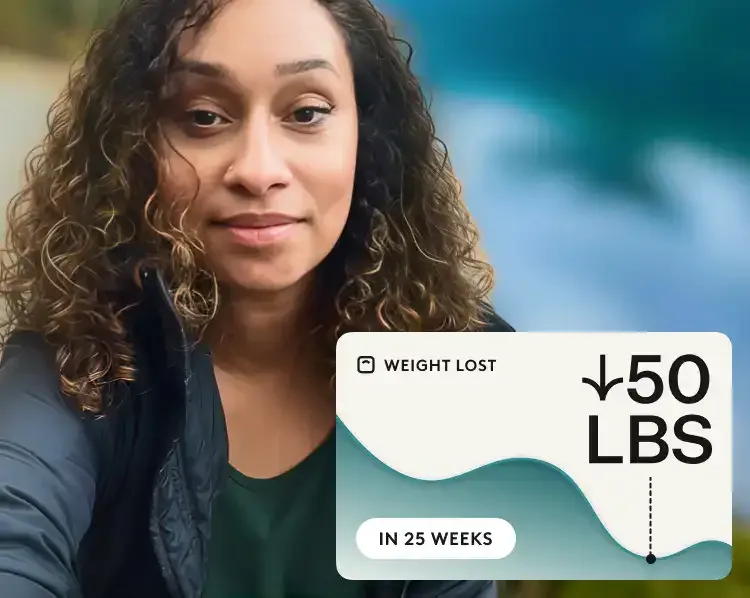
“My favorite parts of Noom are the care team and other Noomers. Sharing and getting help made me feel like I wasn’t doing it alone. That support made all the difference.”
Desirea N. — Real Noom user
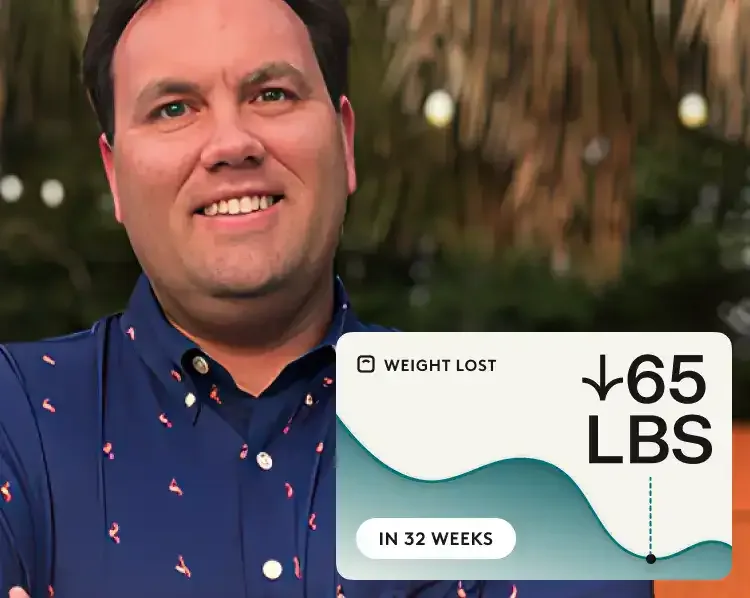
“Noom has taught me that every day is a new chance to make better, healthier choices. It’s taught me how to stop overeating.”
Matthew M. — Real Noom user
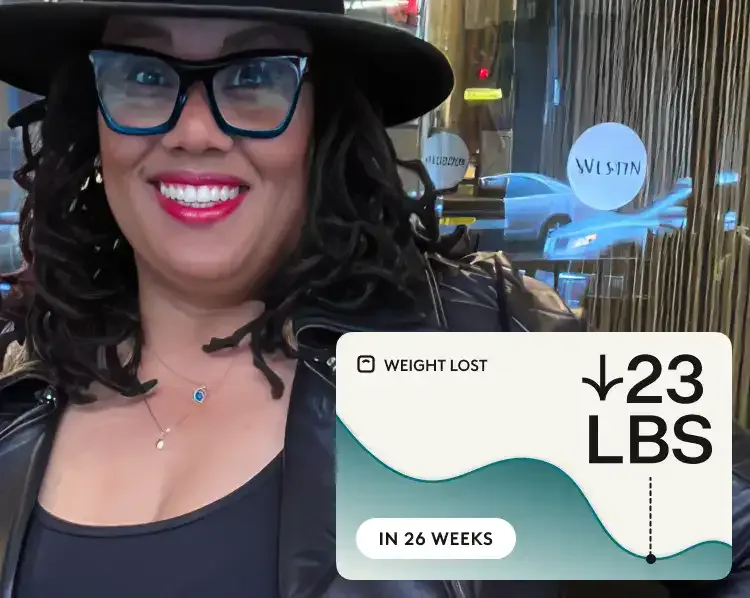
“Clinicians who understand how supportive medication can be is one of the best parts of Noom! I was convinced I wouldn’t have success but I’m down 11 pounds in two months.”
Lila M. — Real Noom user
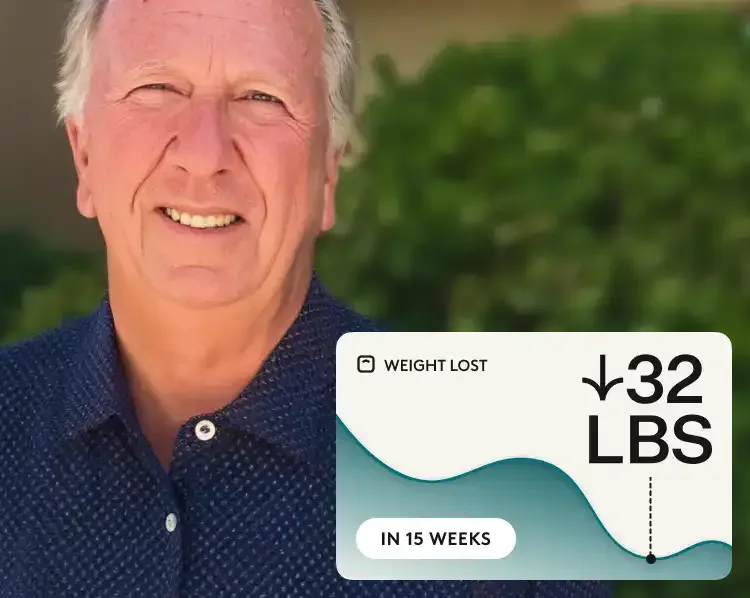
“Noom provided me with the medication which I could not get through Medicare. I have learned the tricks to better eating and life in general.”
Steve M. – Real Noom user
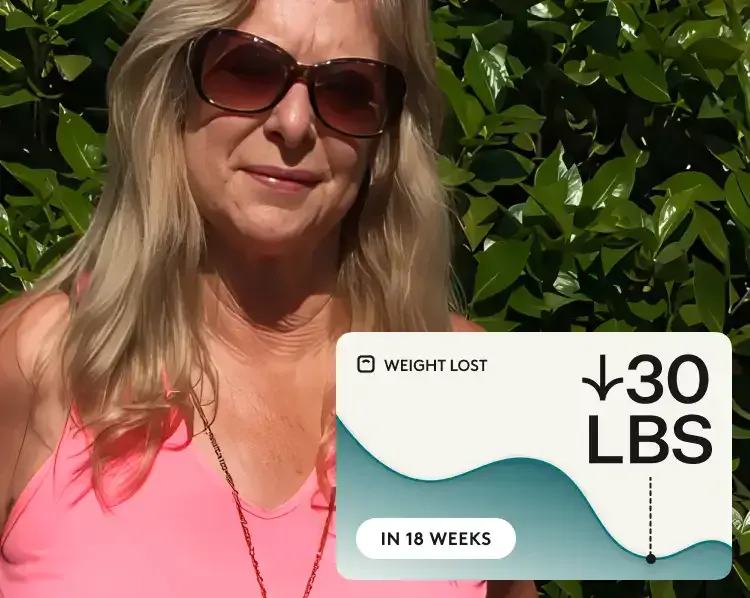
“Noom has changed my life and I’m so thankful, I feel great, have more energy and am no longer prediabetic.”
Daisy R. – Real Noom user
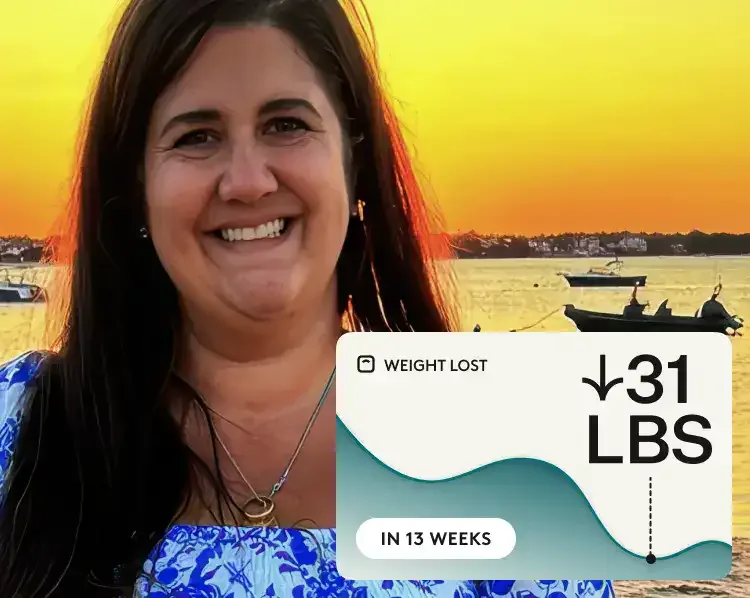
“All of the Noom providers that I’ve met with have been exceptional and prescribed medications that are appropriate for my situation and health.”
Sarah R. – Real Noom user
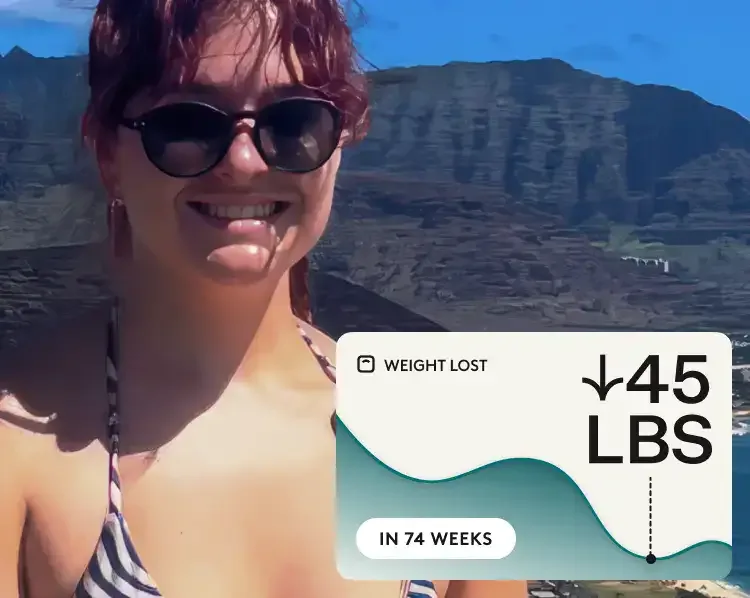
“Noom made the process so simple and now I feel full, free from diet obsession, and at ease in my body again.”
Madison S. – Real Noom user
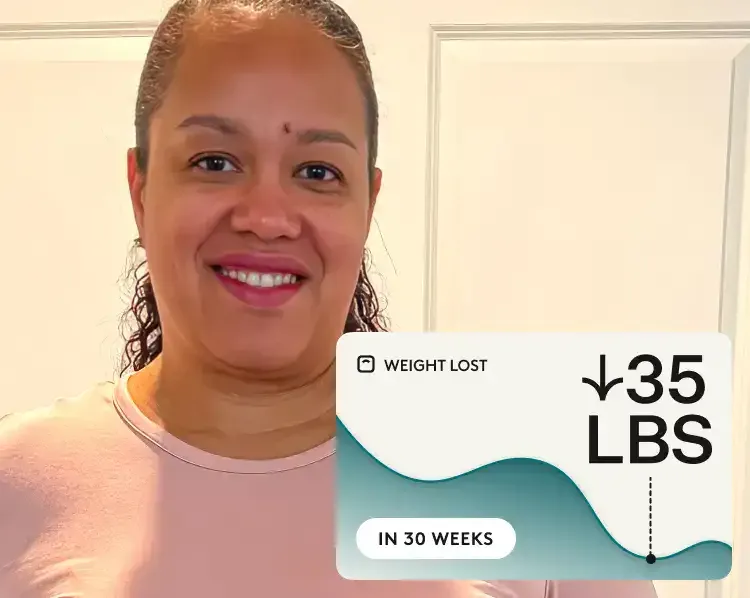
“My doctor recommended Noom after I was frustrated trying to lose weight. The lessons helped change my relationship with food. My body feels lighter & energized.”
Sonday K. – Real Noom user
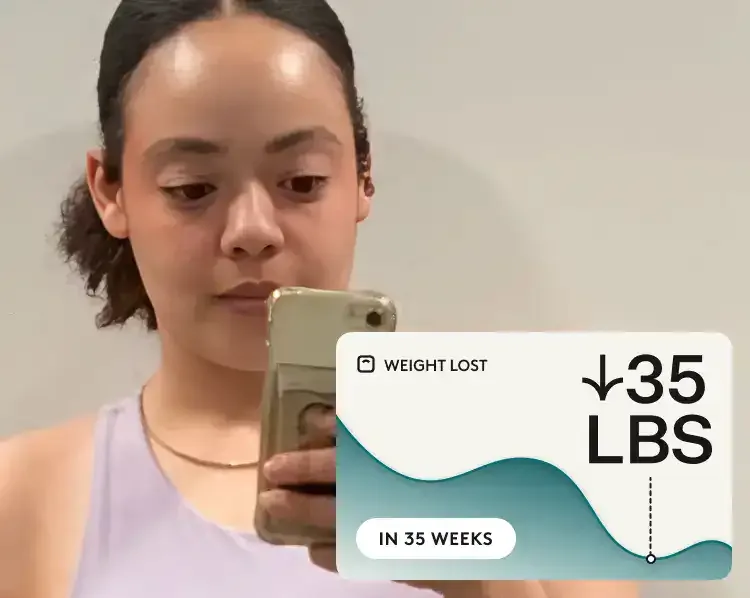
“I built healthy habits with coaching and lessons that make me confident I can maintain my weight loss long term.”
Cam K. – Real Noom user
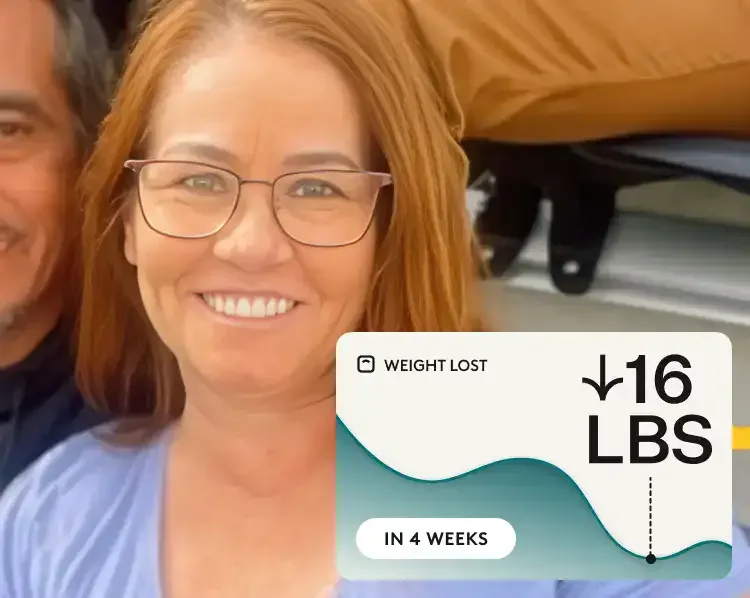
“With the right medication through Noom, hunger and sugar cravings finally quieted and I have the tools to break the cycle.”
Laura TR. – Real Noom user
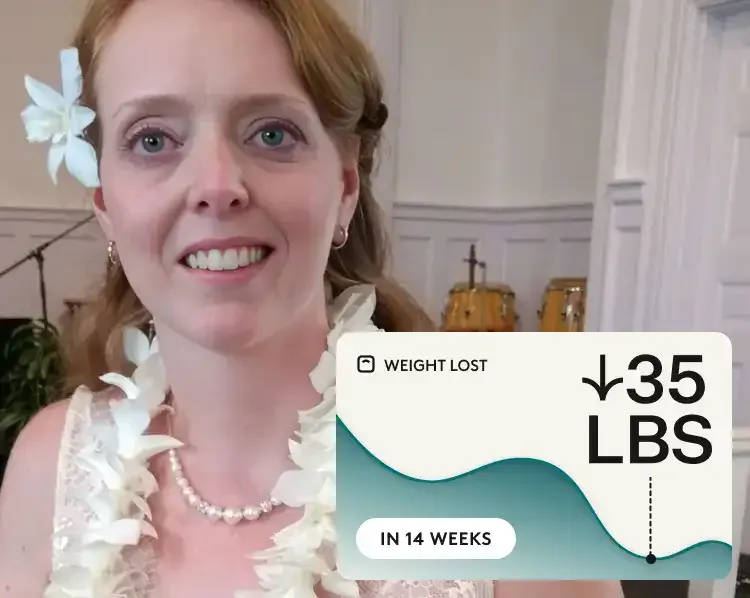
“Cravings and food noise are gone, I finally feel confident in the healthy habits I’ve built to last with Noom.”
Jessica S. – Real Noom user
The bottom line: Tirzepatide medication and Wegovy® are highly effective for weight loss
Choosing between a tirzepatide medication like Zepbound® or Mounjaro® and Wegovy® can feel overwhelming at first, especially with so many details to consider. Here’s what matters most:
All three medications help lower appetite, slow digestion, and regulate blood sugar by mimicking natural hormones. Tirzepatide (Zepbound® and Mounjaro®) activates two pathways—GLP-1 and GIP—which likely explains why it produces higher average weight loss in clinical trials.
In studies, people taking tirzepatide lost about 21% of their body weight on average, compared with 14 to 15% with Wegovy®. But averages don’t predict individual results. Lifestyle habits, side-effect tolerance, cost, and the ability to stay on treatment often have a bigger impact than the headline percentage.
These medications are designed for long-term weight management—not quick fixes. They’re started at low doses and increased gradually, and they work best alongside sustainable habits. Because stopping treatment can lead to weight regain, ongoing medical and behavioral support plays an important role.
If you want to explore your options, see if you qualify for Noom Med. You’ll be connected with a clinician who can help explore your options and prescribe them when appropriate. Then your Care Team and the Noom program will help build habits around food, movement, sleep, and stress that make weight loss sustainable.
You’ll also get access to our GLP-1 Companion, which includes on-demand exercises and a protein tracker, plus daily tips, thousands of recipes, and even weekly art breaks to calm your mind. Find the right program for you.
Note: Mounjaro® and Ozempic® are not FDA-approved to treat obesity or for weight loss.
Editorial standards
At Noom, we’re committed to providing health information that’s grounded in reliable science and expert review. Our content is created with the support of qualified professionals and based on well-established research from trusted medical and scientific organizations. Learn more about the experts behind our content on our Health Expert Team page.