

What you’ll learn:
- People stop Zepbound for many reasons, such as reaching their goal weight, difficulty managing side effects, or wanting a lower-cost option.
- While weight regain is possible, tapering off the medication can make it less likely.
- Healthy routines you’ve established while taking Zepbound, like eating a balanced diet, exercising regularly, and managing stress, make the biggest difference after you stop.
People stop taking weight-loss medication like Zepbound® for a variety of reasons. For some, the cost or side effects are too much. Others may reach a goal weight, or maybe life plans (like trying for a pregnancy) are shifting their priorities. Whatever the reason, stopping weight-loss medication usually marks the start of a new chapter rather than an endpoint.
Once you stop taking Zepbound®, it slowly leaves your system. Appetite can return, and your digestion may get faster. You might notice you’re thinking about eating more often or feeling hungry at times you hadn’t in a while. These changes are your hormones readjusting, but they can be concerning for people.
Weight regain can be common after stopping GLP-1 medications like Zepbound®. Studies on drugs in this class show that weight can start creeping back within a couple of months and may continue unless there’s a plan in place. This doesn’t have to erase your progress, but you should have a plan in place to deal with any changes.
The key is going in prepared. Whether you taper off slowly, shift to a maintenance dose, or stop completely, having support around hunger management, meal timing, movement, and long-term habits can make the experience much smoother. With the right plan, you’re not “losing momentum”—you’re simply learning how to maintain your results with a different set of tools.
In this guide, we’ll take a closer look at what typically happens after stopping Zepbound®, what it means for your progress, and steps that can help maintain a healthy weight over time.
Noom’s Most Powerful Program
A dual-pathway GLP-1 and behavior change for lasting results.
Why you might regain weight after stopping Zepbound®
Zepbound®’s active ingredient, tirzepatide, is a medication that supports weight loss by acting on two key hormone pathways in the body: GLP-1 and GIP. GLP-1 (glucagon-like peptide 1) helps regulate blood sugar, lower appetite, and slow digestion. GIP (glucose-dependent insulinotropic polypeptide) helps your body handle energy from food and becomes more effective when paired with GLP-1.
When Zepbound® (tirzepatide) leaves your system, the supportive signals from both the GLP-1 and GIP hormone pathways begin to decrease. In turn, you may notice:
- Hunger returns more easily because appetite-regulating signals are no longer boosted.
- Digestion is moving at its usual pace, which may make meals feel less filling.
- Blood sugar patterns shift back to your personal baseline, which can influence how hungry you feel.
All of this can lead to a natural tendency to eat a bit more than you did while taking the medication. Studies show that many people regain some weight after stopping tirzepatide, and this pattern has also been seen with other GLP-1 medications.
While weight regain is common, the review also notes that people don’t typically return all the way to their starting weight, and healthy habits like balanced eating and regular movement can still play a meaningful role in maintaining progress. Understanding this ahead of time can help you prepare for the transition with more confidence and less pressure.
Reasons for stopping Zepbound® and what that means for managing weight after
Your reason for stopping Zepbound can influence the kind of support you’ll need afterward and the steps that help you stay steady as your body adjusts.
If you’re stopping Zepbound® because of cost concerns
With a list price of about $1,080 per month for the prefilled pens, Zepbound® can be hard to keep up with long-term. The cost of weekly injections adds up over time, and insurance coverage for weight-loss medications is rare. For many people, the decision to pause treatment has more to do with affordability than how well the medication is working.
The next step: It’s worth talking with your provider about ways to manage the cost, such as documentation that may help with insurance approval. You could also consider switching to the lower-cost single-use vials available through LillyDirect. The price of these was recently lowered to $299 per month for the starting 2.5-mg dose, $399 for the 5-mg dose, and $449 for all other doses. Some people also look into other weight-loss medications that may have different coverage options or lower pricing.
Learn more: Zepbound® costs in 2025: With and without insurance coverage
If you’re stopping Zepbound® because of side effects
Even though many of Zepbound®’s side effects improve with time, some people still struggle with nausea, bloating, or digestive discomfort. If symptoms make daily life harder, stopping or switching may feel like the healthiest choice.
The next step: Before stopping, talk to your provider about adjusting your dose, slowing down your titration schedule, or trying a similar medication that may be easier for your body to tolerate.
Access GLP-1 Weight Loss with Noom
Explore a wide range of prescription medications supported by Noom’s program.
Microdose GLP-1rx
Noom GLP-1rx
Noom GLP-1rx Plus
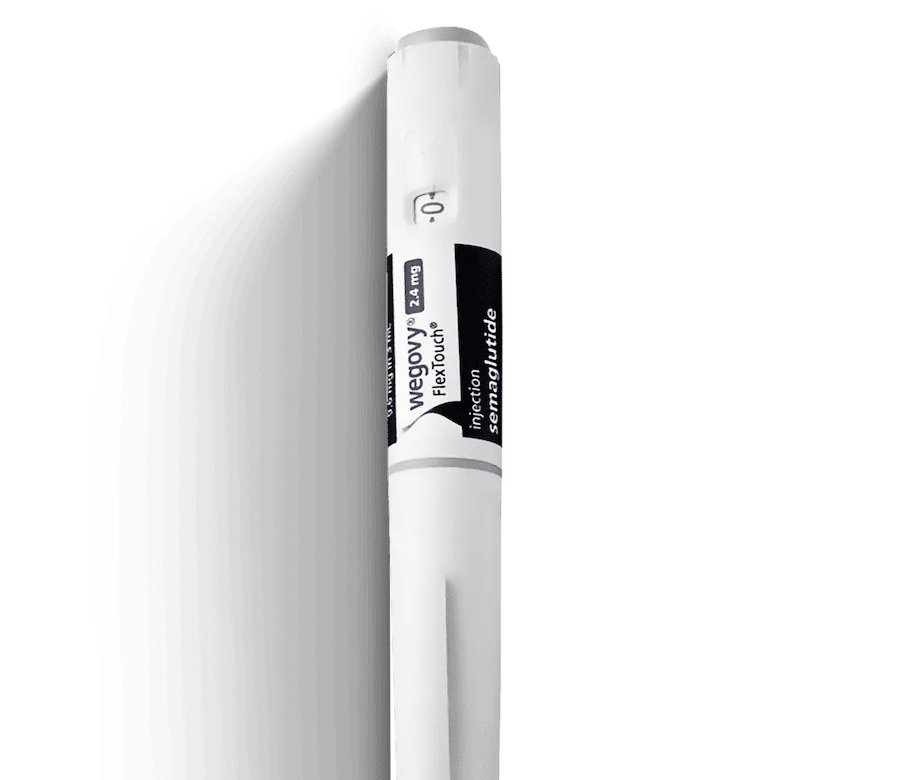
Wegovy®
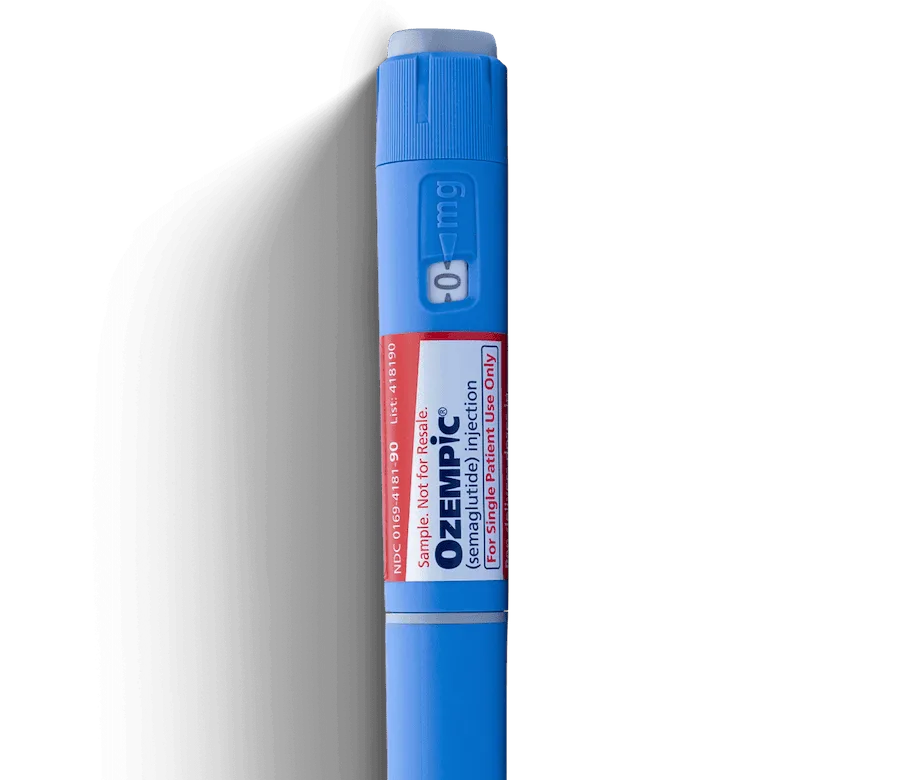
Ozempic®
Metformin
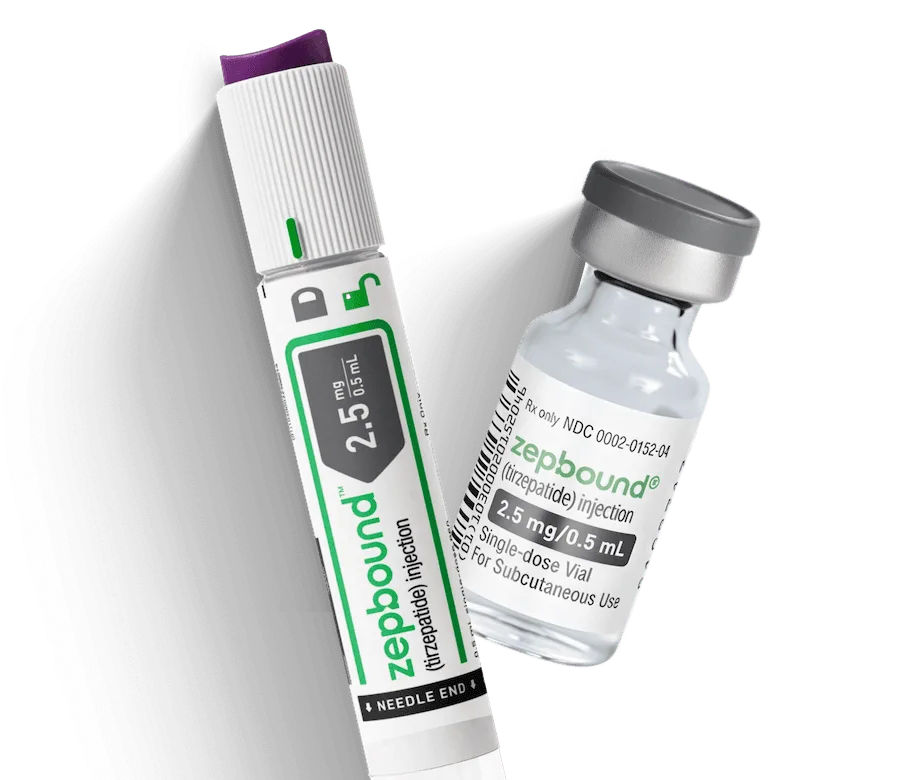
Zepbound®
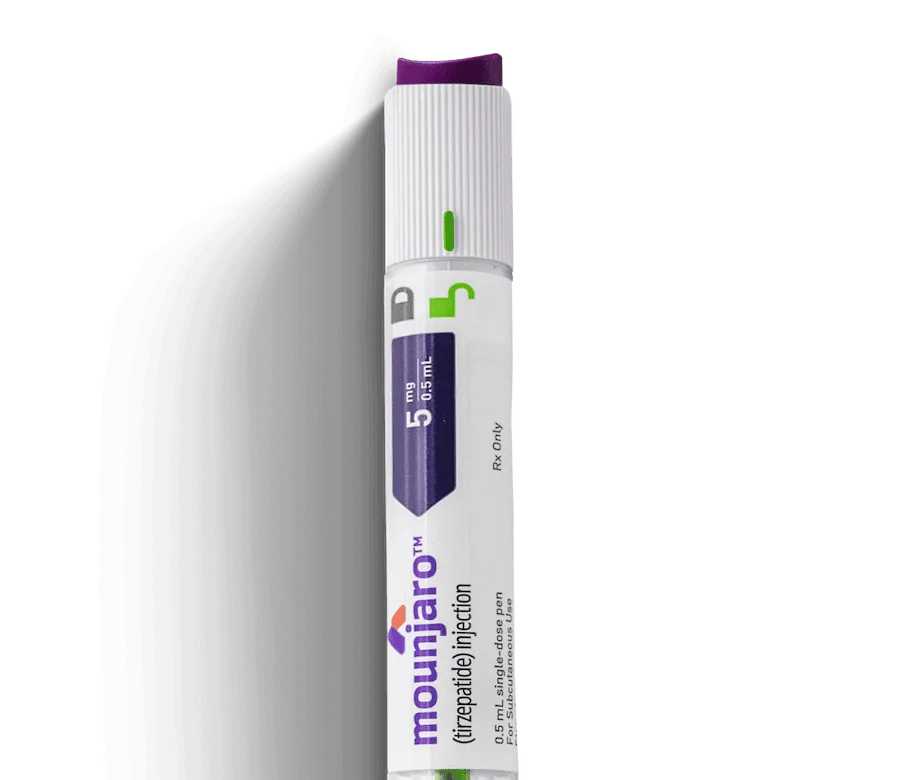
Mounjaro®
Liraglutide
Learn more: Zepbound® side effects: Symptom guide & management tips
If you’re stopping because you’ve reached your goal weight
Reaching a weight-loss goal can feel exciting, and you may want to see how your body responds without medication. This is a natural point to pause and reassess what maintenance looks like for you.
The next step: Your provider may recommend staying on a lower maintenance dose, since continuing tirzepatide helps maintain the weight you’ve already lost. For example, one study showed that those who continued taking tirzepatide not only maintained the weight they lost, but also lost an additional 5.5% of their body weight on average compared to those who didn’t continue treatment. Your doctor can also talk with you about what to expect during long-term treatment and help adjust your plan as needed, so it continues to feel manageable.
If you’re stopping because weight loss has plateaued
Plateaus are extremely common during any weight-loss journey. They can happen because your calorie needs change as you lose weight, or because your body adapts to a consistent routine. Even though a plateau can feel frustrating, it does not always mean the medication has stopped working.
The next step: Your provider might review your eating patterns, activity levels, and recovery habits to see what could be adjusted. Sometimes, shifts in protein intake, resistance training, meal timing, or stress management can make a difference. In some cases, switching medications or adjusting the dose may be appropriate.
If you’re stopping because you’re planning to conceive
Zepbound® and other GLP-1-based medications can’t be used during pregnancy or while trying to conceive. Since tirzepatide stays in the body for several weeks, you will have to plan ahead. This guidance applies to the person who will be pregnant, and current research doesn’t show a need for a male partner to stop the medication.
The next step: You should stop Zepbound® about two months before trying to conceive, giving your body enough time to clear the medication. Your provider can also help you map out a plan to keep things steady during the transition.
If you’re stopping because you’re switching to another medication
Some people stop Zepbound® not because of problems, but because another medication may be a better fit for their body, goals, or financial situation. This transition can be easier with the right timing and guidance.
The next step: When switching from tirzepatide to another GLP-1 medication, your provider will usually walk you through a plan that keeps the transition smooth and manageable. This often includes:
- Checking how you responded to tirzepatide to choose the right starting dose.
- Following the new medication’s usual titration schedule, sometimes at a slower pace.
- Talking through what to expect in the first few weeks.
- Scheduling a follow-up to confirm the new dose is working well.
Learn more about how Zepbound® compares to other GLP-1 medications:
How people who stop Zepbound® keep the weight off
Studies on GLP-1 medications show that some weight regain is common after stopping. That doesn’t mean long-term success is out of reach. It simply means that medication alone isn’t enough to keep progress going once the weekly injections stop.
There are a few important steps you can take to help keep the weight off after you stop taking Zepbound®:
- Maintain healthy habits: Continuing to eat healthy and keeping up with regular exercise both during and after treatment are some of the most effective ways to maintain your weight-loss progress. In fact, studies show that those who combined a GLP-1 medication with exercise were able to maintain weight loss for a year after stopping their medication.
- Stop gradually: Stopping Zepbound® abruptly means your body might not have time to adjust, and it might be harder to keep the weight off. Tapering off the medication slowly will help your body adapt, and studies on similar GLP-1 medications show that reducing your dose slowly can help people maintain their weight loss for at least 6 months.
- Get support: Getting support from family and friends, or from a structured program and coaching, can help with accountability and motivation. Studies show that these kinds of programs make it easier to maintain your healthy habits—and your weight-loss progress—long term.
The bottom line is that the best way to keep the weight off is to develop healthy habits on the medication that you can sustain after stopping the medication. And, there’s encouraging evidence that behavior change makes a real difference. In a large study of Noom, most people who had lost at least 10% of their body weight kept a significant portion of that loss 1 to 2 years later. About 3 out of 4 participants maintained at least 5% weight loss at 1 year, and almost half maintained a 10% weight loss.
Those who maintained their progress were the ones with steady habits in place, like regular movement, healthier snacking patterns, and portion awareness that had become part of their routine.
This is where Noom shines: pairing GLP-1 support with healthy habits that stay with you long after the medication is out of your system.

The Easy Way
to lose weight and get healthy.
Are you ready to stop taking Zepbound®? Here’s what to ask yourself
Before deciding to stop taking Zepbound®, it helps to check in with yourself and see whether you feel prepared. Think of this as a quick readiness snapshot—something to guide a conversation with your healthcare provider and make sure you’re setting yourself up for a smoother transition.
You may not be ready to stop if:
- Your eating, movement, or sleep habits still feel shaky.
- You’ve seen fast weight regain after past weight-loss attempts.
- You’re managing weight-related health concerns, like obstructive sleep apnea (OSA), and haven’t talked with your doctor about how stopping could affect them.
- You don’t yet have a plan in place with your provider for tapering or maintaining progress.
If these points sound familiar, taking things slowly can make a real difference. Talking with your doctor about when to shift and which habits to lean on can help you stay steady through the change.
How to taper off Zepbound® safely
Stopping Zepbound isn’t unsafe, but weight regain is a possibility. A gradual taper gives your body time to adjust to lower levels of the medication and helps soften appetite changes. The results back this up, as studies on similar GLP-1 medications have shown that slowly reducing the dose helped people to maintain their target weight for 6 months.
Here’s how that can look:
- Start with a clinician check-in. They’ll look at your dose, how long you’ve been on Zepbound®, and any symptoms, then map out a taper that fits your needs.
- Lower your dose in stages. Your clinician will step you down gradually and give your body time to adjust at each level.
- Pay attention to how you feel. Notice shifts in hunger, mood, digestion, or energy and share anything unusual with your clinician. Early adjustments can keep rebound hunger or glucose swings from becoming overwhelming.
- Lean on steady habits. Balanced meals, movement you enjoy, and improving sleep can make this phase much smoother. These routines act as anchors once medication support is gone and help you stay consistent.
Learn more: Are GLP-1s forever? How to get off them
When to consider a maintenance dose or other medications
As you taper Zepbound®, there are a few different paths you can take depending on how your body responds. Some people do well with a smaller, indefinite maintenance dose, while others may transition to a different medication that offers support with appetite, digestion, and metabolic control.
Staying on a maintenance dose
Instead of stopping Zepbound® all at once, some people move down to a smaller ongoing dose. Zepbound® comes in several strengths—2.5 mg, 5 mg, 7.5 mg, 10 mg, 12.5 mg, and 15 mg—and your clinician might keep you at a lower dose for a while (or long-term) if that feels like the best fit for your goals.
There’s also more and more evidence that you don’t necessarily need the highest doses to hang on to your progress. In one study, evidence showed that in real-world settings, most people were being prescribed the lower doses of tirzepatide (such as 5 mg) rather than the higher doses of 10 mg and 15 mg often studied in most clinical trials. This shows that people may be able to get the results they’re looking for at lower doses, especially when paired with consistent diet and exercise habits.
Read more: Zepbound® dosage guide: How to find the right dose for weight loss
Considering other GLP-1 medications
If you want to switch medications, other GLP-1 medications can offer appetite and digestion support, though each works a little differently. The comparison table below gives you a quick look at how the popular options stack up.
| Medication | Brand names and uses | Cost per month (without insurance) | Effectiveness | How it’s taken |
|---|---|---|---|---|
| Semaglutide – GLP-1 receptor agonist | Wegovy®: weight loss and heart disease | Wegovy®: $1,350 NovoCare Pharmacy: $199 for the first two months (0.25 mg and 0.5 mg); $349 per month thereafter Learn more | People lost an average of 15% of body weight in 104 weeks with injectable semaglutide. | Wegovy®: Weekly injection |
| Liraglutide – GLP-1 receptor agonist | Saxenda®: weight loss Generic liraglutide: weight loss, type 2 diabetes, and heart disease | Saxenda®: $1,350 Learn more. Generic liraglutide: $470–$700 | People lost an average of 5–6% of body weight in one year. | Daily injection |
If you want to go more in-depth, here’s how these medications compare to Zepbound:
Other medication options
If you prefer moving away from GLP-1s, there are medications outside this category that can still help with appetite regulation, energy balance, or metabolic support. Your clinician can help you figure out what fits your goals and health needs best.
| Medication | Brand names | Cost per month (without insurance) | Effectiveness | How it’s taken |
|---|---|---|---|---|
| Metformin (off-label weight loss) | Glucophage®, Fortamet®, Glumetza® | Generic: $4–$20 Brand name: $100–$500+ Learn more. | People lost an average of about 6% of their body weight over six months while taking metformin. | Pill taken up to two times daily |
| Phentermine | Lomaira®, Adipex-P® | $27–$100 Learn more. | About 80% of people with a BMI of 30 or more lost at least 5% of their body weight in six months. | Daily pill |
| Diethylpropion | Tenuate®, Tenuate Dospan® | $40–$85 | People lost an average of 10% of their body weight in six months. | Pill taken one to three times daily |
| Naltrexone and bupropion | Contrave® | $600–$800 CurAccess™: $99 | People lost an average of 5 to 10% of their body weight in a year. | Pill taken up to twice daily |
| Orlistat | Xenical®, Alli® | $50–$800 | People in a study lost about 10% of body weight after taking Orlistat for one year. | Pill taken three times daily with meals. |
| Phentermine and topiramate ER | Qsymia® | $180–$260 | People lost an average of 10% of their body weight in 56 weeks. | Daily capsule |
Note: Medication changes must be supervised by a qualified healthcare professional.
How to keep the weight off after Zepbound®: Lifestyle changes
The strongest predictor of long-term weight-loss success is the everyday routines that help your appetite, energy, and metabolism stay steady. The best time to build these habits is before you stop, so they’re already habits you can lean on when your appetite returns.
1. Nutrition: Build meals that keep you satisfied
Your meals set the tone once tirzepatide fades, so focusing on foods that truly fill you up makes a big difference.
- Include lean protein at every meal and snack to help you stay fuller and protect lean muscle.
- Add vegetables and fiber-rich carbs that slow digestion and support steadier blood sugar.
- Include healthy fats for satiety and to make meals more satisfying.
Learn more: Best foods for weight loss
2. Exercise: Protect muscle and support healthy weight loss
If you’ve lost weight with Zepbound®, you might have lost some lean mass along with fat, which can lower your metabolism a little. Including regular cardio and resistance exercise can help your body build lean muscle and maintain your weight.
- Add activities you enjoy, like walking, swimming, or cycling, three to five days a week. Aim for 150 minutes of moderate activity per week. Adding more strenuous intervals, hill walks, or resistance circuits can help with blood sugar control and overall calorie burn.
- Work in two to three strength sessions weekly. This can include bodyweight moves like squats and pushups, resistance-band routines, or weight training with kettlebells, dumbbells, or gym machines.
Learn more: The 18 best exercises to lose weight (and keep it off)
3. Metabolic hygiene: Stress and sleep
Sleep, stress, and daily timing play a huge role in how your hunger feels after reducing or stopping Zepbound®. Aim for 7 to 9 hours of sleep most nights, use quick stress relievers like deep breathing or a short walk, and maintain a fairly regular meal schedule. These small anchors help your appetite feel more predictable as your body settles into its own rhythm again.
Noom’s daily check-ins and tracking tools can help you notice patterns and gently adjust them so your routine works with you.
Frequently asked questions about stopping Zepbound®
If you’re planning to stop taking Zepbound®, you’re probably wondering what to expect. The questions below cover what people often ask about stopping Zepbound® and how to start planning your next steps.
Is it normal to stop losing weight on Zepbound®?
Yes, most people notice things slow down at some point. As your body adjusts to a lower weight, it naturally burns fewer calories, so the initial steady drop often levels off. If the plateau feels discouraging, your clinician can help you adjust your approach or dosing.
Do you have to stay on Zepbound® forever to keep weight off?
Not necessarily. Some people transition off and hold on to a good portion of their progress, especially if they’ve built strong daily habits along the way. Others find they do better with long-term or lower-dose support. What matters most is choosing a plan that fits your health history, lifestyle, and goals.
How long does tirzepatide stay in my system?
Tirzepatide stays active in your body for quite a while. It has a long half-life of five days, so it can take around 30 days for it to fully move out of your system.
What are the signs I should restart Zepbound®?
A single day of stronger hunger doesn’t automatically mean you need to restart. What you want to watch for are patterns such as:
- Weight steadily climbing over several weeks.
- Feeling out of control around food despite balanced habits.
- Noticing weight-related symptoms creeping back in.
If those show up, it’s a good idea to check in with your healthcare provider to decide whether restarting Zepbound®, trying a different medication, or adjusting routines might be the best move for you.
Reviews from real Noom users
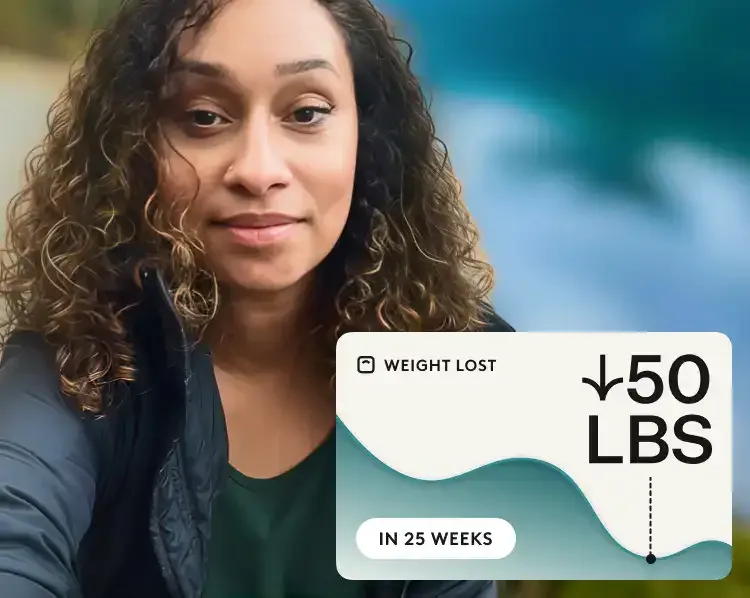
“My favorite parts of Noom are the care team and other Noomers. Sharing and getting help made me feel like I wasn’t doing it alone. That support made all the difference.”
Desirea N. — Real Noom user
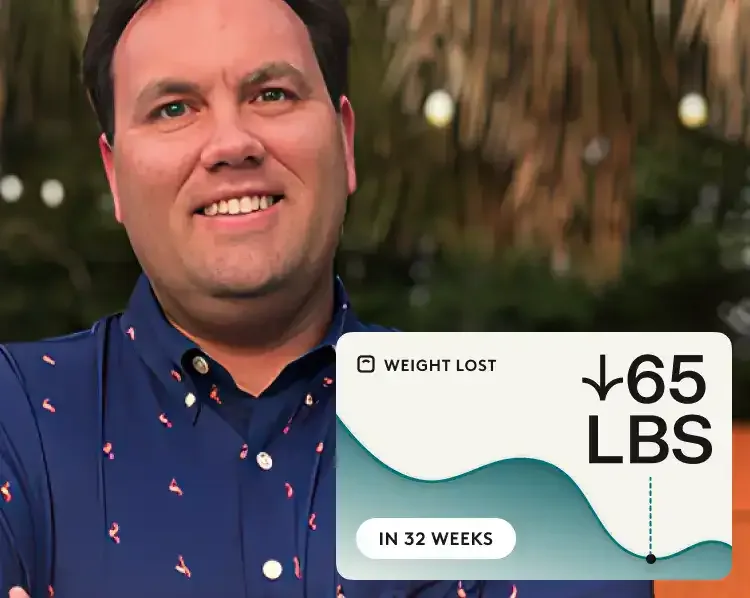
“Noom has taught me that every day is a new chance to make better, healthier choices. It’s taught me how to stop overeating.”
Matthew M. — Real Noom user
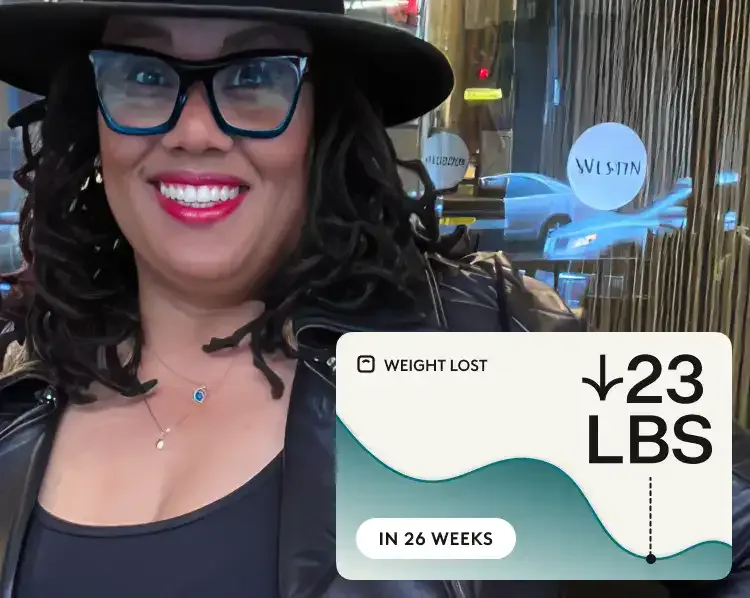
“Clinicians who understand how supportive medication can be is one of the best parts of Noom! I was convinced I wouldn’t have success but I’m down 11 pounds in two months.”
Lila M. — Real Noom user
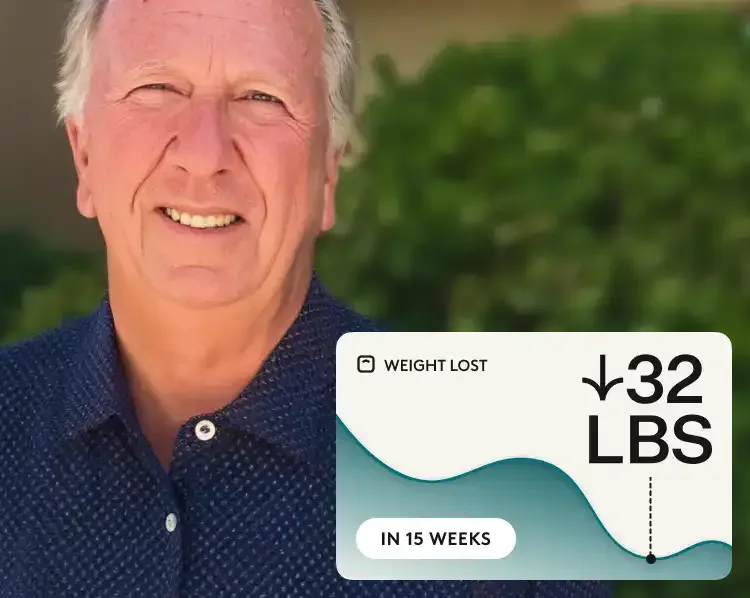
“Noom provided me with the medication which I could not get through Medicare. I have learned the tricks to better eating and life in general.”
Steve M. – Real Noom user
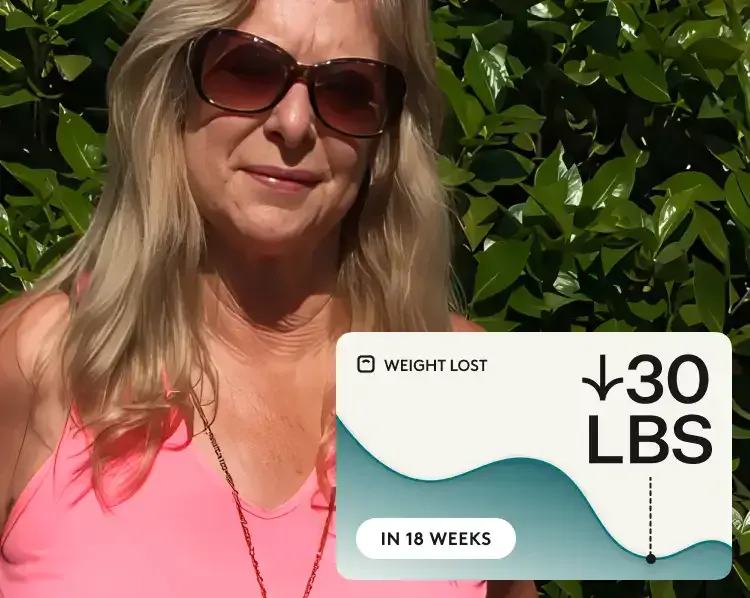
“Noom has changed my life and I’m so thankful, I feel great, have more energy and am no longer prediabetic.”
Daisy R. – Real Noom user
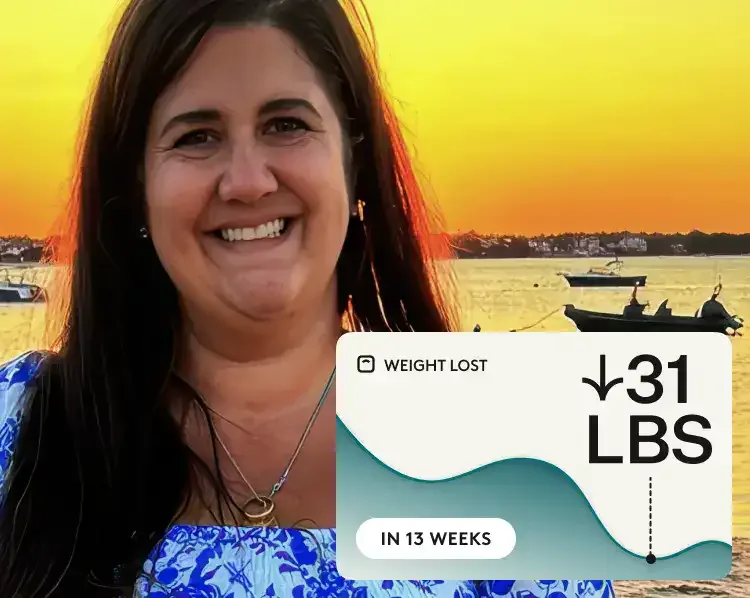
“All of the Noom providers that I’ve met with have been exceptional and prescribed medications that are appropriate for my situation and health.”
Sarah R. – Real Noom user
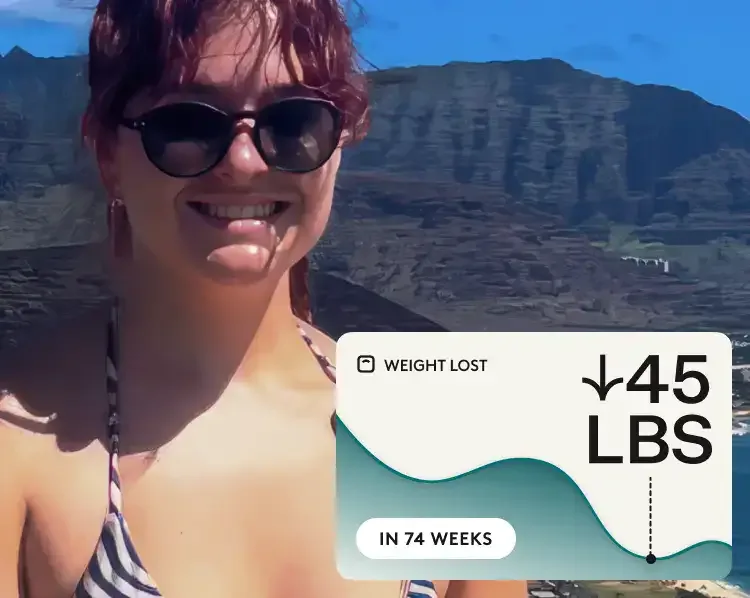
“Noom made the process so simple and now I feel full, free from diet obsession, and at ease in my body again.”
Madison S. – Real Noom user
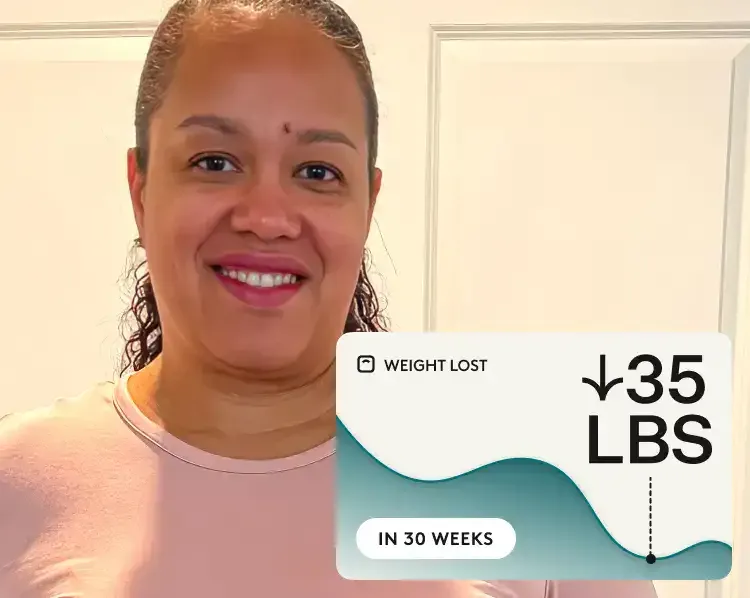
“My doctor recommended Noom after I was frustrated trying to lose weight. The lessons helped change my relationship with food. My body feels lighter & energized.”
Sonday K. – Real Noom user
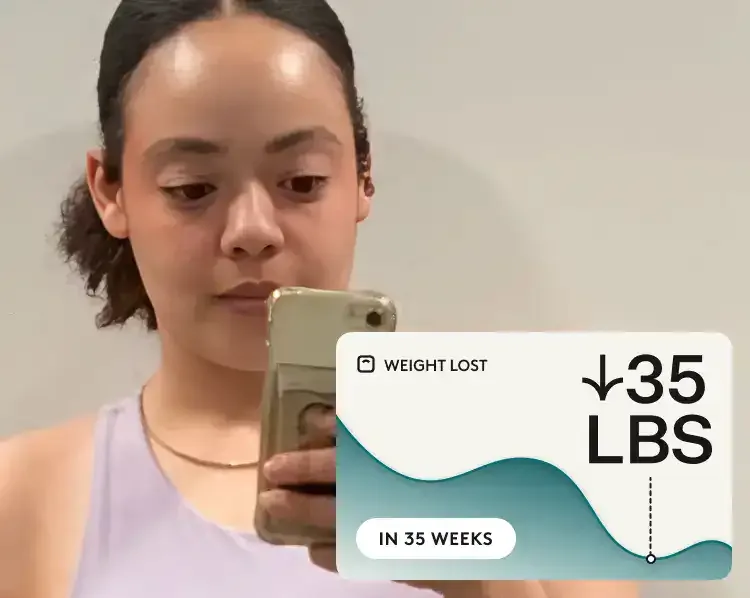
“I built healthy habits with coaching and lessons that make me confident I can maintain my weight loss long term.”
Cam K. – Real Noom user
“With the right medication through Noom, hunger and sugar cravings finally quieted and I have the tools to break the cycle.”
Laura TR. – Real Noom user
“Cravings and food noise are gone, I finally feel confident in the healthy habits I’ve built to last with Noom.”
Jessica S. – Real Noom user
The bottom line: Have a plan when stopping Zepbound®
Stopping Zepbound® is a different experience for everyone, but most experience some similar challenges. Appetite becomes stronger, digestion speeds up, and you are more likely to experience weight regain.
What really helps during this phase is leaning on the behavior changes you’ve built along the way. Eating in a way that keeps you satisfied, staying active to protect muscle, and keeping your days fairly predictable all make the transition smoother. Add a slow, supervised taper to give yourself the best chance of staying on track.
If you’re looking for guidance, Noom can help you maintain healthy habits that make long-term success realistic. With thoughtful coaching and simple tools you can use right away, you’ll have support that fits into your life and helps your results last.
Editorial standards
At Noom, we’re committed to providing health information that’s grounded in reliable science and expert review. Our content is created with the support of qualified professionals and based on well-established research from trusted medical and scientific organizations. Learn more about the experts behind our content on our Health Expert Team page.