
Research
Noom is grounded in science.
Evidence-Based Science
We have more than 40 peer-reviewed scientific articles that inform users, practitioners, scientists, and the public about how our methods work and how effective they are, as well as provide more general observational information that contributes to science.
Our team of behavioral health experts have PhDs and masters degrees in psychology, neuroscience, and statistics. We make scientific discoveries about all aspects of behavior change, making the world a healthier place.
Our research spans many different areas of health, including oncology, diabetes prevention, hypertension, diabetes management, and more.
Featured Publications
Peer-Reviewed Scientific Journal Articles
JMIR mHealth.
2020
Mobile Delivery of the Diabetes Prevention Program in People With Prediabetes: Randomized Controlled Trial
Health Education & Behavior.
2021
Men’s Weight Loss Outcomes, Behaviors, and Perceptions in Self-Directed Commercial Mobile Program: Retrospective Analysis
JMIR Formative.
2022
Noom Mood: Feasibility, Acceptability, and Preliminary Outcomes of a CBT-based Mobile Mental Well-being Program
IJERPH.
2022
Executive Function-Related Improvements on a Commercial CBT-Based Weight Management Intervention: Pilot Randomized Controlled Trial
Participate in Research
We’re currently running studies that explore all aspects of behavior change to make the world a healthier place.
Research on Diabetes
The Noom Diabetes Prevention Program (DPP) was the first virtual DPP to receive full CDC recognition.
Have questions?
Please email research@noom.com
Analysis
The Latest Insights
The latest data on how behavior change can improve health, brought to you by Noom’s research scientists.
When we’re not working on scientific publications, we explore interesting data trends and learn fun insights from our users. Want to know how food consumption changed around the latest holiday, or the trending new snacks this year?
Check back often for our latest analyses.

The Japanese walking method: Is this trending interval walk worth the hype?
What you’ll learn: The Japanese walking method—alternating brisk and slow intervals—has strong research support for improving fitness, cardiovascular health, and supporting steady weight loss. This interval walking approach is...
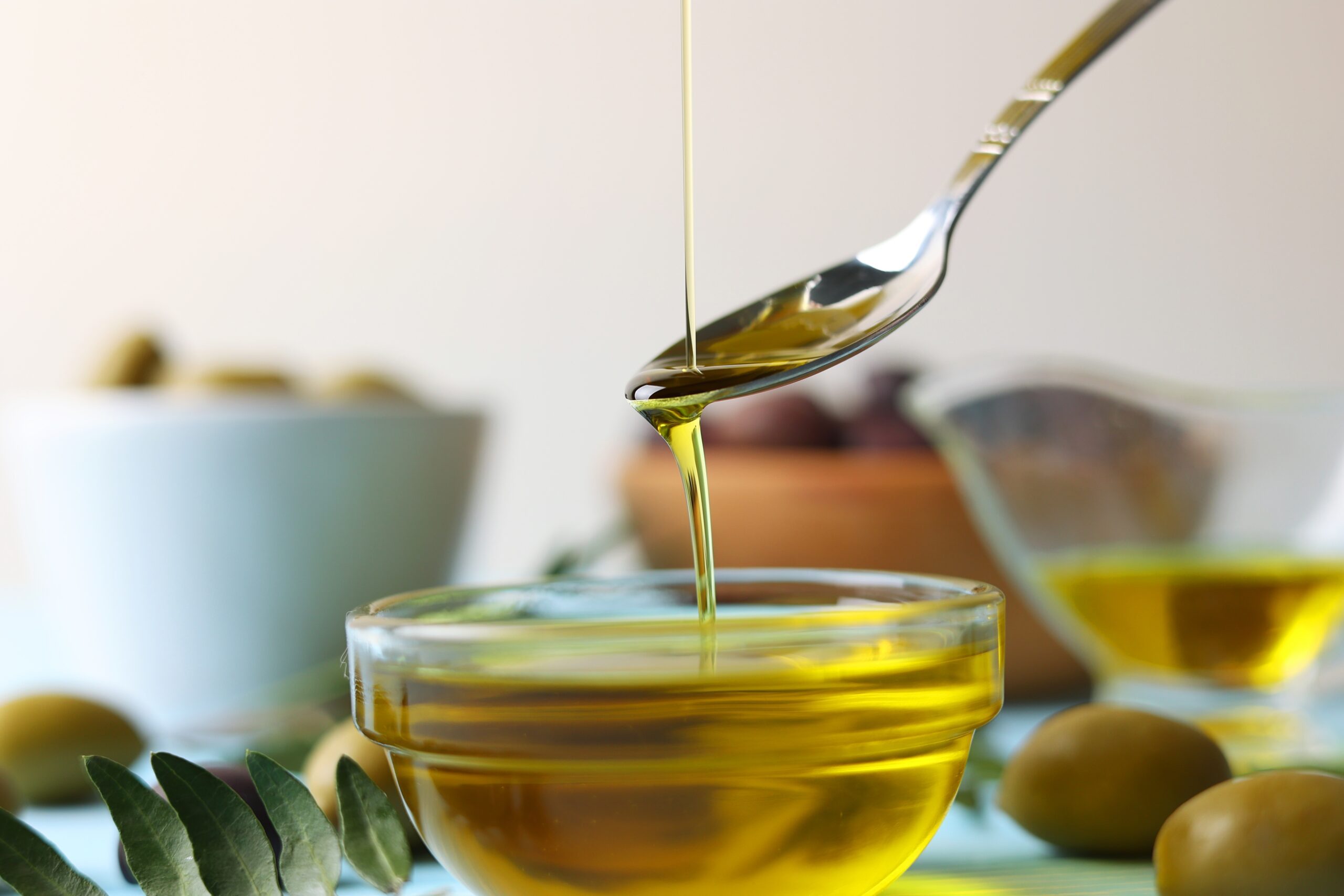
The benefits of drinking olive oil before bed: What the trend gets right—and wrong
What you’ll learn: Drinking olive oil before bed is popular because people believe it helps with weight loss. Olive oil has real health benefits, especially when it replaces saturated fats in your diet—but bedtime timing isn't...

Is egg salad good for weight loss? What you need to know
Egg salad is one of those lunches that can actually work really well for weight loss when it’s made thoughtfully. Eggs are packed with high-quality protein, naturally satisfying, budget-friendly, and easy to prep ahead for quick meals during a busy week. They also...
SCIENCE SPOTLIGHT
Can sense of smell impact health and weight?
A recent study showed that mice who’ve lost their sense of smell had a faster metabolism, better fat-burning, and lower obesity than mice with normal noses.
What does this mean?
This study was done on mice, so it’s too early to say whether you should start holding your nose while eating lunch. However, it does suggest that smell isn’t just about enjoying your meal, it can also trigger your body to build up fat stores.
Contact Us
Thanks for your interest in Noom.
Please use the form below if you have questions about our research or would like to partner and contribute to our science.
If you’d like to partner with us, please let us know about your research interests and what kind of collaboration you’re envisioning.
"*" indicates required fields
