

What you’ll learn:
- People are using specially designed weighted vests while walking to increase intensity, burn more calories, and improve muscle strength.
- Weighted vest walking can improve fitness, but only if it feels comfortable, fits well, and doesn’t interfere with consistency, distance, or enjoyment.
- A weighted vest can support weight loss if it increases calorie burn enough to help maintain a calorie deficit over time.
Walking is one of the most approachable ways to support a healthy weight and overall well-being. It’s low-impact, accessible, and can usually fit easily into everyday life. Plus, research shows that walking around 7,000 steps per day is linked to meaningful health benefits. Walk more, walk faster, or walk with intention, and it may even support weight loss.
Because walking doesn’t require special equipment, many people look for simple ways to make it more challenging without turning it into a whole new workout. That’s where weighted vests can come in. Interest in walking with weighted vests—often referred to as rucking—has grown steadily as people look for practical, at-home tools that can increase intensity while keeping movement familiar.
Research suggests that adding a weighted vest can increase calorie burn, engage more muscle, and improve certain metabolic markers—all while staying relatively low-impact. But more intensity isn’t always better, and weighted walking isn’t automatically right for everyone. How much weight you add, how quickly you progress, how it feels on your joints, and whether it fits into your routine all matter.
Below, we’ll break down what weighted vests are, what the science actually says, and how to use them safely if you decide to try one. We’ll also share expert guidance from Dr. Karen Mann, MD, Noom’s Medical Director, on potential benefits, risks, and how to decide whether weighted vest walking makes sense for your body and your goals.
What is a weighted vest for walking?
A weighted vest for walking is exactly what it sounds like: a vest worn over your torso that adds extra weight to your body while you move. Instead of holding dumbbells or strapping weights to your ankles, the added resistance is distributed across your chest and back. This more even weight placement can help keep your posture upright and your movement balanced while walking.


Many people first hear about walking with weight through rucking, a training method rooted in the military. In rucking, soldiers walk long distances carrying heavy packs to build endurance, strength, and cardiovascular fitness—preparing them to move for extended periods while carrying essential gear like food, water, and supplies.
Over time, rucking-inspired training has made its way into everyday fitness. As more people look for simple ways to make walking more effective—for weight loss, stamina, or overall fitness—weighted vests have become a popular way to add challenge without changing the activity itself.
Benefits of walking with a weighted vest
Walking on its own has powerful benefits for both physical and long-term health. Research shows that walking around 7,000 steps per day is associated with a significantly lower risk of early death and chronic conditions such as cardiovascular disease, dementia, and type 2 diabetes—compared with much lower step counts. Beyond total steps, factors like pace, intensity, and duration also play a role in supporting weight loss from walking.
In other words, walking can be beneficial—even before you add anything extra. Weighted vests are one way people increase the challenge of walks they’re already doing. Here are a few reasons people use them:
Walking with a weighted vest can increase calorie burn
Walking with a weighted vest can gently increase the number of calories you burn during the same walk. Research from Medicine and Science in Sports and Exercise shows that as the vest weight goes up, so does the body’s energy use. That means your muscles and heart have to work a little harder to keep you moving at the same pace, so you burn more calories. It’s a simple way to add challenge to walks you’re already doing, without needing to go faster or farther.
Walking with a weighted vest blends cardio and strength
Walking with added weight places greater demand on the legs, glutes, core, and upper body than walking alone. That extra resistance can make each step feel more challenging, which is why some people see it as a time-efficient way to combine cardiovascular exercise with light strength work—especially if traditional strength training isn’t their favorite.
That said, “more efficient” doesn’t always mean better. The best approach is still the one you can do comfortably and consistently over time. And weighted walking isn’t a replacement for full-body strength training.
“Full body strength training is still important to help build full-body muscle, support bone health, and reduce injury risk. Rucking alone doesn’t fully train all the muscles in your body,” notes Dr. Mann.
Can you lose weight walking with a weighted vest?
If you already enjoy walking, adding a weighted vest can sound like an easy way to make your walks more challenging—without having to go faster or go farther. But does it actually support weight loss?
Research suggests it can, in a modest way. Studies on walking with weighted vests show that adding weight to the torso increases calorie burn when walking at the same speed for the same amount of time. The extra load forces your muscles and cardiovascular system to work harder to move your body forward—even though your pace doesn’t change.
One key finding is that calorie burn tends to increase in proportion to vest weight: the heavier the vest, the more energy the body uses over the same distance. That said, results vary. Factors like walking speed, body size, fitness level, and how much weight is added all influence how many extra calories someone burns, so the impact won’t be the same for everyone.
From a weight-loss perspective, this means a weighted vest can slightly increase the calories you burn during walks you’re already doing, which may help contribute to a calorie deficit over time. But it only helps if it doesn’t slow you down, shorten your walks, or make the habit harder to stick with. As with most forms of exercise, consistency matters more than intensity.
“Weight loss is built on habits you can repeat—not on how hard a workout looks on paper,” warns Dr. Mann. “If adding weight makes walking feel less enjoyable or harder to stick with, it may do more harm than good. Joyful movement is far more likely to support long-term results.”
What does this mean for weight loss?
In theory, burning more calories by wearing a weighted vest can support weight loss. If your body consistently uses more energy than it would during regular walking, that extra burn can help contribute to a calorie deficit over time.
But weight loss always depends on the bigger picture. How much you eat, what you eat, how consistently you move, and whether that calorie deficit is maintained all matter. Exercise can support weight loss, but it works best alongside eating patterns that feel balanced, satisfying, and sustainable—not overly restrictive.
How to choose the right weighted vest for walking
A good weighted vest should feel secure and comfortable, not restrictive. It should fit snugly without limiting your breathing, distribute weight evenly across your torso, and stay in place as you walk—without bouncing, shifting, or digging into your shoulders.
One important thing to know up front: weighted vest sizing is based on torso fit, not body weight. Because fit matters so much, finding the right vest may take a bit of trial and error, especially when ordering online. It’s normal to try more than one style or size—and to plan for returns—to make sure the vest sits properly on your body.
What to look for in a weighted vest for walking:
- Snug but breathable fit that doesn’t restrict movement
- Even weight distribution across the chest and back
- Minimal bounce or shifting while walking
- Comfortable shoulder straps that don’t dig in
Different types of weighted vests
When choosing the best weighted vest for walking, you’ll generally see two main styles:
Adjustable weighted vests
Adjustable weighted vests are a great choice if you’re new to weighted walking or want flexibility over time. You can add or remove small weight increments to find what feels right as your strength and comfort evolve. Most adjustable vests start around 5–10 pounds and can increase up to 30–40 pounds, depending on the design.
Benefits
- Customizable weight makes it easier to progress gradually
- Helps reduce joint strain because you can dial in comfort
- Good for beginners or anyone wanting quick adjustments on the fly
Drawbacks
- Bulkier than some fixed-weight models
- Weight packets can shift if not secured well
- Typically more expensive than basic fixed vests
Popular adjustable weighted vest brands
- Hyperwear – Sleek, flexible design with evenly distributed weights
- RUNmax – Highly adjustable with a broad range of weight increments
- CAP Barbell – Budget-friendly adjustable vests
Fixed-weight vests
Fixed-weight vests have a set amount of weight and tend to be slimmer and less bulky, which some people find more comfortable for walking. They’re a good option if you already know what weight feels right or if you prefer a simpler, no-adjustment approach. Fixed vests range broadly, from 5 pounds to over 100 pounds, though heavier versions are usually aimed at advanced training rather than casual walking.
Benefits
- Typically more streamlined and less fussy than adjustable options
- No weight plates to take in and out
- Often more stable once fitted properly, with less shifting
Drawbacks
- No flexibility—you can’t adjust up or down over time
- If you pick the “wrong” weight, it can feel too heavy or too light
- Not ideal for people who want gradual progression
Popular fixed-weight vest brands
- TRX – Comfortable, well-balanced fixed weights that work well for walking
- Goruck – Rugged, durable vests built for heavier training loads
- ZELUS – Slim, fixed-weight options good for light-to-moderate resistance walks
Frequently asked questions (FAQ) about weighted vests for walking
Is wearing a weighted vest good for walking?
It can be. A weighted vest may increase calorie burn and muscle engagement, making walking more challenging without increasing your speed or distance.
Is using a weighted vest for walking safe?
For most healthy adults, weighted vests are a safe option to add to a walk. Be sure to start with the lightest weight, increase the weight slowly, and stop if you feel any pain or discomfort.
What are the dangers of using a weighted vest for walking?
Potential downsides include joint strain, posture issues, and overuse injuries—especially if weight is added too quickly or the vest doesn’t fit well.
Do weighted vests help lose belly fat?
No exercise targets belly fat specifically. Weighted vests may help increase overall calorie burn, which can contribute to fat loss over time.
Access GLP-1 Weight Loss with Noom
Explore a wide range of prescription medications supported by Noom’s program.Microdose GLP-1rx

Noom GLP-1rx
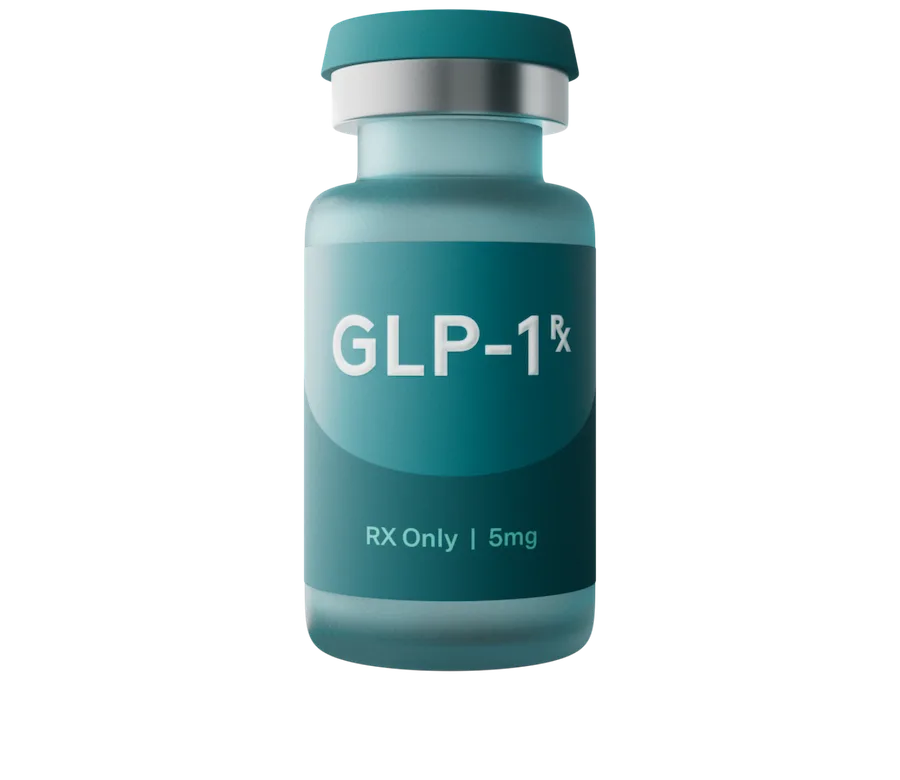
Noom GLP-1rx Plus
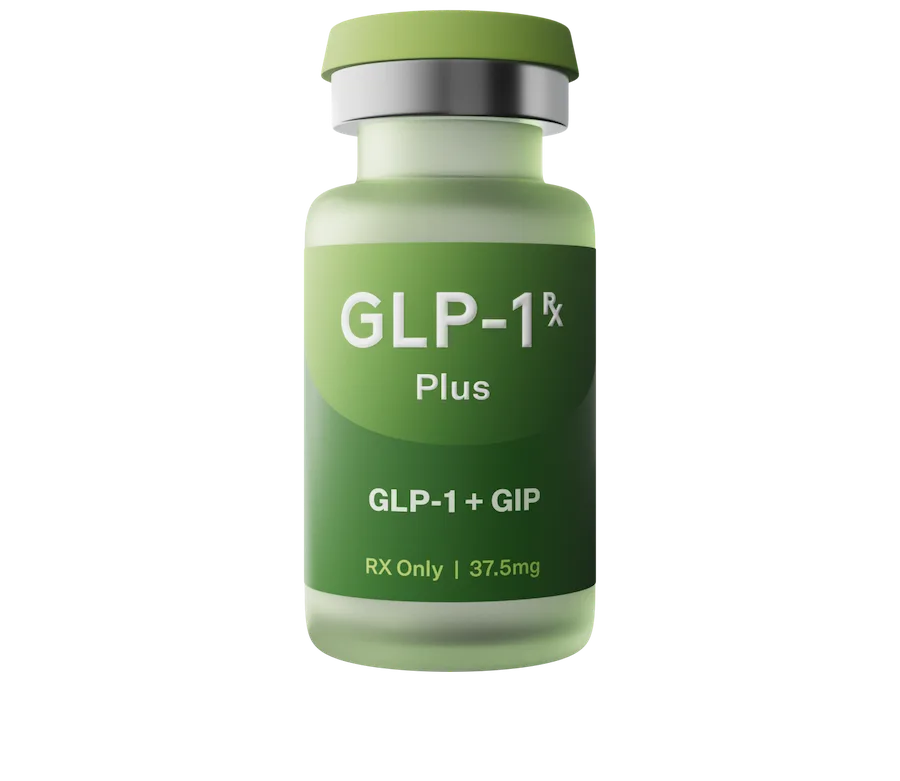
Wegovy®
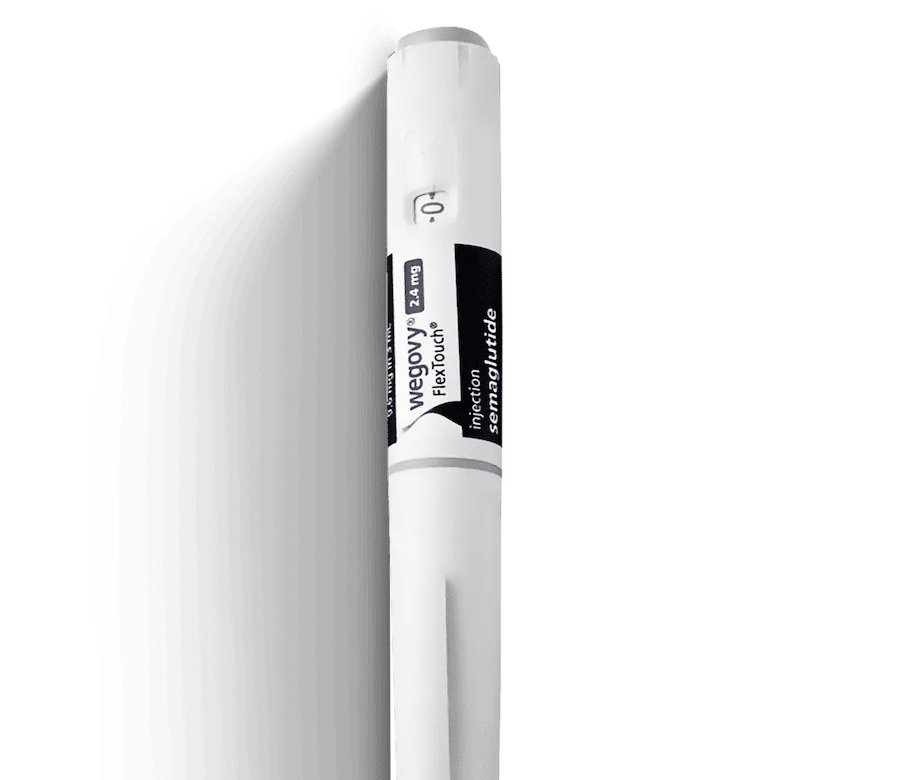
Ozempic®

Metformin

Zepbound®
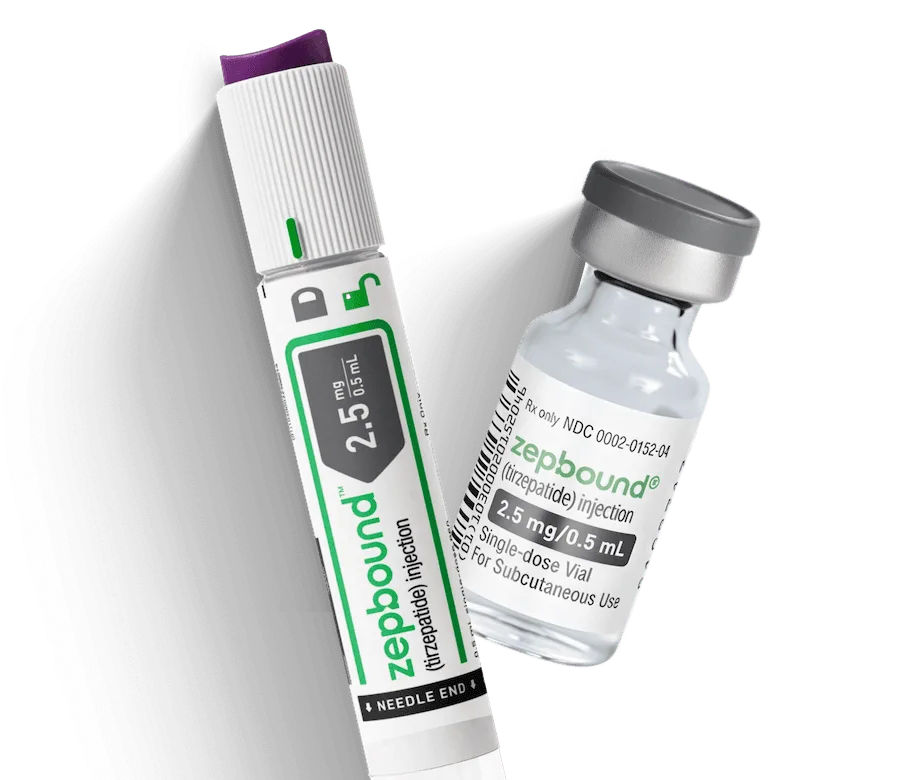
Mounjaro®
Liraglutide
What size weighted vest for walking should I choose?
Weighted vest sizing is based on torso fit, not body weight. The vest should fit snugly without restricting breathing and distribute weight evenly across your torso. It should stay in place without bouncing or shifting as you walk.
Does walking with a weighted vest build muscle?
Walking with a weighted vest can increase muscle engagement and muscular endurance, especially in the legs, glutes, and core. The added resistance makes your muscles work harder with each step compared to regular walking.
That said, weighted walking works best as a complement to strength training—not a replacement. While it can help maintain muscle and improve endurance, it doesn’t provide the progressive overload needed to build significant muscle mass on its own.
For the best results, pair rucking or weighted walking with simple resistance exercises—like squats, lunges, wall or countertop push-ups, and rows using dumbbells or resistance bands. These basic movements help build and maintain muscle over time without requiring a gym or complicated equipment.

The Easy Way
to lose weight and get healthy.
See if you qualify

The bottom line: Weighted walking vests can help increase the intensity and burn more calories
A weighted vest for walking can be a useful way to gently increase intensity if walking is already part of your routine. Research suggests it can boost calorie burn, especially when used consistently and safely.
But the most effective walking upgrade is the one you’ll actually stick with. Sustainable habits matter more than intensity alone. If a weighted vest makes walking feel more engaging—and not overwhelming—it may be worth trying. If not, walking more often, a little longer, or a little more consistently can be just as powerful.
Walking more consistently, gradually increasing steps, and taking longer walks for heart health are all ways that can support weight loss. A weighted vest can be one more option in that toolkit, but it’s not automatically better—and it’s not right for everyone.
Progress doesn’t come from doing the hardest thing. It comes from doing the doable thing—again and again. If your goal is to lose weight and improve your longevity, find out which Noom program can help you get there.
Editorial standards
At Noom, we’re committed to providing health information that’s grounded in reliable science and expert review. Our content is created with the support of qualified professionals and based on well-established research from trusted medical and scientific organizations. Learn more about the experts behind our content on our Health Expert Team page.