
What you’ll learn:
- Zepbound® insurance coverage for weight management varies widely by state, insurance plan, and diagnosis.
- Even if insurance doesn’t cover Zepbound, manufacturer savings programs can significantly reduce out-of-pocket costs.
- Staying informed about your plan’s requirements and working closely with your healthcare provider can improve your chances of getting coverage.
Zepbound® is one of the newest prescription medications designed to help people lose weight as a weekly injection. Made with tirzepatide, it was approved in November 2023 for weight loss. And while it’s gotten a lot of attention for its effectiveness, it can be expensive, and insurance coverage is rare.
So, for many who are considering Zepbound®, one of the first questions is usually: Will my insurance cover it? Without coverage, monthly costs can exceed $1,000, making it important to understand your benefits before starting treatment. Still, the answer isn’t typically straightforward.
Why? Weight loss medication isn’t required by law to be covered by insurance. Because of that, coverage varies widely depending on your specific insurance plan, what the medication is prescribed for, and your state (if you have Medicaid). Private insurance, Medicare, and Medicaid all have different rules. Some plans cover Zepbound® for its other approved condition, obstructive sleep apnea (OSA), but not for weight loss under the same policy.
Let’s go through when coverage is possible, why it’s often denied, how prior authorization and step therapy work, and how rules differ between private insurance, Medicare, and Medicaid. We’ll also walk through state-by-state Medicaid changes, what affects approval, and how to check your own benefits. And we’ll go through what Zepbound® typically costs with and without insurance, so you can understand your next steps with fewer surprises.
Is Zepbound® ever covered by insurance?
Sometimes—but coverage depends on several factors, including your diagnosis, your insurance provider, and (if you have Medicaid) the state you live in.


Because federal law doesn’t require insurance plans to cover weight-loss medications, many plans exclude them entirely. When coverage is available, insurers usually apply strict requirements.
What determines whether Zepbound® is covered?
Several factors can influence whether your plan approves coverage:
- Your diagnosis: Insurers review why the medication is being prescribed. Coverage is more likely when the prescription aligns with an FDA-approved indication like obstructive sleep apnea (OSA).
- Your insurance provider: Each insurer sets its own rules for covering anti-obesity medications.
- Your state (for Medicaid): Medicaid coverage varies widely by state. Some include weight-management medications, while others exclude them entirely.
Common requirements if coverage is offered
When plans do cover Zepbound®, they typically require additional documentation, including:
- Proof of medical necessity, showing the medication is clinically appropriate rather than requested for cosmetic weight loss
- Evidence of previous attempts, such as lifestyle changes or other treatments
- Prior authorization, where your provider submits medical records and justification before approval
Some insurers also use step therapy, requiring patients to try other medications first. For example, Kaiser Permanente Northwest requires trials of at least two older medications and a six-month trial of semaglutide before approving Zepbound®.
How coverage varies by payer
Coverage rules differ significantly depending on the type of insurance you have:
- Private or employer-sponsored plans: These vary the most. Some include weight-management benefits, while others exclude them due to cost or plan design.
- Medicaid: Policies differ by state, which can significantly affect access.
- Medicare: Currently doesn’t cover medications prescribed solely for weight loss, though coverage may apply if Zepbound® is prescribed for OSA.
If you’re wondering why insurers review these prescriptions so closely, it often comes down to cost, medical necessity, and long-term safety data. For a deeper look at how Zepbound® works and its potential risks, see our full breakdown of side effects.
When could insurance coverage for weight loss medications change?
In 2026 and beyond, federal programs are testing new ways to make GLP-1 medications more accessible:
- The BALANCE Model is a voluntary trial program that lets Medicare and some state Medicaid plans negotiate coverage and prices for weight-management drugs like GLP-1s directly with manufacturers and pair that with lifestyle support—but manufacturers, plans, and states all have to opt in for it to work.
- Participation is voluntary, and it’s meant to see whether this approach can improve access while managing long-term costs.
- Coverage under that model could start as early as May 2026 for some Medicaid plans and in 2027 for Medicare Part D, but it still won’t guarantee coverage for everyone outside the negotiated criteria.
- At the same time, broader federal efforts to reduce drug prices—like the Medicare Drug Price Negotiation Program created under the Inflation Reduction Act—are moving forward.
- This program lets Medicare negotiate lower prices for certain high-cost medications, with negotiated prices scheduled to begin in 2027 and expand over time, which could help lower costs for medications in the GLP-1 class if and when they’re included in negotiations.
- Those negotiated price agreements are part of a larger push by the government to lower drug costs and ease out-of-pocket burdens on individuals and the Medicare program.
Because these initiatives are still evolving and depend on participation by manufacturers, insurers, and policy implementation timelines, these models and agreements are best understood as early experiments and tools aimed at expanding access, rather than guaranteed nationwide coverage expansions at this point.
Zepbound coverage: Understanding private insurance plans
Coverage for Zepbound® can vary depending on the insurer, your specific plan, your diagnosis, and sometimes even your employer. Some plans exclude weight-loss medications entirely, while others offer limited coverage if you meet strict medical criteria.
Below is a high-level snapshot of some of the most popular plans to help you understand how major insurers typically approach coverage.
Access GLP-1 Weight Loss with Noom
Explore a wide range of prescription medications supported by Noom’s program.Microdose GLP-1rx
Noom GLP-1rx
Noom GLP-1rx Plus
Wegovy®
Ozempic®
Metformin
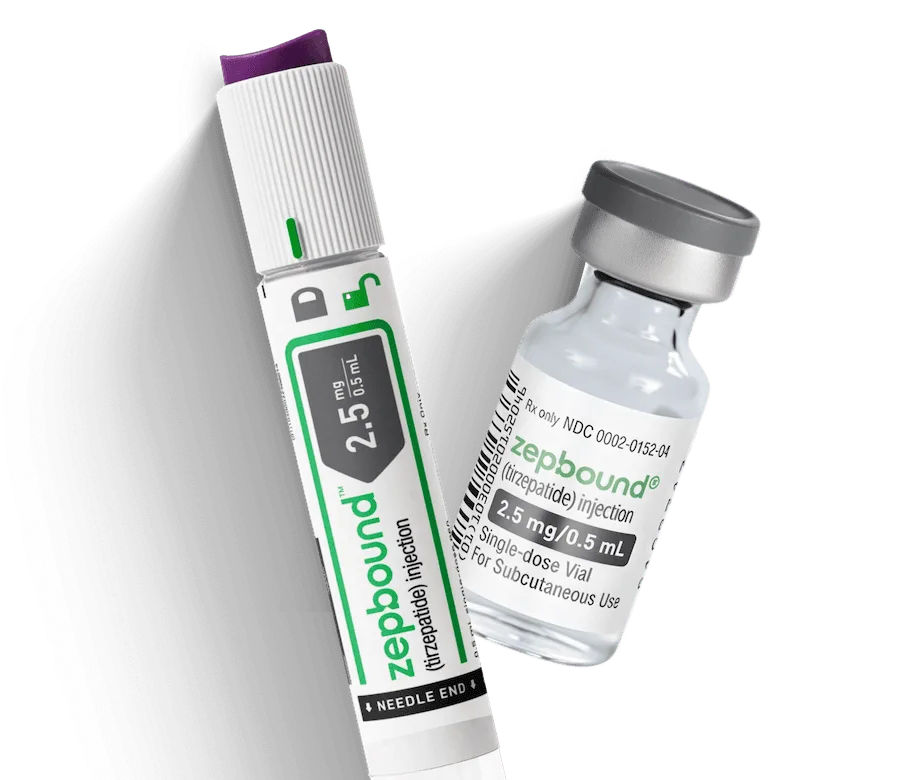
Zepbound®
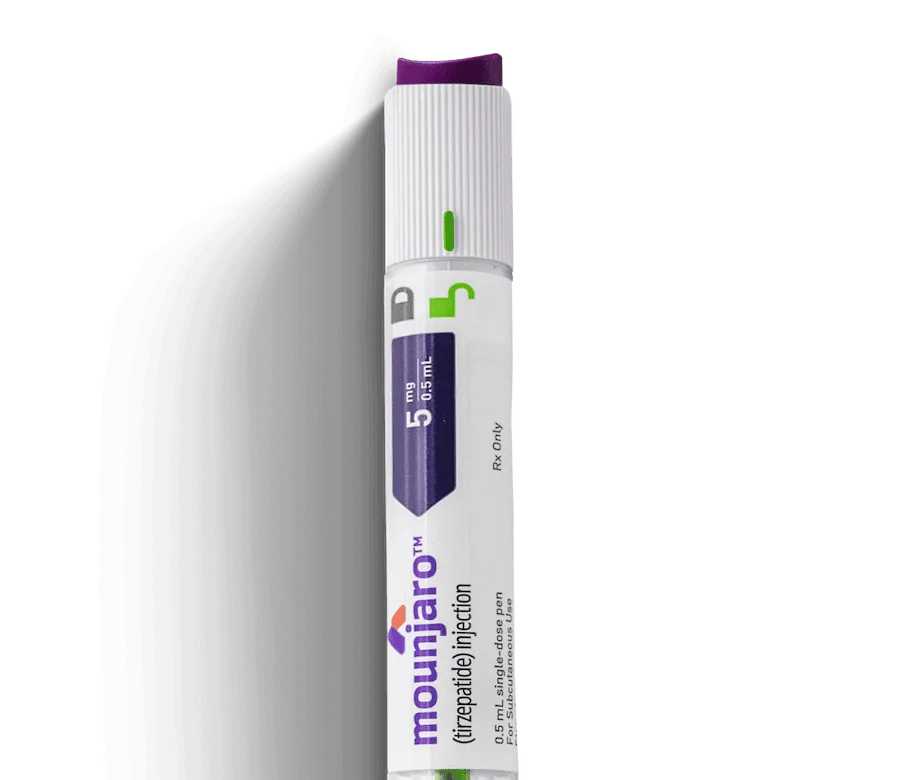
Mounjaro®
Liraglutide
Private insurance
| Insurance provider | Coverage status | Typical requirements | Last reviewed |
|---|---|---|---|
| Aetna | Coverage status: Coverage is plan-dependent and varies by employer and specific policy design. State Variation: Yes (plan varies) | Typical requirements: Prior authorization (PA) and documented medical necessity are required. Some employer-sponsored Aetna plans may cover Zepbound®, but approval generally requires detailed clinical documentation. Coverage rules depend on the specific employer contract and whether weight-loss medications are included in the pharmacy benefit. | January 2026 |
| Blue Cross Blue Shield | Coverage status: Coverage is plan-dependent. State variation: Yes | Typical requirements: Prior authorization, documentation of BMI, and a qualifying diagnosis. Coverage varies significantly by state and affiliate. Many BCBS plans exclude weight-loss medications, although coverage may be more likely if the medication is prescribed for another FDA-approved indication, such as obstructive sleep apnea (OSA). | January 2026 |
| Cigna | Coverage status: Coverage is plan-dependent. State variation: Yes | Typical requirements: Prior authorization and clinical documentation. Some Cigna plans require documentation of comorbidities (such as hypertension or high cholesterol) or step therapy before approving coverage. Overall, coverage is inconsistent and depends heavily on the employer’s benefit design. | January 2026 |
| UnitedHealthcare | Coverage status: Coverage is plan-dependent. State variation: Yes | Typical requirements: Prior authorization and documentation demonstrating clinical necessity. Coverage varies widely by employer group and plan type. Zepbound® is not universally covered, and approval typically depends on meeting defined medical criteria. | January 2026 |
| Kaiser Permanente | Coverage status: Limited and plan-dependent. State variation: Yes, by region. | Typical requirements: Prior authorization. Many Kaiser Permanente plans do not cover Zepbound® for weight loss. In some cases, employer opt-in is required for coverage to be available. Regional differences may also affect access. | January 2026 |
| Humana | Coverage status: Often excluded. State variation: Yes | Typical requirements: Not applicable for weight-loss coverage when excluded. Humana generally excludes weight-loss GLP-1 medications from standard coverage. Members should review specific plan documents and check for state Medicaid variations that may differ. | January 2026 |
| Anthem | Coverage status: Coverage is plan-dependent. State variation: Yes | Typical requirements: Prior authorization. Many Anthem and affiliated BCBS plans exclude weight-loss medications, although some employer-sponsored plans may include coverage depending on benefit design. | January 2026 |
| Molina Healthcare | Coverage status: Varies and is often limited. State variation: Yes | Typical requirements: Prior authorization. Coverage depends largely on the state Medicaid program and the specific plan type. Access may be restricted or subject to strict clinical criteria. | January 2026 |
| Ambetter | Coverage status: Rarely covered. State variation: Yes | Typical requirements: Prior authorization and supporting documentation. As an ACA marketplace insurer, Ambetter plans seldom cover weight-loss medications. However, exceptions may be possible in certain states depending on marketplace regulations and plan design. | January 2026 |
| Oscar Health | Coverage status: Coverage is plan-dependent. State variation: Yes | Typical requirements: Prior authorization. Coverage varies by individual plan and state exchange participation. Approval depends on formulary placement and medical necessity requirements. | January 2026 |
| CVS Caremark | Coverage status: Excluded from the standard formulary. State variation: No | Typical requirements: Not applicable under the standard formulary.Zepbound® has been removed from the standard CVS Caremark formulary. Exceptions may be possible through a physician request or formulary exception process, depending on the employer or plan sponsor. | January 2026 |
| Express Scripts | Coverage status: Coverage is plan-dependent. State variation: No (formulary decisions are employer- or insurer-driven) | Typical requirements: Prior authorization. Coverage depends on the employer or insurer’s formulary decision. Even when included, prior authorization is typically required to demonstrate medical necessity. | January 2026 |
The insurance landscape for Zepbound® is shifting quickly. Even when coverage exists, approval typically requires detailed prior authorization, documentation of BMI thresholds, proof of medical necessity, and sometimes evidence of previous lifestyle interventions or step therapy.
If you want a clearer understanding of how dosing differs based on condition and treatment goals, read our full guide to Zepbound® dosage here.
Zepbound coverage: Understanding Medicare insurance plans
| Insurance provider | Coverage status | Typical requirements | Last reviewed |
|---|---|---|---|
| Medicare | Coverage status: Limited and excluded for weight loss. Coverage may apply if Zepbound® is prescribed for OSA and meets plan-specific medical criteria. State variation: No (Medicare is a federal program with national rules) | Typical requirements: Not applicable when prescribed solely for weight loss. | January 2026 |
| TRICARE | Coverage status: Limited State variation: No (federal program) Coverage may exist under certain TRICARE plans but requires individual plan review. Access varies depending on the specific TRICARE program and medical necessity criteria. | Typical requirements: Prior authorization. | January 2026 |
Zepbound coverage: Understanding Medicaid insurance plans
| Insurance provider | Coverage status | Typical requirements | Last reviewed |
|---|---|---|---|
| Medicaid | Coverage status: Varies by state. State variation: Yes, because each state administers its own Medicaid program within federal guidelines. | Typical requirements: Prior authorization and BMI criteria are commonly required. | January 2026 |
Medicaid coverage for Zepbound® differs significantly depending on the state. As of January 2026, only 13 states explicitly cover Zepbound® for weight loss treatment. Even in states that provide coverage, people generally must meet defined BMI thresholds and submit documentation showing medical necessity. Policies can change frequently due to state budget decisions and legislative updates, so coverage should be verified directly with the state Medicaid program.
State-by-state coverage for Zepbound®
Medicaid benefits for Zepbound® differ dramatically from state to state, largely due to budget decisions and policy priorities. Some states offer coverage with clinical criteria, while others have ended or restricted coverage for weight-loss indications.
Current info shows that only 13 state Medicaid programs provided GLP-1 benefits for weight loss treatment as of January 2026. That said, these policies can shift frequently due to budget pressures and evolving state legislation.
This table highlights the most recent and widely reported changes.
| State | Medicaid Coverage Status | Key Requirements | Recent Changes |
|---|---|---|---|
| California | No Medicaid coverage for weight loss | Not covered under Medi-Cal for weight-loss indications | Ended coverage for weight-loss GLP-1s, including Zepbound® as of January 1, 2026. Still covers these drugs for other FDA-approved indications (diabetes, OSA) under clinical criteria. |
| North Carolina | Medicaid covers with certain criteria | Prior authorization + clinical criteria | Reinstated coverage for GLP-1 weight-loss drugs after previous suspension; mix of clinical criteria applies. |
| Michigan | Restricted access | BMI criteria + documented failure of prior treatments required | Coverage reduced/restricted effective January 1, 2026. |
| Delaware | Covered | Prior authorization with BMI criteria | Continues to include GLP-1 weight-loss benefits with authorization requirements. |
| Texas | Partial / restricted coverage | Coverage depends on managed care plan formulary | Coverage not uniform; varies by Medicaid managed care organization. |
| Pennsylvania | No adult coverage | Covered for certain age groups/conditions | Adult Medicaid weight-loss coverage ended as of January 1, 2026; under-21 and non-weight loss indications may continue to be covered. |
| New Hampshire | No weight-loss coverage | Not covered for weight loss alone | Ended weight-loss coverage as of January 1, 2026. |
How to check if your insurance covers Zepbound®
If you’re wondering whether Zepbound® is included in your plan, the fastest way to get clarity is to follow a simple checklist. Coverage rules vary widely in 2026—especially for weight-loss medications—so verifying details upfront can help you avoid delays or unexpected costs.
Here’s a step-by-step approach:
- Call the member services number on your insurance card
Ask specifically whether Zepbound® is covered under your pharmacy benefit and for which indication. Request written documentation or a link to your plan’s formulary and coverage policy. You can also review your insurer’s online formulary portal. Medicare Part D plans, for example, publish formularies publicly each year.
- Ask about prior authorization (PA)
Most plans that cover GLP-1 medications require prior authorization, meaning your provider must submit documentation proving medical necessity. Ask what clinical information is required—such as BMI, diagnosis codes, or treatment history. - Check for step therapy requirements
Some insurers use step therapy, which requires trying other treatments before approving Zepbound®. Ask whether your plan has a step requirement and, if so, which medications must be tried first. - Confirm BMI and medical criteria
Coverage for weight loss typically requires documentation of:- BMI ≥30, or
- BMI ≥27 with a weight-related condition, like high cholesterol or high blood pressure.
Exact thresholds and documentation rules vary by plan and by state Medicaid program.
- Review Medicare or Medicaid rules (If applicable)
- Traditional Medicare Part D doesn’t currently cover medications prescribed solely for weight loss. They might if used for another FDA-approved indication.
- Medicaid coverage varies by state.
- Use official coverage tools
Eli Lilly provides a manufacturer coverage resource to help people understand potential insurance pathways: - Get everything in writing
If coverage is approved, denied, or requires additional documentation, request written confirmation. This can help if you need to file an appeal.
Cost of Zepbound® with and without insurance
The cost of Zepbound® can vary widely, whether you have insurance coverage or not, and that’s because even with insurance, your plan is unlikely to cover the whole cost. You’ll likely need to take advantage of the manufacturer’s Savings Card to get the price lower. Without insurance, you have the option of getting your medication through Lilly Direct, and the cost will vary depending on your dose.
Here’s what that typically looks like:
With commercial insurance coverage:
- Copays vary by plan
- People with commercial insurance may qualify for the manufacturer savings card, which can reduce copays to as low as $25 per month, subject to terms and eligibility.
With Medicare, Medicaid, or TRICARE:
- Coverage rules vary
- Manufacturer savings cards are not available for government-funded insurance programs
Cost without insurance:
- Prefilled single-dose pens: About $1,000 per month
- Multi-dose pens (KwikPen) and single-dose vials cost $299 to $449 through Lilly Direct’s cash-pay program, depending on the dose.
Your actual cost depends on your deductible, formulary placement, prior authorization requirements, and whether your plan covers Zepbound® for your specific diagnosis. Because coverage rules and pricing programs can change, it’s important to confirm both your pharmacy benefit details and current manufacturer savings eligibility before starting treatment.
Let’s take a quick look at both:
Zepbound: Costs with insurance
When Zepbound® is covered by insurance, most people pay between $25 and $150 per month, rather than the full list price of about $1,086. The exact amount depends on your specific insurance plan, how your pharmacy benefits are structured, and whether you use the savings card.
For people whose plans include coverage for weight-loss medications or for obstructive sleep apnea (OSA), Zepbound® is often placed on a formulary tier that requires either a copay (a flat fee) or coinsurance (a percentage of the drug’s cost). Lower-tier placements typically mean lower monthly costs, while higher tiers can result in higher out-of-pocket expenses.
Your cost may also depend on:
- Whether you have met your deductible. If you’re enrolled in a high-deductible health plan, you may need to pay a larger share of the medication’s cost until your deductible is satisfied. After that, your monthly cost usually drops to your plan’s standard copay or coinsurance amount.
- Prior authorization approval. Most insurers require documentation proving medical necessity before they agree to cover Zepbound®. Once approved, coverage applies according to your plan’s cost-sharing rules.
- The prescribed dose. Because Zepbound® is gradually increased over time (a process called titration), your cost could change if your plan assigns different pricing to higher-dose strengths.
- The length of your prescription. Some insurance plans offer cost savings when you fill a 90-day supply instead of a 30-day prescription.
While the commonly cited range with insurance is $25 to $150 per month, individual costs can fall outside that range depending on benefit design, deductible status, and whether additional manufacturer savings programs are applied.
Private Insurance: Costs and savings
Copays can vary, and since insurance doesn’t typically cover the full price for medications as expensive as Zepbound®, it can be even more important to seek out opportunities for extra savings. One option is the manufacturer’s Zepbound® savings card, which can significantly reduce your monthly costs if you have commercial insurance that covers Zepbound®.
Understanding the Zepbound® Savings Card (Eli Lilly)
Available to eligible people with commercial insurance. If your plan covers Zepbound®, the card may reduce your copay to as low as $25 per month, subject to eligibility limits and maximum savings caps.
These caps include maximum monthly savings of up to:
- $100 per 1-month prescription
- $200 per 2-month prescription
- $300 per 3-month prescription
They also have a separate maximum annual savings of up to $1,300 per calendar year. Additionally, the Savings Card may only be used for a maximum of up to 13 prescription fills per calendar year.
If you have commercial insurance that doesn’t cover Zepbound®, the program may still provide a reduced monthly price, though costs are higher than the $25 covered rate.
Medicare, Medicaid, and TRICARE: Costs and savings
The Zepbound® Savings Card isn’t available to those enrolled in Medicare, Medicaid, TRICARE, or other government- or state-funded programs.
This restriction exists because of federal anti-kickback and pricing regulations. In simple terms, drug manufacturers aren’t allowed to offer copay coupons or direct financial incentives to people insured through government healthcare programs. These rules are designed to prevent improper financial influence and ensure that pricing within federally funded programs remains transparent and regulated.
Because of this, even if you meet the medical criteria for Zepbound®, you can’t use the commercial savings card to lower your copay if you have government insurance.
Zepbound®: Costs without insurance
If you pay completely out of pocket at a traditional retail pharmacy, the prefilled single-dose pens are the most expensive way to get Zepbound. With a list price of about $1,086 per month for a 30-day supply.
At full retail pricing, you could spend over $10,000 per year on medication alone. Because of this, most uninsured people look into manufacturer direct-pay options or other alternatives before committing to paying standard pharmacy cash prices.
Let’s take a look at some of the ways you can save:
If your insurance doesn’t cover Zepbound®, the manufacturer’s Lilly Direct program can help lower the price. Eligibility rules vary, so it’s important to understand how each option works before assuming you qualify.
Here are the primary cost-saving options currently available:
LillyDirect self-pay program
For people who don’t have insurance coverage for Zepbound®, Eli Lilly offers a self-pay pricing program through LillyDirect. This pricing applies to the vial and syringe and multi-dose KwikPen®—introduced in early 2026.
Eligibility: The LillyDirect self-pay program is available for people paying cash for their prescription and filling it through the manufacturer’s pharmacy platform.
Here’s what you’ll pay per month:
- 2.5 mg dose: $299
- 5 mg dose: $399
- 7.5 mg, 10 mg, 12.5 mg, 15 mg: $449
Pharmacy discount coupons (e.g., GoodRx): Savings vary by pharmacy and location. It’s also important to know that many pharmacies now partner with LillyDirect, which often means the LillyDirect prices are the lowest available.
Learn more: Zepbound cost without insurance: What to expect in 2026
Frequently asked questions about Zepbound® and insurance coverage
Why isn’t Zepbound® covered by insurance?
Many insurance plans exclude weight management medications from coverage or have strict requirements. This is largely because weight loss medications aren’t required by law to be covered by any insurance plan, and Medicare is legally prohibited from covering weight-loss drugs. Commercial plans may not cover Zepbound® because of high costs and plan rules.
How can I get insurance to cover Zepbound®?
Your provider can submit a prior authorization request. This is a formal review process where your provider explains why the medication is medically necessary, and usually includes documentation of your BMI, weight-related health conditions (such as high blood pressure or high cholesterol), and a record of previous weight-loss efforts like lifestyle changes or other medications.
If your request is denied, you have the legal right to file an appeal, and your provider can submit additional supporting documentation, such as chart notes, lab results, or a letter explaining why other treatments aren’t appropriate for you. Some plans may require “step therapy,” meaning you must try lower-cost medications first before they’ll approve Zepbound®.
How much is Zepbound® with insurance coverage?
Zepbound® costs vary by plan, deductible, and formulary tier. Eligible commercially insured people may pay as little as $25 per month using the manufacturer savings card, subject to terms and limits. However, not everyone will pay $25, as it depends on your exact plan and coverage, and you can only save a maximum of up to $100 per 1-month prescription, $200 per 2-month prescription, or $300 per 3-month prescription. Government insurance programs aren’t eligible for this offer.
How do I get Zepbound® for $25?
Eli Lilly offers a savings card for eligible people with commercial insurance coverage. The card can reduce your copay to as low as $25 per month, though not everyone will pay that little depending on the plan and coverage.
What BMI do I have to have to qualify for Zepbound®?
Zepbound® is FDA-approved for people with a BMI of 30 or greater, or 27 or greater with at least one weight-related condition, like high blood pressure or high cholesterol. Your provider must document eligibility when prescribing.
How much weight can you lose on Zepbound® in 3 months?
In clinical trials, people lost an average of 6% of their body weight after 12 weeks, though results varied depending on the dose. Everyone’s experience can differ based on how closely they follow the treatment and make lifestyle changes. Zepbound® is designed to be used together with a healthy diet and regular physical activity.
How do I get Zepbound® if insurance won’t cover it?
LillyDirect offers self-pay options for Zepbound®, including single-dose vials and the new multi-dose KwikPen®, with prices ranging from $299 to $449 per month. You can get a prescription for Zepbound® from many types of licensed clinicians, whether in person or via telehealth, though filling the prescription and paying for the medication are separate steps. If you qualify for Noom Med, our clinicians can help determine the right medication for you, write a prescription if needed, and you can fill it at the pharmacy of your choice.
Reviews from real Noom users
Desirea N. — Real Noom user
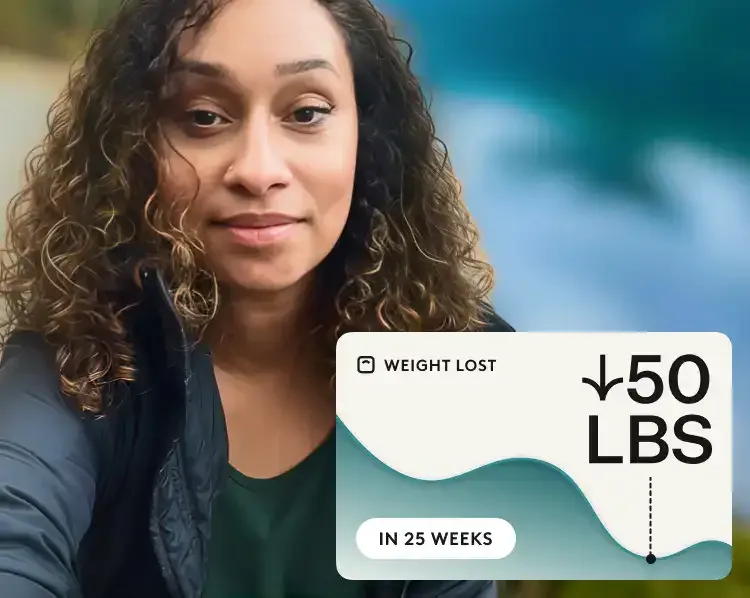
“My favorite parts of Noom are the care team and other Noomers. Sharing and getting help made me feel like I wasn’t doing it alone. That support made all the difference.”
Desirea N. — Real Noom user
Matthew M. — Real Noom user
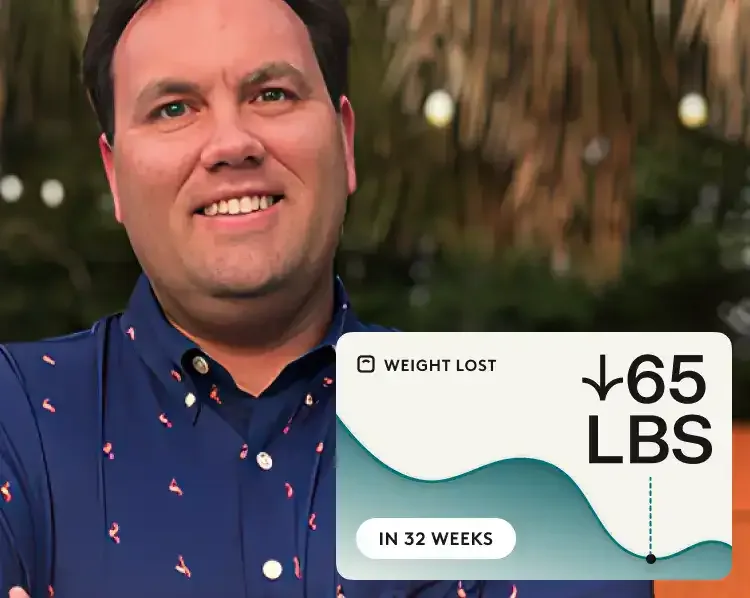
“Noom has taught me that every day is a new chance to make better, healthier choices. It's taught me how to stop overeating.’’
Matthew M. — Real Noom user
Lila M. — Real Noom user
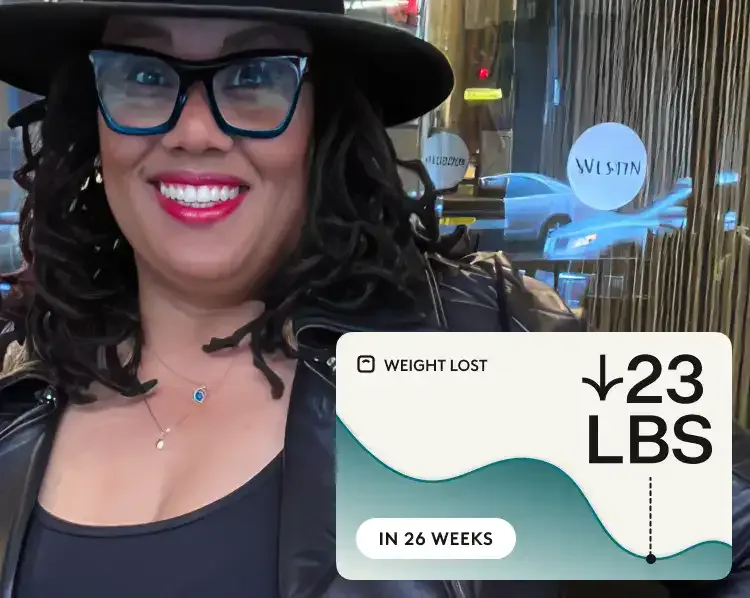
“Clinicians who understand how supportive medication can be is one of the best parts of Noom! I was convinced I wouldn’t have success but I’m down 11 pounds in two months.’’
Lila M. — Real Noom user
Steve M. — Real Noom user
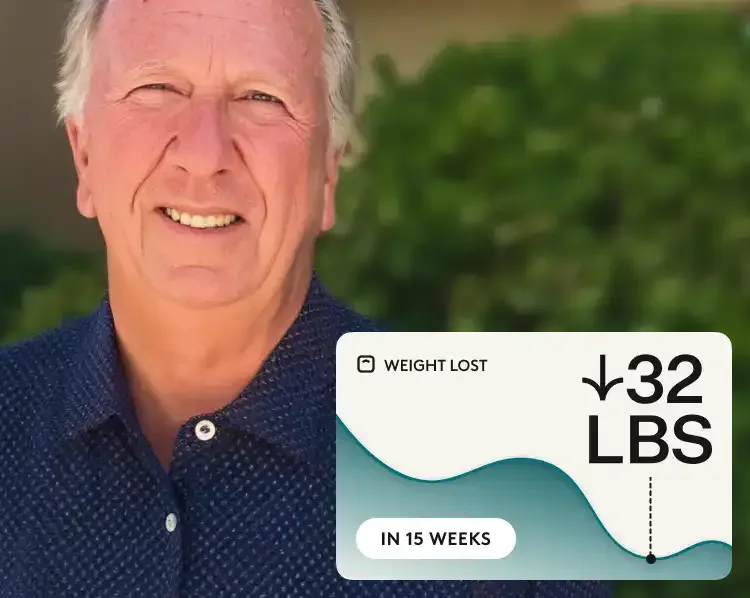
“Noom provided me with the medication which I could not get through Medicare. I have learned the tricks to better eating and life in general.”
Steve M. – Real Noom user
Daisy R. — Real Noom user
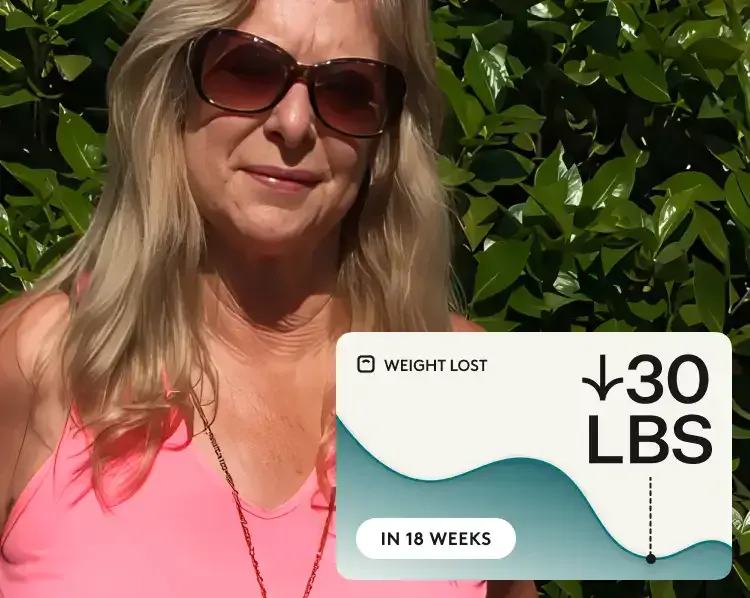
‘’Noom has changed my life and I’m so thankful, I feel great, have more energy and am no longer prediabetic.”
Daisy R. – Real Noom user
Sarah R. — Real Noom user
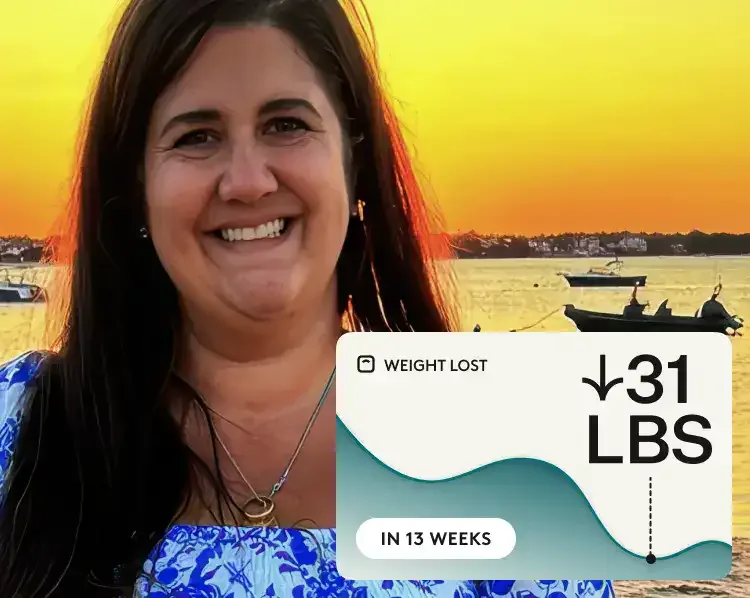
“All of the Noom providers that I’ve met with have been exceptional and prescribed medications that are appropriate for my situation and health.”
Sarah R. – Real Noom user
Madison S. — Real Noom user
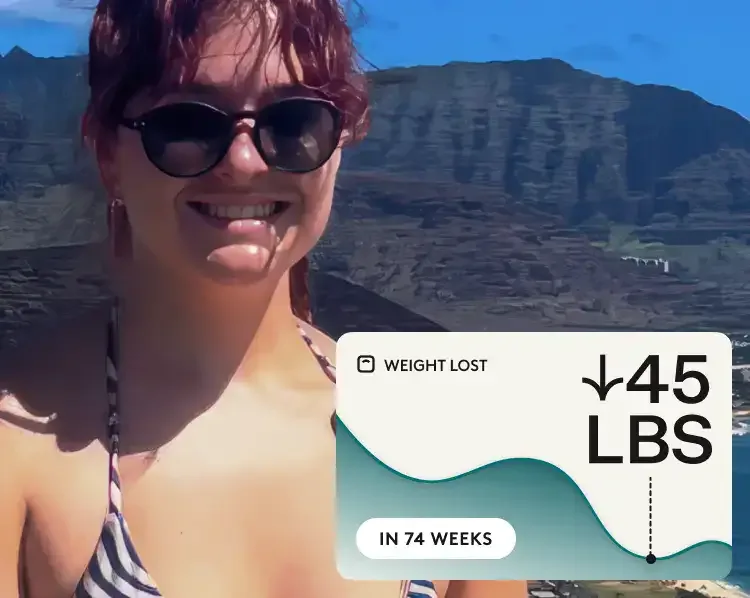
“Noom made the process so simple and now I feel full, free from diet obsession, and at ease in my body again.”
Madison S. – Real Noom user
Sonday K. — Real Noom user
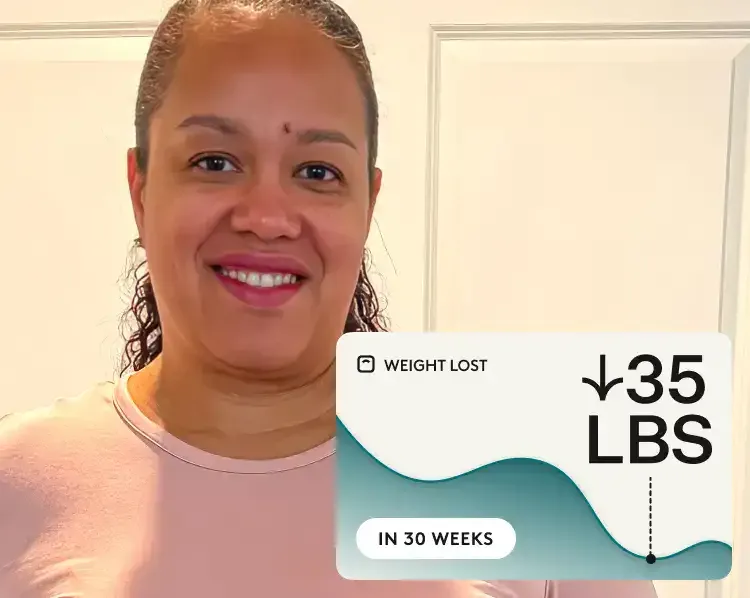
“My doctor recommended Noom after I was frustrated trying to lose weight. The lessons helped change my relationship with food. My body feels lighter & energized.”
Sonday K. – Real Noom user
Cam K. — Real Noom user
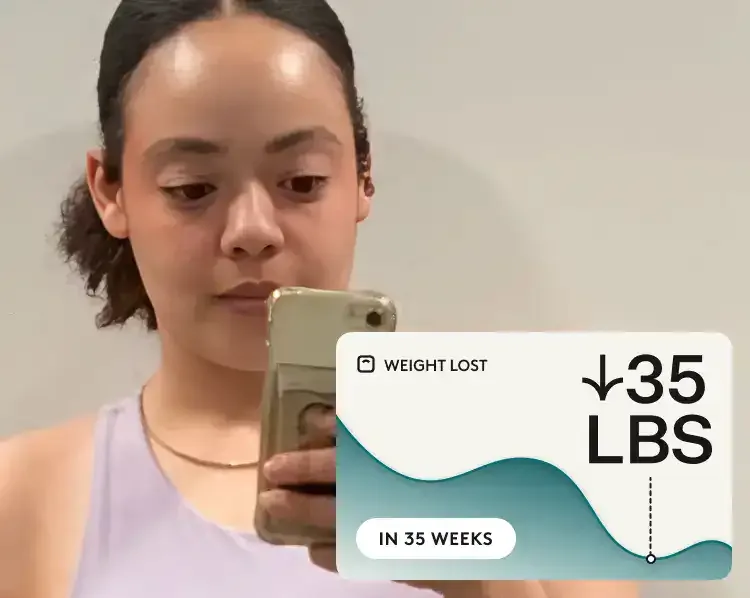
“I built healthy habits with coaching and lessons that make me confident I can maintain my weight loss long term.”
Cam K. – Real Noom user
Laura TR. — Real Noom user
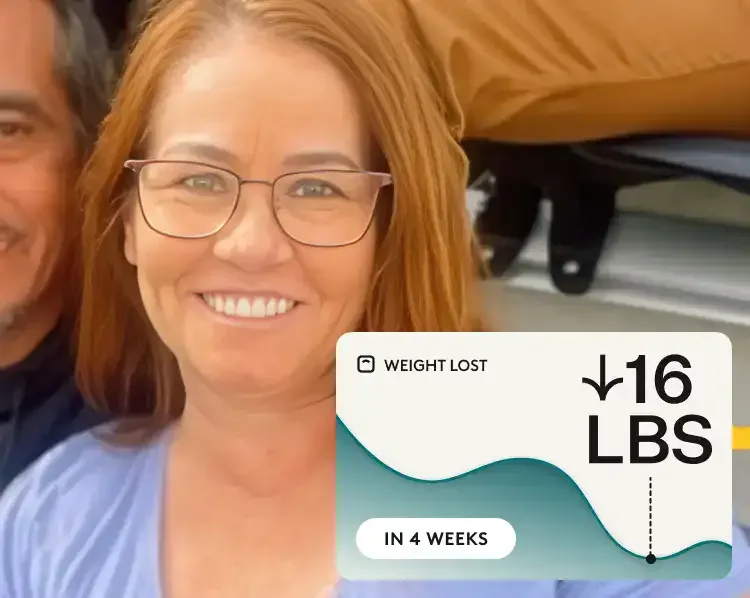
“With the right medication through Noom, hunger and sugar cravings finally quieted and I have the tools to break the cycle.”
Laura TR. – Real Noom user
Jessica S. — Real Noom user
“Cravings and food noise are gone, I finally feel confident in the healthy habits I’ve built to last with Noom.”
Jessica S. – Real Noom user
The bottom line: Insurance coverage for Zepbound® is possible, but still rare
The reality is that insurance coverage for Zepbound® remains inconsistent in 2026. Because weight-loss medications aren’t required to be covered by law, many private plans exclude them entirely; Medicare doesn’t cover them for weight loss, and Medicaid policies vary widely by state. Even when coverage is available, approval usually requires prior authorization, documentation of BMI and medical history, and sometimes step therapy. That means understanding your specific plan—and verifying coverage before starting treatment—can help prevent delays or unexpected costs.
If insurance coverage isn’t available, there are still options. Manufacturer programs like LillyDirect’s self-pay pricing offer lower-cost alternatives compared with retail pharmacy prices, though costs still vary by dose. Ultimately, deciding whether Zepbound® is the right treatment involves balancing medical eligibility, insurance rules, and out-of-pocket costs. Talking with a healthcare provider and reviewing your benefits carefully can help you determine the most realistic and affordable path forward.
If you’re looking for the right weight loss medication and you want to know all of the options open to you, see if you qualify for Noom Med. You’ll be paired with a clinician who can find the right medication for you and prescribe it, if needed.
Plus, with Noom Med, care doesn’t stop at writing a prescription. You’ll have a Care Team to help you manage any side effects, plus lessons, guidance, and exclusive tools to help you build the best diet and exercise plan for you.
Editorial standards
At Noom, we’re committed to providing health information that’s grounded in reliable science and expert review. Our content is created with the support of qualified professionals and based on well-established research from trusted medical and scientific organizations. Learn more about the experts behind our content on our Health Expert Team page.