
What you’ll learn:
- Hair loss is listed as a possible side effect of Zepbound®, but it’s typically linked to weight loss rather than the medication itself.
- Only a small percentage of people experience hair loss with Zepbound®, and it’s more likely when weight loss happens quickly.
- Focusing on nutrition and gentle care can support your hair as your body adjusts to weight loss.
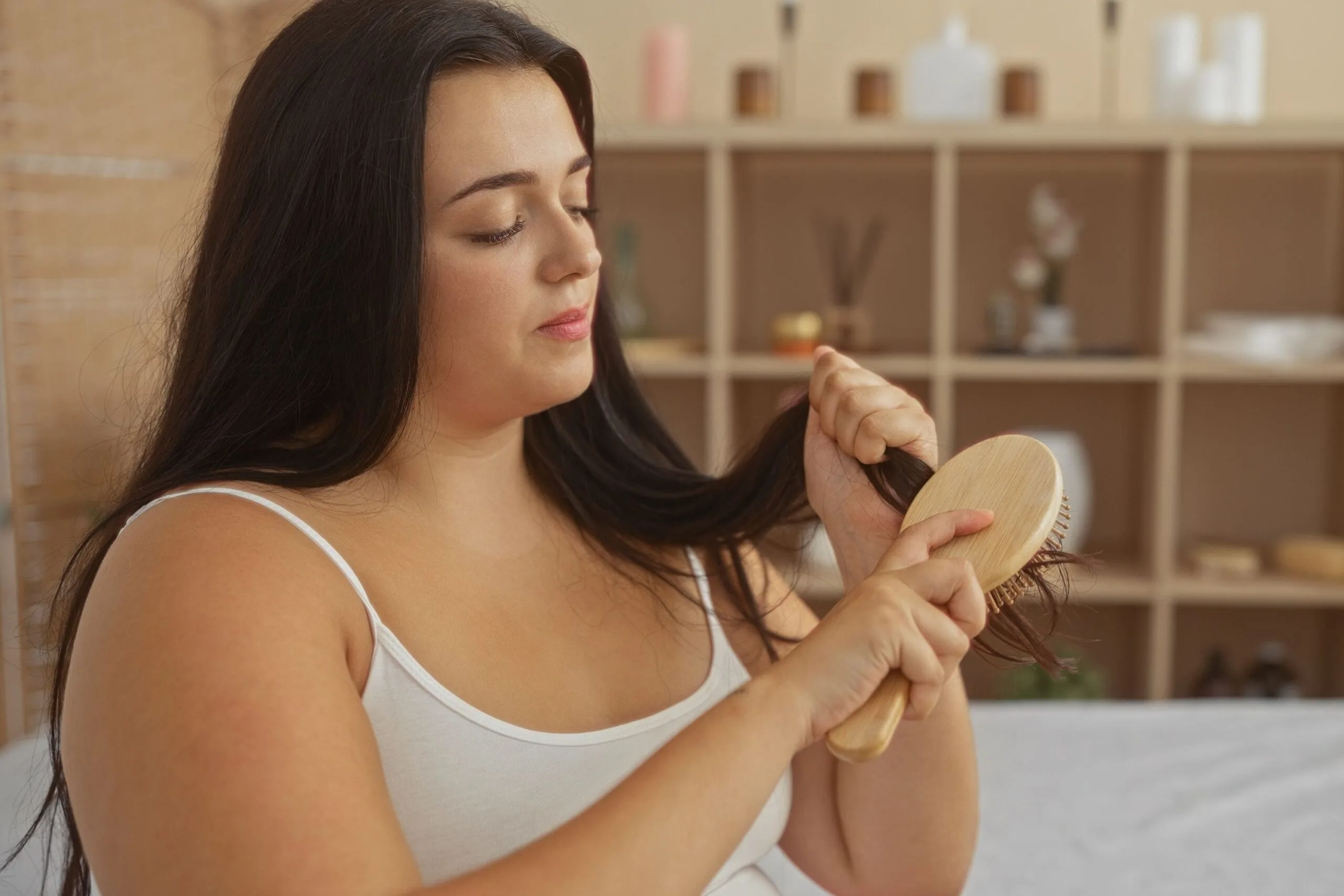
Noticing more hair loss since starting Zepbound®? It can feel surprising—especially when it seems to come out of nowhere. You might see more strands in the shower or on your pillow, and it’s natural to wonder if something’s off.
Hair loss with Zepbound® isn’t very common, but it has been reported by a small percentage of people in clinical trials for tirzepatide, the active ingredient. People don’t all react the same way to new medications, so even less common side effects can still show up.
There’s been more attention on hair loss with GLP-1s like Zepbound recently, too. As these medications have become more widely used, companies in the beauty space have started noticing shifts in demand for hair and skin products. This suggests that changes like hair shedding are showing up in the real world, even if they’re not among the most common side effects.
Why could hair loss be happening? Zepbound® works by lowering appetite, slowing digestion, and helping regulate blood sugar. As your body adjusts—especially if you’re eating less and losing weight—your overall nutrient intake may shift. Hair growth is one of the processes that can slow down during periods of change like this.
Let’s take a closer look at why this happens and what you can do to support healthy hair growth.
Does Zepbound® cause hair loss?
Yes, hair loss can happen with Zepbound®, and it’s listed as a possible side effect in Zepbound®’s prescribing info. That said, it doesn’t affect most people and is usually temporary. In studies, only about 5% to 6% of people reported some level of hair loss while taking the medication.
When you look at the bigger picture, hair loss is much less common than other side effects like nausea or digestive changes, which were reported more frequently. Another important thing to note is that in one study, people who lost more than 15% of their body weight were more likely to notice shedding, which suggests hair loss is closely tied to weight loss itself.
Clinical trials also show that hair loss may be reported more often in females than males, though it can happen to anyone.
When does hair loss with Zepbound® usually start?
There isn’t a firm timeline for when hair loss starts with Zepbound®, since studies on GLP-1s don’t consistently track when shedding begins or how it connects to different doses. That said, the general pattern for weight-loss-related hair loss is that it tends to show up about 2 to 4 months after a big physical change.
How long does hair loss last on Zepbound®?
Again, research on Zepbound® doesn’t give a clear, exact timeline for how long hair loss continues. Since studies haven’t focused closely on this detail, the duration can vary depending on how your body responds to the medication.
Based on what’s generally known about weight-loss-related hair loss patterns, shedding tends to slow down over time and often improves within several months. Many people see things settle around the 6- to 9-month mark as their body adjusts to the changes.
Why Zepbound® can cause hair loss
There isn’t one confirmed reason why some people experience hair loss while taking Zepbound®. Research suggests it’s connected to weight loss, but other factors may also play a role, such as changes in how much you eat and how your body responds to those changes.
Here’s what could be going on:
Weight loss can temporarily affect how your hair grows
Your hair is always going through a cycle. Most of your strands are in a growth phase that can last for years, while a smaller portion is resting before it sheds. It’s normal to lose some hair every day as part of this cycle.
When your body undergoes a big change like weight loss, that cycle can get disrupted. Research suggests that significant or rapid weight loss can trigger something called telogen effluvium, which is a temporary increase in shedding.
Access GLP-1 Weight Loss with Noom
Explore a wide range of prescription medications supported by Noom’s program.Microdose GLP-1rx
Noom GLP-1rx
Noom GLP-1rx Plus
Wegovy®
Ozempic®
Metformin
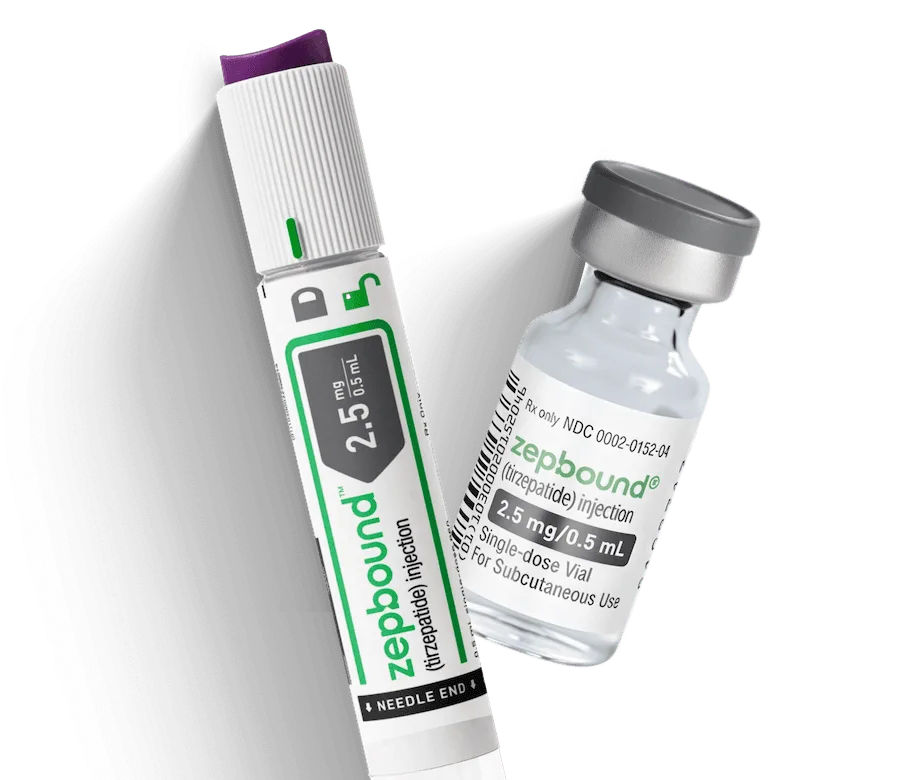
Zepbound®
Mounjaro®
Liraglutide
Eating less can affect the nutrients your hair gets
With Zepbound®, you may notice you’re not as hungry and don’t need as much food to feel satisfied. Over time, that can lead to eating less than your body is used to.
Hair growth relies on nutrients from the foods you eat. When those nutrients are lower, your body may not prioritize hair the same way. Studies have connected hair shedding to gaps in nutrients like protein, iron, and vitamin D, all of which play a role in keeping your hair growing and cycling normally.
Big changes can feel like stress to your body
Zepbound® changes how you eat, how much you eat, and how your body uses energy. That’s a lot happening at the same time. Even when these changes are helping you move toward your goals, your body still needs time to catch up.
During this adjustment, your body can respond in a way that’s similar to stress. Hair shedding is known to increase after stress, which helps explain why you might notice more hair falling out as your body adjusts to these changes.
Other health factors can play a role
Hair shedding doesn’t always come down to just one cause. While Zepbound® and the changes that come with it can be part of the picture, other things happening in your body can also affect your hair at the same time.
Conditions like thyroid imbalance, low iron levels, or low vitamin D levels can affect how your hair grows and sheds. So if you’re noticing changes while taking Zepbound®, it may not be coming from one single reason. Checking in with your healthcare provider can help you look at the full picture and figure out what your body might need.
What can hair loss feel or look like while taking Zepbound?
Hair loss while using Zepbound® can be subtle at first. It’s not usually a sudden change, but more of a pattern you start to notice over time. You might catch yourself paying closer attention to your hair than usual.
Some things you may notice include:
- More hair than usual is left behind after washing your hair
- Extra strands coming out when brushing or styling
- Hair appearing more often on your pillow or around your home
- Your hair feels lighter or less dense when you tie it up
- Your hair is not feeling as full or voluminous as before
It’s perfectly normal to feel a bit worried if you notice this, but keep in mind that it doesn’t mean that something is wrong. This type of hair shedding is usually only a temporary side effect as your body adapts to significant weight loss changes.
Practical strategies for managing hair loss on Zepbound®
If you’re seeing more hair shedding while using Zepbound®, it helps to shift your focus away from quick fixes and toward supporting your body through the changes it’s going through. A few steady, realistic habits can make a meaningful difference over time.
- Make protein a priority at meals and snacks. Hair is mostly made of a protein called keratin, so your body needs enough protein to keep making new strands. If your appetite is low, try simple options like low-fat Greek yogurt, eggs, chicken, tofu, cottage cheese, or lentils, which can be lighter and easier on you.
Read more: Why protein matters for weight loss.
- Be intentional about iron-rich foods. Iron helps carry oxygen through your body, including to tissues that support hair growth. If iron intake is low, shedding can get worse. Foods like lean meat, beans, spinach, and fortified cereals can help you cover more of that need.
- Don’t overlook vitamin D. Vitamin D helps support the normal cycling of your hair, which means it plays a role in when hair grows, rests, and sheds. Foods like salmon, egg yolks, and fortified dairy or plant milks can help, and your provider can tell you if testing makes sense.
- Eat regularly, even if full meals sound unappealing. Zepbound® can make you feel full quickly, but going long stretches without eating can make it harder to get enough of the nutrients your hair relies on. Smaller meals or snack-style eating can be a practical way to keep nutrition up while your appetite is lower.
Read more: What to eat on Zepbound®: Tips for building an effective meal plan.
- Bring up rapid weight loss with your provider. Faster weight loss can put more stress on the hair cycle, which can make shedding more noticeable. If the scale is moving quickly and your hair loss feels too much, your provider can help you decide if any changes to your Zepbound® dose are worth discussing.
Read more: Zepbound® dosage guide.
- Lower stress where you can. Stress can push more hairs into a shedding phase. That does not mean stress is the only reason, but it can add to the picture. Short walks, better sleep, quiet time, or a few deep breaths during the day may help your body feel more settled.
Read more: 6 tips for managing and reducing stress
- Ask about treatments if the shedding is heavy or not improving. If hair loss feels more severe than expected or keeps going, you can talk to your provider about possible treatment options, such as minoxidil, which can help support hair growth.
Hair loss can be disheartening, but it doesn’t mean Zepbound® isn’t working. Think of it as your body simply going through an adjustment period. Taking a little extra care of your hair right now can make a difference as everything starts to balance out.

The Easy Way
to lose weight and get healthy.
See if you qualify
Common mistakes when managing hair loss
Trying to “fix” hair shedding quickly can lead to choices that don’t actually help, or worse, make things harder for your hair to recover. Below are a few common mistakes to avoid:
- Reaching for supplements too quickly. Without a true deficiency, vitamins and minerals may not do much. In some cases, too much of certain vitamins can cause issues.
- What to do instead: Start with balanced meals instead. If something feels off, your provider can help confirm if you actually need supplements.
- Using frequent heat or chemical treatments. Styling tools and treatments don’t directly cause this kind of shedding, but they can weaken your hair strands, making thinning more noticeable.
- What to do instead: Use lower heat settings, air-dry when you can, and space out chemical treatments to give your hair time to recover.
- Handling your hair too often or too roughly. When you’re worried about shedding, it’s natural to keep checking, brushing more often, or running your fingers through your hair. The problem is that extra pulling can lead to breakage, which can make your hair look thinner than it actually is.
- What to do instead: Keep your routine simple and gentle. Use a wide-tooth comb, detangle slowly, and avoid tight hairstyles that pull on your hair throughout the day.
Small adjustments like these can help you avoid adding extra stress to your hair while your body finds its balance.
When to contact your doctor about hair loss
It’s not always easy to tell what’s part of normal hair loss and what deserves more attention. If something stands out to you, it’s always okay to get a second set of eyes on it.
During a visit, your provider will typically start by asking about what’s changed since starting Zepbound®, including your weight, appetite, and daily habits. They may also do a simple scalp exam or suggest basic blood tests to check for things that can affect hair, like iron or thyroid levels.
You might want to reach out sooner if you notice:
- A steady increase in shedding over time
- Hair that feels noticeably lighter or thinner
- Changes in how your hairline or scalp looks
- Any discomfort on your scalp, including itching or tenderness
Getting guidance early can help you feel more in control and make the next steps clearer.
Frequently asked questions about hair loss on Zepbound®
Noticing changes in your hair while taking Zepbound® can bring up a lot of questions. Let’s walk through a few that tend to come up often.
How common is hair loss with Zepbound®?
It’s considered an uncommon side effect. In studies, only about 5 to 6% of people using Zepbound® at the 5 mg to 15 mg doses reported hair shedding. So while it can happen, most people don’t experience it.
Is Zepbound® hair loss permanent?
In most cases, no. The type of shedding seen with Zepbound® is usually temporary. As your body adjusts to changes, such as weight loss, your hair cycle can shift for a while. Once things stabilize, hair growth typically follows and returns to its usual pattern.
What vitamins are good for Zepbound® hair loss?
Certain nutrients like vitamin D, iron, vitamin C, and zinc support normal hair growth. But more isn’t always better. If your levels are already normal, extra supplements may not make a difference. It’s usually more helpful to focus on balanced meals and check with your provider before adding any new supplement to your routine.
How to stop hair loss while taking Zepbound®?
There’s no overnight solution, but consistency helps. Eating enough, especially protein, and keeping your routine steady can support your body while it adjusts to weight loss. If something feels off, your provider can help you figure out the next steps.
Is Zepbound® more likely to cause hair loss in women?
In Zepbound® studies, women reported hair loss more often than men. Similar patterns have been seen in other GLP-1 medications, possibly due to hormonal differences or how changes in the body affect the hair cycle. At the same time, researchers think reporting bias may also play a role, since women are often more likely to track and report changes like hair thinning.
Reviews from real Noom users
Desirea N. — Real Noom user
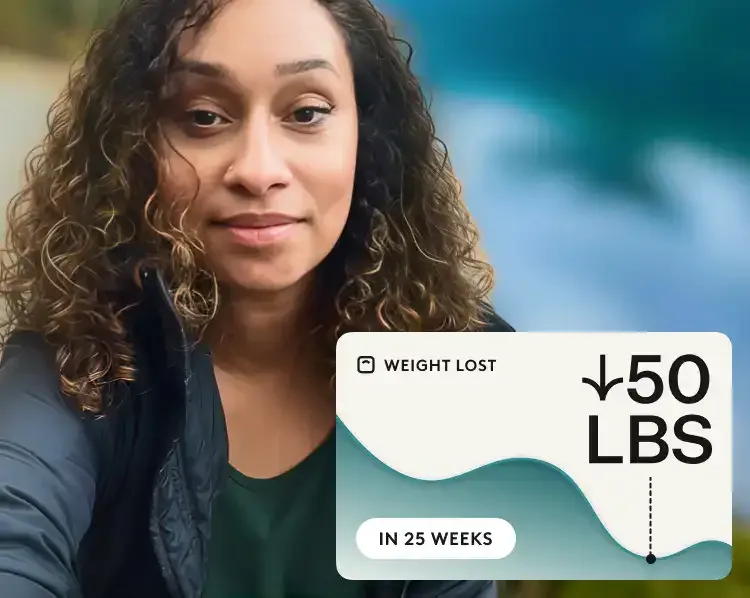
“My favorite parts of Noom are the care team and other Noomers. Sharing and getting help made me feel like I wasn’t doing it alone. That support made all the difference.”
Desirea N. — Real Noom user
Matthew M. — Real Noom user
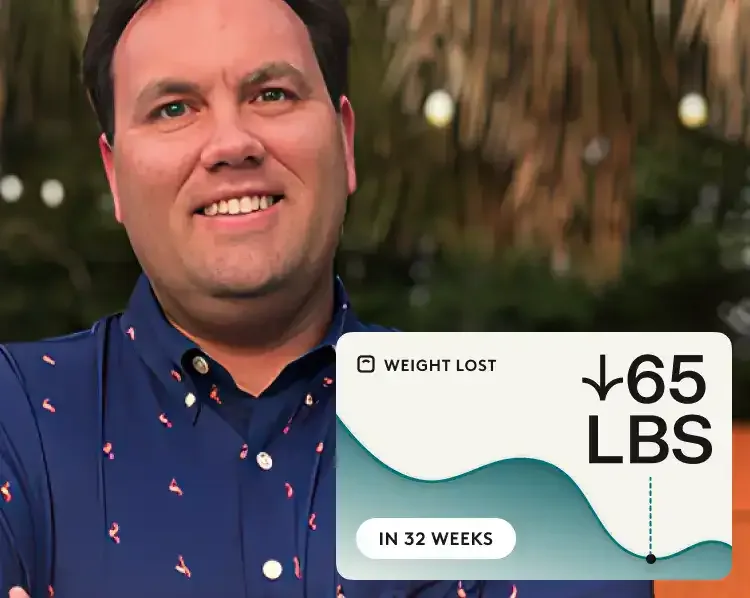
“Noom has taught me that every day is a new chance to make better, healthier choices. It's taught me how to stop overeating.’’
Matthew M. — Real Noom user
Lila M. — Real Noom user
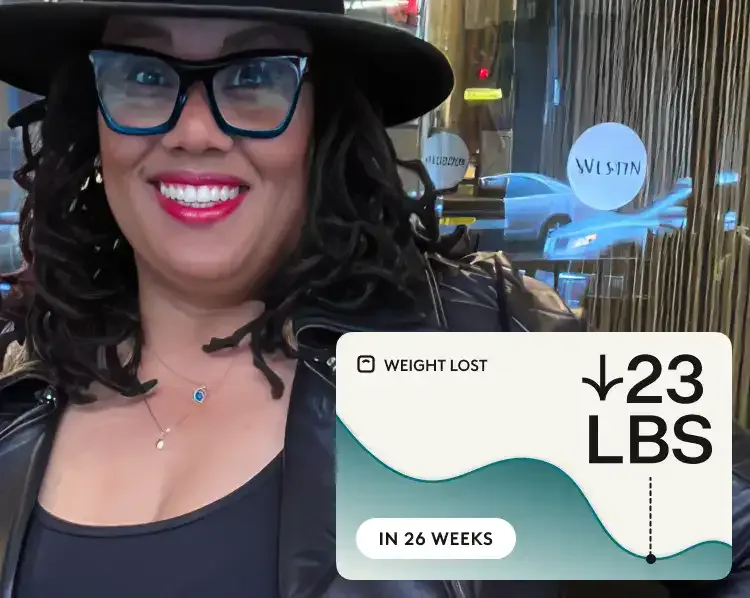
“Clinicians who understand how supportive medication can be is one of the best parts of Noom! I was convinced I wouldn’t have success but I’m down 11 pounds in two months.’’
Lila M. — Real Noom user
Steve M. — Real Noom user
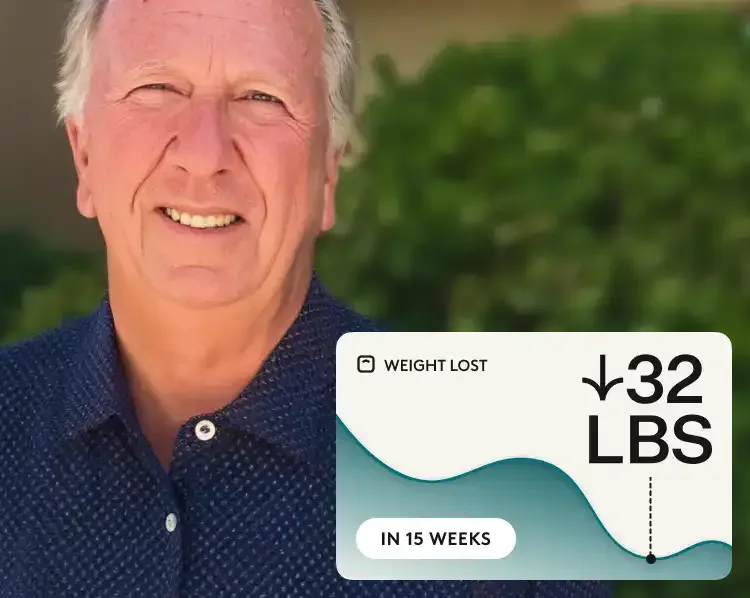
“Noom provided me with the medication which I could not get through Medicare. I have learned the tricks to better eating and life in general.”
Steve M. – Real Noom user
Daisy R. — Real Noom user
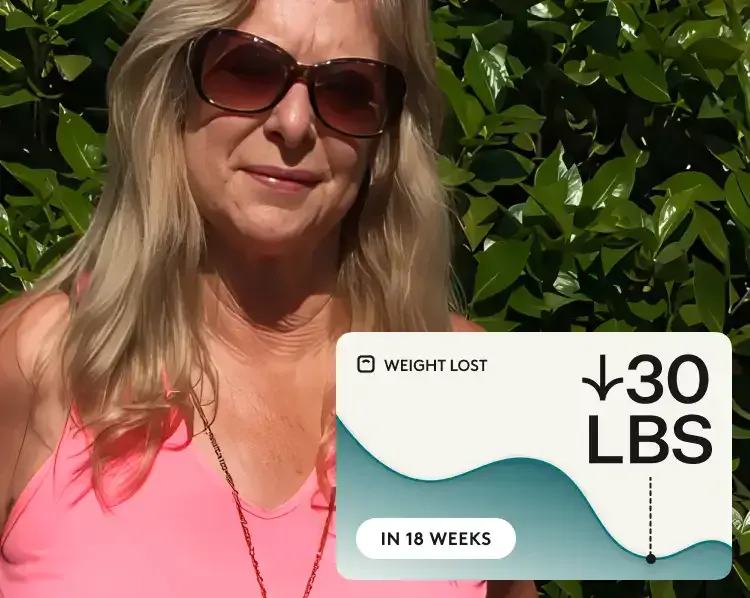
‘’Noom has changed my life and I’m so thankful, I feel great, have more energy and am no longer prediabetic.”
Daisy R. – Real Noom user
Sarah R. — Real Noom user
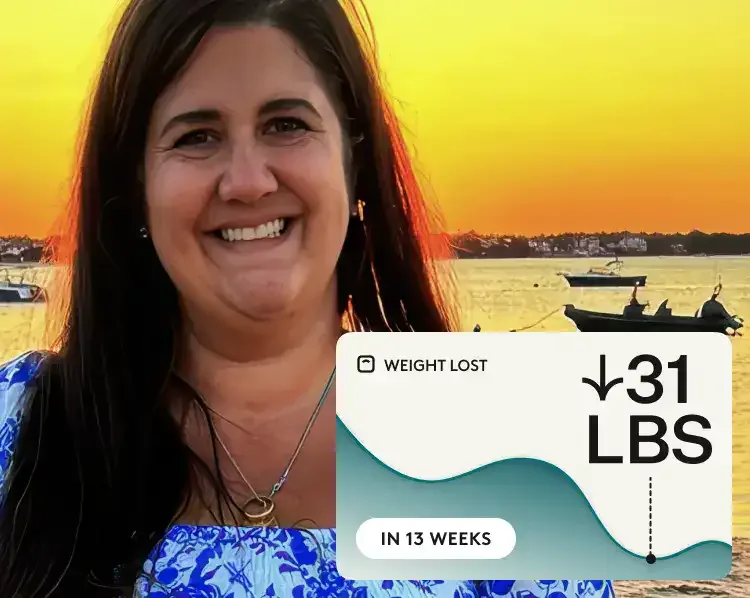
“All of the Noom providers that I’ve met with have been exceptional and prescribed medications that are appropriate for my situation and health.”
Sarah R. – Real Noom user
Madison S. — Real Noom user
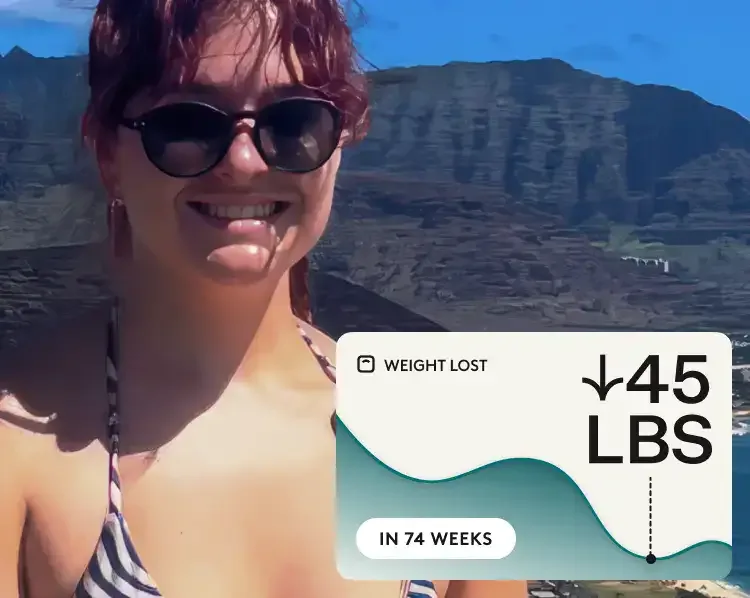
“Noom made the process so simple and now I feel full, free from diet obsession, and at ease in my body again.”
Madison S. – Real Noom user
Sonday K. — Real Noom user
“My doctor recommended Noom after I was frustrated trying to lose weight. The lessons helped change my relationship with food. My body feels lighter & energized.”
Sonday K. – Real Noom user
Cam K. — Real Noom user
“I built healthy habits with coaching and lessons that make me confident I can maintain my weight loss long term.”
Cam K. – Real Noom user
Laura TR. — Real Noom user
“With the right medication through Noom, hunger and sugar cravings finally quieted and I have the tools to break the cycle.”
Laura TR. – Real Noom user
Jessica S. — Real Noom user
“Cravings and food noise are gone, I finally feel confident in the healthy habits I’ve built to last with Noom.”
Jessica S. – Real Noom user
The bottom line: Hair loss on Zepbound® is usually temporary and tied to weight loss
Hair loss while taking Zepbound® can feel unexpected, but it’s often linked to how your body is adjusting to weight loss. When your body goes through a big change, it can disrupt your hair growth cycle and lead to shedding, but it’s typically temporary. As your body settles, your hair cycle can return to normal within a few months.
Supporting your body during this time can make a real difference. Eating balanced meals, even in smaller amounts, helps keep nutrients steady. Gentle care, less heat styling, and small ways to keep stress at bay can also help your hair hold up better while things even out.
If you’re considering Zepbound® and wondering how you’d handle side effects like hair loss, having guidance from the start can make a big difference. See if you qualify for Noom Med. If so, a clinician can decide if Zepbound or another medication is right for you and prescribe it, if needed.
Through Noom Med, you’ll get dedicated nutrition advice, including how much protein you need and dedicated exercises to build muscle while you lose weight. Plus, you’ll get side effect tracking and personal coaching to help you feel your best every day.
Editorial standards
At Noom, we’re committed to providing health information that’s grounded in reliable science and expert review. Our content is created with the support of qualified professionals and based on well-established research from trusted medical and scientific organizations. Learn more about the experts behind our content on our Health Expert Team page.