
What you’ll learn:
- Stopping tirzepatide is a transition, as the appetite and digestion support it provides slowly fades.
- Studies show weight regain is common after stopping tirzepatide, especially without a plan in place.
- Tapering gradually and leaning on steady habits can help protect your progress after the medication ends.
People decide to stop taking tirzepatide, the active ingredient in Mounjaro® and Zepbound®, for a variety of reasons. For some, it’s a practical choice—cost, side effects, or insurance changes. For others, it’s a milestone moment, like reaching a goal weight or shifting priorities around pregnancy or long-term plans. Whatever prompts the decision, stopping tirzepatide usually signals a transition, not a finish line.
One of the biggest changes happens quietly as the medication fades from your system. The appetite-lowering and digestion-slowing effects don’t shut off overnight, but they do gradually ease up. You might notice hunger showing up sooner, thinking about food more often, or meals not keeping you full as long. These shifts can feel sudden or surprising, but they’re simply your body returning to its own baseline hormone patterns.
Rx weight loss, the right way, with Noom
Get access to prescription weight loss medication with Noom.Microdose GLP-1s
Wegovy®
Ozempic®
Metformin

Zepbound®
Mounjaro®
Liraglutide
This is also why weight regain can happen. Studies on GLP-1–based medications, including tirzepatide, consistently show that weight can start to return within a few months after stopping—especially without a plan. That doesn’t mean the progress you made is “lost,” but it does mean maintenance requires intention once the medication is gone.
How you come off tirzepatide matters. Some people step down slowly, others stay on a lower dose for maintenance, and some stop outright. No matter the route, having support around hunger cues, meal structure, movement, and routine can make the adjustment far less rocky. The goal isn’t to cling to the medication—it’s to give your body new supports as the old ones fall away.
Ahead, we’ll break down what typically changes after stopping tirzepatide and walk through practical ways to protect your results and stay steady long term, even without weekly injections.
Why you might regain weight after stopping tirzepatide
When people stop tirzepatide, the hormonal effects that helped slow digestion and curb appetite gradually diminish. That shift often leads to increased hunger and a faster return of appetite, which is reflected in clinical research.
- Weight regain is common after stopping tirzepatide. In one trial, adults who lost weight on tirzepatide for 36 weeks were switched to a placebo and followed for another year. By week 88, about 82% of participants had regained at least 25% of the weight they had lost while taking the medication.
- Hunger and appetite signals return as the medication leaves the body. As tirzepatide’s GLP-1 and GIP effects wear off, digestion speeds back up, and appetite increases. Many people notice they feel hungry sooner after meals and have less of the early fullness that made smaller portions feel easier.
- Other metabolic benefits tend to fade alongside weight regain. People who regained more weight also saw increases in waist circumference, blood pressure, non-HDL cholesterol, hemoglobin A1c, and fasting insulin—markers that had improved while they were on tirzepatide.
- Continued use helped maintain weight loss. People who remained on tirzepatide largely maintained their weight loss, reinforcing that the medication provides ongoing hormonal support rather than permanently changing appetite regulation.
Taken together, these findings help explain why weight regain after stopping tirzepatide is common. Planning ahead—with structured eating patterns, movement, and long-term support—can help make the transition off medication more manageable and preserve more of the progress made during treatment.
Learn more: 4 things that happen when you stop taking a GLP-1
What research suggests can help when stopping tirzepatide
Studies looking at people who stop tirzepatide and other GLP-1 medications show a clear pattern: weight regain is common when getting off the medication. But there are things that can help reduce weight gain.
Here’s what you should know:
- Going slow makes a difference. Instead of stopping tirzepatide abruptly, it’s best to coordinate with your doctor to reduce your dose gradually over time. This gives your body time to adjust, and studies show that people were able to maintain similar levels of weight loss with lower or less frequent doses. In fact, one study on a similar GLP-1 medication showed that tapering off the medication slowly allowed people to maintain their weight loss for at least 6 months.
- Staying active helps a lot. People who kept up with regular movement after stopping regained less weight than people who didn’t exercise. One study showed that those who exercised 4 times per week in combination with a GLP-1 medication were able to maintain their weight loss for a year after stopping the medication.
- Support matters. Seeking support from family and friends, or from structured coaching, can make a big difference in your ability to keep weight off. Research showed that support programs can help people maintain a significant portion of their weight loss for at least one year.
Weight regain after tirzepatide is common. Understanding why it happens and knowing what helps gives you more room to prepare and feel confident about the next phase of your health journey.
Stopping tirzepatide: Why your reason matters
There are many reasons someone might stop taking tirzepatide. Sometimes it’s a practical decision, like cost or side effects. Other times, it reflects a shift in goals or life stage. Whatever the reason, understanding how your body may respond after stopping—and planning ahead—can make the transition feel more manageable and help you protect the progress you’ve made.
If you’re stopping because of cost concerns
The price of tirzepatide can be tough to keep up with when you’re paying out-of-pocket, especially over many months. Typical list prices include:
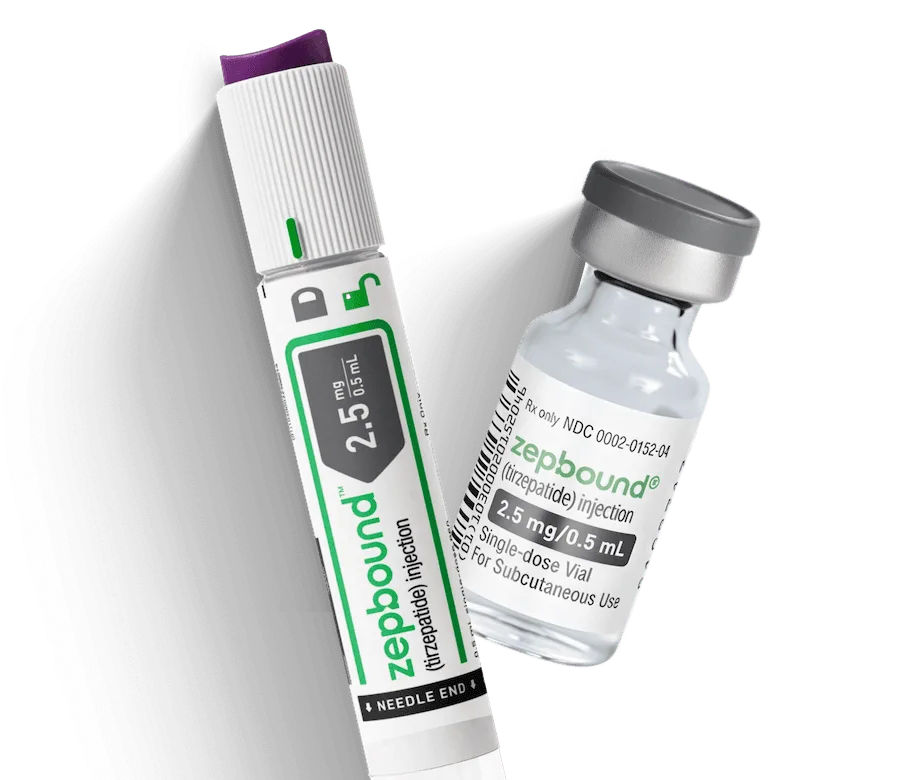
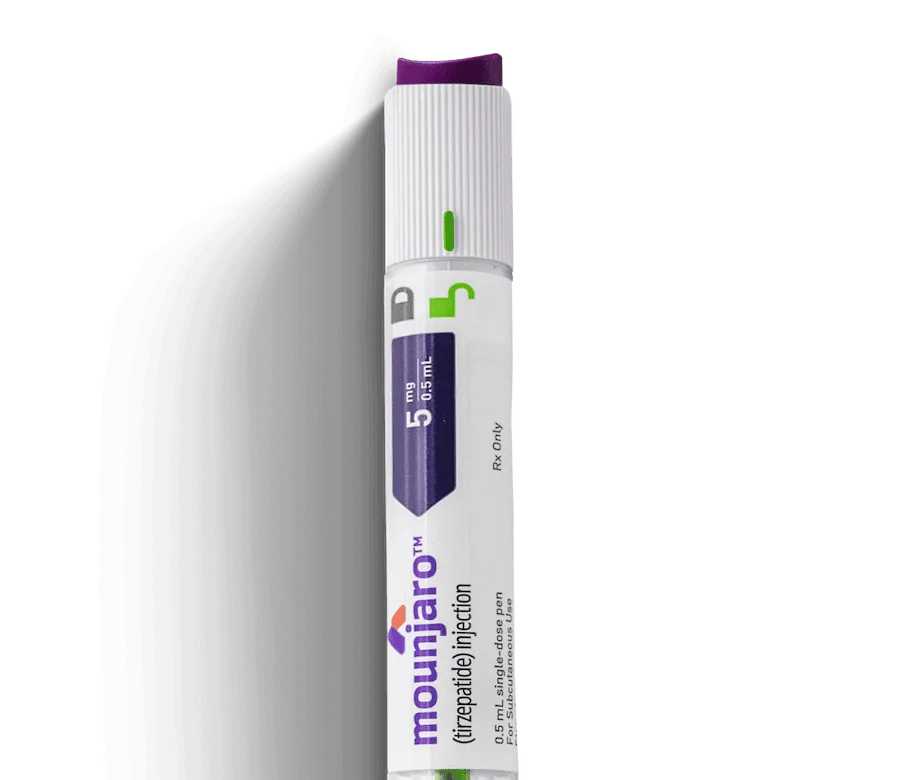
- Mounjaro®: $1,080 per month
- Zepbound®
- Pens – $1,086 per month
- Vials – $299 for the 2.5 mg dose, $399 for the 5 mg dose, and $449 for the rest through LillyDirect
Seeing monthly costs like these can make long-term treatment feel challenging, even if the medication is working well for you.
What’s the next step: Talk with your provider about ways to reduce the cost. Some people use manufacturer savings programs or switch to the vial option, which can be cheaper. Your provider can also help you explore other medications with different pricing or insurance coverage.
Learn more about tirzepatide costs and ways to save:
If you’re stopping because of side effects
Everyone reacts differently to tirzepatide, and rarely, the side effects can be too much to handle.
The next step: A quick chat with your provider can help you sort out your options. They might try a smaller dose, a slower pace, or help you switch to something like semaglutide (Wegovy) if that medication is a better fit for you.
Learn more: Tirzepatide side effects: Symptom guide and management tips
If you’re stopping because you’ve reached your goal weight
Getting to the weight you were aiming for can feel exciting, and it’s normal to wonder what life looks like without weekly doses. You might feel ready to try things on your own and see how your body handles the change.
The next step: Your doctor can help you decide if a small maintenance dose makes sense or if tapering off slowly is the better fit. They will also talk to you about maintenance measures, like diet and exercise habits.
If you’re stopping because weight loss has plateaued
It’s common to hit a spot where the scale doesn’t move, even when you’re still doing everything the same. One study showed that most people taking tirzepatide reached a plateau in their weight loss by week 72. Here are some reasons this could be happening:
- You’ve lost weight and need fewer calories: One reason this could be happening is that, as you lose weight, your body needs fewer calories than before, so weight loss naturally slows down. That pause doesn’t mean the medication stopped working.
- You’re at a good weight for you: It could also mean that you are at a good weight for your body and where you are in life. Talking through your personal “healthy range” can help you understand what’s realistic and comfortable for you.
The next step: Your provider can help you look at what this plateau might mean. You might need a slight shift in habits or dose to get things moving again. Your doctor might also recommend trying another medication.
If you’re stopping because you’re planning to conceive
Preparing for pregnancy means you’ll have to stop taking tirzepatide medications.
The next step: You’ll usually be advised to stop tirzepatide two months before trying to get pregnant. That ensures that the medication is out of your body. Your provider can walk you through this timeline and help you work through the transition. If you have diabetes, your provider will help you switch to a medication that is safe to take during pregnancy.
Learn more: Who can take GLP-1 medications for weight loss? Exploring eligibility and safety
If you’re stopping because you’re switching to another medication
If you’ve decided to switch to another medication, due to insurance coverage or other factors, your provider can help determine the right time to stop tirzepatide and start the new medication.
The next step: Your doctor will help you set up the switch, choose the right starting dose, and check in later to see how you’re responding to it.
Are you ready to stop taking tirzepatide? Here’s what to ask yourself
Before you stop tirzepatide, it helps to think about your everyday habits. Are you eating balanced meals? Are you moving your body each day? Are you sleeping well most nights? Looking at these things can help you see if you and your body are ready for the change.
You may not be ready to stop if:
- Your eating, activity, or sleep patterns are still inconsistent
- You’ve had trouble keeping weight off after past attempts
- You rely on tirzepatide for other health concerns and haven’t talked about changes yet
- You don’t have a clear taper plan
If any of this feels familiar, working on a plan with your care team can make the switch a lot easier.
How to taper off tirzepatide safely
When you decide to stop tirzepatide, bringing the dose down gradually is usually the best way to get your body adapted to the change.
Here’s what a smooth taper can look like:
- Start by talking with your doctor. They’ll look at your current dose, how long you’ve been on tirzepatide, and anything else that might matter for your health. Together, you’ll choose a plan that feels safe and realistic.
- Step down slowly. Most people move to a smaller dose first, stay there for a bit, then step down again. Some tapers take a few weeks; others take longer. There’s no “right” speed since it all depends on how you’re feeling as you go.
- Notice what changes. As the dose gets lower, you might feel hungrier, notice different blood sugar patterns if you have diabetes, or see small shifts in energy. Let your doctor know if anything feels off.
- Keep your basic habits steady. Regular meals, exercise, and a good sleep schedule can make this whole phase smoother.
Learn more: Are GLP-1s forever? How to get off them
Note: Medication changes must be supervised by a qualified healthcare professional.
When you might need a maintenance dose or another medication
Before deciding what comes next, it helps to understand the tools available after tapering off tirzepatide. Some people benefit from a short-term maintenance dose, while others transition to a different GLP-1 medication that better fits their needs, health history, or long-term plan.
When to ask for a maintenance dose
After stopping tirzepatide, your provider may recommend keeping you on a smaller maintenance dose instead of stepping away completely. This low dose can help keep hunger from jumping up too quickly while your body adjusts.
This maintenance dose is not meant for additional weight loss; it’s a way to make the transition more comfortable and help maintain your progress. Your doctor can help you figure out if this approach fits your situation or if a full stop makes more sense.
Considering other GLP-1 medications
If you still want GLP-1 support but tirzepatide isn’t the best match, there are other medications in the same class you can try. Just keep in mind that tirzepatide tends to be more effective than the other GLP-1s in clinical studies.
Semaglutide vs. tirzepatide
Semaglutide mimics only GLP-1, not GIP like tirzepatide. At its highest injectable dose it has been associated with an average of 15% of body weight loss.
Semaglutide and tirzepatide work in similar ways and share many of the same side effects—like nausea, vomiting, diarrhea, and constipation. But some people find semaglutide’s side effects are stronger or occur more frequently, especially during dose increases. Here are the three medications that contain semaglutide:
- Wegovy®, a weekly injection, approved for weight loss, to reduce the risk of certain heart problems, and MASH.
- Ozempic®, a weekly injection approved to manage type 2 diabetes
- Rybelsus®, a daily pill, approved for type 2 diabetes
Read more: Tirzepatide vs. semaglutide for weight loss: Which one works best?
Liraglutide vs. tirzepatide
Liraglutide also mimics only GLP-1 like semaglutide. At its highest approved dose for weight loss (3 mg daily), liraglutide has been associated with an average weight loss of about 5 to 10% of starting body weight, which is more modest than what’s typically seen with tirzepatide.
Liraglutide and tirzepatide work through similar appetite- and digestion-regulating pathways and share many of the same side effects, including nausea, vomiting, diarrhea, and constipation. The other big difference outside of effectiveness is that liraglutide medications are injected daily.
Here are the medications that contain liraglutide:
- Saxenda®, a daily injection approved for weight management
- Victoza®, a daily injection approved for type 2 diabetes and cardiovascular risk reduction
- Generic liraglutide, a daily injection approved for weight loss, type 2 diabetes, and cardiovascular risk.
Read more: Liraglutide vs. tirzepatide for weight loss: Which one works best?
Tirzepatide vs. other medications:
If you’re ready to try something other than GLP-1 medications, there are non-GLP-1 options that can support appetite, metabolism, or weight in different ways. Your provider can help you figure out which approach fits your goals, health history, and budget. Here’s a look at a few alternatives, including how effective they tend to be and what they typically cost.
| Medication | Brand names | Cost per month (without insurance) | Effectiveness | How it’s taken |
|---|---|---|---|---|
| Metformin (off-label weight loss) | Glucophage®, Fortamet®, Glumetza® Learn more | Generic: $4–$20 Brand name: $100–$500+ Learn more | People lost an average of about 6% of their body weight over six months while taking metformin. | Pill taken up to two times daily |
| Phentermine | Lomaira®, Adipex-P® Learn more | $27-$100 Learn more | About 80% of people with a BMI of 30 or more lost at least 5% of their body weight in 6 months. | Daily pill |
| Diethylpropion | Tenuate®, Tenuate Dospan® Learn more | $40-$85 | People lost an average of 10% of their body weight in 6 months. | Pill taken one to three times daily |
| Naltrexone and bupropion | Contrave® Learn more | $600-$800 CurAccess™: $99 | People lost an average of 5 to 10% of their body weight in a year. | Pill taken up to twice daily |
| Orlistat | Xenical®, Alli® Learn more | $50-$800 | People in a study lost about 10% of body weight after taking Orlistat for 1 year. | Pill taken three times daily with meals. |
| Phentermine and topiramate ER | Qsymia® Learn more | $180–$260 | People lost an average of 10% of their body weight in 56 weeks. | Daily capsule |
Stopping tirzepatide: Lifestyle changes to manage weight
Keeping weight off after tirzepatide has a lot to do with the habits you lean on day to day. Simple, steady routines can make this transition feel more manageable and help your progress stick.
1. Focus on meals high in nutrients that also keep you full
Eating for long-term weight control gets much easier when your meals truly fill you up. Try focusing on adding foods that keep you satisfied longer.
Like:
- Lean protein, like poultry, fish, low-fat Greek yogurt, and tofu, helps you stay full longer and helps build and maintain lean muscle mass to protect your metabolism.
- Fiber-rich foods like legumes, fruit, vegetables, and whole grains add volume to your meals and slow down digestion.
- Plan healthy snacks to give you steady energy between meals.
Learn more: Best foods for weight loss
2. Make physical activity a part of your day
It’s important to incorporate physical activity and exercise while you’re taking tirzepatide, as this will help you to maintain that habit after you stop. Regular movement and exercise play a big role in your ability to maintain your weight, with studies showing that exercising four times per week allowed people to keep the weight off for a year after stopping their medication..
Some easy ways to start:
- Take short walks throughout the day, especially after meals. Studies have shown that a short, 10-minute walk after meals can help to lower blood sugar.
- Do strength workouts a few times per week to keep your muscles engaged, which supports a steady metabolism. If you have a kettlebell or a set of dumbbells, lifting weights can be a great way to build strength. If you don’t have any equipment, bodyweight exercises like squats and lunges or pilates can also help build muscle.
- Slip movement into everyday tasks like walking during calls.
- Try active hobbies you genuinely enjoy, so it’s easier to stick with. For example, exploring a local hiking trail with a friend, dancing to music, or learning pickleball can all be enjoyable ways to get some movement in throughout your week.
Learn more: The 18 best exercises to lose weight (and keep it off)
3. Manage sleep and stress
Sleeping and managing stress can support better energy, focus, and overall well-being. And, studies on sleep and stress have shown that both play a significant role in weight management.
Here are a few simple ideas:
- Try to stick to a similar wake and sleep time, even on weekends. Studies show that insufficient sleep can lead to less healthy food choices.
- Eat meals at regular times to help curb big swings in hunger.
- Reset during stressful moments to avoid reactive eating. Studies have shown that stress can trigger you to seek out food for comfort. Using breathing exercises or going for a quick walk, can help reduce stress.
These steady habits support your natural rhythms, making it easier to maintain progress.
4. Stay hydrated throughout the day
Research suggests that drinking water may support weight management by slightly reducing appetite and helping with things like focus and decision-making, especially when it prevents or corrects mild dehydration.
You can try:
Try sipping water regularly, choosing water-rich foods, or adding a little flavor if that helps you drink more. Hydration isn’t a magic fix, but staying watered-up helps your body run better and makes healthy routines feel more doable.
Learn more: Can drinking water really help you lose weight?
5. Get support
Support makes a real difference, especially when your routine is changing. A quick chat, a shared goal, or a place to check in can keep you feeling grounded. Support can come in many forms, including friends and family, weight loss groups, health care professionals, and weight management programs, and what works for you will depend on your goals and preferences. One study showed that an online support program like Noom can help people keep the weight off for at least a year.
You can try:
- Talking about your goals with someone you trust
- Joining a community, like Noom, that focuses on healthy habits
- Use Noom to track diet and exercise.
- Checking in with your doctor if your hunger feels tough to manage
The right support can help you stay consistent, even on days when your routine feels off.
Learn more: How a support system can boost your weight loss success
Frequently asked questions about stopping tirzepatide
Stopping tirzepatide can bring up lots of little “what about…” thoughts. These FAQs cover the topics people most often ask about when they’re getting ready to stop the medication.
Do I need GLP-1 medications forever?
GLP-1s like tirzepatide are designed for long-term use, but that doesn’t mean everyone stays on them forever. Some people use them for a period of time, then taper off once their habits feel strong and their goals are met. The best plan depends on your body, your progress, and what you and your healthcare provider decide together.
Learn more: Are GLP-1s forever? How to get off them
Is there a withdrawal syndrome?
Tirzepatide doesn’t cause “withdrawal”, but you might feel noticeable changes as it wears off. Hunger may show up sooner, and if you manage diabetes, your blood sugar levels may change. These shifts are simply your body working without the medication’s support.
Learn more: 4 things that happen when you stop taking a GLP-1
What’s the best time to restart if weight comes back?
Everyone’s timing is different. Some restart early when they notice steady weight regain, and others wait until they’ve tried routine changes. Your clinician can help guide the choice based on how your body is responding.
Can you stop tirzepatide cold turkey?
You can stop tirzepatide cold turkey, but it’s not recommended. Hunger often returns quickly when you stop all at once, and people with diabetes may notice bigger blood sugar swings. Your provider may suggest tapering so your body can adjust gently.
The bottom line: Have a plan before stopping tirzepatide
Stopping tirzepatide isn’t just about picking a date on the calendar. It starts with understanding what comes next for you. Your reasons for stopping will have a lot to do with where you go next, whether it’s a maintenance dose, a different medication, or stopping the medication and focusing on lifestyle changes. You have options and different levels of support depending on your personal path.
If you do decide to come off tirzepatide, a slow taper, regular check-ins, and maintaining healthy habits around food, movement, sleep, and stress all work together to help your body adjust.
Reviews from real Noom users
Desirea N. — Real Noom user
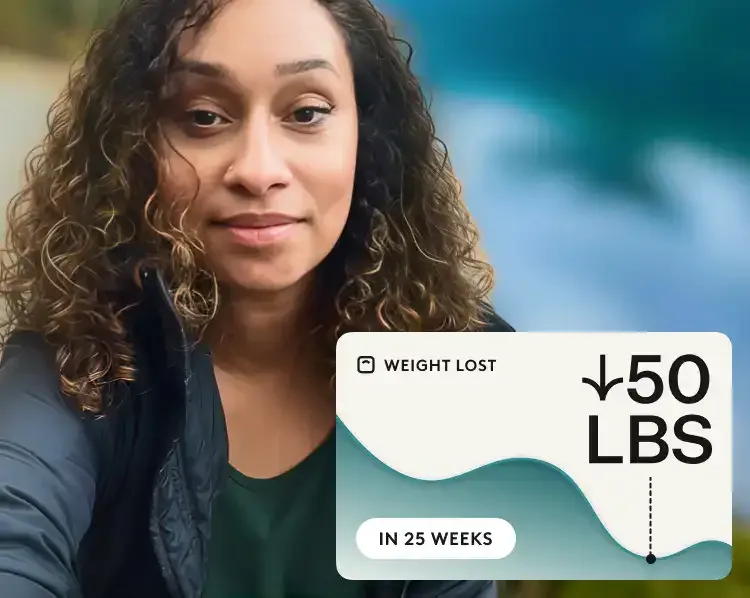
“My favorite parts of Noom are the care team and other Noomers. Sharing and getting help made me feel like I wasn’t doing it alone. That support made all the difference.”
Desirea N. — Real Noom user
Matthew M. — Real Noom user
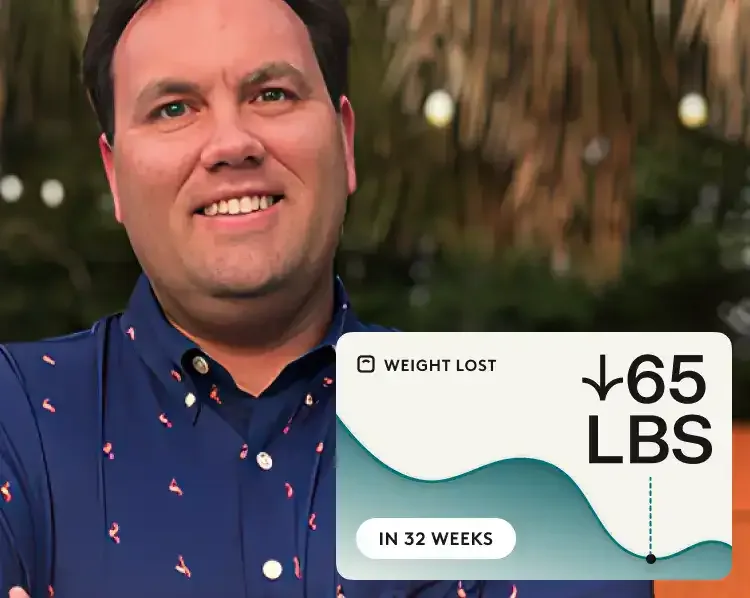
“Noom has taught me that every day is a new chance to make better, healthier choices. It's taught me how to stop overeating.’’
Matthew M. — Real Noom user
Lila M. — Real Noom user
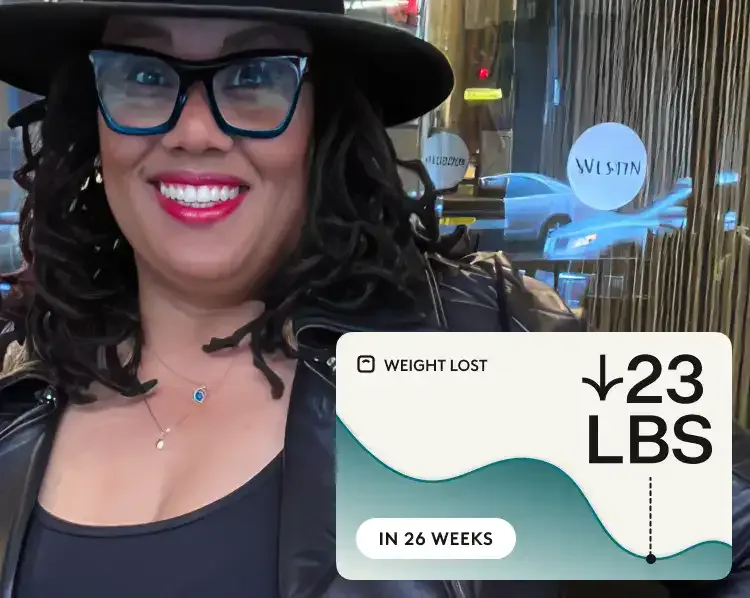
“Clinicians who understand how supportive medication can be is one of the best parts of Noom! I was convinced I wouldn’t have success but I’m down 11 pounds in two months.’’
Lila M. — Real Noom user
Steve M. — Real Noom user
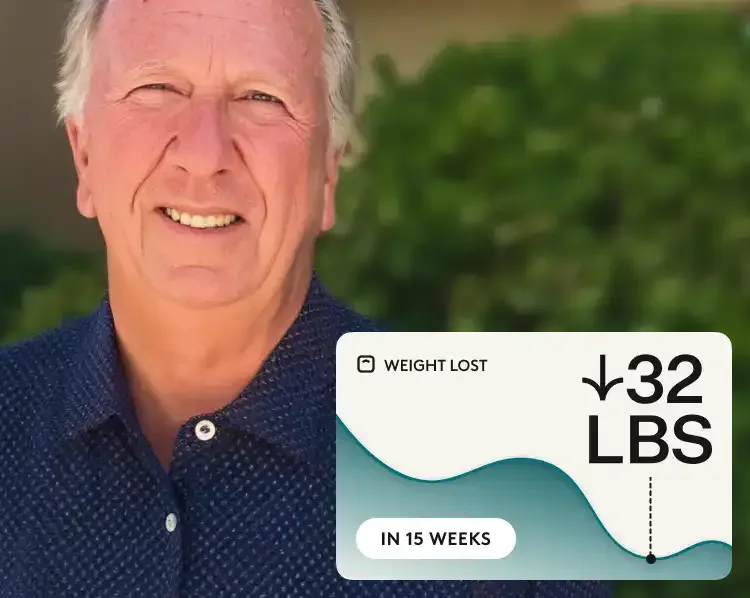
“Noom provided me with the medication which I could not get through Medicare. I have learned the tricks to better eating and life in general.”
Steve M. – Real Noom user
Daisy R. — Real Noom user
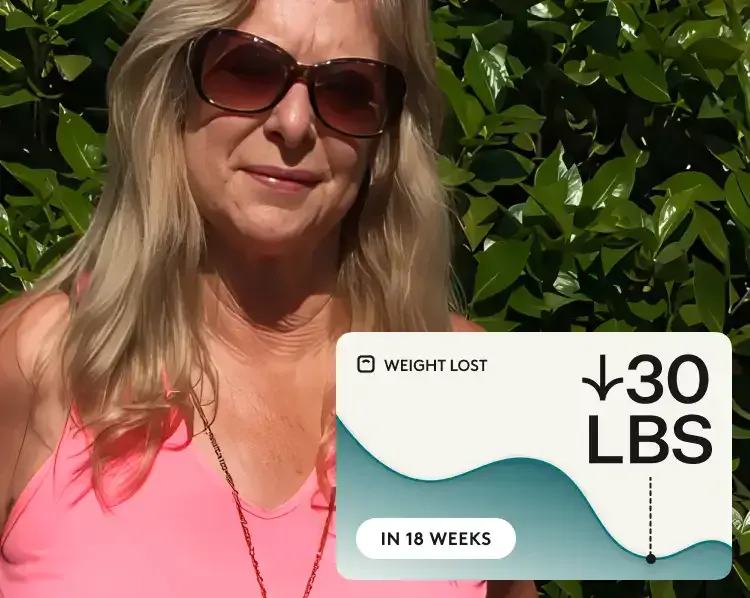
‘’Noom has changed my life and I’m so thankful, I feel great, have more energy and am no longer prediabetic.”
Daisy R. – Real Noom user
Sarah R. — Real Noom user
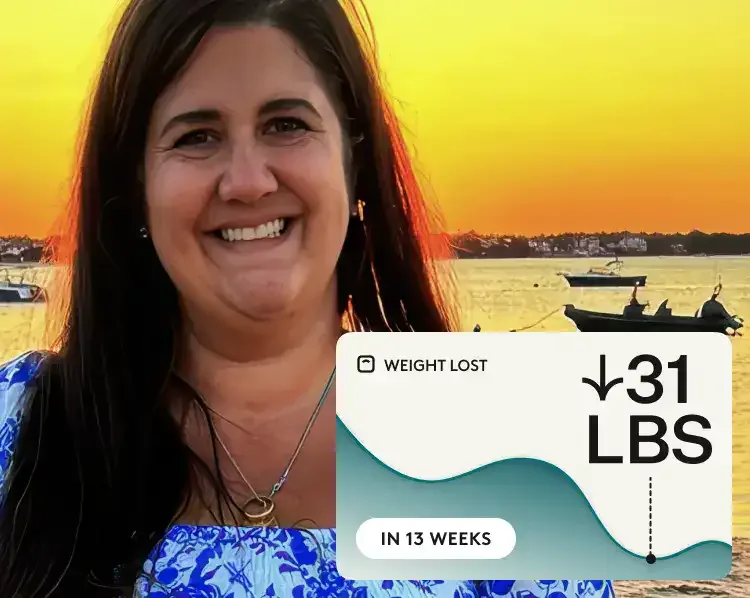
“All of the Noom providers that I’ve met with have been exceptional and prescribed medications that are appropriate for my situation and health.”
Sarah R. – Real Noom user
Madison S. — Real Noom user
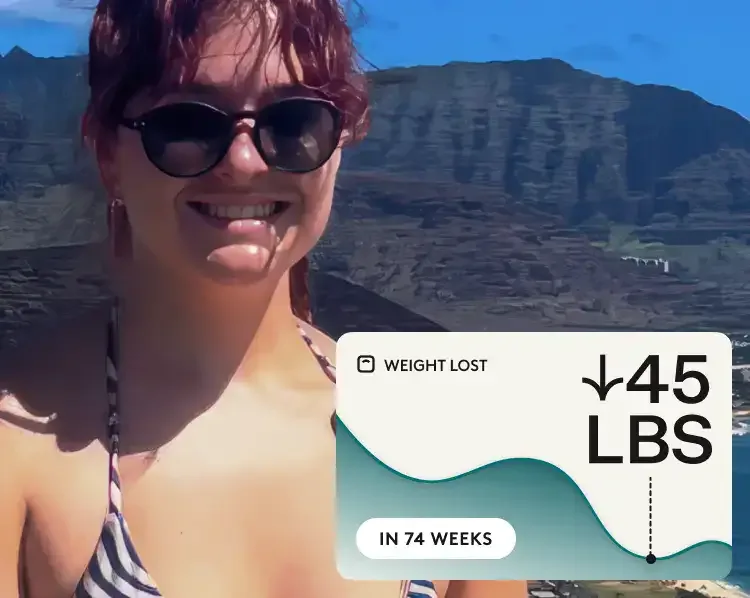
“Noom made the process so simple and now I feel full, free from diet obsession, and at ease in my body again.”
Madison S. – Real Noom user
Sonday K. — Real Noom user
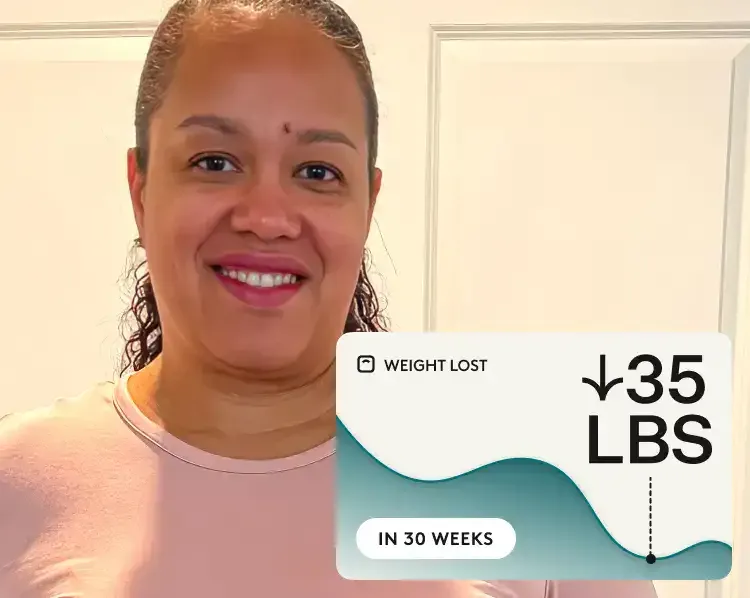
“My doctor recommended Noom after I was frustrated trying to lose weight. The lessons helped change my relationship with food. My body feels lighter & energized.”
Sonday K. – Real Noom user
Cam K. — Real Noom user
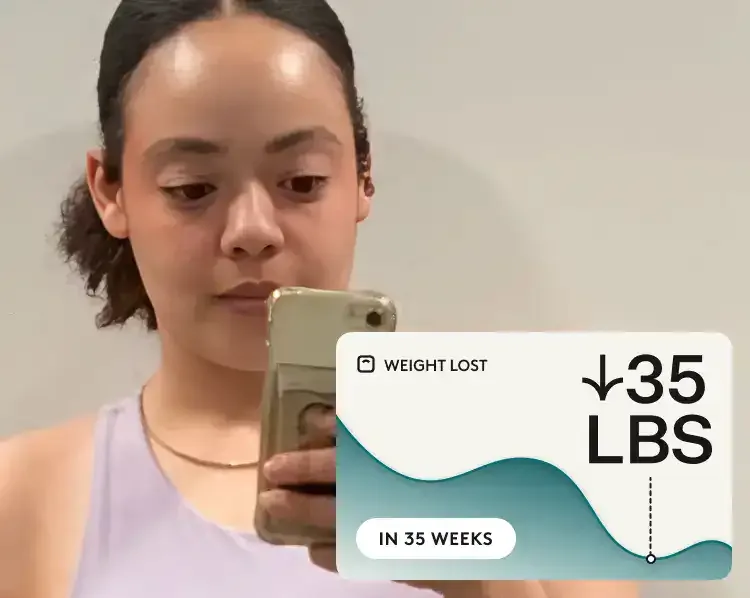
“I built healthy habits with coaching and lessons that make me confident I can maintain my weight loss long term.”
Cam K. – Real Noom user
Laura TR. — Real Noom user
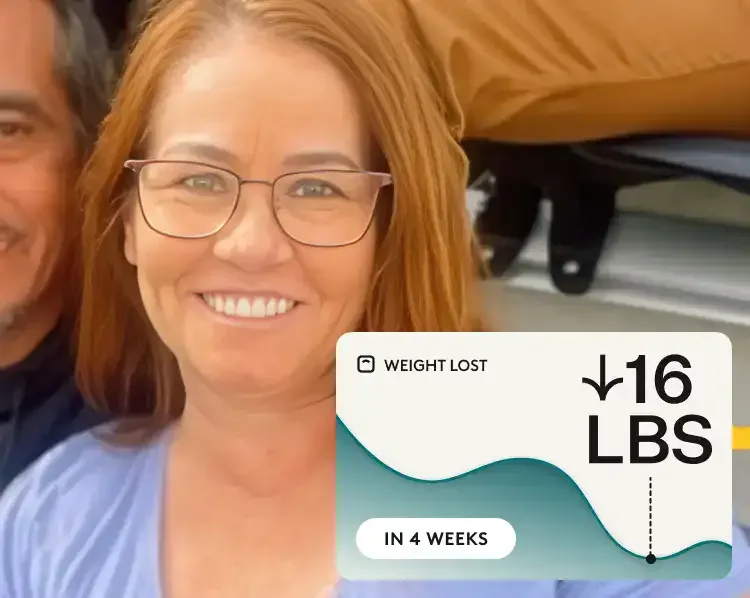
“With the right medication through Noom, hunger and sugar cravings finally quieted and I have the tools to break the cycle.”
Laura TR. – Real Noom user
Jessica S. — Real Noom user
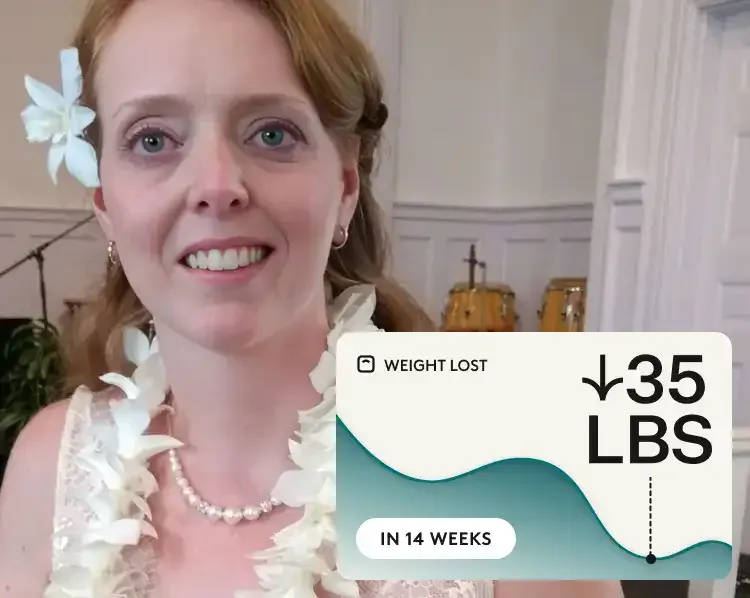
“Cravings and food noise are gone, I finally feel confident in the healthy habits I’ve built to last with Noom.”
Jessica S. – Real Noom user
You don’t have to figure all of this out on your own. Your healthcare provider can help you map out a timeline, decide what to do if weight starts to creep back, and choose other options if needed.
If you want day-to-day support, Noom can give you a place to track your habits, notice patterns early, and stay connected to tools that help you feel more confident while you move through this transition.
Note: Mounjaro®, Victoza®, Rybelsus®, and Ozempic® are not FDA-approved to treat obesity or for weight loss.
Editorial standards
At Noom, we’re committed to providing health information that’s grounded in reliable science and expert review. Our content is created with the support of qualified professionals and based on well-established research from trusted medical and scientific organizations. Learn more about the experts behind our content on our Health Expert Team page.