
What you’ll learn:
- Stopping Ozempic® can bring back hunger and make weight regain more likely, but it’s a normal part of your body readjusting.
- Gradually tapering off while focusing on protein, movement, and mindful eating can help you stay on track.
- With steady habits and a clear plan, you can maintain your progress and feel confident moving forward.
People stop taking Ozempic® for all kinds of reasons: reaching a goal weight, dealing with side effects, navigating cost, wanting to plan for pregnancy, or simply being ready for the next phase of their health journey. Whatever your reason, one thing is consistent: once you stop, your body gradually returns to its own natural appetite and digestion patterns.
As semaglutide, the active ingredient in Ozempic®, leaves your system, your natural appetite can slowly return. You might notice you’re thinking about food a little more or feeling hungry at times you haven’t in a while.
Many people notice some weight return after stopping Ozempic® or other GLP-1 medications. In one study, researchers found that people began regaining weight as early as 8 weeks after stopping GLP-1s, and that regain often continued over the following months.
This doesn’t mean your progress disappears—but it does highlight why planning ahead matters. Coming off a GLP-1 is simply a transition, and like any transition, it goes more smoothly with the right support. This guide walks you through what typically happens when the medication leaves your system, how to taper safely, and how to protect your results by supporting your metabolism, hunger hormones, and long-term habits.
With the right plan, you can protect your progress and sustain your results without feeling like you’re starting over.


Why you might regain weight after stopping Ozempic®
When you stop taking Ozempic®, your body starts relying on its own hunger and fullness signals again. Semaglutide works by activating GLP-1 receptors, which lower appetite, slow digestion, and regulate blood sugar.
As the GLP-1 medication leaves your system, those effects fade. You may notice hunger coming back and appetite returning, as your body adjusts. Research shows this pattern is common. In the one study, people who stopped semaglutide regained about 7% of their body weight within 48 weeks, while those who stayed on treatment continued losing weight. Another study found something similar—many people who discontinued GLP-1 therapy regained enough weight to consider restarting within a year, especially without structured support.
Here’s what’s happening:
- Appetite returns. The brain pathways that semaglutide calmed down return to their usual pace.
- Digestion speeds up. Food moves through your digestive system more quickly once the semaglutide leaves your body.
- Metabolism may have slowed slightly. Losing weight naturally lowers how many calories your body burns at rest.
- Your natural hunger hormones rebalance. After weight loss, hunger hormones rise, and fullness hormones stay lower. One study showed that the changes in these hormones can last for a year after weight loss, which can contribute to weight regain during that time.
- Old patterns can resurface. If you haven’t made sustainable lifestyle changes, habits or triggers may feel louder again.
Reason for stopping Ozempic® and what that means for controlling weight after
Not everyone stops Ozempic® for the same reason, and understanding your “why” helps guide what the next step should be. Each reason affects how you should transition and what kind of support you’ll need afterward.
If you’re stopping because of cost concerns
With a list price of around $998 per month, Ozempic® can be a challenging expense to maintain over time. Even with insurance, monthly costs can shift; copays change, coverage resets, and pharmacy pricing isn’t always consistent. For many people, the financial strain becomes the main reason they decide to take a break from treatment.
The next step: A good first move is to look into options that could reduce your out-of-pocket costs. This may include manufacturer savings programs, insurance paperwork that supports coverage, or exploring pharmacy discount programs. In the case of Ozempic, the manufacturer’s NovoCare Pharmacy is now offering Ozempic® for $199 per month for the first 2 months, and then $349 per month for all doses thereafter, except for the highest 2 mg dose, which is $499.
The NovoCare Pharmacy program also offers Wegovy®, which has the same active ingredient, for $199 for the first 2 months and then $349 per month for all doses thereafter.
Some people also ask about other GLP-1 medications that may align better with their insurance coverage.
Read more: Your guide to Ozempic® pricing: Your costs with and without insurance
If you’re stopping because of side effects
Some people stop Ozempic® because the side effects become too uncomfortable to manage. Nausea, bloating, diarrhea, and constipation are the most common issues, and while they often ease with slower dose increases, not everyone gets relief.
Access GLP-1 Weight Loss with Noom
Explore a wide range of prescription medications supported by Noom’s program.Microdose GLP-1rx
Noom GLP-1rx
Noom GLP-1rx Plus
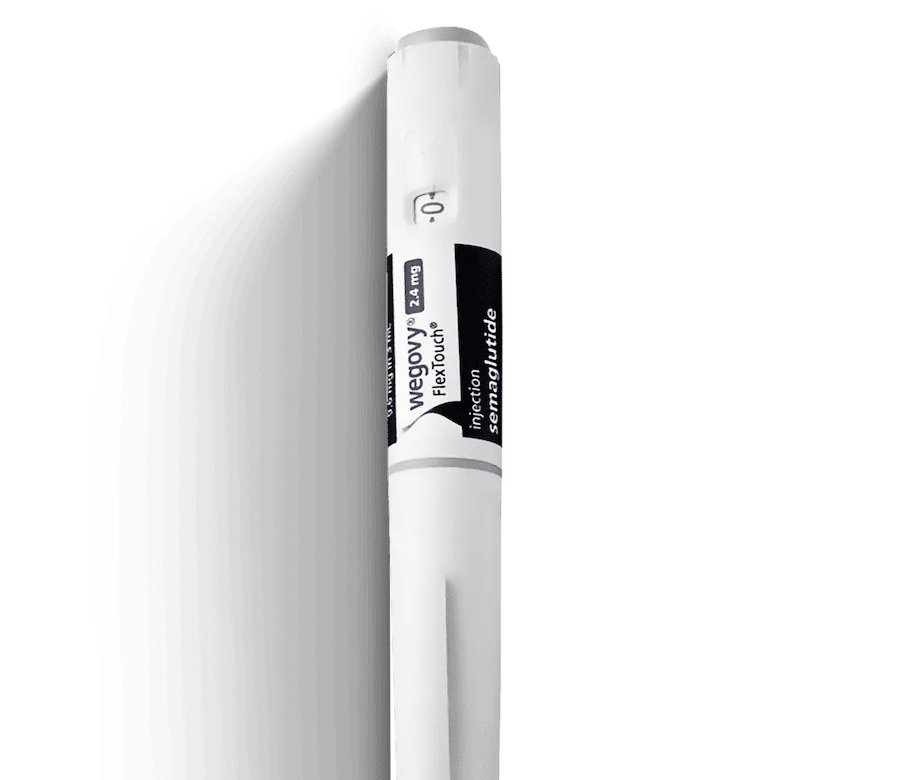
Wegovy®
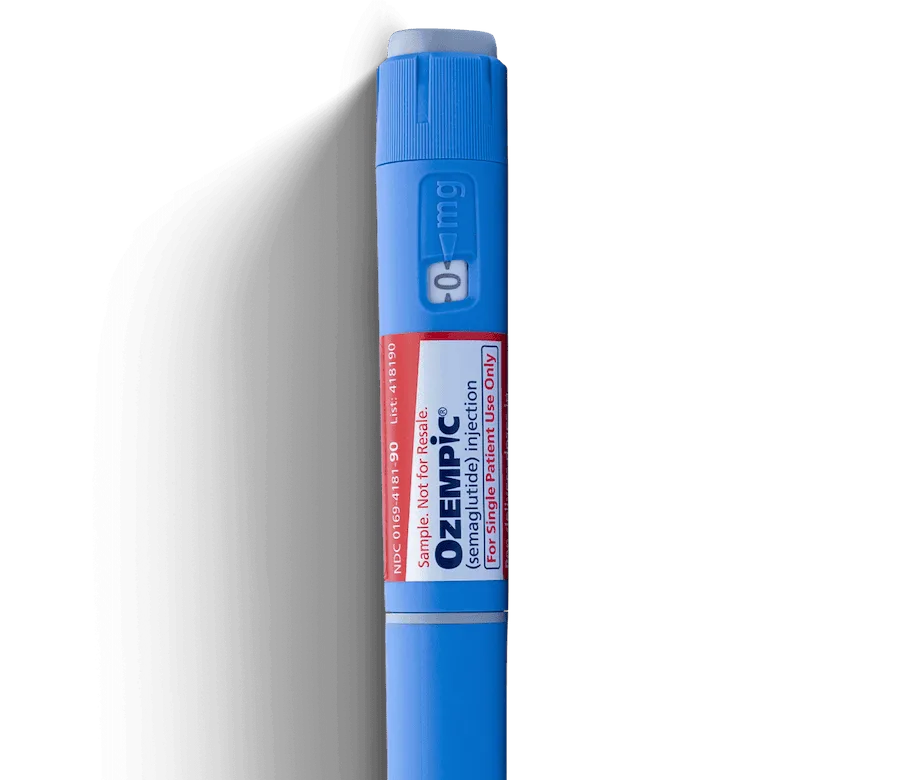
Ozempic®
Metformin
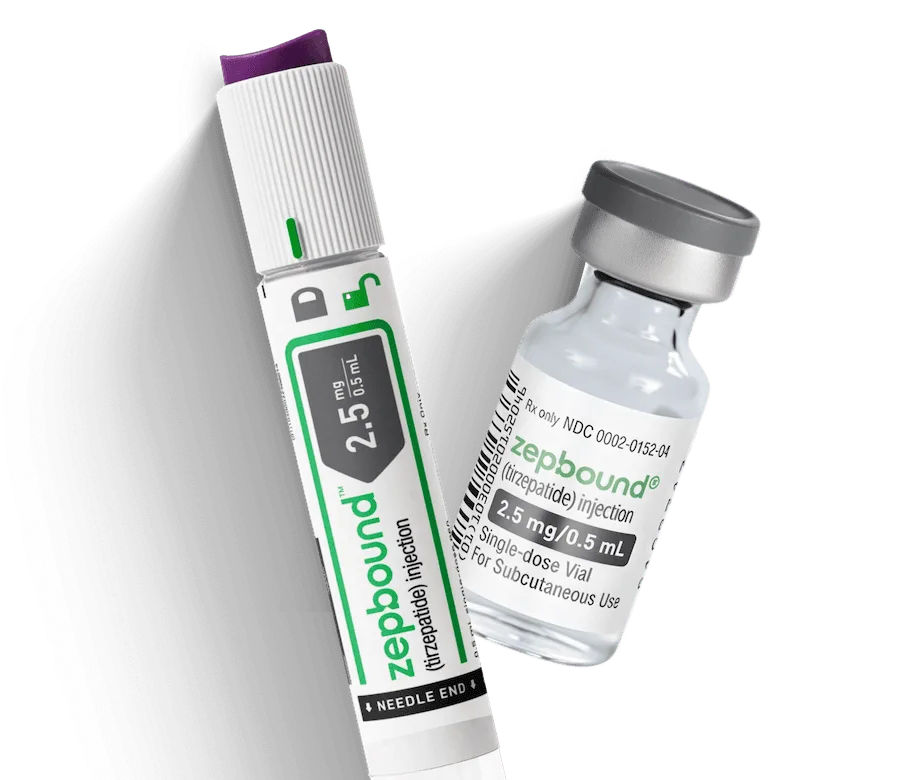
Zepbound®
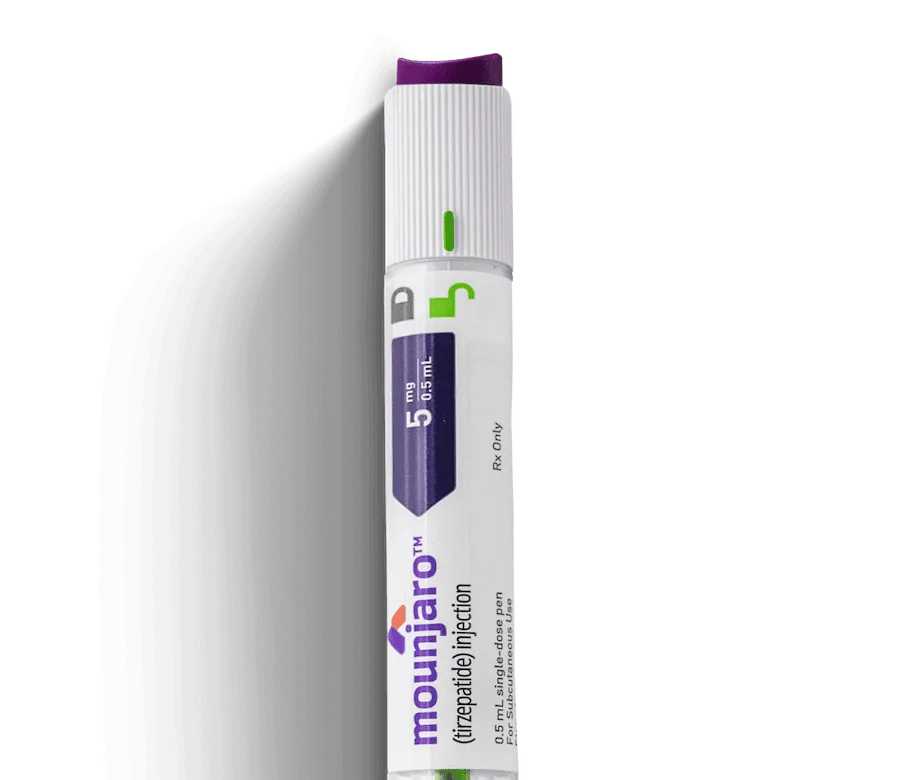
Mounjaro®
Liraglutide
The next step: If side effects are getting in the way of daily life, talk with your provider about adjusting your dosing schedule, trying supportive strategies like smaller meals, or exploring other GLP-1 options.
Some people feel better on tirzepatide than on semaglutide, and research backs that up. Studies suggest tirzepatide may cause slightly less nausea, vomiting, and reflux for some people, even though both medications share similar side-effect profiles.
Read more: Tirzepatide vs. semaglutide: Understanding and comparing side effects
If you’re stopping because you’ve reached your goal weight
Once you’ve reached your goal weight, there are a couple of options. Some people stop the weekly injections to see how their body does on its own with the habits they’ve built. Others stay on a lower “maintenance” dose to help keep their progress steady. Both options are valid—it really comes down to what fits your goals and lifestyle.
The next step: Even if you’ve reached your ideal weight, never stop the medication on your own. Studies have shown that sudden discontinuation can cause appetite and metabolism to shift quickly, which increases the chance of regaining weight.
Your provider can help you decide whether to continue, taper slowly, or create a maintenance plan while reinforcing habits, like eating enough protein and staying active, that support your long-term results.
If you’re stopping because weight loss has plateaued
A plateau can feel like the medication “stopped working,” but it’s often a normal part of weight regulation. As your weight goes down, your calorie needs naturally drop, and progress slows. Sometimes a plateau also means you may already be close to the weight that’s healthiest and most sustainable for your body.
The next step: Before changing your medication, it helps to look at the habits that research shows can influence plateaus. Studies on weight regulation consistently find that plateaus often come from natural shifts in metabolism, small drops in daily movement, or gradual losses in lean muscle.
Increasing protein, adding resistance training, and managing stress can help raise the number of calories you burn and support continued progress. If those adjustments don’t help, your provider may consider dose changes or explore another medication.
If you are stopping because you are planning to conceive.
Because Ozempic® and other GLP-1 medications can’t be used during pregnancy or while trying to conceive, anyone planning a pregnancy needs to stop the medication ahead of time. FDA prescribing information recommends stopping it at least 2 months before trying to get pregnant.
Do men need to stop? Current evidence and prescribing guidelines don’t require men to stop semaglutide before conception. There’s no evidence that Ozempic® affects male fertility or poses a risk to a future pregnancy through paternal exposure.
What’s the next step: Talk with your healthcare provider about the safest timeline for stopping semaglutide based on your plans. They can help you transition off the medication, adjust your habits to support weight stability, and discuss alternatives if blood sugar or appetite changes feel challenging during that time.
If you are stopping because you’re switching to another medication
Some people stop Ozempic® because another GLP-1 medication may be a better fit for their goals, side-effect profile, or insurance coverage. With the right timing and support, this transition can be smooth.
What’s the next step: When switching from semaglutide to another weight loss medication, your provider will usually guide you through a plan that helps the change feel manageable. This often includes:
- Review how you responded to semaglutide to choose an appropriate starting dose for the new medication
- Following the new medication’s titration schedule, which may begin slowly to reduce side effects
- Talking through what to expect in the first few weeks, especially with changes in appetite or digestion
- Scheduling a follow-up visit to confirm the new dose is working well and make any needed adjustments
Learn more about how Ozempic® compares to other medications:
If you are using Ozempic for diabetes management
For those using Ozempic® to manage type 2 diabetes, stopping suddenly can lead to elevated blood sugar. Your doctor will usually taper doses and monitor glucose closely during the transition.
Whether you can safely stop Ozempic® depends on your individual goals and health status. The key is identifying why you want to stop, then designing an exit plan with your healthcare provider to prevent setbacks.
How people who stop Ozempic keep the weight off
Stopping Ozempic® doesn’t automatically mean you’ll regain everything you’ve lost. The people who maintain their progress long-term usually have one thing in common: they build routines that support their body as the medication fades. Multiple studies show that when GLP-1 treatment is paired with consistent habits, especially movement, protein intake, and coaching, results last longer.
Here’s what studies are finding:
- Exercise matters: People who combined GLP-1 medication with regular, structured exercise kept meaningful weight loss a full year after stopping treatment. Movement helped keep their metabolism steadier as appetite returned.
- Tapering helped: People who tapered off semaglutide while following a guided program (tracking meals, staying active, and focusing on protein) maintained a stable weight for at least six months.
- Support was important: People who had behavioral support like coaching, accountability check-ins, and structured routines kept their results longer than those relying on medication alone.
What this means for you: Having a behavior-change plan in place makes a real difference. Building routines around movement, balanced meals, stress management, and regular check-ins gives your body support while your appetite signals shift. Medication can start the process, but habits keep the momentum going.

The Easy Way
to lose weight and get healthy.
See if you qualify*Initial 3-week subscription and 4 weeks of medication from $99 plus tax and $199 per month plus tax for 12-week subscription thereafter.


Are you ready to stop taking Ozempic? Here’s what to ask yourself
Before deciding to stop Ozempic®, it is good to assess if you are ready. This checklist helps you figure out if you need more time and support. And of course, any decision to stop should be discussed with your doctor so you can transition safely.
You may not be ready to stop if:
- You haven’t yet built consistent eating, movement, and sleep habits.
- You’ve regained weight quickly after past weight-loss attempts.
- You have type 2 diabetes or another condition requiring glucose monitoring.
- Your healthcare provider hasn’t reviewed a taper or maintenance plan with you.
If any of these apply, slowing down can protect your progress. Rushing off the medication too early may trigger appetite rebound and, for people with diabetes, potential blood sugar spikes. A planned and thoughtful transition allows your body to adapt safely.
How to taper off Ozempic®
If you’ve been taking Ozempic® for weight loss, tapering could help reduce any weight gain. As semaglutide leaves your system, your appetite, digestion, and metabolism shift back toward your baseline. A slow taper helps your body adjust and makes rebound hunger much more manageable. Early research on tapering is promising. A study found that people who slowly stepped down off semaglutide over about nine weeks, while following lifestyle coaching, maintained stable weight for 26 weeks after stopping. While more research is needed, this points to gradual changes being easier on your appetite and metabolism than stopping abruptly.
Here’s a simplified approach:
1. Consult your clinician
They’ll create a personalized taper plan based on your health history and goals. Stopping suddenly can lead to sharp increases in appetite and, for those with diabetes, unstable blood sugar.
2. Reduce your dose gradually
Tapering typically happens over several weeks to a few months. Slow changes help your hormones rebalance and minimize hunger spikes.
3. Track changes as you go
Pay attention to appetite, digestion, mood, and weight. Share anything noticeable with your clinician. Tracking helps fine-tune your plan and keeps the transition comfortable.
4. Strengthen your habits
Focus on balanced meals, regular movement, stress management, and consistent sleep. These habits stabilize your metabolism and help maintain results after the medication fully clears.
When to consider a maintenance dose or other medications
When you stop taking Ozempic®, your body may take time to adjust as the semaglutide leaves your system and your appetite returns. For some, continuing medication at a lower maintenance dose or transitioning to another therapy can help smooth the process and prevent significant rebound.
Maintenance dose
Some people opt for a maintenance dose rather than stopping Ozempic® altogether. Ozempic® is prescribed in 0.25 mg, 0.5 mg, 1 mg, and 2 mg doses, and your clinician may keep you at a lower dose for a period of time (or indefinitely).
There is also growing evidence that lower doses can still deliver meaningful results. One study showed that people taking a 1 mg weekly dose lost roughly 16% of their body weight over a little more than a year, which was close to what higher-dose groups achieved. This suggests that staying at a modest dose may still support progress when combined with consistent habits around food and activity.
Read more: Ozempic® dosage: What you need to know.
Considering other GLP-1 medications
If you’re thinking of stopping due to cost or side effects, there are other GLP-1 medications that offer similar benefits. Since they vary in how they work and how they’re taken, the comparison table below can help you understand your options.
| Medication | Brand names and uses | Cost per month (without insurance) | Effectiveness | How it’s taken |
|---|---|---|---|---|
| Semaglutide – GLP-1 receptor agonist | Wegovy®: weight loss and heart disease | Wegovy®: $1,350 NovoCare Pharmacy: $199 for the first two months (0.25 mg and 0.5 mg dose), $349 thereafter. Learn more | People lost an average of 15% of body weight in 2 years. | Weekly injection |
| Tirzepatide – GLP-1/GIP receptor agonist | Mounjaro®: type 2 diabetes, off-label weight loss Zepbound®: weight loss and obstructive sleep apnea (OSA) | Mounjaro®: $1,080 Learn more Zepbound®: Pens: $1,087 Vials: $299 (2.5 mg), $399 (5 mg), $449 (7.5 mg, 10 mg, 12.5 mg, 15 mg) Learn more | People lost an average of 21% of body weight at 72 weeks. | Weekly injection |
| Liraglutide – GLP-1 receptor agonist | Saxenda®: weight loss Generic liraglutide: weight loss and type 2 diabetes | Victoza®: $800 to $1,400 Learn more. Saxenda®: $1,350 Learn more. Generic liraglutide: $470 – $700 | People lost an average of 5-6% of body weight in one year. | Daily injection |
| Dulaglutide – GLP-1 receptor agonist | Trulicity®: type 2 diabetes, off-label weight loss | $987 Learn more. | People lost an average of 3-5% of body weight in 36 weeks. | Weekly injection |
Check out our in-depth comparison articles for more information on the similarities and differences between these medications:
- Ozempic® vs. Wegovy®
- Ozempic® vs. Zepbound®
- Ozempic® vs. Mounjaro®
- Ozempic® vs. Victoza®
- Saxenda® vs. Ozempic®
- Rybelsus® vs. Ozempic®
- Ozempic® vs. Trulicity®
Other medication options
If you’re thinking about stepping off GLP-1s entirely, there are several non–GLP-1 medications that may still offer help with appetite and metabolism. Your clinician can help you sort through the choices.
| Medication | Brand names | Cost per month (without insurance) | Effectiveness | How it’s taken |
|---|---|---|---|---|
| Metformin (off-label weight loss) | Glucophage®, Fortamet®, Glumetza® | Generic: $4–$20 Brand name: $100–$500+ Learn more. | People lost an average of about 6% of their body weight over six months while taking metformin. | Pill taken up to two times daily |
| Phentermine | Lomaira®, Adipex-P® | $27-$100 Learn more. | About 80% of people with a BMI of 30 or more lost at least 5% of their body weight in 6 months. | Daily pill |
| Diethylpropion | Tenuate®, Tenuate Dospan® | $40-$85 | People lost an average of 10% of their body weight in 6 months. | Pill taken one to three times daily |
| Naltrexone and bupropion | Contrave® | $600-$800 CurAccess™: $99 | People lost an average of 5 to 10% of their body weight in a year. | Pill taken up to twice daily |
| Orlistat | Xenical®, Alli® | $50-$800 | People in a study lost about 10% of body weight after taking Orlistat for 1 year. | Pill taken three times daily with meals. |
| Phentermine and topiramate ER | Qsymia® | $180–$260 | People lost an average of 10% of their body weight in 56 weeks. | Daily capsule |
Note: Medication changes must be supervised by a qualified healthcare professional.
Here’s how Ozempic compares in-depth to these medications:
How to keep the weight off after Ozempic®: Lifestyle changes
When you stop taking Ozempic®, long-term success depends on the daily habits that keep your metabolism balanced and your progress steady. It’s best to build these habits while still taking Ozempic.
1. Nutrition: Build meals that keep you full
Focus on meals that combine protein, fruits and vegetables, fiber-rich carbs, and healthy fats.
- Lean protein preserves lean muscle and helps control hunger.
- Fiber-rich foods like vegetables, whole grains, and legumes slow digestion and stabilize blood sugar.
- Lower-calorie, high-volume foods—like soups, salads, and fruit—help manage appetite as your medication leaves your system.
Noom’s food color system can guide you toward balanced meals that fit your goals without strict calorie counting.
2. Exercise: Build muscle and metabolism
While taking Ozempic®, many people lose a mix of fat and muscle. As appetite starts to return, rebuilding that lost muscle becomes one of the most helpful ways to keep your metabolism steady and prevent regain.
- Try to fit in 2 to 3 strength-training sessions each week. Keeping or rebuilding lean muscle helps your body burn more energy at rest and supports long-term weight stability.
- Aim for about 150 minutes of moderate activity each week, like brisk walking, swimming, or cycling. Regular movement can help manage appetite and support healthier blood sugar levels.
- If you prefer quick workouts, intervals, hill walks, HIIT, or resistance circuits, they are efficient options that support both calorie burn and insulin sensitivity.
Learn more: The 18 best exercises to lose weight (and keep it off)
3. Sleep and stress management
Your metabolism isn’t just about food—it’s about recovery.
- Sleep: Aim for 7 to 9 hours nightly which can help balance appetite hormones.
- Stress management: Chronic stress can increase cravings; mindfulness, journaling, or breathing exercises can help.
- Consistent schedule: Eating and sleeping at regular times supports circadian rhythm and hormone balance.
Noom’s daily lessons and tracking tools can help reinforce these habits and keep your progress consistent.
Frequently asked questions about stopping Ozempic®
These answers address the most common concerns people share with their healthcare providers and help separate facts from myths about discontinuing GLP-1 medications.
Do I need to take GLP-1 medications forever?
Not necessarily. Some people maintain weight loss after stopping, especially those who built strong habits during treatment. Others benefit from long-term use or maintenance doses. Your response, health goals, and risk factors help determine the best approach.
Is there a withdrawal syndrome when stopping Ozempic®?
There’s no official “withdrawal” from Ozempic, but you might notice a few changes once you stop taking it. For many people, appetite starts to come back or feels stronger than it did while on the medication. Some also notice their digestion shifting a bit as their body adjusts.
When’s the best time to restart Ozempic® if weight regain happens?
There’s no universal timeline for restarting Ozempic®. Everyone’s response after discontinuation varies based on factors like how long you were on treatment, your original dose, and the lifestyle habits you’ve maintained since stopping. If you notice consistent weight regain, stronger hunger cues, or difficulty maintaining your eating and exercise routine despite healthy habits, check in with your healthcare provider.
Can you stop Ozempic® “cold turkey” safely?
While not medically dangerous for most people, stopping suddenly often leads to rapid appetite increases and potential weight regain. A gradual taper typically works better for maintaining progress. People with diabetes need extra monitoring because their blood sugar may rise when stopping abruptly.
Reviews from real Noom users
Desirea N. — Real Noom user
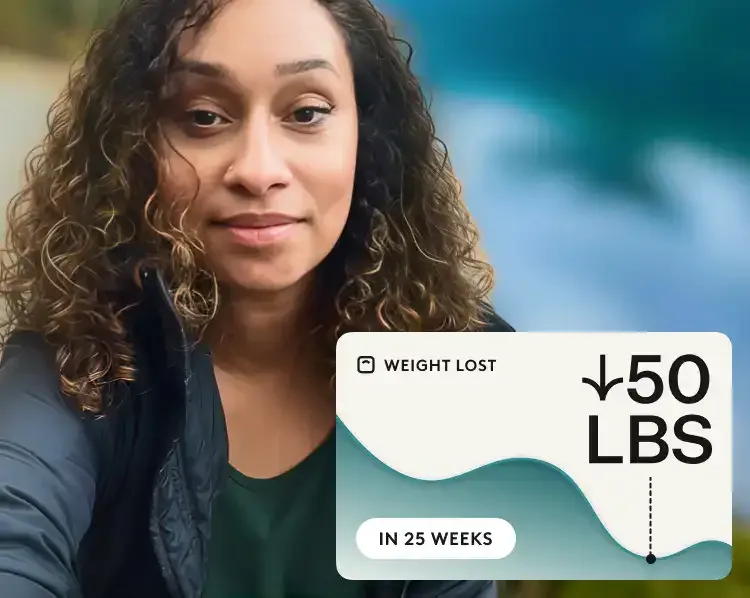
“My favorite parts of Noom are the care team and other Noomers. Sharing and getting help made me feel like I wasn’t doing it alone. That support made all the difference.”
Desirea N. — Real Noom user
Matthew M. — Real Noom user
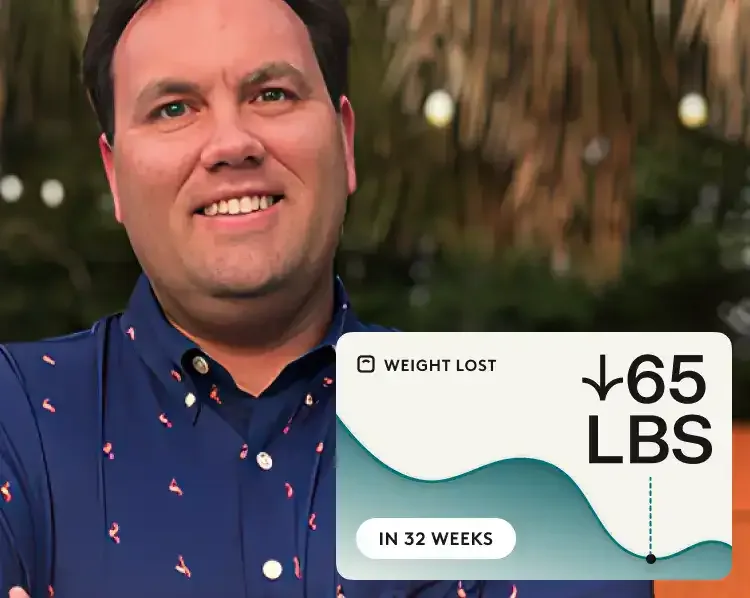
“Noom has taught me that every day is a new chance to make better, healthier choices. It's taught me how to stop overeating.’’
Matthew M. — Real Noom user
Lila M. — Real Noom user
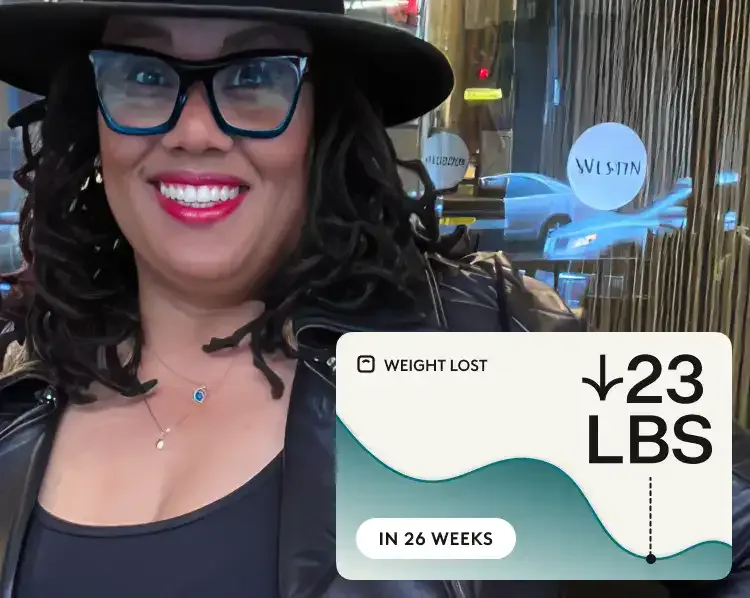
“Clinicians who understand how supportive medication can be is one of the best parts of Noom! I was convinced I wouldn’t have success but I’m down 11 pounds in two months.’’
Lila M. — Real Noom user
Steve M. — Real Noom user
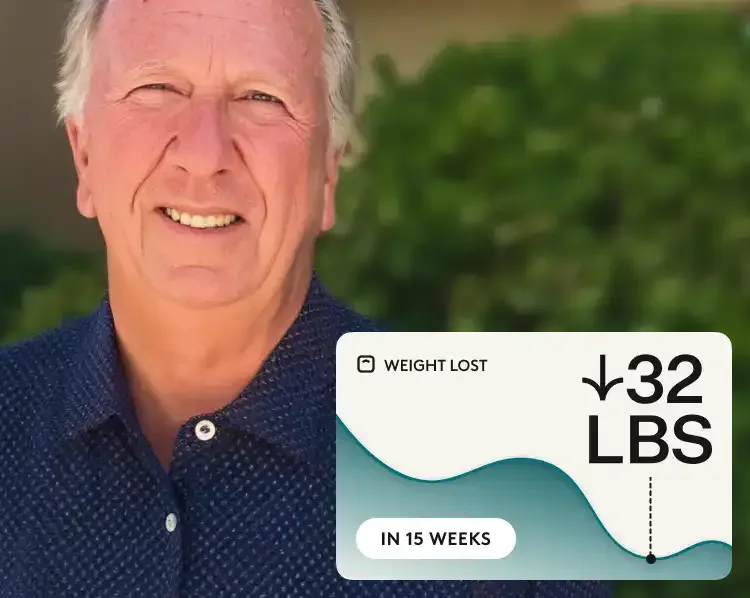
“Noom provided me with the medication which I could not get through Medicare. I have learned the tricks to better eating and life in general.”
Steve M. – Real Noom user
Daisy R. — Real Noom user
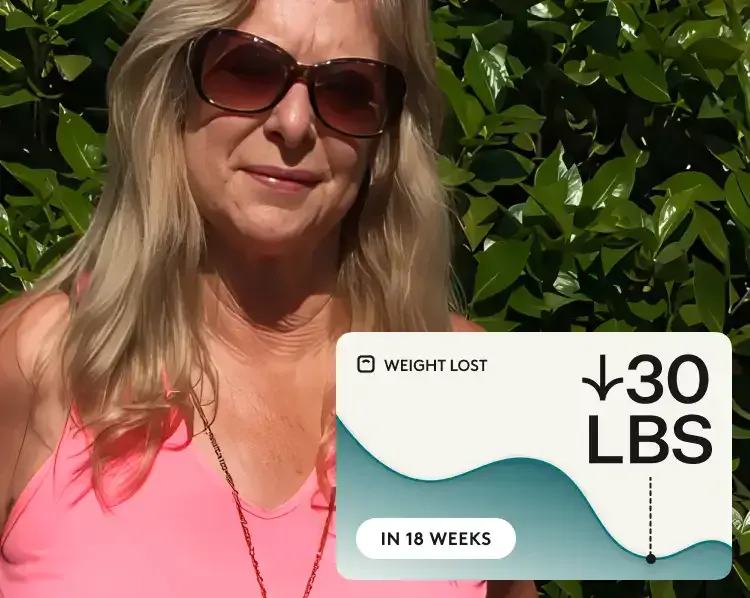
‘’Noom has changed my life and I’m so thankful, I feel great, have more energy and am no longer prediabetic.”
Daisy R. – Real Noom user
Sarah R. — Real Noom user
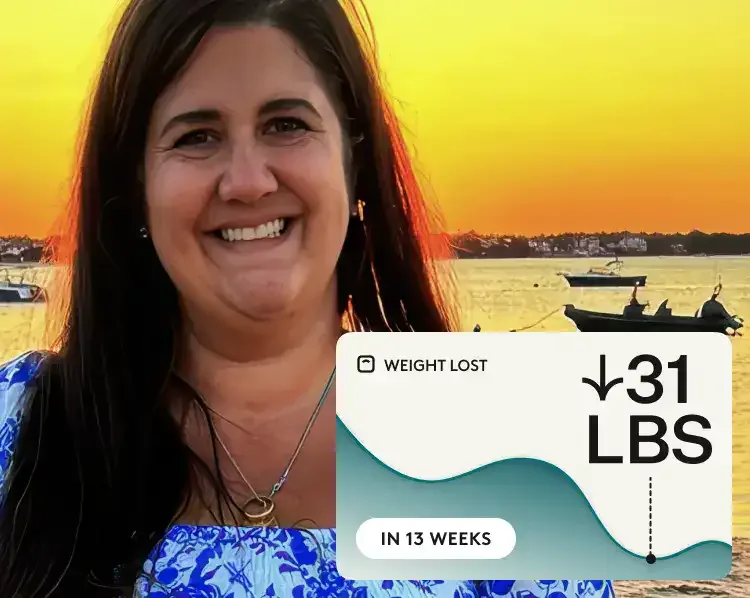
“All of the Noom providers that I’ve met with have been exceptional and prescribed medications that are appropriate for my situation and health.”
Sarah R. – Real Noom user
Madison S. — Real Noom user
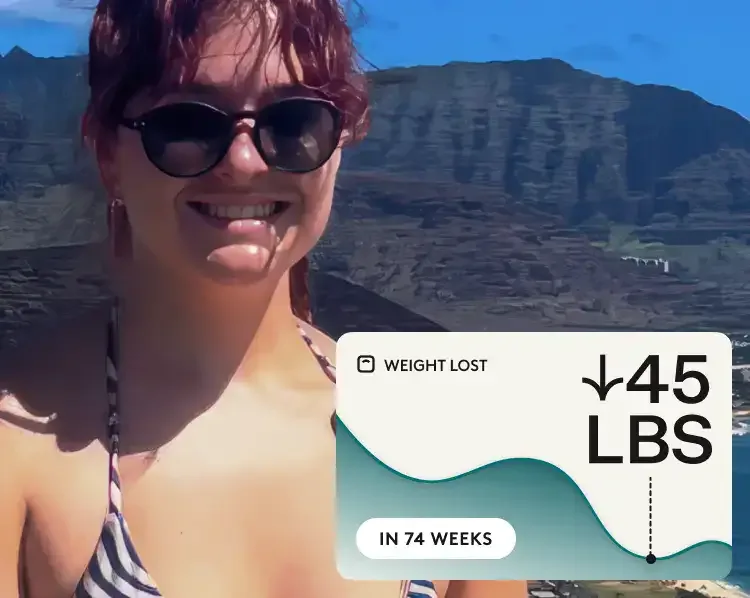
“Noom made the process so simple and now I feel full, free from diet obsession, and at ease in my body again.”
Madison S. – Real Noom user
Sonday K. — Real Noom user
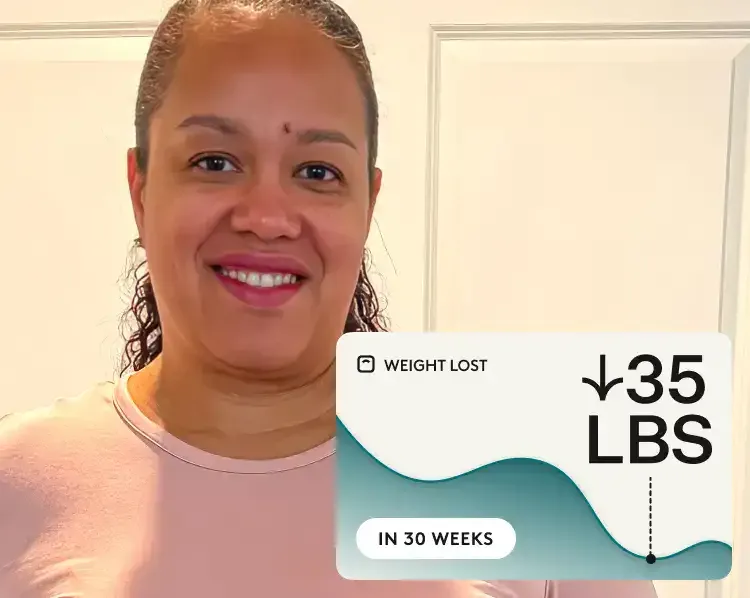
“My doctor recommended Noom after I was frustrated trying to lose weight. The lessons helped change my relationship with food. My body feels lighter & energized.”
Sonday K. – Real Noom user
Cam K. — Real Noom user
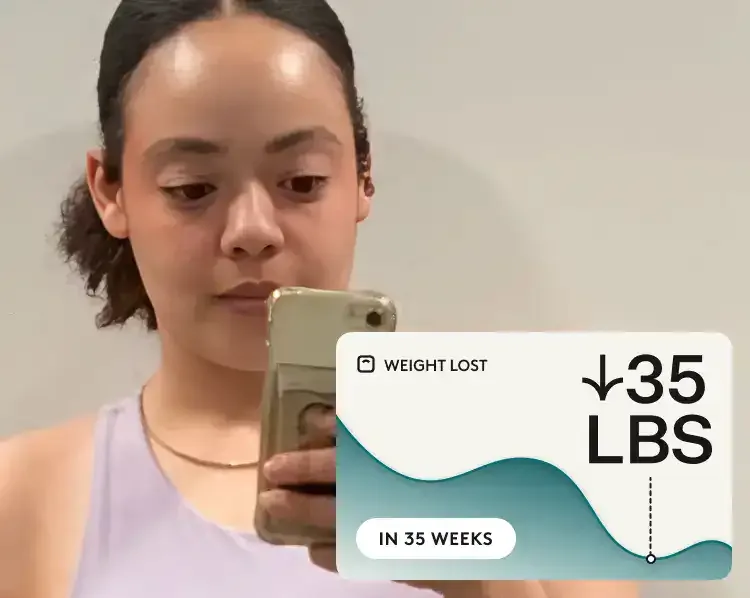
“I built healthy habits with coaching and lessons that make me confident I can maintain my weight loss long term.”
Cam K. – Real Noom user
Laura TR. — Real Noom user
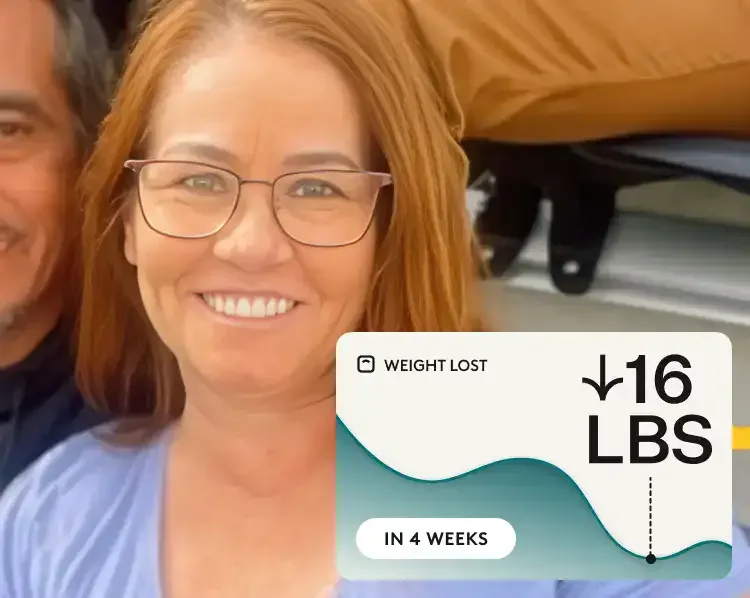
“With the right medication through Noom, hunger and sugar cravings finally quieted and I have the tools to break the cycle.”
Laura TR. – Real Noom user
Jessica S. — Real Noom user
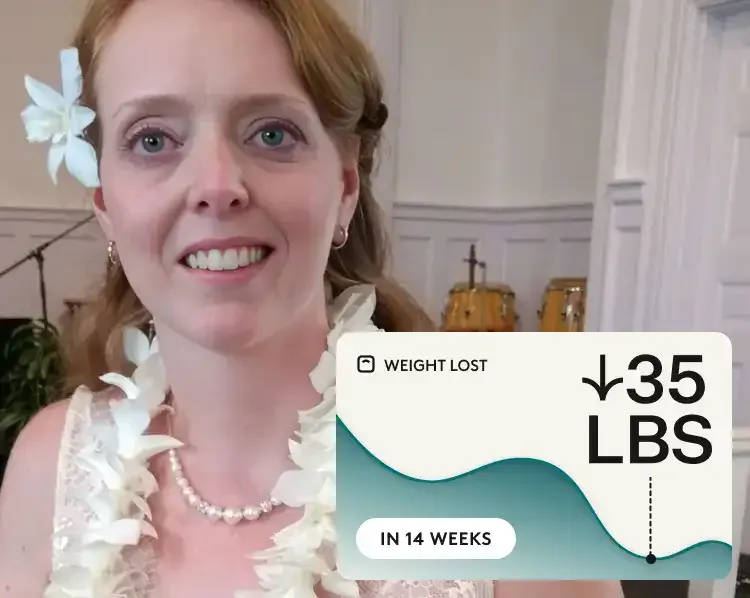
“Cravings and food noise are gone, I finally feel confident in the healthy habits I’ve built to last with Noom.”
Jessica S. – Real Noom user
The bottom line: Keep the weight off post-Ozempic® with a plan
When you stop Ozempic®, your hunger hormones gradually return to normal levels. This shift is a natural biological response, not a setback. With the right plan, you can keep your progress steady and continue feeling in control.
A supervised taper, protein-focused meals, regular strength training, and psychology-based tools can help you maintain your weight after stopping Ozempic®. Building these habits during your transition creates a foundation that lasts beyond any single medication.
Learn how to build habits that last with Noom. Through expert coaching and easy, science-backed lessons, you’ll gain the tools to stay consistent, confident, and in control of your progress.
Note: Ozempic®, Victoza®, Mounjaro®, and meformin are not FDA-approved to treat obesity or for weight loss.
Editorial standards
At Noom, we’re committed to providing health information that’s grounded in reliable science and expert review. Our content is created with the support of qualified professionals and based on well-established research from trusted medical and scientific organizations. Learn more about the experts behind our content on our Health Expert Team page.