
What you’ll learn:
- A Wegovy® plateau is your body’s natural response as hunger cues, metabolism, and energy needs shift with weight loss.
- Small, realistic tweaks to meals, movement, muscle support, sleep, or stress can give you enough momentum to ease out of a weight loss plateau.
- Plateaus don’t look the same for everyone. If yours lasts 4 few weeks, checking in with your provider can help you explore dose or medication adjustments.
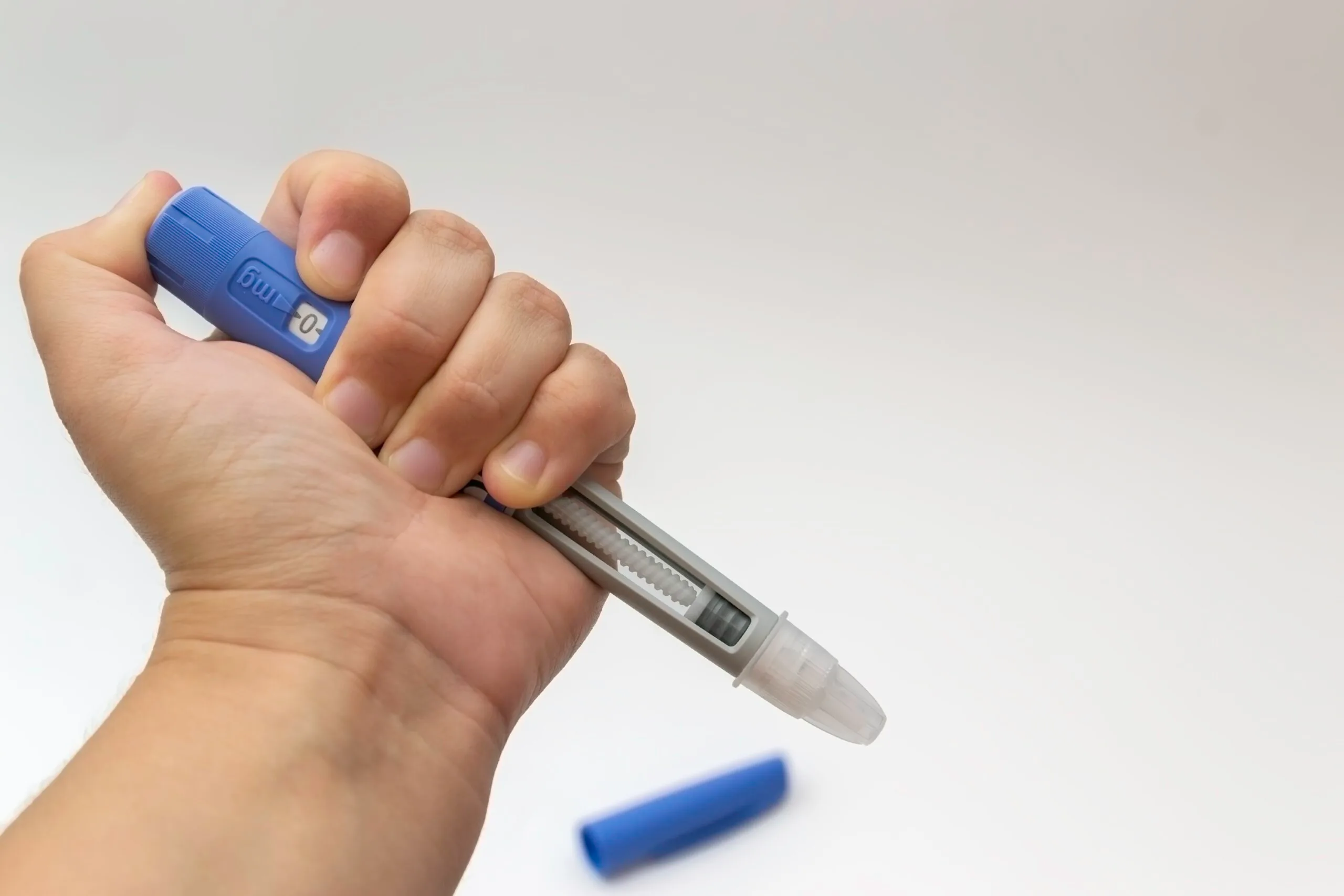
Using a weight loss medication like Wegovy® can feel exciting. In the first few months, people tend to experience steady weight loss, healthy habits paying off, and high motivation. Then one day, the number on the scale might stop changing as quickly, and sometimes even stalls.
Hitting a weight loss plateau on Wegovy® can feel confusing, especially when things were moving steadily at first. Most people picture weight loss as a smooth downward line, but in reality, plateaus are one of the most common parts of the process.
Rx weight loss, the right way, with Noom
Get access to prescription weight loss medication with Noom.Microdose GLP-1s

Wegovy®

Ozempic®

Metformin

Zepbound®
Mounjaro®
Liraglutide

Research on semaglutide, the active ingredient in Wegovy®, shows a slowdown after about a year. Weight loss progress tended to level off around week 60 and remained fairly stable afterward. That stall is a normal part of long-term weight loss—not a sign that the medication has stopped working.
If you’re trying to understand why these plateaus happen and how to keep your momentum going without burning out, it helps to look at what’s happening behind the scenes—and which adjustments can help you move forward again.
Why does weight loss plateau: The science behind a Wegovy® stall
A weight loss plateau typically happens because your body is always trying to keep your hunger, metabolism, and energy use in balance. According to studies, weight loss can result in your body expending less energy and burning fewer calories, both of which can contribute to a weight loss plateau. People taking a semaglutide medication like Wegovy® tend to experience this kind of plateau after about a year on the medication.
Here’s a look at what’s going on inside your body during this time:
- Your appetite hormones shift. Studies have shown that losing weight lowers leptin (your fullness hormone) and raises ghrelin (your hunger hormone). Wegovy® helps quiet these hunger signals, but over time, your body naturally tries to turn them back up to protect your current weight. Research shows that when leptin levels drop, your brain gets the message that energy stores are low, which can make you want to eat more in an effort to bring your weight back up to where it was before.
- Your metabolism slows down. This is known as adaptive thermogenesis, and it’s your body trying to be efficient. As you lose weight, your body needs fewer calories to function, so your metabolism slows down a bit to conserve energy. Think of it this way: a smaller body burns fewer calories than a larger one, even if you’re doing the same daily activities.
- Your body composition changes. Every weight-loss method can include some muscle loss. Studies confirm that having less muscle means burning slightly fewer calories each day and expending less energy, which can contribute to weight loss plateaus or even weight regain.
Again, long-term semaglutide research shows this leveling-off pattern is normal. This plateau doesn’t mean the medication stopped working—it simply means your body found a new “steady point” and is adjusting to it.
Learn more: Here’s why you’re not losing weight (and what to do instead)
How to assess whether it’s a true plateau
A real Wegovy® plateau isn’t something you can spot after a couple of slow days. Your weight naturally fluctuates from day to day depending on how much you’ve had to eat and drink, how active you were, and whether your body has retained any water. In fact, studies show that weight can fluctuate depending on the day or the week, or even the time of year. Because your weight can vary a little each day, it’s important to give it enough time to see a real pattern. If you’re finding that you’re not losing any weight for several weeks or months, that could mean you’re in a plateau. What happens after that is different for everyone. Some break through right away, while others hover at the same number for a bit longer.
Signs of real plateau:
- You’re not losing weight for several weeks or months despite continuing to take Wegovy®, eating healthy, and exercising regularly.
- You’re already taking the highest dose of Wegovy®, or your doctor has increased your dose, but your weight has not changed.
Learn more: How much should I weigh? How to find your ideal body weight
How to break through a Wegovy® plateau
Plateaus are unavoidable. Even when you’re doing everything “right,” weight loss slows as your body adapts to a lower body weight. Wegovy is still lowering appetite and slowing digestion, but it can’t fully stop your biology from “pushing back.” That doesn’t mean progress is over. There are practical ways to get weight loss back on track, and drastic changes aren’t necessary.
Studies show that lifestyle changes, like eating more protein- and fiber-rich foods and getting more exercise, can help you start losing more weight again. Small, realistic adjustments are often enough to restart momentum.
The best plateau strategies focus on:
- Eating to maintain a stable appetite
- Moving more
- Protecting and building muscle
Here are practical, everyday ways to apply those ideas:
1. Eat more lean protein
One concern the study brings up is loss of lean mass (muscle) during GLP-1 weight loss. When you lose muscle, your body may burn fewer calories day-to-day, which can make plateaus last longer. Protein helps protect muscle while you’re losing weight.
What this looks like in real life
- Aim to include a protein food at every meal.
- If you’re not very hungry on a GLP-1, think “protein first” before you turn to carb-heavy foods or take a few bites of whatever’s easiest.
Something to try: Studies also show that short breaks from calorie restriction can help some people lose weight and maintain it long term. Try including more healthy foods to see if the scale starts moving again.
2. Add (or restart) resistance training
The study also points out that resistance training is one of the best tools to counteract muscle loss during rapid weight loss. More muscle helps keep your metabolism up, so you burn more calories even while at rest.
What this looks like in real life
- You don’t need to become a gym person.
- You just need a simple “repeatable” routine you’ll actually do.
Plateau tip: If the scale isn’t moving but you’re incorporating resistance training, pay attention to your waist measurement, how clothes fit, and how you feel. Strength training can change your body composition even when the scale stays in the same place.
3. Increase daily movement outside of workouts
The study highlights that people who keep weight off long-term often have higher overall activity, and it discusses how activity can support maintenance, even if your body adapts.
Translation: workouts help, but your everyday movement is the secret.
What this might look like in real life:
- Add two short walks a day.
- Turn phone calls into walking calls.
- Park farther away.
- Take the stairs for one or two floors.
Plateau tip: If you used to naturally move more but your appetite is lower, and energy is down, your body may be nudging you to be less active without you noticing. Adding a gentle daily walking habit of 10 to 15 minutes can counter that.
4. Focus on reducing your intake of ultra-processed foods
Ultra-processed foods can drive higher calorie intake because these foods are often designed to be easy to eat quickly and keep eating.
What this looks like in real life:
- Keep one or two “grab-and-go” whole-food options ready, so you don’t grab too many packaged snacks.
Plateau tip: If your appetite is low, ultra-processed foods can be extra tempting because they go down easily. That’s exactly when having whole-food defaults helps.
5. Sleep and stress
Sleep, mood, and psychological factors can influence eating behaviors and weight management. In real life, poor sleep and high stress can crank up cravings, lower movement, and make consistency harder.
What this looks like in real life
- Pick one sleep habit and one stress habit you can work on.
- Sleep: Set a “kitchen closed” time, dim lights, and charge your phone away from the bed.
- Stress: Take an extra 10-minute walk, journal for 3 minutes before bed, or do a short breathing routine after brushing your teeth.
- Support: Tell one person what you’re working on, or check in weekly with a coach or therapist.
Plateau tip: If your plateau started the same month your stress exploded, or your sleep fell apart, that’s not a coincidence. Fixing sleep can be the most underrated plateau breaker.
Wegovy plateau: When it’s time to adjust your dose
Sometimes, a weight loss plateau may mean your current Wegovy® dose isn’t giving you quite enough support. Wegovy® dosing is meant to be titrated upwards gradually, with the goal of finding the dose that gives the best results but is still tolerable for you. Your provider may adjust the pace or amount depending on how your body responds to the medication.
Your clinician may look at:
- How long you’ve been on the same dose: If it’s been a while, stepping up may help reengage your appetite cues.
- How your body handled previous dose changes: If side effects have subsided, your provider may consider increasing your dose.
- How much hunger has returned: Stronger cravings can be a clue that your dose needs to be adjusted.
- Your weight trend over several weeks: If your weight has held steady for several weeks, adjusting the dose may help reintroduce momentum.
While higher semaglutide doses are being researched, 2.4 mg once weekly remains the highest approved dose for Wegovy® injections. If you’re already at 2.4 mg and still not breaking through a plateau, your provider may suggest trying a different medication.
Note: Never change your Wegovy® dose on your own—dose adjustments should only be made with the guidance of a healthcare provider.
Learn more: Wegovy® dosage guide: Finding the right dose for weight loss results
Medication alternatives when a Wegovy® plateau won’t break
When lifestyle tweaks or dose adjustments aren’t moving the scale, and you’ve been stalled for a while, medication adjustments can be the next step. Below are other medication options you can explore with your provider’s guidance.
Zepbound®:
If you haven’t been able to break out of a Wegovy® plateau and want to explore another medication, Zepbound® can be a solid next option to talk about with your provider. Zepbound® uses tirzepatide, which mimics GIP, along with GLP-1, and that extra pathway seems to make a real difference for some people. In studies, people lost an average of about 21% of their body weight on Zepbound®, compared to around 15% of their body weight with Wegovy®.
Some research also suggests that tirzepatide may come with slightly fewer side effects for certain people, especially when it comes to nausea and other stomach issues. If progress has stalled or side effects have been hard to manage, switching to Zepbound® may help you see results.
Read more: Everything you need to know about Zepbound® for weight loss
Other medications in trials
If you’ve hit a plateau on Wegovy® and feel like you’ve tried everything, the good news is that there are new medications in development that might give you a different way to break through a plateau. These are still going through clinical trials, but early results are promising and show that future options could offer stronger appetite control, more pathways for weight loss, or even easier ways to take the medication. Here’s a look at a few of the most talked-about ones and how they compare to Wegovy®.
Retatrutide
Retatrutide is one of the most exciting drugs in the pipeline right now. Like Wegovy®, it’s an injectable, but it doesn’t just mimic GLP-1—it works on three hormone pathways at once, which gives it a broader effect on appetite, fullness, and metabolism. In early trials, people on high doses lost an average of around 24% of their body weight, which is noticeably higher than the 15% average seen with Wegovy®. If approved, retatrutide could be a next-generation option for people who plateaued on current GLP-1 medications.
Amycretin
Amycretin is a drug that targets the amylin hormone, which helps slow digestion and signal fullness after meals. Wegovy® focuses on GLP-1 alone, while amycretin works on a separate hunger pathway, which is why it’s being studied as a potential alternative. Early research suggests it may help curb appetite in ways that complement or boost what you get from GLP-1 medicines like Wegovy®. In trials, people have been able to lose an average of 15% of their body weight over 36 weeks, which is comparable to Wegovy®’s results. If it gets approved, amycretin might offer another way to tackle stubborn plateaus by hitting hunger signals from a fresh angle.
Orforglipron
Orforglipron is part of a new wave of oral GLP-1 medications in development, meaning it’s a pill rather than an injection. Like Wegovy®, it works on the GLP-1 pathway to reduce appetite and help control blood sugar, but it’s designed to be taken daily by mouth. In trials, people taking orforglipron (36 mg) lost an average of about 12% of their body weight over 72 weeks, which is a bit less than Wegovy®’s average but still meaningful. Its convenience and tolerability may make it attractive for people who have struggled with weekly injections or side effects from other GLP-1 drugs.
If any of these options get approved, they could give people new ways to push past a weight-loss plateau—whether by working more pathways, offering different delivery formats, or pairing with your existing routine in a whole new way. Always talk to your provider before making changes, but it’s worth keeping an eye on what’s coming next.
Frequently asked questions about Wegovy® plateaus
When weight loss slows or stops on Wegovy®, it’s natural to wonder if something’s wrong. Here are some of the common questions people have about Wegovy plateaus.
Do plateaus mean Wegovy® stopped working?
No. A plateau is typically your body responding to the changes that come with weight loss. Studies show that as your weight drops and you consume fewer calories, the amount of energy your body expends at rest also decreases. This means that your body is conserving energy more efficiently, while also increasing hunger and fat stores, all of which result in a weight loss plateau.
This doesn’t mean Wegovy® has stopped working. It usually means one of two things: you may already be close to your ideal weight, or you may need a few gentle adjustments in your routine (like tweaking meals or activity) to help your progress pick up again.
How long does a typical Wegovy® plateau last before weight loss restarts?
It varies a lot from person to person. Some plateaus last a couple of weeks, while others stretch a bit longer. Research shows that for people taking Wegovy®, their weight loss tends to level off after about a year.
But there are a lot of factors that can determine how long a plateau lasts:
- Your starting weight
- How your routine has shifted over time
- How your body handles changes in hunger and energy
It also depends on what strategies you use to try to restart your weight loss. And for some, reaching a plateau could mean reaching their goal weight, and further weight loss isn’t necessary.
Learn more: How to spot—and break through—a weight loss plateau
Could a plateau be a sign I’m at my ideal weight?
Sometimes, a “plateau” is your body landing at a weight that works well for you. One way to get a general sense of this is by looking at your BMI range, which can offer a rough idea of where your weight falls. It’s not perfect, but it can be a helpful starting point to talk through with your healthcare provider.
Your provider can help you sort out whether this is a natural settling point, a sign that your Wegovy® dose or schedule needs a closer look, or a moment to adjust your broader plan.
Can you build a tolerance to semaglutide?
There’s no evidence that your body builds true tolerance to semaglutide in a way that stops it from working. If your weight loss slows down, it’s usually just a plateau, which is a normal part of long-term weight change. Semaglutide is still supporting appetite control, even if the scale isn’t moving down as quickly as before.
Can a “cheat day” break a plateau?
Not really. A single higher-calorie day won’t “shock” your body back into weight loss. However, some research shows that planned, short breaks from calorie restriction, not breaks from healthy eating, helped people lose more weight overall and maintain more of it long term. So while a classic cheat day isn’t a solution, a little structured flexibility can make your routine more sustainable while you work through a plateau.
Does increasing the dose always break a plateau?
It can help, but it isn’t a sure thing. Providers may look at a plateau as a possible cue to adjust your Wegovy® dose and see if more appetite support gets things moving again. For some people, that bump makes a noticeable difference. For others, their body doesn’t respond the same way, which is why results vary so much person to person.
New studies are showing that higher doses of 7.2 mg (the current top dose of semaglutide is 2.4 mg) could lead to even greater weight loss. In the future, this could be an option for those who are stuck in a plateau and haven’t had success with diet and exercise changes. But ultimately, it will depend on your individual circumstances and health.
Learn more: Wegovy® dosage guide: Finding the right dose for weight loss results
Reviews from real Noom users
Desirea N. — Real Noom user
“My favorite parts of Noom are the care team and other Noomers. Sharing and getting help made me feel like I wasn’t doing it alone. That support made all the difference.”
Desirea N. — Real Noom user
Matthew M. — Real Noom user
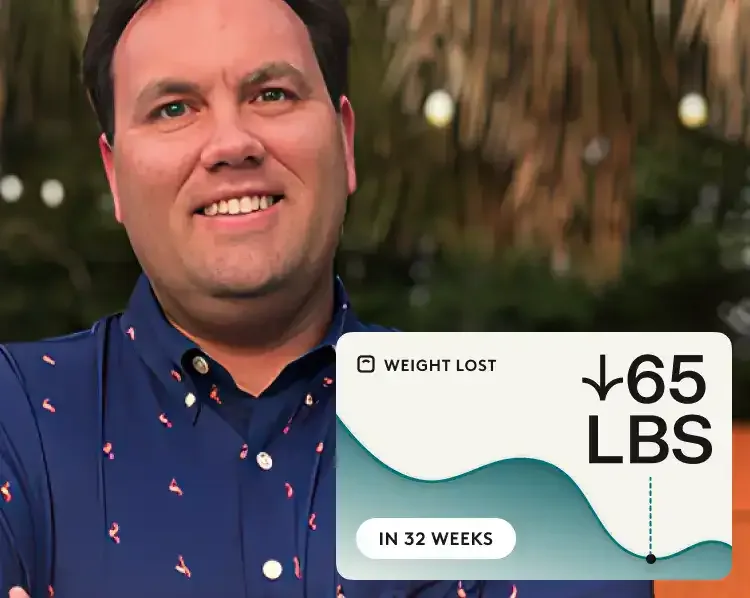
“Noom has taught me that every day is a new chance to make better, healthier choices. It's taught me how to stop overeating.’’
Matthew M. — Real Noom user
Lila M. — Real Noom user
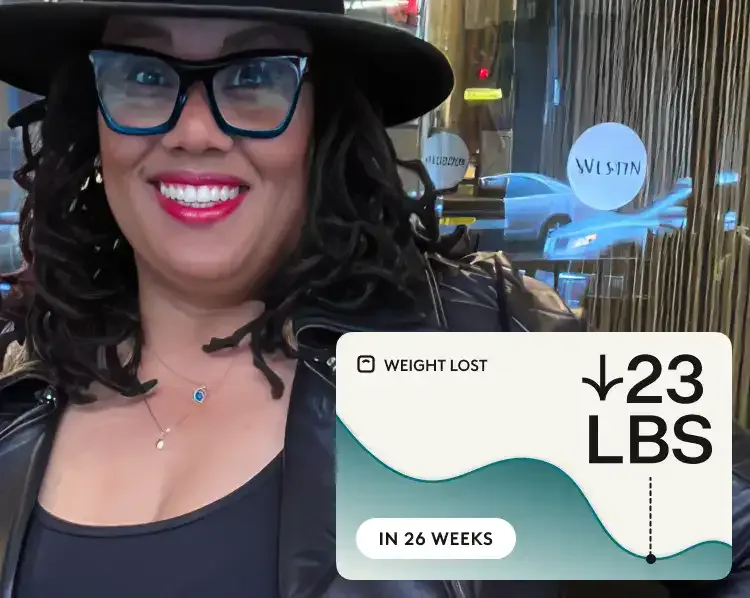
“Clinicians who understand how supportive medication can be is one of the best parts of Noom! I was convinced I wouldn’t have success but I’m down 11 pounds in two months.’’
Lila M. — Real Noom user
Steve M. — Real Noom user
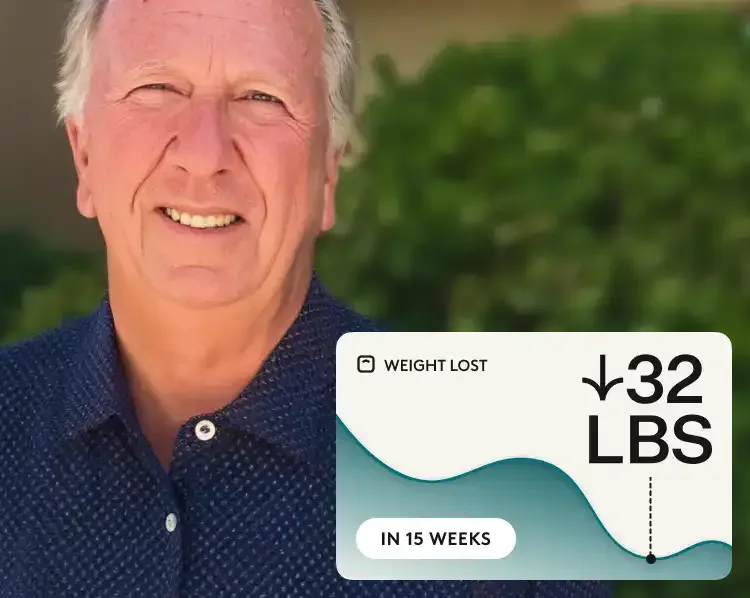
“Noom provided me with the medication which I could not get through Medicare. I have learned the tricks to better eating and life in general.”
Steve M. – Real Noom user
Daisy R. — Real Noom user
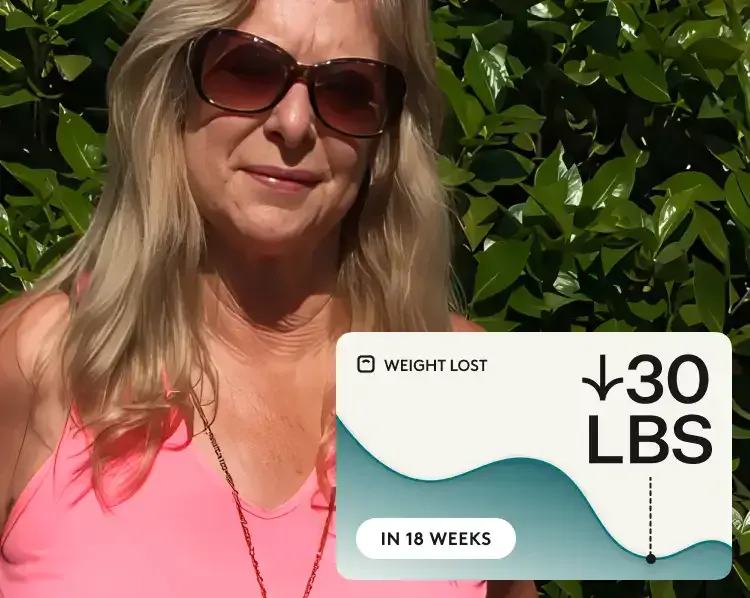
‘’Noom has changed my life and I’m so thankful, I feel great, have more energy and am no longer prediabetic.”
Daisy R. – Real Noom user
Sarah R. — Real Noom user
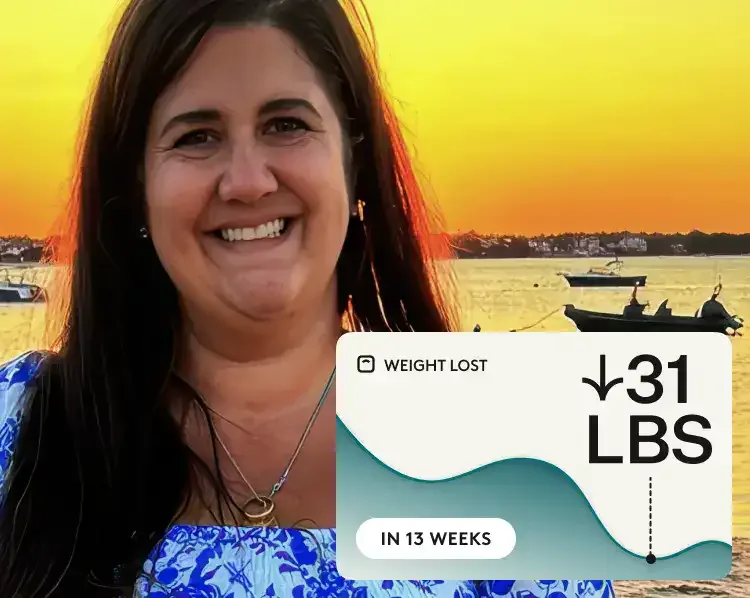
“All of the Noom providers that I’ve met with have been exceptional and prescribed medications that are appropriate for my situation and health.”
Sarah R. – Real Noom user
Madison S. — Real Noom user
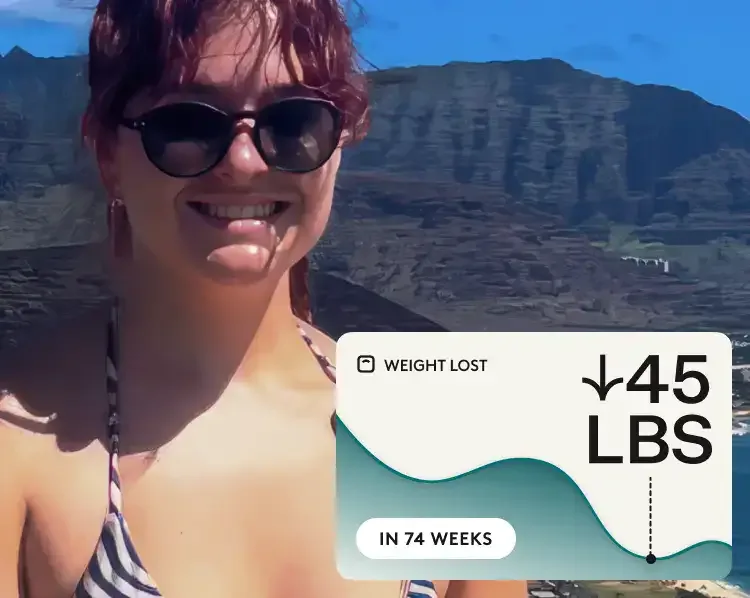
“Noom made the process so simple and now I feel full, free from diet obsession, and at ease in my body again.”
Madison S. – Real Noom user
Sonday K. — Real Noom user
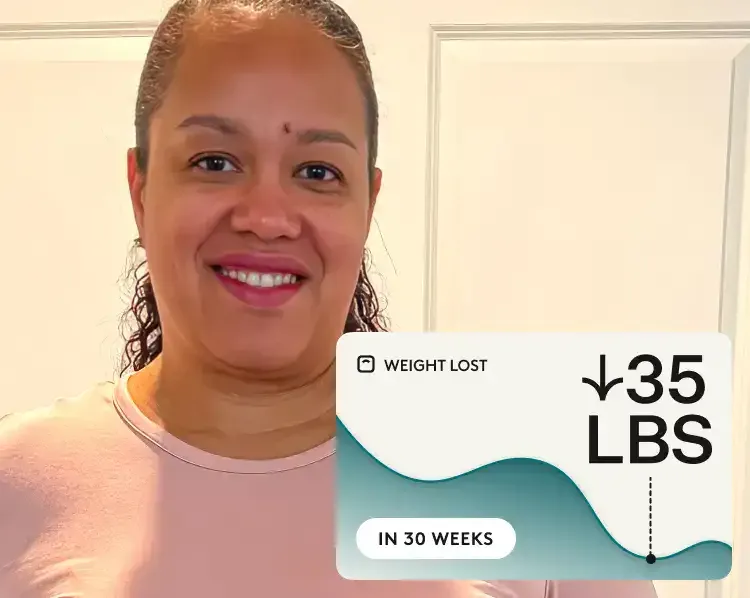
“My doctor recommended Noom after I was frustrated trying to lose weight. The lessons helped change my relationship with food. My body feels lighter & energized.”
Sonday K. – Real Noom user
Cam K. — Real Noom user
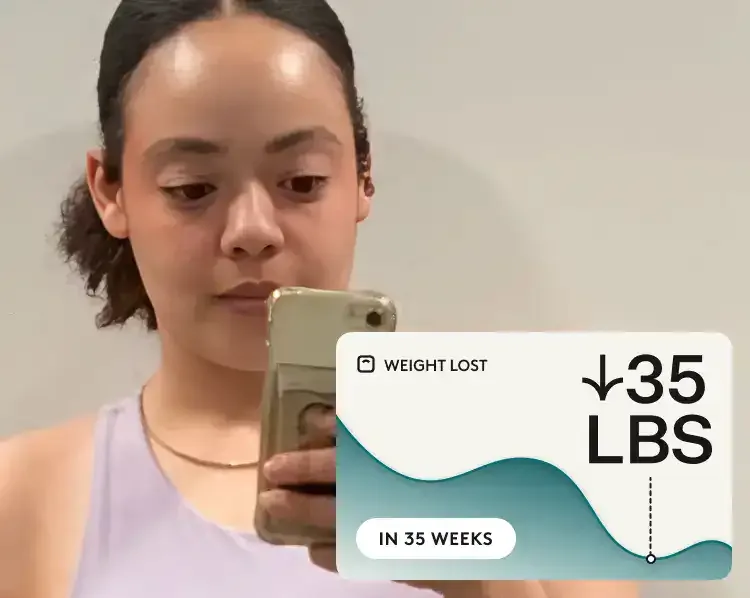
“I built healthy habits with coaching and lessons that make me confident I can maintain my weight loss long term.”
Cam K. – Real Noom user
Laura TR. — Real Noom user
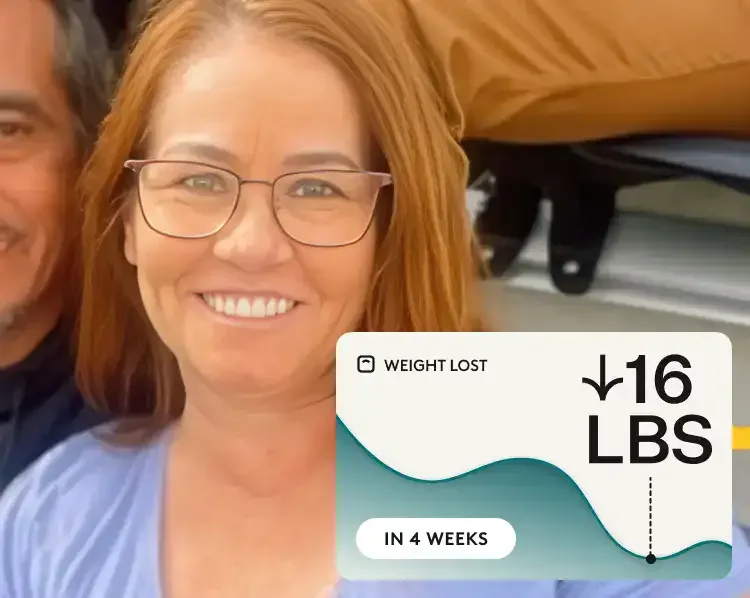
“With the right medication through Noom, hunger and sugar cravings finally quieted and I have the tools to break the cycle.”
Laura TR. – Real Noom user
Jessica S. — Real Noom user
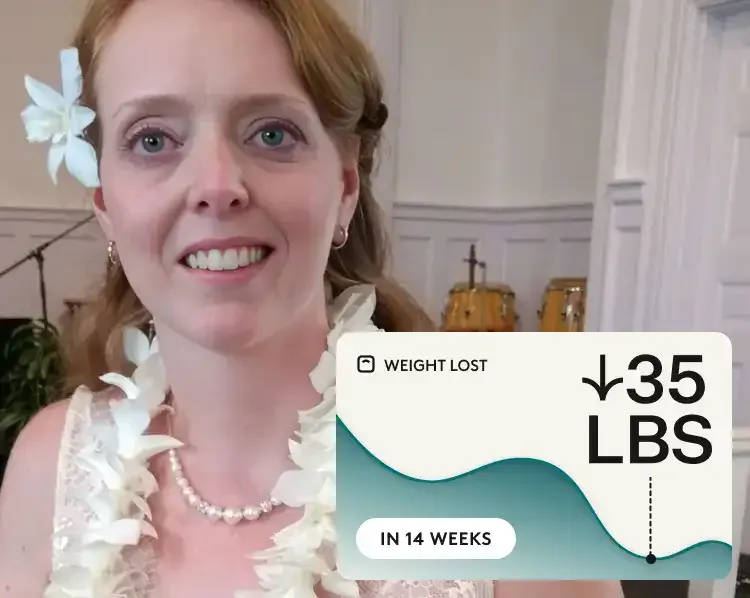
“Cravings and food noise are gone, I finally feel confident in the healthy habits I’ve built to last with Noom.”
Jessica S. – Real Noom user
The bottom line: Move past a Wegovy® plateau with the right choices
A stall on Wegovy® doesn’t mean you’re doing anything wrong. It usually means your body has hit one of its natural adjustment points as your weight, hormones, and energy needs shift. Once you understand why that pause happens, it becomes easier to work with your body. Changes to what you eat, how much you move, increasing resistance training, and improving sleep and stress can create enough momentum to break a plateau.
And if your plateau continues, dose adjustments or switching medications can sometimes give you the boost your body needs. Everyone responds a little differently, so finding the right move can make a meaningful difference in your momentum and confidence.
If you want structured support as you sort through your options, Noom Med can help you navigate the next steps. If you qualify, you’ll work with a clinician who can help guide medication choices, plus get coaching and tools that make long-term progress easier to maintain.
Editorial standards
At Noom, we’re committed to providing health information that’s grounded in reliable science and expert review. Our content is created with the support of qualified professionals and based on well-established research from trusted medical and scientific organizations. Learn more about the experts behind our content on our Health Expert Team page.