
What you’ll learn:
- The Plexus Slim pink drinks are popular on social media, but most of their claims aren’t backed by strong scientific evidence.
- While some ingredients may offer mild fullness or gut-related effects, the drinks are expensive and aggressively marketed.
- No single drink can replace the proven impact of balanced habits, consistent routines, and evidence-based lifestyle change.
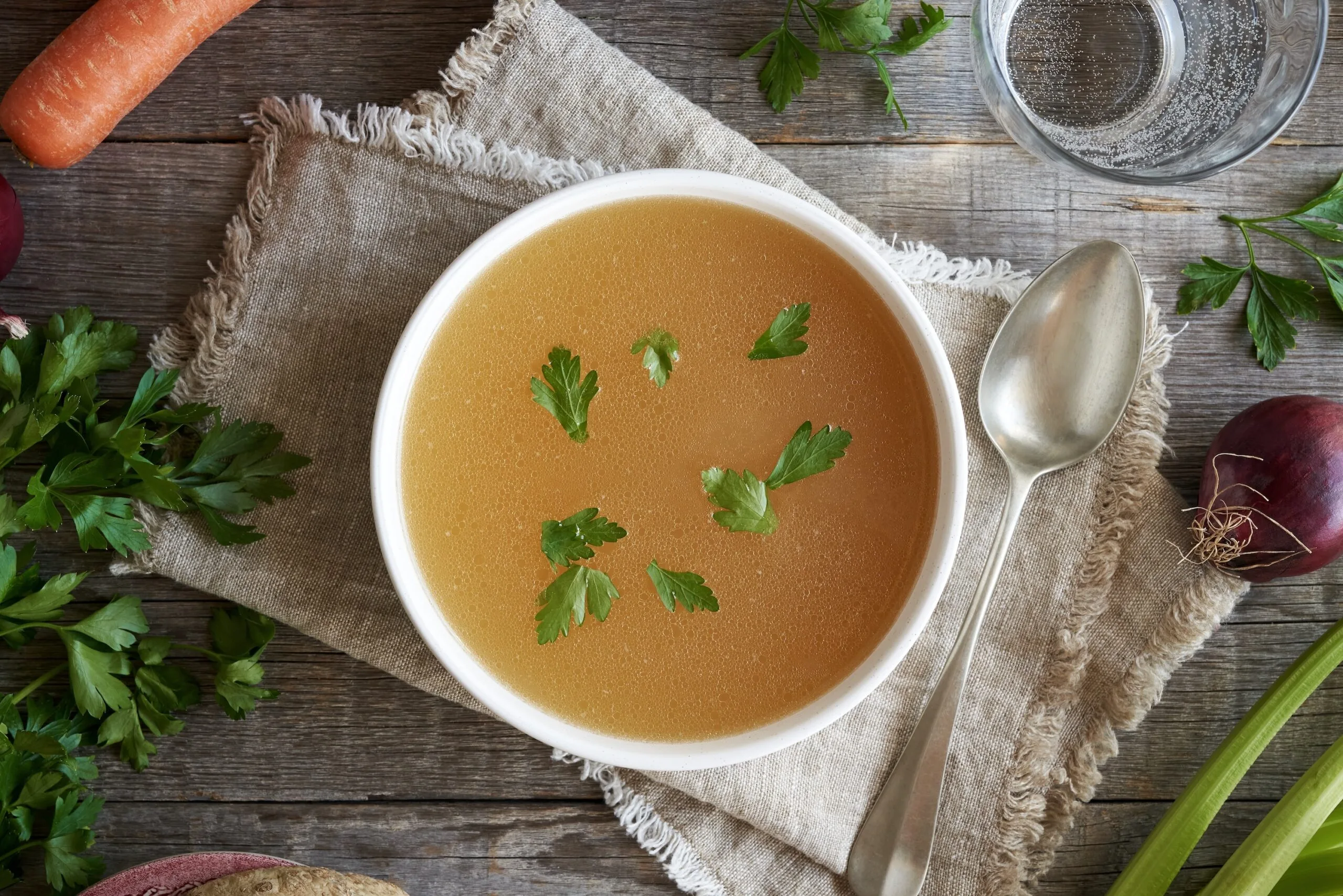
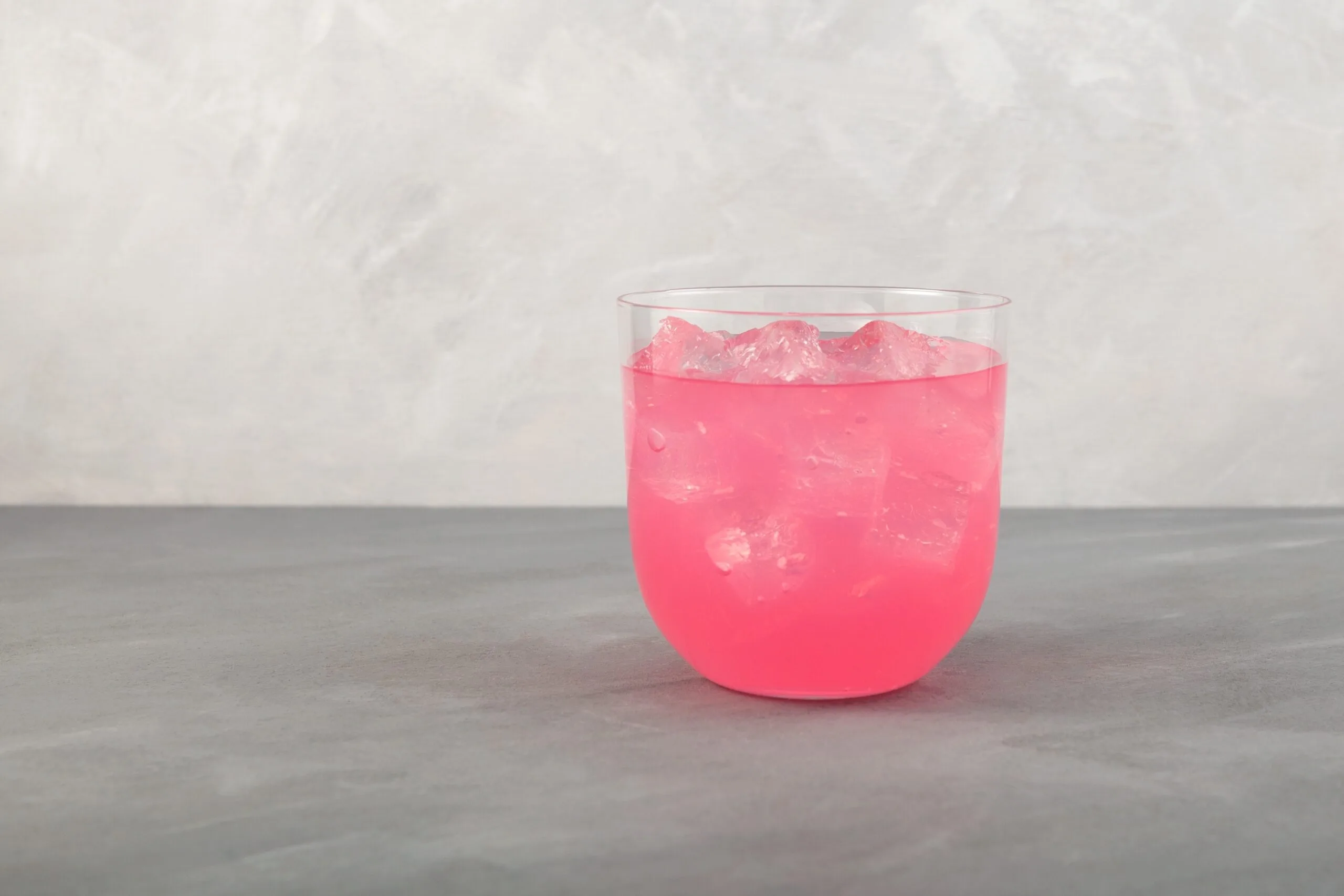
The “pink drink” has been hard to miss on social media. The brightly colored pink beverage shows up frequently in “morning routine” videos and wellness resets. Influencers promote it as a metabolism booster, a gut-health helper, and an easy way to kickstart weight loss, which has helped it surge in popularity across social feeds.
The pitch is straightforward: dissolve one packet in water before meals and, in theory, your hunger feels more manageable, cravings become easier to ignore, and your metabolism gets a gentle boost. The idea is that this small, simple ritual can influence how full you feel and how steadily your body processes food, making it appealing to anyone looking for an easy daily wellness habit.
But at about $100 for a month’s supply, this drink is a commitment. It’s not as easy to try as some of the other trends we’ve analyzed, where you make some gelatin for an in-between-meal snack or add Himalayan sea salt to a beverage. Before putting out all that money, you’re probably wondering, does it actually deliver any of that? And, more importantly, is it safe?
To get clarity, we dug into the ingredients, the research, and insights from Noom’s Medical Director, Dr. Karen Mann for insight. Here’s her first tip: “Before trying any supplement, it’s important to look at the evidence and talk with your healthcare provider. Even ‘natural’ products can interact with medications or underlying conditions.”
What is the pink drink?
The pink drink is actually two different types of powdered supplement drinks called Plexus Slim Hunger Control and Plexus Slim Microbiome Activating. They are sold by wellness company Plexus, which also sells a variety of other products like capsules, creams, and other types of powder mixes for women’s health, weight management, and general nutrition.

The Easy Way
to lose weight and get healthy.
See if you qualify

They each have different ingredients, but both contain the Plexus Slim Blend, which includes green coffee bean extract, garcinia cambogia, alpha-lipoic acid, and white mulberry extract.
Plexus Slim Hunger Control
Plexus describes the Hunger Control formula as a drink designed to help you feel fuller for longer. It’s also marketed as supporting healthy glucose metabolism. The routine is a key part of the pitch: mix a packet into 12 to 20 ounces of water 30 to 60 minutes before a meal, up to twice a day. In addition to the Plexus Slim Blend, it contains:
- Polydextrose — Polydextrose is a soluble prebiotic fiber derived from glucose and sorbitol, and is used to help increase feelings of fullness, though evidence for long-term effects on weight or metabolism remains limited.
- Chromium polynicotinate — This form of the trace mineral chromium is commonly added to supplements and drink mixes to support healthy glucose metabolism, though evidence for long-term benefits remains mixed.
Other ingredients: Stevia leaf extract, natural flavors, beet or carrot juice for color, citric acid, silicon dioxide (helps powder mix smoothly).
Plexus Slim Microbiome Activating (Slim MBA)
Plexus positions Slim MBA as a gut-health drink that “feeds” beneficial gut microbes. It is also promoted as supporting healthy glucose metabolism and fitting into a broader gut-health routine. It’s meant to be mixed into 12 to 20 ounces of water once or twice a day. In addition to the Plezus Slim Blend, it contains:
- Xylooligosaccharides (XOS) — XOS are a prebiotic fiber that comes from plant-based sources like corn cobs and hardwoods. There is good evidence showing they can increase beneficial gut bacteria, though broader long-term health effects remain tentative and still under study.
- Chromium polynicotinate — The same trace mineral found in Hunger Control is also included
Other ingredients: Stevia leaf extract, natural flavors, citric acid, cellulose gum (helps powder dissolve), and a gluten-free/vegan/non-GMO formulation.
Plexus Slim Hunger Control vs. Plexus Slim Microbiome Activating: The differences
Outside of the fiber, the two blends are actually quite similar. They both include green coffee bean extract, chromium, and the same mix-into-water routine. The real difference comes from the type of fiber each one uses. Hunger Control is centered around polydextrose to fill people up, while Slim MBA uses XOS for the growth of beneficial gut bacteria.
Why did the pink drink get so popular?
The Plexus pink drink promises improved gut health, metabolism, and ways to manage cravings. It’s promoted as an adjunct to a healthy lifestyle, with the packaging noting that it works best in coordination with a lower-calorie diet and exercise. It promotes weight loss, but also appeals to a more holistic approach, which includes managing your gut microbiome and naturally boosting your metabolism. It isn’t a quick or cheap fix; it’s a niche product which seems to have boosted it too, making it a health status symbol. Let’s take a closer look at these:
The gut-health halo effect
A major driver behind the trend is its microbiome messaging. Plexus often highlights ingredients tied to early research on bacteria like Akkermansia muciniphila, which is associated with certain metabolic markers. Even though the science is still emerging, the idea of “boosting your gut bacteria to influence your metabolism” is buzzy and modern. It gives the product a science-adjacent feel, even if the direct evidence for the drink itself isn’t clear.
The power of social proof (and social selling)
But the biggest accelerant? Social media. The bright pink color makes it perfect for TikTok and Instagram, where aesthetics matter just as much as claims. Influencers share their “pink drink routine,” often framing it as a small daily habit that changed everything from cravings to energy to bloating.
On top of that, Plexus operates with a multi-level marketing (MLM) structure, so many of the people posting about it are also selling it. That means every testimonial has a built-in incentive behind it. When you combine bold visuals, personal transformation stories, and a financial reason to promote, trends can spread fast. Even faster than the evidence supporting them.
Access GLP-1 Weight Loss with Noom
Explore a wide range of prescription medications supported by Noom’s program.Microdose GLP-1rx
Noom GLP-1rx
Noom GLP-1rx Plus
Wegovy®
Ozempic®

Metformin
Zepbound®
Mounjaro®
Liraglutide
Does the Plexus pink drink work?
Let’s go through the claims and see what the science says:
Claim 1: Plexus Slim helps with weight loss.
Verdict: Not supported by strong evidence.
Some of the drink’s ingredients have been linked to certain wellness effects, but that doesn’t mean Plexus Slim leads to meaningful weight loss. Polydextrose, a prebiotic fiber, has been shown to help increase feelings of fullness and reduce calorie intake at the next meal in a study that pooled multiple trials, and one small clinical study also found increased satiety. The other ingredients—including chromium (a trace mineral) and green coffee bean extract (a supplement with small amounts of caffeine)—don’t have strong or consistent evidence showing they support weight loss.
There is also very little independent, high-quality research showing that Plexus Slim as a product causes significant or lasting changes in weight. When people notice benefits, they are usually from the mild fullness created by fiber or the structure of having a routine before meals, rather than the product as a whole.
Plexus notes in its own materials that the drink works best when paired with a reduced-calorie diet and regular physical activity, which are the real drivers of weight change.
Claim 2: The Plexus pink drink boosts metabolism.
Verdict: Unlikely.
The formula doesn’t contain ingredients shown to significantly increase metabolic rate. While the caffeine in green coffee bean extract may offer a small energy lift, it’s too minimal to meaningfully affect metabolism.
Claim 3: Plexus pink drink improves gut health.
Verdict: Evidence is limited.
Plexus highlights its prebiotic ingredients like Xylooligosaccharides (XOS) and references early microbiome research, but these ideas haven’t been proven in the context of this specific drink. There’s no clear evidence that Plexus Slim improves gut diversity, supports beneficial bacteria, or meaningfully shifts microbiome health.
Claim 4: The pink drink must work because so many people are talking about its effects
Verdict: Be cautious—this is often tied to the MLM model.
Plexus uses a multi-level marketing (MLM) model, where many of the most enthusiastic success stories come from people who earn commissions by recruiting others and selling the product. That structure can create incentives that look a lot like other high-pressure sales networks—plenty of glowing testimonials, but not necessarily a strong foundation of independent scientific evidence.
Is the Plexus pink drink worth the price?
Whether this drink is worth the price really depends on whether you enjoy it and get a benefit from it. Let’s break it down by drink.
- A 30-pack of either Plexus formula costs around $98, or about $82 to 88 per month on a subscription plan. That works out to roughly $2.70 to $3 per drink if you have it daily before two meals.
If you value the ritual—mixing something before meals, having a water routine—it might give you a slight psychological or behavioral nudge toward better eating habits. But for a recurring monthly cost, that effect is likely modest. You’re paying enterprise-level supplement prices for effects that fiber or mindful eating can give for less.
If you’re looking for a quick, easy “hack” that might quiet hunger or help you feel a little more full, the pink drink might be within the realm of “worth it, but only at a modest expectation.
“If you want real, lasting changes in metabolism, weight, or gut health, the science is thin, and you’re likely paying a premium for hopes, not hard results,” says Dr. Mann.
Is the Plexus pink drink safe?
Plexus Slim is a dietary supplement, which means its ingredient levels aren’t regulated. And because Plexus doesn’t use third-party testing, there’s no independent verification of purity, potency, or whether the formula matches the label. You’re relying on the company’s internal testing.
The Easy Way
to lose weight and get healthy.
See if you qualifyFor many people, the drink may be tolerated in moderation, but it isn’t risk-free, especially if you’re sensitive to fiber, caffeine, or certain herbal ingredients.
Let’s take a closer look at the ingredients:
Polydextrose
Polydextrose is a low-calorie, soluble fiber often added to foods for texture, sweetness, or fiber content. Sudden increases in fiber can lead to bloating, gas, or cramping. Plexus Slim Hunger Control has 6,250 mg. While there isn’t an established toxic level, over 90 grams per day can have laxative effects.
Who should be careful: People with sensitive digestion, IBS, or a history of GI discomfort may experience more bloating or cramping with polydextrose. Anyone who isn’t used to higher-fiber supplements should increase slowly.
Chromium: Chromium polynicotinate is generally considered safe in typical doses (around 100–200 mcg/day), and research shows it may offer small improvements in insulin sensitivity without major side effects for most healthy people. That said, very high amounts aren’t helpful and have been linked to rare kidney or liver issues in case reports, which is why experts—including the FDA—recommend staying within standard supplement ranges. Both Plexus Slim formulas have 200 mcg per packet.
Who should be careful: People with kidney or liver conditions should talk with a healthcare provider before using chromium-containing supplements. Anyone taking medications that affect blood sugar—such as insulin or diabetes medications—should also be cautious, since chromium may influence glucose regulation. Pregnant or breastfeeding individuals should avoid supplemental chromium unless advised by a clinician.
Xylooligosaccharides (XOS)
XOS is a prebiotic fiber that helps feed beneficial gut bacteria. It’s generally well tolerated at typical supplemental amounts, though increasing prebiotic intake too quickly can cause temporary bloating, gas, or changes in digestion.
Who should be careful: People with IBS or sensitive digestion may want to introduce XOS slowly. Anyone with SIBO (small intestinal bacterial overgrowth) should check with a clinician before using prebiotic supplements.
Green coffee bean extract
Green coffee bean extract comes from unroasted coffee beans and naturally contains small amounts of caffeine. It’s often included in supplements for its mild stimulant effect. Most people tolerate it well, but it can still contribute to jitters, a faster heart rate, or trouble sleeping if taken later in the day.
Who should be careful: People who are sensitive to caffeine, have anxiety disorders, migraines, heart rhythm issues, or are pregnant or breastfeeding may want to avoid or limit green coffee bean extract.
Garcinia cambogia
Garcinia cambogia is a tropical fruit extract commonly marketed for weight loss. Despite its popularity, research is mixed. Some people tolerate it fine, but it has been linked to nausea, digestive discomfort, headaches, and, in rare cases, more serious liver problems.
Who should be careful: People with liver conditions, those taking medications that affect serotonin, and anyone with a history of mood disorders (including bipolar disorder) should avoid garcinia cambogia. Pregnant or breastfeeding individuals should also skip it, as its safety in these groups is unclear.
“Supplements like this can seem harmless, but without third-party testing, you can’t be sure what you’re getting,” says Dr. Mann. “Even common ingredients can cause side effects or interact with medications, so it’s important to approach these products carefully—especially if you have underlying health conditions,” says Dr. Mann
The Plexus pink drinks may be safe for some people in small amounts, but they come with typical supplement concerns: unverified ingredient quality, digestive discomfort from added fiber, and herbal ingredients with mixed safety profiles. If you take medication or have underlying health conditions, checking with a healthcare professional first is a good idea.
Reviews from real Noom users
Desirea N. — Real Noom user
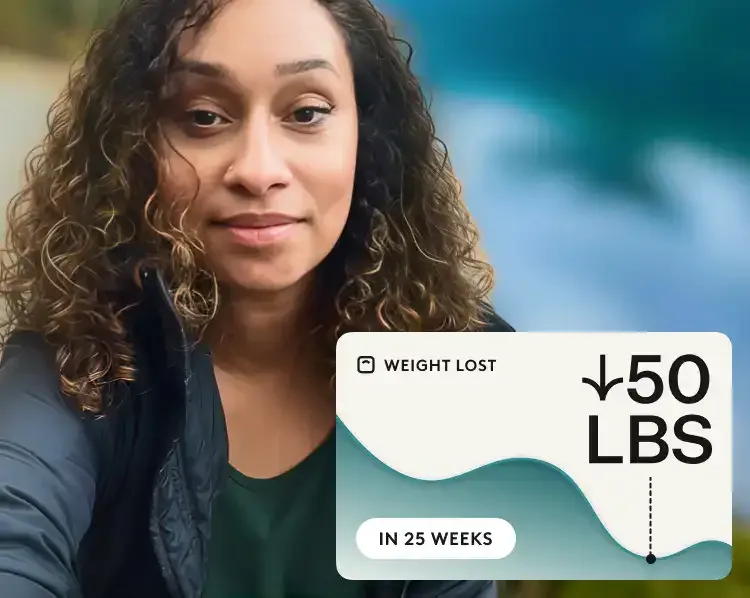
“My favorite parts of Noom are the care team and other Noomers. Sharing and getting help made me feel like I wasn’t doing it alone. That support made all the difference.”
Desirea N. — Real Noom user
Matthew M. — Real Noom user
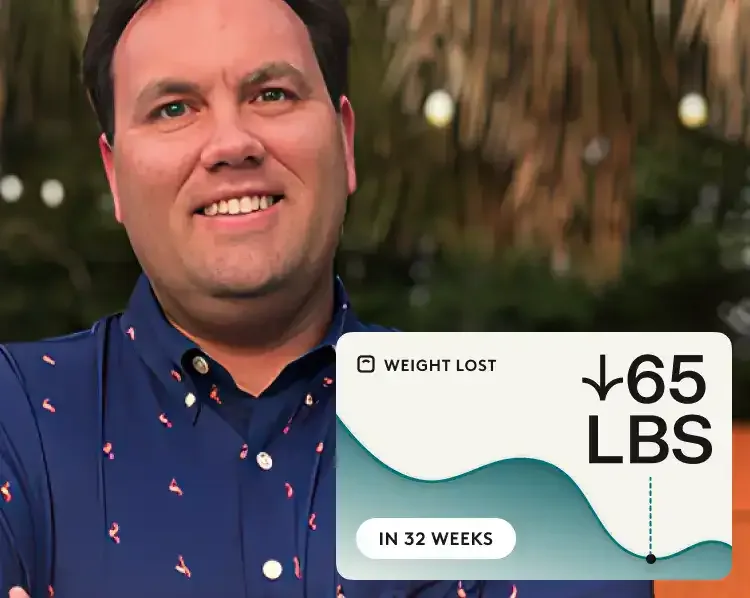
“Noom has taught me that every day is a new chance to make better, healthier choices. It's taught me how to stop overeating.’’
Matthew M. — Real Noom user
Lila M. — Real Noom user
“Clinicians who understand how supportive medication can be is one of the best parts of Noom! I was convinced I wouldn’t have success but I’m down 11 pounds in two months.’’
Lila M. — Real Noom user
Steve M. — Real Noom user
“Noom provided me with the medication which I could not get through Medicare. I have learned the tricks to better eating and life in general.”
Steve M. – Real Noom user
Daisy R. — Real Noom user
‘’Noom has changed my life and I’m so thankful, I feel great, have more energy and am no longer prediabetic.”
Daisy R. – Real Noom user
Sarah R. — Real Noom user
“All of the Noom providers that I’ve met with have been exceptional and prescribed medications that are appropriate for my situation and health.”
Sarah R. – Real Noom user
Madison S. — Real Noom user

“Noom made the process so simple and now I feel full, free from diet obsession, and at ease in my body again.”
Madison S. – Real Noom user
Sonday K. — Real Noom user
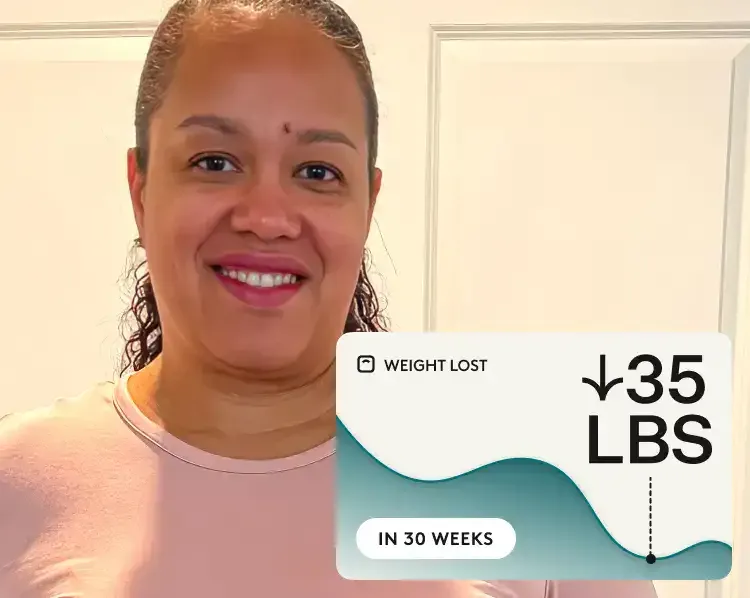
“My doctor recommended Noom after I was frustrated trying to lose weight. The lessons helped change my relationship with food. My body feels lighter & energized.”
Sonday K. – Real Noom user
Cam K. — Real Noom user
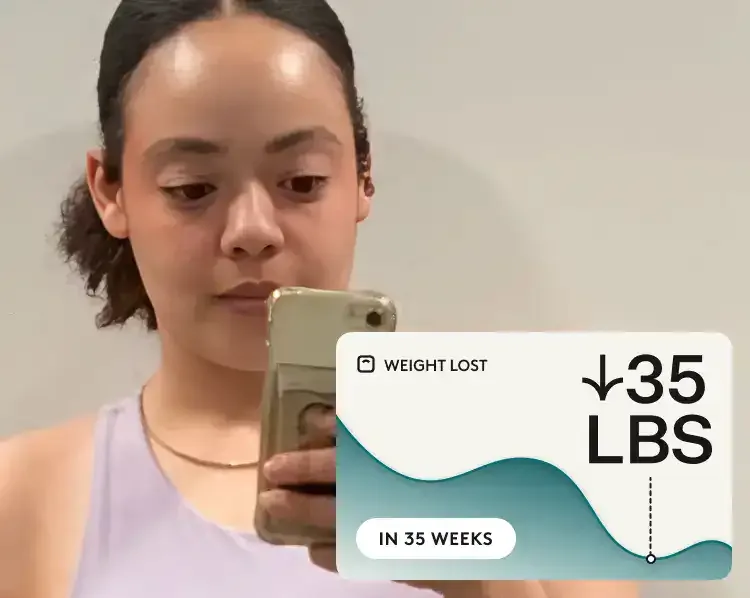
“I built healthy habits with coaching and lessons that make me confident I can maintain my weight loss long term.”
Cam K. – Real Noom user
Laura TR. — Real Noom user

“With the right medication through Noom, hunger and sugar cravings finally quieted and I have the tools to break the cycle.”
Laura TR. – Real Noom user
Jessica S. — Real Noom user
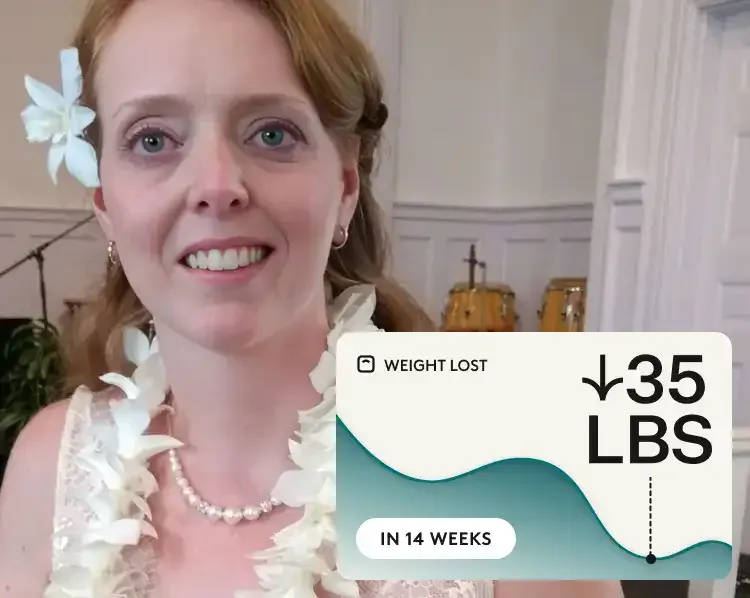
“Cravings and food noise are gone, I finally feel confident in the healthy habits I’ve built to last with Noom.”
Jessica S. – Real Noom user
The bottom line: Plexus Slim is a high-cost drink with shaky science
Plexus pink drinks may give you a sense of fullness before meals due to their fiber content, but the more dramatic claims about metabolism and weight loss aren’t backed by strong evidence. It’s also pricey and heavily marketed in ways that can make it seem more effective than it is.
If you enjoy the flavor and like drinking it, there’s nothing wrong with including it occasionally. Just don’t expect it to replace the impact of balanced meals, stress management, movement, consistent habits, and adequate sleep.
At Noom, we focus on long-term behavior change because that’s what creates real, lasting results—not drinks, powders, or quick fixes.
If you want personalized guidance, daily insights, and science-backed tools that help you move toward your goals, download Noom today on iOS & Android.
Editorial standards
At Noom, we’re committed to providing health information that’s grounded in reliable science and expert review. Our content is created with the support of qualified professionals and based on well-established research from trusted medical and scientific organizations. Learn more about the experts behind our content on our Health Expert Team page.