
What you’ll learn:
- A Zepbound® maintenance dose is a lower weekly dose that can help you maintain your weight loss long term.
- It’s usually for people who have reached their goal weight and want additional support in preventing weight regain.
- Maintenance doses work best when you pair them with lifestyle habits like healthy eating, regular movement, quality sleep, and stress management.
Let’s talk about something that doesn’t get nearly enough attention: what happens when you’re ready to stop taking Zepbound®. Reaching your goal weight is a huge accomplishment—but maintaining it is just as important for long-term health and stability.
Once the focus shifts from losing weight to keeping it off, a new conversation begins. Research shows that weight regain is common after stopping GLP-1 medications. In a major clinical trial, people who discontinued tirzepatide (the active ingredient in Zepbound®) regained a significant portion of the weight they had lost, while those who continued treatment were much more likely to maintain their results.
There isn’t an officially designated “maintenance dose” of Zepbound®, but evidence suggests that continuing treatment plays an important role in sustaining weight loss. For some people, that may mean ongoing therapy—potentially at the lowest effective dose—as part of a long-term plan developed with their provider.
So how does maintenance dosing actually work? Below, we’ll walk through how providers approach long-term use, how to determine the right dose for you, and what to expect during this next phase.
What is a maintenance dose of Zepbound®?
A maintenance dose of Zepbound® is the weekly dose you use after reaching your weight goal to help keep your weight stable over time. It’s often described as the lowest effective amount that maintains results while minimizing side effects.


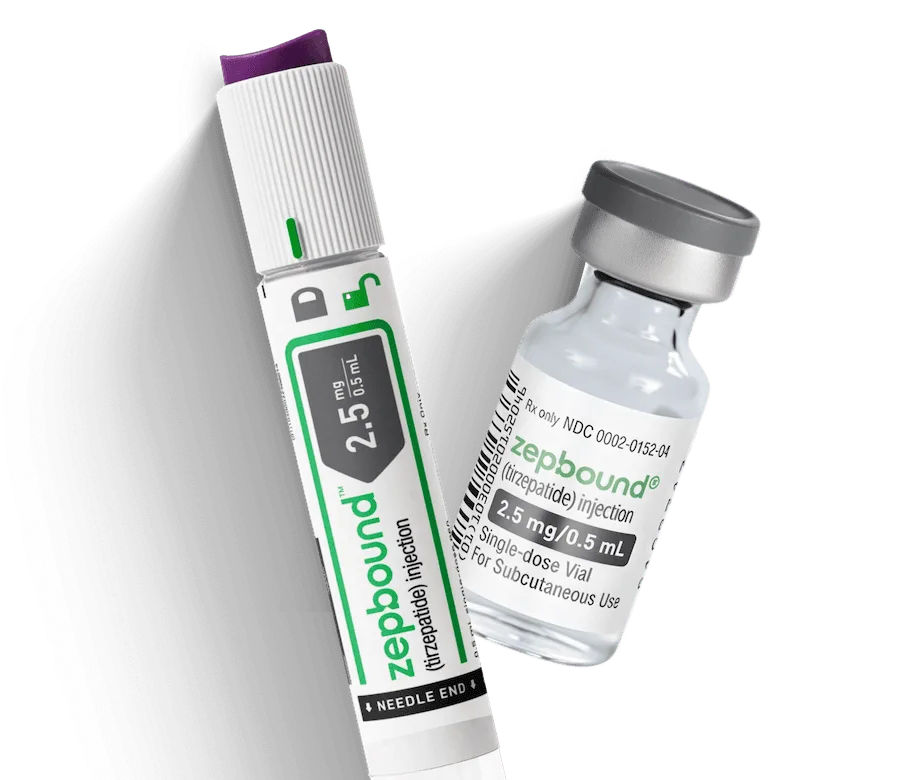
There isn’t currently an FDA-approved dose for maintenance after weight loss, so your clinician will help you to find the best for maintaining your weight without continuing to lose. Maintenance doses might be the lower available doses, such as 2.5 mg or 5 mg, but ultimately it will be up to your provider to set your maintenance dose based on your unique health status and goals.
A maintenance dose is typically used in situations like these:
- You’ve reached a weight that feels healthy and sustainable
- Your appetite and eating patterns feel steady
- Your weight has remained stable for several weeks
- You and your healthcare provider decide it’s time to stop active weight loss and focus on long-term maintenance
At this stage, the goal shifts from continued weight loss to holding your progress in a way that fits your body and lifestyle.
How will I know when I’ve reached the right weight for me?
Knowing when you’ve reached your optimal weight is a personal decision and one best made with your healthcare provider. For some people, it’s a specific number on the scale. For others, it’s based on how they feel day to day, how their clothes fit, or improvements in health markers like blood pressure or blood sugar. Your provider can help define a goal that’s realistic, health-focused, and sustainable—so your maintenance dose supports long-term success, not just short-term results.
For more details on the full dosing process, you can read about Zepbound® dosage and learn more about what Zepbound® is.
Who can prescribe a maintenance dose of Zepbound®?
Your maintenance dose must be prescribed and adjusted by a licensed healthcare provider. This includes primary care doctors, endocrinologists, or weight management specialists who understand how to balance your weight goals with your body’s response to the medication.
They’ll consider factors like how well you’re tolerating your current dose, whether you’re maintaining your weight loss, and any other health conditions in the picture. The important thing is that whoever prescribes your maintenance dose knows your full medical history and can monitor your progress over time.
How much is a maintenance dose of Zepbound®?
So far, research has only studied the effectiveness of continuing the higher doses (10 mg or 15 mg) of Zepbound after weight loss, which allowed about 90% of people to maintain at least 80% of the weight they lost and continue to lose an additional 5% of their body weight. But real-world evidence suggests that lower doses, such as 5 mg, may be a promising option for those who have hit their goal weight and want some support in maintaining it long-term.
Your healthcare provider will help determine your ideal maintenance dose of Zepbound® based on how well your current dose controls your appetite and maintains your weight. If you notice weight creeping back up or increased hunger, your healthcare team might suggest adjusting your dosage.
If side effects become bothersome, they may recommend stepping down. The goal is to find the lowest effective dose that keeps your weight stable with manageable side effects, while considering cost factors that may influence your decision.
Access GLP-1 Weight Loss with Noom
Explore a wide range of prescription medications supported by Noom’s program.Microdose GLP-1rx
Noom GLP-1rx
Noom GLP-1rx Plus
Wegovy®
Ozempic®
Metformin
Zepbound®
Mounjaro®
Liraglutide
Read more: Zepbound® dosage
How do I know my maintenance dose of Zepbound is working?
Knowing whether your maintenance dose of Zepbound® is effective comes down to watching a few consistent signals over time. The main areas to pay attention to are your weight, your appetite, and how you feel overall. When the dose is right, these tend to settle into a stable, predictable pattern.
Here are the key signs your maintenance dose is working:
- Your weight stays steady within a small range. Normal body weight can fluctuate by 1 to 2%, so small day-to-day changes are expected. What you’re looking for is the overall trend. No steady upward movement over weeks or months.
- Your appetite feels manageable. Hunger and cravings feel controlled, but you’re able to eat regular meals.
- Side effects are minimal or gone. Any Zepbound® side effects you experienced during dose increases, like nausea or digestive issues, should be mild or gone entirely. Studies show that most gastrointestinal adverse reactions occur during dose escalation and generally decrease over time on a stable maintenance dose.
Changes can happen, and that’s when reassessment matters. If your weight starts increasing steadily over several weeks, hunger noticeably returns, or side effects reappear, it may be time to talk with your provider. These shifts can signal that your current dose or overall plan needs adjustment. Addressing small changes early is easier than waiting for larger setbacks.
Regular check-ins with your healthcare provider help confirm whether your maintenance dose is still doing its job. They can look at longer-term patterns in your weight, appetite, and health markers, and help you decide whether to stay on your current dose, adjust it, or try to stop Zepbound®.
What are some signs I need to stay on a maintenance dose of Zepbound?
A maintenance dose becomes relevant once your focus shifts from losing more weight to keeping the progress you’ve already made. It’s not about pushing results further, but about finding a dose that supports stability and long-term consistency.
You may want to discuss a maintenance dose with your healthcare provider if:
- Your weight has leveled off and remains stable over time
- Continued dose increases no longer feel necessary or comfortable
- You feel satisfied with your current weight and health progress
- Your appetite feels predictable and easier to manage day to day
- You want a long-term plan that balances results with tolerability
Seeking a maintenance dose is often a proactive step. It helps prevent weight regain while avoiding unnecessary dose escalation. Your provider can help determine when this transition makes sense based on your progress, goals, and overall response to treatment.
Tips for maintaining weight loss on a Zepbound maintenance dose
Staying on track with your weight goals while on a maintenance dose involves combining everything you learned about healthy lifestyle changes while taking Zepbound. Zepbound works best when you build sustainable routines around eating, moving, sleeping, and stress.
Staying on a maintenance dose gives you extra support to keep these habits steady rather than stopping Zepbound® altogether.
Figure out how many calories you need
When people lose weight with medications like Zepbound®, their calorie needs almost always decrease. This happens partly because a lower body weight typically requires less energy to function, but also because the body adapts to weight loss by slowing metabolism slightly.
Research on weight-loss maintenance shows that after losing weight, people who maintained their weight loss after the first year ate about 100 calories per day fewer than those who experienced long-term weight regain. In other words, once you reach a lower weight, you typically need fewer calories to maintain that weight.
To maintain your weight after losing weight on Zepbound®, the goal is to move from a calorie deficit (consuming fewer calories than your body burns throughout the day) to your maintenance calorie level, where calorie intake roughly matches how many calories your body burns each day (your total daily energy expenditure).
A practical way to estimate this is to use an online calculator. Once you reach your goal weight, gradually increase calories until your weight stabilizes over several weeks. If weight continues to drop, you may not be eating enough; if it rises, you may be eating too much.
Because metabolism can adapt after weight loss, maintaining weight often requires slightly fewer calories than predicted by formulas alone, so monitoring weight trends and adjusting intake slowly is usually the most reliable approach.

The Easy Way
to lose weight and get healthy.
See if you qualify

Focus on how and what you eat
Nutrition still matters—even if your medication dose changes. Maintenance isn’t just about staying on a prescription. It’s about giving your body the right signals so it doesn’t drift back toward regain.
One large study followed people after they had already lost weight. Those who ate a slightly higher-protein diet regained less weight than those assigned to lower-protein plans. Protein helps you feel fuller and plays an important role in preserving lean muscle, which supports metabolic health over time.
Long-term data from the National Weight Control Registry, which tracks people who have successfully kept significant weight off for years, show that maintenance isn’t random. People who sustain weight loss tend to follow consistent eating patterns and structured habits rather than cycling between extremes.
The takeaway? Even if your dose shifts to maintenance, your nutrition strategy still needs to be strong.
Simple ways to support maintenance:
- Build meals around lean protein. Think chicken, fish, eggs, low-fat Greek yogurt, low-fat cottage cheese, beans, and tofu.
- Add high-fiber carbs. Vegetables, fruit, legumes, and whole grains help with fullness and blood sugar stability.
- Make the healthy choice the easy choice. Keep quick options like pre-cut vegetables, yogurt, nuts, or hard-boiled eggs within reach.
Maintenance isn’t about being perfect. It’s about creating a steady rhythm that protects the progress you’ve already worked hard to achieve.
Choose lean protein-rich, fiber-rich meals with lean sources like chicken, fish, beans, and plenty of vegetables to stay satisfied longer. Plan quick, healthy options like pre-cut vegetables, Greek yogurt, or nuts to avoid impulsive snacking during busy days. Studies on weight-loss maintenance consistently show that higher protein intake and regular eating patterns help reduce regain after initial weight loss. Research also indicates that healthy eating is an important companion to GLP-1 medications, as it not only supports weight loss but also helps to reduce side effects and negative effects like muscle loss. This means continuing to focus on nutrition is key when going down to a maintenance dose. The goal isn’t perfection—it’s having good options available when you need them.
Be sure to include regular exercise and strength training
Aim for 150 minutes of movement weekly through activities you actually enjoy, whether that’s walking, dancing, playing with your kids, or gardening. The best exercise is the one you’ll actually do, so find what fits your life and schedule. Movement helps maintain the metabolic benefits you’ve gained. Long-term studies also show that regular physical activity is one of the strongest predictors of maintaining weight loss, regardless of the specific type of exercise. For Zepbound® specifically, research has shown that combining the medication with exercise allowed people to maintain their weight loss for a year after stopping, which means you’ll have an even greater chance at keeping the weight off when going to a lower maintenance dose rather than stopping altogether.
Sleep and stress
Prioritize 7-9 hours of sleep and practice stress-management techniques like deep breathing to help prevent emotional eating. Sleep and stress directly affect hunger hormones, so managing these factors supports your medication’s effectiveness. As your body adapts to a new, lower maintenance dose, it’s extra important to make sure you’re managing stress and getting enough sleep in order to support your weight maintenance. It’s not just about what you eat—it’s about your whole health picture.
Track your progress
Do weekly check-ins by tracking your weight, hunger levels, and any side effects to catch changes early. These habits work best when they become part of your regular routine rather than something requiring constant thought. Structured programs like Noom can also be a great tool for both tracking your progress and providing support along the way. Studies indicate that these kinds of programs can help people maintain their weight loss long-term.
Read more: Stopping Zepbound®
Zepbound® maintenance dose: Side effects and warnings
Side effects on a Zepbound® maintenance dose are usually the same as earlier in treatment, but they are often milder and more stable once your dose is no longer changing. Most side effects happen when starting the medication or during dose increases. Studies have also shown that people tend to experience fewer side effects on lower doses, like 5 mg, which are typically what doctors are prescribing as maintenance doses. When you’re on a steady maintenance dose, many people find that their body has already adjusted.
That said, side effects can still show up, especially if your routine changes, your appetite drops too low, or you miss meals or fluids. The key difference with a maintenance dose is that symptoms should not be intensifying over time. If they are, that’s a signal to check in with your provider.
Common side effects
You may still experience nausea, diarrhea, vomiting, constipation, stomach pain or discomfort, or indigestion or heartburn, occasionally.
These are typically mild and tend to improve as your body stays on a consistent dose. If any side effect lingers, worsens, or interferes with daily life, talk to your provider.
Serious side effects to be aware of
Even at a lower dose and after having been on the medication for a long time, it’s still important to monitor for more severe side effects. Seek medical care right away if you notice any of the following:
- Pancreatitis: Signs include persistent or severe stomach pain, especially if it spreads to your back.
- Allergic reactions: Any swelling of the face, lips, tongue, or throat; trouble breathing or swallowing; severe rash or itching; dizziness; or rapid heartbeat should be considered an emergency.
- Vision changes: Any sudden or unexplained changes in eyesight need immediate medical attention
- Low blood sugar (hypoglycemia): Be alert for any shakiness, sweating, dizziness, confusion, or weakness, especially if you use insulin or other diabetes medications
- Kidney problems: Swelling, fatigue, shortness of breath, or changes in urination can signal kidney issues, particularly if nausea, vomiting, or diarrhea lead to dehydration
- Thyroid tumors: While thyroid tumors have only been connected to tirzepatide in animal studies, you should still watch out for a lump or swelling in the neck, hoarseness, trouble swallowing, or shortness of breath.
- Depression or suicidal thoughts: New or worsening mood changes or thoughts of self-harm should always be reported immediately.
Read more: Zepbound® side effects: Symptom guide & management tips
Frequently asked questions about going on a Zepbound® maintenance dose
People often have questions about what happens when they reach their goal weight or consider stopping Zepbound®. Understanding your options—from maintenance dosing to stopping completely—can help you make informed decisions with your healthcare provider.
Why do people gain weight after stopping Zepbound®?
When you stop Zepbound®, the medication’s appetite-suppressing effects fade, and hunger typically returns. Research shows people regain about one pound per month after stopping weight-loss medications. Without the hormonal support from tirzepatide, maintaining the eating habits that helped you lose weight becomes much harder. Slowly tapering off the medication or going on a maintenance dose can help you reduce weight regain.
Are there any side effects of stopping Zepbound®?
The main “side effect” of stopping Zepbound® is the return of your appetite and normal digestion. You might notice increased hunger, faster digestion, and possible weight regain within a few months. Some people experience emotional challenges as they adjust to managing their weight without medication support.
Has anyone stopped Zepbound® and kept the weight off?
Yes, some people maintain their weight loss after stopping, but it requires major lifestyle changes. Studies suggest that about three out of four people who use structured programs like Noom maintain at least 5% weight loss in one year. Success typically involves staying active, following structured eating plans, and using behavioral support programs.
Do you have to taper off tirzepatide?
You don’t have to taper off Zepbound®, but many clinicians recommend gradually reducing your dose rather than stopping suddenly to avoid appetite rebound. This might mean moving from 10 mg to 5 mg over several weeks. Research suggests tapering may help reduce immediate weight regain compared to stopping abruptly.
Can I stop taking Zepbound® when I reach my goal weight?
You can discuss stopping with your healthcare provider, but many people benefit from staying on a lower maintenance dose, such as 5 mg. But it’s important to remember that there are currently no approved maintenance doses for Zepbound®, so you’ll need to talk to your doctor, as they can help you find the lowest effective dose to maintain your progress.
Can I take Zepbound® every 10 days?
No, Zepbound® should only be taken once weekly as prescribed, and should only be taken on a different schedule with your provider’s permission. Changing the dosing schedule could affect how well it works. If you miss a dose, take it within 4 days, but always follow your provider’s instructions for weekly dosing.
Reviews from real Noom users
Desirea N. — Real Noom user
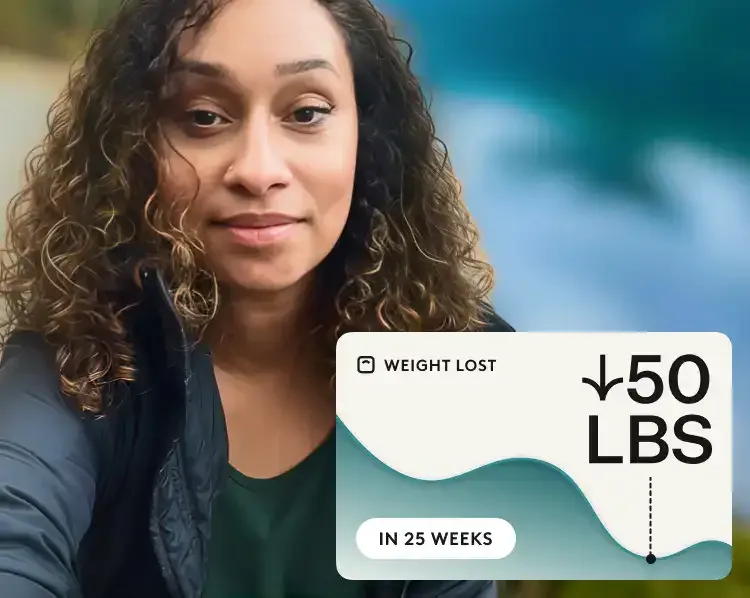
“My favorite parts of Noom are the care team and other Noomers. Sharing and getting help made me feel like I wasn’t doing it alone. That support made all the difference.”
Desirea N. — Real Noom user
Matthew M. — Real Noom user
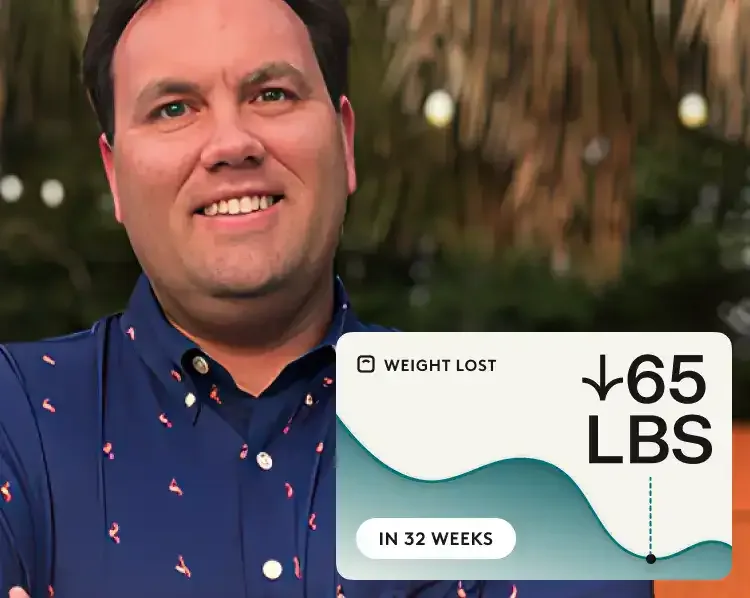
“Noom has taught me that every day is a new chance to make better, healthier choices. It's taught me how to stop overeating.’’
Matthew M. — Real Noom user
Lila M. — Real Noom user
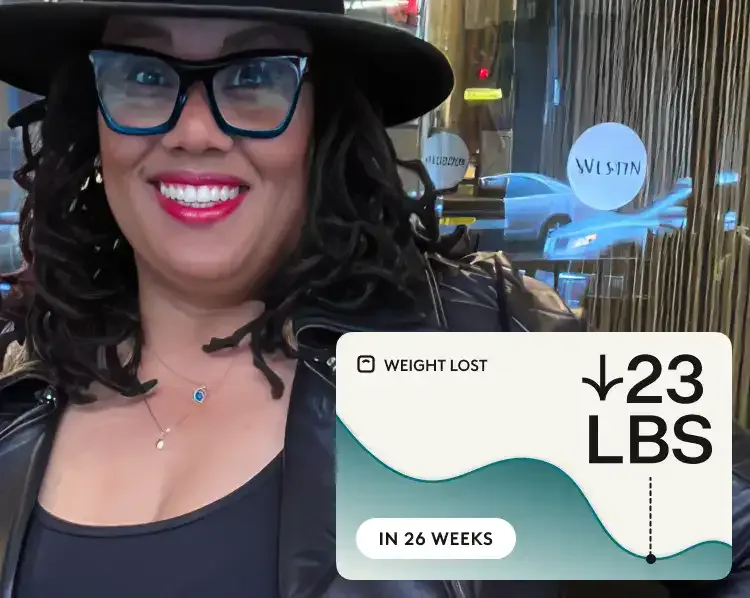
“Clinicians who understand how supportive medication can be is one of the best parts of Noom! I was convinced I wouldn’t have success but I’m down 11 pounds in two months.’’
Lila M. — Real Noom user
Steve M. — Real Noom user
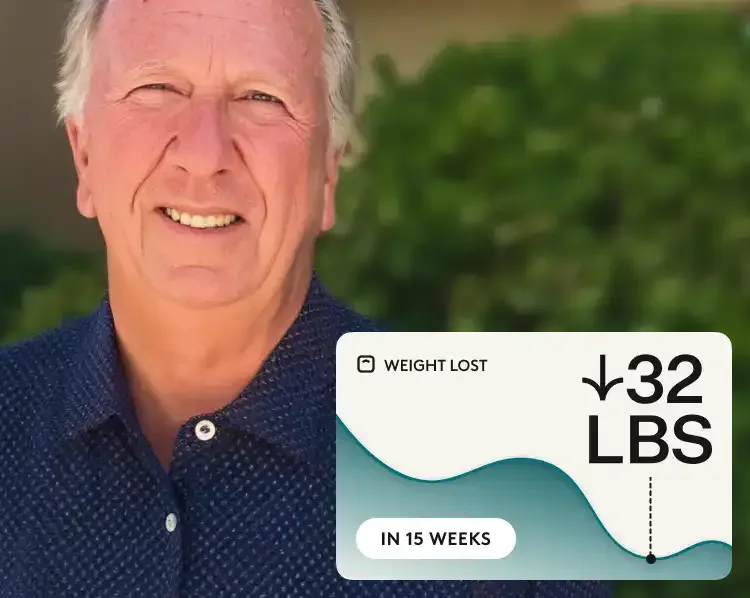
“Noom provided me with the medication which I could not get through Medicare. I have learned the tricks to better eating and life in general.”
Steve M. – Real Noom user
Daisy R. — Real Noom user
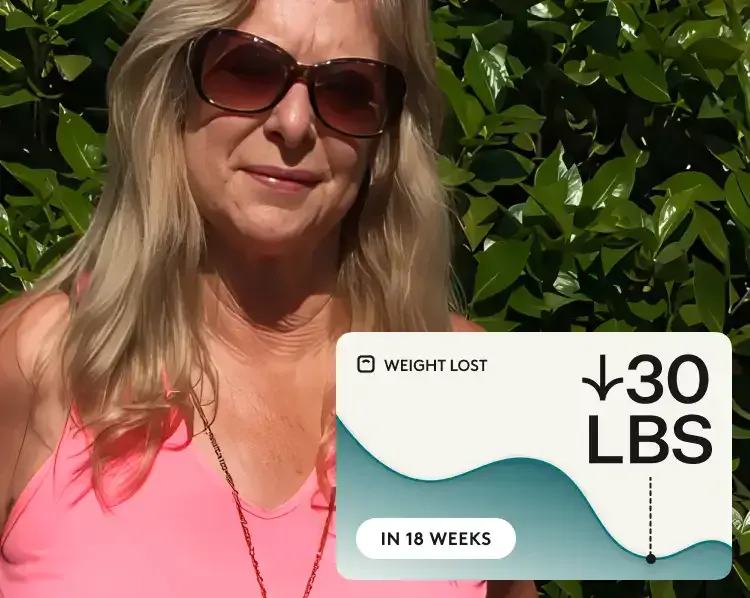
‘’Noom has changed my life and I’m so thankful, I feel great, have more energy and am no longer prediabetic.”
Daisy R. – Real Noom user
Sarah R. — Real Noom user
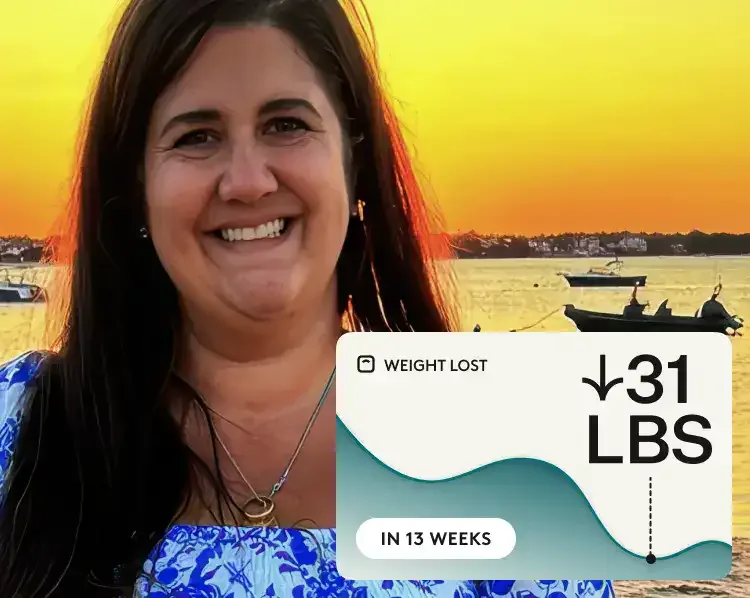
“All of the Noom providers that I’ve met with have been exceptional and prescribed medications that are appropriate for my situation and health.”
Sarah R. – Real Noom user
Madison S. — Real Noom user
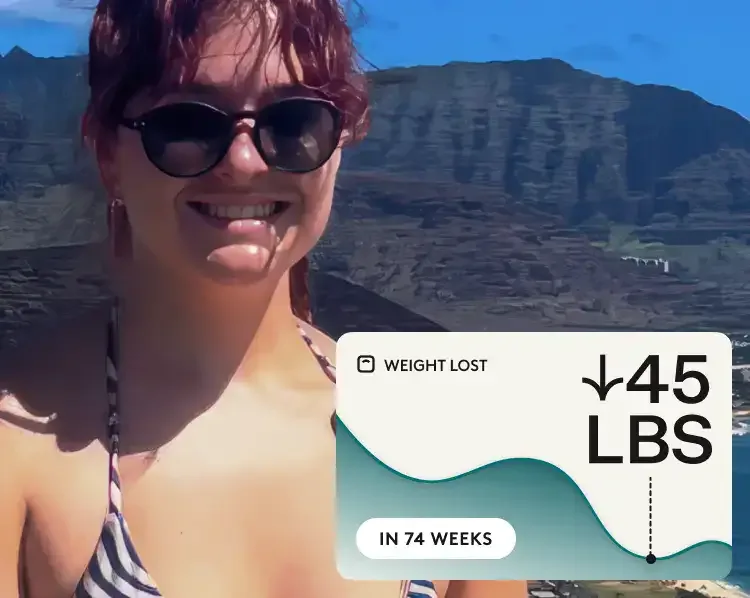
“Noom made the process so simple and now I feel full, free from diet obsession, and at ease in my body again.”
Madison S. – Real Noom user
Sonday K. — Real Noom user
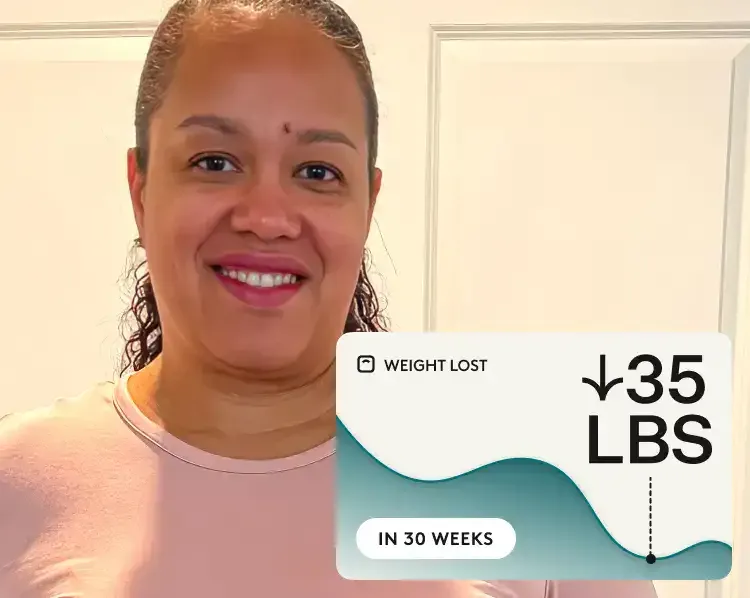
“My doctor recommended Noom after I was frustrated trying to lose weight. The lessons helped change my relationship with food. My body feels lighter & energized.”
Sonday K. – Real Noom user
Cam K. — Real Noom user
“I built healthy habits with coaching and lessons that make me confident I can maintain my weight loss long term.”
Cam K. – Real Noom user
Laura TR. — Real Noom user
“With the right medication through Noom, hunger and sugar cravings finally quieted and I have the tools to break the cycle.”
Laura TR. – Real Noom user
Jessica S. — Real Noom user
“Cravings and food noise are gone, I finally feel confident in the healthy habits I’ve built to last with Noom.”
Jessica S. – Real Noom user
The bottom line: The right Zepbound® maintenance dose is personalized
Finding the right Zepbound® maintenance dose is about balance. The goal is to use the lowest weekly dose that keeps your weight and appetite steady while side effects remain manageable, while also combining the medication with the sustainable lifestyle changes, like a healthy diet and regular exercise, that you cultivated while using Zepbound®.
Regular check-ins with your healthcare provider matter. They help you spot trends early and adjust before small changes turn into setbacks. To get the most out of those conversations, it can help to ask:
- Which maintenance dose makes the most sense to try first?
- How will we track whether it’s working over time?
- When would a dose change be appropriate?
Having a clear plan keeps maintenance from feeling uncertain or reactive.If you get your medication through Noom Med, you’ll have ongoing guidance through your Care Team. Through personalized medical care, behavior coaching, and the GLP-1 Companion, Noom Med helps you turn short-term progress into long-term habits, so maintaining your results feels sustainable.
Editorial standards
At Noom, we’re committed to providing health information that’s grounded in reliable science and expert review. Our content is created with the support of qualified professionals and based on well-established research from trusted medical and scientific organizations. Learn more about the experts behind our content on our Health Expert Team page.