
What you’ll learn:
- Lemon water doesn’t directly cause weight loss, but replacing sugary drinks with it can help reduce calories and support hydration.
- Most of lemon water’s benefits come from drinking more water, while the lemon itself provides a modest amount of vitamin C and flavor with very few calories.
- The biggest advantage may be behavioral—simple routines like drinking lemon water can help reinforce healthier daily habits over time
Lemon water has become one of those simple wellness habits that seems almost too easy to question. Scroll through social media, and you’ll see claims that it boosts metabolism, helps you lose belly fat, detoxes your liver, and more. Some say it works even better if it’s warm and sipped first thing in the morning. It helps that it’s inexpensive and accessible—especially in a world full of complicated health advice and expensive supplements.
But “lemon water” isn’t one exact formula. For some people, it’s a quick squeeze into a cold glass of water. For others, it’s half—or even a whole—lemon juiced into warm water before coffee. The amount of lemon changes the flavor, acidity, and vitamin C content. Temperature changes the experience. What it doesn’t dramatically change is the overall nutrition: even with a full lemon, it remains a very low-calorie drink with a modest dose of vitamin C.
Rx weight loss, the right way, with Noom
Get access to prescription weight loss medication with Noom.Microdose GLP-1s
Wegovy®

Ozempic®

Metformin

Zepbound®
Mounjaro®
Liraglutide
Vitamin C itself does play real roles in the body. It supports immune function, acts as an antioxidant, and helps with iron absorption. Some research even suggests that adequate vitamin C status may support fat oxidation during exercise. But that’s different from saying lemon water directly causes weight loss. The amounts in a typical glass are helpful—not transformative.
That doesn’t make lemon water meaningless. Hydration plays a bigger role in appetite regulation and daily energy than many people realize. But the real question isn’t whether lemon water is “healthy.” It’s whether it does what people claim it does—especially when it comes to weight loss.
So what are the actual benefits of lemon water? And can this habit really support weight loss?
Let’s take a closer look at what the research shows and hear from Dr. Karen Mann, MD, Noom’s Medical Director, about where lemon water fits into a realistic, sustainable weight loss plan.
What is lemon water?
Lemon water isn’t one fixed recipe. For some, it’s a quick squeeze of lemon into a cold glass of water. For others, it’s half or even a whole lemon juiced into warm water first thing in the morning. Some use bottled lemon juice for convenience; others prefer freshly squeezed. The amount of lemon, the temperature, and the timing can all vary.
What stays consistent is the basic idea: lemon juice mixed with water, usually without added sweeteners. Unlike lemonade, which contains added sugar, lemon water is typically just those two ingredients. That simplicity is part of its appeal—it adds flavor with very few calories and no added sugars.
The preparation details can change the experience and slightly change the vitamin C content. But nutritionally, it remains a low-calorie beverage with a modest contribution from the lemon itself.
Why is lemon water so popular?
Lemon water’s appeal is likely its simplicity. It’s inexpensive, easy to make, and requires no special powders, supplements, or subscriptions. It feels accessible and “natural,” which makes it an easy entry point into healthier habits for almost anyone.
- It also works as a ritual. Many people enjoy drinking it first thing in the morning, and when they talk about the benefits of lemon water in the morning, they’re often describing how it helps them feel intentional, hydrated, and ready to make better choices throughout the day. The habit itself can feel grounding, a small action that signals: I’m taking care of myself today.
- It has the benefits of vitamin C. Lemons have a strong health halo because they contain vitamin C. This nutrient is associated with improving the immune system, helping your body absorb iron, reducing inflammation, and providing antioxidant protection. These benefits reinforce the perception that lemon water is a “healthy” choice.
- It’s familiar. Fresh lemon juice shows up again and again in trending wellness drinks — from chia seed water to so-called “natural Zepbound” or “natural Mounjaro” blends to various salt-and-citrus hydration hacks. Because lemon is already embedded in so many health trends, it makes sense that a simpler version—just lemon and water—continues to gain traction.
Lemon water: Nutrition
One ounce (about 2 tablespoons) of lemon juice contains roughly 6 to 8 calories and less than 1 gram of natural sugar. It provides about 11 to 12 mg of vitamin C, which is roughly 12 to 16% of the recommended daily amount for adults.
The juice from one whole lemon—which typically yields about 2 to 3 tablespoons, depending on size—can provide approximately 15 to 18 mg of vitamin C, or about 17 to 24% of the daily recommended intake.
Beyond vitamin C, the nutritional contribution is modest. Unlike eating the whole fruit, lemon juice contains virtually no fiber and only small amounts of minerals.
Is lemon water good for weight loss?
There are a lot of bold claims about the benefits of drinking lemon water—especially around fat burning, temperature, and timing.
Lemon water can be helpful for weight loss, but not for the reasons you might think. Where lemon water can help is through simple behavioral shifts that influence calorie intake and hydration. Let’s look at the claims and see where there’s truth within the trend.
Claim 1: Lemon water burns fat.
Verdict: Not directly.
Lemon water does not contain any ingredient that has been shown to directly burn body fat. “There’s no special enzyme, acid, or vitamin in lemon juice that targets fat cells,” explains Dr. Mann. “Fat loss happens when you consistently consume fewer calories than your body uses over time.”
Lemon water can help you lose weight indirectly.
How? If unsweetened lemon water replaces higher-calorie drinks like soda, juice, sweet tea, or sugary coffee drinks, that swap can lower your overall calorie intake.
A study on people who regularly drank 200-calorie beverages found that those who swapped them for water or calorie-free drinks were about twice as likely to lose at least 5% of their body weight. The point isn’t that water burns fat—it’s that cutting liquid calories can significantly lower your daily intake.
So if lemon water helps you drink more water and fewer sugary beverages, that’s the real win. Not because lemon unlocks fat loss, but because small, sustainable swaps can shift your calorie balance over time.
Claim 2: Drinking lemon water on an empty stomach helps you lose weight.
Verdict: It might help—but not in the way people think.
There’s some evidence that drinking water before meals can increase fullness and slightly reduce calorie intake. But the effect is tied to the water itself—not the lemon.
A study on adults who drank water before eating found that they ate fewer calories than when they didn’t drink water. Another study found that drinking two glasses of water with breakfast increased feelings of fullness and reduced hunger during the meal.
That makes physiological sense. Water adds volume to the stomach, which can strengthen satiety signals and slightly lower how much you eat.
So if you drink lemon water first thing in the morning and feel a bit fuller at breakfast, that could support weight management over time. But the benefit comes from hydration and stomach volume—not from lemon “activating” fat loss on an empty stomach.
Claim 3: Warm or hot lemon water works better than cold.
Verdict: False. Temperature doesn’t change the benefits.
People often talk about the benefits of warm lemon water or claim special hot lemon water effects. But, as Dr. Mann explains, “temperature doesn’t change its nutritional value. The main benefit is increased water intake. Hydration plays a role in appetite regulation and weight management.”
There is research on drink temperature—just not in the way social media suggests. A study on cold water and metabolism found that drinking about 2 cups of cold water slightly increased resting energy expenditure because the body warms it to body temperature. But the effect was small and not meaningful for weight loss on its own.
Another study on water temperature and appetite found that very cold water before a meal modestly reduced energy intake compared to warmer water, possibly due to differences in gastric emptying. Again, the impact was modest, and the study only included 11 people.
On the other hand, there’s limited clinical evidence that warm water “activates” digestion in a unique way. Warm liquids may feel soothing, but they don’t fundamentally change metabolism.
If lemon makes water more enjoyable and encourages you to drink more, that’s a meaningful benefit.
Choose the temperature that makes the habit sustainable for you. Consistency matters far more than heat.
Claim 4: Vitamin C causes weight loss.
Verdict: It’s not a direct cause and effect.
Lemon juice provides vitamin C, which is why some people assume it may play a role in weight loss.
In a small clinical trial, people who took 500 mg of vitamin C daily for 12 weeks experienced a decrease in BMI compared to a placebo group. Another small study found that vitamin C supplementation reduced inflammatory markers in people with higher BMIs.
So how does vitamin C help? Another review adds context. It found that adults with a larger waist circumference, elevated blood glucose, and high blood pressure often have lower circulating vitamin C levels. The study explains that vitamin C’s potential benefits may stem from its antioxidant and anti-inflammatory effects. By helping reduce oxidative stress and inflammation, vitamin C could indirectly improve diseases related to weight.
But that doesn’t prove vitamin C alone causes weight loss. Many of these studies are small, and supplementation doses (like 500 mg per day) are far higher than what you’d get from lemon water. And, vitamin C isn’t acting in isolation. Calorie intake, movement, sleep, and stress all play major roles in weight regulation and inflammation.
Because lemon water contains only a modest amount of vitamin C, it’s unlikely to make a large difference in body weight on its own. Vitamin C may support overall metabolic health — but it’s one piece of a much bigger picture.
Are there other benefits of getting more vitamin C from lemon water?
Aside from weight loss, the vitamin C from lemons does have some benefits. Vitamin C has been associated with helping your body absorb iron, reducing inflammation, providing antioxidant protection, and supporting immune function. It also plays a role in collagen production, which is important for skin, connective tissue, and wound healing.
Many of these benefits are linked to getting adequate vitamin C from your overall diet or from supplementation, and the research doesn’t always show a direct cause-and-effect relationship. Lemon water can contribute to your daily intake, but the amount of vitamin C in a typical serving is relatively modest. It’s best viewed as one small piece of a nutrient-rich eating pattern — not a primary source of vitamin C or a stand-alone health solution.
Is drinking lemon water safe?
Lemon water is relatively safe for most people. Here are a few things to keep in mind:
- Watch for any digestive issues: Citrus can aggravate acid reflux and GERD; if you experience these after drinking lemon water, you may need to cut back.
- Don’t use water as a meal replacement: “Lemon water doesn’t have enough nutrition to be considered a meal replacement,” reminds Dr. Mann. It contains very few calories and almost no protein or fiber. It should complement a balanced diet, not replace it.
- Don’t take too much at a time: Too much of a good thing can upset your stomach and have other implications. Vitamin C, in excess of 400 to 2,000 mg per day, can lead to nausea, diarrhea, and kidney stones. But that’s unlikely from fresh lemon juice; be careful with supplements.
- Protect your teeth: Lemon juice is acidic, which means frequent exposure could potentially weaken tooth enamel over time. Though lemon juice is diluted in water, it shouldn’t be a problem overall. Experts suggest drinking through a straw or rinsing your mouth with plain water afterward to help reduce that risk.
Frequently asked questions (FAQs) about lemon water and weight loss
Does lemon and water help lose belly fat?
There is no evidence that lemon water itself can help you lose weight or that it specifically targets belly fat. Sustainable fat loss comes from overall calorie balance, nutrition, movement, and sustainable behavior changes. Lemon water can support those habits, but it isn’t a shortcut.
Is lemon water good for the liver and kidneys?
Lemon water doesn’t “detox” the liver—your liver already performs that function naturally. While vitamin C supports overall health, there’s no strong evidence that lemon water enhances liver detoxification in healthy people.
For the kidneys, hydration is the biggest benefit. Drinking enough fluids supports kidney function and helps prevent kidney stones. Lemon juice also contains citrate, a compound that may help reduce the risk of certain types of kidney stones in some people. Still, the primary benefit comes from staying well hydrated.
Does lime water have the same benefits as lemon water?
Yes. Lime water can help keep you hydrated and provides a similar amount of vitamin C. Lemon juice contains about 11 to 12 mg of vitamin C per ounce, while lime juice contains roughly 8 to 9 mg per ounce. Both provide modest amounts of vitamin C, but neither is a high-dose source in typical serving sizes.
The mineral content—including potassium, calcium, and magnesium—is minimal in both and not high enough to significantly affect electrolyte balance. The primary benefit of either drink still comes from hydration.
What happens when you drink lemon water for 7 days for weight loss?
Drinking lemon water for seven days is unlikely to cause dramatic weight loss on its own. You might notice slight changes if it replaces higher-calorie drinks or helps you stay more hydrated. Some people feel less bloated simply because they’re drinking more water and less soda or alcohol.
But meaningful, lasting weight loss requires consistent habits over time—not a one-week reset. Lemon water can be part of a healthy routine, but it works best as one small piece of a broader, sustainable approach.
The bottom line: Drinking lemon water can be a healthy habit, but it isn’t a magic solution
Lemon water may be a refreshing ritual that helps you drink more water, but it’s not a magic hack for weight loss. It doesn’t directly burn fat, the temperature doesn’t unlock extra metabolic benefits, and drinking it on an empty stomach doesn’t magically “activate” weight loss.
What lemon water can do is make hydration easier. If adding lemon makes plain water more appealing, you may naturally drink more throughout the day. Hydration supports digestion, circulation, temperature regulation, and appetite signals—systems that quietly influence how your body feels and functions.
It can also be a helpful swap. Replacing sugary drinks like soda, sweet tea, juice, or flavored coffee beverages with lemon water can significantly reduce liquid calories over time. Small swaps like that often matter more than people expect when they’re repeated every day.
There are also a few modest nutritional benefits. Lemon juice provides a small amount of vitamin C, which supports immune function, antioxidant defenses, collagen production, and iron absorption. The amounts in lemon water aren’t large, but they can contribute to your overall daily intake.
But the biggest benefit may actually be behavioral. Many people drink lemon water in the morning as a simple routine that signals the start of healthier choices for the day. Small habits like that can help anchor bigger patterns around hydration, meals, and movement.
Reviews from real Noom users
Desirea N. — Real Noom user
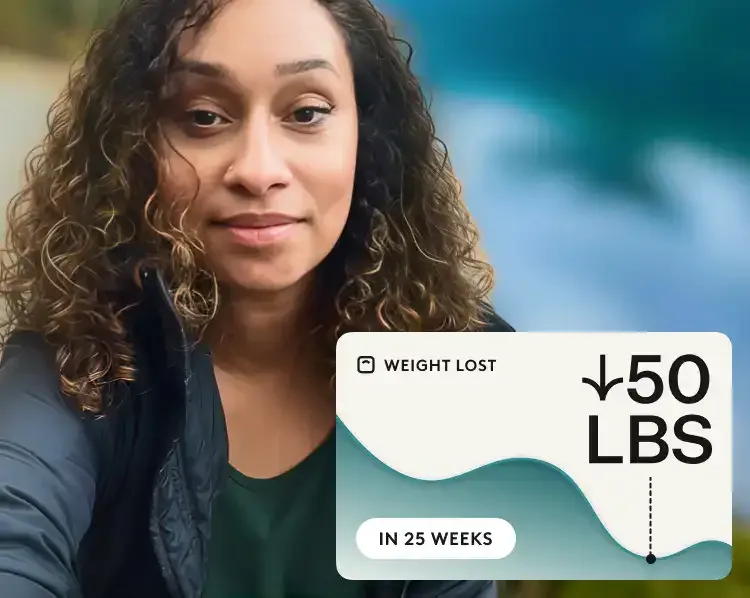
“My favorite parts of Noom are the care team and other Noomers. Sharing and getting help made me feel like I wasn’t doing it alone. That support made all the difference.”
Desirea N. — Real Noom user
Matthew M. — Real Noom user
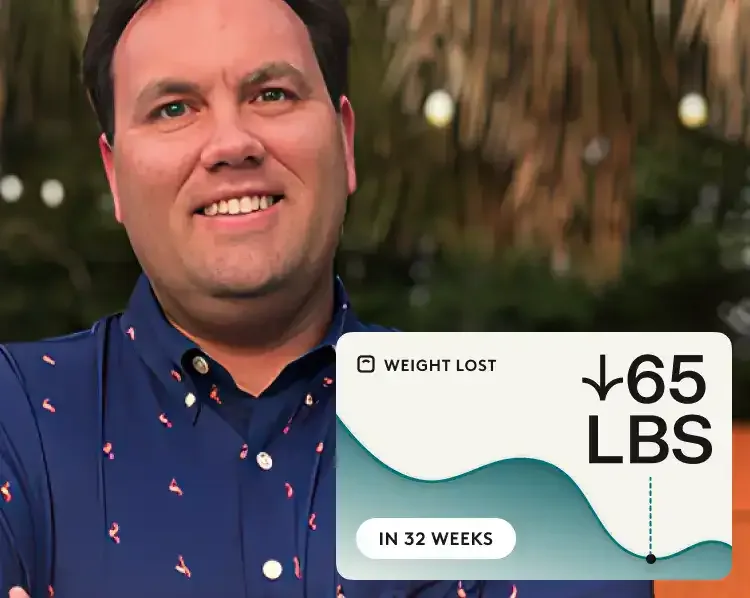
“Noom has taught me that every day is a new chance to make better, healthier choices. It's taught me how to stop overeating.’’
Matthew M. — Real Noom user
Lila M. — Real Noom user

“Clinicians who understand how supportive medication can be is one of the best parts of Noom! I was convinced I wouldn’t have success but I’m down 11 pounds in two months.’’
Lila M. — Real Noom user
Steve M. — Real Noom user
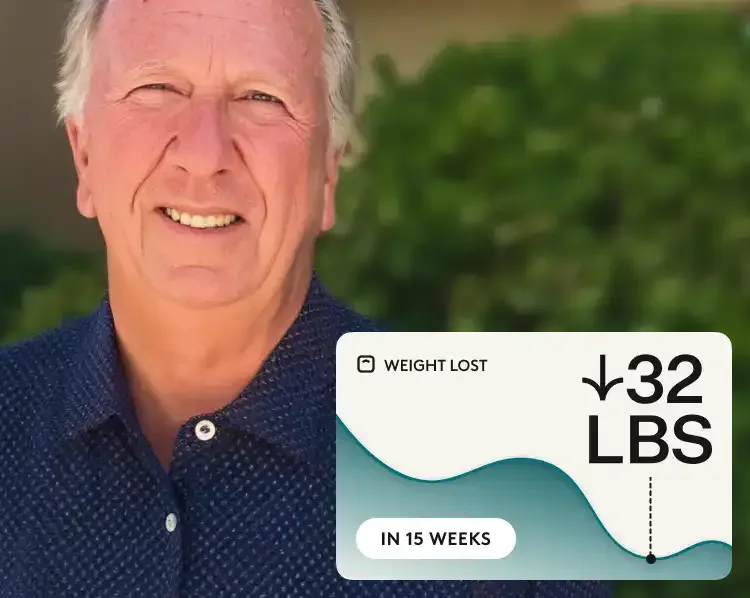
“Noom provided me with the medication which I could not get through Medicare. I have learned the tricks to better eating and life in general.”
Steve M. – Real Noom user
Daisy R. — Real Noom user
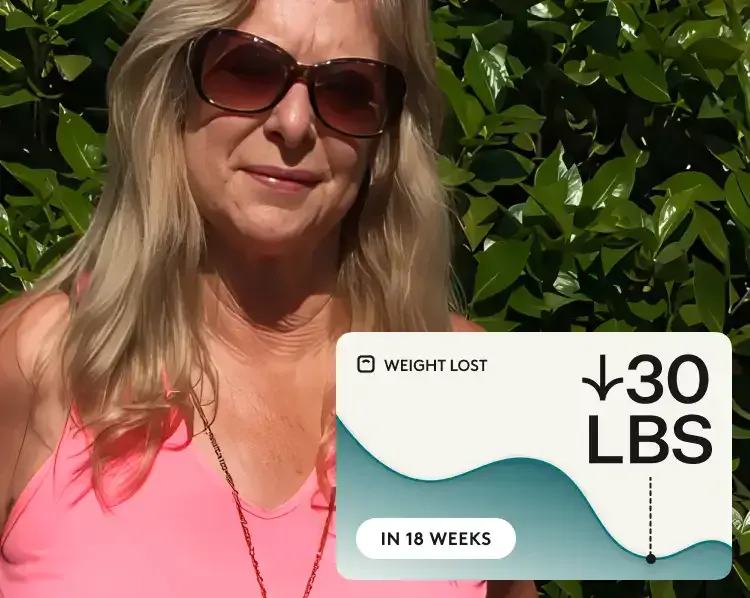
‘’Noom has changed my life and I’m so thankful, I feel great, have more energy and am no longer prediabetic.”
Daisy R. – Real Noom user
Sarah R. — Real Noom user
“All of the Noom providers that I’ve met with have been exceptional and prescribed medications that are appropriate for my situation and health.”
Sarah R. – Real Noom user
Madison S. — Real Noom user

“Noom made the process so simple and now I feel full, free from diet obsession, and at ease in my body again.”
Madison S. – Real Noom user
Sonday K. — Real Noom user
“My doctor recommended Noom after I was frustrated trying to lose weight. The lessons helped change my relationship with food. My body feels lighter & energized.”
Sonday K. – Real Noom user
Cam K. — Real Noom user
“I built healthy habits with coaching and lessons that make me confident I can maintain my weight loss long term.”
Cam K. – Real Noom user
Laura TR. — Real Noom user
“With the right medication through Noom, hunger and sugar cravings finally quieted and I have the tools to break the cycle.”
Laura TR. – Real Noom user
Jessica S. — Real Noom user
“Cravings and food noise are gone, I finally feel confident in the healthy habits I’ve built to last with Noom.”
Jessica S. – Real Noom user
The benefit from lemon water comes from drinking more water, replacing higher-calorie beverages, and building consistent habits that support your health.
Real, lasting weight loss comes from small, realistic shifts in your daily eating and lifestyle patterns—changes you can actually maintain.
If you’re looking for more healthy habit strategies, explore the Noom app on iOS & Android. Instead of rigid rules or food guilt, Noom focuses on building awareness. When you understand how different foods affect your hunger, satisfaction, and habits, you can make choices that feel balanced—and build changes that last.
Editorial standards
At Noom, we’re committed to providing health information that’s grounded in reliable science and expert review. Our content is created with the support of qualified professionals and based on well-established research from trusted medical and scientific organizations. Learn more about the experts behind our content on our Health Expert Team page.