
What you’ll learn:
- Jelly Roll lost over 200 pounds by addressing insulin resistance, rebuilding his relationship with food, and committing to slow, sustainable habits.
- Walking before running, prioritizing protein and volume, and staying consistent mattered more than extreme workouts or restriction.
- His experience shows that weight loss is highly individual—some people need medication support, while others succeed through biology-informed lifestyle changes.
Celebrity weight-loss stories tend to spark curiosity—not just because the changes can be dramatic, but because they hint at what might be possible. When someone in the public eye talks openly about what actually changed, the story can feel relatable, grounded, and motivating. Jelly Roll—real name Jason DeFord—is one of those examples.
Over the past several years, the country–hip-hop artist has become a powerful case study in what slow, sustainable change really looks like. He’s been candid about how complicated his relationship with weight has been since childhood, including how his nickname came from comments about his size. He’s also spoken openly about food addiction, emotional eating, and using substances to cope—experiences many people quietly navigate, often without support.
Rx weight loss, the right way, with Noom
Get access to prescription weight loss medication with Noom.Microdose GLP-1s
Wegovy®

Ozempic®

Metformin

Zepbound®
Mounjaro®
Liraglutide

Losing more than 200 pounds over roughly a decade is an incredible physical achievement. But what makes Jelly Roll’s story stand out is what shifted underneath it: a deeper understanding of his biology, a more honest relationship with food, and the mental work required to break long-standing patterns.
Ahead, we’ll look at how long his weight loss took, what he changed, the meals that helped him stay consistent, and what he’s shared about movement, mental health, and medication. We’ll also hear from Dr. Karen Mann, Noom Medical Director, to separate fact from fiction around weight loss and GLP-1 medications—and explain why no single path works for everyone.
How did Jelly Roll lose weight?
Jelly Roll’s weight loss journey unfolded in a very relatable way: slowly, with setbacks, restarts, and a lot of self-reflection. He’s shared that he first attempted to lose weight in 2015, when he weighed over 500 pounds.
One of his earliest wake-up calls came during a doctor’s visit, when the office scale couldn’t accommodate him and he was told he’d need to visit a truck stop or meat processor to get an accurate weight. He’s described the moment as deeply embarrassing—but also motivating. In the years that followed, he made healthier choices and lost nearly 200 pounds.
But progress didn’t move in a straight line. The demands of touring—late nights, inconsistent schedules, and easy access to fast food—made consistency difficult, and he eventually regained about 60 pounds.
By 2022, something shifted again. According to interviews, Jelly Roll began focusing less on dramatic changes and more on small, sustainable habits, like moving more, choosing higher-protein meals, and adjusting his daily routines. Around the same time, he was diagnosed with multiple heart issues—a moment he’s described as a turning point. Improving his health became about more than weight loss; it became about staying alive and present for the people he loves.
Jelly Roll’s biggest changes: Why the weight loss finally stuck
One of the biggest turning points in Jelly Roll’s weight loss came when he stopped guessing and started testing. After years of being told he was “pre-diabetic,” more detailed blood work revealed something earlier labs had missed: extremely high insulin levels. On The Joe Rogan Experience, he shared that his insulin was more than eight times higher than normal—helping explain why fasting and calorie control alone barely moved the scale.
Instead of jumping straight to GLP-1 medications—which he chose to avoid due to concerns about acid reflux and vocal health—he worked with clinicians to lower insulin gradually through close monitoring, lifestyle changes, and a low dose of metformin. As his insulin, A1C, inflammation markers, and vitamin levels improved, weight loss became more predictable and sustainable.
Just as important was a shift toward radical honesty and structure around food. Jelly Roll has spoken openly about breaking long-standing patterns of self-deception—minimizing portions, brushing off “little cheats,” and avoiding accountability. With consistent support, he focused on large, satisfying meals built around protein and volume, rather than restriction. That approach helped him stay consistent on tour and reduced the binge–guilt cycle that had repeatedly derailed him.
The final—and most transformative—change was mental. Through therapy, Jelly Roll learned to interrupt binge-eating patterns in real time, stepping away from trigger environments and questioning the emotional story driving the urge to eat. By separating physical hunger from stress, avoidance, and long-standing shame, food became fuel rather than a coping tool. Combined with gradual movement, improved hormone balance, and emotional work, weight loss became a byproduct of broader healing—not the sole focus.
Jelly Roll’s diet plan: Meals and snacks
From what he’s shared, Jelly Roll doesn’t follow a rigid or restrictive diet. Instead, he centers his meals around familiar comfort foods that have been made more nourishing—an approach that helps him stay satisfied, especially while touring. On a typical day on the road, he said he eats two main meals and one intentional snack, rather than grazing throughout the day or just grabbing something without thinking.
To make that routine easier to maintain, Jelly Roll works with a nutrition coach and a private chef. That support gives him structure during busy tour days and helps him avoid relying on late-night fast food. He gravitates toward foods he genuinely enjoys, like light-volume, protein-forward dishes that keep him full, which he says makes the lifestyle feel sustainable rather than overwhelming.
When it comes to snacking, Jelly Roll has emphasized choosing options that let him satisfy the urge to munch without triggering a binge. On The Joe Rogan Experience, he shared that berries like raspberries and blueberries became a go-to, since he could eat a large portion before calories added up. He also leans on very low-calorie, high-volume foods—like celery, radishes, and pickles—when he wants something crunchy or salty. These choices help him manage food noise, stay within his goals, and avoid the cycle of restriction and rebound that once made consistency difficult.
Jelly Roll’s favorite weight loss recipes
Jelly Roll has shared several of his go-to meals online, offering a glimpse into how he fuels up before and after shows while keeping food enjoyable.
Based on an Instagram meal breakdown, a typical concert day looks like this:
- Pre-show snack: Sliced banana with a drizzle of manuka honey and a sprinkle of dark chocolate sweetened with stevia.
- Post-show meal: Air-fried chicken breast coated in potato and rice flour and finished with hot sauce. His chef often pairs it with french fries that are boiled in bone broth for added protein, then air-fried for crispiness.
He’s also highlighted other lightened-up comfort foods that fit this same approach:
- Protein-topped hash browns: Hash browns cooked in beef tallow and crisped in the air fryer, topped with chicken sausage, bell peppers, and bone broth, then finished with a spoonful of sauerkraut for tang and probiotics.
- French fries with savory protein: Air-fried potatoes layered with shredded chicken thighs cooked in bone broth and sliced chicken sausage.
Together, these meals reflect Jelly Roll’s overall approach to eating: comfort foods aren’t off-limits—they’re simply adjusted to be higher in protein, more nourishing, and easier to fit into everyday life. That built-in satisfaction is what makes the habits stick over time.
Jelly Roll’s exercise routine
Movement became one of Jelly Roll’s most powerful outlets—something that helped him both physically and emotionally. But his routine didn’t begin with long runs or intense workouts. It started small, simple, and doable.
What began as daily steps eventually turned into running two to three miles a day—a milestone he once believed was out of reach. That evolution is part of what makes his journey relatable: progress didn’t come from loving exercise—it came from staying consistent long enough for his body to catch up.
Jelly Roll explained that the foundation was a commitment to 10,000 steps a day, using walking as a way to reconnect with his body and clear his mind. What started as a manageable habit slowly built momentum, eventually turning into light jogs and longer runs.
He shared a striking comparison from his own journey: not long ago, he couldn’t make it up a flight of stairs without stopping, yet recently he and a training partner completed a 10K run together. That progression—from struggling with basic movement to tackling a distance race—highlights how consistency and patience can dramatically expand physical capacity over time.
Did Jelly Roll use GLP-1s to lose weight?
Jelly Roll has been open about choosing not to use GLP-1 medications like Wegovy or Zepbound. His decision wasn’t ideological—it was personal. In his case, doctors believed that insulin resistance was the main barrier to weight loss, something GLP-1 medications can help address for many people, even though he ultimately chose a different path.
One of his concerns was gastrointestinal side effects, particularly acid reflux, which can be especially problematic for singers. Acid reflux and digestive symptoms are among the known side effects of GLP-1 medications, and for some people, they’re uncomfortable enough to make the medication a poor fit.
“One potential side effect of GLP-1s is acid reflux, which can be uncomfortable enough that some people decide it isn’t the right option for them,” says Dr. Mann. “When acid reaches the throat, it can irritate and inflame the vocal cords, which may affect the voice.”
Importantly, Jelly Roll has been clear that his choice isn’t a judgment on anyone else’s. Dr. Mann echoes that perspective: “For many people, weight challenges are rooted in biology. Eating less and moving more doesn’t always lead to meaningful weight loss, even when someone is doing everything right. That’s why this class of medications has made a significant difference for so many people—but the decision to use them is highly individual.”
For people whose bodies strongly resist weight loss, or who struggle with persistent food noise, GLP-1 medications can be a powerful support, especially when lifestyle changes alone haven’t been enough.
Jelly Roll’s pace: Slow and steady
One reason Jelly Roll’s journey resonates with so many people is the pace. His change took years, not months. Slow progress often feels less glamorous, but it’s far more realistic—and far more likely to last.
He regularly highlights the basics people often dismiss as too simple:
- getting outside
- drinking water
- moving your body
- sleeping more
- reducing stress
These foundational habits anchored everything else. Jelly Roll was candid about how difficult the early stages were—especially movement. He said walking was miserable at first and offered no immediate reward. But as his weight dropped and breathing became easier, something shifted. What started as uncomfortable daily walks eventually turned into jogging, running, and even racing with friends.
That progression underscores an important point: motivation didn’t come first—capacity did. By staying patient through the hardest phase, Jelly Roll allowed consistency to build naturally. Over time, those “simple” habits became the engine that supported his weight loss, health improvements, and long-term momentum.
Jelly Roll’s weight loss: The mental health connection
Jelly Roll has been open about how closely he believes weight and mental health are linked. He’s described compulsive eating through the lens of addiction—something he understands deeply after years of using food, alcohol, and other substances as a way to cope. When he began losing weight, he realized he couldn’t just change what he ate—he had to change the emotional patterns and stories driving those choices.
Rather than relying on willpower, Jelly Roll turned to therapy to break the binge-eating cycle. He explained how he learned to interrupt urges in real time. He learned to physically step away from trigger environments like the pantry, questioning what emotion or stressor brought him there, and reconnecting with the present moment before deciding what to do next. This process helped him separate physical hunger from stress, avoidance, and long-standing shame.
Addressing his health also meant giving up substances he once relied on, rebuilding trust with his body, and replacing old coping mechanisms with more supportive ones, including running, meditation, and structured meals. Over time, food stopped being his primary emotional outlet.
And those changes didn’t just show up on the scale. In a podcast episode of The Pivot, he shared how his progress strengthened his marriage, boosted his confidence, and improved daily functioning. The physical transformation was visible—but the emotional clarity, self-control, and renewed sense of agency were just as meaningful, and ultimately made the weight loss sustainable.
Expert take: Is Jelly Roll’s routine sustainable?
One of the most encouraging parts of Jelly Roll’s journey is the pace. His transformation took years, not months—and that timeline matters. He’s shared that focusing on mindset helped unlock meaningful non-scale victories, including better sleep, improved intimacy, more confidence, and clearer thinking. Over time, those changes became just as important as the weight loss itself.
“Jelly Roll’s approach lines up with many of the same principles we emphasize at Noom,” says Dr. Mann. “Slow, steady behavior change—supported by nourishing food, consistent movement, and accountability—is what research shows leads to lasting results.”
Jelly Roll has also described how reframing his habits made a difference. Once he stopped seeing daily choices as punishments and started treating them as commitments to himself, momentum built naturally. As Dr. Mann puts it, “I love to see a public figure embracing gradual, sustainable weight loss. Small, consistent behaviors compound over time and eventually become part of someone’s identity.”
Ultimately, Jelly Roll’s transformation is more likely to last because it’s rooted in flexibility, self-awareness, and routines he can maintain anywhere—not extremes or short-term fixes. That foundation is what supports real, long-term success.
Frequently asked questions about Jelly Roll’s weight loss
How much weight did Jelly Roll lose?
He has shared that he lost 200 to 250 pounds between 2022 and 2025. What makes his story compelling is the pace—it wasn’t fast. And for many people, slow progress is exactly what sticks.
How much did he weigh before losing weight?
Jelly Roll said he weighed around 560 pounds at his highest. That moment was a wake-up call for him—one that many people can relate to when thinking about their own health.
How did Jelly Roll lose weight?
Jelly Roll’s weight loss came from many small, consistent choices rather than one dramatic change. He has shared that regular running—sometimes up to two or three miles a day—played a role, along with eating higher-protein meals, that helped him feel fuller.
While touring, he worked with a nutrition coach and a chef to support healthier eating, and he also cut back on alcohol and eliminated recreational drugs. Alongside these lifestyle changes and addressing the emotional and psychological patterns connected to food.
What weight-loss drug did Jelly Roll take?
He didn’t take one.
He said he chose not to use GLP-1 medications because he worried about side effects. He specifically didn’t want acid reflux to affect his vocal cords and hold him back from singing.
But he has also been clear: he respects people who do choose medication. Everyone’s body and experience are different.
Did Jelly Roll have weight loss surgery?
No. He has stated that he did not undergo weight-loss surgery, even though he lost hundreds of pounds. He lost this weight through lifestyle changes, diet, exercise, and commitment. This weight loss has taken years because he did it slowly and steadily.
When did Jelly Roll start his weight-loss journey?
He first attempted to lose weight in 2015. His most significant progress began in 2022, when he embraced more sustainable habits. In his latest interviews in 2025, he says he’s lost more than 200 pounds and is feeling better both physically and mentally.
The bottom line: Jelly Roll’s weight loss comes from sustainable habit changes
Jelly Roll’s weight-loss journey wasn’t driven by a single diet, workout plan, or quick fix. It was shaped by slow, meaningful, doable changes that aligned with who he wanted to become—and what his body actually needed. Understanding his biology, rebuilding trust with food, addressing mental health, and committing to habits he could maintain on and off tour made the difference.
Reviews from real Noom users
Desirea N. — Real Noom user
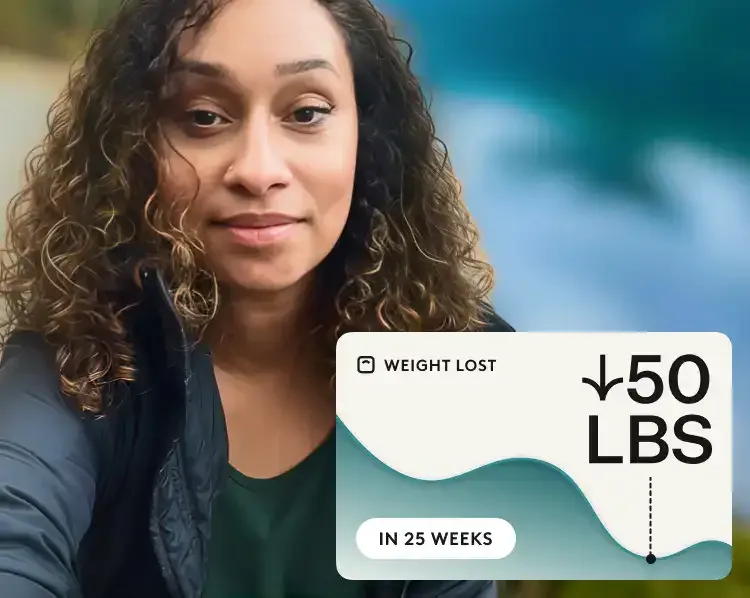
“My favorite parts of Noom are the care team and other Noomers. Sharing and getting help made me feel like I wasn’t doing it alone. That support made all the difference.”
Desirea N. — Real Noom user
Matthew M. — Real Noom user
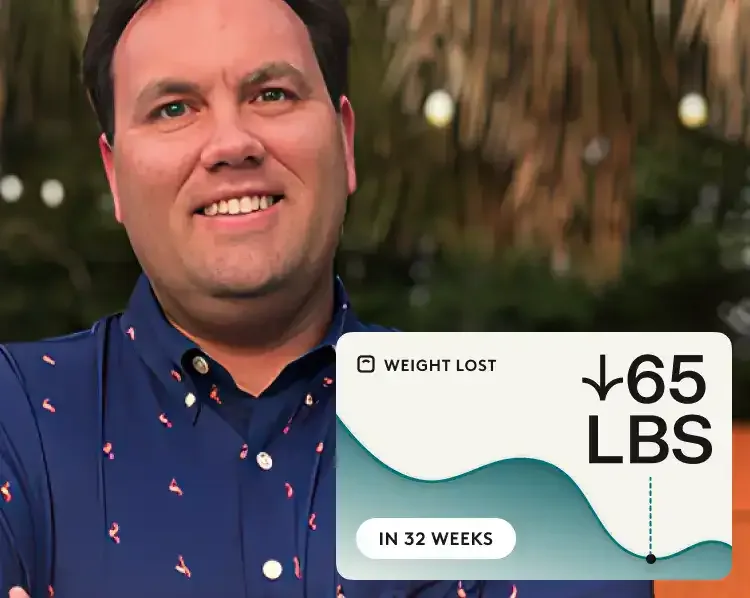
“Noom has taught me that every day is a new chance to make better, healthier choices. It's taught me how to stop overeating.’’
Matthew M. — Real Noom user
Lila M. — Real Noom user
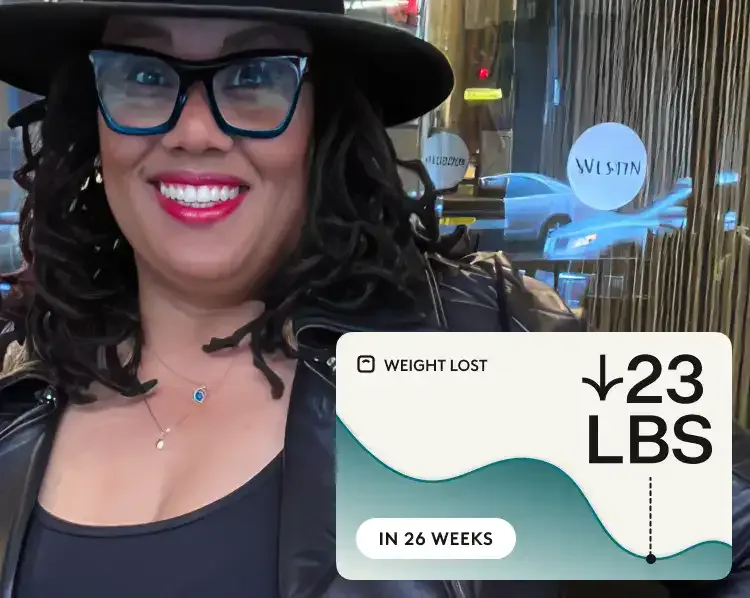
“Clinicians who understand how supportive medication can be is one of the best parts of Noom! I was convinced I wouldn’t have success but I’m down 11 pounds in two months.’’
Lila M. — Real Noom user
Steve M. — Real Noom user
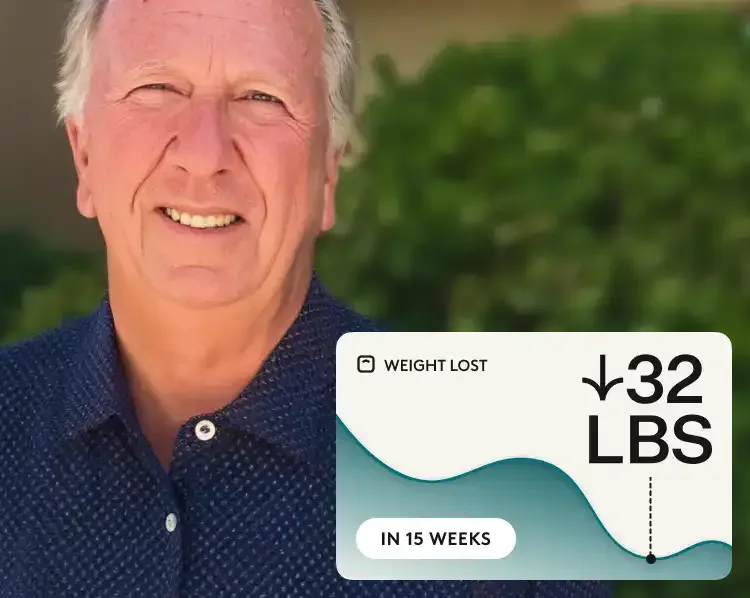
“Noom provided me with the medication which I could not get through Medicare. I have learned the tricks to better eating and life in general.”
Steve M. – Real Noom user
Daisy R. — Real Noom user
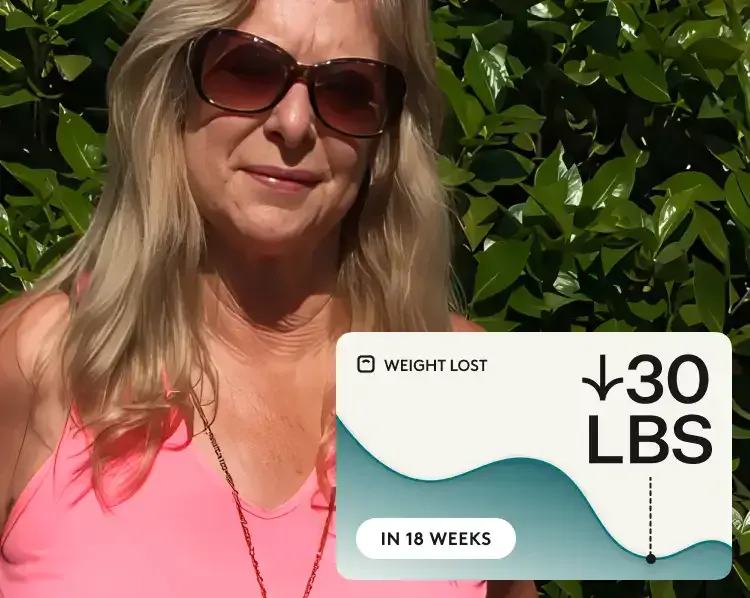
‘’Noom has changed my life and I’m so thankful, I feel great, have more energy and am no longer prediabetic.”
Daisy R. – Real Noom user
Sarah R. — Real Noom user
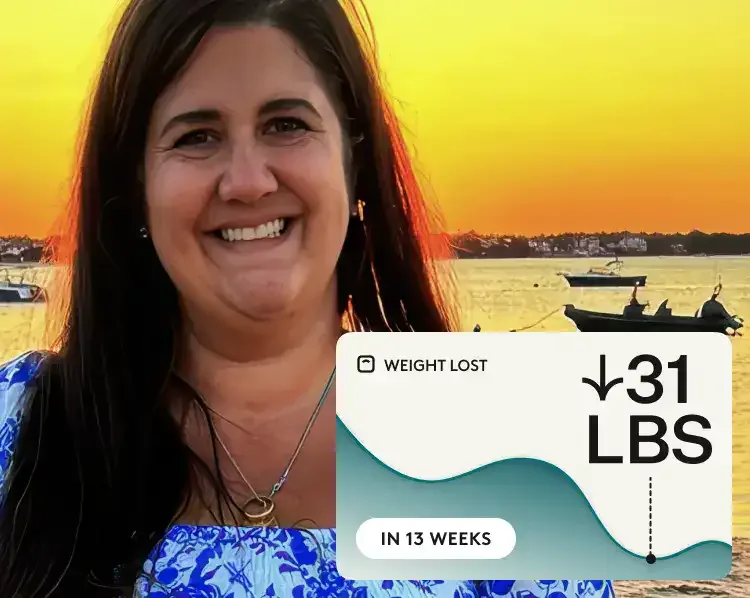
“All of the Noom providers that I’ve met with have been exceptional and prescribed medications that are appropriate for my situation and health.”
Sarah R. – Real Noom user
Madison S. — Real Noom user
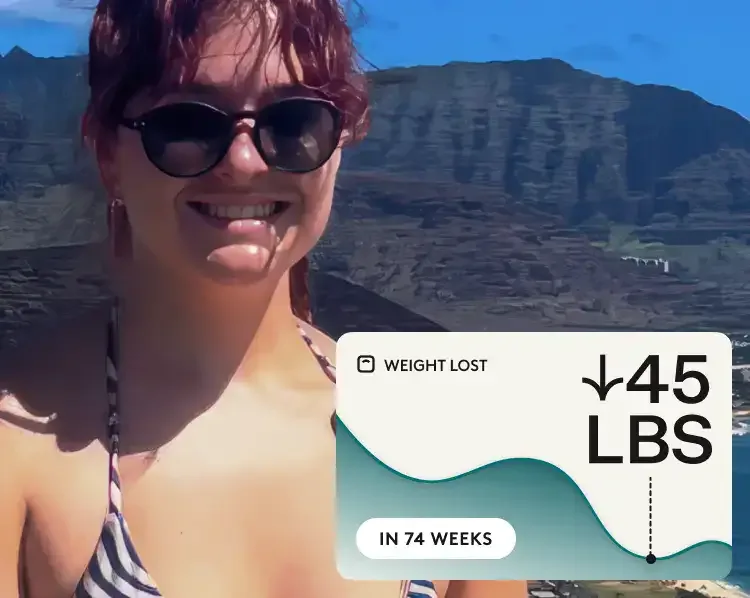
“Noom made the process so simple and now I feel full, free from diet obsession, and at ease in my body again.”
Madison S. – Real Noom user
Sonday K. — Real Noom user
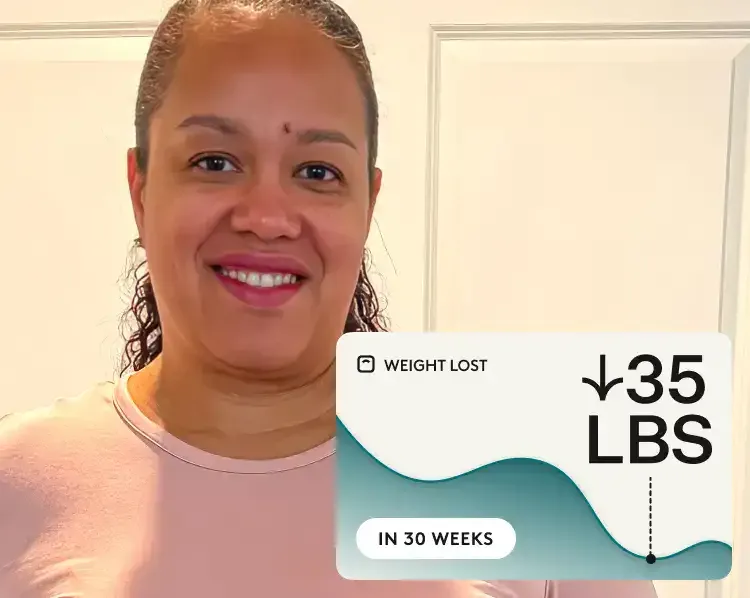
“My doctor recommended Noom after I was frustrated trying to lose weight. The lessons helped change my relationship with food. My body feels lighter & energized.”
Sonday K. – Real Noom user
Cam K. — Real Noom user
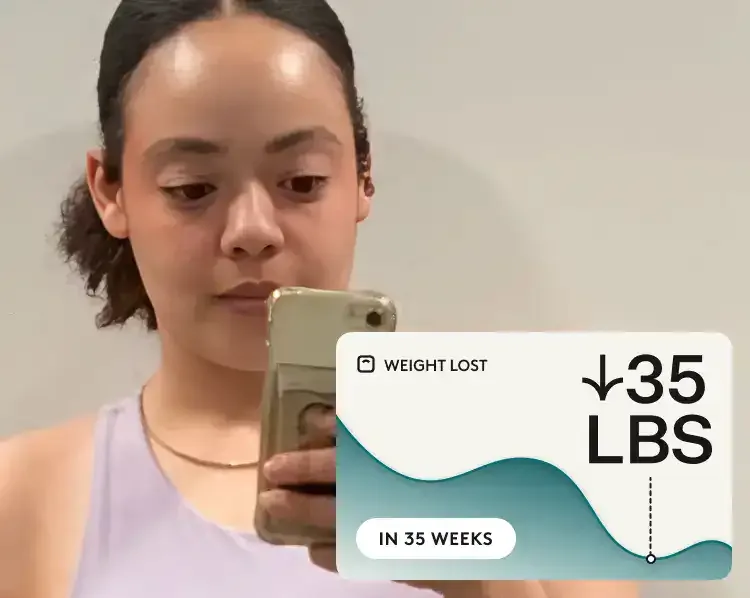
“I built healthy habits with coaching and lessons that make me confident I can maintain my weight loss long term.”
Cam K. – Real Noom user
Laura TR. — Real Noom user
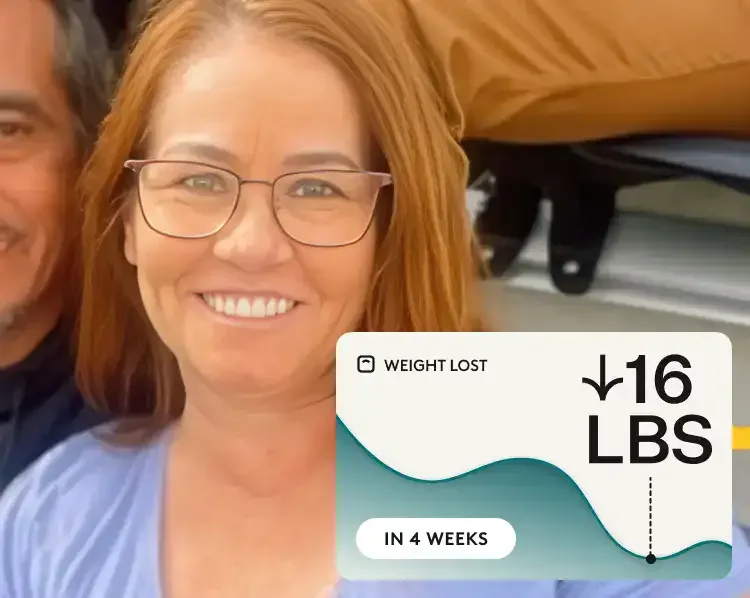
“With the right medication through Noom, hunger and sugar cravings finally quieted and I have the tools to break the cycle.”
Laura TR. – Real Noom user
Jessica S. — Real Noom user
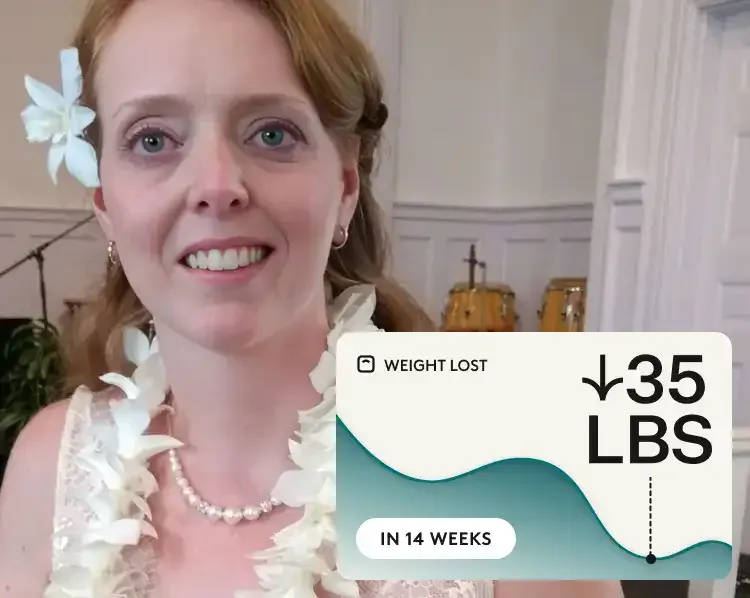
“Cravings and food noise are gone, I finally feel confident in the healthy habits I’ve built to last with Noom.”
Jessica S. – Real Noom user
He didn’t rely on medication or surgery, but that doesn’t make his path a blueprint for everyone. Weight loss isn’t one-size-fits-all. For many people, biology—like insulin resistance or persistent food noise—plays a major role, and medications or other tools can be an important part of care. What matters most is finding an approach that fits your body, your health needs, and your life.
Many of the strategies Jelly Roll leaned on mirror Noom’s philosophy: small habits over extremes, emotional insight alongside nutrition, better sleep, nourishing foods, and consistency over perfection. The goal isn’t just weight loss—it’s building a foundation that supports long-term health, clarity, and quality of life.
If you’re considering making changes—physically, mentally, or both—Noom can help you use psychology and biology to create habits that last. If you want to explore whether weight loss medication might be right for you, see if you qualify for Noom Med.
Editorial standards
At Noom, we’re committed to providing health information that’s grounded in reliable science and expert review. Our content is created with the support of qualified professionals and based on well-established research from trusted medical and scientific organizations. Learn more about the experts behind our content on our Health Expert Team page.