
What you’ll learn:
- Losing weight fast, naturally, and permanently isn’t as easy as it seems.
- Food choices, exercise, sleep, and stress all affect your progress.
- Slower, steadier progress is better than chasing a faster result.
Can you really lose weight fast naturally and permanently? It’s an appealing promise—and one made by countless detoxes, supplements, and restrictive diets. But “fast,” “natural,” and “permanent” don’t always fit neatly together.
Quick changes on the scale can happen, especially when you sharply reduce calories or carbohydrates. But some of that initial change may come from water or lean tissue rather than body fat. And if the strategy feels too restrictive to continue, keeping the weight off can be difficult.
That doesn’t mean weight loss has to feel painfully slow. It means the habits behind it matter as much as the speed. Mindful eating, regular exercise, sleeping well, and stress management can make a big impact. For some people, prescription medication can also be an appropriate part of a comprehensive weight-loss plan.
We asked Dr. Karen Mann, M.D., Noom Medical Director, what it really means to lose weight fast, naturally, and permanently. Below, she shares how to approach weight loss safely, realistically, and with long-term success in mind.
Can you really lose weight fast, naturally, and permanently?
Dr. Mann: Let me break it down by claim.
Noom’s Most Powerful Program
A dual-pathway GLP-1 and behavior change for lasting results.
Fast: It depends on what you mean by “fast.” There isn’t one safe or realistic rate that applies to everyone. Your starting weight, health history, medications, age, and previous weight loss attempts can all affect how quickly your weight changes. For most people, losing 1 to 2 pounds a week is a realistic goal.
Some people lose more weight during the first few weeks of a new routine, while others see slower progress. The number on the scale can also fluctuate from day to day because of hydration, digestion, hormones, and sodium intake. The better question is whether your approach can become part of your real life.
Naturally: It can be tempting to reach for “natural” weight loss products. Words like detox, herbal, and cleanse make products seem safe and wholesome, but “natural” doesn’t always mean safe or effective. Just because something isn’t made in a lab doesn’t automatically make it harmless or healthy. The dose, frequency, and how your body reacts all matter.
For example, China Slim Tea is promoted as a natural way to lose weight quickly, but its primary ingredient is senna, a stimulant laxative. Any immediate change on the scale is more likely to reflect a loss of water and waste than body fat. Regular use can also cause dehydration, electrolyte imbalances, and laxative dependence.
Supplements may interact with medications, cause side effects, or contain ingredients that haven’t been well studied. A “natural” label also doesn’t make a restrictive diet nutritionally complete.
Even though medication isn’t always considered “natural,” these are safe and effective options for some people.
Permanently: This is an important one because keeping weight off is just as important as losing it. When people rely on methods that aren’t sustainable, like overly restrictive diets or intense short-term plans, they often slip back into old habits once the program ends. That’s when weight regain happens. True, lasting weight loss comes from developing habits and strategies that fit into your real life, not ones that feel impossible to maintain.
Rather than chasing the fastest possible result, focus on a pace that allows you to eat nourishing foods, stay active, protect muscle, and practice the behaviors you’ll need for maintenance. Slow, steady behavior change—supported by nourishing food, consistent movement, and accountability—is what research shows leads to lasting results.
What habits make weight loss more likely to last?
Dr. Mann: The most useful habits are the ones you can repeat consistently. That often means making several small, manageable changes instead of trying to overhaul your entire life at once.
Building up success over time rather than setting an unrealistic standard of perfection is more likely to motivate you, leading to long-term results.
Four areas are especially important:

The Easy Way
to lose weight and get healthy.
- Eating balanced meals built around minimally processed or whole foods
- Staying aware of portions and overall calorie intake
- Moving regularly and including strength training
- Supporting your sleep and managing stress
The key is finding what works for you. Small habits that feel sustainable will add up over time—so focus on progress, not perfection.
What should you eat to lose weight permanently?
Dr. Mann: Eat what you enjoy but aim for more minimally processed versions and fewer ultra-processed foods. That doesn’t mean every meal has to be made from scratch, or that fast-food or packaged foods are forbidden. It means regularly choosing foods that give you adequate lean protein, fiber, healthy fats, and nutrients.
A balanced plate might include:
- Lean protein: Skinless chicken and turkey, fish, eggs, low-fat dairy, tofu, legumes, and strategically used protein powders can help keep you full and preserve muscle during weight loss.
- Fruits and vegetables: Their water and fiber add volume to meals and can help you feel satisfied for fewer calories.
- Fiber-rich carbohydrates: Whole grains, legumes, fruit, and vegetables provide energy along with fiber and nutrients.
- Healthy fats: Foods such as nuts, seeds, avocado, olive oil, and fatty fish can be part of a satisfying, balanced diet.
No single food produces permanent weight loss. What matters is the overall pattern you can maintain.
What should you limit?
Another thing I like to call out with people is ultra-processed foods. Research shows that people who ate a diet higher in ultra-processed foods consumed about 500 more calories per day and gained weight compared with those who ate minimally processed foods—even though the meals they were offered were matched for calories, macronutrients, sugar, sodium, and fiber.
This doesn’t mean one ultra-processed food causes weight gain. It suggests that an overall eating pattern can influence how much you naturally eat.
In general, it’s best to limit:
- Foods with lots of calories but not much protein or fiber: Think chips, pastries, crackers, and many fast foods. You can eat a lot of calories without feeling very full, which can make it harder to maintain the calorie deficit needed for weight loss.
- High-sugar foods without much fiber: Candy, cookies, soda, and other sugary drinks can add a lot of calories without doing much to keep you full.
- Foods that are high in saturated fat: Butter, fatty cuts of meat, full-fat cheese, ice cream, and some fried foods tend to pack a lot of calories into a small amount of food. That can make portion sizes tricky when you’re trying to lose weight. And beyond weight, too much saturated fat can raise LDL cholesterol and increase your risk of heart disease.
Do you need to count calories?
Dr. Mann: You don’t necessarily have to count calories forever, but calorie awareness can help you understand your eating patterns. To lose weight, you need to consume fewer calories than your body uses over time.
That said, calorie counting isn’t perfect. It doesn’t take into account hormones, the thermal effect of food, satiety, or even the nutritional benefit what you’re eating.
And I never want counting calories to lead someone towards eating too little. Cutting calories too far can leave you hungry and tired, increase stress, and make the plan harder to sustain. It’s information, not a full plan.
Try logging your usual intake for several days without judging it. Look for patterns: Are drinks adding more calories than you realized? Do meals contain enough protein and fiber? Do you tend to eat quickly or while distracted?
Mindful eating can help here, too. Slow down, notice your hunger and fullness cues, and give your meal your attention when possible. Choosing foods with a lower caloric density can also help you feel satisfied while staying within your calorie range. The goal isn’t perfect tracking. It’s learning which choices help you feel your best.
What kind of exercise is best for losing weight and keeping it off?
Dr. Mann: The best exercise is the one that you do consistently. Walking, swimming, cycling, pickleball, hiking, and even playing with your kids or grandkids all count. You don’t need an intense workout every day for movement to benefit your health.
Cardio can help you burn calories, boost your mood, and support heart health. Strength training helps preserve and build muscle, which is especially important during weight loss.
A practical starting point is to work toward about 150 minutes of moderate activity per week. That’s roughly 20 to 25 minutes per day. If that feels like too much right now, begin with five- or 10-minute sessions and build gradually.
Include resistance exercises at least a couple of times per week if your health and mobility allow. Bodyweight movements, resistance bands, machines, and free weights can all be effective.
Walking, dancing, and other joyful movement count, too. The more you enjoy an activity, the more likely you are to keep doing it. If you’re new to exercise or have a health condition or injury, ask a qualified healthcare professional what level of activity is appropriate for you.
How do sleep and stress affect weight loss?
Dr. Mann: Restful sleep and managing stress won’t replace diet and exercise, but they can influence it.
Poor sleep can affect the hormones involved in hunger and fullness, making it harder to maintain a calorie deficit. It can also change your energy, cravings, and decision-making. In a randomized clinical trial, adults with overweight who extended their sleep reduced their daily energy intake, on average, without being instructed to change their diet.
Aim for seven to nine hours of sleep when possible. Maintain a regular sleep and wake schedule, keep your room cool, dark, and quiet, and reduce exposure to phones, tablets, and other screens before bed. Avoiding large meals shortly before bedtime may also help if eating late interferes with your sleep.
You don’t have to transform your entire evening routine at once. These five microhabits for better sleep include simple steps such as getting morning sunlight, waking up at a consistent time, charging your phone outside the bedroom, and stretching for two minutes before bed.
Access GLP-1 Weight Loss with Noom
Explore a wide range of prescription medications supported by Noom’s program.
Microdose GLP-1rx
Noom GLP-1rx
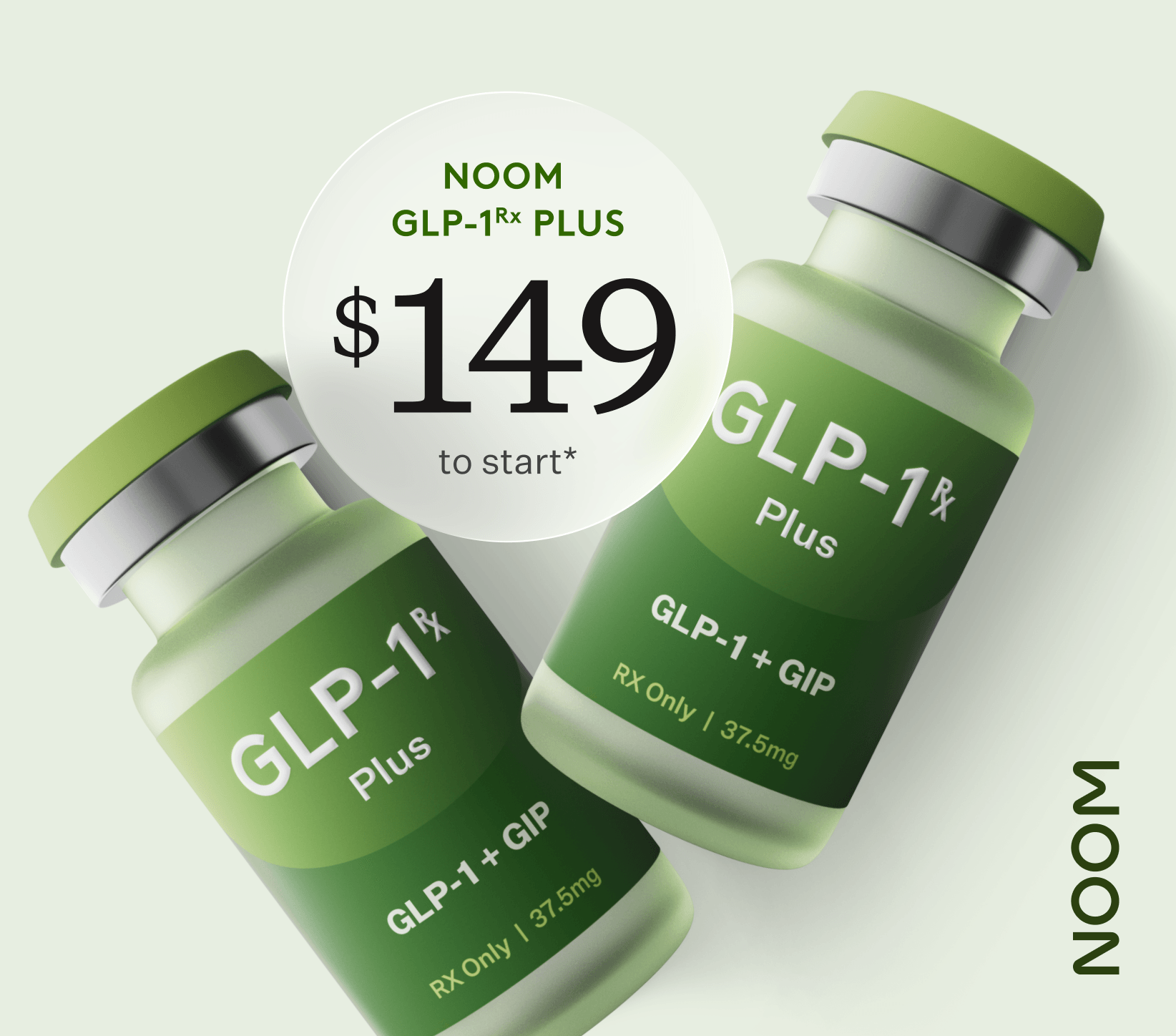
Noom GLP-1rx Plus
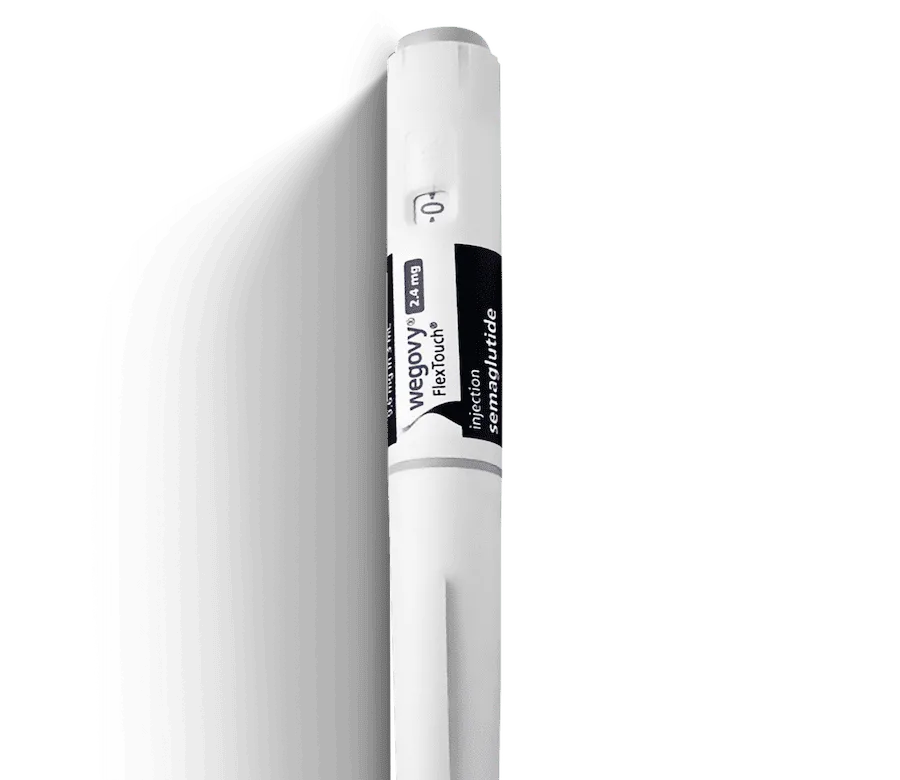
Wegovy®
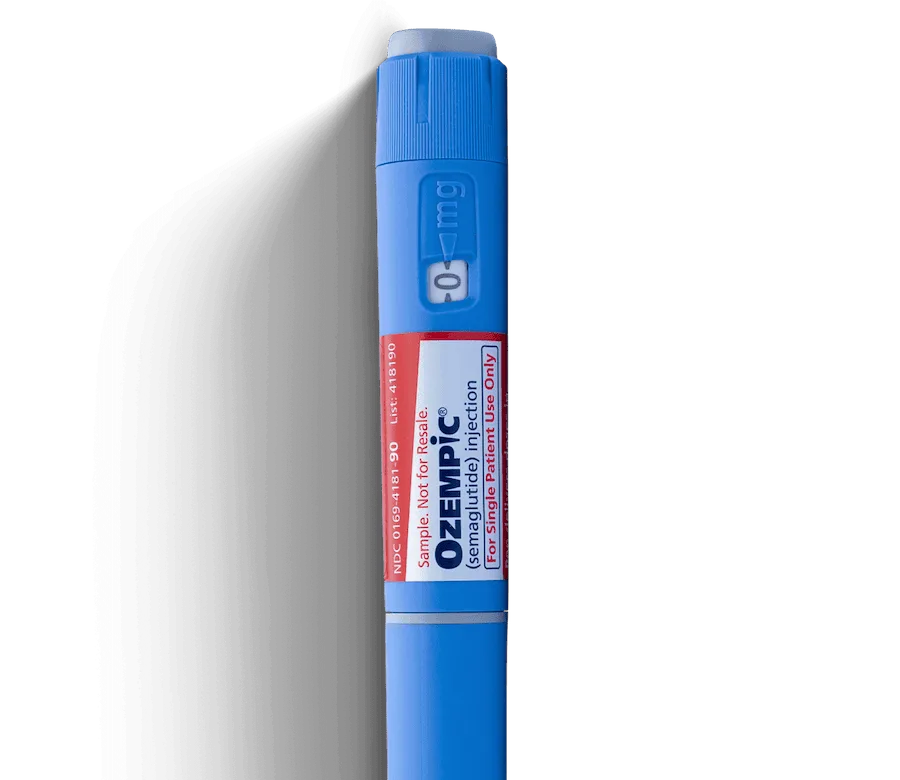
Ozempic®
Metformin
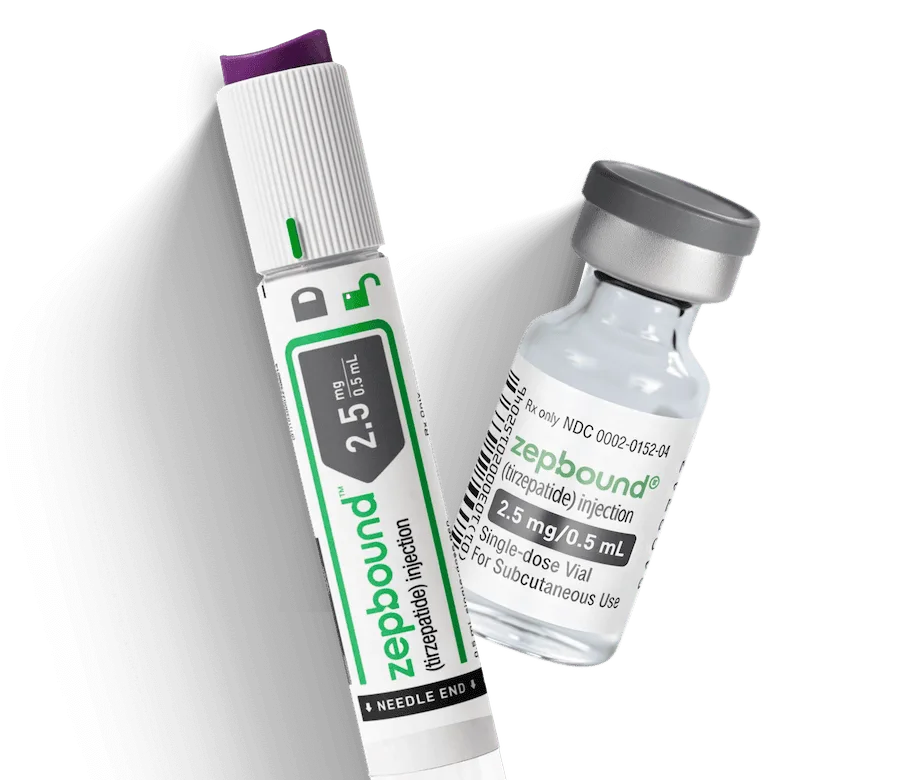
Zepbound®
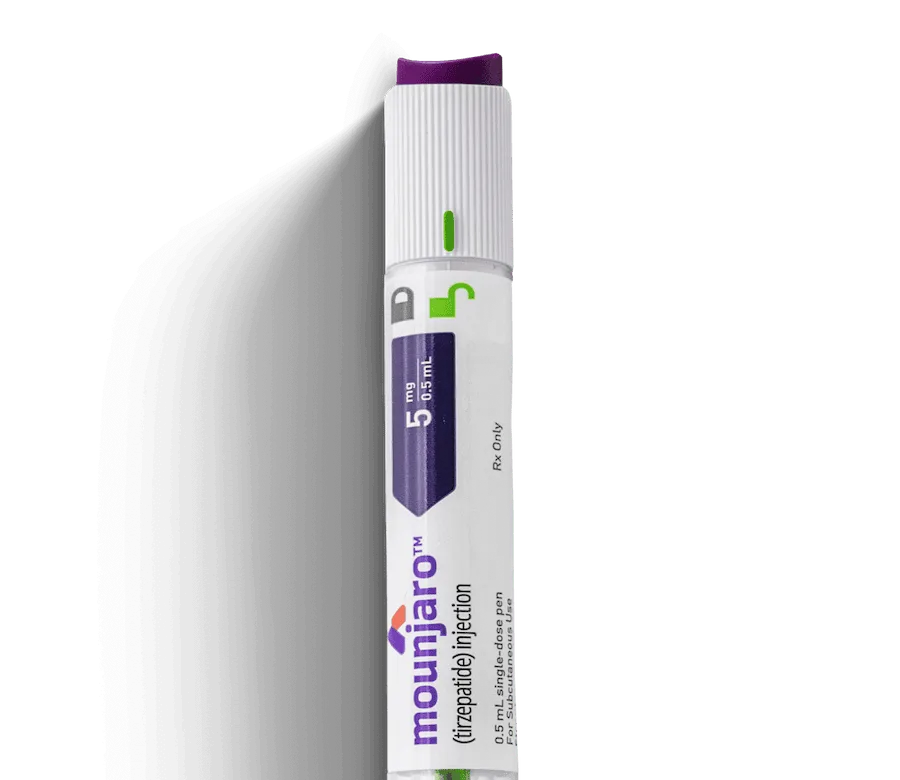
Mounjaro®
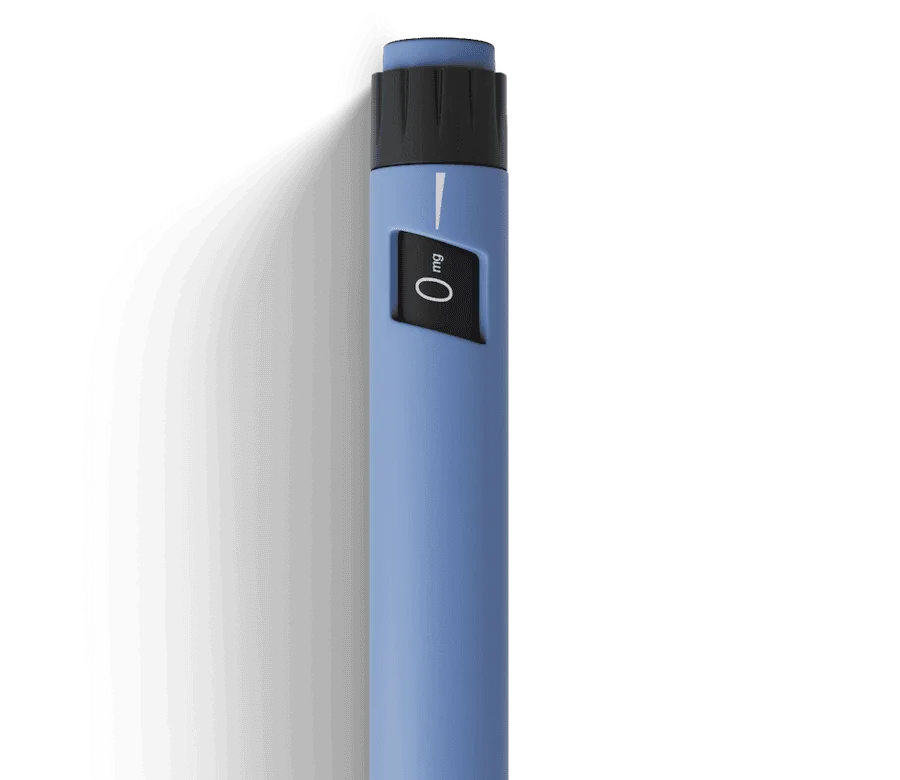
Liraglutide
Stress matters because it can make planning, cooking, exercising, and responding to hunger cues more difficult. Chronic stress can also increase cravings and contribute to emotional eating. Helpful strategies might include walking, deep breathing, journaling, meditation, talking with a friend, or practicing gentle, mindful movement to reduce stress.
You don’t have to eliminate stress before you can lose weight. The aim is to develop responses that support your health instead of expecting yourself to handle every difficult moment perfectly.
Can a natural detox or cleanse help you lose weight quickly?
Dr. Mann: A cleanse might make the scale drop temporarily, but that doesn’t make it a safe or effective strategy for lasting fat loss.
The idea of “detoxing” and “cleansing” sounds actionable and health-oriented. These words sound rooted in science, even though the body already has organs that do this work every day. The liver and kidneys are a natural detoxification system and typically don’t need any help.
Because cleanses are designed to be very low in calories, protein, and fiber, you’ll typically lose weight. But that weight is likely to come right back. More importantly, without those essential nutrients, you lose out on major food groups. It’s not an effective or safe strategy long-term.
A juice cleanse for weight loss, for example, may produce a quick change on the scale because you’re consuming very few calories and less solid food. Much of that initial change may be water rather than body fat. Juice cleanses also tend to provide very little protein, fat, or fiber—the nutrients that support fullness, muscle, and balanced nutrition.
Avoid trends that depend on severe restriction, entire food-group elimination, laxatives, or a short period of “perfect” behavior. If you can’t realistically continue the approach, it’s unlikely to help you maintain your results.
Is using weight loss medication “the easy way out”?
Dr. Mann: For some people, medication is what makes weight loss possible. It’s not a shortcut, and medication doesn’t replace healthy habits. No matter how you lose weight, balanced nutrition, activity, adequate protein, and restful sleep are the core building blocks for long-term weight management.
You might be wondering why some people truly need medication to lose weight. Body weight is influenced by biology, genetics, health conditions, medications, sleep, environment, and behavior. Lifestyle changes remain important, but they don’t produce the same results for everyone. Needing additional treatment isn’t a lack of willpower.
Prescription weight-loss medications can be appropriate for some people when prescribed and monitored by a qualified clinician. A review in JAMA found that obesity medications, when combined with lifestyle intervention, can produce clinically meaningful weight loss and improvements in some weight-related health measures.
GLP-1 medications can reduce hunger, slow stomach emptying, and help regulate blood sugar. These effects can reduce cravings and make it easier to manage calorie intake. Some GLP-1 medications may also provide health benefits beyond weight loss, depending on the specific medication and the person taking it.
These medications still require individualized medical care. They aren’t right for everyone, and eligibility, expected benefits, side effects, contraindications, and treatment goals vary.
What does “permanent” weight loss actually look like?
Dr. Mann: No method can guarantee that a person will remain at exactly the same weight forever. Bodies and circumstances change. A more realistic definition of permanence is developing the skills and support to manage your weight over the long term.
That may include continuing to track occasionally, planning balanced meals, noticing when old habits return, staying active, attending medical follow-ups, or asking for help when life becomes difficult. Setbacks don’t erase your progress. They give you information about what needs more support.
This also matters for people who eventually stop taking a GLP-1 medication. Weight regain after discontinuation is common, but building strong habits while taking medication may make maintenance easier. In two studies, Noom members who continued practicing healthier habits after stopping GLP-1s regained less weight. These findings support the value of pairing medication with long-term behavior change.
Permanence comes from gradual, sustainable weight loss. Small, consistent behaviors compound over time and eventually begin to feel like part of who you are—not a temporary program you’re forcing yourself to follow.
The Easy Way
to lose weight and get healthy.
The bottom line: It’s more important that weight loss is sustainable rather than fast, natural, or permanent.
If you want to lose weight fast, naturally, and permanently, be cautious of anything that promises all three without effort, tradeoffs, or ongoing care. Extreme restriction may change the scale quickly, but it rarely teaches you how to eat, move, and care for yourself after the diet ends.
Build meals around whole foods, develop calorie awareness without over-restricting, move in ways you enjoy, include strength training, and make room for sleep and stress management. If lifestyle changes aren’t enough, medication may be a valid, evidence-based tool—not a failure or shortcut.
The most effective plan is one that fits your health, preferences, and real life. To learn more about habits that last, start with the free Noom app on iOS or Android. Instead of rules, Noom focuses on building awareness and cultivating habits that are doable, which can help your body change in a way that is sustainable. When you understand how different foods and movement affect your hunger, satisfaction, and habits, you can make choices that feel balanced and are more permanent.
Editorial standards
At Noom, we’re committed to providing health information that’s grounded in reliable science and expert review. Our content is created with the support of qualified professionals and based on well-established research from trusted medical and scientific organizations. Learn more about the experts behind our content on our Health Expert Team page.