

What you’ll learn:
- Farxiga®, originally developed for type 2 diabetes, offers modest weight loss benefits, 3 to 6.5% of body weight, when combined with healthy lifestyle changes.
- Farxiga® works by helping the kidneys remove excess sugar through urine, which not only lowers blood sugar levels but also contributes to weight loss.
- Combining Farxiga® with a balanced diet, regular physical activity, and behavioral support can enhance results and build lasting healthy habits.
Farxiga® (dapagliflozin) was first developed to help people with type 2 diabetes lower blood sugar levels. Since its FDA approval in 2014, its use has expanded to include managing heart failure and slowing the progression of chronic kidney disease.
More recently, however, interest in Farxiga has shifted beyond its original purpose. People and providers have noticed that the drug can also influence weight. By helping the kidneys flush excess sugar—and the calories that come with it—through urine, Farxiga can lead to modest reductions in body weight. Studies show this typically amounts to 3 to 6.5% of starting weight, especially when combined with healthy lifestyle changes.
This has positioned Farxiga in a new light: not just as a diabetes or heart medication, but as part of the larger conversation about weight loss drugs. While it isn’t FDA-approved specifically for weight loss, many people prescribed it for diabetes or heart health have noticed the side effect of gradual weight loss. This has sparked growing interest in its off-label use as more people explore medical support for weight management.
Still, the results tend to be more modest compared to newer medications like GLP-1 receptor agonists (such as Wegovy® or Zepbound®), which are designed to directly target appetite. For those who are candidates, Farxiga may be an option to support sustainable, long-term weight management when paired with a balanced diet, regular exercise, and behavior change strategies. Let’s take a closer look at how it works and how you might lose weight with it.
How does Farxiga® work?
Farxiga® is typically used to treat type 2 diabetes, heart failure, and chronic kidney disease. Its active ingredient, dapagliflozin, belongs to a class of drugs that change the way your kidneys handle sugar in the body.
Under normal circumstances, your kidneys filter sugar out of your blood, then reabsorb most of it back into your system. Farxiga® blocks part of that reabsorption process. Instead of holding onto the extra glucose, your kidneys let more of it pass out of your body through urine. This lowers blood sugar in people with diabetes and, over time, can also help them lose weight.
The weight loss comes from your body losing calories, along with the sugar that’s excreted. This creates a metabolic shift where your body has to find a new source of energy. So, instead of relying as much on sugar, your body begins breaking down stored fat to make up the difference.
It’s estimated that people taking SGLT2 inhibitors like Farxiga® excrete about 75 grams of sugar a day this way, or roughly 300 calories. Over time, this calorie loss can nudge your body into burning more stored fat, which is why weight loss often happens.
The effect is usually modest and tends to level off after a while, which is why Farxiga® works best when paired with a balanced diet and regular physical activity. People who combine the medication with healthy habits tend to see more consistent and longer-lasting results than those who rely on it alone.
How much weight can I lose taking Farxiga®?
Farxiga® isn’t designed as a weight loss drug, but research shows that many people taking it for other reasons see a modest, steady drop in body weight over time. The amount of weight loss varies depending on the dose and individual factors.
Based on the results of this study, here’s how much weight people have lost on different dosages after about 2 years:
- 5 mg: About 6.6% of starting body weight after about 2 years, with half the effect reached by week 27.
- 10 mg (most common dose): About 4.1% of starting body weight after about 2 years, with half the effect typically reached by week 20.
“The most effective dose for weight loss based on this analysis was 5 mg, and we do not know really why. More research is needed. With higher doses, the effect on weight loss was achieved faster,” says Dr. Odhett Cojocaru, MD.
Farxiga® works best when a person eats fewer calories. In a year-long study, people who took dapagliflozin (for diabetes) while following a daily calorie deficit of 500–750 calories lost more weight than those who relied on diet alone.
When Farxiga® is combined with other medications like metformin, weight loss can be even more noticeable. Studies show that people with type 2 diabetes using this combination lost 2.95 – 5.87% of their starting body weight over a year.
How quickly will I lose weight with Farxiga?
Some people notice weight changes with Farxiga® quite early. In fact, people often see a small drop in body weight within the first 3 days, but this is mostly from fluid loss, sometimes referred to as “water weight.” Actual fat loss takes more time to develop, usually noticeable at around 6 months before leveling off.
Access GLP-1 Weight Loss with Noom
Explore a wide range of prescription medications supported by Noom’s program.Microdose GLP-1rx
Noom GLP-1rx
Noom GLP-1rx Plus
Wegovy®
Ozempic®

Metformin
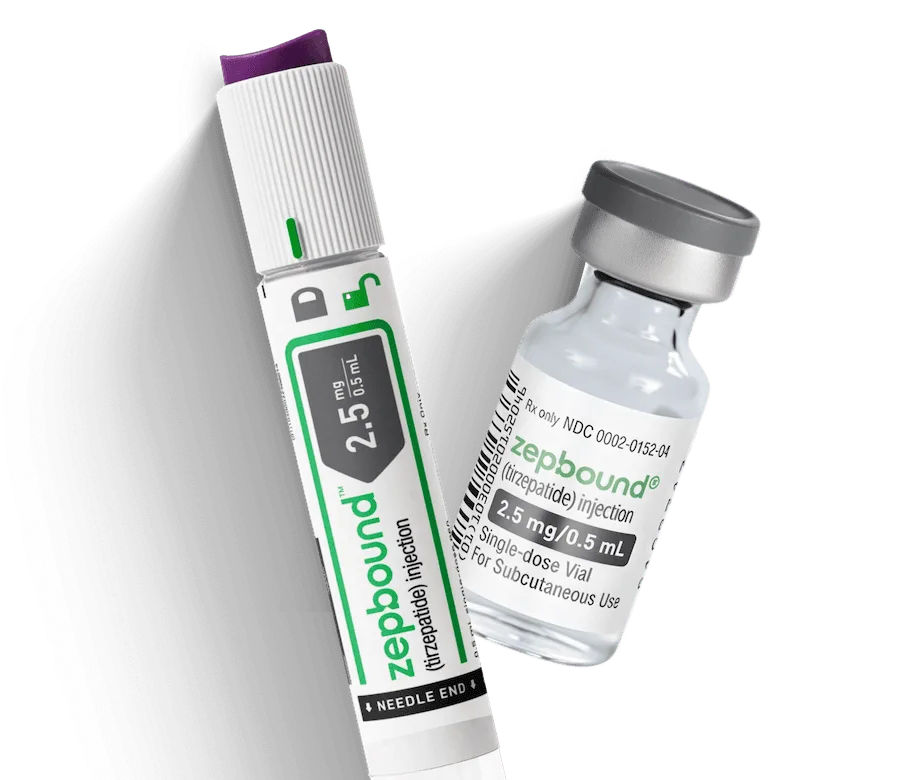
Zepbound®
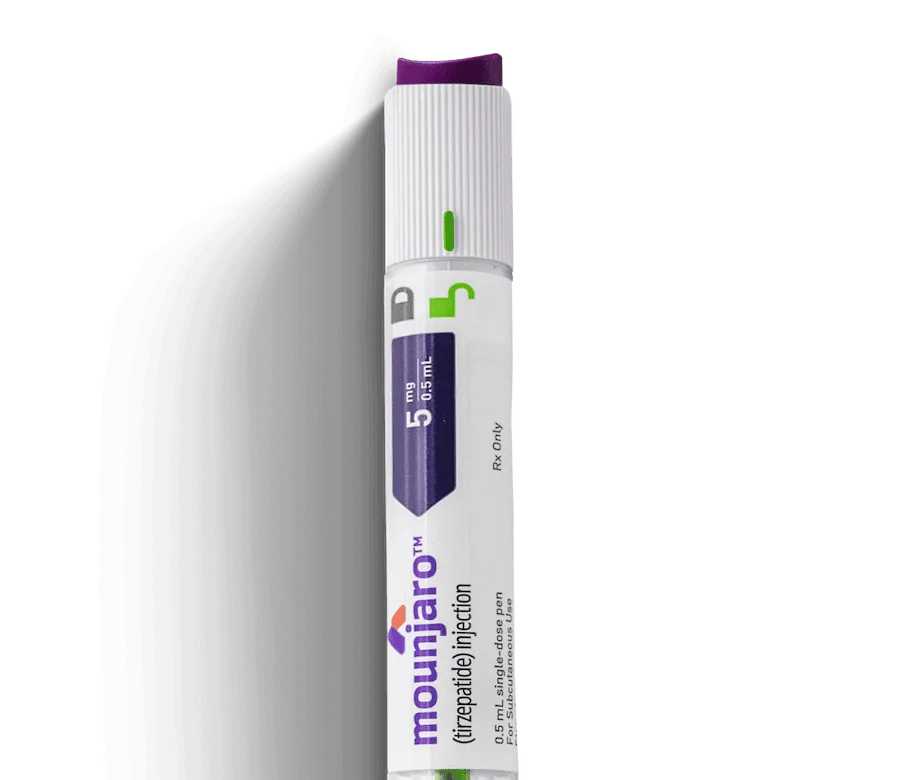
Mounjaro®
Liraglutide
What does Farxiga® cost?
Without insurance, the list price for Farxiga is around $600 for a month’s supply, but you can get it cheaper through different discount programs. Insurance coverage and savings programs can help bring down the cost, but it is unlikely to be covered for weight loss, as coverage generally only applies when the drug is prescribed for conditions like diabetes. Here’s what to consider depending on your insurance and coverage:
- Private insurance: If you’re covered by a private or employer-sponsored plan, Farxiga® could cost around $25.54 per month for a 30-day supply.
- Medicare: Most plans include Farxiga for diabetes, but people can’t use the manufacturer’s savings card if they’re enrolled in Medicare. For government-insured people with Medicare Part D coverage, the average out-of-pocket cost is around $38.82 per month.
- Medicaid: Some state Medicaid programs do cover Farxiga, but coverage policies vary. Those on Medicaid are also not eligible for the manufacturer savings program.
- Manufacturer’s discount: The Farxiga® Savings Card allows eligible commercial insurance holders to pay as little as $0 per month, with a capped savings amount (often up to $175 per month). This offer doesn’t apply to government insurance programs like Medicare or Medicaid.
- Generic availability: A generic version of dapagliflozin (the active ingredient in Farxiga®) is also available in the U.S. Prices vary, but can range from $332 to $619 for a 30-day supply of 10 mg tablets based on GoodRx. Insurance coverage for the generic may differ, and manufacturer savings cards are only for the brand-name drug.
Always check directly with your insurance provider and talk with your healthcare team about financial assistance options before starting Farxiga.
How to take Farxiga
Farxiga® is taken as a once-daily oral tablet. You can take it with or without food, and it won’t affect how well the medication works.
What matters most is that you take it consistently at the same time each day. This straightforward dosing schedule is one reason many people find it manageable.
Farxiga® is available in two dosages:
- 5 mg
- 10 mg
The maximum recommended dose is 10 mg per day, regardless of the condition being treated. Unlike some medications that require gradual titration with multiple steps, Farxiga® has a simpler approach. Many patients start at the 5 mg dose so their doctor can monitor how well they tolerate the medication and check for potential side effects. If the response is good and no issues arise, the dose may be increased to 10 mg daily for additional benefit.
Your healthcare provider will base this decision on several factors, including your overall health, kidney function, and treatment goals. Regular follow-ups are important, since they allow your doctor to track progress, adjust dosing if needed, and ensure the medication is working safely for your situation.
In short, Farxiga® doesn’t have a lengthy titration schedule, but your doctor may step you up from 5 mg to 10 mg depending on your response and tolerance.
Farxiga®: Dosage adjustments & personalization
When Farxiga® (dapagliflozin) is studied for weight loss, research has used both 5 mg and 10 mg once daily. The 10 mg dose is the one most commonly prescribed for its FDA-approved indications (type 2 diabetes, heart failure, and chronic kidney disease).
Because this medication works through the kidneys, your provider would determine the safest and most effective dose based on your overall health — particularly kidney function. It’s important to note that Farxiga is not FDA-approved specifically for weight loss, so dosing for that purpose is not standardized..
Farxiga: Side effects and safety
Farxiga® can cause side effects that are typically mild to moderate and manageable at home. Sometimes, more serious conditions happen. It’s important to know when it’s time to check in with a doctor.
Common side effects
These effects are usually tied to how Farxiga® works, removing extra sugar through your urine. They are often manageable and tend to ease over time.
- More frequent urination
- Genital yeast infection
- Stuffy or runny nose and sore throat
Rare but serious side effects
Although uncommon, Farxiga® can sometimes cause more serious complications. It’s important to know the warning signs so you can get immediate medical attention.
- Serious urinary tract infections (UTIs) – Farxiga® increases sugar in the urine, which can create conditions for bacterial growth. Signs include burning with urination, pelvic or back pain, fever, or blood in the urine.
- Ketoacidosis – Farxiga® may rarely cause a dangerous buildup of ketones, even if blood sugar isn’t very high. Symptoms include nausea, vomiting, stomach pain, tiredness, and difficulty breathing.
- Dehydration and low blood pressure – Extra fluid loss from increased urination can sometimes lead to dehydration or a sudden drop in blood pressure.
- Low blood sugar (hypoglycemia) – This usually happens only when Farxiga® is taken with insulin or other diabetes medicines. Look for shakiness, sweating, dizziness, fast heartbeat, hunger, or irritability.
- Severe bacterial infections in the genital area – Rare tissue infections can develop in the genital or surrounding area. Warning signs include fever, weakness, pain, swelling, or redness in the genital region.
Farxiga® vs. other weight loss medications: Weight loss potential
Farxiga® (dapagliflozin) is not a medication designed specifically for weight loss, but research shows it can lead to modest weight loss of around 4 to 5% of body weight. While that amount can be meaningful for some, it is generally less than the results seen with newer GLP-1 medications like Wegovy® or Zepbound®, which are built to target appetite and can lead to more significant weight loss.
There are also other options in pill form, like Qsymia®, Contrave®, and Metformin (off-label), that may support weight management in different ways. Here’s a look at how these medications compare.


| Medication | Type of medication | How you take it | Average weight loss |
|---|---|---|---|
| Farxiga® (dapagliflozin) | SGLT2 inhibitor | Daily pill | 5% |
| Zepbound® (tirzepatide) | Dual GIP/GLP-1 receptor agonist | Weekly injection | 21% |
| Wegovy® (semaglutide) | GLP-1 receptor agonist | Weekly injection | 15% |
| Contrave® (naltrexone and bupropion) | Combination antidepressant/opioid antagonist | Daily pill | 12% |
| Qsymia® (phentermine/topiramate ER) | Combination sympathomimetic/antiepileptic | Daily pill | 10% |
| Metformin (off-label) | Biguanide | Daily pill | 7% |
| Saxenda® (liraglutide) | GLP-1 receptor agonist | Daily injection | 6% |
Frequently asked questions about Farxiga®
Many people have everyday questions about taking Farxiga®, from timing and lifestyle choices to what to expect while on treatment. Here are answers to some of the most common ones.
How rapid is weight loss with Farxiga®?
Weight loss with Farxiga® is gradual. Most people notice modest changes within 3 to 6 months, especially when the medication is paired with healthy eating and regular activity. The slow pace can support more sustainable, long-term results.
Can you drink alcohol while taking Farxiga®?
It’s best to be cautious. Both alcohol and Farxiga® can lower blood sugar and increase your risk of dehydration. Your doctor can give you personalized advice, but in general, it’s recommended to limit alcohol, stay hydrated, and pay close attention to how you feel if you do drink.
What happens if I miss a dose of Farxiga®?
If you forget a dose, take it as soon as you remember, unless it’s almost time for your next one. In that case, skip the missed pill and return to your normal schedule. Don’t double up on doses. Setting a daily reminder can help you stay consistent.
How long can you safely take Farxiga®?
Farxiga® is meant for long-term use when prescribed for diabetes by your healthcare provider. Many people take it safely for years with regular check-ups. Your doctor will monitor your kidney function and overall health to make sure it continues to be the right fit for you.
When it comes to weight loss, though, there isn’t clear research yet on how long Farxiga® can be used safely for that purpose. Since this is an off-label use, your provider will weigh the potential benefits against the risks and decide what makes sense for your situation.
Can you stop taking Farxiga® at any time?
Farxiga® doesn’t usually cause withdrawal symptoms, but you should not stop on your own. Talk with your doctor first so they can adjust your plan safely. Stopping abruptly also means losing the blood sugar and weight management benefits it provides.
What kind of diet and exercise plan works best with Farxiga®?
A balanced diet with lean proteins, fruits and vegetables, fiber-rich carbs, and healthy fats works well alongside Farxiga®. Combine that with regular physical activity, anything from daily walks to structured exercise, and you can boost results. It’s also important to stay hydrated to avoid side effects caused by excess fluid loss.
Reviews from real Noom users
Desirea N. — Real Noom user
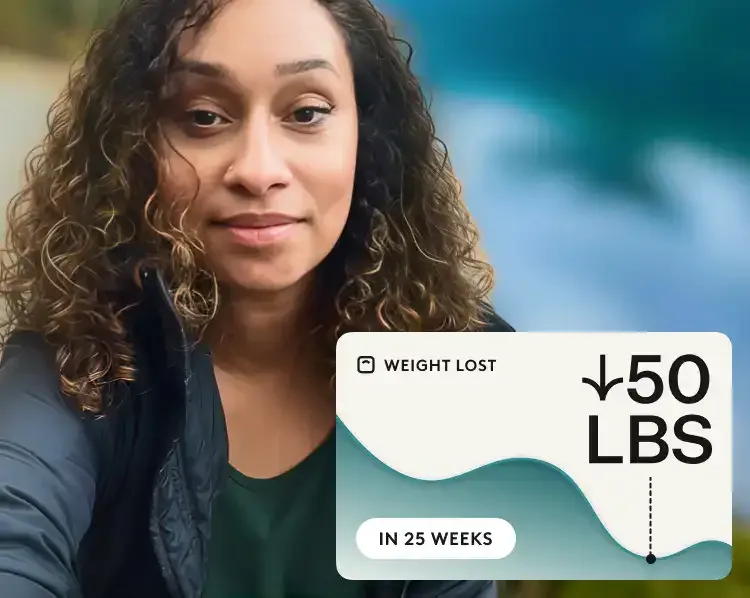
“My favorite parts of Noom are the care team and other Noomers. Sharing and getting help made me feel like I wasn’t doing it alone. That support made all the difference.”
Desirea N. — Real Noom user
Matthew M. — Real Noom user
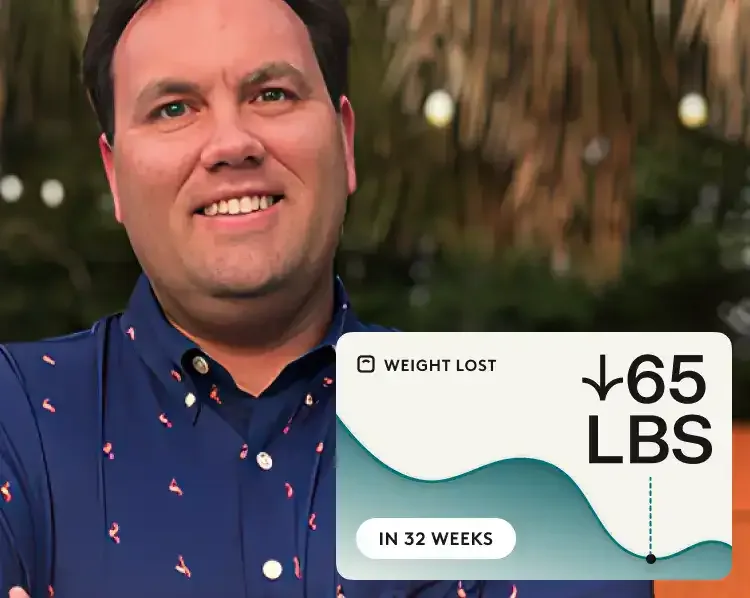
“Noom has taught me that every day is a new chance to make better, healthier choices. It's taught me how to stop overeating.’’
Matthew M. — Real Noom user
Lila M. — Real Noom user
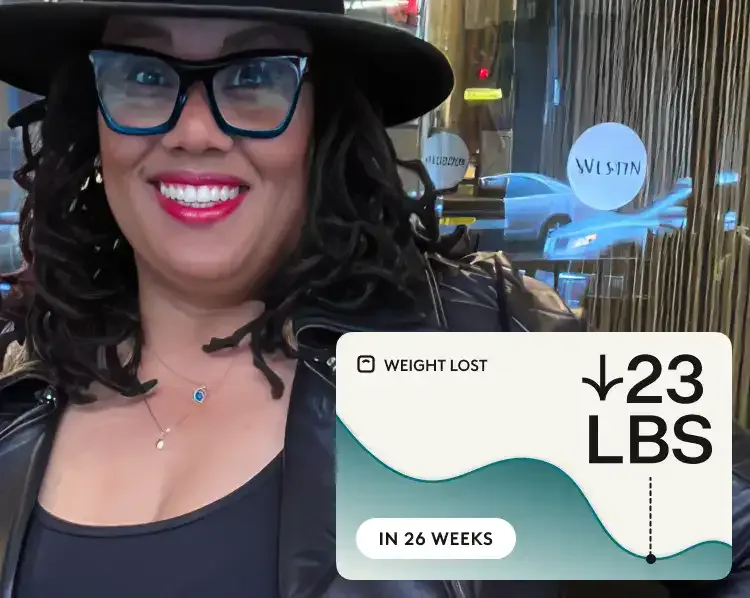
“Clinicians who understand how supportive medication can be is one of the best parts of Noom! I was convinced I wouldn’t have success but I’m down 11 pounds in two months.’’
Lila M. — Real Noom user
Steve M. — Real Noom user
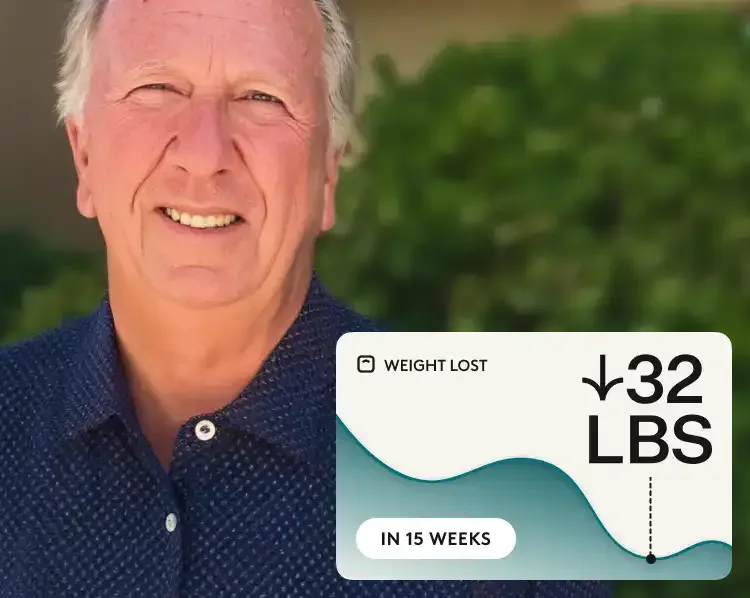
“Noom provided me with the medication which I could not get through Medicare. I have learned the tricks to better eating and life in general.”
Steve M. – Real Noom user
Daisy R. — Real Noom user
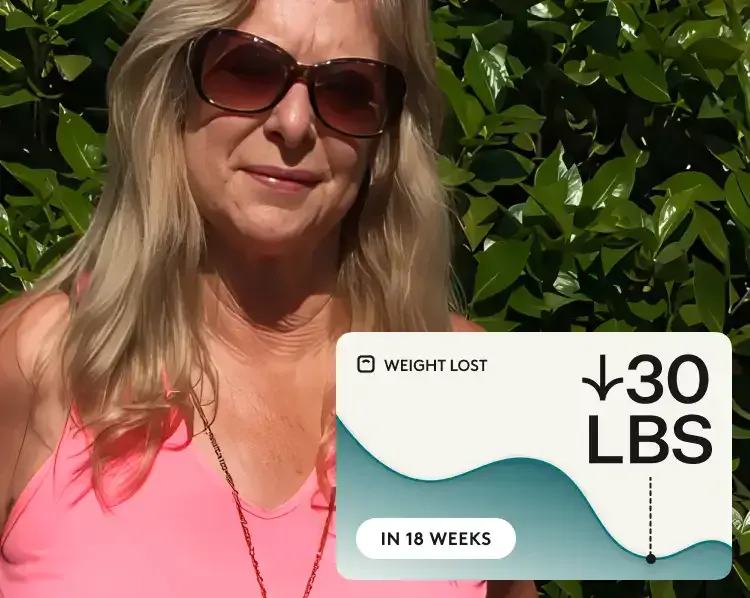
‘’Noom has changed my life and I’m so thankful, I feel great, have more energy and am no longer prediabetic.”
Daisy R. – Real Noom user
Sarah R. — Real Noom user
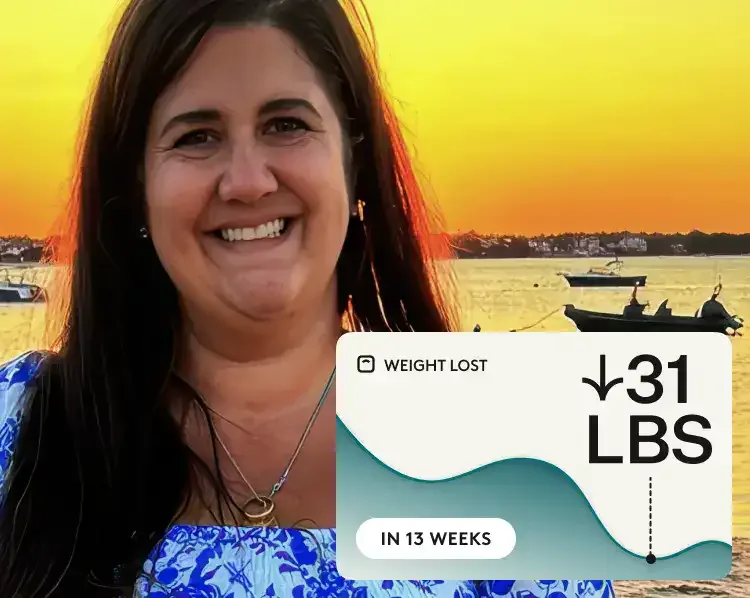
“All of the Noom providers that I’ve met with have been exceptional and prescribed medications that are appropriate for my situation and health.”
Sarah R. – Real Noom user
Madison S. — Real Noom user
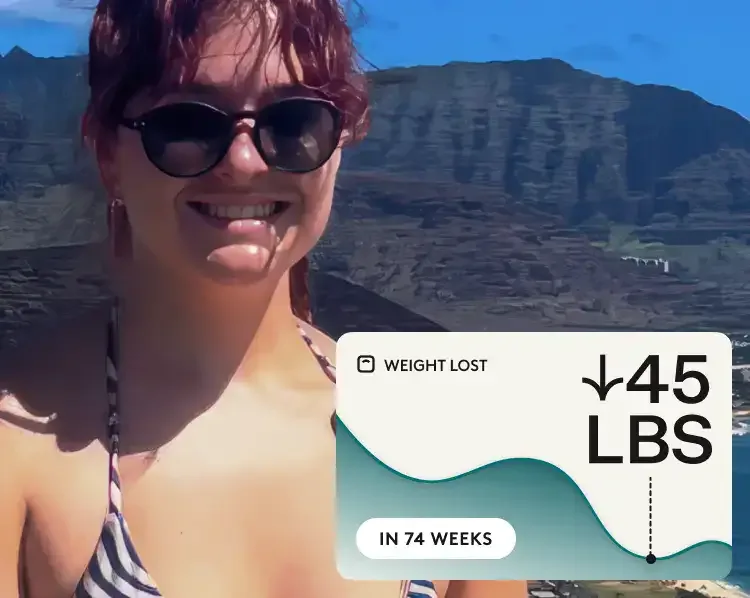
“Noom made the process so simple and now I feel full, free from diet obsession, and at ease in my body again.”
Madison S. – Real Noom user
Sonday K. — Real Noom user
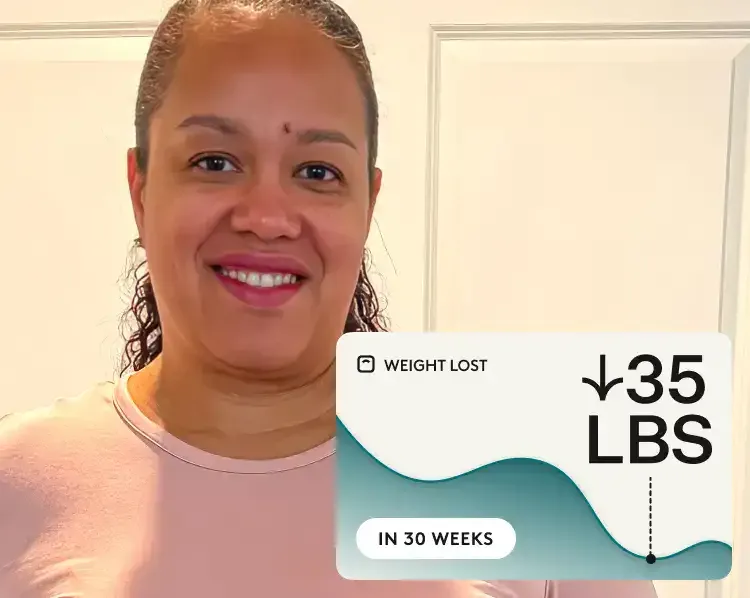
“My doctor recommended Noom after I was frustrated trying to lose weight. The lessons helped change my relationship with food. My body feels lighter & energized.”
Sonday K. – Real Noom user
Cam K. — Real Noom user
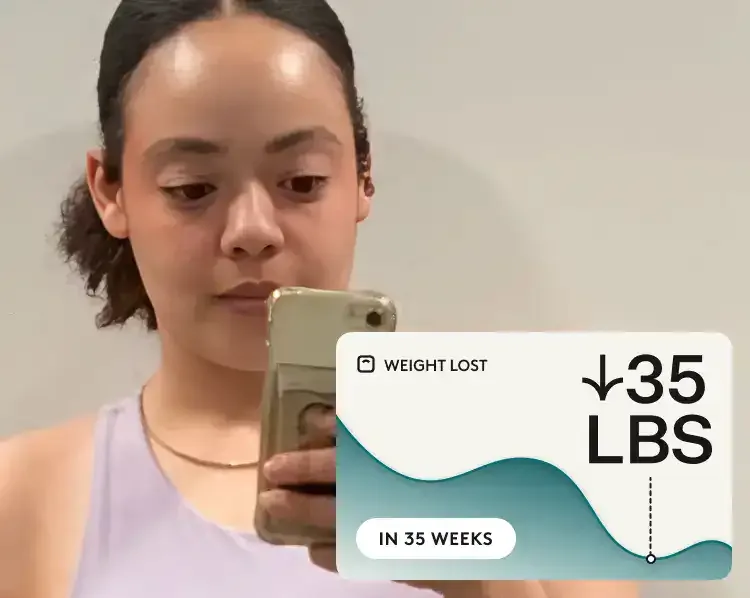
“I built healthy habits with coaching and lessons that make me confident I can maintain my weight loss long term.”
Cam K. – Real Noom user
Laura TR. — Real Noom user
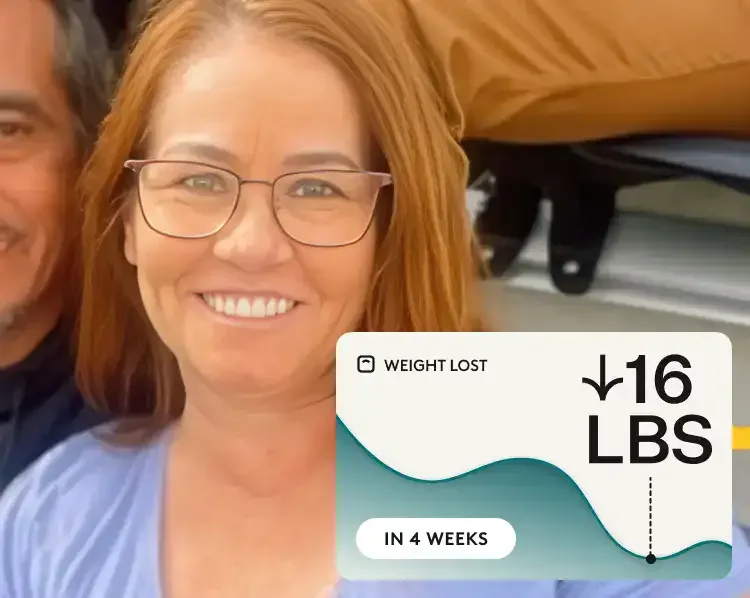
“With the right medication through Noom, hunger and sugar cravings finally quieted and I have the tools to break the cycle.”
Laura TR. – Real Noom user
Jessica S. — Real Noom user
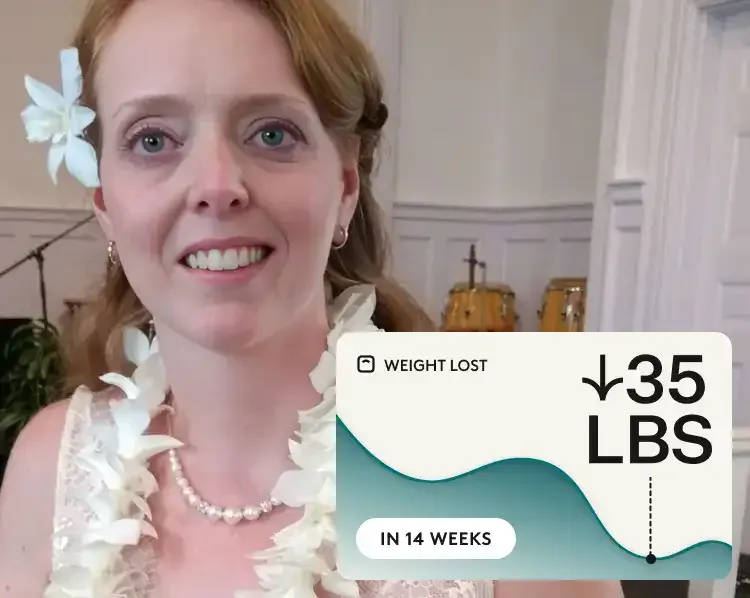
“Cravings and food noise are gone, I finally feel confident in the healthy habits I’ve built to last with Noom.”
Jessica S. – Real Noom user
The bottom line: Farxiga® can lead to moderate weight loss off-label
Farxiga® was designed to manage type 2 diabetes, but it has also been shown to produce modest weight loss—typically around 4 to 7 pounds, or 3 to 6.5% of body weight. It works by helping the kidneys excrete excess glucose in urine, leading to fewer calories being absorbed and lower blood sugar levels.
The weight loss effect is generally smaller than newer medications like GLP-1 receptor agonists. Farxiga® is also prescribed for heart failure and chronic kidney disease, adding important health benefits beyond weight loss. If you and your healthcare provider decide it’s the right fit, consistent use, careful monitoring for side effects, and coordination with lifestyle strategies can make it a valuable part of a long-term health plan.
If you’re interested in exploring weight loss medications, see if you qualify for Noom Med. You’ll be paired with a clinician who can find the right medication for you and prescribe it if needed. As a Noom Med member, you’ll also have access to Noom’s behavior change program and all its tools and trackers to improve your lifestyle habits and lose weight sustainably.
Editorial standards
At Noom, we’re committed to providing health information that’s grounded in reliable science and expert review. Our content is created with the support of qualified professionals and based on well-established research from trusted medical and scientific organizations. Learn more about the experts behind our content on our Health Expert Team page.