
For many people, coffee is a daily ritual. But when the new year rolls around, and health goals come into focus, it’s common to wonder whether caffeine is actually helping, or quietly getting in the way. That often leads to the question: Is it worth switching to decaf?
The answer isn’t always straightforward.
Rx weight loss, the right way, with Noom
Get access to prescription weight loss medication with Noom.Microdose GLP-1s
Wegovy®
Ozempic®

Metformin
Zepbound®
Mounjaro®
Liraglutide
Caffeinated coffee has been linked to several health benefits, including modest weight-related effects. At the same time, it can disrupt sleep, increase anxiety, and raise stress hormones, especially for people who are sensitive to caffeine.
So what happens when most of the caffeine is removed? Does decaf coffee offer any weight loss benefits of its own? Does it provide the same health perks as regular coffee, or could it be worse? And does the way decaf is processed, or where it comes from, actually matter?
Ahead, we’ll break down what decaf coffee is, how it compares to regular coffee, and what the research says about its effects on health, sleep, and weight management. Dr. Karen Mann, MD, Noom’s Medical Director, also weighs in with her perspective.
“Decaf can be a helpful option for people who enjoy coffee but don’t feel great with a lot of caffeine. The key is understanding what changes when caffeine is removed and what stays the same,” says Dr. Mann.
What is decaf coffee?
The idea of decaf coffee seems straightforward. It starts out as the same coffee beans used for regular coffee, but most of the caffeine is removed before the beans are roasted. One common misconception is that decaf means caffeine-free. In reality, decaf still contains small amounts of caffeine, just far less than a typical cup of coffee.
Removing caffeine doesn’t strip coffee of everything else. From a nutrition standpoint, decaf and regular coffee are quite similar. Both contain naturally occurring plant compounds, including antioxidants like polyphenols, that have been linked to potential health benefits. These compounds are thought to play a role in coffee’s associations with heart health and metabolic health, independent of caffeine.
The biggest difference, then, isn’t what’s in the cup but how your body responds to it. Regular coffee delivers a noticeable caffeine boost, which can affect energy, appetite, sleep, and stress levels. Decaf offers much of the same flavor and plant compounds, without that stronger stimulant effect.
“Decaf can be a useful way to keep the coffee habit without losing the antioxidants,” says Dr. Mann.
How much caffeine is in decaf coffee?
An 8-ounce cup of regular brewed (drip or filter coffee made in a machine or pour-over) coffee has about 95 to 165 milligrams of caffeine and about 2 calories, depending on the brand and brewing time/method. Decaf coffee usually contains about 2 to 15 milligrams per cup, often not enough to noticeably affect energy, heart rate, or sleep for most people.
Decaf vs. regular: Caffeine comparison
| Drink | Typical size | Caffeine (regular) | Caffeine (decaf) |
|---|---|---|---|
| Brewed coffee | 8 oz | 95–100 mg | 2–15 mg |
| Brewed coffee | 12 oz | 113–150+ mg | 3–18 mg |
| Brewed coffee | 16 oz | 150–200 mg+ | 8–25 mg |
| Espresso (single shot) | 1 oz | 63–75 mg | 3–15 mg |
| Espresso (double shot) | 2 oz | 126–150+ mg | 6–30 mg |
| Cold brew coffee | 12 oz | 150–200+ mg | decaf rarely standard |
Decaf vs. regular: Can coffee actually help people lose weight?
First, it’s important to clear something up: no type of coffee—decaf or regular—directly causes weight loss. Increasing caffeine isn’t a weight-loss strategy, and relying on stimulants to burn more calories or suppress appetite isn’t a sustainable approach. While caffeine can slightly increase energy expenditure in the short term, research shows those effects are modest and tend to fade as the body adapts over time.
That distinction matters when looking at the research. One review examined several studies on both regular and decaffeinated coffee and found no strong or consistent evidence that either leads to meaningful weight loss on its own. Some short-term studies showed that caffeinated coffee temporarily increased fat breakdown, while a few trials of decaf showed small changes in waist circumference or body weight. But the results were mixed, modest, and not consistent enough to position coffee as a weight-loss tool.
Where coffee can play a role is in supporting habits that matter for weight management. Both regular and decaf coffee are low-calorie beverages that can replace higher-calorie drinks, help people feel satisfied between meals, and fit easily into daily routines. Coffee also contains antioxidants and plant compounds associated with metabolic health, regardless of caffeine content.
Where decaf may have an edge for some people is in how it supports sleep, stress, and consistency. Poor sleep and chronic stress are strongly linked to increased hunger, cravings, and weight gain, and caffeine can interfere with sleep quality—especially when consumed later in the day. Studies show that even moderate caffeine intake can shorten sleep duration and reduce sleep efficiency, which can quietly make weight management harder over time.
For people who are sensitive to caffeine, switching to decaf can remove that barrier. Better sleep, lower stress, and fewer caffeine-related jitters can make it easier to stick with regular meals, balanced choices, and consistent movement—the behaviors that actually drive long-term progress.
“Decaf isn’t a fat-burner. But decaf coffee still contains chlorogenic acids—plant compounds that, in clinical trials, have been linked to modest improvements in blood sugar and blood pressure. And because it’s caffeine-free, it’s less likely to disrupt sleep, which helps people stick with healthy routines,” says Dr. Mann.
Is decaf coffee healthy?
Overall, research suggests that decaf coffee can be part of a healthy diet. Many of the compounds linked to coffee’s health benefits, like polyphenols and antioxidants, remain even after caffeine is removed.
Some studies even associate decaf coffee with benefits like improved insulin sensitivity and reduced inflammation, though these effects tend to be modest and vary from person to person. Importantly, decaf coffee doesn’t appear to carry any unique health risks compared with regular coffee.
What are the benefits of drinking decaf coffee?
Decaf coffee may support health in a few meaningful ways:
- Lower caffeine load: Helpful for people sensitive to caffeine or prone to anxiety or heart palpitations.
- Sleep support: Drinking decaf later in the day is less likely to interfere with sleep, which matters for appetite regulation and weight management.
- Antioxidants: Decaf still contains beneficial plant compounds that may support overall health.
What to watch out for with decaf coffee
There are a few things to keep in mind:
- Acidity: Decaf can still trigger reflux or stomach discomfort for some people.
- Add-ins: Sugar, flavored creamers, and syrups can quickly turn any coffee into a high-calorie drink. Try some of these lower-calorie coffee add-ins, like almond milk or a dash of cinnamon, for some flavor without added sugar.
Is decaf coffee safe?
For most people, yes. Decaf coffee is considered safe during pregnancy (within recommended limits), for people with caffeine sensitivity, and for those managing blood pressure or heart rhythm concerns.
How is caffeine removed from coffee, and does the method matter?
Caffeine is removed from coffee beans before they’re roasted using a few well-established methods. From a health perspective, the method of decaffeination doesn’t meaningfully change coffee’s impact on weight or overall health. All approved processes are designed to remove most of the caffeine—usually about 97% or more—while preserving flavor and many of the naturally occurring compounds linked to coffee’s potential health benefits. The main differences come down to taste preferences, processing style, and personal comfort.
- Solvent-based: Beans are soaked or steamed, then treated with food-grade solvents that selectively remove caffeine before the beans are dried and roasted.
- Is it healthy? Yes. These methods are tightly regulated, and studies have shown that solvent residues remain well below safety limits.
- Swiss Water Process: Beans are soaked in hot water, and caffeine is removed using carbon filters without chemical solvents, then flavor compounds are reabsorbed.
- Is it healthy? Yes. It avoids chemical solvents and preserves many of coffee’s natural compounds, making it a popular choice for those seeking a more “natural” process.
- Carbon dioxide (CO₂) extraction: Beans are exposed to pressurized CO₂, which selectively pulls out caffeine while leaving most flavor and bioactive compounds behind.
- Is it healthy? Yes. This method is considered safe and effective, with minimal impact on coffee’s nutritional profile.
“From a health standpoint, the method used to decaffeinate coffee doesn’t make a meaningful difference,” says Dr. Mann. “What matters more is how coffee fits into someone’s overall routine—things like sleep quality, stress levels, and whether their coffee habits support or disrupt consistent, healthy behaviors.”
Frequently asked questions about decaf coffee
Is decaf coffee healthier than regular coffee?
It depends on the person. Regular coffee may offer slightly stronger metabolic effects due to caffeine, but it can also increase anxiety, disrupt sleep, or worsen digestive symptoms in sensitive people. Decaf can be a better option for people who want the taste and ritual of coffee without those side effects.
Is there caffeine in decaf coffee?
Yes, but very little—usually 2 to 15 mg per cup compared with about 80 to 100 mg in regular coffee. For most people, that amount is low enough to feel negligible.
Can decaf coffee keep you awake?
For most people, decaf is unlikely to disrupt sleep, though very caffeine-sensitive individuals may still notice an effect. If sleep is a priority, timing and total intake still matter.
Does decaf coffee make you poop?
Possibly. Research suggests that both regular and decaf coffee can increase activity in the colon shortly after drinking, which means caffeine isn’t the only reason coffee has this effect.
How noticeable that feels depends on the person. The effect is usually stronger with caffeinated coffee, but some people still find that decaf gently supports regularity—while others don’t notice much difference at all.
Does decaf coffee dehydrate you?
Nope. Drinking decaf coffee won’t dehydrate you—and neither will regular coffee. Research shows that coffee hydrates the body about as well as water, regardless of caffeine content. While very high amounts of caffeine can have a mild diuretic effect, studies suggest it isn’t significant enough to cancel out the fluid you’re drinking.
And because decaf contains very little caffeine, there’s even less reason to worry. If you’re sipping decaf throughout the day, it still counts toward your hydration—not against it.
Does decaf coffee raise blood pressure?
Decaf generally has little to no effect on blood pressure compared with regular coffee because most of coffee’s short-term blood pressure effects come from caffeine. Caffeine can temporarily narrow blood vessels and stimulate the nervous system, which may raise blood pressure in some people.
Can you drink decaf coffee while pregnant?
Yes, decaf is commonly recommended for people who want to limit caffeine during pregnancy. It allows many to keep their coffee routine without exceeding recommended caffeine limits.
Does decaf coffee taste different?
Often, yes—though how noticeable it is depends on the bean, roast, and how it’s brewed. Research shows that the decaffeination process can change coffee’s aroma and flavor profile by reducing certain volatile compounds that contribute to rich, roasted notes like nutty, chocolatey, and earthy flavors.
In practical terms, that means decaf can taste a little milder or less complex than regular coffee, even when it comes from the same beans. That said, modern decaffeination methods have improved a lot, and many people find today’s decaf still tastes great, especially with high-quality beans and careful roasting.
Reviews from real Noom users
Desirea N. — Real Noom user
“My favorite parts of Noom are the care team and other Noomers. Sharing and getting help made me feel like I wasn’t doing it alone. That support made all the difference.”
Desirea N. — Real Noom user
Matthew M. — Real Noom user
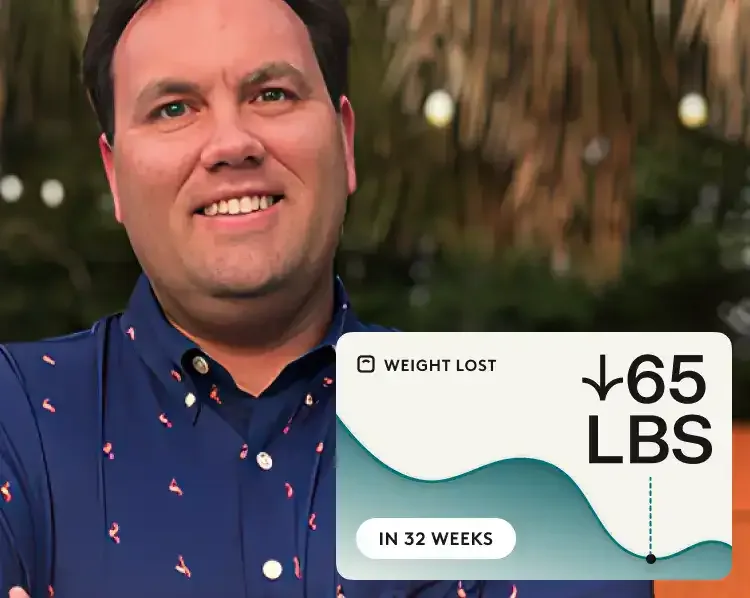
“Noom has taught me that every day is a new chance to make better, healthier choices. It's taught me how to stop overeating.’’
Matthew M. — Real Noom user
Lila M. — Real Noom user
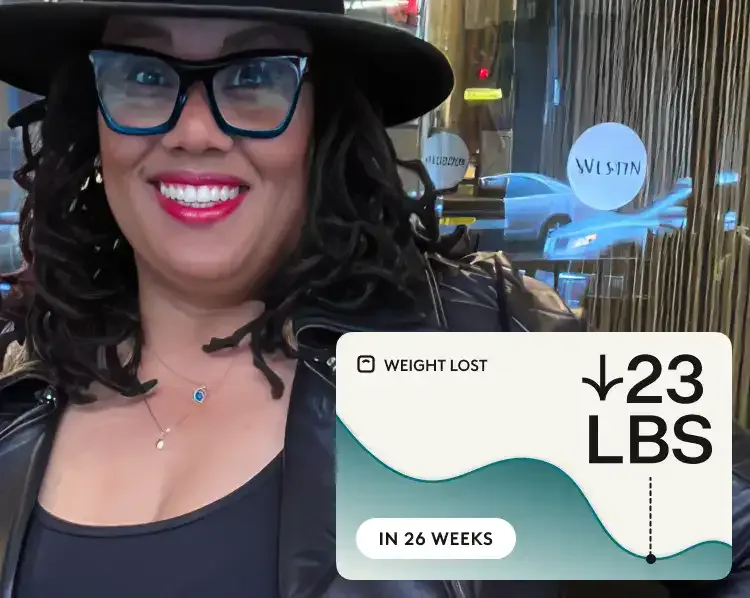
“Clinicians who understand how supportive medication can be is one of the best parts of Noom! I was convinced I wouldn’t have success but I’m down 11 pounds in two months.’’
Lila M. — Real Noom user
Steve M. — Real Noom user
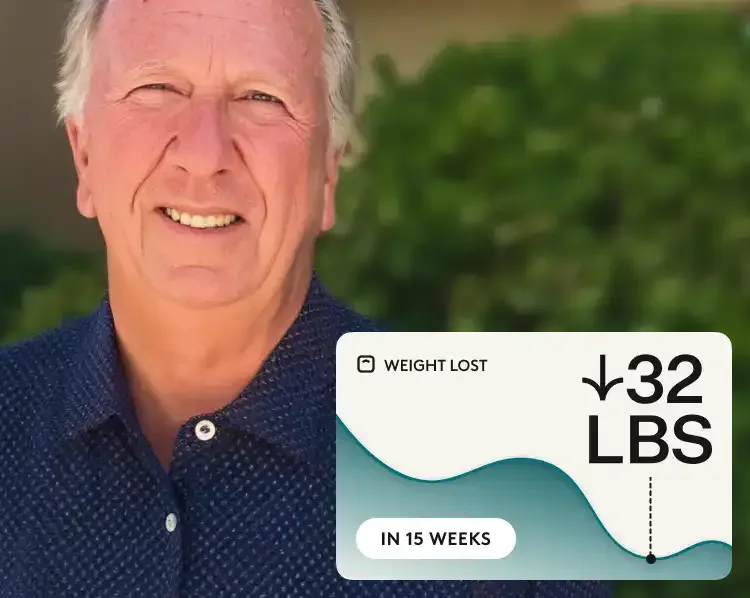
“Noom provided me with the medication which I could not get through Medicare. I have learned the tricks to better eating and life in general.”
Steve M. – Real Noom user
Daisy R. — Real Noom user
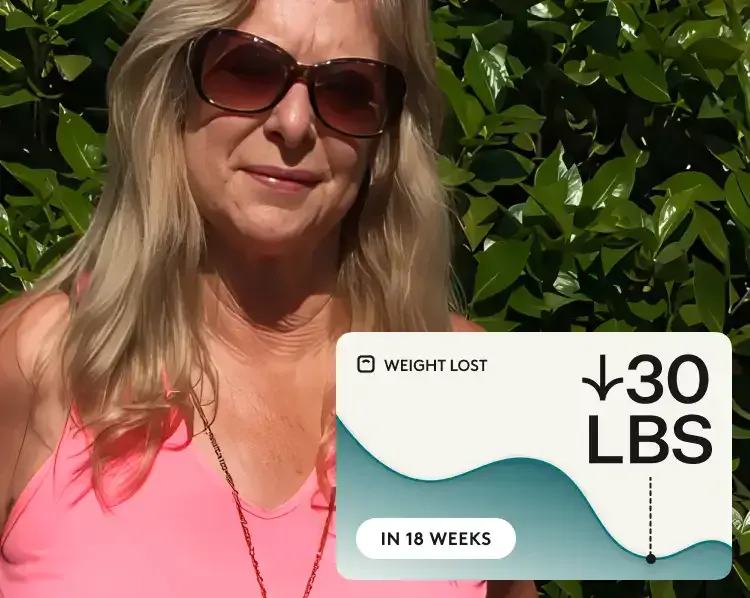
‘’Noom has changed my life and I’m so thankful, I feel great, have more energy and am no longer prediabetic.”
Daisy R. – Real Noom user
Sarah R. — Real Noom user
“All of the Noom providers that I’ve met with have been exceptional and prescribed medications that are appropriate for my situation and health.”
Sarah R. – Real Noom user
Madison S. — Real Noom user

“Noom made the process so simple and now I feel full, free from diet obsession, and at ease in my body again.”
Madison S. – Real Noom user
Sonday K. — Real Noom user
“My doctor recommended Noom after I was frustrated trying to lose weight. The lessons helped change my relationship with food. My body feels lighter & energized.”
Sonday K. – Real Noom user
Cam K. — Real Noom user
“I built healthy habits with coaching and lessons that make me confident I can maintain my weight loss long term.”
Cam K. – Real Noom user
Laura TR. — Real Noom user
“With the right medication through Noom, hunger and sugar cravings finally quieted and I have the tools to break the cycle.”
Laura TR. – Real Noom user
Jessica S. — Real Noom user
“Cravings and food noise are gone, I finally feel confident in the healthy habits I’ve built to last with Noom.”
Jessica S. – Real Noom user
The bottom line: Decaf coffee is healthy and might help with weight loss indirectly
Decaf coffee isn’t going to boost your metabolism, but it can indirectly support weight loss by improving sleep and reducing stress hormones.
Health-wise, decaf coffee retains many of the same beneficial plant compounds as regular coffee and is considered safe for most people. If caffeine tends to leave you feeling anxious or disturbs your sleep, you could try switching to decaf to see what kind of effect it has on your sleep and overall health.
Lasting progress comes from small, sustainable habits. Download the Noom app on iOS and Android for daily tips on nutrition, routines, and healthy choices that fit your life.
Editorial standards
At Noom, we’re committed to providing health information that’s grounded in reliable science and expert review. Our content is created with the support of qualified professionals and based on well-established research from trusted medical and scientific organizations. Learn more about the experts behind our content on our Health Expert Team page.