
What you’ll learn:
- Clove water is trending online as a simple, natural wellness drink, but most of the claims around weight loss, detoxing, and digestion aren’t backed by solid research.
- While cloves contain antioxidant and anti-inflammatory compounds, the amounts released in clove-infused water are far too small to deliver the dramatic results seen in viral videos.
- Clove water is generally safe to enjoy for flavor and hydration, but it’s not a proven shortcut for fat loss, bloating relief, or any major health transformation.
Lately, clove water has become one of the most talked-about wellness drinks online. This simple infusion made by steeping whole cloves in water, hot or cold, has been promoted as a shortcut to weight loss, clearer skin, and better overall health. But how did a humble kitchen spice turn into a full-blown trend?
The buzz started on social platforms where creators shared quick recipes and dramatic personal stories, much like the gelatin trick, the coffee loophole, and the cortisol cocktail. And because cloves have a long history in traditional medicine for digestion, inflammation, and immune support, clove water quickly gained a reputation as a natural, low-effort fix for a wide range of health goals.
But does it actually work? While cloves are rich in antioxidants and beneficial plant compounds, there’s no strong evidence that clove water delivers the sweeping results shown in viral videos. Here’s what it can—and can’t—really offer.
What is clove water?
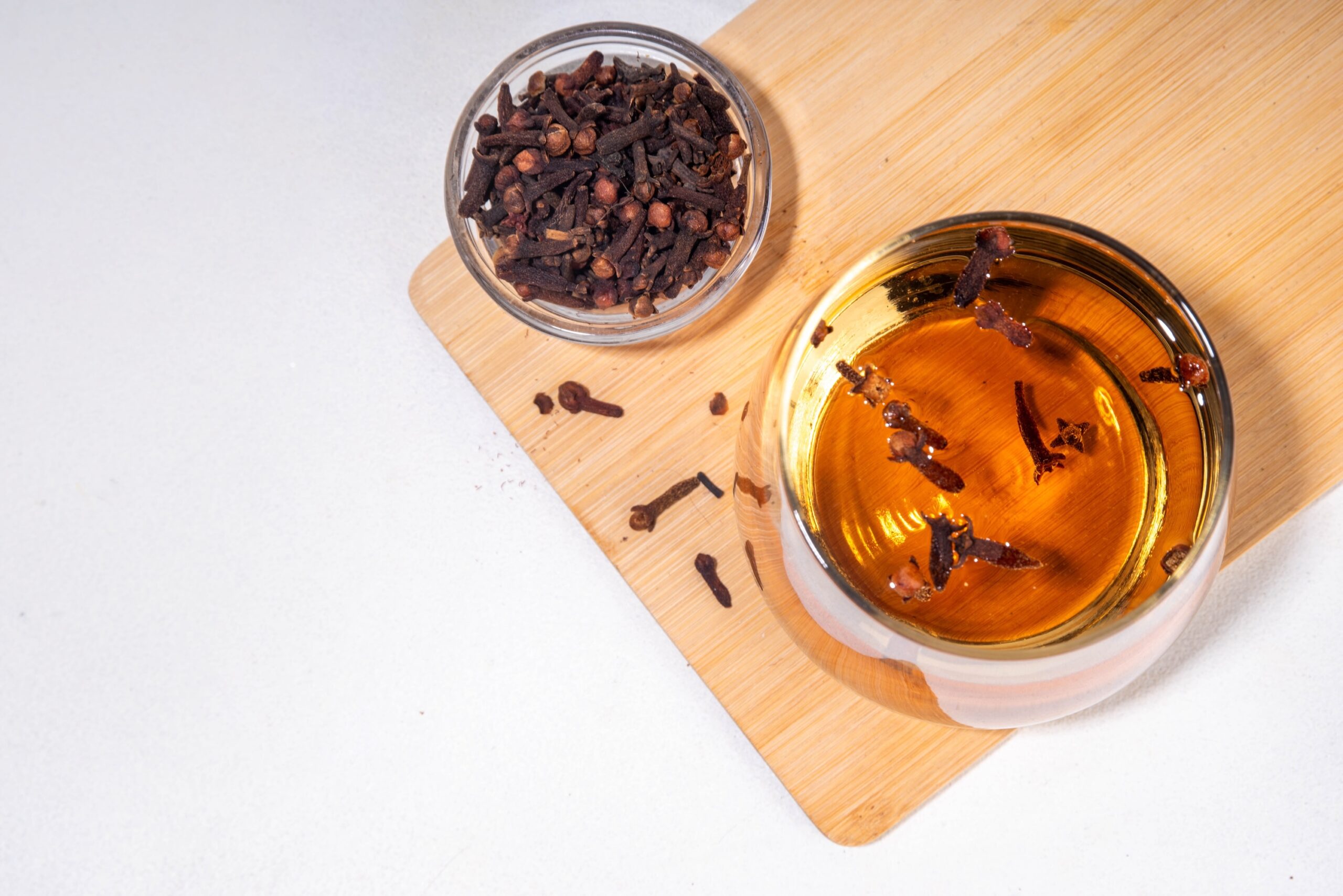
Clove water is the latest wellness drink making the rounds online. It’s usually shown as a warm, infusion or a chilled, overnight-soaked version that’s said to boost everything from digestion to weight loss. At its core, though, clove water is simply made by steeping whole cloves in hot water or letting them sit in cold water for several hours. The result is a lightly spiced, aromatic drink that’s easy to make and caffeine-free.
While cloves have a long history in traditional medicine across Asia and the Middle East, the trend itself didn’t start there. It really began gaining momentum on TikTok, where creators posted short videos claiming clove water helped flatten their stomachs, clear up their skin, ease bloating, and even “boost metabolism.” Those videos quickly spread to other platforms where wellness influencers amplified the message with before-and-after photos, weekly “clove water updates,” and simplified recipes anyone could make at home.
Why is clove water popular?
Part of what made the trend popular is how approachable the drink is. It’s inexpensive, uses a spice almost everyone already has in their kitchen, and feels like a natural alternative to supplements or complicated routines. And the health claims circulating around it are broad and appealing: faster weight loss, better digestion, reduced inflammation, detox benefits, clearer skin, improved immune function, the list goes on. Here’s a look at some other big drivers:
The appeal of simple, natural solutions
A lot of people are tired of complicated health advice, expensive supplements, and trendy diets that feel impossible to maintain. Clove water promises something different: a one-ingredient drink that feels natural, gentle, and easy to fit into everyday life.
Cloves themselves have been studied for antioxidant and anti-inflammatory properties, and quoting from these studies makes the drink sound grounded in science, even if there isn’t solid research or any connection to the close water. For anyone chasing better digestion, clearer skin, or weight loss, the idea that something so simple could help is understandably appealing.
Easy and affordable to try
Wellness products can be pricey, but clove water isn’t one of them. A small jar of whole cloves costs just a few dollars, and making the drink requires nothing more than water and a few minutes of steeping. No special equipment, no complicated instructions, no ongoing subscription.
Compared with restrictive diets or supplement routines, clove water feels doable. It’s inexpensive, accessible, and doesn’t require changing your whole lifestyle. Because there’s almost no barrier to trying it, curiosity wins. People are much more likely to experiment with something that feels affordable and low-risk compared to restrictive diets or supplements that require major lifestyle changes.
Social media gave it a massive boost.
The real spark behind clove water’s popularity came from creators sharing quick how-to videos, dramatic “before and after” clips, and personal testimonials.
Health outlets then reported on the trend, noting that most of the excitement comes from viral posts, not scientific evidence. Still, when a drink looks pretty, feels natural, and shows up in your feed a dozen times, it’s easy to see why people want to try it.
Rx weight loss, the right way, with Noom
Get access to prescription weight loss medication with Noom.Microdose GLP-1s
Wegovy®
Ozempic®

Metformin
Zepbound®

Mounjaro®
Liraglutide
How to make clover water: Simple recipes
People often prepare clove-infused water either warm or cold, depending on taste and time. The warm version mimics herbal tea, delivering a rich color and stronger spice flavor. The cold infusion has a more subtle taste and is perfect for overnight prep or hot-weather sipping. Despite the method, both serve the same basic goal of hydration and wellness. 
Hot-steeped clove water
- Bring 1 cup of water to a boil, then pour it over 3–5 whole cloves (or simmer them together for 5–10 minutes).
- Steep until the water turns a deep amber and the spice aroma is strong.
- The heat extracts more color and flavor, which is why this version shows up more often in photos and videos.
Cold-infused clove water.
- Combine 2–3 cups of cold water with 4–6 whole cloves in a jar or bottle.
- Refrigerate for at least 4 hours or overnight.
- The flavor stays subtle, and the look fits the whole “infused wellness water” aesthetic you see trending in warmer months.
Variations of clove water
As clove water has gained popularity, plenty of variations have popped up, each one promising a slightly different “boost.” Most of these variations took off because they have elements of quick fixes that are already popular. Creators simply blended the ideas together and framed them as digestion- or weight-focused upgrades.
Here are the most common versions you’ll see online:
- Clove + lemon. This version took off because lemon water was already a huge morning trend. Influencers combined the two, suggesting that vitamin C and acidity would “boost detox” or help metabolism. In reality, lemon just brightens the flavor and adds a little vitamin C; any weight-related benefit comes from hydration, not fat-burning.
- Clove + ginger. Ginger has a long history in herbal teas, and can be great for digestion, so adding it to clove water felt like a natural next step. Creators often promote this combo as a debloating or “flat-tummy” drink. Ginger can support mild digestive comfort for some people, which explains why it became popular, but it doesn’t actually speed up fat loss.
- Clove + honey. This variation mainly arose because many people found plain clove water too strong or “spicy.” A small amount of honey softens the flavor, especially in warm nighttime versions, but it doesn’t contribute to weight-loss claims. If anything, it just makes the drink more palatable.
- Clove + cinnamon or cardamom. These warming spices came from influencers who were already sharing “metabolism-boosting” tea blends. Cinnamon, in particular, has a reputation online for helping regulate blood sugar, which is why it got paired with cloves in weight-loss videos. While cinnamon may play a role in blood-sugar support when used regularly in food, tiny amounts steeped in water aren’t powerful enough to have major metabolic effects.
- Clove + turmeric. This blend grew from the popularity of turmeric tea and golden milk. Turmeric is associated with anti-inflammatory benefits, so adding it made the drink sound more potent and wellness-forward. But again, the amounts typically used in clove water aren’t concentrated enough to deliver significant effects.
Can clove water help you lose weight?
Social media is full of bold claims about clove water’s ability to help you lose weight and transform your health. But does clove water help with weight loss? Here’s what the science actually shows:
The claim: Clove water can help you melt belly fat
Verdict: False.
Many creators claim clove water “melts belly fat” or boosts metabolism, but there’s no evidence to back that up. So far, no human studies show that drinking clove water leads to meaningful or sustained weight loss. Some animal studies involving highly concentrated clove extracts hint at metabolic effects, but those experiments use alcohol-based extracts at doses far stronger than anything you’d get from steeping a few cloves in water.
The claim: Clove water has “detox” benefits
Verdict: False.
Cloves do contain eugenol, a plant compound with antioxidant properties. That’s true. But the amounts used in lab studies are far more concentrated than what ends up in a mug of clove water. In other words, the science behind eugenol doesn’t translate into real-world weight loss or detox effects when consumed this way.
“Detoxing,” in general, is a misunderstood concept; your liver and kidneys already handle detox on their own. No infused water, including clove water, speeds up that process.
The claim: Clove water is good for digestion or bloating
Verdict: Maybe.
There are studies looking at cloves and digestion, but they don’t support the idea that clove water itself eases bloating or speeds up digestion. Most of the research focuses on concentrated clove extracts, clove oil, or isolated compounds like eugenol, which have shown anti-inflammatory and antimicrobial effects in lab and animal studies.
The doses used in research are far more concentrated than what you get from steeping whole cloves in water, and there are no high-quality human clinical trials showing that clove water reduces bloating, improves digestion, or meaningfully changes gut function.
Even sources that highlight potential benefits note that evidence for digestive effects in everyday use is limited and not strong enough to make specific recommendations. In short, the ritual of sipping warm clove tea may feel soothing and might help with mild bloating, but the cloves themselves aren’t delivering proven digestive benefits in this form.
Is clove water safe?
Because homemade clove water can contain unpredictable amounts of eugenol (the active compound in cloves), it’s hard to know exactly what you’re getting with each batch.
That’s why it’s worth taking a closer look at the possible concerns before sipping it regularly.
It could cause digestive discomfort
While many people view clove water as benign, eugenol can trigger digestive issues in some people. Research shows that eugenol has antispasmodic and anti-inflammatory properties that may affect gut motility and can lead to nausea or discomfort when consumed in higher amounts. There’s no way of knowing how much is in any homebrew.
It could cause blood-clotting concerns
Eugenol has been shown to inhibit platelet activation and slow clot formation. This becomes important if you’re taking anticoagulant or antiplatelet medications (for example, Warfarin or Aspirin), since combining them could heighten the risk of bleeding or bruising.
There could be blood sugar interactions
There’s evidence that cloves can influence blood glucose levels, likely due to eugenol’s metabolic effects. While this might sound helpful, it also means that if you’re on diabetes medications, adding clove water could push your blood sugar too low or interact unpredictably with your regimen.
Liver, kidney, and pregnancy considerations
Although culinary amounts of cloves are generally safe, concentrated forms (like oils or extracts) have been linked to liver or kidney strain in sensitive people. For those with pre-existing conditions in those organs, or for pregnant/breastfeeding individuals whose safety data is limited, caution is advised.
Reviews from real Noom users
Desirea N. — Real Noom user
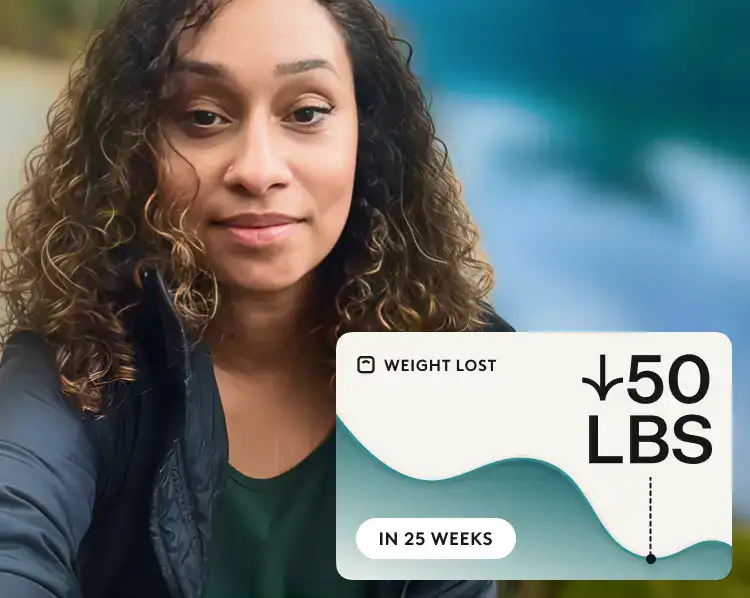
“My favorite parts of Noom are the care team and other Noomers. Sharing and getting help made me feel like I wasn’t doing it alone. That support made all the difference.”
Desirea N. — Real Noom user
Matthew M. — Real Noom user
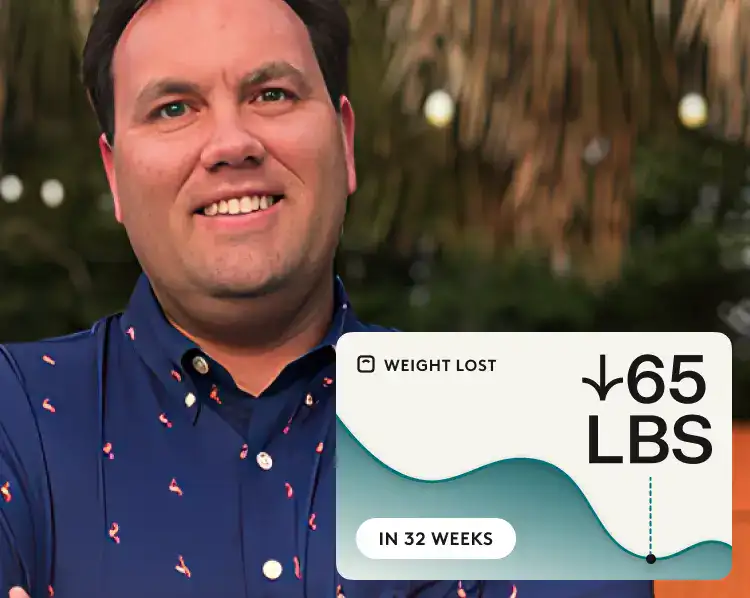
“Noom has taught me that every day is a new chance to make better, healthier choices. It's taught me how to stop overeating.’’
Matthew M. — Real Noom user
Lila M. — Real Noom user
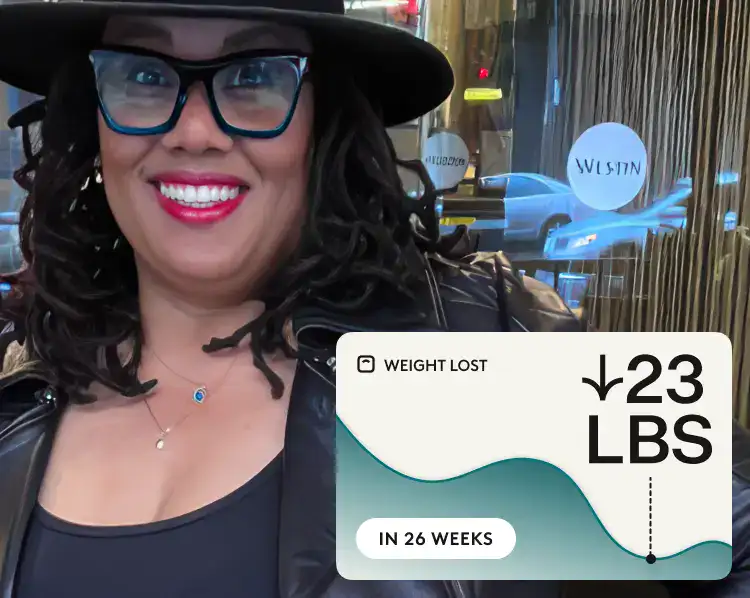
“Clinicians who understand how supportive medication can be is one of the best parts of Noom! I was convinced I wouldn’t have success but I’m down 11 pounds in two months.’’
Lila M. — Real Noom user
Steve M. — Real Noom user
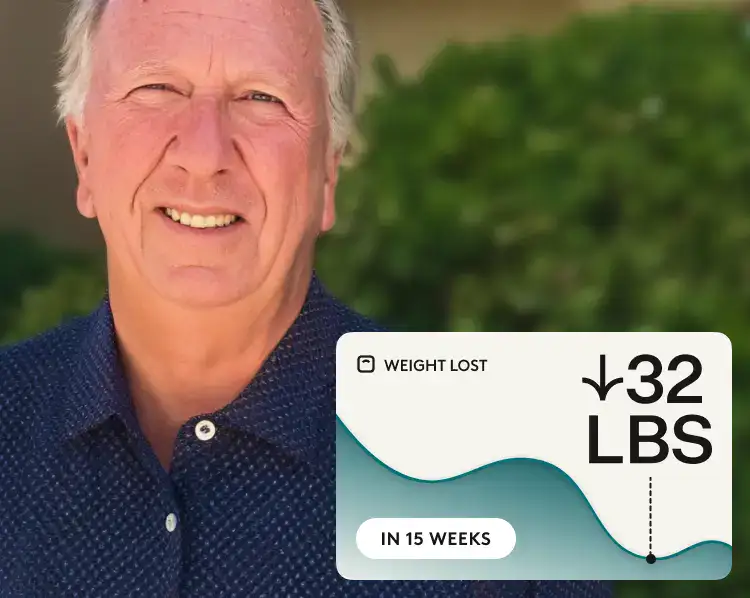
“Noom provided me with the medication which I could not get through Medicare. I have learned the tricks to better eating and life in general.”
Steve M. – Real Noom user
Daisy R. — Real Noom user
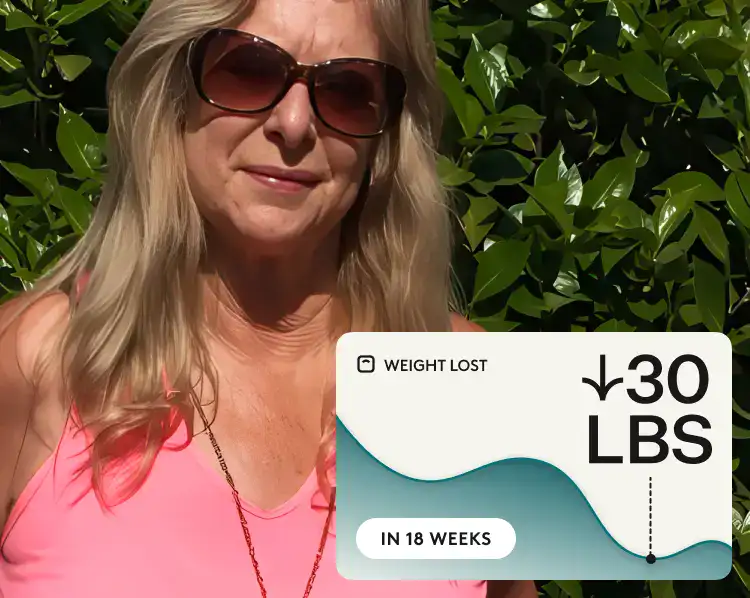
‘’Noom has changed my life and I’m so thankful, I feel great, have more energy and am no longer prediabetic.”
Daisy R. – Real Noom user
Sarah R. — Real Noom user
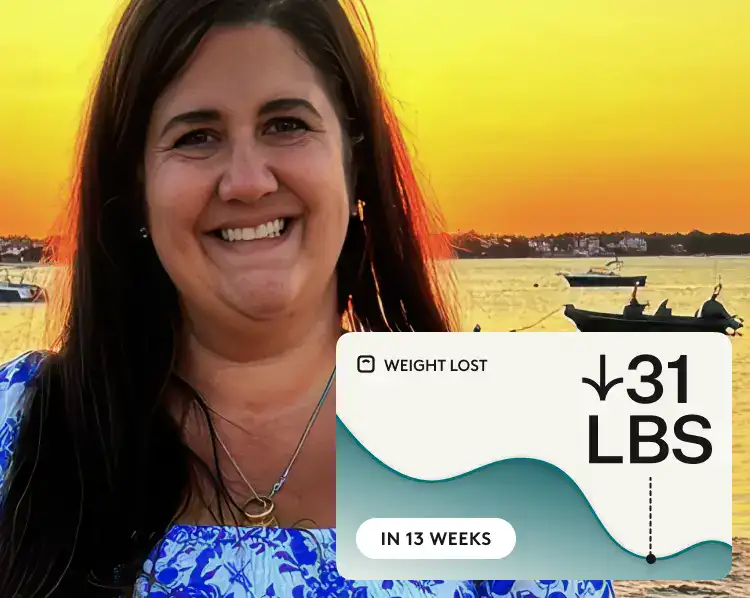
“All of the Noom providers that I’ve met with have been exceptional and prescribed medications that are appropriate for my situation and health.”
Sarah R. – Real Noom user
Madison S. — Real Noom user
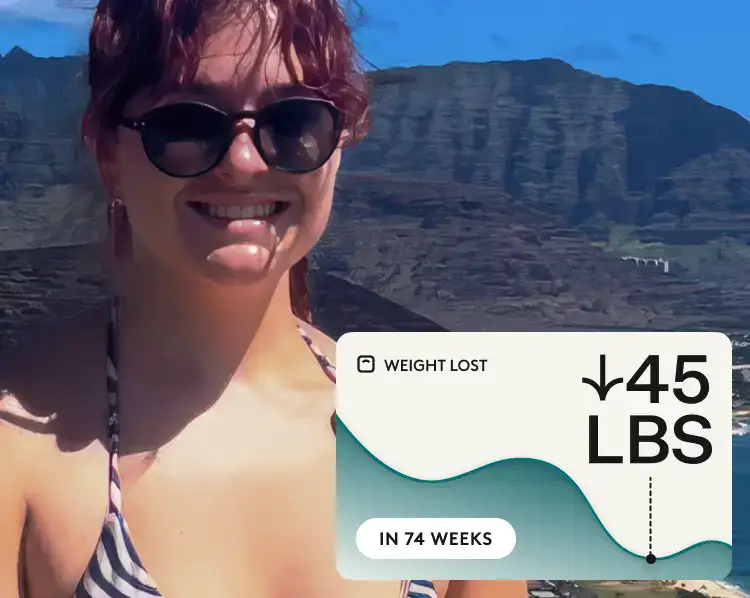
“Noom made the process so simple and now I feel full, free from diet obsession, and at ease in my body again.”
Madison S. – Real Noom user
Sonday K. — Real Noom user
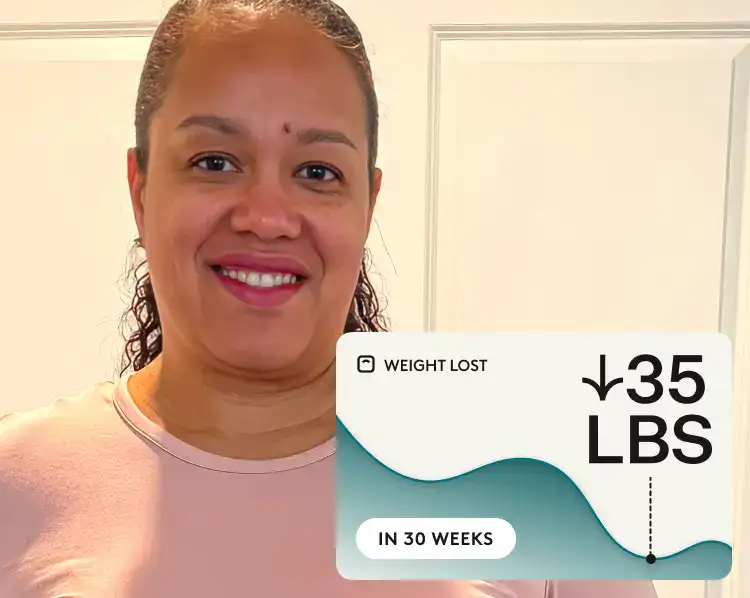
“My doctor recommended Noom after I was frustrated trying to lose weight. The lessons helped change my relationship with food. My body feels lighter & energized.”
Sonday K. – Real Noom user
Cam K. — Real Noom user
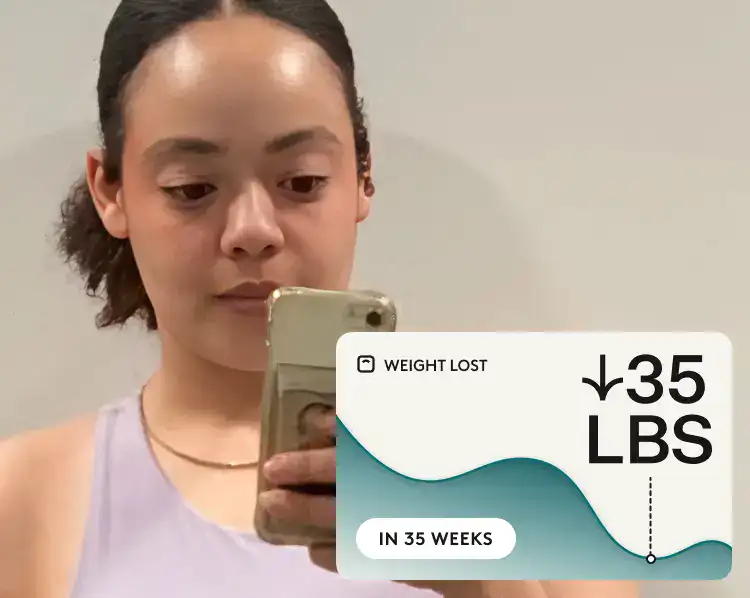
“I built healthy habits with coaching and lessons that make me confident I can maintain my weight loss long term.”
Cam K. – Real Noom user
Laura TR. — Real Noom user
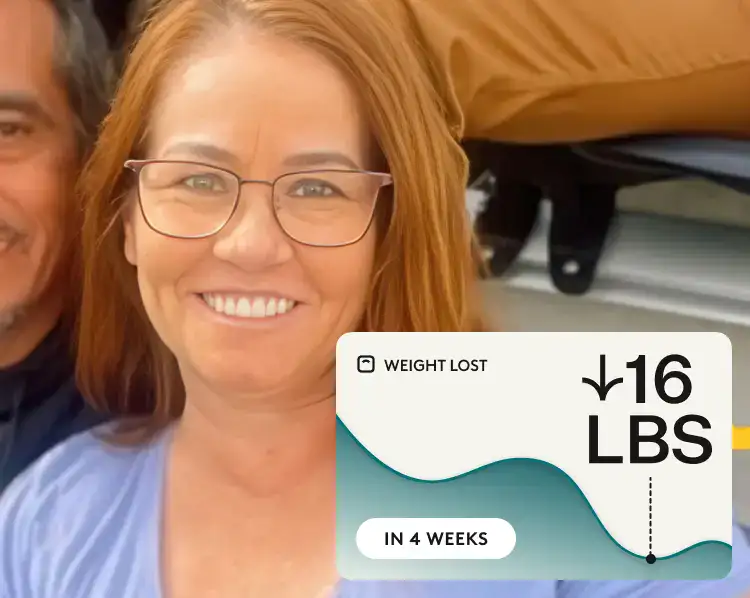
“With the right medication through Noom, hunger and sugar cravings finally quieted and I have the tools to break the cycle.”
Laura TR. – Real Noom user
Jessica S. — Real Noom user
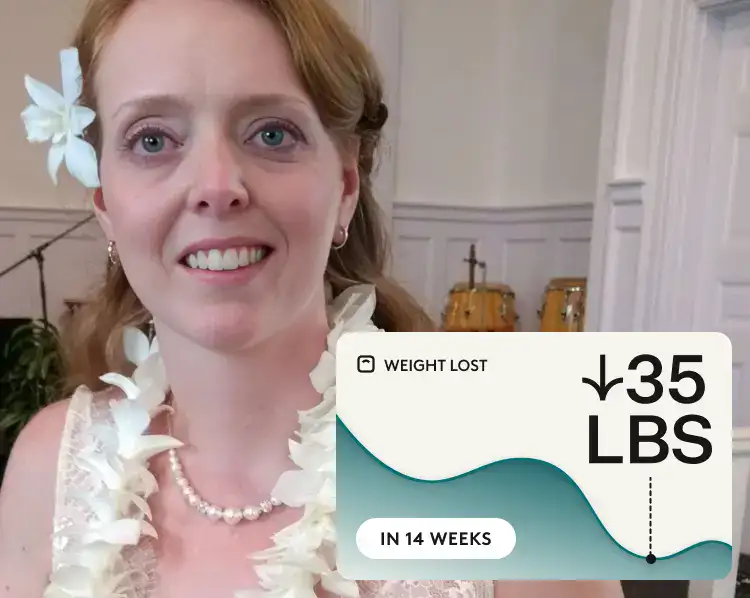
“Cravings and food noise are gone, I finally feel confident in the healthy habits I’ve built to last with Noom.”
Jessica S. – Real Noom user
The bottom line: Clove water won’t help you lose weight
Clove water is one of those trends that took off because it looks good, feels approachable, and taps into the promise of simple, natural remedies. It’s easy to make, inexpensive, and can be a tasty way to stay hydrated, especially if you enjoy warm, spiced drinks or want something that’s caffeine-free. But despite all the buzzy claims online, there’s no strong scientific evidence that clove water melts belly fat, detoxes the body, or delivers major digestive or metabolic benefits. Most of the research people reference comes from concentrated clove extracts or oils, not the mild infusions you get from steeping whole cloves in water.
If you like the taste or enjoy the routine, there’s no harm in sipping it occasionally. Just keep an eye on how your body responds, especially if you have digestive sensitivities, take blood thinners, manage blood sugar, or have underlying liver or kidney concerns. In the end, clove water can be a cozy, low-effort drink—but it’s not a shortcut to weight loss or a substitute for evidence-based health habits.
If you’re looking for a safe, effective, and science-backed way to feel your best, explore the Noom app on iOS & Android. It’s designed to help you make realistic, lasting changes.
Editorial standards
At Noom, we’re committed to providing health information that’s grounded in reliable science and expert review. Our content is created with the support of qualified professionals and based on well-established research from trusted medical and scientific organizations. Learn more about the experts behind our content on our Health Expert Team page.