
What you’ll learn:
- Fiber supplements can help fill a gap, but they’re not a weight loss trick on their own.
- Different fiber supplements can support fullness, regularity, or cholesterol management, but their weight loss benefits are modest and inconsistent.
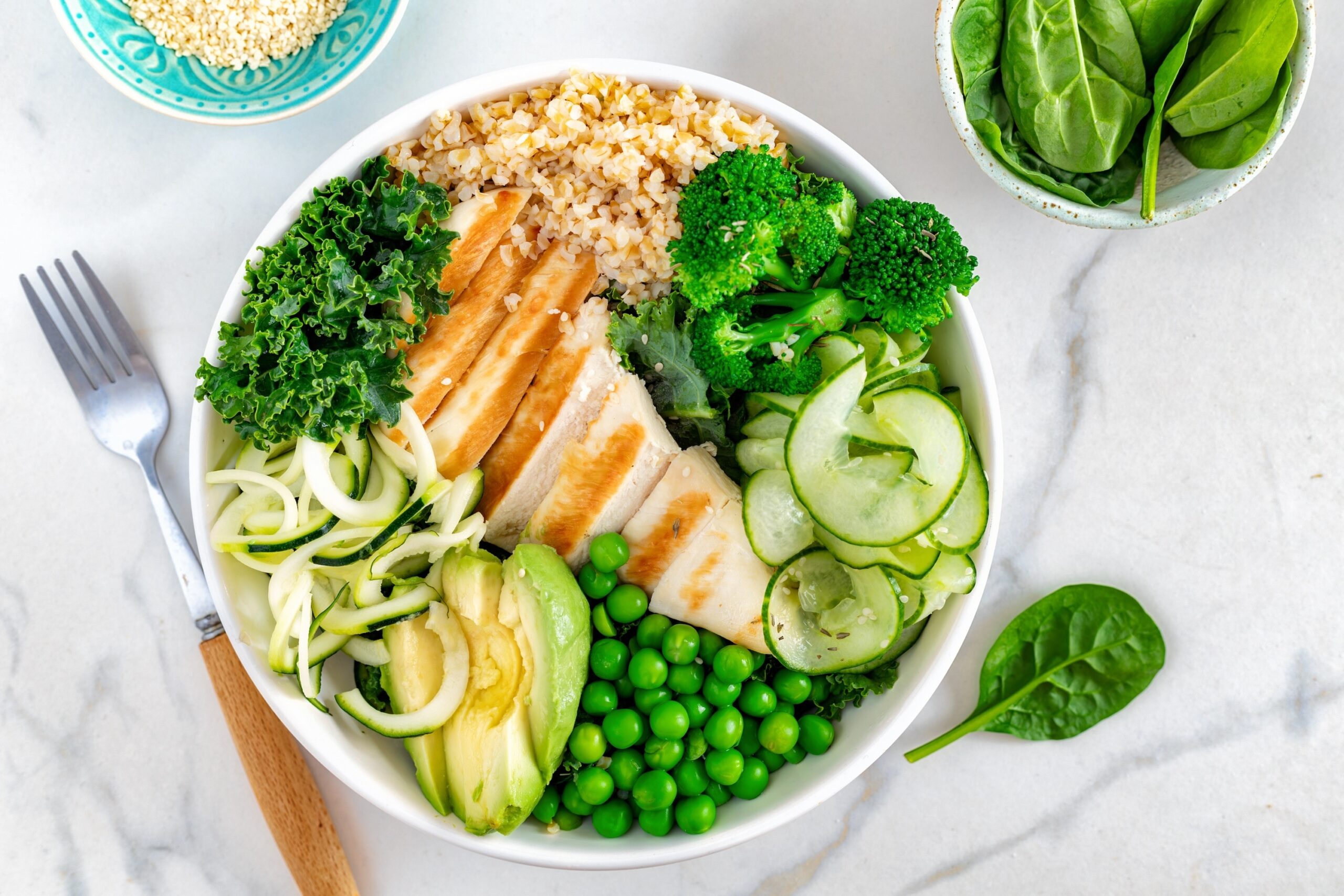
- Start by adding foods like beans, fruit, vegetables, and whole grains to provide fiber along with nutrients.
Fiber is no longer just powders, capsules, and gummies—it’s showing up in prebiotic sodas, fiber-infused waters, drink mixes, and even coffee. And many of these products promise more than better bathroom habits. From appetite control to weight loss, the claims can make adding a little extra fiber to your day sound like an easy way to see progress.
There’s a good reason to pay attention to fiber. Many people fall short of recommended amounts, and getting enough supports digestive health. Certain types can also help lower cholesterol or manage blood sugar. But those benefits don’t automatically translate into weight loss, especially when the extra fiber comes from a supplement.
So, what’s the best fiber supplement for weight loss? Psyllium is one option to consider if you want support for fullness and regularity, but no fiber supplement consistently produces substantial weight loss. The right choice depends on what you need, how your stomach tolerates it, and how much fiber you already get from food.
Let’s look at where fiber supplements can and can’t help with weight loss, what the research actually shows, and why a food-first approach is best. For a dietitian’s perspective, we’ll also hear from Maggie Hudspeth, RDN, Noom’s Senior Manager of Coaching, about what fiber can and can’t do for weight loss.
Why are fiber supplements associated with weight loss?
Fiber is a type of carbohydrate that your body can’t fully break down or absorb. It’s naturally found in foods like beans, vegetables, fruit, whole grains, nuts, and seeds. Fiber supplements provide concentrated amounts of fiber in powders, capsules, gummies, and drinks. Fiber is best known for keeping bowel movements regular, but it has also been studied for its role in weight management.
Noom’s Most Powerful Program
A dual-pathway GLP-1 and behavior change for lasting results.
“Fiber may help with weight management because of how it affects digestion, hunger, and fullness,” explains Hudspeth. “But not all fiber works the same way. Some types help you feel satisfied for longer, while others are more helpful for keeping digestion regular.”
There are two main types:
- Soluble fiber: Dissolves in water. Some types, like psyllium, form a gel that slows digestion and may help you feel fuller for longer. Certain soluble fibers can also help lower cholesterol and manage blood sugar.
- Insoluble fiber: Doesn’t dissolve in water. It helps add bulk to stool and supports regular bowel movements, but it has less direct evidence for weight loss.
Different fiber supplements can have different effects depending on their ingredients and amounts.
Some fibers are also prebiotics, meaning they feed beneficial bacteria in your gut. Researchers are studying how these bacteria may influence appetite and metabolism, although it’s unclear whether taking prebiotic supplements leads to meaningful weight loss.
Why do people take fiber supplements for weight management?
There are a few potential benefits:
- They may help you feel fuller: Gel-forming fibers absorb water and can slow digestion. In two randomized clinical trials, people taking psyllium reported less hunger and greater fullness between meals than those taking a placebo.
- They may help with appetite control: Feeling fuller could make it easier to manage portions or reduce snacking. But a systematic review of 44 studies found that only 22% of the fiber treatments studied significantly reduced food or calorie intake.
- They may support gut health: Some fibers are fermented by gut bacteria, producing compounds called short-chain fatty acids. Researchers are studying how these compounds affect metabolism, but that doesn’t establish that fiber supplements produce weight loss.
- They support regularity: Fiber can help relieve constipation and improve bowel movements, according to the NIDDK. But becoming more regular isn’t the same as losing body fat.
These effects help explain why fiber supplements are marketed for weight loss. But whether they actually lead to weight loss—and how much—depends on the type of fiber and what the research shows.
What ingredients are in fiber supplements?
Not all fiber supplements work the same way. Some contain gel-forming fibers that may help with fullness, while others contain prebiotic fibers that support gut bacteria or ingredients primarily used for regularity.
Here’s how common fiber supplement ingredients compare, including examples of products that contain them.
| Fiber type | Common forms | Popular products | What it is and potential benefits |
|---|---|---|---|
| Psyllium husk | Powders, capsules, wafers | Metamucil Sugar-Free Orange Smooth Powder, Konsyl, Yerba Prima Psyllium Husk | A soluble fiber from Plantago ovata seeds that forms a thick gel when mixed with water. Clinical trials suggest it may help with fullness, while clinical guidelines support its use for constipation. |
| Wheat dextrin | Clear powders, drink mixes | Benefiber Original, Benefiber On-the-Go | A soluble fiber made from processed wheat starch. It dissolves easily into beverages without creating the thick texture of psyllium. |
| Inulin | Powders, gummies, prebiotic sodas, fiber-infused drinks | NOW Organic Inulin Prebiotic Powder, Fiber Choice Gummies, Benefiber Prebiotic Fiber Gummies, OLIPOP | A soluble prebiotic fiber, often sourced from chicory root, that feeds beneficial gut bacteria. Its effects on weight loss remain uncertain. |
| Methylcellulose | Powders, caplets | Citrucel Sugar-Free Orange Mix, Citrucel Caplets | A modified plant fiber that isn’t readily fermented by gut bacteria. It’s commonly used for constipation, although clinical guidelines note that evidence for its effectiveness is limited. |
| Glucomannan | Powders, capsules, tablets | NOW Glucomannan Pure Powder, Nature’s Way Glucomannan | A soluble fiber from konjac root that absorbs water and forms a thick gel. The NIH Office of Dietary Supplements reports that its effects on weight loss are inconsistent. |
| Oat beta-glucan | Powders, capsules, fiber-enriched foods | NOW Oat Bran, Life Extension Oat Beta Glucan | A soluble fiber found in oats and barley. A meta-analysis of randomized trials found that consuming at least 3 grams of oat beta-glucan daily can help lower LDL cholesterol. |
| Other prebiotic fibers (polydextrose, soluble corn fiber, etc.) | Gummies, powders, fiber-infused drinks | Metamucil Fiber Gummies, vitafusion Fiber Well Gummies, OLLY Fiber Gummy Rings | These ingredients are often added to gummies and drinks to increase fiber content. Some can support beneficial gut bacteria, but they haven’t been consistently shown to produce meaningful weight loss. |
Does the form of fiber supplements matter?
Yes, but mostly when it comes to convenience, how much fiber you’re getting, and how you tolerate it. There’s no evidence that powders, capsules, gummies, or drinks are inherently better for weight loss. The type of fiber and the amount you take are more important.
Here are a few things to consider:

The Easy Way
to lose weight and get healthy.
- Powders: Often make it easier to get several grams of fiber in one serving. Some dissolve completely into drinks, while others, like psyllium, form a thick gel.
- Capsules: Convenient if you don’t like mixing powders, but you may need to take several to get a meaningful amount of fiber.
- Gummies: Easy to take, but check the fiber content and other ingredients. Some contain sugar alcohols that can cause gas, bloating, or diarrhea.
- Fiber-infused drinks: Can help you increase your fiber intake, but amounts vary. Check the label for added sugar and the type of fiber used.
One important consideration is water. Gel-forming fibers like psyllium need adequate liquid to work properly and prevent choking.
What’s the best fiber supplement for weight loss? What the research says
The claims can make fiber sound like a simple weight-loss tool, but the research gives a more measured picture. Some supplements may offer a small amount of support, but results vary by ingredient.
Overall, a review of soluble fiber supplements found that people taking them lost about 2.8 pounds more than those in control groups across trials lasting at least 12 weeks. That’s an average across different fibers, not a prediction for any one product. Feeling fuller or becoming more regular also doesn’t necessarily mean you’re losing body fat.
Here’s how the different types compare.
Psyllium husk: May support modest weight loss, but results are mixed
Psyllium has some of the more promising research, particularly for appetite control. Short clinical trials show less hunger and greater fullness than placebo. A 2023 meta-analysis also found about 4.6 pounds more weight loss than control treatments over roughly five months when psyllium was taken before meals.
However, the evidence isn’t consistent. Other research found no significant weight-loss benefit, and a 2025 analysis reported increased body weight overall without a significant improvement in BMI.
Glucomannan: May produce small weight-loss benefits, but findings are inconsistent
Glucomannan absorbs water and forms a thick gel, which may help with fullness. But studies haven’t consistently shown that this translates into weight loss. The NIH Office of Dietary Supplements describes small benefits in some trials and no meaningful difference from placebo in others.
Inulin and wheat dextrin: May support gut health, but weight-loss benefits are uncertain.
These fibers can help increase your daily fiber intake and support beneficial gut bacteria. But that doesn’t guarantee weight loss. For example, an inulin trial found changes in appetite ratings without a reduction in food intake.
Methylcellulose: Primarily supports regularity
Methylcellulose is a nonfermentable fiber commonly found in constipation products like Citrucel. It can help relieve occasional constipation, but it hasn’t been shown to produce meaningful weight loss.
Oat beta-glucan: Has stronger evidence for lowering cholesterol
Oat beta-glucan has been studied for its effects on heart health. A meta-analysis found that it lowers LDL cholesterol, which is a separate benefit from losing weight.
What does this mean for choosing a fiber supplement?
Psyllium and glucomannan have been studied for weight loss, but neither consistently produces substantial results. Other fibers may be useful for regularity, cholesterol management, or helping you meet your daily fiber needs, even if they haven’t been shown to help with weight loss.
“If a fiber supplement helps you feel fuller and more satisfied, that can make it easier to stick with healthy eating habits,” says Hudspeth. “But fiber supplements aren’t a shortcut to weight loss. What matters most is building habits you can maintain over time.”
Fiber supplements vs. fiber from food for weight loss
With weight loss benefits that are modest at best, it helps to think about what else you get from your fiber source. Both supplements and food can contribute to your daily intake, but foods offer more than fiber alone.
“I recommend you start with foods that provide fiber. That’s because foods come with vitamins, minerals, and other nutrients that a supplement doesn’t. A supplement can help fill a fiber gap, but it doesn’t give you the same variety of nutrients you get from eating beans, fruit, vegetables, and whole grains,” suggests Hudspeth.
One way to start is to make small, fiber-rich additions to meals. Try adding lentils to soup, pairing fruit with breakfast, stirring chia seeds into yogurt or oatmeal, or including peas or another vegetable at dinner. Choose foods you enjoy so the habit is easier to keep.
| Food | Serving | Approximate fiber |
|---|---|---|
| Chia seeds | 2 tbsp (28 g) | 9.8 g |
| Cooked lentils | ½ cup (99 g) | 7.8 g |
| Cooked pinto beans | ½ cup (86 g) | 7.7 g |
| Cooked chickpeas | ½ cup (82 g) | 6.3 g |
| Cooked kidney beans | ½ cup (89 g) | 5.7 g |
| Raspberries | 1 cup (123 g) | 8 g |
| Asian pear | 1 medium (275 g) | 6.5 g |
| Apple with skin | 1 medium (182 g) | 4.8 g |
| Prunes | ¼ cup (44 g) | 3.1 g |
| Cooked green peas | ½ cup (80 g) | 4.4 g |
| Cooked broccoli | 1 cup (156 g) | 5.2 g |
| Cooked sweet potato | 1 cup (200 g) | 6.3 g |
| Cooked bulgur | ½ cup (91 g) | 4.1 g |
How to increase fiber safely
Whether you’re adding more beans to dinner or trying a fiber powder, give your body time to adjust. The amount you add and how quickly you add it matter.
Gas, bloating, cramps, and changes in bowel habits can happen when you increase fiber quickly. If you choose a supplement, these steps can help you use it safely:
- Start gradually. Follow the label’s starting directions and increase fiber slowly. If you’re uncomfortable, pause further increases.
- Use enough liquid. Psyllium products generally require at least a full 8-ounce glass per dose. Mix powder as directed and drink promptly.
- Check medication spacing. Ask your pharmacist how to separate fiber from oral medicines.
- Follow your product’s directions. Don’t copy a study dose or use a fiber drink to replace a meal. The psyllium label explains fluid requirements and other precautions.
Talk with your provider before starting if you have trouble swallowing, a history of intestinal blockage, significant digestive symptoms, or medicines that could interact.
Seek urgent care if you have trouble swallowing or breathing after taking a fiber supplement. Contact your provider for severe abdominal pain, vomiting, rectal bleeding, or constipation that continues beyond the product’s recommended self-treatment period.
Frequently asked questions about fiber supplements for weight loss
What’s the best fiber supplement for weight loss?
There’s no proven best supplement for weight loss. Psyllium is a reasonable option for fullness and regularity, but research on weight loss is mixed. Choose based on your fiber needs, digestive comfort, and your provider’s advice.
Access GLP-1 Weight Loss with Noom
Explore a wide range of prescription medications supported by Noom’s program.
Microdose GLP-1rx
Noom GLP-1rx
Noom GLP-1rx Plus
Wegovy®
Ozempic®
Metformin
Zepbound®
Mounjaro®
Liraglutide
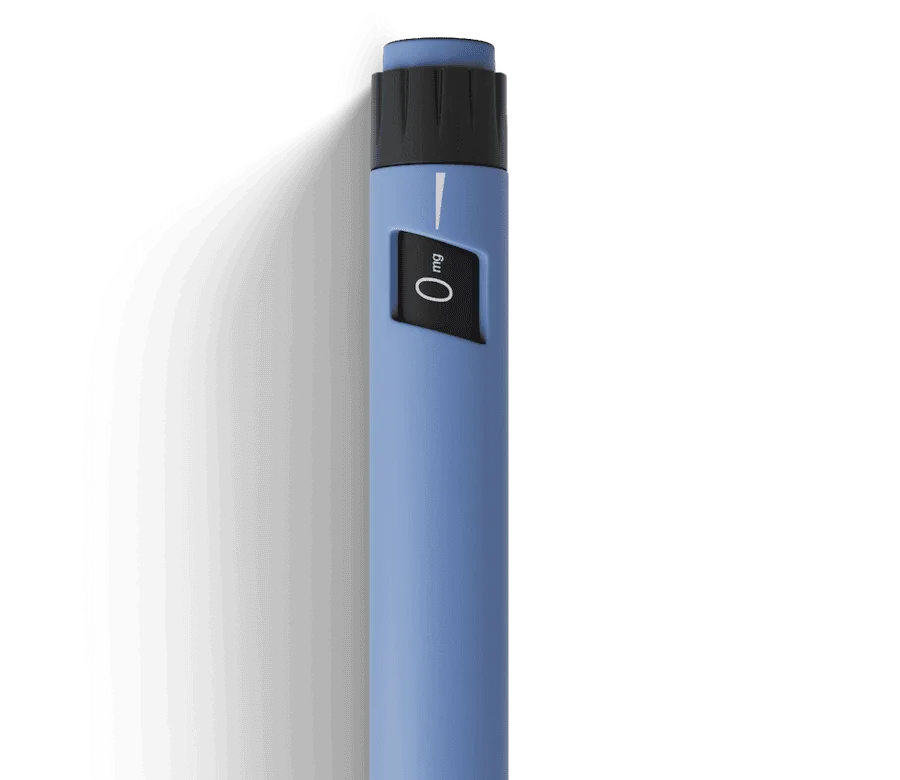
What fiber is like Ozempic®?
No fiber supplement works like Ozempic®. Ozempic® contains semaglutide, a prescription GLP-1 receptor agonist. Fiber can affect fullness and digestion, but it doesn’t provide the same medication action or proven effects.
What fiber burns belly fat?
No fiber selectively burns belly fat. Some studies report small changes in waist circumference, but that doesn’t show that a supplement targets fat in that area. Changes in body fat depend on overall diet and exercise patterns, plus your individual lifestyle factors.
What’s the best time to take a fiber supplement for weight loss?
There’s no proven time of day that makes fiber cause more weight loss. Some psyllium trials use divided doses before meals, but that doesn’t apply to every supplement. Follow your product’s directions and choose timing that fits your routine and medication schedule. Ask your pharmacist about spacing fiber from oral medicines.
Does pooping more mean you’re losing weight?
A bowel movement can temporarily change the number on the scale, but passing stool isn’t the same as losing body fat. Improved regularity can make you feel more comfortable without changing your body fat.
The Easy Way
to lose weight and get healthy.
The bottom line: Fiber supplements can help fill a gap but don’t cause weight loss alone
So, what’s really the best fiber supplement for weight loss? Psyllium may be worth considering because some studies suggest it can help with fullness and modest weight loss, but the results are mixed. Glucomannan has also been studied for weight loss, with inconsistent findings. Other fibers, like inulin, wheat dextrin, and methylcellulose, may be more useful for supporting gut health or regularity than for losing weight.
For most people, the best place to start is with fiber-rich foods. Adding beans, fruit, vegetables, whole grains, nuts, or seeds to your meals can help you get more fiber along with other important nutrients. If you’re still falling short of your daily fiber needs, a supplement can be a useful addition.
The goal isn’t to find one perfect fiber supplement, it’s to build an eating pattern that supports your health and feels realistic to continue. Download Noom on iOS or Android to see where you can start adding fiber to your diet in a way you truly enjoy.
Editorial standards
At Noom, we’re committed to providing health information that’s grounded in reliable science and expert review. Our content is created with the support of qualified professionals and based on well-established research from trusted medical and scientific organizations. Learn more about the experts behind our content on our Health Expert Team page.