
What you’ll learn:
- Ballerina tea is often marketed as a wellness or “detox” tea that some people associate with weight loss
- Its main ingredient, senna, acts as a laxative—so any drop on the scale is mostly from water and waste loss, not fat, and carries risks
- Sustainable weight loss comes from nutrition, movement, and behavior change—not quick fixes like laxative teas
If you’ve been exploring weight loss teas, you’ve probably come across products that promise quick, effortless results. We’ve already reviewed China Slim Tea, barley tea, and lemon balm tea, which are often marketed as natural ways to support weight loss.
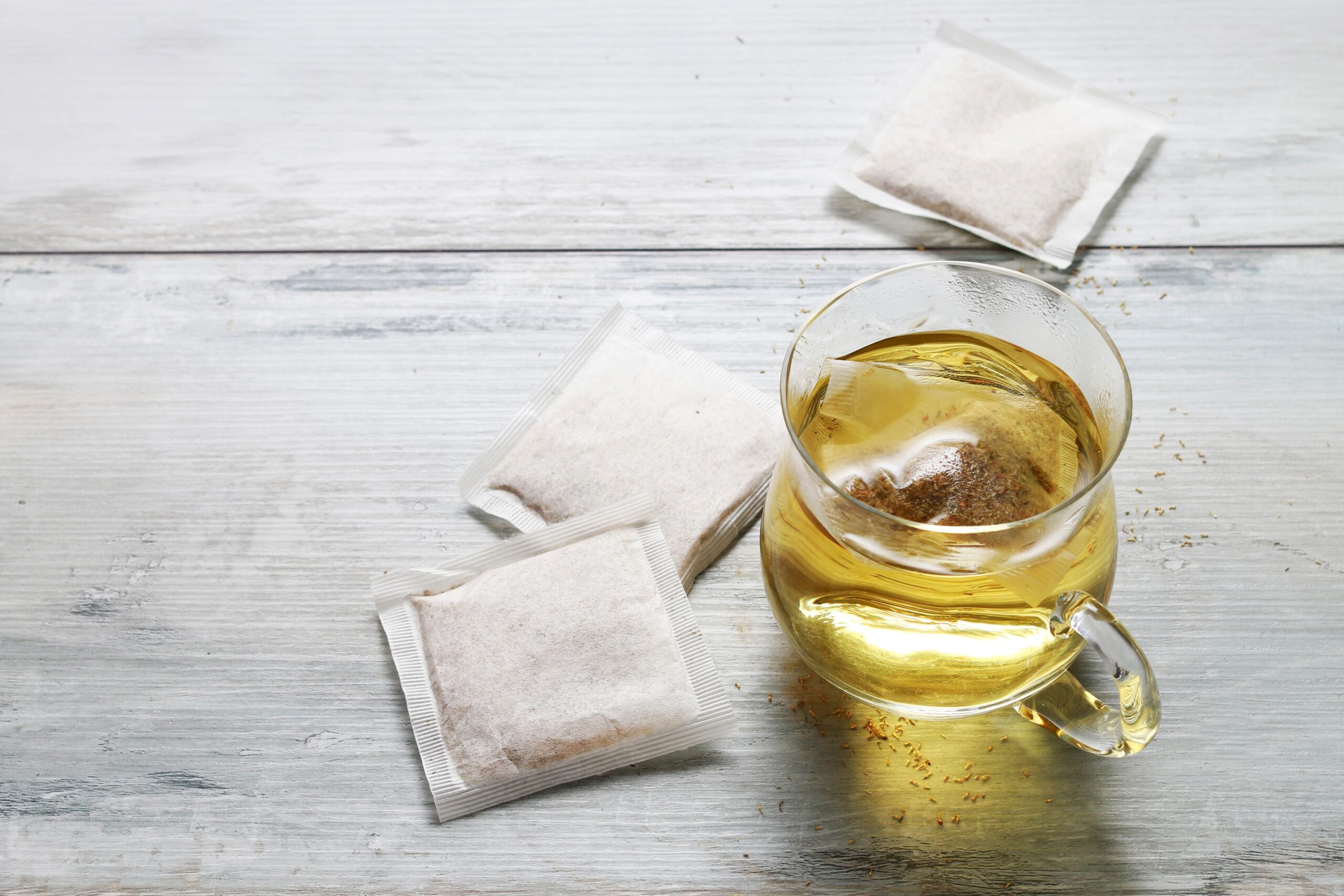
The next in this popular trend is ballerina tea, often sold as 3 Ballerina Tea. It’s a caffeine-free herbal tea that social media gurus use to promote weight loss.
The branding is intentional. The word “ballerina” evokes a very specific body type: lean, light, and slim. And the idea that you could steep a tea bag and wake up feeling lighter or looking flatter is understandably appealing.
But once you take a closer look at the ingredients, the picture becomes clearer. One of the main components, senna, is a stimulant laxative—meaning the tea’s effects are tied more to water loss and frequent bowel movements.
To dig deeper, we spoke with Maggie Hudspeth, Registered Dietitian Nutritionist, about what’s really in ballerina tea, how it works in the body, and whether there’s real research behind the product. And, we cover the safety concerns behind using laxatives and what really works to lose weight.


What is ballerina tea?
Ballerina tea is a caffeine-free herbal tea often marketed as a quick way to lose weight. People claim that in a short amount ot time—some even say overnight—you’ll drop pounds.
That sounds great, but what’s actually happening in your body is much less glamorous.
Most formulations—including the popular brand called 3 Ballerina Tea—contain senna and Chinese mallow, two ingredients that stimulate bowel movements and influence fluid balance.
- Senna is a stimulant laxative that triggers the muscles of the colon to contract, speeding up bowel movements. It’s commonly used in medical settings to treat constipation and is well-studied for that purpose—not for weight loss.
- Chinese mallow has diuretic properties, meaning it can increase urine output and fluid loss.
Together, these effects can lead to relief from constipation, reduced bloating, and a temporary drop in body weight. That last effect is what makes ballerina tea so appealing.
But here’s the key distinction: This “weight loss” is mostly water and waste—not body fat.
Ballerina tea directions
Typical directions for ballerina tea are to brew one tea bag in about 10 ounces of boiling water for five minutes. Most products suggest limiting use to one serving per day, and some recommend adding honey for taste.
Social media videos warn that you should stay near a bathroom when you drink it, since the laxative effects can happen quickly or when you least expect it.
You’ll also notice an important warning: these teas aren’t intended for use longer than five consecutive days. That’s a strong signal that this isn’t designed—or safe—as a long-term strategy.
Ballerina tea: Ingredients
Most ballerina herbal tea blends include:
- Senna
- Chinese mallow
- Ginseng root
- Cinnamon
- Orange
- Lemon
Let’s dive into what each one does.

The Easy Way
to lose weight and get healthy.
See if you qualify

Senna
Senna (Cassia angustifolia) is a plant-based herbal ingredient that comes from the leaves and pods of a shrub. It’s most commonly used as a natural laxative.
It works by stimulating the intestines, which helps trigger bowel movements. Because of this, senna is widely used in over-the-counter medications for constipation.
This makes it a stimulant laxative—different from other types like bulk-forming laxatives (fiber), which add volume to stool, or osmotic laxatives, which draw water into the colon. Because of this, senna is widely used in over-the-counter medications for constipation.
Chinese mallow
Chinese mallow (Malva verticillata) is a leafy plant that has been used in traditional herbal medicine for thousands of years, particularly in East Asia.
Different parts of the plant—like the leaves, seeds, and flowers—help with digestion, swelling, and urination. In the context of ballerina tea, it’s often used for its laxative and diuretic effects.
Ginseng
Ginseng is a plant often included for its reputation as an adaptogen that may support energy and resilience. It’s been used in traditional medicine for centuries, and some studies show it can be used for weight loss.
Flavoring ingredients
Cinnamon, orange, and lemon are primarily included to improve taste.
Ballerina tea: Nutrition facts
At first glance, ballerina tea may seem similar to other herbal teas—it’s calorie-free and doesn’t contribute much nutritionally.
| Nutrient | Amount per 1 tea bag (3g) |
|---|---|
| Calories | < 5 |
| Total fat | 0 g |
| Sodium | 0 mg |
| Total carbohydrates | ~1 g |
| Dietary fiber | ~1 g |
| Sugars | 0 g |
What makes it different from other teas is that the popular brand, 3 Ballerina Tea, includes supplement facts.
| Ingredient | Amount |
|---|---|
| Senna leaves | 3g |
Those 3 grams matter. Instead of a typical herbal tea meant for hydration or enjoyment, you’re essentially consuming a measured dose of a stimulant laxative.
For context, the recommended daily amount of senna tea is about 1 rounded teaspoon, and 3 grams is roughly over half of that amount in a single cup. That means even one serving delivers a relatively strong dose—enough to noticeably stimulate your digestive system.
So while it may feel like it’s just a tea, it’s functioning much more like a digestive stimulant, which helps explain both the quick effects people notice and the potential downsides with regular use.
Does ballerina tea really cause weight loss?
At first glance, ballerina tea can seem effective. You might notice the number on the scale goes down after using it, and that can happen quickly. But that change is mostly driven by water loss and the elimination of waste, not fat loss.
Research on some of the individual ingredients helps explain why.
When it comes to senna, one animal study found that subjects fed a high-fat diet had lower body weight and less fat accumulation when given senna leaf powder. The researchers also observed improvements in cholesterol, inflammation, and liver fat. But these findings come from animal models, and we don’t have strong evidence that senna produces the same effects in humans.
While there is less research on chinese mallow, an animal study showed it may help with diseases related to obesity. A 2011 study found that the extract isolated from mallow seed reduced fasting blood glucose levels by 23.3%. The same outcome hasn’t been studied in humans, but people might assume the tea has the same effect.
Ginseng is sometimes included in ballerina tea and is often marketed for its potential metabolic benefits. While it’s been studied for things like blood sugar regulation and fatigue reduction, the evidence for appetite control and weight loss is much less consistent. Animal studies suggest it may help regulate appetite and reduce food intake, but these effects haven’t been clearly shown in humans—and the amount in tea is likely too small to make a meaningful difference.
Weight loss vs. fat loss
Losing weight and losing body fat aren’t always the same thing.
Your body weight includes several things, including water, waste, muscle, food in your digestive system, and body fat. When the number on the scale drops, it doesn’t automatically mean fat loss—it could just be a temporary shift in fluids or digestion.
“Actual fat loss happens when your body uses stored energy over time, which typically requires habits like balanced eating, regular movement, and a calorie deficit,” explains Hudspeth.
Access GLP-1 Weight Loss with Noom
Explore a wide range of prescription medications supported by Noom’s program.Microdose GLP-1rx
Noom GLP-1rx
Noom GLP-1rx Plus
Wegovy®
Ozempic®

Metformin

Zepbound®

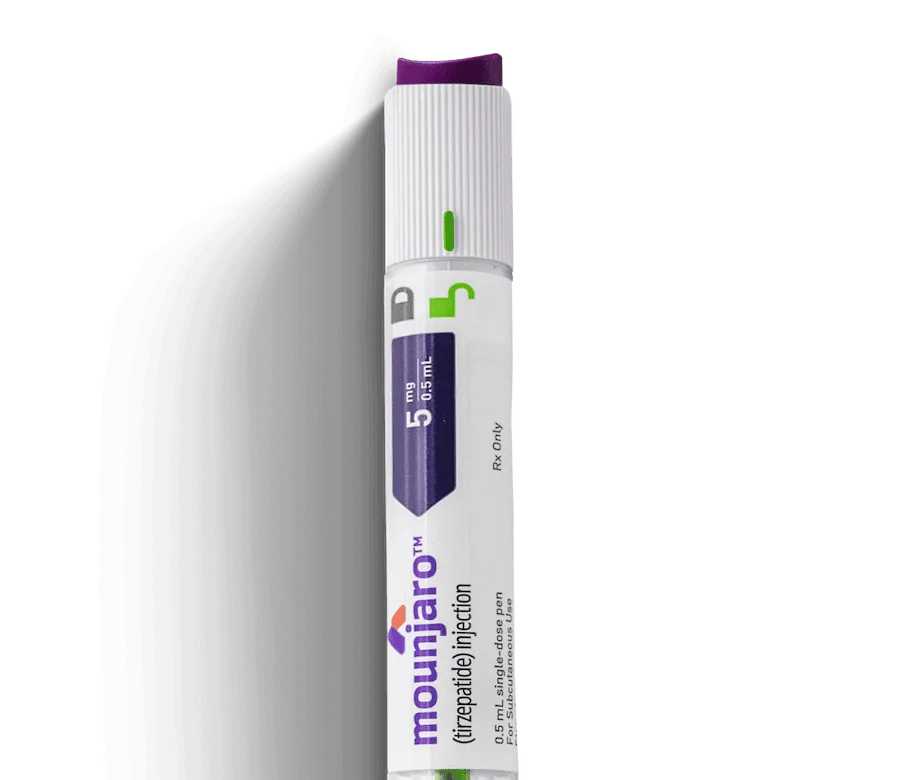
Mounjaro®
Liraglutide
Instead, laxatives like senna work much later in digestion—after most calories have already been absorbed in the small intestine. By the time they take effect in the large intestine, there’s very little left to impact in terms of calorie absorption.
That’s why organizations like the National Eating Disorders Association note that laxative misuse doesn’t lead to meaningful calorie loss or fat loss. A review in Drugs found that any short-term weight loss is mostly due to water loss, and is typically regained once laxative use stops.
“Even though ballerina tea may make you feel ‘lighter’ or less bloated, it’s not changing your body composition. And relying on laxatives for weight loss can be harmful,” warns Hudspeth.
Blood sugar and metabolic health
Part of where this idea comes from is individual ingredients. An animal study found that mice given Chinese mallow extract experienced reductions in both fasting and non-fasting blood glucose levels. That might sound promising at first glance.
There’s also a more practical reason people make this connection: ballerina tea can reduce bloating and cause quick drops on the scale. For some people, that can feel like improved metabolic health, which is often associated with better blood sugar control—even though the mechanisms are completely different.
Hudspeth explains: “The study was conducted in animals, not humans. It used isolated plant extracts rather than the tea as people actually consume it. Remember: results from animal studies don’t always translate to real-world outcomes in people.”
At this point, there’s no strong clinical evidence showing that ballerina tea improves blood sugar control in humans. And for people with diabetes or prediabetes, a laxative-based tea doesn’t address the underlying factors that actually matter—like nutrition, activity, and overall metabolic health.
Is ballerina tea safe?
Ballerina tea might be a “natural” product using herbs and plants—but natural doesn’t always mean risk-free. Because of the way it works in the body, using it regularly (or for longer than recommended) can come with some downsides and, in worst cases, serious risks.
In the short term, its laxative effects can lead to symptoms like cramping, diarrhea, nausea, and general abdominal discomfort.
Over time, one of the bigger concerns is dehydration and electrolyte imbalance. Increased bowel movements can cause your body to lose fluids and important minerals like potassium.
There’s also the risk of your body becoming dependent on stimulant laxatives like senna. When used repeatedly, your digestive system can start relying on them to function, making it harder to have normal bowel movements without assistance. This can make constipation worse over time rather than better.
Taken together, these risks are why ballerina tea is generally recommended only for short-term use—and why it’s not a safe or effective weight loss strategy.
FAQs about ballerina tea
What is ballerina tea?
Ballerina tea is a caffeine-free herbal tea made primarily from senna (a laxative plant) and sometimes Chinese mallow, which has mild diuretic effects.
It’s commonly marketed as a “diet” or “detox” tea, but in reality, its main function is to stimulate bowel movements—not to burn fat or change your metabolism.
How often should you drink ballerina tea?
Most versions of ballerina tea are intended for short-term use only, typically no more than one cup per day for up to 3 to 5 consecutive days. That’s because the main ingredient, senna, is a stimulant laxative, and using it too often can lead to dehydration or dependency.
If you find yourself needing it regularly, that’s usually a sign to look at underlying habits—like fiber intake, hydration, or overall diet—rather than relying on a laxative tea.
Is ballerina tea a good laxative?
Ballerina tea can be effective for short-term relief of constipation because senna stimulates the intestines and helps move stool through the digestive tract.
That said, “effective” doesn’t mean it’s ideal for regular use. It’s best treated as an occasional tool, not a daily solution, since overuse can disrupt your body’s natural digestion.
How much weight can I lose with ballerina tea?
You might notice a drop on the scale, but that weight is mostly water and waste, not body fat.
Because the tea works through laxative and diuretic effects, any weight loss is temporary. Once you rehydrate and return to normal eating, your weight typically returns as well.
What is ballerina tea good for?
Ballerina tea may be helpful for short-term relief of occasional constipation or bloating, since its laxative effect can help “get things moving” if your digestion feels off.
That said, it’s not a long-term solution. More sustainable ways to support digestion include eating a fiber-rich diet, staying hydrated, and getting regular movement, all of which help your body function naturally.
It’s also not effective for weight loss or detoxing—and relying on it for those purposes can actually do more harm than good over time.
The bottom line: Ballerina tea is a laxative, and any weight loss is temporary
While ballerina tea may cause a temporary drop on the scale, that change isn’t sustainable, not indicative of fat loss, and not a substitute for evidence-based diabetes management. Even if the tea creates the appearance of a quick result, it’s driven by water and waste loss, not lasting changes.
If your goal is occasional digestive relief, ballerina tea may play a small, short-term role. Ut because of its laxative effects, it should be used carefully. And if you are having continued constipation or bloating issues, it’s best to talk to a doctor.
If your goal is sustainable weight loss, real progress comes from consistent habits—not laxative teas.
At Noom, the focus isn’t on shortcuts. It’s about helping you understand the behaviors and patterns that shape your health. With personalized support, behavior-based coaching, and science-backed tools, Noom helps you build routines that are realistic and sustainable over time.
Download the Noom app on iOS & Android for more ideas on how to make wellness changes that last.
Editorial standards
At Noom, we’re committed to providing health information that’s grounded in reliable science and expert review. Our content is created with the support of qualified professionals and based on well-established research from trusted medical and scientific organizations. Learn more about the experts behind our content on our Health Expert Team page.