

What you’ll learn:
- A 72-hour fast involves not eating any food and typically drinking only water for three full days.
- Fasting for this long may offer short-term metabolic benefits and can be safe for some people, but there are some risks.
- For long-term health, focus on sustainable habits like balanced nutrition, regular movement, and ongoing behavior change.
Intermittent fasting has become increasingly popular because it offers structure around when you eat, rather than strict rules about what you eat. Some studies suggest certain forms of intermittent fasting can support weight loss and metabolic health, especially when they help people reduce overall calorie intake.
At the other end of the spectrum are longer fasts, including 48- and 72-hour fasts. These go beyond skipping breakfast or delaying dinner. They keep the body in a calorie-free state long enough to trigger changes in metabolism and cells.
One of the more extreme types of fasts is the 72-hour fast. Going three full days without eating can sound like too much for most people. And it can even be dangerous.
But the 72-hour fast has become popular in health and wellness communities because some see it as a powerful way to “reset” the body.
While some studies do show certain health benefits from intermittent fasting, a longer fast doesn’t necessarily lead to better health. Plus, longer fasts come with warnings and specific dangers you need to keep in mind when considering not eating for this long.

The Easy Way
to lose weight and get healthy.
See if you qualify

Let’s break down what a 72-hour fast actually involves, what happens in the body at each stage, and what the science says about the potential benefits and trade-offs. With guidance from Dr. Karen Mann, MD, Noom’s Medical Director, we’ll also explore safer, more sustainable alternatives that support long-term health.
What is a 72-hour fast?
A 72-hour fast means no food and no calories for three full, consecutive days. During that time, most people drink only water, sometimes with electrolytes.
The reason this type of fast gets so much attention is what happens after the first day or two without food. As stored carbohydrates run out, the body shifts how it accesses energy. Instead of relying mostly on glucose, it begins producing ketones, an alternative fuel made from fat. Researchers often refer to this transition as the metabolic shift.
But it’s important to understand why this shift happens.
From a biological standpoint, a 72-hour fast pushes the body into a survival response. If you think back to how humans lived long before food was easily obtainable, going days without food wasn’t a wellness strategy—it was a signal that food was scarce. In response, the body conserved energy, changed hormone levels, and switched fuel sources to help you keep functioning until food became available again. That energy conservation response still exists.
Many people who try a 72-hour fast are looking for specific outcomes, like faster weight loss, a metabolic “reset,” reduced inflammation, or even potential longevity benefits. These ideas are often discussed online as reasons to push fasting further and longer, but does a 72-hour fast really do any of the above?
How does a 72-hour fast relate to other common fasting time frames?
To put a 72-hour fast in context, it helps to see how it compares with more common fasting approaches, which vary widely in intensity, sustainability, and how the body responds.
Time-restricted eating (TRE): Time-restricted eating is a form of intermittent fasting that focuses on when you eat, not how much you eat. Typically, you’ll eat all your meals within a daily time window and fast the remaining hours.
This is the most common form of intermittent fasting. It’s generally the easiest to sustain, because you still get to eat every day. Common time-restricted eating schedules include:
- 12:12 – 12 hours of fasting and 12 hours of eating. This is the most flexible option and often mirrors a typical overnight fast. Most people do this by delaying breakfast a few hours.
- 14:10 – 14 hours of fasting and 10 hours of eating.
- 16:8 – 16 hours of fasting and 8 hours of eating. This is the most commonly studied TRE approach and a popular choice.
One-day fasts (24 hours): A 24-hour fast means no food for one full day, often done once per week (for example, dinner-to-dinner).
Access GLP-1 Weight Loss with Noom
Explore a wide range of prescription medications supported by Noom’s program.Microdose GLP-1rx

Noom GLP-1rx

Noom GLP-1rx Plus
Wegovy®

Ozempic®

Metformin

Zepbound®
Mounjaro®
Liraglutide

Two-day fasts (48 hours): A 48-hour fast involves two consecutive days without eating. By this point, glycogen stores are largely depleted, and the body increasingly produces ketones and relies more on fat stores for energy. This approach goes beyond what most people mean by intermittent fasting.
Why do people try 72-hour fasts?
Most who try a 72-hour fast are motivated by a mix of curiosity and the feeling that going longer might unlock bigger benefits. Here are some of the most common reasons people are drawn to it:
- The desire to live longer: A huge part of the appeal comes from our curiosity about aging. It’s actually rooted in some pretty cool science: fasting can be a way to reverse disease progression in mice and humans.
- They want to try a more extreme fast: For those who have already tried different lengths of intermittent fasting or even full-day fasts, the 72-hour mark can feel like another thing to accomplish.
- They are swayed by the social media buzz: Social media is full of success stories and dramatic “before-and-after” photos that promote the benefits of 72-hour fasts.
But here’s the catch: those photos rarely show what happens a few weeks later, and these supposed benefits aren’t all proven.
72-hour fasts: What the science shows about weight loss and longevity
Many people credit 72-hour fasts for resetting their health, but what does research say about what really happens to the body before and after?
Claim 1: A 72-hour fast can “reset” your insulin levels to improve metabolic health
Verdict: Temporarily—fasting can lower insulin, but “reset” is misleading, and the effect doesn’t last.
Insulin is the hormone your pancreas releases to help keep blood sugar under control. When you stop eating, you don’t completely shut off insulin production—but because you’re no longer triggering meal-related spikes, circulating insulin levels fall as the body shifts toward using stored energy.
Research suggests that longer fasts can temporarily improve how the body handles blood sugar and insulin more than shorter fasts. In one controlled study comparing a 2-day fast with a 6-day fast, the longer fast led to greater short-term improvements in glucose tolerance and insulin response.
But these effects didn’t last. In another study, people who completed a 17-day water-only fast saw improvements in fasting glucose and insulin while fasting. But after two months of returning to regular eating, those markers had returned to their original levels.
Longer fasts can lower insulin and improve glucose tolerance for a time, especially while you’re fasting or immediately afterward. But the idea of a continuing “reset” of insulin dynamics isn’t supported by these studies, and it usually reverts to normal afterwards.
Claim 2: A 72-hour fast can help you lose weight
Verdict: Partly true—but most of the weight lost comes from water and glycogen, not fat.
Long fasts are often promoted because of the dramatic drop on the scale. But much of that early weight loss, as seen with a 72-hour fast, comes from water and glycogen, which are depleted quickly when you stop eating.
While the body does increase fat burning during prolonged fasting, research shows that multi-day fasts also lead to substantial lean mass loss. In a review of prolonged fasting studies, participants lost about 5–10% of their body weight over several days, but a large portion of that loss came from lean mass, including muscle, rather than fat.
That matters because muscle plays a key role in metabolism, strength, and long-term weight regulation. Losing muscle can make it harder to maintain fat loss and support healthy blood sugar control.
“If you’re looking to burn fat, doing so through diet and exercise is the safest option. Strength training can help you reduce your fat and build muscle, which is a habit that’s likely easier to stick to than fasting,” says Dr. Mann.
Claim 3: A 72-hour fast reduces inflammation
Verdict: Maybe.
Inflammation is part of your body’s built-in defense system. It’s helpful in short bursts, but when it becomes chronic, it can contribute to a wide range of health issues.
The Easy Way
to lose weight and get healthy.
See if you qualifySome newer research suggests fasting may affect inflammation in certain ways. In one study (mostly done in animals, with small human experiments), fasting raised levels of a fatty acid that helps switch off part of the immune system linked to chronic inflammation.
A small human study suggests inflammation-related signals may decrease during short-term fasting—but only while the fast is happening.
That’s interesting—but it’s also important context. These studies looked at what happens during fasting or immediately afterward, not whether inflammation stays lower once people return to normal eating. Right now, there’s no strong evidence that a 72-hour fast leads to lasting inflammation reduction on its own.
If lowering inflammation is the goal, the basics still carry the most weight: regular movement, adequate sleep, stress management, and a diet rich in whole foods—especially fiber and omega-3 fats. Those approaches have far more evidence behind them and are much easier to maintain long-term.
Claim 4: A 72-hour fast triggers autophagy for anti-aging.
Verdict: In animals, yes. In humans, probably not.
Autophagy, which literally means”self-eating,” is a normal stress-response mechanism where your cells recycle their own damaged parts to stay healthy. In animal models, prolonged fasting strongly activates this “cleanup crew.” In humans, we see changes in signaling, but there’s no direct evidence yet that a 72-hour fast prevents disease or slows aging.
Claim 5: A 72-hour fast can extend lifespan or significantly slow aging.
Verdict: Not proven yet.
This idea comes from the fact that fasting activates many of the same biological pathways studied in calorie restriction, which has consistently extended lifespan in many animal studies.
But we’re still in the early days of this research. While humans and animals share similarities, there’s currently no evidence that periodic 72-hour fasts actually extend the human lifespan. Sustainable habits like regular physical activity are far more strongly linked to improved healthspan.
Is a 72-hour fast safe?
Let’s be clear: A 72-hour fast is a major physiological stressor, not a gentle wellness ritual. As the hours add up, so do the potential risks.
Common side effects often include:
- Dizziness and lightheadedness
- Fatigue and low energy
- Headaches and dehydration
- Electrolyte imbalances (which can affect your nerves and muscles)
More serious risks are also possible. Because of this, prolonged fasting should not be attempted by:
- People with diabetes or blood sugar disorders
- Those with heart or kidney disease
- Anyone on medications for blood pressure or glucose
- People with a history of eating disorders
- Those who are pregnant or breastfeeding
“Studies generally show that 72 hours is a safe period of time to fast for healthy adults. However, for most people, strategies that support metabolic health without extreme deprivation are easier to maintain long-term,” says Dr. Mann.
Should I try a 72-hour fast?
If someone is considering a 72-hour fast, preparation and medical context matter just as much as determination. This kind of fast places real stress on the body, and it’s not something to jump into casually.
Here’s what Dr. Mann recommends keeping in mind before attempting a fast this long.
1. Make sure it’s medically appropriate
A 72-hour fast isn’t safe for everyone. Medical guidance is strongly recommended—especially for people with diabetes, blood sugar issues, a history of eating disorders, or those taking medications that affect glucose, blood pressure, or electrolytes. Prolonged fasting is also not recommended during pregnancy or breastfeeding.
“If there are underlying medical conditions or medications involved, a 72-hour fast may not be the best choice for you,” says Dr. Mann.
2. Prepare your body ahead of time
What you eat before the fast matters. Eating balanced meals for several days beforehand—with adequate protein, high-fiber foods, and healthy fats—can make the transition less jarring and help reduce side effects once the fast begins.
“If your baseline diet is highly processed, I recommend switching to a diet that relies on whole foods and hits all the major food groups,” instructs Dr. Mann. “Then, start with shorter fasts, like 24 or 48 hours, before jumping to 72 hours.”
3. Focus on hydration during the fast
Hydration is non-negotiable. Water intake should be consistent throughout the fast. Some people include electrolytes, potassium, or salt to help manage dizziness or weakness. But that alone doesn’t eliminate all risks, and sometimes breaking the fast and eating is the best choice for your health.
“Dehydration and electrolyte imbalances are some of the biggest reasons people run into trouble during prolonged fasts,” says Dr. Mann. “Drinking water alone isn’t always enough.”
4. Listen to your body and stop if needed
Paying close attention to how you feel is vital. Symptoms like lightheadedness, confusion, heart palpitations, or extreme fatigue are signals to stop—not signs to push harder.
“Stopping early isn’t failure,” Dr. Mann emphasizes. “It’s your body giving you important information—and listening to it is part of taking care of your health.”
What happens during a 72-hour fast?
Over the course of 72 hours, your body goes through changes and challenges. Here’s what happens over the three different days:
Stage 1: 0 to 24 hours
During the first day of fasting, your body relies mainly on glycogen—stored sugar in your liver and muscles—for energy. These glycogen stores are limited and begin to decline within the first 24 hours without food.
As glycogen runs low, insulin levels fall, and your body starts increasing fat breakdown to help meet energy needs. Ketone production is still relatively low at this stage, but the shift away from glucose has begun.
Meanwhile, your brain is still expecting its usual fuel supply. Research shows that hunger hormones like ghrelin tend to rise early in fasting, which is why many people experience strong hunger, irritability, or fatigue on day one. For most people, this is the most physically uncomfortable phase of a fast
Stage 2: 24 to 48 Hours
Once glycogen stores are largely depleted, your body begins converting fat into ketones. This marks the start of what researchers call the metabolic switch, where the body shifts away from glucose as its primary fuel.
To conserve energy, overall energy expenditure may dip slightly during this phase. At the same time, growth hormone levels tend to rise, which can help limit muscle breakdown—but doesn’t prevent it entirely.
Small human studies have observed these changes during short-term fasting. Still, these findings are best viewed as part of the bigger picture, since most studies involve small groups and short follow-up periods.
Stage 3: 48 to 72 Hours
By the third day of fasting, you’re solidly in ketosis—meaning your liver is producing enough ketones to help fuel your brain. At this point, your brain begins relying more heavily on ketones, but it’s not fully adapted yet, and it still requires some glucose.
Imaging research, including ketone PET scan studies, shows that the brain can take up and use ketones efficiently during ketosis, and that brain metabolism shifts as ketone levels rise.
During this stage, the body also increases activity in stress-response and cellular maintenance pathways—processes linked to repair, cleanup, and resilience. These systems help keep you functional and alert when food is scarce.
Frequently asked questions about 72-hour fasts
Is a 72-hour fast better than a 48-hour fast?
There isn’t any research comparing a 72-hour fast to a 48-hour fast. While some people think that the longer you fast, the more benefits you get, that isn’t backed by science. In general, it’s best to do what your doctor recommends and what you can tolerate.
Can you drink coffee during a 72-hour fast?
There aren’t hard and fast rules for fasting, so most people decide on their own. Black coffee is usually allowed during fasting because it’s similar to water. Adding cream, milk, or sugar technically breaks the fast.
How much weight do people usually lose on a 72-hour fast?
If you’re fasting for 72 hours, you might see that the number on the scale drops. Most of that loss comes from water weight, not body fat. Most of the weight will return once normal eating resumes.
How often should you do a 72-hour fast?
There are no evidence-based guidelines recommending routine 72-hour fasts. Repeating long fasts may increase the risk of muscle loss and nutrient deficiencies, especially without medical supervision.
Reviews from real Noom users
Desirea N. — Real Noom user
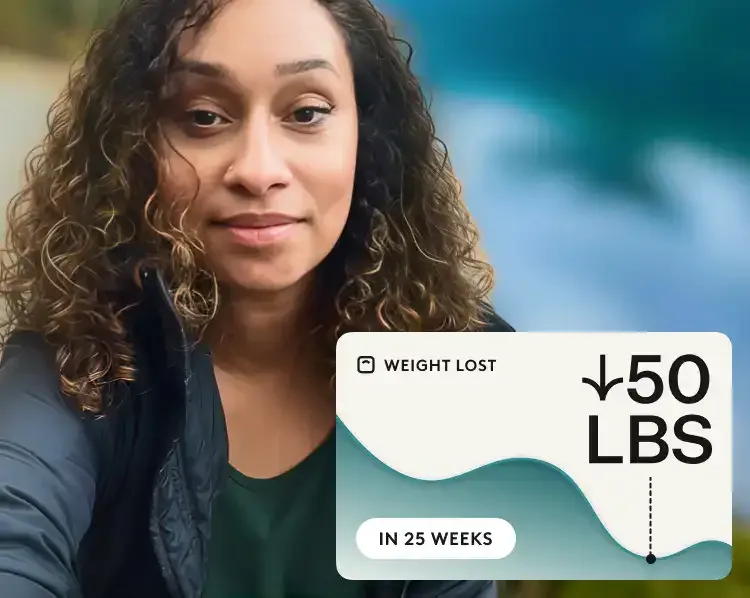
“My favorite parts of Noom are the care team and other Noomers. Sharing and getting help made me feel like I wasn’t doing it alone. That support made all the difference.”
Desirea N. — Real Noom user
Matthew M. — Real Noom user
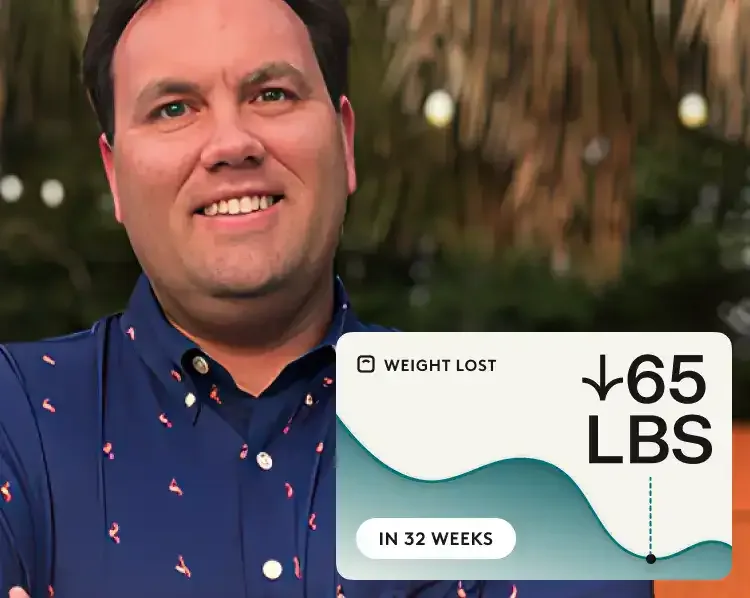
“Noom has taught me that every day is a new chance to make better, healthier choices. It's taught me how to stop overeating.’’
Matthew M. — Real Noom user
Lila M. — Real Noom user

“Clinicians who understand how supportive medication can be is one of the best parts of Noom! I was convinced I wouldn’t have success but I’m down 11 pounds in two months.’’
Lila M. — Real Noom user
Steve M. — Real Noom user
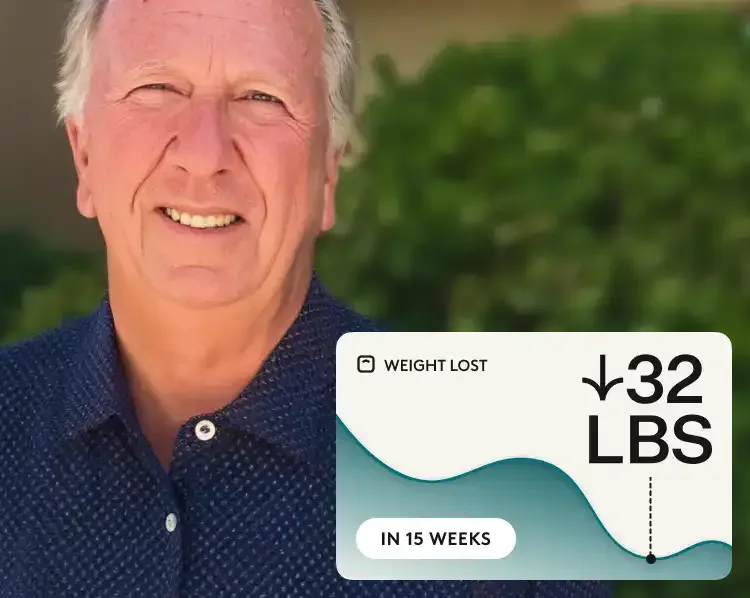
“Noom provided me with the medication which I could not get through Medicare. I have learned the tricks to better eating and life in general.”
Steve M. – Real Noom user
Daisy R. — Real Noom user
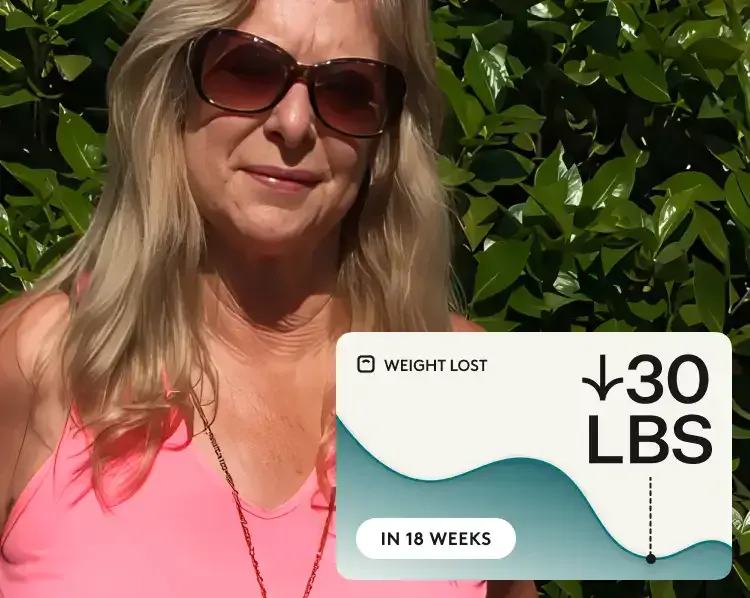
‘’Noom has changed my life and I’m so thankful, I feel great, have more energy and am no longer prediabetic.”
Daisy R. – Real Noom user
Sarah R. — Real Noom user
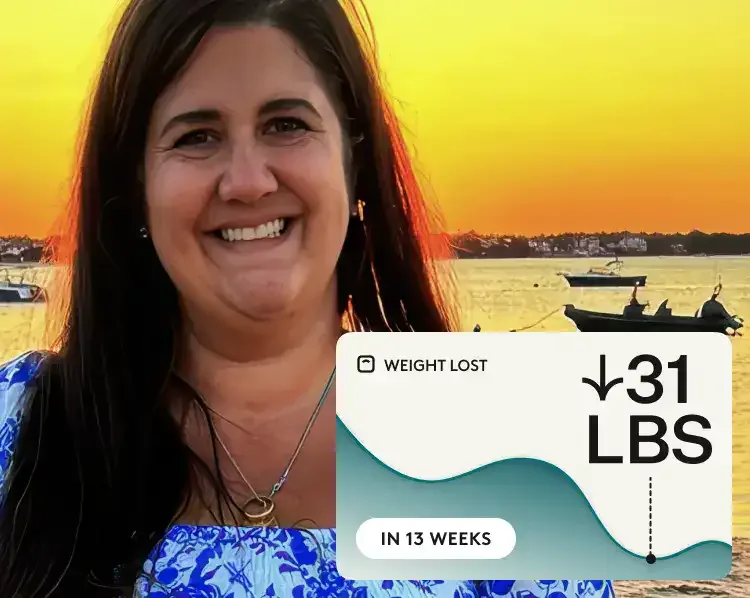
“All of the Noom providers that I’ve met with have been exceptional and prescribed medications that are appropriate for my situation and health.”
Sarah R. – Real Noom user
Madison S. — Real Noom user

“Noom made the process so simple and now I feel full, free from diet obsession, and at ease in my body again.”
Madison S. – Real Noom user
Sonday K. — Real Noom user
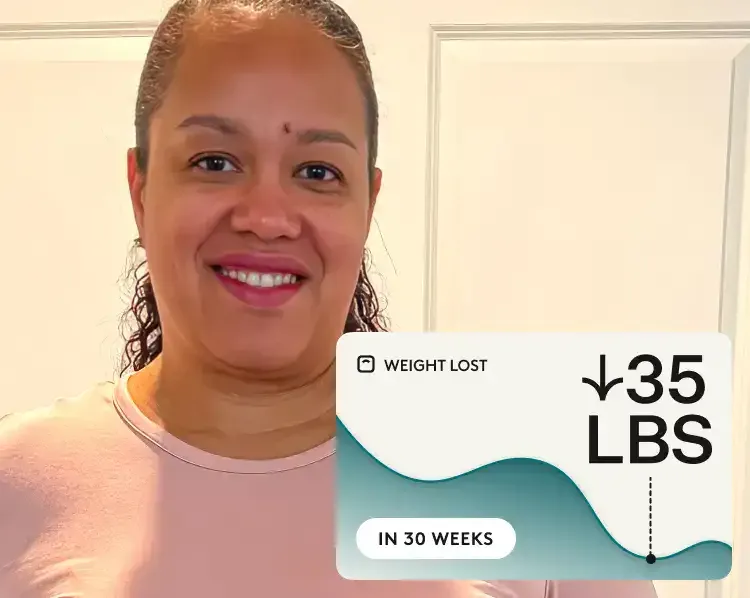
“My doctor recommended Noom after I was frustrated trying to lose weight. The lessons helped change my relationship with food. My body feels lighter & energized.”
Sonday K. – Real Noom user
Cam K. — Real Noom user
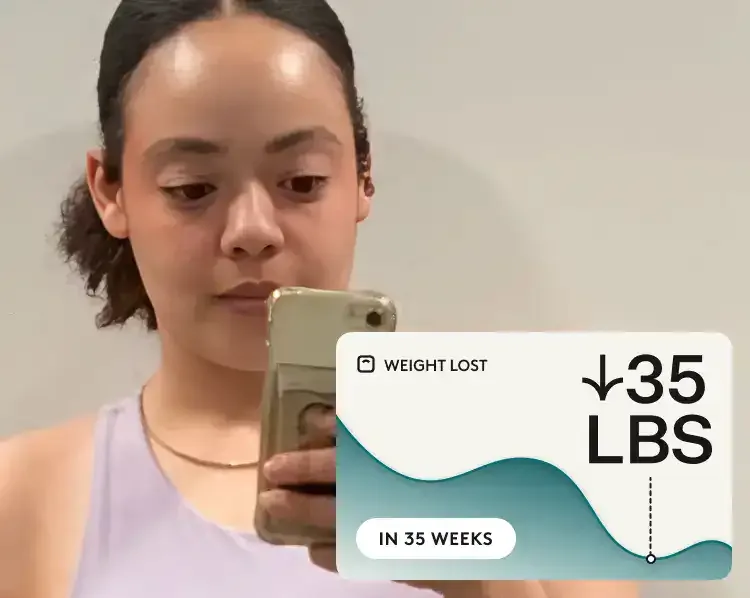
“I built healthy habits with coaching and lessons that make me confident I can maintain my weight loss long term.”
Cam K. – Real Noom user
Laura TR. — Real Noom user

“With the right medication through Noom, hunger and sugar cravings finally quieted and I have the tools to break the cycle.”
Laura TR. – Real Noom user
Jessica S. — Real Noom user
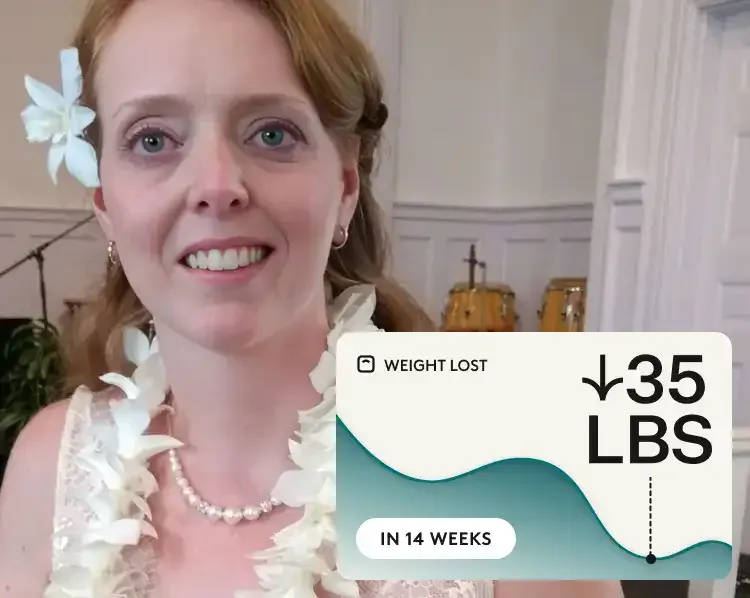
“Cravings and food noise are gone, I finally feel confident in the healthy habits I’ve built to last with Noom.”
Jessica S. – Real Noom user
The bottom line: 72-hour fasts have benefits, but are more extreme
A 72-hour fast can trigger biological changes, but it’s not for everyone. While the idea of a metabolic reboot is appealing, the science doesn’t support prolonged fasting as a necessary or superior path to long-term health.
That said, emerging research does suggest that fasting can activate certain biological pathways linked to metabolic flexibility, cellular cleanup, and inflammation control. These effects help explain why fasting is such an active area of scientific interest. The challenge is that, so far, many of these benefits appear to be short-lived or highly context-dependent, and we don’t yet have strong evidence that they translate into lasting health improvements after prolonged fasts end.
The good news? Many of the benefits people hope to get from a 72-hour fast can be achieved through less extreme, more sustainable approaches. Shorter fasting windows, modest calorie awareness, balanced nutrition, regular movement, and consistent habits engage many of the same biological pathways. And you can do all of this without pushing the body into survival mode.
With the right tools, guidance, and insights, people can take meaningful steps toward protecting their long-term health with a comprehensive and attainable plan.
If you’re looking for support in managing long-term health, check out Noom’s Proactive Health Microdose GLP-1Rx Program. It was built for people looking to learn more about how their bodies are aging and how to improve how they feel today for a healthier tomorrow.
It brings together microdose GLP-1 therapy, habit building, and regular biomarker monitoring so people can understand and react to how their actions improve their health
Editorial standards
At Noom, we’re committed to providing health information that’s grounded in reliable science and expert review. Our content is created with the support of qualified professionals and based on well-established research from trusted medical and scientific organizations. Learn more about the experts behind our content on our Health Expert Team page.