
What you’ll learn:
- Sugar-free eggnog can be a healthier option for some people, but only if it’s lower in calories and saturated fat—not just sugar.
- Some sugar-free eggnog products contain artificial sweeteners, which can affect everyone differently.
- Making eggnog at home gives you more control over ingredients, sugar content, and portion size.
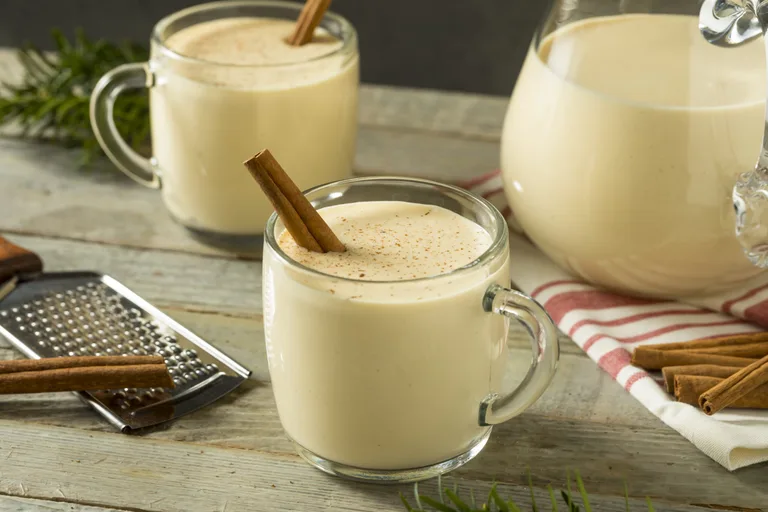
Eggnog is one of those unmistakable holiday flavors that can instantly transport you to a snowy December evening. But today’s grocery shelves—and social feeds—look very different from how they did just a few years ago. Alongside the classic, ultra-rich cartons and homemade recipes, you’ll now find sugar-free versions, “light” eggnog made with almond milk, keto-friendly options, syrups, protein powders, and even eggnog extracts.
With so many alternatives popping up—and more people looking for lighter holiday drinks—the big question is: Are sugar-free or light eggnog products actually a healthier choice? Sometimes they are, but the answer depends on what’s inside.
With that in mind, let’s take a closer look at what’s actually in sugar-free eggnog recipes and products, how they compare with traditional versions, and which options make the most sense if you’re looking for a lighter holiday favorite.
What is sugar-free eggnog?
Classic eggnog typically combines whole milk, cream, egg yolks, and sugar, sometimes more than 20 grams per cup. Sugar-free versions vary widely. Some maintain the classic richness but substitute sweeteners; others lighten the texture and calories by swapping in lower-fat dairy or plant-based milks along with lower sugar.
Depending on the brand or recipe, how the drink is made “sugar-free” or lighter can vary. That variety is why checking the label—or the recipe—is key. “Sugar-free” tells you what’s not in the carton, but not necessarily what is. Here’s what you might see:
- Keto-style versions use heavy cream, egg yolks, and low-carb sweeteners, creating a very rich drink that’s sugar-free but often still high in saturated fat and calories.
- Light or reduced-fat varieties replace some of the cream with skim or lower-fat milk and use zero-calorie sweeteners, resulting in a thinner but significantly lighter option.
- Plant-based styles (like almond, cashew, or coconut milk versions) offer a dairy-free alternative and usually less saturated fat, though coconut-based ones can still be higher in saturated fat. And the sweeteners can vary.
- Sugar-free syrups can give you eggnog flavor with any base you choose, but they often have an artificial sweetener that can cause digestive issues for some people.
Why is sugar-free eggnog trending?
Sugar-free eggnog is trending because people want festive holiday drinks without all the added sugar, especially as low-carb and keto-style eating continues to influence seasonal cooking. The rise of plant-based milks has also expanded the market for almond milk and dairy-free nogs. More consumers are looking for nostalgic flavors that feel lighter and more balanced, and TikTok has made sugar-free versions look easy, fun, and worth trying at home.
Benefits
Sugar-free eggnog may have:
- Lower added sugar: Traditional eggnog is extremely sweet—often over 20 grams of sugar per cup—while sugar-free versions cut this dramatically.
- Lighter calories and saturated fat in some versions: Options made with almond milk, low-fat milk, or light coconut milk often fall into the “light eggnog” category and can be gentler on both calories and saturated fat.
What to watch out for
Even sugar-free eggnog can have:
- High saturated fat: Keto or traditional-style sugar-free eggnog may still use heavy cream or several egg yolks, keeping the drink calorie-dense.
- Artificial or low-calorie sweeteners: Sugar alcohols can cause digestive changes for some people, including bloating or cramping.
- More calories than expected: “Sugar-free” doesn’t always mean “low calorie,” and many store-bought options still land around 150–200 calories per cup.
- Portion sizes: Many eggnog products note a small 4-ounce serving, which is half a cup. If you free pour into a large mug, you might drink much more than this.
Best sugar-free and lighter eggnog to buy
If you’re shopping for no-sugar-added eggnog or light eggnog, look for:
- < 120 calories per serving (which can be just 4 ounces in most cases).
- Minimal saturated fat. Choose lighter bases like low-fat or unsweetened plant-based milk.
- Fewer artificial sweeteners. If you’re sensitive to sugar alcohols, monk fruit or stevia might be better for you.
- Simple ingredient lists. Shorter labels often mean fewer additives
Best sugar-free eggnog to buy: MALK Holiday Almond Nog
Unsweetened almond milk–based nogs are naturally lighter than traditional eggnog, and choosing one with a short ingredient list helps limit added sugars and thickeners. MALK was the only true no-added-sugar eggnog we found.
Nutrition (4 oz): 60 calories · 3.5 g fat · 6 g carbs (4 g fiber, 3 g natural sugar) · 1 g protein
Ingredients: Filtered water, organic almonds, organic maple syrup, organic nutmeg extract, and Himalayan pink salt.
Notes: No added sugar, minimal whole-food ingredients, higher fiber than most nogs. Lower in protein and thinner in texture than dairy-based eggnog.
Other options:
Califia Farms Holiday Nog
A dairy-free, egg-free holiday nog flavored with cinnamon and nutmeg.
- Nutrition (4 oz): 50 calories · 1.5 g fat · 9 g carbs (0 g fiber, 8 g sugar) · 0 g protein
- Ingredients: Almondmilk (water, almonds), cane sugar, calcium carbonate, sunflower lecithin, sea salt, fruit and vegetable juice (for color), potassium citrate, natural flavor, guar gum, gellan gum, cinnamon, nutmeg, ginger.
- Notes: Vegan and dairy-free with no saturated fat, but contains added sugar and gums.
Elmhurst Oat Nog
A creamy plant-based option made from oats and cashews.
- Nutrition (4 oz): ~100 calories · 2 g fat · 18 g carbs (1 g fiber, 9 g sugar) · 2 g protein
- Ingredients: Filtered water, whole grain oats, cashews, cane sugar, natural flavors, salt.
- Notes: Minimal ingredients and naturally creamy, but contains added sugar.
So Delicious Coconut Milk Holiday Nog
A coconut-based nog that delivers rich flavor without dairy, lactose, or soy.
- Nutrition (4 oz): 90 calories · 2 g fat (2 g saturated) · 15 g carbs (0 g fiber, 15 g sugar—all added) · 0 g protein
- Ingredients: Coconut milk (water, coconut cream), cane sugar, sea salt, guar gum, nutmeg, natural flavor, xanthan gum, annatto extract (color added).
- Notes: Vegan and gluten-free, but high in added sugar and some saturated fat.
Meadow Gold Eggnog Light
A classic dairy-based eggnog with reduced fat compared to traditional versions.
- Nutrition (4 oz): 90 calories · 2 g fat · 15 g carbs (0 g fiber, 14 g sugar) · 3 g protein
- Ingredients: Nonfat milk, sugar, cream, egg yolk. Contains less than 1% of whey, corn starch, guar gum, salt, nutmeg, carrageenan, natural and artificial flavor, turmeric, and annatto (color), vitamin A palmitate, and vitamin D3.
- Notes: Provides protein and calcium with a familiar flavor, but contains added sugar and thickeners.
Sugar-free eggnog flavoring products
Adding eggnog flavoring is an easy way to get that classic holiday taste without the heaviness of traditional eggnog. A splash in coffee, lattes, or hot chocolate delivers festive flavor with far fewer calories and less sugar.
Sugar-free eggnog syrups: Ingredients
While some people see sugar-free eggnog syrups as a lighter way to add holiday flavor to coffee or lattes—especially compared to seasonal café drinks like the Starbucks eggnog latte—they’re not a perfect fit for everyone. Most are very low in calories, but they typically rely on artificial sweeteners and preservatives, which can cause digestive discomfort for some people. Below is a comparison of some of the most popular eggnog syrups to help you decide which option, if any, works best for you.
The syrups below are sugar-free and calorie-free, making them a popular way to add eggnog flavor without the extra sugar or cream. While they don’t add nutrition, they can be a lighter option for flavoring drinks when used mindfully.
| Product | Sweeteners & ingredients | What to know |
|---|---|---|
| Jordan’s Skinny Syrups – Sugar-Free Eggnog | Water, erythritol, natural flavor, stevia, citric acid, cellulose gum, monk fruit, sodium benzoate, potassium sorbate | Sweetened primarily with erythritol, a sugar alcohol that can cause bloating or digestive discomfort for some people. Contains preservatives. |
| DaVinci Gourmet Sugar-Free Egg Nog Syrup | Water, cellulose gum, sucralose, sodium benzoate, citric acid, natural and artificial flavors, Yellow 5 | Uses sucralose, which many people tolerate well, though some report digestive sensitivity. Includes preservatives and artificial coloring. |
| Matteo’s Barista-Style Sugar-Free Eggnog Syrup | Water, natural and artificial flavors, cellulose gum, citric acid, sucralose, acesulfame potassium, salt, sodium benzoate, potassium sorbate, caramel color | Sweetened with a blend of artificial sweeteners. Preservatives and added color may be a drawback for those sensitive to additives. |
Alternative syrup option:
Amoretti Premium Eggnog Syrup: This product is made with all-natural ingredients, including cane sugar, dextrose, fructose, egg, milk, and natural flavor. It does contain added sugar—about 8–9 grams and roughly 30–35 calories per 1½ pumps (the recommended amount for a hot drink).
Other Sugar-free eggnog alternatives
You might also spot flavor powders, extracts, and even eggnog-flavored protein powders. Let’s take a look at what’s in them and how they stack up nutritionally.
- Nature’s Flavors Eggnog Sugar-Free Flavor Powder: A concentrated, dry flavoring designed to add eggnog taste without sugar. It’s typically used in very small amounts and mixed into drinks like coffee, hot chocolate, smoothies, or protein shakes. Ingredients listed include natural powder (sugar-free), gum acacia, and natural flavors, making it best suited as a flavor enhancer rather than a source of nutrition or creaminess.
- Amoretti Natural Eggnog Extract: A highly concentrated liquid extract that delivers eggnog flavor without sugar or significant calories. Because only a few drops are needed, it offers precise flavor control with minimal nutritional impact. Like the powder, it’s intended solely for flavor and works best when added to beverages you already enjoy.
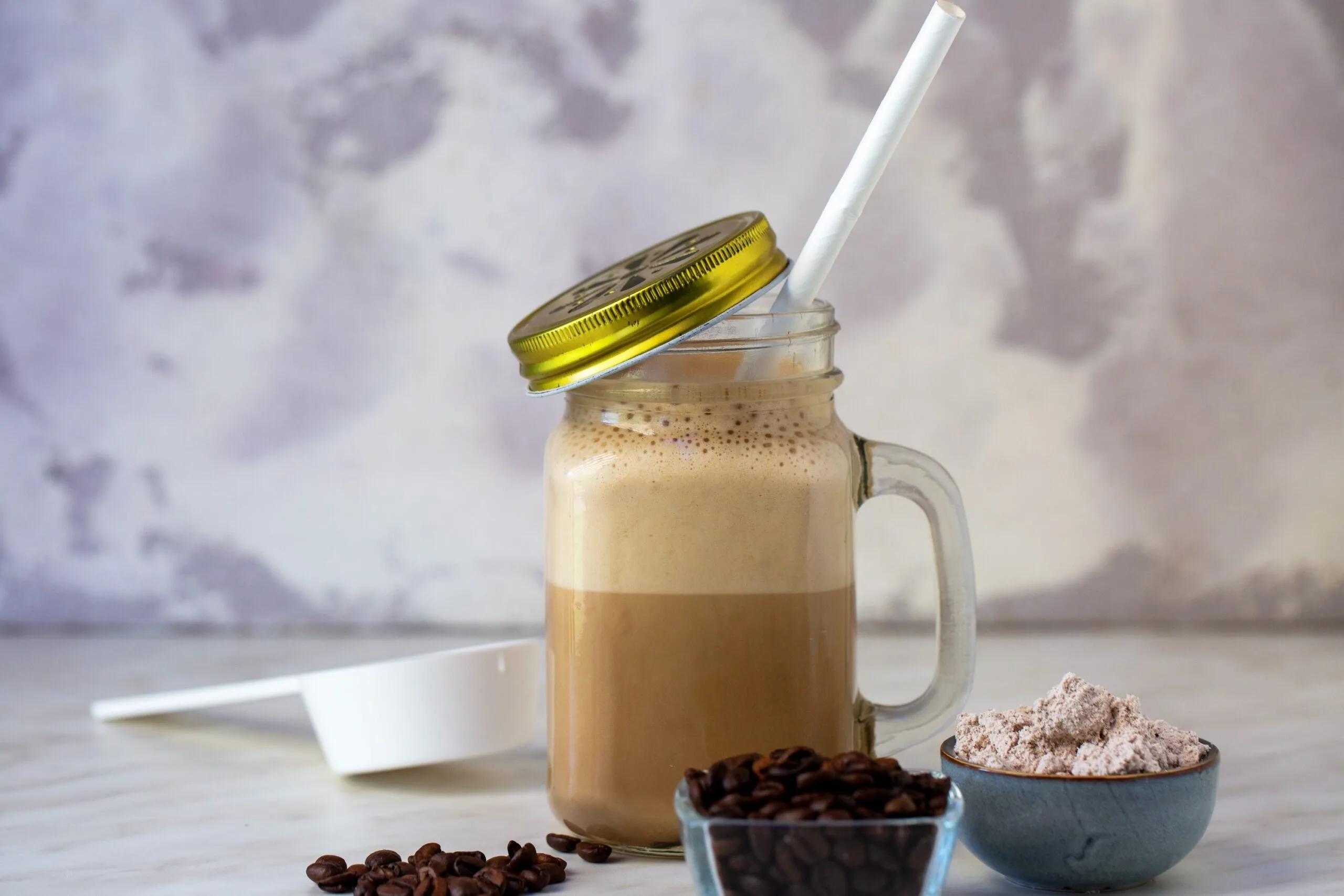
- Keto Chow Eggnog Protein Powder: A protein-forward option that provides 26 grams of protein per serving with low sugar and fat. It’s fortified with vitamins and minerals, which adds nutritional value beyond flavor, but it does contain artificial sweeteners (sucralose).
Is sugar-free eggnog safe?
Most people can safely enjoy sugar-free eggnog in moderation, but there are a few ingredients that can cause issues for some:
- Sugar substitutes: Sugar alcohols, such as erythritol or sorbitol, are the most common triggers and can cause gas, bloating, or diarrhea in some people. High-intensity sweeteners like stevia and monk fruit tend to be better tolerated, since they’re used in very small amounts. Sucralose usually falls somewhere in between—many people tolerate it well, but some report digestive sensitivity, especially with frequent or larger amounts. Because responses vary, starting with a small amount can help you gauge how your body reacts.
- Raw eggs: Homemade eggnog made with raw eggs should use pasteurized eggs or be heated to 160°F.This reduces the risk of foodborne illness.
- Saturated fat: Cream-based versions may be high in saturated fat, which can cause cholesterol buildup over time. Choosing lighter bases like almond or low-fat milk can help reduce the risk.
- Allergies: Check the ingredient labels carefully if you have allergies.
How to make a sugar-free eggnog (with no artificial sweeteners): An easy recipe
A lighter option without artificial sweeteners, this version keeps the classic flavor while offering a more balanced, approachable choice for your holiday routine.
Calories: 105-120 per serving
- Protein: 5 g
- Carbohydrates: 9-11 g
- Total Sugar: 7-9 g
- Fat: 6-7 g
- Saturated fat: 2 g
- Saturated fat: 2 g
Ingredients (2 servings)
- 1½ cups unsweetened almond milk
- 1 whole egg
- 1 egg yolk (optional)
- 1–2 tablespoons maple syrup or honey
- ½ teaspoon vanilla extract
- Nutmeg and cinnamon to taste
Instructions
- Warm milk over low heat to about 150–160°F, until it is steaming but not boiling.
- Whisk eggs and maple syrup (in a separate bowl) until smooth.
- Temper with warm milk by whisking in small amounts of milk into the egg/maple syrup mixture until smooth and combined.
- Return to heat and cook until thickened.
- Add spices and vanilla.
- Chill or enjoy warm.
For an even lighter version, skip the extra yolk, which reduces calories by about 50 per serving.
FAQs about sugar-free and light eggnog
Sugar-free and light eggnog can be a smart swap during the holidays, but the details matter. These common questions break down what “healthier” really means, how sweeteners and fat play a role, and how to enjoy eggnog in a way that fits your goals.
Is sugar-free eggnog automatically healthier?
Healthier? Sometimes—but not always. Lower sugar can be beneficial, but health depends on the full nutrition profile. Many sugar-free eggnogs are still high in saturated fat due to cream or full-fat dairy. Limiting saturated fat is often recommended because it can raise LDL cholesterol levels.
Some sugar-free products also use sweeteners that can cause digestive issues in sensitive people. Sometimes it’s better to choose a product low in sugar than one packed with artificial sweeteners.
Do sugar substitutes make eggnog better for weight loss?
Low- and no-calorie sweeteners can reduce calorie intake, which can support weight loss when used in place of added sugars. Swapping sugar for natural sugar substitutes (stevia, monk fruit) may aid calorie reduction when used thoughtfully.
Still, if the eggnog is heavy-cream-based, it will remain calorie-dense. High-fat dairy carries significant calories even without added sugar.
Will sugar-free eggnog prevent blood sugar spikes?
Sugar substitutes like stevia and monk fruit have little to no effect on blood sugar.
But, dairy-based eggnog still contains lactose—a natural sugar—and fat, both of which influence how your body digests and absorbs nutrients. Lactose is present in all dairy milk products unless removed. So, the blood sugar impact is lower, but not zero.
Access GLP-1 Weight Loss with Noom
Explore a wide range of prescription medications supported by Noom’s program.Microdose GLP-1rx
Noom GLP-1rx
Noom GLP-1rx Plus
Wegovy®
Ozempic®
Metformin
Zepbound®
Mounjaro®
Liraglutide
Can sugar-free or light eggnog help you lose weight?
It can help lower the calories in your day. Traditional eggnog often ranges from 300–400 calories per cup due to sugar, heavy cream, eggs, and alcohol, if you add it. Sugar-free or light versions typically drop that to 60 to 120 calories per serving, creating a meaningful calorie difference across a holiday season.
What liquor goes in eggnog—and does it add sugar?
Common choices include rum, bourbon, brandy, and sometimes whiskey. Most distilled spirits don’t have any sugar because the fermentation and distillation processes remove it.
Flavored or spiced spirits may contain added sugars, so always check the labels. And remember, alcohol adds calories, typically 65–100 calories per ounce.
Can you freeze eggnog?
Yes, egg eggnog can generally be frozen safely for about 6 months. Most dairy-containing liquids can be frozen, though texture may change slightly upon thawing.
Homemade eggnog may separate more easily due to higher fat and egg content, but it is still safe if frozen before spoilage.
Can pregnant women drink eggnog?
Only if it’s pasteurized and alcohol-free. Traditional eggnog recipes often contain raw eggs, which pose a risk of salmonella. The CDC recommends avoiding raw or undercooked eggs during pregnancy.
Store-bought refrigerated eggnog is typically pasteurized (check the label), making it safer. Alcoholic eggnog should be avoided entirely during pregnancy.
How long is eggnog good for after opening?
Refrigerated commercial eggnog generally lasts 3 to 5 days after opening. Homemade eggnog, especially any made with cooked egg mixtures, should be used within 2 to 4 days.
The bottom line: Choose a sugar-free product carefully (or make your own!)
Sugar-free eggnog can absolutely be a lighter, healthier holiday drink option, especially if you love the flavor but want to reduce sugar, cut calories, or avoid big energy swings.
It’s not a health drink, but as a smart seasonal swap, it can fit well into a balanced, joyful holiday season.
Paired with mindful portions, movement, and habits that feel good for your body, sugar-free eggnog can be a delicious part of your holiday, or anytime you feel like something sweet and satisfying. You can also check out these six healthy holiday eating tips, like practicing portion control and staying hydrated, that will also make a difference this season.
If you’re looking for a safe, effective, and science-backed way to feel your best, explore the Noom app on iOS & Android. It’s designed to help you make realistic, lasting changes.
Editorial standards
At Noom, we’re committed to providing health information that’s grounded in reliable science and expert review. Our content is created with the support of qualified professionals and based on well-established research from trusted medical and scientific organizations. Learn more about the experts behind our content on our Health Expert Team page.