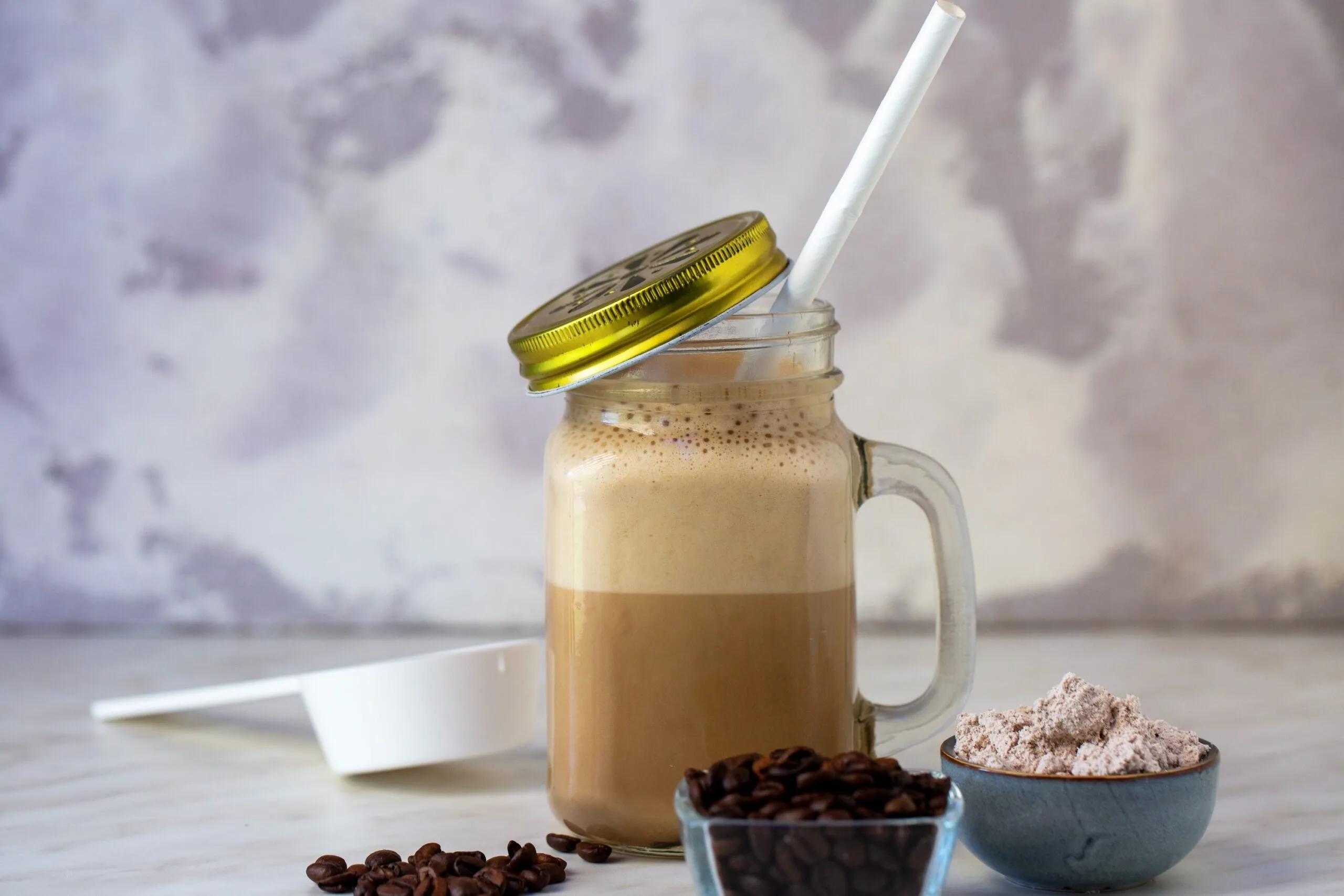

Protein has become the wellness world’s go-to add-in, showing up in just about everything from pancakes and oatmeal to mashed potatoes and coffee drinks from Starbucks. Now, hot chocolate is getting the high-protein treatment. Protein hot chocolate (or protein hot cocoa) has taken off on social media as the latest “better-for-you” twist on a classic comfort drink.
But does adding protein actually make hot chocolate healthier—or deliver any meaningful health benefits? Below, we’ll break down what protein hot chocolate is, why it’s trending, and whether it’s really healthier than traditional hot chocolate. We’ll also get expert insight from Dr. Karen Mann, MD, Noom’s Medical Director, plus share a protein hot chocolate recipe that puts an unexpected spin on the trend.
What is protein hot chocolate?
At its core, protein hot chocolate is exactly what it sounds like: a warm, cocoa-flavored drink that delivers protein along with comfort. For some people, that means upgrading traditional hot cocoa; for others, it’s turning a cold protein shake into a cozy, winter-friendly option. It’s typically prepared in one of three ways on social media:
- From scratch: Made with unsweetened cocoa powder, a protein source (such as protein powder or even bone broth), milk or a milk alternative, and a sweetener.
- From a hot chocolate packet: A store-bought hot cocoa mix prepared as directed, then boosted with added protein—usually protein powder or high-protein milk.
- From ready-to-drink shakes: Some people gently heat a chocolate protein shake (like Premier Protein) and drink it like a mug of hot cocoa.
Why is protein hot chocolate trending?
Protein has quietly become one of the biggest wellness priorities in the U.S. More than half of American consumers say they’re actively trying to eat more protein, often for reasons like feeling fuller, supporting muscle as they age, and making meals feel more satisfying. According to a 2025 consumer profile on protein, people increasingly see protein as both functional and enjoyable, which is why it’s showing up in everything from snacks to drinks.
You can see that shift clearly in beverages. Data from market insight studies shows that protein-fortified drinks are one of the fastest-growing parts of the functional beverage market—and they’re no longer limited to cold shakes. Protein is moving into coffees, teas, and now warm, comforting options that feel more like a treat than a supplement.

The Easy Way
to lose weight and get healthy.
See if you qualify

A few big trends are colliding here:
- People want food that does more. Rather than focusing on restriction or dieting, many people are gravitating toward foods that feel supportive and practical. As a look at functional beverages explains, protein now sits alongside fiber and electrolytes as something people intentionally look for to support daily wellness.
- Appetite conversations have shifted. With more awareness around appetite regulation—including the rise of GLP-1 medications—protein has taken on a new role. Experts often point to adequate protein as one way to support muscle and metabolic health during weight-loss efforts. Consumer data shows that interest in protein-forward foods has grown alongside these changes.
- Social media made protein cozy. On Instagram and TikTok, creators have turned protein into something that looks comforting and aspirational. According to food trend insights, viral food trends increasingly blend health cues with aesthetics, which helps explain why protein hot chocolate often shows up with frothers, whipped toppings, oversized mugs, and “soft winter wellness” vibes.
That’s where protein hot chocolate really clicks. It takes something familiar and comforting and adds a functional twist. For many people, it feels like an easy win: a way to add protein without another bar, shake, or savory meal. It fits naturally into colder weather, New Year reset energy, and the growing interest in beverages that feel both indulgent and intentional.
In other words, protein hot chocolate isn’t just about protein. It works because it meets people where they are: craving comfort, looking for balance, and wanting health habits that feel doable, not rigid.
Is protein hot chocolate healthier?
It can be—but it really depends on how it’s made.
Cocoa itself isn’t the issue. Cocoa naturally contains flavanols, plant compounds that have been linked to modest benefits for blood vessel function and blood pressure. A large review published found that cocoa flavanols may slightly improve cardiovascular markers, especially when they’re not paired with large amounts of added sugar.
Where hot chocolate tends to get out of balance—whether it comes from a packet, a café, or a viral recipe—is everything added around the cocoa. Added sugars, syrups, oversized portions, and highly processed ingredients are usually what turn a cozy drink into something that feels more like dessert than nourishment.
Here’s how the most common versions stack up.
- Prepackaged hot cocoa mixes – Store-bought hot cocoa mixes are designed for convenience and sweetness. Many contain added sugars, milk powders, emulsifiers, and flavorings, and it’s common for a single serving to deliver 15 grams of sugar or more before you even add milk or protein powder. Nutrition information from a popular hot cocoa mix shows how quickly sugar can become the dominant ingredient in these mixes.
- Coffee shop hot chocolate – Hot chocolate from a cafe can be the highest-calorie option. Chocolate sauces, flavored syrups, whipped cream, and larger cup sizes can quickly add up. A tall hot chocolate made with 2% milk and whipped cream can easily top 30 grams of sugar, according to estimates, and that’s before adding any protein or extras.
- Protein-shake hot chocolate – This version drives a lot of social media buzz. Warming a bottled chocolate protein shake can be a reasonable option—especially if the shake is already fairly balanced—but results vary by brand. Some bottled protein shakes are low in added sugar and designed to be filling, while others contain a lot of added sugar.
A few things to keep in mind:
- Check added sugar first. If the base hot chocolate is already sweet, you probably don’t need to add anything else.
- Be mindful of toppings. Whipped cream, chocolate drizzle, marshmallows, or cookie crumbles can quickly add up.
- Heat protein shakes gently. Overheating can affect texture and flavor, making the drink grainy or overly thick.
If your goal is cozy and convenient, this version can fit. If your goal is cozy and more balanced, the ingredient list matters.
Protein hot chocolate: Benefits
A mug of protein hot chocolate can be comforting, chocolatey, and help you reach your protein goals.
The Easy Way
to lose weight and get healthy.
See if you qualifyA thoughtfully made protein hot chocolate:
- Can boost protein intake. Higher-protein diets can help increase fullness and reduce hunger compared to lower-protein eating patterns.
- May support satiety versus sugary drinks. Drinks high in protein have been shown in some studies to increase satiety and reduce subsequent calorie intake compared with lower-protein drinks.
- Could replace a higher-sugar treat. Swapping a large, sugar-heavy coffee house hot chocolate for a homemade version with more protein and less sugar can be a step toward more balanced choices.
- Might be emotionally satisfying. Having a warm, soothing option that still aligns with your goals can make it easier to stick with habits long term.
“People enjoy protein hot chocolate because it feels comforting and satisfying while still aligning with their health goals. Adding protein can offer a small nutritional upgrade to an otherwise indulgent treat—but it’s most beneficial when paired with regular movement or strength-building, so the body can actually use that protein,” says Dr. Mann.
Does protein hot chocolate help with weight loss?
On its own, protein hot chocolate isn’t going to help you lose weight. But it can play a helpful role in a weight-management plan if:
- It helps you hit your daily protein target, which can help you stay full and maintain muscle during weight loss. Learn more about why protein matters for weight loss.
- It replaces a higher-sugar, higher-calorie drink or dessert you’d normally have.
- It fits into your overall energy needs for the day, rather than stacking on top of lots of other snacks and drinks.
Think of this beverage as one potential building block in a pattern that also includes fiber-rich foods, movement, sleep, and stress management. It works best as part of the big picture, not the whole picture.
“Instead of thinking of protein hot chocolate as a bonus treat, think of it as swapping one choice for another. If it replaces a higher-sugar drink or helps you meet your protein target, it can be a smart addition. Always check sugar content and aim for whole foods whenever you can,” suggests Dr. Mann.
Our favorite protein hot chocolate recipe
One unique way to boost the protein in hot chocolate is to use a base made with bone broth. A cup of bone broth typically contains 8 to 10 grams of protein, so blending it with cocoa and almond milk creates a drink that feels both comforting and more filling than traditional hot chocolate. Need a good bone broth recipe? Here’s a turkey bone broth recipe to try.
Bone broth protein hot chocolate
Total Time: 10 minutes
Servings: 1
Calories: 120
Protein: 12 grams
Ingredients:
1 cup bone broth
1 cup unsweetened almond milk
2 tablespoons cocoa powder
1 teaspoon cinnamon
1 teaspoon vanilla extract
2 tablespoons almond milk (for foam)
Instructions:
- Combine the bone broth and almond milk in a small saucepan.
- Warm over medium heat until heated through but not boiling.
- Whisk in the cacao powder until fully dissolved and the mixture becomes smooth and chocolatey.
- Stir in the cinnamon and vanilla extract.
- Continue whisking until the mixture is well blended.
- In a separate cup, froth the almond milk using a handheld frother or blender until light and airy.
- Pour the hot chocolate into a mug.
- Spoon the almond milk foam on top.
- Dust with a pinch of cinnamon or cocoa powder, if desired.
The Easy Way
to lose weight and get healthy.
See if you qualifyIs protein hot chocolate safe?
While protein hot chocolate can be part of a healthy diet, it’s not automatically “healthy” just because it contains extra protein. Protein hot chocolate made with whey or plant-based protein powder, bone broth, or protein-boosted milk is generally safe for most healthy people. Still, individual protein needs vary, and consuming more than your body needs probably won’t provide extra benefits.
Here’s what to look out for:
- Kidney or liver disease: People with chronic kidney conditions may need to limit protein and should talk with their clinician before using protein powders regularly.
- Heavy metals and additives: Some protein powders contain contaminants like lead or added stimulants and sweeteners, so checking for third-party testing and paying attention to ingredient lists is helpful.
- Total protein and calories: It’s possible to overdo it on both protein and liquid calories if shakes, coffees, and protein hot chocolates are added on top of an already full day of eating.
If you’re unsure how much protein is right for you, especially if you’re over 55 or have medical conditions, checking in with a healthcare provider or dietitian can give you a personalized range.
The bottom line: High-protein hot chocolate can be a healthy treat
When made with simple ingredients, minimal added sugars, and a quality protein source, protein hot chocolate can be part of a healthy diet. It can offer a comforting way to increase protein intake, keep you full, and replace a more sugar-heavy hot chocolate.
That said, protein hot chocolate isn’t a health upgrade by default. The benefits depend on what you’re adding and what it’s replacing. Versions made with sweetened mixes, flavored protein powders, or oversized portions can be high in sugar and calories without offering much more nutritional value. And while protein matters for satiety and muscle maintenance, more isn’t always better.
The best approach is to think of protein hot chocolate as a swap, not an extra. If it helps you meet your protein needs, enjoy a cozy treat, and stay consistent with your habits, it can be a smart addition. If it’s just another ultra-processed product layered onto an already full day of eating, it’s unlikely to be an upgrade. Like most nutrition trends, it works best when it fits into the bigger picture of balanced meals, movement, sleep, and overall routine.
Looking for more guidance and tips for making the holidays healthier? Download Noom on iOS & Android. You’ll get personalized guidance, daily tips, and healthy meal ideas to help you reach your goals and feel your best.
Editorial standards
At Noom, we’re committed to providing health information that’s grounded in reliable science and expert review. Our content is created with the support of qualified professionals and based on well-established research from trusted medical and scientific organizations. Learn more about the experts behind our content on our Health Expert Team page.