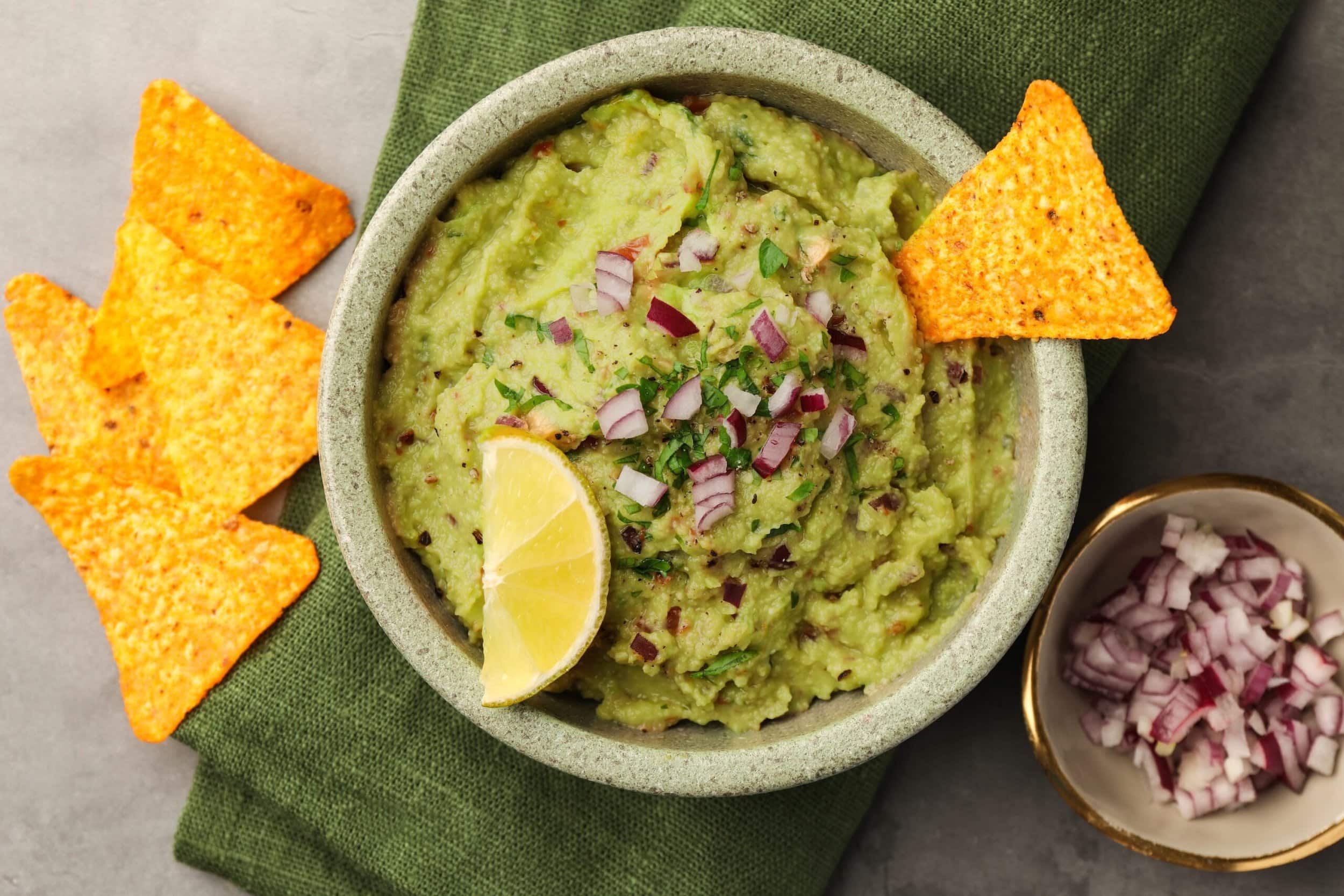
Guacamole is one of those foods that makes everything taste better. Whether you’re spreading it on toast or dolloping it on a burrito bowl, this dip made from ripe avocados, lime, and salt has a devoted following for its creaminess and flavor. But if weight loss is your goal, is guacamole a good choice?
While guacamole is high in calories and fat, it has a lot of nutrients. Avocado is mostly made up of good monounsaturated fats that can help keep you satisfied, which can ultimately help you lose weight. Plus, guacamole is packed with fiber and several nutrients that your body needs. The key is understanding how to enjoy it smartly—and that’s exactly what we’re here to help you figure out.
✅ Quick answer
Yes, guacamole can support your weight loss goals when you enjoy it in reasonable portions.
✅ Why guacamole can support your goals:
- It’s rice in heart-healthy fats – The monounsaturated fats in avocados help you feel satisfied after eating, which can naturally reduce your overall calorie intake throughout the day.
- It’s high in fiber – With about 3.6 grams of fiber per 1/4 cup serving, guacamole helps slow digestion and keeps blood sugar levels stable.
- It’s nutrient-dense for the amount of calories – Guacamole delivers vitamins, minerals, and antioxidants your body needs in small portions.
Rx weight loss, the right way, with Noom
Get access to prescription weight loss medication with Noom.Microdose GLP-1s
Wegovy®
Ozempic®
Metformin
Zepbound®

Mounjaro®
Liraglutide
⚠️ Things to be mindful of:
- It is high in calories – At about 94 calories per 1/4 cup, guacamole can add up quickly if you’re not paying attention to portion sizes.
- It’s easy to eat more than you intended – Guacamole tastes good, which could make you keep dipping, leading to consuming more calories than planned.
- It’s often paired with high-calorie foods – If you’re pairing it with fried tortilla chips or sour cream, you might be eating too many calories.
🥗 Nutrients in guacamole (per 1/4 cup or 60g)
| Nutrient | Amount | % RDA* |
|---|---|---|
| Calories | 94 calories | 5% |
| Protein | 1.2 g | 2% |
| Total carbs | 5.2 g | 2% |
| Fiber | 3.6 g | 13% |
| Sugars | 0.2 g | — |
| Total fat | 8.1 g | 10% |
| – Saturated fat | 1.2 g | 6% |
| – Monounsaturated fat | 5.0 g | — |
| – Polyunsaturated fat | 1.0 g | — |
| Omega-3 | 65 mg | — |
| Omega-6 | 943 mg | — |
A ¼-cup serving of guacamole has 8 grams of fat, mostly heart-healthy monounsaturated fats that support cardiovascular health and help you feel satisfied. It also delivers over 13% of your daily fiber needs in a small serving, making it both filling and nutrient-dense. While guacamole is low in protein, it does contain small amounts of omega-6 and saturated fats; in moderation, these aren’t harmful, but eating large portions can add up in calories and contribute to an imbalance of fats in your diet. Pairing guacamole with protein-rich foods or omega-3 sources like salmon, tuna, chia seeds, or walnuts can make it part of a more balanced meal.
*Recommended dietary allowance (RDA) is defined as the average daily amount of nutrients needed to meet the requirements of nearly all healthy people in a specific group.
💊 Vitamins & minerals in guacamole (per 1/4 cup or 60g)
| Vitamin/Mineral | Amount | % RDA* |
|---|---|---|
| Copper | 0.11 mg | 12% |
| Folate (Vitamin B9) | 48 μg | 12% |
| Vitamin K | 12.4 μg | 10% |
| Vitamin B6 | 0.15 mg | 9% |
| Vitamin E | 1.2 mg | 8% |
| Vitamin C | 7.5 mg | 8% |
| Potassium | 286 mg | 6% |
| Vitamin B5 | 0.31 mg | 6% |
| Magnesium | 17 mg | 4% |
| Manganese | 0.08 mg | 4% |
Guacamole is rich in micronutrients, particularly copper and folate. Copper supports iron absorption and energy production, while folate is essential for cell division and DNA synthesis. Its high vitamin K content promotes bone health and blood clotting, making guacamole more than just a flavorful dip. Potassium is also noteworthy for weight management, since it helps regulate fluid balance and counteracts the bloating effects of sodium. Rounded out with vitamins E and C for antioxidant protection—and boosted by the vitamin C, antioxidants, and phytonutrients from common add-ins like tomato, onion, and cilantro—guacamole offers a well-balanced micronutrient profile that supports overall health during weight loss.
🔍 Nutrient breakdown
Glycemic index (GI) of guacamole
Glycemic index: <15 (Low)
💡 Tip: Low-GI foods like guacamole help maintain steady blood sugar levels, preventing the spikes and crashes that can trigger hunger and cravings throughout the day.
Is guacamole high in protein?
❌ No: Guacamole contains only 1.2 g of protein per 1/4 cup serving.
Better protein alternatives: Greek yogurt dip | Hummus | Cottage cheese dip
Is guacamole high in fiber?
✔️ Yes: Guacamole provides 3.6 g of fiber per 1/4 cup serving.
💡 Tip: Pair your guacamole with high-fiber vegetables like bell peppers or carrots to maximize the digestive and satiety benefits.
Is guacamole low in carbs?
✔️ Yes: Guacamole has 5.2 g of total carbs, but with 3.6 g of fiber, the net carbs are only 1.6 g per serving.
💡 Tip: The low net carb content makes guacamole perfect for low-carb diets while still providing satisfying volume and nutrients.
Is guacamole gluten-free?
✔️ Yes: Traditional guacamole made from avocados, lime, onion, cilantro, and salt is naturally gluten-free.
Is guacamole good for fat loss?
✔️ Yes: The combination of healthy fats and fiber promotes satiety, which can help reduce overall calorie intake when used as part of a balanced diet.
🍽️ Diet compatibility: Which diets include guacamole?
| Diet | ✅Yes /❌No | Why |
|---|---|---|
| Keto | ✅ | High in healthy fats and very low in net carbs, making it perfect for maintaining ketosis while adding flavor and nutrients. |
| Paleo | ✅ | Made entirely from whole, unprocessed ingredients that align with paleo principles of eating foods available to our ancestors. |
| Mediterranean | ✅ | Rich in monounsaturated fats and plant-based nutrients, it fits perfectly with the Mediterranean emphasis on healthy fats and vegetables. |
| Vegan | ✅ | Completely plant-based with no animal products, making it suitable for any vegan eating pattern. |
| Gluten-free | ✅ | Naturally free from gluten-containing ingredients, safe for those with celiac disease or gluten sensitivity. |
Guacamole’s versatility across different eating styles makes it a valuable addition to almost any healthy diet plan. Its whole-food ingredients and nutrient density align with the principles of most evidence-based approaches to nutrition. Whether you’re following a specific diet for health reasons or weight loss, guacamole can typically find a place on your plate without compromising your goals.
🌟 Is guacamole healthy? What are the health benefits
Metabolic health: Is guacamole good for your metabolism?
- Boosts metabolism? ❌ No – Guacamole doesn’t directly increase metabolic rate, but its B vitamins support the enzymes involved in energy metabolism.
- Improves insulin sensitivity? ✔️ Yes – The monounsaturated fats in avocados have been shown to improve how your cells respond to insulin.
- Effect on fat storage? Positive – The healthy fats and fiber help promote satiety, reducing the likelihood of overeating and subsequent fat storage.
Cholesterol impact: Does guacamole affect cholesterol levels?
- Does it lower LDL (bad) cholesterol? ✔️ Yes – Research shows that avocados can help reduce LDL cholesterol levels when they replace less healthy fats in the diet.
- Does it raise HDL (good) cholesterol? ✔️ Yes – Some studies suggest avocados may help maintain or slightly increase HDL cholesterol levels.
- Overall impact on heart health? The combination of monounsaturated fats, potassium, and fiber creates a heart-healthy profile that may reduce cardiovascular disease risk.
💡 Tip: Replace mayonnaise or sour cream with guacamole to boost the heart-health benefits of your meals while cutting unhealthy saturated fats.
Can I eat guacamole for a calorie deficit?
✔️ Yes, with portion awareness: A 1/4 cup serving provides satisfying nutrition that can help prevent overeating later, making it easier to maintain your calorie deficit.
💡 Tip: Pre-portion your guacamole into small containers to avoid mindless eating while still enjoying its weight loss benefits.
Is guacamole rich in antioxidants?
✔️ Yes: Guacamole contains vitamin C, vitamin E, and carotenoids like lutein and zeaxanthin that help protect cells from oxidative damage.
Does guacamole support gut health?
✔️ Yes: The fiber in guacamole acts as a prebiotic, feeding beneficial gut bacteria and supporting a healthy microbiome.
Does guacamole support digestion?
✔️ Positive: The fiber helps promote regular bowel movements and supports overall digestive health, though the fat content may be challenging for some people with gallbladder issues.
Does guacamole help you feel satiated and less hungry?
✔️High: The combination of healthy fats and fiber creates excellent satiety, helping you feel full and satisfied for hours after eating.
Satiety Level: High
💡 Tip: Add a tablespoon of guacamole to your breakfast eggs or toast to stay satisfied until lunch without snacking.
Does guacamole help with nighttime cravings?
✔️ Yes: A small serving with vegetables can help curb evening cravings by providing satisfying nutrients without excessive calories.
💡 Tip: Keep pre-cut vegetables and portion-controlled guacamole ready for a quick, satisfying evening snack that won’t derail your progress.
Does guacamole help reduce inflammation?
✔️ Yes: The monounsaturated fats, particularly oleic acid, have anti-inflammatory properties that may help reduce chronic inflammation markers.
Is guacamole beneficial for brain health?
✔️ Yes: The healthy fats support brain structure and function, while antioxidants like vitamin E may help protect against cognitive decline.
Can guacamole improve skin and hair health?
✔️ Yes: The vitamins E and C provide antioxidant protection for skin, while healthy fats help maintain skin moisture and elasticity.
Can guacamole help balance hormones?
✔️ Yes: Dietary fats are essential building blocks for hormone production, and adequate healthy fat intake supports overall endocrine function.
💡 Tip: Include guacamole as part of a balanced diet with adequate protein and other nutrients to support optimal hormone health.
🍽️ Best ways to eat guacamole for weight loss
- Vegetable dipper: Replace high-calorie tortilla chips with fresh vegetables like bell pepper strips, cucumber slices, or carrot sticks to maximize nutrition while minimizing calories.
- Healthy spread: Use guacamole instead of mayonnaise on sandwiches and wraps to add flavor, healthy fats, and fiber without the processed ingredients.
- Protein topper: Add a dollop to grilled chicken, fish, or black bean bowls to increase satiety and flavor while supporting your protein goals.
🍏 Best alternatives & comparisons (Per 1/4 cup serving)
| Food | Calories | Carbs | Fiber | Protein | Fat |
|---|---|---|---|---|---|
| Guacamole | 94 | 5.2 g | 3.6 g | 1.2 g | 8.1 g |
| Salsa | 6 | 1.5 g | 0.4 g | 0.3 g | 0.1 g |
| Hummus | 100 | 8.6 g | 3.6 g | 4.7 g | 5.8 g |
| Tzatziki | 35 | 2.3 g | 0.1 g | 1.4 g | 2.3 g |
| Bean Dip | 64 | 9.0 g | 2.6 g | 3.1 g | 1.6 g |
When comparing guacamole to other popular dips, each has its strengths for weight loss. Salsa wins for ultra-low calories, making it perfect for high-volume snacking. Hummus provides more protein and similar fiber, making it more balanced macronutritionally. Tzatziki offers a middle ground with moderate calories and protein from low-fat Greek yogurt. Guacamole stands out for its exceptional satiety factor and heart-healthy fat profile, making it worth the extra calories for many people trying to lose weight sustainably.
Frequently asked questions about guacamole and weight loss
Can I eat guacamole every day while losing weight?
Yes, you can enjoy guacamole daily as part of a balanced diet, but stick to reasonable portions (2 to 4 tablespoons) and pair it with vegetables rather than high-calorie chips.
How much guacamole should I eat for weight loss?
A serving size of 2 to 4 tablespoons (about 1/4 cup) provides good nutrition and satiety without excessive calories. This amount gives you the benefits without derailing your calorie goals.
Is store-bought guacamole as healthy as homemade?
Homemade is generally better because you control the ingredients and sodium content. Many store-bought versions contain preservatives and extra sodium, but they can still be part of a healthy diet when chosen carefully.
What’s the best time to eat guacamole for weight loss?
Guacamole works well any time of day, but it’s particularly effective as a mid-afternoon snack with vegetables to prevent evening overeating, or as part of breakfast to increase morning satiety.
Can guacamole replace other fats in my diet?
Absolutely! Guacamole makes an excellent substitute for mayonnaise, butter, or creamy salad dressings, providing better nutrition and satiety while supporting your weight loss goals.
Reviews from real Noom users
Desirea N. — Real Noom user
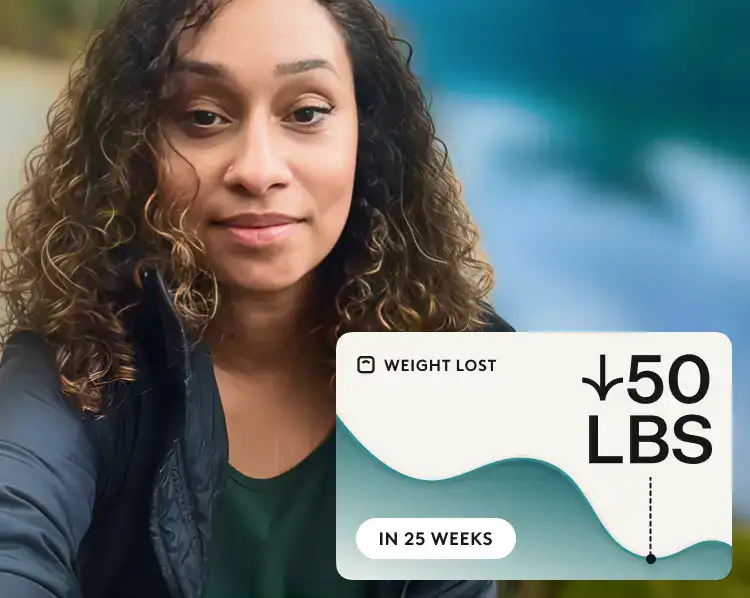
“My favorite parts of Noom are the care team and other Noomers. Sharing and getting help made me feel like I wasn’t doing it alone. That support made all the difference.”
Desirea N. — Real Noom user
Matthew M. — Real Noom user
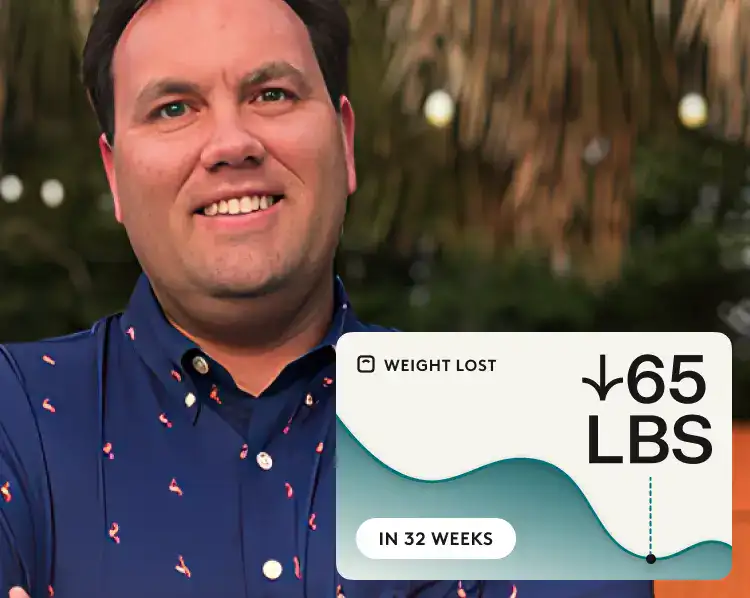
“Noom has taught me that every day is a new chance to make better, healthier choices. It's taught me how to stop overeating.’’
Matthew M. — Real Noom user
Lila M. — Real Noom user
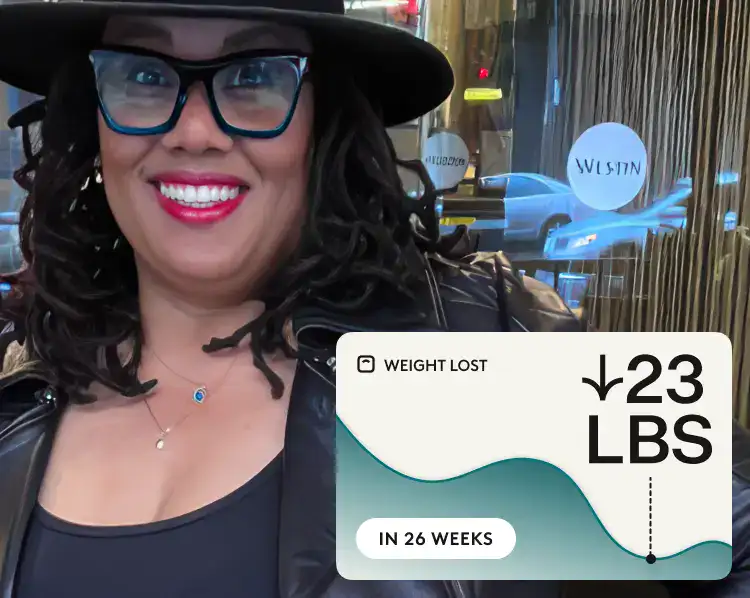
“Clinicians who understand how supportive medication can be is one of the best parts of Noom! I was convinced I wouldn’t have success but I’m down 11 pounds in two months.’’
Lila M. — Real Noom user
Steve M. — Real Noom user
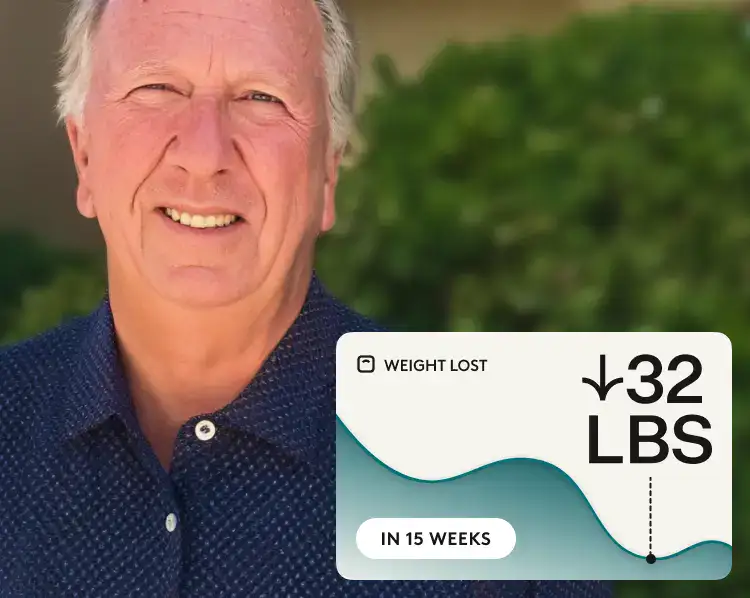
“Noom provided me with the medication which I could not get through Medicare. I have learned the tricks to better eating and life in general.”
Steve M. – Real Noom user
Daisy R. — Real Noom user
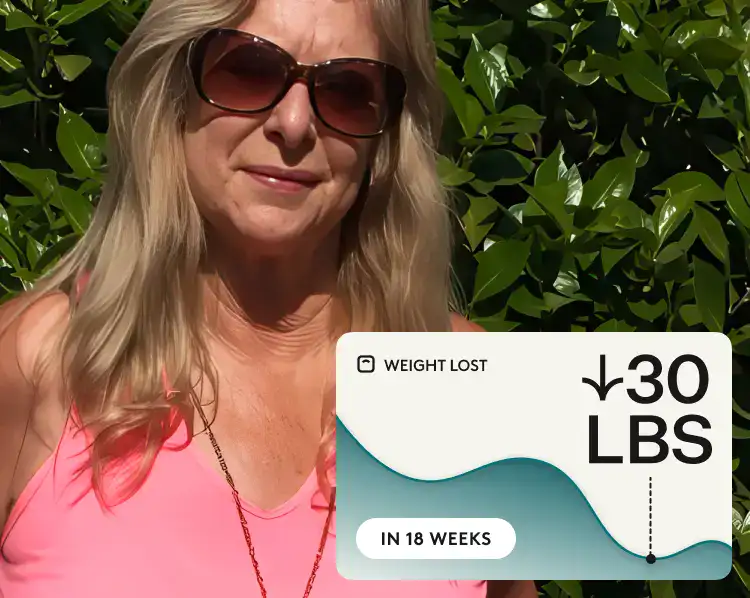
‘’Noom has changed my life and I’m so thankful, I feel great, have more energy and am no longer prediabetic.”
Daisy R. – Real Noom user
Sarah R. — Real Noom user
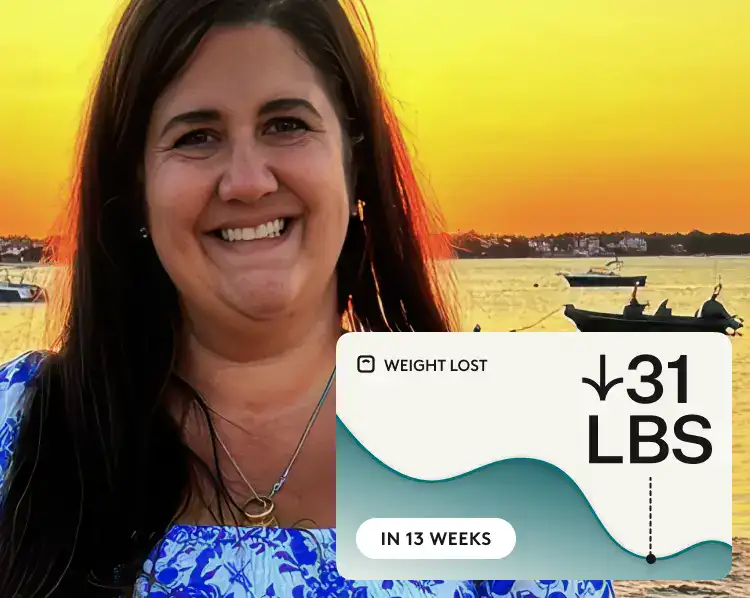
“All of the Noom providers that I’ve met with have been exceptional and prescribed medications that are appropriate for my situation and health.”
Sarah R. – Real Noom user
Madison S. — Real Noom user
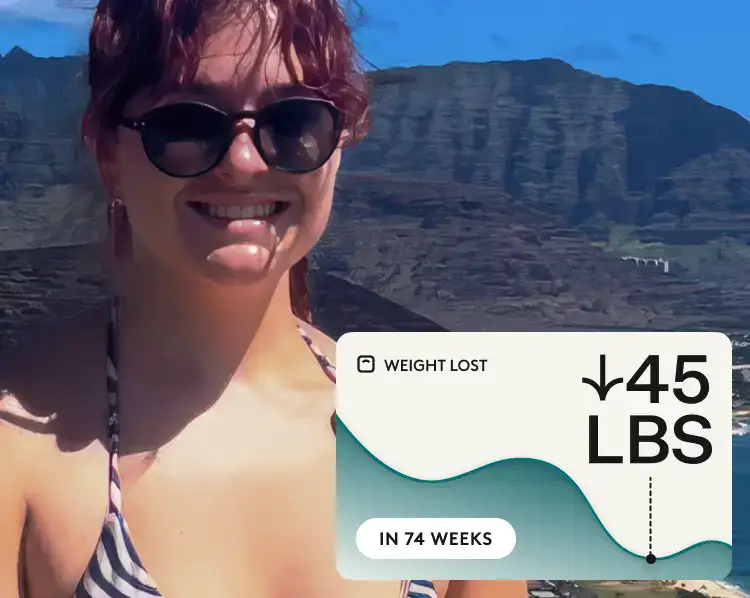
“Noom made the process so simple and now I feel full, free from diet obsession, and at ease in my body again.”
Madison S. – Real Noom user
Sonday K. — Real Noom user
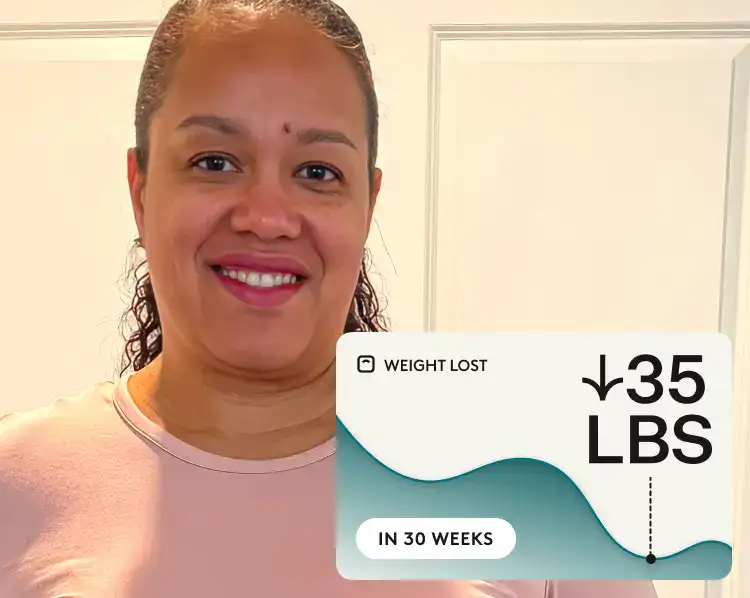
“My doctor recommended Noom after I was frustrated trying to lose weight. The lessons helped change my relationship with food. My body feels lighter & energized.”
Sonday K. – Real Noom user
Cam K. — Real Noom user
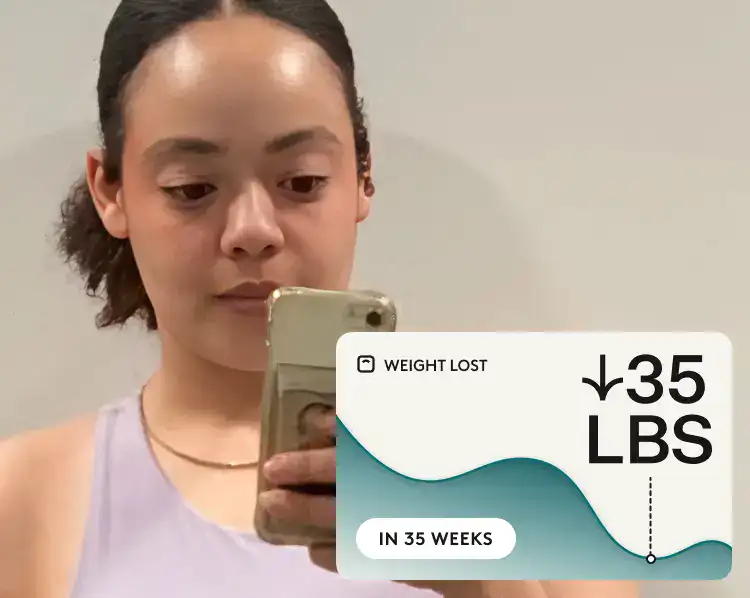
“I built healthy habits with coaching and lessons that make me confident I can maintain my weight loss long term.”
Cam K. – Real Noom user
Laura TR. — Real Noom user
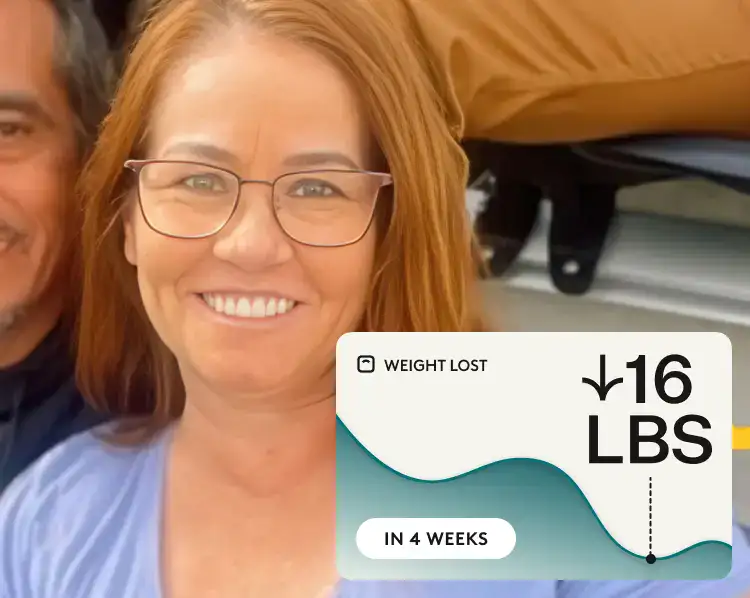
“With the right medication through Noom, hunger and sugar cravings finally quieted and I have the tools to break the cycle.”
Laura TR. – Real Noom user
Jessica S. — Real Noom user
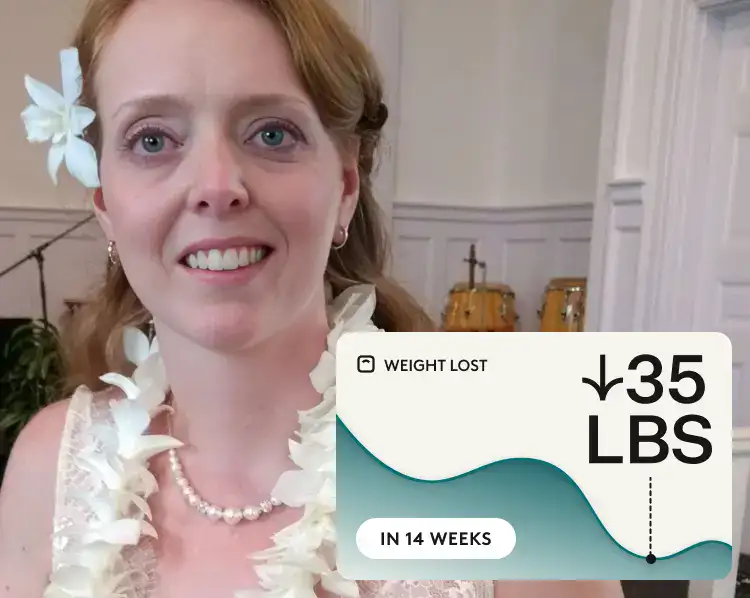
“Cravings and food noise are gone, I finally feel confident in the healthy habits I’ve built to last with Noom.”
Jessica S. – Real Noom user
Does guacamole count as a vegetable serving?
While avocados are technically fruits, guacamole can contribute to your daily produce intake. However, it’s best viewed as a healthy fat source rather than counting it as a full vegetable serving.
🧠 The bottom line: Is guacamole good for weight loss?
Guacamole absolutely deserves a spot in your diet when enjoyed mindfully. Its unique combination of healthy fats, fiber, and essential nutrients helps keep you full, which can help you naturally eat less throughout the day. While it’s more calorie-dense than some alternatives, those calories come packed with nutrition that supports your overall health and weight loss goals.
The key to making guacamole work for weight loss is portion control and smart pairings. Stick to 2 to 4 tablespoons per serving, choose vegetables over chips for dipping, and use it to replace less healthy fats in your meals.
📖 Scientific evidence
- Eating avocado may benefit gut health (Journal of Nutrition, 2021): In a 12-week study, researchers found that people who ate an avocado every day had healthier gut bacteria than those who didn’t and fewer inflammatory compounds, suggesting that adding avocado to your routine could support digestion and even help with weight management.
- Avocado might increase satiety (Nutrients, 2019): In a small study, people who added half an avocado to their lunch felt significantly more full and satisfied for hours afterward, suggesting that adding avocado to meals may help curb appetite and prevent overeating.
- Eating avocado every day could reduce belly fat (Journal of Nutrition, 2021): In a study, women who ate a daily avocado experienced a reduction in visceral belly fat and a healthier fat distribution. Interestingly, men in the study didn’t experience the same changes.
Why you can trust us
At Noom, we’re committed to providing health information that’s grounded in reliable science and expert review. Our content is created with the support of qualified professionals and based on well-established research from trusted medical and scientific organizations. Learn more about the experts behind our content on our Health Expert Team page.

 Noom Team

 Melissa Kay