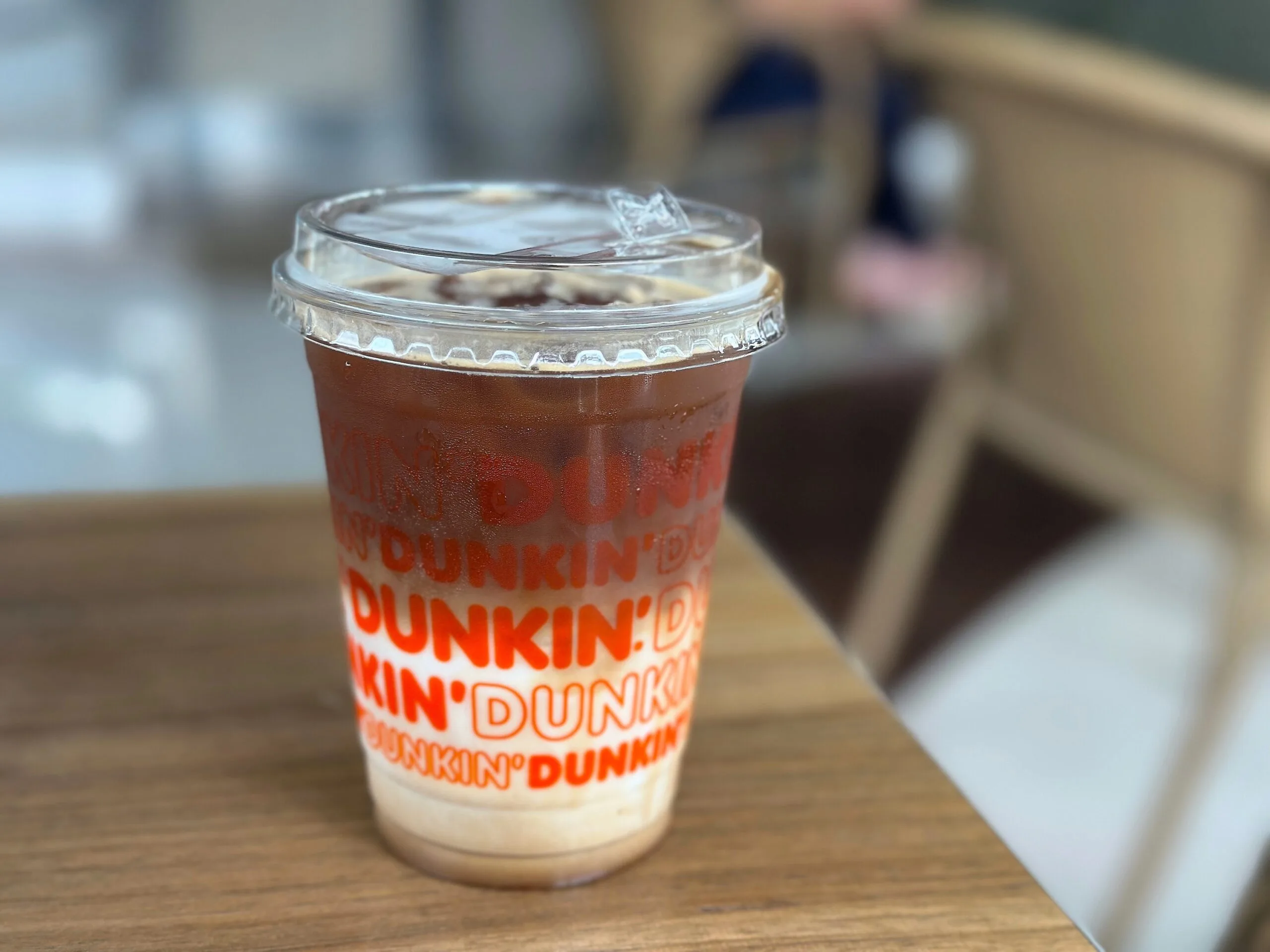

Protein has become one of the most sought-after nutrients in wellness—and not just at the grocery store. From Starbucks’ protein cold foam to Arby’s new steak bites, major chains are finding new ways to work protein into everyday menu items. Now, Dunkin’ is stepping into the conversation with a lineup of protein-forward drinks.
Dunkin’ recently introduced Protein Milk, a new dairy base designed to add a protein boost to its existing coffee and tea drinks, as well as its fruity, smoothie-like Refreshers. The launch also includes several new beverages and playful names, like the “Buff” Chai, a subtle nod to protein’s role in building and supporting muscle.
Rx weight loss, the right way, with Noom
Get access to prescription weight loss medication with Noom.Microdose GLP-1s
Wegovy®
Ozempic®

Metformin
Zepbound®
Mounjaro®
Liraglutide
The rollout also features a celebrity collaboration with singer Megan Thee Stallion, who partnered with Dunkin’ on a new music-video-style commercial. The spot playfully blends a jazzercise-inspired workout with the new protein Refreshers, alluding to the evolving conversation about protein and health benefits.
The chain’s new offerings promise familiar flavors with added nutritional appeal and flexibility. But they also raise an important question: Are these drinks actually healthy or just another trend that promises wellness without real science behind it?
Let’s learn what’s in these drinks, what the protein boost can do for weight loss, and how they can fit your goals.
What is Dunkin’s new Protein Milk?
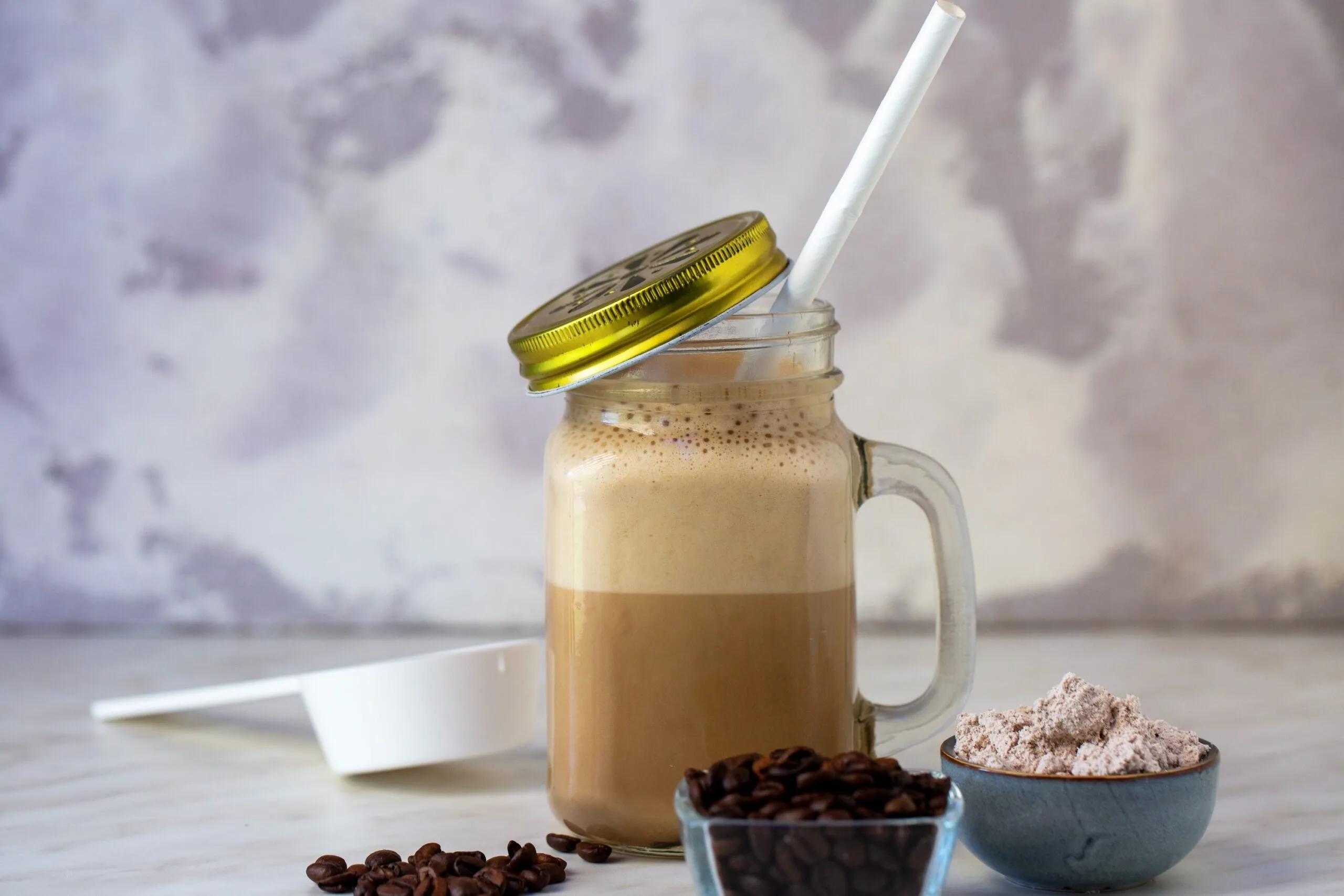
At the center of Dunkin’s new lineup is a protein-boosted milk. This dairy-based option adds about 15 grams of protein to a medium-sized drink (the protein content is lower for Refreshers). Unlike protein powders, the protein milk used was chosen to blend smoothly into beverages without altering taste or texture.
While Dunkin hasn’t released a full ingredient list, their protein milk appears to be a dairy-based, ultra-filtered milk, similar to other high-protein milks on the market. Ultra-filtration concentrates protein while reducing lactose and preserving the taste and texture of regular milk, which is why it tends to be smoother and less chalky than drinks made with protein powders. Because it’s a dairy product, protein milk also contributes nutrients like calcium and potassium.
What are Dunkin’s new protein drinks?
Protein milk can be added to any drink, but Dunkin’ introduced several new drinks to highlight the new protein-rich milk base.
- Megan’s Mango Protein Daydream Refresher: This is a tropical-flavored drink made with a mango–pineapple flavored concentrate, green tea extract, and added B vitamins, blended with protein milk for a creamy taste. It’s topped with a lightly sweet cold foam made from skim milk and cream. It was created in a partnership with Megan Thee Stallion.
- Strawberry Protein Refresher: This drink is made with a strawberry-dragonfruit flavored concentrate that includes green tea extract and added B vitamins. It’s mixed with protein milk and finished with a lightly sweet cold foam made from skim milk and cream.
- Caramel Chocolate Iced Protein Latte: This iced espresso-based drink is made with protein milk and flavored with caramel-chocolate syrup and a hint of coconut flavor.
- Almond Iced Protein Matcha Latte: This iced matcha-based drink is made with a matcha blend, protein milk, cane sugar, and toasted almond flavoring.
- Iced Protein Latte with Sugar-Free Vanilla: This iced, espresso-based drink is made with protein milk and a sugar-free vanilla sweetener syrup. The syrup is sweetened with erythritol and sucralose.
Is Dunkin’ protein milk an extra cost?
The protein milk costs about $1 in a medium drink, so expect an upcharge when customizing your own order. As a launch perk, from January 20 to 27, Dunkin’ is offering a free protein add-in (up to $1) with the purchase of any latte.
Why is protein becoming so popular?
Protein has always played an important role in nutrition, but its visibility in wellness culture has grown significantly in recent years. As conversations have shifted toward balanced, functional eating, protein has become a go-to nutrient for brands looking to make everyday foods feel more nourishing.
But adding protein to a food or drink doesn’t automatically make it healthier. The true health impact depends on the type of protein used, how much is included, and how that product fits into someone’s overall diet.
Protein added to a coffee drink or snack can contribute to daily intake, but it generally isn’t as filling—or as nutritionally complete—as protein from whole foods like eggs, yogurt, beans, fish, or poultry.
Protein has also gained attention in the context of weight loss, where it can play a supportive role. Eating adequate protein helps preserve muscle mass, which is important for people trying to lose weight.
Protein also digests slowly, which helps a person stay fuller longer and eat fewer calories. And while a protein-packed drink might help occasionally, the benefits are strongest when protein is paired with fiber, healthy fat, and other nutritious foods.
For people looking to add small amounts of protein without reaching for a shake or bar, coffee-inspired drinks are one way protein is becoming more accessible. Still, they’re best viewed as a supplement to a protein-rich diet, not a replacement for whole-food sources.
Dunkin’ new protein milk drinks: Nutrition facts
The calories, sugar, and protein content vary widely across Dunkin’s protein drinks. The lowest-calorie option is the Vanilla Blueberry Iced Coffee with Protein Milk, which delivers a small protein boost with minimal calories and no added sugar. Protein Refreshers are the highest in calories and added sugar, with some medium-sized sizes at almost 50 grams of total sugar.
When it comes to protein, Dunkin’s lattes and chai drinks tend to deliver up to 15 grams per medium drink. Dunkin’s protein coffees provide less protein overall since they just add a splash of milk. These differences highlight why drink choice, size, and sweetness level play a big role in how well these options fit into your nutrition goals.
The nutrition facts below reflect medium-sized drinks.
Dunkin’ protein lattes & espresso-based drinks
| Beverage | Calories | Protein (g) | Total fat (g) | Total sugar (g) | Added sugar (g) |
|---|---|---|---|---|---|
| NEW: Caramel Chocolate Coconut Protein Latte | 290 | 15 | 6 | 38 | 26 |
| Brown Sugar Almond Protein Iced Macchiato | 230 | 10 | 4 | 35 | 27 |
| Brown Sugar Almond Protein Hot Macchiato | 230 | 10 | 4 | 35 | 27 |
| NEW: Iced Protein Latte with Sugar-Free Vanilla | 170 | 15 | 6 | 0 |
Dunkin’ protein matcha & chai drinks
| Beverage | Calories | Protein (g) | Total fat (g) | Total sugar (g) | Added sugar (g) |
|---|---|---|---|---|---|
| NEW: Almond Iced Protein Matcha Latte | 260 | 15 | 6 | 31 | 19 |
| Hot Buff Chai | 290 | 15 | 6 | 40 | 27 |
| Iced Buff Chai | 290 | 15 | 6 | 40 | 27 |
Dunkin’ Protein Coffees
| Beverage | Calories | Protein (g) | Total fat (g) | Total sugar (g) | Added sugar (g) |
|---|---|---|---|---|---|
| Butter Pecan Vanilla Iced Coffee with Protein Milk | 200 | 5 | 1 | 39 | 32 |
| Caramel Almond Iced Coffee with Protein Milk | 200 | 5 | 1 | 40 | 35 |
| Vanilla Blueberry Iced Coffee with Protein Milk | 40 | 3 | 1 | 2 | 0 |
Dunkin’ protein Refreshers
| Beverage | Calories | Protein (g) | Total fat (g) | Total sugar (g) | Added sugar (g) |
|---|---|---|---|---|---|
| NEW: Mango Protein Daydream Refresher | 320 | 11 | 7 | 49 | 39 |
| NEW: Strawberry Protein Daydream Refresher | 310 | 11 | 7 | 47 | 37 |
| Berry Sangria Protein Daydream Refresher | 310 | 11 | 7 | 47 | 37 |
Starbucks vs. Dunkin’: Comparing protein drinks
Both Starbucks and Dunkin’ are leaning into protein, but they’ve taken different approaches.
- Starbucks’ protein drinks are designed to deliver higher maximum protein per beverage. They do that through whey protein-boosted milk or protein powder in a cold foam. Some Starbucks drinks can provide 20–30+ grams of protein.
- Dunkin’ focuses on moderate, consistent protein integrated into familiar menu items. Their protein milk approach delivers about 15 grams of protein in a medium drink.
For both chains, you can customize any drink to add the new protein options.
Starbucks vs. Dunkin’: Protein matcha drinks compared
| Beverage | Calories | Protein (g) | Total fat (g) | Total sugar (g) |
|---|---|---|---|---|
| Starbucks Iced Protein Matcha (16 oz) | 300 | 36 | 5 | 27 |
| Dunkin’ Almond Iced Protein Matcha Latte (16 oz) | 170 | 10 | 4 | 21 |
When comparing the two protein matcha options, Starbucks delivers more than triple the protein, but it’s much higher in calories. The Dunkin’ version is lower-calorie, but that comes with lower protein and higher sugar per ounce.
The best choice for you depends on whether you want lower protein or lower calories
If your priority is protein and fullness, Starbucks is the winner. For someone who wants slightly fewer calories and doesn’t mind less protein and more sugar, the Dunkin’ option may fit your needs.
Are Dunkin’s new protein drinks healthy?
Whether Dunkin’s new protein drinks can be considered a healthy addition to your diet depends on what you order and how often you drink them. While adding a protein-boosted milk can help support satiety, many of these drinks are still high in added sugar. They also don’t provide much fiber, healthy fats, or the variety of nutrients you’d get from a balanced meal, so they’re best viewed as occasional treats.
Portion size matters, too. Ordering a larger drink will increase calories, sugar, and fat, making mindful customization an important part of ordering.
Frequently asked questions about Dunkin’s new protein drinks
How much protein is in Dunkin’ Refreshers?
Dunkin’s new Protein Daydream Refreshers contain about 11 grams of protein in a medium size due to the addition of ultra-filtered milk that has more protein.
Is ultra-filtered protein milk healthy?
Ultra-filtered protein milk is real cow’s milk that’s been filtered to remove some lactose and water while concentrating protein and calcium. It’s generally considered healthy for most people—especially if you want more protein and less sugar than regular milk—and it’s often easier to digest for those who are lactose sensitive. It’s still milk, just nutritionally denser, not an artificial product.
How much protein is in Dunkin’s new protein milk?
The protein milk that Dunkin’ uses adds about 15 grams of protein to a medium-sized drink, though amounts vary by size and type of drink.
What else is high in protein at Dunkin’?
Dunkin’ has new high-protein drinks on the menu. Among beverages, protein lattes and chai drinks tend to offer the highest protein content, especially in medium sizes. The new Protein Milk can also be added to many drinks for a customizable boost.
If you’re looking for food, egg sandwiches and egg bites are also high in protein but do have some higher levels of saturated fats. Check out the nutrition info before ordering to find the best balance for your needs.
The bottom line: Dunkin’s protein drinks are best as occasional treats
Dunkin’s new protein drinks offer a convenient way to boost protein while enjoying familiar coffeehouse flavors. With about 15 grams of protein in a medium drink, they can be a smarter alternative to traditional sweetened beverages — when ordered thoughtfully.
Reviews from real Noom users
Desirea N. — Real Noom user
“My favorite parts of Noom are the care team and other Noomers. Sharing and getting help made me feel like I wasn’t doing it alone. That support made all the difference.”
Desirea N. — Real Noom user
Matthew M. — Real Noom user
“Noom has taught me that every day is a new chance to make better, healthier choices. It's taught me how to stop overeating.’’
Matthew M. — Real Noom user
Lila M. — Real Noom user
“Clinicians who understand how supportive medication can be is one of the best parts of Noom! I was convinced I wouldn’t have success but I’m down 11 pounds in two months.’’
Lila M. — Real Noom user
Steve M. — Real Noom user
“Noom provided me with the medication which I could not get through Medicare. I have learned the tricks to better eating and life in general.”
Steve M. – Real Noom user
Daisy R. — Real Noom user
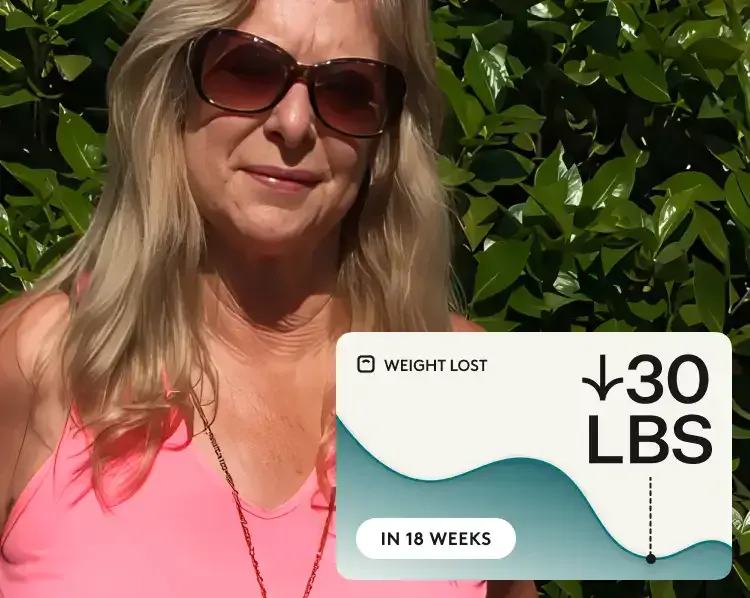
‘’Noom has changed my life and I’m so thankful, I feel great, have more energy and am no longer prediabetic.”
Daisy R. – Real Noom user
Sarah R. — Real Noom user
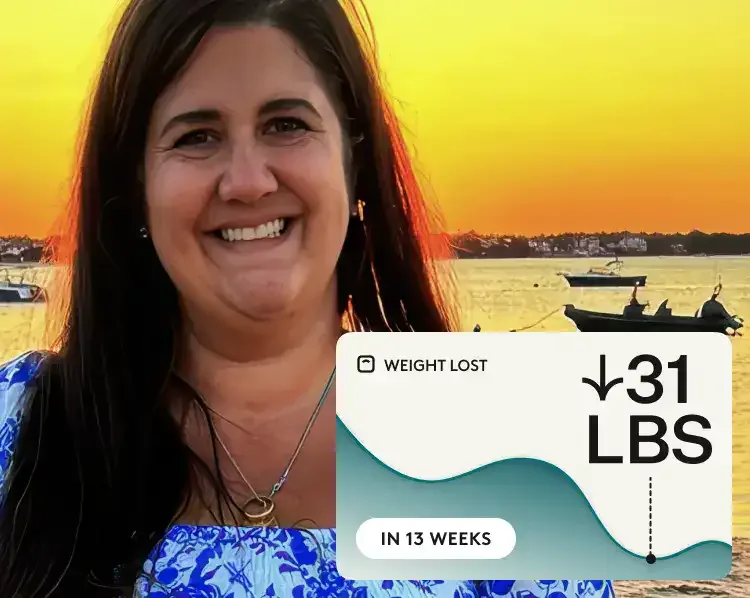
“All of the Noom providers that I’ve met with have been exceptional and prescribed medications that are appropriate for my situation and health.”
Sarah R. – Real Noom user
Madison S. — Real Noom user
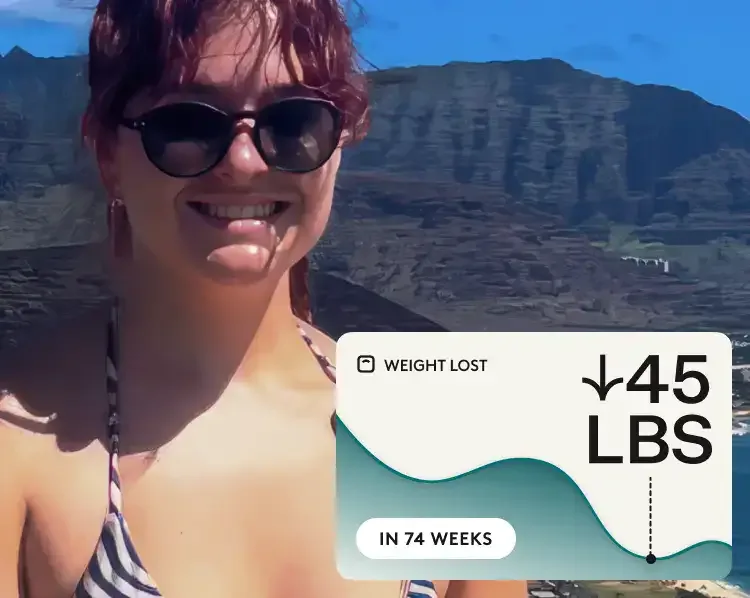
“Noom made the process so simple and now I feel full, free from diet obsession, and at ease in my body again.”
Madison S. – Real Noom user
Sonday K. — Real Noom user
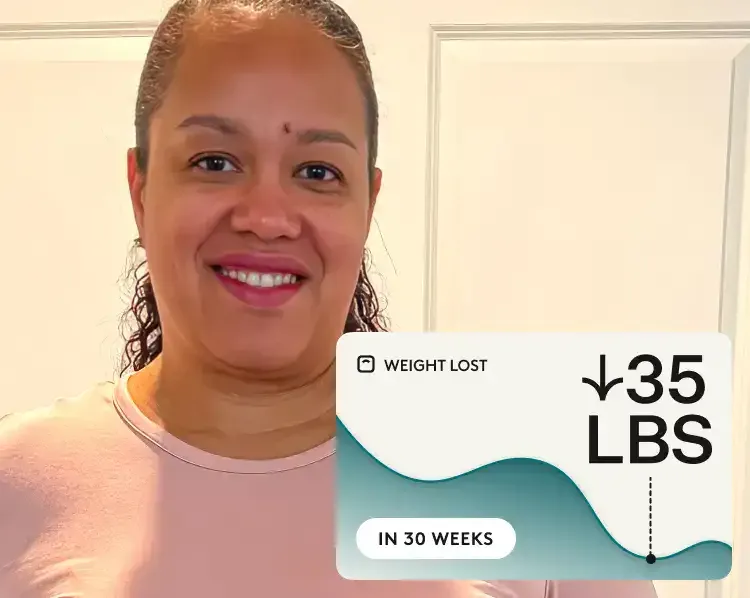
“My doctor recommended Noom after I was frustrated trying to lose weight. The lessons helped change my relationship with food. My body feels lighter & energized.”
Sonday K. – Real Noom user
Cam K. — Real Noom user
“I built healthy habits with coaching and lessons that make me confident I can maintain my weight loss long term.”
Cam K. – Real Noom user
Laura TR. — Real Noom user
“With the right medication through Noom, hunger and sugar cravings finally quieted and I have the tools to break the cycle.”
Laura TR. – Real Noom user
Jessica S. — Real Noom user
“Cravings and food noise are gone, I finally feel confident in the healthy habits I’ve built to last with Noom.”
Jessica S. – Real Noom user
They aren’t automatically “healthy,” but with mindful customization, lighter flavors, and moderate sizes, Dunkin’s Protein Milk drinks can fit into a balanced, on-the-go eating pattern. If you’re looking for protein beyond your usual coffee order, these drinks can absolutely play a role — just order with intention.
That said, protein is just one piece of the puzzle. Relying on protein drinks alone isn’t a sustainable way to eat—your body also needs fiber-rich carbs, healthy fats, and a variety of nutrients to function at its best. A truly healthy approach focuses on building meals around whole, nutrient-dense foods, with protein drinks serving as a supplement rather than a stand-in for real meals.
Looking for support in finding that balance? Download the Noom app today on iOS & Android to start creating a balanced approach that lasts.
Editorial standards
At Noom, we’re committed to providing health information that’s grounded in reliable science and expert review. Our content is created with the support of qualified professionals and based on well-established research from trusted medical and scientific organizations. Learn more about the experts behind our content on our Health Expert Team page.