
What you’ll learn:
- Chipotle’s new high-protein menu reflects a growing demand for meals that support fullness, muscle maintenance, and GLP-1-friendly eating.
- The menu packages familiar Chipotle ingredients into ready-to-order options that emphasize protein and fiber while limiting calorie-dense add-ins.
- These high-protein choices can support weight-loss goals for some people, though total calories and customization still matter most.
Protein has been trending for years—but recently, it’s moved beyond the health world and niche restaurants onto the main menus of coffee chains and fast-food spots. Brands like Smoothie King, Arby’s, Starbucks, and Dunkin’ have already rolled out more protein-centric options, and now Chipotle is joining in.
Why the shift? While weight loss has long been part of the conversation, it’s now paired with a growing focus on muscle maintenance and feeling satisfied on fewer calories—without sacrificing nutrition. The rise of GLP-1 medications has also created a large group of people looking for smaller portions that deliver more nutritional value per bite. Together, these trends have made protein-forward meals that are higher in fiber and more calorie-aware, especially appealing, and casual and fast-food chains have noticed.
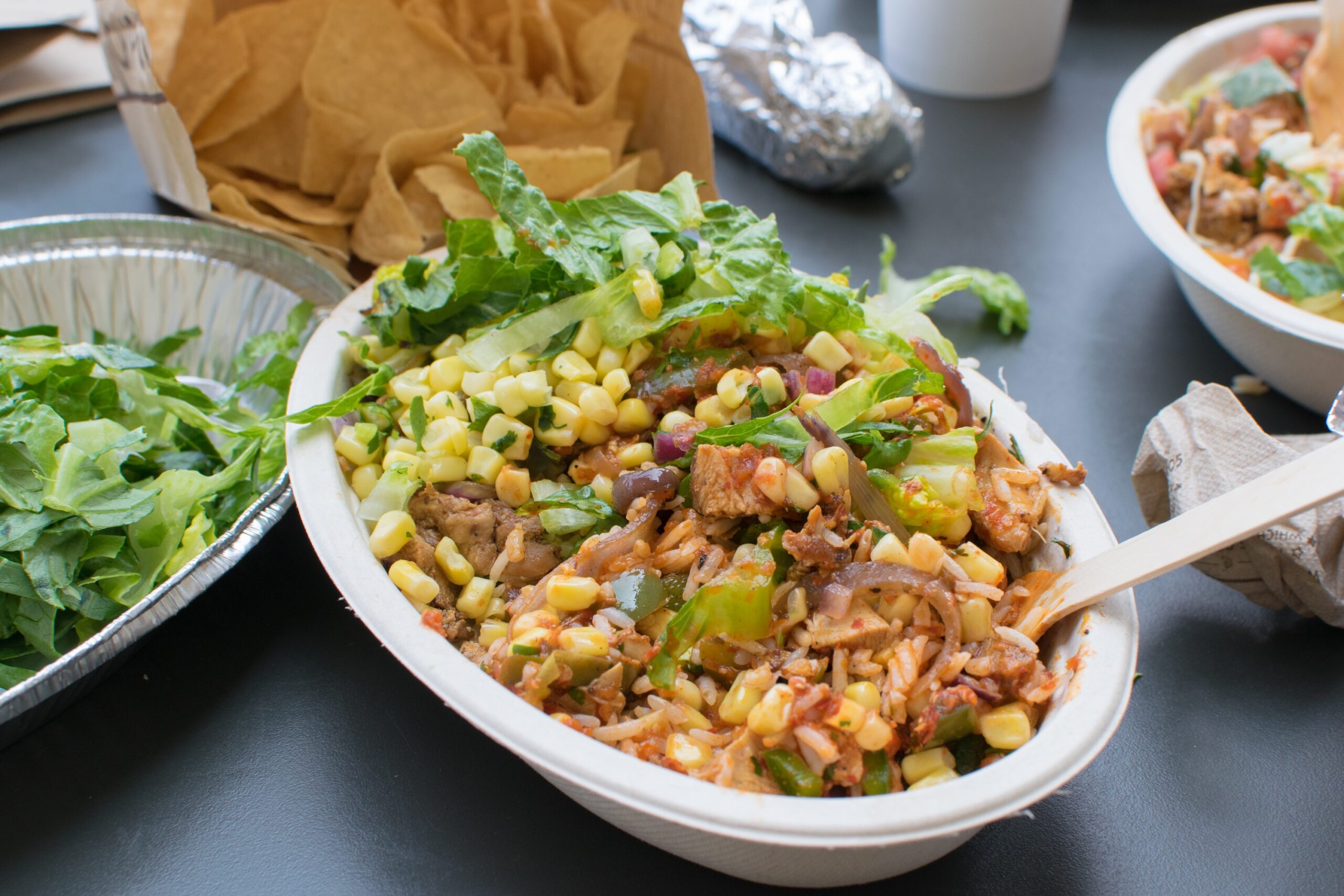
Chipotle’s new high-protein menu emphasizes protein and fiber, featuring bowls, burritos, tacos, and snack-size protein cups. The menu was created to make it easier for people to order meals that are satisfying and nutritionally balanced. They also categorize two of the new items as “GLP-1 Friendly” to help customers who are taking these medications.
According to the brand, this launch reflects what customers have been doing on their own for years—customizing orders to emphasize protein and fiber to better align with their nutrition goals. Instead of making those swaps and add-ons every time, the new menu curated the most common requests into ready-to-order options. The menu was also designed with input from a registered dietitian, a health content creator, and NBA player Josh Hart.
But how well does this new menu actually line up with common health goals? Let’s take a closer look at what’s included in Chipotle’s high-protein menu, break down the nutrition, and explore whether these options can realistically support weight loss and overall health. Dr Karen Mann, MD, Noom Medical Director, will share why prioritizing protein, fiber, and GLP-1-friendly eating patterns is important for people trying to lose weight.
What is Chipotle’s high-protein menu?
Chipotle’s new menu is designed to deliver more protein and fiber than its previous menu items. It includes protein-forward bowls, burritos, tacos, and a new snack-size protein cup. The goal is to give people multiple ways to build a meal that fits their appetite and preferences.
The new menu items follow Chipotle’s typical structure, as customizable meals built from lean proteins, beans, and vegetables. The main shift is in how those ingredients are balanced—placing more emphasis on protein and fiber, and using fewer calorie-dense add-ins like rice and cheese.
What’s on Chipotle’s new high-protein menu?
The six new options on the menu are:
- Double High Protein Bowl: This bowl has 81 grams of protein thanks to a double order of chicken. It’s balanced with light white rice, black beans, fajita veggies, fresh tomato salsa, cheese, and extra romaine
- High Protein-High Fiber Bowl: This bowl pairs chicken with black beans, light brown rice, and vegetables. Roasted chili-corn salsa and fresh tomato salsa add flavor, while romaine lettuce keeps it fresh and satisfying.
- High Protein-Low Calorie Salad: For a lighter take, this salad skips rice in favor of a crisp lettuce base. chicken, fajita vegetables, fresh tomato salsa, and a portion of guacamole make it tasty and filling.
- Double High Protein Burrito: This burrito has a double serving of chicken plus fajita vegetables, fresh tomato salsa, Monterey Jack cheese, and romaine lettuce in a flour tortilla.
- High Protein Cup: Think of this as a flexible protein boost. A four-ounce serving of chicken or steak works well as a snack, a side, or an easy add-on.
- Chicken Taco: This is a smaller, protein-forward option. This taco combines chicken, fajita vegetables, fresh tomato salsa, cheese, and romaine lettuce in a soft flour tortilla.
Chipotle’s high-protein menu: Nutrition information
Here’s what each menu item has in terms of calories, protein, fiber, and fat. These numbers will change with any swaps or customizations:
| Menu item | Calories | Protein (g) | Total carbs (g) | Fiber (g) | Total fat (g) / Sat fat (g) |
|---|---|---|---|---|---|
| High-Protein Cup (Chicken) | 180 | 32 | 0 | 0 | 7 / 3 |
| High-Protein Cup (Steak) | 150 | 21 | 1 | 0 | 6 / 2 |
| Double High-Protein Bowl | 760 | 81 | 50 | 11 | 26 / 11 |
| High-Protein–High-Fiber Bowl | 545 | 46 | 47 | 14 | 13 / 4 |
| High-Protein–Low-Calorie Salad | 470 | 36 | 28 | 10 | 29 / 6.5 |
| Double High-Protein Burrito | 840 | 79 | 66 | 6 | 31 / 12 |
| High-Protein Taco (1) | 190 | 15 | 16 | 2 | 8 / 3 |
Influencer and celebrity Chipotle protein meals
To show how real people prioritize protein, Chipotle highlighted how its three collaborators, a nutritionist, a health influencer, and a professional athlete, adjusted the new menu to make their own versions. You can also order these by name:
- Josh Hart’s High Protein Burrito: Josh Hart is a professional basketball player. His burrito is the highest-calorie option with double chicken, white rice, black beans, fresh tomato salsa, roasted chili-corn salsa, sour cream, and Monterey Jack cheese.
- Smaller Sam’s High Protein Tacos: Samantha Milton is a health content creator who lost more than 250 pounds. Her order includes three crispy corn tortilla tacos with chicken, light roasted chili-corn salsa, fajita vegetables, and sides of tomatillo-red chili salsa and sour cream.
- Kylie’s High Protein Chicken Bowl: Kylie Sakaida is a registered dietitian and bestselling cookbook author who shares practical, realistic nutrition advice. Her bowl includes chicken, half white rice, half brown rice, half black beans, half pinto beans, extra fajita vegetables, tomatillo green-chili salsa, Monterey Jack cheese, and romaine lettuce.
As you’ll see, many of these are high in calories and fat and look more like typical Chipotle menu items than “healthy” choices:
| Meal | Calories | Protein (g) | Fat (g) |
|---|---|---|---|
| Josh Hart’s High Protein Burrito | 1,340 | 95 | 45 |
| Smaller Sam’s High Protein Tacos | 580 | 40 | 22 |
| Kylie’s High Protein Chicken Bowl | 690 | 52 | 24 |
What are Chipotle’s GLP-1-friendly high-protein bowls?
Two of the new menu items—the High Protein-Low Calorie Bowl and the High Protein-High Fiber Bowl—are categorized by Chipotle as GLP-1 friendly.
“GLP-1 friendly” isn’t a medical term, but it generally refers to meals that may feel more comfortable for people taking GLP-1 medications like Wegovy or Zepbound. These medications reduce appetite and slow digestion, which means large portions or meals high in fat can sometimes feel overly filling or uncomfortable.
These two bowls may work well for people on GLP-1s because they prioritize protein and fiber without relying heavily on calorie-dense add-ons. Protein is especially important with GLP-1s because people can lose muscle along with fat. Getting enough protein can help maintain and even help build muscle. Fiber also plays a key role in preventing constipation, which is one of the most common GLP-1 side effects.
That said, “GLP-1-friendly” menu options aren’t the only choices that can work. Many people taking GLP-1 medications find success by adjusting portion sizes, ingredient amounts, or toppings across the menu. These bowls simply offer a helpful starting point—one that reflects how appetite, portions, and comfort can change while taking GLP-1s.
“For people who are taking GLP-1 medications, their natural appetite hormones are suppressed. That’s why it’s important to be deliberate about getting enough protein, fiber, and key nutrients,” says Dr. Mann. “It’s great to have a restaurant chain that makes it easier for people on these medications to remain social and eat out.”
Rx weight loss, the right way, with Noom
Get access to prescription weight loss medication with Noom.Microdose GLP-1s
Wegovy®
Ozempic®
Metformin
Zepbound®

Mounjaro®
Liraglutide
Is Chipotle’s high-protein menu healthy?
Chipotle’s high-protein menu isn’t necessarily “healthier” than the standard menu—but it is built differently. The items include fewer higher-calorie add-ons like sour cream, guacamole, and cheese. Protein is treated as the foundation of the meal, and fiber-rich foods like beans and vegetables are more prominent, which lowers the overall calories and saturated fat.
But you don’t have to order from the high-protein menu to build a balanced meal. You can customize a regular bowl by adjusting portions, adding more vegetables, or choosing one or two toppings you really enjoy instead of all of them. The high-protein menu simply offers a more structured starting point for people who want to prioritize protein and fiber when eating out.
“High-protein and high-fiber options can be helpful, especially for people trying to feel fuller on fewer calories,” adds Dr. Mann. “But no one food is automatically unhealthy. When we’re talking about weight loss, it’s about consistent choices over time. Chipotle is one of the better fast food options for healthy meals, and one meal alone isn’t going to make or break your weight loss journey.”
Bowl comparison: High-protein vs. standard
When you compare these bowls side by side, the biggest differences come down to how they’re built, not just what’s in them. The standard bowl reflects how many people commonly order—chicken, rice, beans, lettuce, plus cheese, sour cream, and guacamole. The new High Protein–High Fiber Bowl uses similar core ingredients but relies less on calorie-dense add-ons.
| Bowl Option | Calories | Protein (g) | Fat (g) | Fiber (g) |
|---|---|---|---|---|
| Standard chicken bowl with cheese, sour cream, & guacamole | 920–940 | 58 | 52 | 23 |
| NEW: High Protein-High Fiber Bowl ( chicken) | 540 | 46 | 16 | 14 |
The differences:
- Calories: The High Protein–High Fiber Bowl has about 380–400 fewer calories than the standard bowl—roughly 40–45% fewer calories overall—largely because it skips calorie-dense add-ins like cheese, sour cream, and guacamole.
- Protein & fiber: While the standard bowl ends up higher in total protein and fiber (thanks to ingredients like cheese, beans, and guacamole), the High Protein–High Fiber Bowl still delivers a solid 14 grams of fiber—nearly half the daily recommended amount—along with ample protein for most people.
- Fat: The biggest difference is fat: the standard bowl contains about 36 more grams, mostly from cheese, sour cream, and guacamole, which adds richness but also increases calorie density.
There’s no “right” choice—just options that depend on your calorie and nutrient needs.
Can Chipotle’s high-protein bowls help with weight loss?
They might be a helpful option, especially since protein and fiber together can help people stay fuller longer, which can help support a calorie deficit.
- Protein helps curb hunger between meals and can support muscle maintenance, which is important while losing weight.
- Fiber slows digestion and promotes steadier blood sugar. Together, they can make meals feel more satisfying, supporting weight loss without leaving you feeling deprived.
That said, it’s also helpful to keep the bigger picture in mind. Even with more protein and fiber, overall calories matter. When you’re choosing where to eat, having access to protein- and fiber-forward meals can make it easier to stay aligned with your goals.
Frequently asked questions about Chipotle’s high-protein menu
What is GLP-1 friendly at Chipotle?
GLP-1-friendly options at Chipotle are meals that prioritize protein and fiber with fewer calories overall. High-protein bowls with lean meats, beans, and veggies are typically the best choice.
How much protein is in a Chipotle chicken bowl?
A standard Chipotle chicken bowl has anywhere from 35 to 60 grams of protein, depending on add-ins. A four-ounce serving of chicken has 32 grams of protein, and then beans, cheese, sour cream, and adding double chicken can add more.
What is the highest-protein meal at Chipotle?
The new Double High Protein Bowl is the highest-protein option at Chipotle, with 81 grams of protein. It comes from the new high-protein menu that features bowls, cups, tacos, and burritos that put protein front and center.
Does Chipotle chicken really have 32 grams of protein?
Yes. A 4-ounce serving of Chipotle chicken provides 32 grams of protein for only 185 calories. 4 ounces is the standard size, but you can also get double for an additional cost.
What should I order at Chipotle if I want more protein?
If you’re looking to maximize protein at Chipotle, the Double High Protein Bowl offers the most, with 81 grams of protein and 760 calories, followed closely by the Double High Protein Burrito, which delivers 79 grams of protein for 840 calories.
For a balance of high protein and more moderate calories, the High Protein–High Fiber Bowl provides 46 grams of protein for 545 calories. If keeping calories lower is a priority, the High Protein–Low Calorie Bowl is the leanest option, with 35 grams of protein and 460 calories, while still offering a substantial protein boost.
The bottom line: Chipotle’s new high-protein menu can be a healthy choice
Chipotle’s high-protein menu reflects a broader shift in how people are thinking about meals away from home: more about building plates that support fullness, muscle health, and steady energy. By putting protein and fiber at the center—and dialing back some of the more calorie-dense extras—the new menu makes it easier to order something that aligns with common weight-loss and metabolic health goals. It can even be helpful for people taking GLP-1 medications.
Reviews from real Noom users
Desirea N. — Real Noom user
“My favorite parts of Noom are the care team and other Noomers. Sharing and getting help made me feel like I wasn’t doing it alone. That support made all the difference.”
Desirea N. — Real Noom user
Matthew M. — Real Noom user
“Noom has taught me that every day is a new chance to make better, healthier choices. It's taught me how to stop overeating.’’
Matthew M. — Real Noom user
Lila M. — Real Noom user
“Clinicians who understand how supportive medication can be is one of the best parts of Noom! I was convinced I wouldn’t have success but I’m down 11 pounds in two months.’’
Lila M. — Real Noom user
Steve M. — Real Noom user
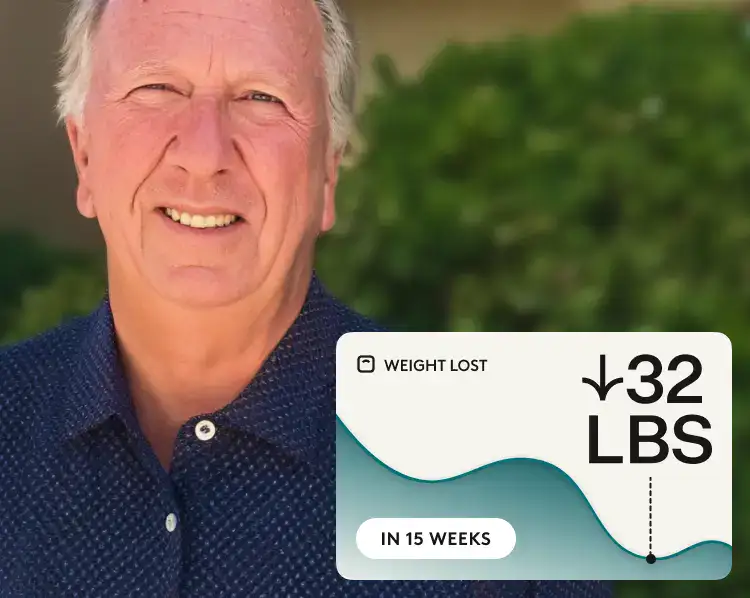
“Noom provided me with the medication which I could not get through Medicare. I have learned the tricks to better eating and life in general.”
Steve M. – Real Noom user
Daisy R. — Real Noom user
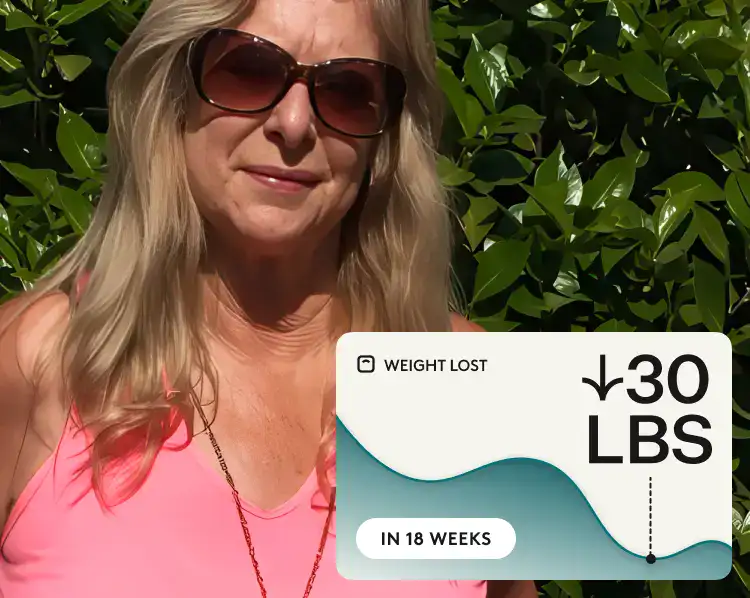
‘’Noom has changed my life and I’m so thankful, I feel great, have more energy and am no longer prediabetic.”
Daisy R. – Real Noom user
Sarah R. — Real Noom user
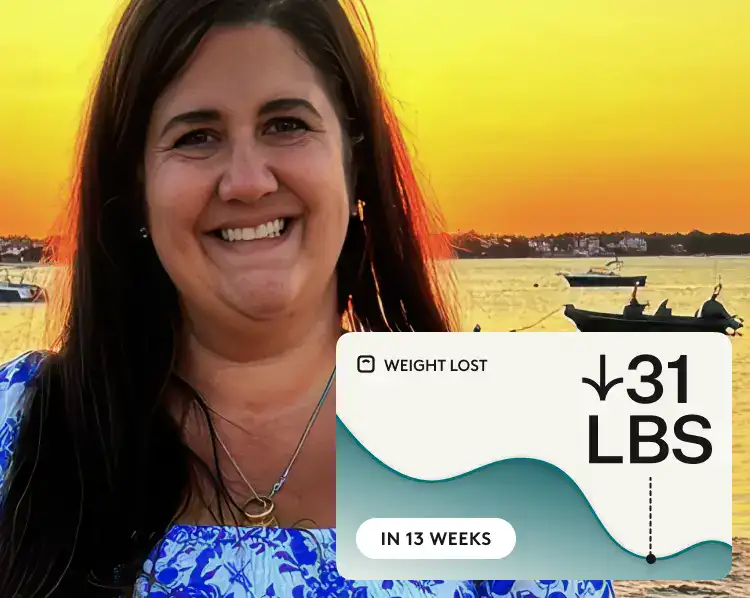
“All of the Noom providers that I’ve met with have been exceptional and prescribed medications that are appropriate for my situation and health.”
Sarah R. – Real Noom user
Madison S. — Real Noom user
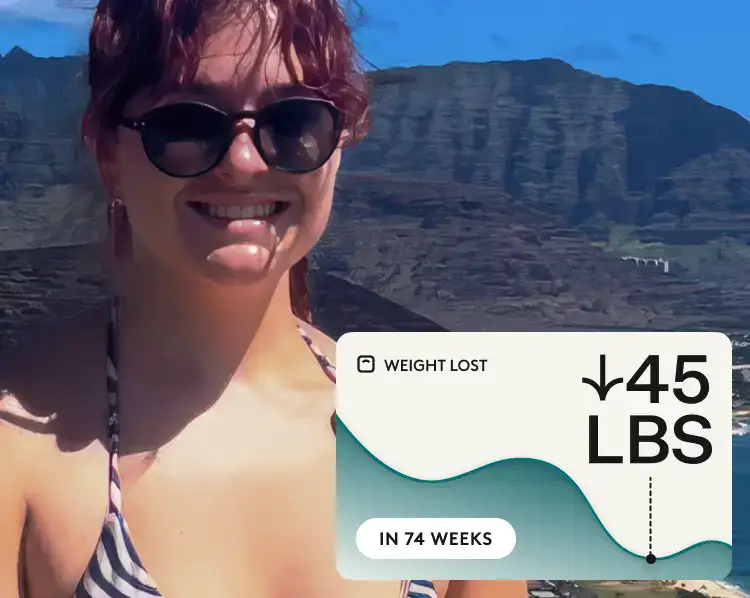
“Noom made the process so simple and now I feel full, free from diet obsession, and at ease in my body again.”
Madison S. – Real Noom user
Sonday K. — Real Noom user
“My doctor recommended Noom after I was frustrated trying to lose weight. The lessons helped change my relationship with food. My body feels lighter & energized.”
Sonday K. – Real Noom user
Cam K. — Real Noom user
“I built healthy habits with coaching and lessons that make me confident I can maintain my weight loss long term.”
Cam K. – Real Noom user
Laura TR. — Real Noom user
“With the right medication through Noom, hunger and sugar cravings finally quieted and I have the tools to break the cycle.”
Laura TR. – Real Noom user
Jessica S. — Real Noom user
“Cravings and food noise are gone, I finally feel confident in the healthy habits I’ve built to last with Noom.”
Jessica S. – Real Noom user
It doesn’t reinvent Chipotle’s food, but it does package familiar ingredients in a way that removes some of the guesswork.
At the same time, no single menu—or meal—determines long-term health or weight loss success. Chipotle’s high-protein options can be a helpful tool, especially when eating out more often or trying to stay consistent, but customization still matters. Portion sizes, toppings, and overall calorie intake all play a role. The biggest benefit of this menu may be that it shows what’s possible: with a little structure and intention, even fast-casual meals can support protein-forward, fiber-rich eating patterns that fit real life.
If you’re looking for more nutritional support, explore the Noom app on iOS & Android. You’ll find personalized guidance, daily articles, exclusive recipes, and expert-backed tools designed to help you discover the foods and habits that best support your body and your goals.
Editorial standards
At Noom, we’re committed to providing health information that’s grounded in reliable science and expert review. Our content is created with the support of qualified professionals and based on well-established research from trusted medical and scientific organizations. Learn more about the experts behind our content on our Health Expert Team page.