

What you’ll learn:
- Vitamin D, the sunshine vitamin, plays a role in bone health, muscle function, immune balance, and regulating inflammation as the body ages.
- Optimal vitamin D levels sit within a broad range, and the right target depends on personal factors like body composition, medications, and overall health.
- Tracking vitamin D levels over time helps guide adjustments, so support stays aligned with your body’s needs.
You’ve probably heard about the importance of vitamin D, often called the sunshine vitamin, particularly if you live in a place where winters are cold, dark, or both. What’s less widely understood is why keeping your vitamin D levels in a healthy range matters, not just over time, but in your day-to-day life as well.
Your vitamin D levels play a role in how your body functions right now and in how well it adapts as you age. Vitamin D helps support processes that influence energy, muscle strength, immune function, and inflammation—systems you rely on every day.
As the body gets older, these same processes become even more important for recovery after physical or emotional stress, maintaining balance and stability, and keeping chronic inflammation in check.
Vitamin D doesn’t work in isolation, but it acts as a key supporting player across many of these areas, which is why it shows up so often in conversations about both current health and healthy aging.
Knowing your vitamin D level—and understanding how it fits into the bigger picture of long-term health—can offer useful insight into patterns that affect how you feel today and how your body may function in the years ahead.
Let’s take a closer look at how vitamin D is measured, what optimal levels look like, and why this nutrient matters for longevity.
What is 25-hydroxy vitamin D?
Vitamin D is a fat-soluble nutrient, which means your body absorbs it with fat and can store it for later use. Vitamin D status is measured with a blood test that looks at 25-hydroxy vitamin D. This form reflects the body’s total vitamin D supply, making it a reliable way to understand both your current vitamin D support and patterns that matter for healthy aging.
Unlike some vitamins that pass quickly through the body, vitamin D builds up over time. That’s important because your levels reflect longer-term habits, like what you eat, sun exposure, and any supplements, and those levels affect how your body works today and how it changes as you age.
Vitamin D helps the body manage calcium, which supports bones and muscles; immune signaling, which helps your immune system respond to everyday challenges; and inflammation, which plays a role in day-to-day recovery and long-term health. Together, these processes influence how steady, strong, and resilient you feel now—and become even more important as the body gets older.
Your body makes vitamin D when your skin is exposed to sunlight, and you can also get it from food or supplements. But sun exposure, lifestyle, and nutrient absorption can change with the seasons and over time, causing vitamin D levels to slowly drop without obvious symptoms. That means low levels can affect how you feel day to day, even if you don’t notice a clear deficiency.
Vitamin D: Why it matters for current health and longevity
One reason vitamin D gets so much attention is its close relationship with inflammation and the immune system. These systems help the body respond to everyday stress, fight infections, and repair damage. They affect how you feel right now—energy, recovery, resilience—and they also play a major role in how the body changes and adapts with age. As these systems shift over time, vitamin D levels often shift with them.
Research shows that lower 25-hydroxy vitamin D levels tend to appear alongside several health patterns commonly associated with aging, including:
- Higher levels of inflammation
- A higher risk of death from any cause
- Greater cardiovascular risk and metabolic risk patterns (study)
- Reduced physical resilience, such as weaker muscle function
- Loss of bone strength and a higher fracture risk over time
Low vitamin D levels don’t automatically cause health problems. Instead, they often reflect what’s happening elsewhere in the body. Because vitamin D interacts with multiple systems—including the immune system, muscles, bones, and metabolism—levels may shift when overall health status changes.
So if your vitamin D is low, it’s less about a single direct cause and more about context. It can serve as a marker that prompts a closer look at how your body is functioning right now — and whether certain areas may need additional support.
Many overlapping factors influence vitamin D levels, including:
Access GLP-1 Weight Loss with Noom
Explore a wide range of prescription medications supported by Noom’s program.Microdose GLP-1rx
Noom GLP-1rx
Noom GLP-1rx Plus
Wegovy®

Ozempic®

Metformin
Zepbound®
Mounjaro®
Liraglutide

- Sunlight exposure and seasonal changes
- Dietary intake and supplement use
- How efficiently nutrients are absorbed in the gut
- Chronic inflammation or illness
- Liver and kidney function
- Overall metabolic health
Because vitamin D intersects with so many physiological systems, tracking it can offer helpful insight into broader patterns—not as proof of a specific problem, but as one piece of the larger health picture.
Vitamin D: How it’s measured and tested
Vitamin D is measured with a blood test called 25-hydroxy vitamin D. This is the test clinicians rely on because it reflects how much vitamin D your body has available overall—not just what you were exposed to recently.
After vitamin D is made in the skin from sunlight or absorbed from food and supplements, it’s converted by the liver into this circulating form. Because 25-hydroxy vitamin D stays in the bloodstream for weeks, it provides a stable picture of your vitamin D levels over time. That makes it useful for understanding how your body is functioning now—and for spotting patterns that may matter for bone strength, immune support, and long-term resilience as you age.
There are different lab methods used to measure 25-hydroxy vitamin D, including commonly used immunoassay-based tests and more precise methods like LC–MS/MS. While results can vary slightly depending on the method, those differences rarely change how levels are interpreted or what actions are recommended.
What matters most isn’t the testing method—it’s whether your vitamin D level is low, in range, or trending downward over time. Tracking that trend can offer useful insight into how your body is coping today and where it may need extra support to stay strong as you age.
With Noom’s Proactive Health Microdose GLP-1Rx Program, lab testing is paired with habit tracking and clinician-guided insights. This setup helps you monitor vitamin D trends over time in a way that fits naturally into your day.
Vitamin D: What affects accuracy and reliability?
Vitamin D levels are influenced by more than just what you eat or the supplements you take. Several factors can affect how test results show up, including:
- Season and sun exposure: Vitamin D production depends heavily on UV-B exposure, which drops during winter months, and for people who spend most of their time indoors. Sunlight through windows does not contribute to vitamin D production.
- Skin tone: Higher melanin levels reduce the skin’s ability to produce vitamin D from sunlight, which can lead to lower measured levels.
- Age: As people get older, the skin becomes less efficient at making vitamin D, and the body is also less effective at converting it to active forms.
- Body fat: Vitamin D is fat-soluble and can be stored in fat tissue, which may lower circulating blood levels, particularly in people with higher body fat.
- Medications: Some drugs, including corticosteroids and certain anticonvulsants, can interfere with vitamin D absorption or metabolism.
- Testing methods: Different laboratory assays can produce slightly different results, although most modern methods fall within a similar range.
Seeing these factors together helps explain why vitamin D levels can fluctuate and why test results are more useful when viewed as part of a bigger picture.
25-hydroxy vitamin D testing: Who can benefit from it?
Vitamin D testing can be helpful when your body, lifestyle, or health needs are changing. Since vitamin D levels fluctuate—especially with seasonal shifts in sunlight—periodic testing gives you a clearer picture of your baseline and trends over time.
You may want to consider testing if you:
- Feel persistently fatigued or low in energy
- Notice frequent colds or infections
- Have bone, joint, or muscle aches
- Experience low mood, especially in winter months
- Have darker skin or limited sun exposure
- Spend most of your time indoors
- Have digestive conditions that affect absorption (like celiac or Crohn’s disease)
- Are postmenopausal or concerned about bone density
- Have obesity or metabolic concerns, which can affect vitamin D availability
Vitamin D deficiency often doesn’t cause obvious symptoms at first—which is why testing can be useful even if you feel “mostly fine.”
Noom’s Proactive Health Microdose GLP-1Rx Program helps you monitor your vitamin D levels alongside other biomarkers to better understand what your body needs.
Understanding your vitamin D test results
Most labs consider levels between 30 and 80 ng/mL of 25-hydroxy vitamin D to be adequate, largely because that range helps rule out a clear deficiency.
Some research suggests that aiming toward the higher end of the normal range may be associated with benefits for immune function, inflammation, and musculoskeletal health over time. That said, optimal levels can vary from person to person, and the right target often depends on individual factors like overall health, risk profile, and medical history.
The goal isn’t to chase a perfect number. It’s to support how you feel now—energy, recovery, and resilience—while also helping your body stay strong as it ages. Vitamin D is one data point among many, and Noom Proactive Health Microdose GLP-1Rx Program focuses on patterns and trends rather than treating any single result as a score.
Vitamin D 25-hydroxy: What changes the number?
Vitamin D levels reflect a mix of recent exposure and longer-term patterns. Some factors can shift levels fairly quickly, while others shape your baseline over months or years.
Short-term changes that can affect your vitamin D levels
- Limited sun exposure due to season, indoor routines, clothing coverage, or sunscreen use
- Short-term illness that affects digestion or absorption, such as stomach flu or acute pancreatitis
- Starting medications that interfere with vitamin D metabolism, such as certain anticonvulsants or steroids
Long-term factors that shape your vitamin D levels
- Higher body fat levels, since vitamin D is stored in fat tissue and is less available in circulation
- Digestive or absorption conditions, such as celiac disease, Crohn’s disease, or a history of bariatric surgery
- Kidney or liver conditions that affect how vitamin D is processed and activated
- Long-term low dietary intake or limited supplement use
Demographics and biology
- Aging, which reduces the skin’s ability to produce vitamin D
- Skin pigmentation, as darker skin absorbs less UVB from sunlight
- Genetic differences that affect vitamin D metabolism and response to supplements
Looking at these factors together makes vitamin D testing more useful and helps set realistic expectations about changes over time.
What are the symptoms of low 25-hydroxy vitamin D?
Low vitamin D levels often don’t cause obvious symptoms. When signs do show up, they can feel mild or easy to brush off. You may notice:
- Achy muscles or bones
- Feeling weaker than usual, especially in the arms, hips, or thighs
- Tingling or “pins and needles” in the hands or feet
- Muscle cramps, spasms, or twitching
- Changes in leg shape, like bowed legs (only in more severe cases)
Because these symptoms can have many causes, a blood test is the most reliable way to tell whether low vitamin D may be part of the issue.
How to improve low vitamin D
Small choices around sunlight, food, and routine care add up over time. Supporting vitamin D levels is less about quick fixes and more about creating habits your body can rely on.
Sun exposure and daily habits
Sunlight is one of the most effective and natural ways your body produces vitamin D, so small, consistent outdoor habits can make a meaningful difference.
- Spend short, regular periods outdoors when sunlight is available
- Aim for 5 to 30 minutes, at least twice a week, ideally between 10 a.m. and 4 p.m.
- Expose areas like the face, arms, or legs when possible
- Timing can vary based on skin tone, season, location, and cloud cover
- Be mindful that glass blocks UVB rays, so outdoor exposure matters
- Balance sun time with skin protection
- Use sunscreen with SPF 15 or higher after your initial sun time
- Add more protection like hats, sunglasses, or cover-ups, if you stay outside longer
Nutrition and diet
Food can help maintain healthy vitamin D levels, especially during winter months or if sun exposure is limited.
- Add foods naturally rich in vitamin D, like:
- Wild-caught salmon (3.5 oz): 600–1,000 IU
- Canned mackerel (3.5 oz): 250 IU
- Canned sardines (3.5 oz): 300 IU
- Cod liver oil (1 teaspoon): 400–1,000 IU
- Egg yolk (1 yolk): 20 IU
- Fresh shiitake mushrooms (3.5 oz): 100 IU
- Sun-dried shiitake mushrooms (3.5 oz): 1,600 IU
- Choose fortified options like milk, yogurt, or cereals during times when sun exposure is limited, vitamin D–rich foods aren’t part of your routine, or blood tests show lower levels.
Note: Food helps maintain vitamin D levels, but usually can’t fully replace supplements if levels are low.
Lifestyle and behavior
Daily habits beyond sun and food also influence how well your body uses vitamin D.
- Support bone and muscle health with regular movement, since physical activity helps vitamin D do its job in keeping bones strong and muscles responsive.
- Manage stress and sleep, aiming for 7 to 9 hours of sleep per night, since ongoing stress and poor sleep can interfere with how nutrients like vitamin D are used.
- Monitor body weight changes, because vitamin D is stored in fat tissue, and shifts in body fat can change how much vitamin D is available in the bloodstream.
When to consider vitamin D supplements
Your clinician might consider putting you on a supplement if your sun exposure is limited, vitamin D–rich foods are not part of your routine, or your blood tests show lower levels.
- If you do take one, general adult recommendations for vitamin D supplements are 15–20 mcg per day (600–800 IU).
- Because vitamin D needs can differ based on health history, medications, and current levels, check in with a healthcare provider before using higher doses.
- Vitamin D is fat-soluble, so including some fat improves absorption. In one study, absorption was higher when vitamin D was taken with a higher-fat meal (around 26–35 grams of fat). You don’t need a specific fat target—just avoid taking it on an empty stomach or with a very low-fat meal.
Learn more: Inside Noom’s Proactive Health Microdose GLP-1Rx Program: Understanding the biomarkers
Vitamin D 25-hydroxy: How to track progress
If you’re monitoring vitamin D, tracking helps you see whether your plan is working and when adjustments might be needed.
- Recheck levels after changes: Vitamin D is often retested a few months after starting supplements or adjusting sun exposure to see how your body responds. In Noom’s Proactive Health Microdose GLP-1Rx Program, vitamin D is rechecked every four months.
- Look for steady improvement: Levels tend to rise gradually, so progress is better judged by overall direction rather than a single result.
- Connect results to your routine: Supplement consistency, time outdoors, diet, and absorption all influence vitamin D levels.
- Use tools that support follow-through: Noom’s Proactive Health Microdose GLP-1Rx Program will test your levels every four months so you can see how your actions are helping.
Frequently asked questions about vitamin D testing, results, and longevity
Vitamin D is important for how you feel now and your long-term health. These common questions focus on what research shows, where the limits are, and how vitamin D fits into everyday health decisions.
Is there a link between vitamin D and dementia or cognitive decline?
Observational studies consistently show that people with lower vitamin D levels have a higher risk of dementia. But this association doesn’t prove that low vitamin D causes dementia—it may reflect shared risk factors like reduced outdoor activity, poor overall health, or early subclinical disease. Importantly, randomized controlled trials of vitamin D supplementation have not shown clear benefits for preventing cognitive decline in people who are not severely deficient. While maintaining adequate vitamin D levels is reasonable for overall health, current evidence does not support supplementation specifically to reduce dementia risk.
What’s the safest way to get more vitamin D: sun, food, or supplements?
For many people, supplements may serve as a practical middle ground. They can offer a more consistent way to support vitamin D levels, with clearer dosing than sun exposure or food alone. Still, the best approach often depends on your lifestyle, current levels, and guidance from a healthcare provider.
Can you have too much vitamin D?
Yes. While vitamin D deficiency is more common, taking high-dose supplements for long periods can push vitamin D levels too high. This can lead to symptoms like nausea, constipation, weakness, or unintended weight loss, which is why supplementation is best guided by a healthcare provider when higher doses are involved.
What is the normal range for 25-hydroxy vitamin D?
Labs typically consider 30 to 80 ng/mL to be a normal range for 25-hydroxy vitamin D. Research suggests that being closer to the higher end of that range may be linked with better health over time, which is why Noom focuses on an optimal range of 50 to 80 ng/mL, while still adjusting based on individual health needs and risk factors.
What are the symptoms of vitamin D deficiency?
Vitamin D deficiency can be easy to miss, since many people don’t notice clear symptoms right away. When symptoms appear, they may include muscle or bone aches, muscle weakness, tingling in the hands or feet, or muscle cramps or twitching. In more severe cases, bowed legs can occur. Since these signs overlap with many other conditions, a blood test is the best way to confirm vitamin D deficiency.
How often should I test my vitamin D levels?
In Noom’s Proactive Health Microdose GLP-1Rx Program, vitamin D is retested after four months. This timing helps show how your body responds and whether any changes you’ve made are supporting healthy levels.
Reviews from real Noom users
Desirea N. — Real Noom user
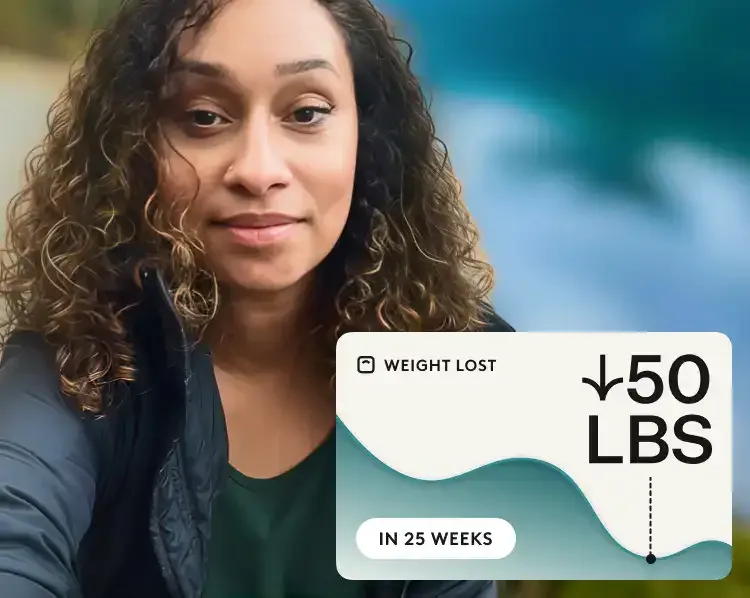
“My favorite parts of Noom are the care team and other Noomers. Sharing and getting help made me feel like I wasn’t doing it alone. That support made all the difference.”
Desirea N. — Real Noom user
Matthew M. — Real Noom user
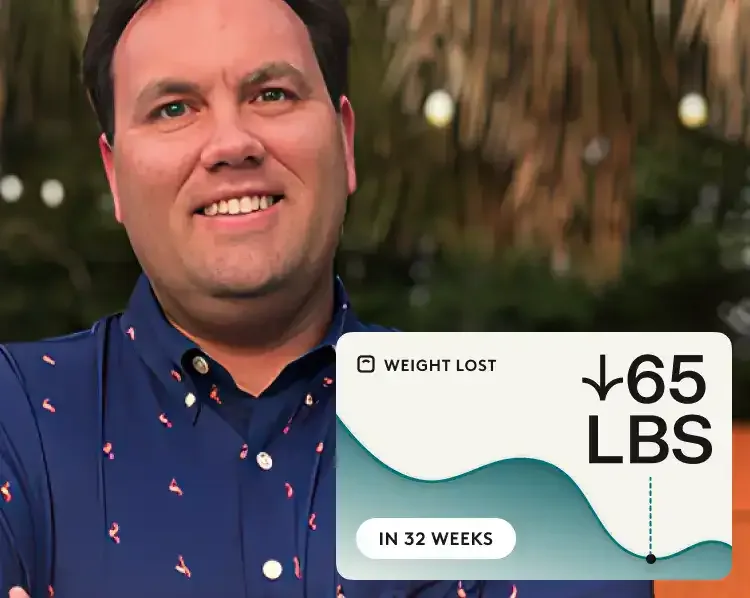
“Noom has taught me that every day is a new chance to make better, healthier choices. It's taught me how to stop overeating.’’
Matthew M. — Real Noom user
Lila M. — Real Noom user
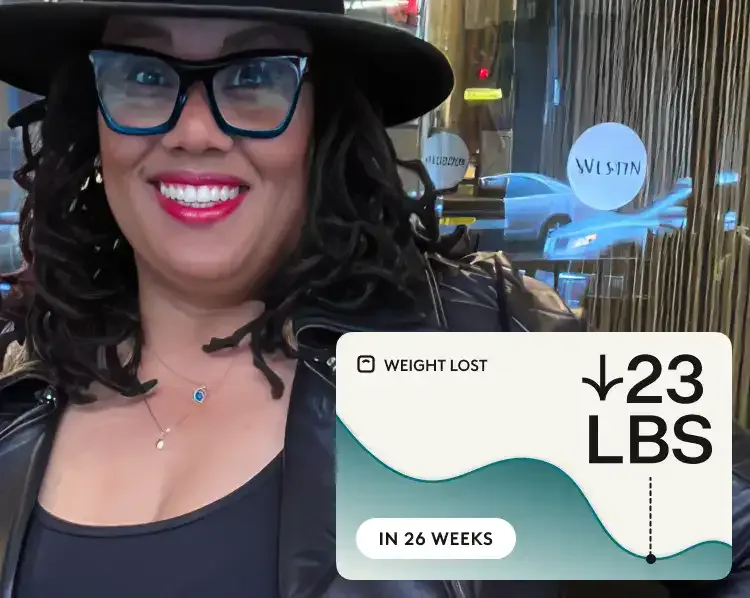
“Clinicians who understand how supportive medication can be is one of the best parts of Noom! I was convinced I wouldn’t have success but I’m down 11 pounds in two months.’’
Lila M. — Real Noom user
Steve M. — Real Noom user

“Noom provided me with the medication which I could not get through Medicare. I have learned the tricks to better eating and life in general.”
Steve M. – Real Noom user
Daisy R. — Real Noom user

‘’Noom has changed my life and I’m so thankful, I feel great, have more energy and am no longer prediabetic.”
Daisy R. – Real Noom user
Sarah R. — Real Noom user
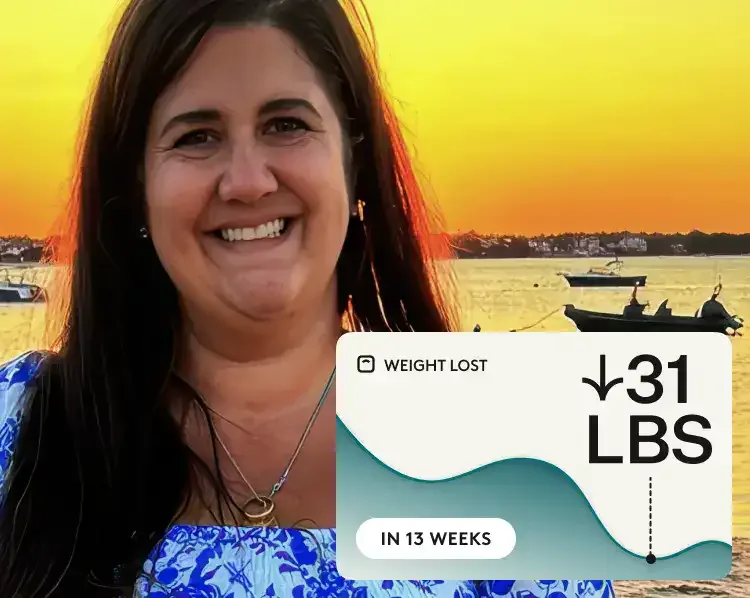
“All of the Noom providers that I’ve met with have been exceptional and prescribed medications that are appropriate for my situation and health.”
Sarah R. – Real Noom user
Madison S. — Real Noom user

“Noom made the process so simple and now I feel full, free from diet obsession, and at ease in my body again.”
Madison S. – Real Noom user
Sonday K. — Real Noom user
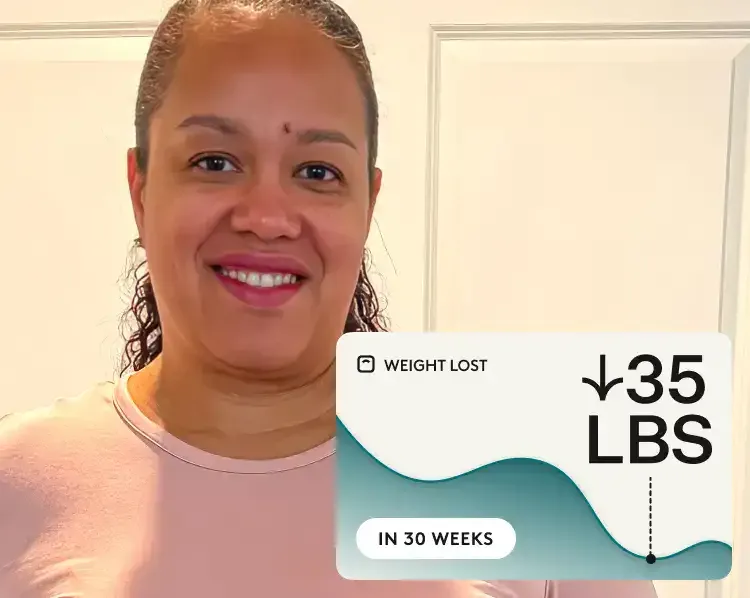
“My doctor recommended Noom after I was frustrated trying to lose weight. The lessons helped change my relationship with food. My body feels lighter & energized.”
Sonday K. – Real Noom user
Cam K. — Real Noom user
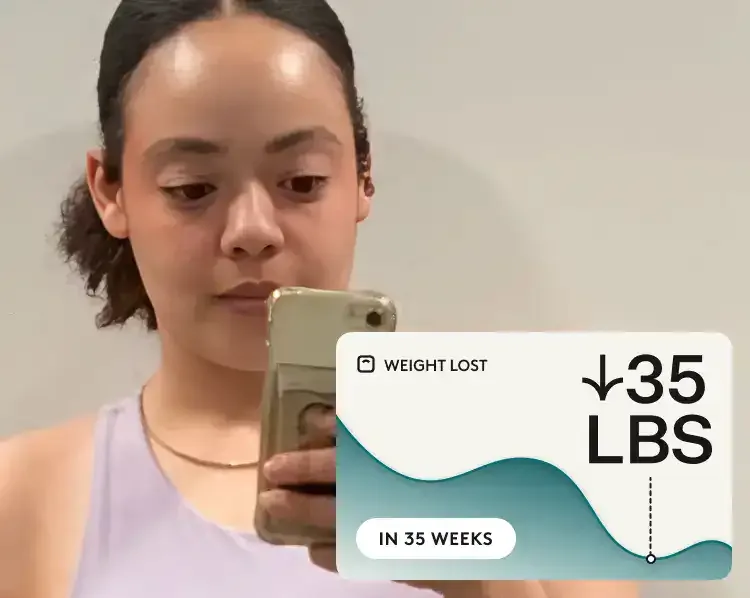
“I built healthy habits with coaching and lessons that make me confident I can maintain my weight loss long term.”
Cam K. – Real Noom user
Laura TR. — Real Noom user

“With the right medication through Noom, hunger and sugar cravings finally quieted and I have the tools to break the cycle.”
Laura TR. – Real Noom user
Jessica S. — Real Noom user
“Cravings and food noise are gone, I finally feel confident in the healthy habits I’ve built to last with Noom.”
Jessica S. – Real Noom user
The bottom line: Knowing your vitamin D levels is important for current and long-term health
Vitamin D plays a steady supporting role across many systems your body relies on every day, including muscle function, bone strength, immune balance, and inflammation regulation. Because these systems also shape how well the body recovers, adapts, and stays resilient over time, vitamin D often comes up in conversations about both long-term health and healthy aging.
Your vitamin D levels are measured with a blood test for 25-hydroxy vitamin D, but the number you see is shaped by many factors, such as sun exposure, diet, body composition, medications, and overall health. That’s why the goal isn’t to chase a single “perfect” level. Tracking levels over time helps you understand how your body’s needs are shifting and whether your current support is keeping pace.
As you start to pay closer attention to your vitamin D levels and what they mean for your health, there are simple tools that can help you stay on track. Noom’s Proactive Health Microdose GLP-1Rx Program combines at-home biomarker testing with habit-based guidance and clinical oversight, with GLP-1 support, making it easier to stay aware of all the metrics that matter for your health.
Editorial standards
At Noom, we’re committed to providing health information that’s grounded in reliable science and expert review. Our content is created with the support of qualified professionals and based on well-established research from trusted medical and scientific organizations. Learn more about the experts behind our content on our Health Expert Team page.