

What you’ll learn:
- Lp(a) is a genetic cholesterol particle linked to a higher risk of heart disease and stroke.
- One test provides lifelong insight, and while Lp(a) is mostly unchangeable, managing other risk factors can significantly lower your overall risk.
- Sustainable lifestyle changes are key to protecting your heart, regardless of your Lp(a) level.
You’ve probably heard of cholesterol and maybe even LDL (low-density lipoprotein), also called the “bad cholesterol” because it can build up in your arteries. But there’s another heart-related marker that often flies under the radar. Lipoprotein(a), or Lp(a), isn’t something you can feel or spot in a routine checkup, yet it can quietly shape your long-term heart health.
Lp(a) is similar to LDL, but with an extra protein attached that increases its tendency to build up in artery walls and promote blood clots. Because Lp(a) is largely inherited, levels tend to stay stable throughout life—unlike cholesterol that responds to diet or exercise.
Research shows that elevated Lp(a) levels are linked to increased risk of heart disease and stroke. The encouraging news? A single test reveals your genetic risk and helps guide personalized strategies for long-term health. Even when Lp(a) is high, you can still protect your heart by managing other risk factors like weight, blood pressure, and inflammation.
Understanding what it is and why it matters can give you valuable context about your cardiovascular risk and what you can actually do about it.
What is Lipoprotein(a) (Lp(a))?
Lipoprotein(a), or Lp(a), is a cholesterol particle you inherit from your parents. Higher levels can raise your lifetime risk of plaque buildup, heart disease, and stroke. Unlike other cholesterol markers, Lp(a) doesn’t meaningfully respond to diet, exercise, or most medications.
Your Lp(a) level is largely determined by genetics—about 90%, according to research—and tends to remain stable throughout life. That stability is what makes Lp(a) testing so valuable: a single test can provide lasting insight into your long-term cardiovascular risk.
Because elevated Lp(a) reflects genetic risk rather than behavior, it often signals the need for a more proactive approach to heart health. While Lp(a) itself may not be lowered directly, overall risk can be reduced by focusing on factors you can influence, such as LDL cholesterol, blood pressure, inflammation, blood sugar, and weight. Working with a clinician helps ensure these areas are managed effectively, especially when Lp(a) is high.
Lipoprotein(a) (Lp(a)): A predictor of health and longevity
Large population studies show that people with elevated Lp(a) face a higher risk of serious cardiovascular events. Research tracking nearly 28,000 individuals for over 20 years found that those in the top 10% had a 46% higher risk of cardiovascular events. People with very high levels, above 120 mg/dL, faced nearly four times the risk of heart attack. Elevated Lp(a) is also linked to:
- Aortic valve disease
- Certain types of stroke
Lp(a) is not just a marker of risk. Genetic studies show it plays a direct role in heart disease by promoting plaque buildup and blood clot formation. In practical terms, a large reduction in Lp(a) is associated with about a 20% lower risk of heart attack.
That said, Lp(a) levels are largely genetic and difficult to lower with current treatments. Lifestyle changes and most cholesterol medications have little effect. The value of testing lies in understanding risk earlier, not changing the number itself.
Knowing your Lp(a) level allows you and your healthcare provider to manage other modifiable risk factors more aggressively, including:
- LDL cholesterol
- Blood pressure
- Inflammation
Because levels remain stable over time, one test can provide lasting insight. This is why Noom Proactive Health includes Lp(a) testing alongside other biomarkers, helping people take a more proactive, personalized approach to long-term heart health and longevity.
Lipoprotein(a): How it’s measured and tested:
Testing lipoprotein(a) is simple, but understanding how the test works and how results are reported helps you use the information correctly. Because Lp(a) is largely genetic and stays stable over time, testing focuses less on short-term changes and more on lifelong cardiovascular risk.
What the testing process looks like:
Getting tested is straightforward. It’s a standard blood draw that takes only a few minutes. No fasting or special preparation is required, so you can eat normally and take most regular medications unless your clinician advises otherwise. Results are typically available within a few days, depending on the lab.
When you sign up for Noom Proactive Health Microdose GLP-1Rx, you will test from home with the Noom Biomarkers Test Kit.
Access GLP-1 Weight Loss with Noom
Explore a wide range of prescription medications supported by Noom’s program.Microdose GLP-1rx

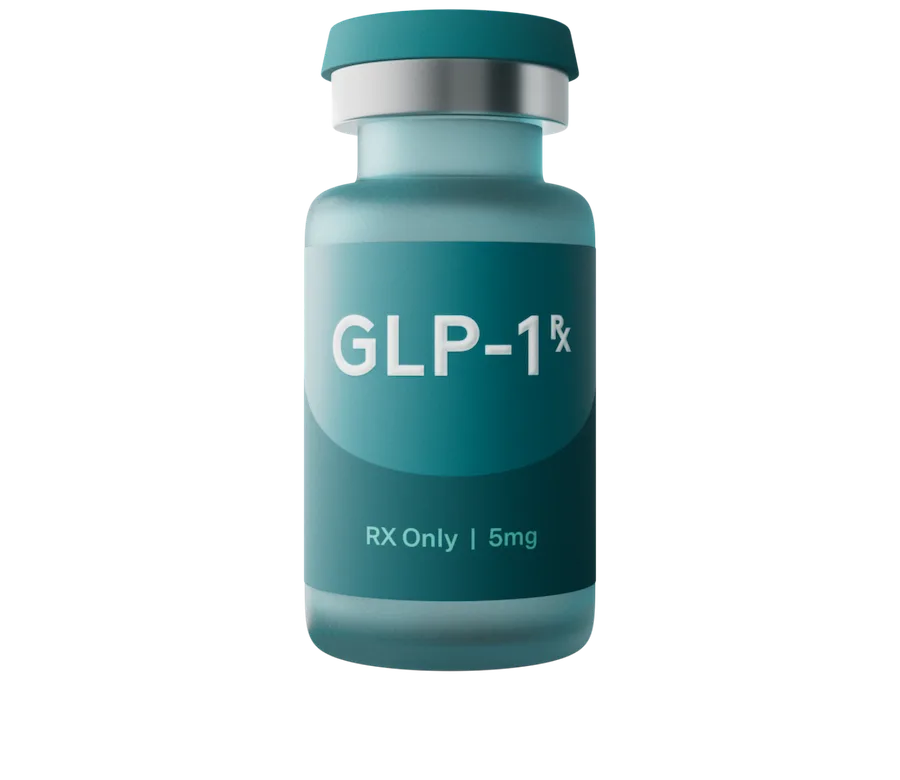
Noom GLP-1rx
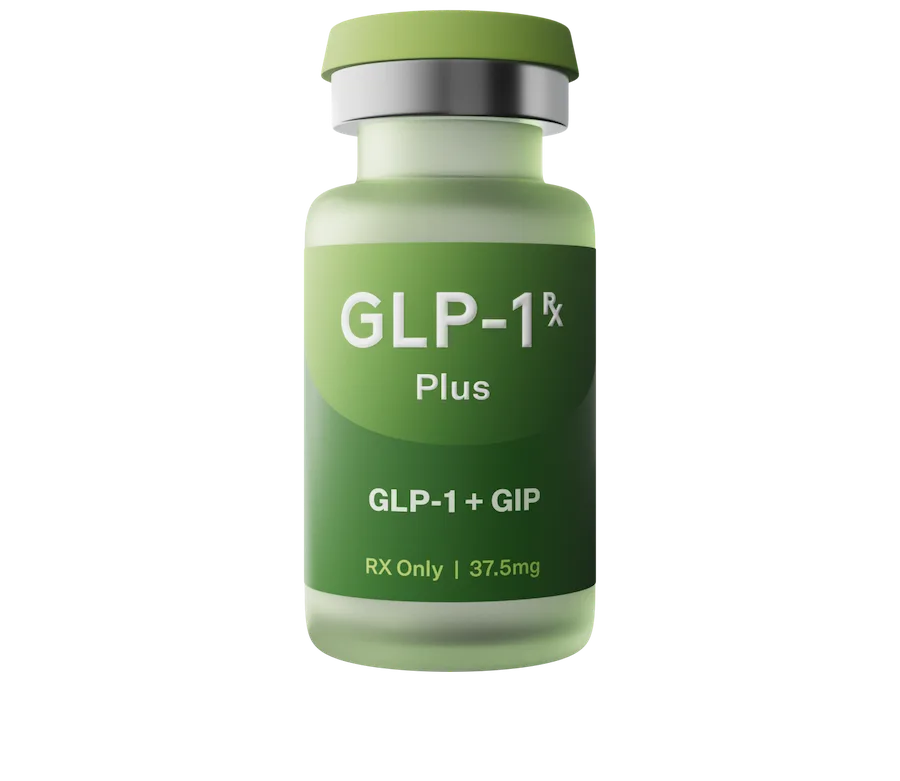
Noom GLP-1rx Plus
Wegovy®

Ozempic®

Metformin

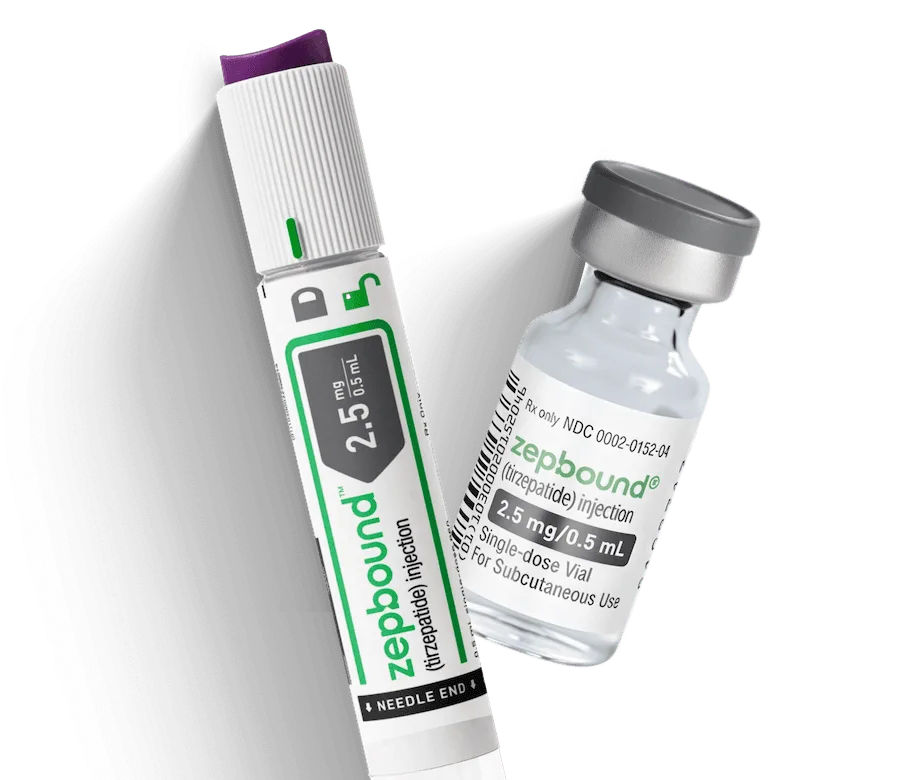
Zepbound®
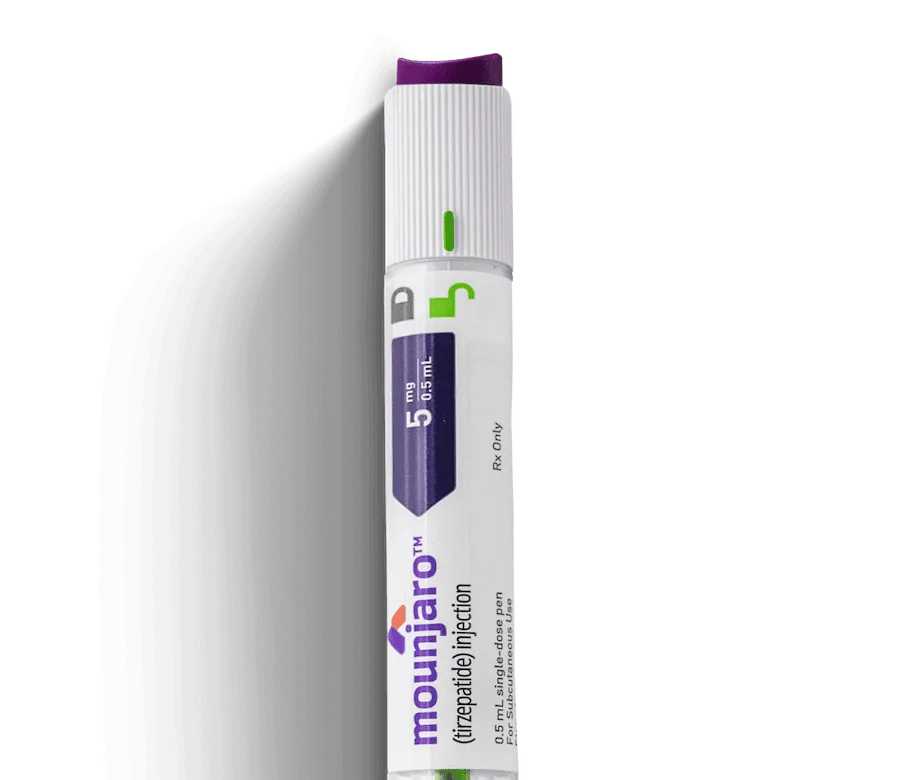
Mounjaro®
Liraglutide

When and how to test for the most accurate results
For the most reliable results, it’s best to test when you’re feeling well and not dealing with an acute illness or infection. Recent inflammation, major illness, or surgery can temporarily affect your levels, as can hormonal changes like menopause or hormone therapy. Certain medications, such as niacin or oral estrogen, may also alter Lp(a) measurements. If you’re unsure about timing, your clinician can help determine the best moment to test.
How results are reported and why consistency matters
Lp(a) is reported in either mg/dL or nmol/L, with nmol/L being the preferred unit because it more accurately reflects the number of Lp(a) particles in your blood.
These units measure different things and aren’t directly interchangeable, so if you do need follow-up testing, it’s important to use the same lab and the same units for consistency.
That said, because Lp(a) levels are largely genetic and remain stable over time, repeat testing is usually unnecessary unless your health status or treatment changes.
Who is Lp(a) testing most useful for?
Because Lp(a) is largely genetic and doesn’t show up on standard cholesterol panels, testing can be valuable for anyone who wants a complete picture of their cardiovascular risk.
Noom Proactive Health Microdose GLP-1Rx includes Lp(a) as part of a comprehensive approach to understanding your heart health.
While testing is helpful for everyone, it’s especially important for:
- People with a family history of early heart disease or stroke
- People with cardiovascular disease, despite normal cholesterol levels
- Those planning a long-term approach to heart health and longevity
- People who want a clearer picture of genetic cardiovascular risk
The best part? Because Lp(a) levels don’t fluctuate the way markers like LDL cholesterol or triglycerides do, one accurate test often provides lifelong insight. Rather than tracking short-term changes, Lp(a) testing helps guide how aggressively other modifiable risk factors—such as LDL cholesterol, blood pressure, inflammation, and weight—should be managed over time.
What to expect and how to prepare
No special preparation is needed beyond routine blood work. Let your healthcare provider know about any medications or hormone therapies you’re using so results can be interpreted accurately.
- If you’re testing at a lab: Your Lp(a) result will be a single number that reflects genetic risk, and your clinician can help explain what that number means in the context of your overall heart health and long-term goals.
- If you’re testing at home with the Noom Biomarkers Test Kit: Your kit ships directly to your door. You’ll use a simple, virtually painless device to collect a small sample from your arm—no needles or appointments required. Just mail it back, and you’ll receive your results digitally within about a week, along with guidance on what your Lp(a) level means and steps you can take next.
Lipoprotein(a): Understanding your results
Your Lp(a) test results can feel confusing, but the numbers are easier to interpret than they may seem.
You may see results reported in mg/dL or nmol/L, depending on the lab. These units measure Lp(a) differently: mg/dL reflects the total mass of Lp(a) in your blood, while nmol/L counts the actual number of Lp(a) particles. Because particle count gives a more precise picture of cardiovascular risk, nmol/L is generally the preferred unit. Both units are valid, and your healthcare provider can interpret your result correctly in either format.
Here’s what to know about the results:
- Lower is better: Many U.S. lipid specialists consider Lp(a) levels below 10 mg/dL to be lowest risk.
- Rising risk range: Large international studies show cardiovascular risk increases more clearly once Lp(a) rises above about 30 mg/dL, or 125 nmol/L.
- Higher levels need attention: Results at or above this range don’t mean disease is present, but they do signal the need for a more proactive approach to heart health.
Because Lp(a) is largely genetic and remains stable throughout adulthood, one test usually provides the full picture. Repeat testing is rarely needed unless there is a major change in health or treatment.
What changes your lipoprotein(a) level?
Lp(a) behaves differently from most cholesterol markers. While diet and exercise strongly influence LDL and triglycerides, Lp(a) is driven mainly by genetics. Still, a few short-term and long-term factors can affect test results or cause modest shifts over time.
Short-term factors that can affect test results
Certain temporary conditions may cause Lp(a) levels to rise or fall slightly around the time of testing. These changes are usually small and short-lived.
- Dietary changes
- Replacing saturated fats with carbohydrates or unsaturated fats
- Low-carbohydrate, high–saturated fat diets
- Diets enriched with walnuts or pecans
- Hormones and endocrine conditions
- Postmenopausal hormone replacement therapy (HRT)
- Hypothyroidism treatment
- Hyperthyroidism treatment
- Growth hormone replacement therapy
If your result seems unexpectedly high or low and one of these factors applies, your clinician may recommend repeating the test once things have stabilized.
Long-term health conditions and medications
Some chronic conditions and treatments can influence Lp(a) levels modestly over time.
- Risk-enhancing factors like kidney disease, liver conditions, and thyroid disorders may alter levels
- Some cholesterol-lowering medications (PCSK9 inhibitors) can lower Lp(a) by about 25 to 30 percent
- Statins may cause a small increase in some people
- Sex-specific differences and factors like hormone therapy, major weight changes, or growth hormone treatment can lead to gradual shifts
Even in these cases, changes in Lp(a) are usually smaller than what’s seen with other cholesterol markers.
Genetics: The main driver
About 70 to 90 percent of your Lp(a) level is determined by your genes. Levels are largely set early in life and remain stable throughout adulthood. Age, sex, and ethnicity also play a role. Women tend to have slightly higher levels than men, and people of African ancestry often have higher Lp(a) compared with other groups.
Because genetics dominate, a single Lp(a) test is usually enough to understand your long-term cardiovascular risk profile.
What to do if you have higher lipoprotein(a) numbers?
Though Lp(a) levels are largely determined by genetics and don’t change much with lifestyle alone, you still can make choices that improve your heart health. Here’s how:
Focus on what you can control
Because Lp(a) is mostly genetic, the most effective strategy is managing other cardiovascular risk factors. Eating a balanced diet, staying physically active, and maintaining a healthy weight can significantly reduce the risk of heart attack and stroke, even when Lp(a) remains elevated. Studies consistently show that people who follow these habits experience better heart outcomes regardless of their Lp(a) level.
When to consider medical options and long-term support
If Lp(a) levels are very high or you have additional cardiovascular risk factors, a clinician may recommend medical therapies. Certain cholesterol-lowering medications, such as PCSK9 inhibitors, can reduce Lp(a) by about 25%, and new treatments are under active study. Alongside medical care, building sustainable habits remains essential.
Noom’s Proactive Health Microdose GLP-1Rx Program focuses on long-term behavior change, helping support heart health through consistent, realistic lifestyle improvements.
How to track your progress
Unlike other health markers you might monitor regularly, tracking your Lp(a) works differently since it’s mostly set by your genes and remains steady throughout life. Research shows Lp(a) levels stay remarkably consistent over the years, so one accurate test is usually enough unless your health changes significantly or you start a specific Lp(a)-lowering treatment. Here’s what you can track and improve:
- Focus on modifiable risk factors – Track your LDL cholesterol, blood pressure, weight, and blood sugar regularly since these can be improved with lifestyle changes and directly impact your cardiovascular health.
- Use the same lab and units – If you do need to recheck your Lp(a), stick with the same laboratory and ask for results in the same units (preferably nmol/L), which reflects the number of Lp(a) particles and allows for more consistent comparison over time.
- Know when retesting makes sense – Consider rechecking if you develop kidney problems, start hormone therapy, have a major health event, or begin participating in clinical trials, as current guidelines suggest these situations might affect your levels.
- Monitor your complete risk profile – Work with your healthcare team to track how well you’re managing all your cardiovascular risk factors together.
- Remember the bigger picture – Managing LDL cholesterol, blood pressure, and weight can significantly reduce your risk even if Lp(a) stays the same.
Frequently asked questions about lipoprotein(a)
People often have questions about Lp(a) after learning about this important heart health marker. These answers address the most common questions people have about Lp(a) testing, results, and what you can do to protect your long-term health.
What does a high lipoprotein(a) level mean for my long-term health?
High Lp(a) increases your risk of heart attack, stroke, and aortic valve problems over time. But it represents one factor among many that influence your cardiovascular health. You can still live a long, healthy life by managing other risk factors like blood pressure, cholesterol, and weight through proven lifestyle changes.
How can I reduce lipoprotein(a) naturally?
While lifestyle changes don’t significantly lower lipoprotein(a) since it’s largely genetic, you can still take positive action. Research suggests that carefully planned plant-based eating patterns may help modestly. Focus on controlling other risk factors like LDL cholesterol, blood pressure, and inflammation markers like hs-CRP instead.
How accurate are the lipoprotein(a) results?
The test is very accurate when done at CLIA-certified labs. Results are reliable and remain consistent throughout your lifetime, so most people only need testing once unless their health situation changes significantly.
What are the optimal lipoprotein(a) levels for reducing my risk of heart disease?
Most experts consider levels under 30 mg/dL as low risk for heart problems. Levels above 50 mg/dL (125 nmol/L) are considered elevated and increase heart attack and stroke risk.
How often should I recheck my Lp(a), and should my family be tested?
Most people don’t need repeat testing since Lp(a) levels stay stable over time. If you have high levels, your children and siblings might benefit from testing since it runs in families. Discuss with your clinician whether family screening makes sense for your situation.
Can supplements improve Lp(a)?
Several supplements have shown modest Lp(a)-lowering effects in small studies, though the reductions are typically minor.
Research indicates that:
- L-carnitine may lower Lp(a) by about 7-9 mg/dL
- Coenzyme Q10 shows reductions of around 3.5 mg/dL
Flaxseed also demonstrates small but significant effects in preliminary trials.
Remember, these are supplements, not quick fixes, and more research is needed to confirm these effects in larger, longer-term studies.
Reviews from real Noom users
Desirea N. — Real Noom user

“My favorite parts of Noom are the care team and other Noomers. Sharing and getting help made me feel like I wasn’t doing it alone. That support made all the difference.”
Desirea N. — Real Noom user
Matthew M. — Real Noom user

“Noom has taught me that every day is a new chance to make better, healthier choices. It's taught me how to stop overeating.’’
Matthew M. — Real Noom user
Lila M. — Real Noom user

“Clinicians who understand how supportive medication can be is one of the best parts of Noom! I was convinced I wouldn’t have success but I’m down 11 pounds in two months.’’
Lila M. — Real Noom user
Steve M. — Real Noom user

“Noom provided me with the medication which I could not get through Medicare. I have learned the tricks to better eating and life in general.”
Steve M. – Real Noom user
Daisy R. — Real Noom user

‘’Noom has changed my life and I’m so thankful, I feel great, have more energy and am no longer prediabetic.”
Daisy R. – Real Noom user
Sarah R. — Real Noom user

“All of the Noom providers that I’ve met with have been exceptional and prescribed medications that are appropriate for my situation and health.”
Sarah R. – Real Noom user
Madison S. — Real Noom user

“Noom made the process so simple and now I feel full, free from diet obsession, and at ease in my body again.”
Madison S. – Real Noom user
Sonday K. — Real Noom user

“My doctor recommended Noom after I was frustrated trying to lose weight. The lessons helped change my relationship with food. My body feels lighter & energized.”
Sonday K. – Real Noom user
Cam K. — Real Noom user

“I built healthy habits with coaching and lessons that make me confident I can maintain my weight loss long term.”
Cam K. – Real Noom user
Laura TR. — Real Noom user

“With the right medication through Noom, hunger and sugar cravings finally quieted and I have the tools to break the cycle.”
Laura TR. – Real Noom user
Jessica S. — Real Noom user

“Cravings and food noise are gone, I finally feel confident in the healthy habits I’ve built to last with Noom.”
Jessica S. – Real Noom user
The bottom line: Lipoprotein (a) testing offers early insight into heart health
Because Lp(a) levels are largely genetic and remain stable over time, a single test can provide lifelong insight into your cardiovascular risk. Asking your clinician for this simple blood test helps you understand where you stand and how to proactively manage your heart health. Since lifestyle changes don’t directly lower Lp(a), the most effective strategy is focusing on proven ways to reduce overall cardiovascular risk.
Small, consistent habits make the biggest difference over time. Eating minimally processed foods, staying physically active, managing weight, and keeping blood pressure and cholesterol in healthy ranges all help protect your heart, regardless of your Lp(a) number. Noom supports this long-term approach by helping you build sustainable habits rooted in behavioral science, not short-term fixes.
For those looking to take an even more proactive approach, Noom’s Proactive Health Microdose GLP-1Rx Program offers additional, clinician-guided support designed to complement healthy habits and long-term cardiovascular and metabolic health goals.
Editorial standards
At Noom, we’re committed to providing health information that’s grounded in reliable science and expert review. Our content is created with the support of qualified professionals and based on well-established research from trusted medical and scientific organizations. Learn more about the experts behind our content on our Health Expert Team page.