What you’ll learn:
- Protein shots are pre-packaged products that pack a large protein punch in a small quantity.
- Extra protein may be helpful during weight loss, especially for people on GLP-1 medications.
- A protein shot can be convenient, but it isn’t as nutrient-dense or filling as a protein-rich meal.
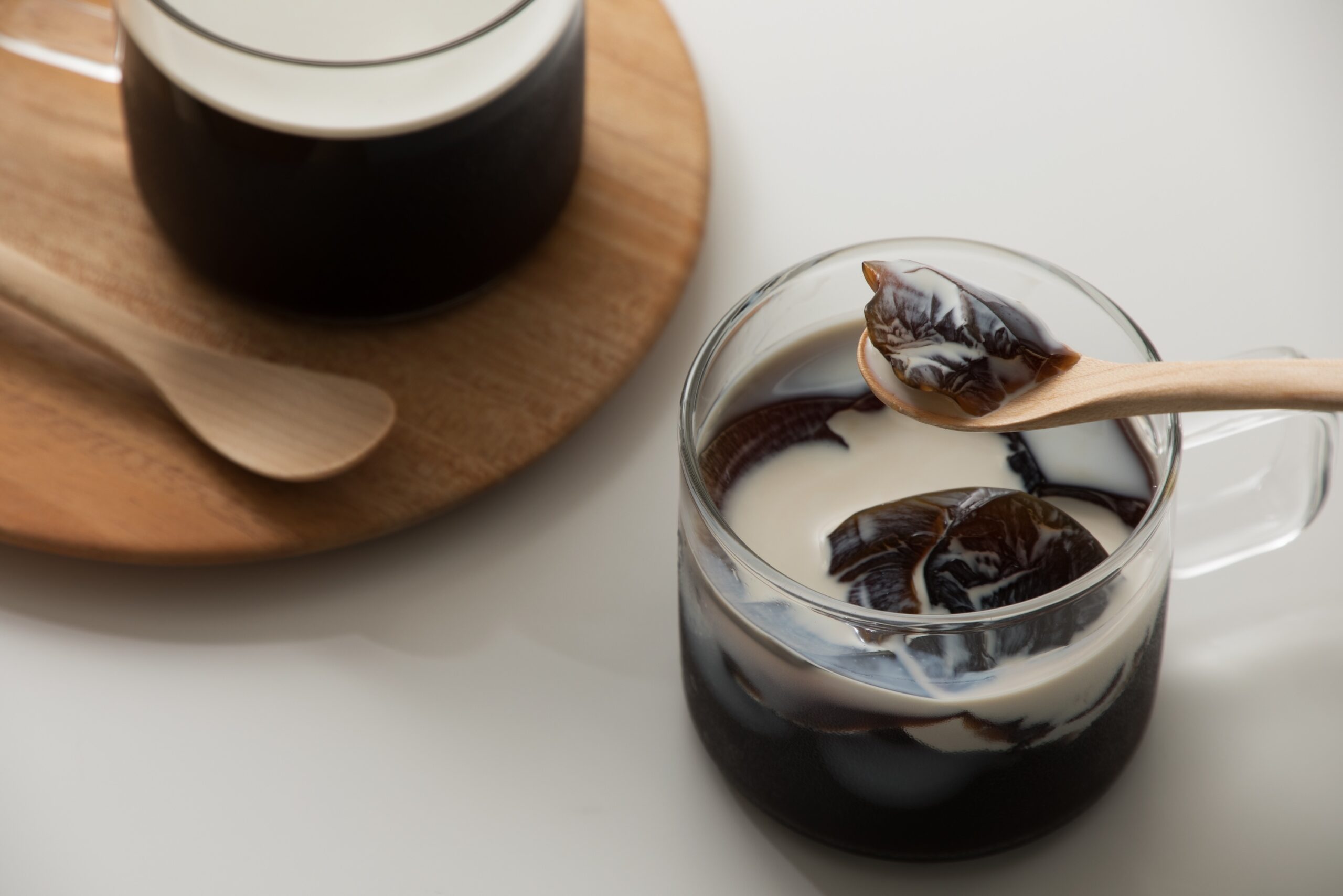
Protein seems to be everywhere right now—from enhanced water to popcorn and even smoothies. Dunkin’ and Starbucks have even added protein milk drinks, and some people are even using a “gelatin trick” of eating or drinking a protein-rich gelatin mixture to curb their appetite before a meal.
Protein shots are the latest small-but-mighty option. They common in small bottles of a few ounces that can pack as much protein as a much larger shake.
But can something that fits in the palm of your hand actually help with weight loss? And does it work when you want to build muscle? Not on its own. A protein shot doesn’t burn fat, replace meals, or automatically keep you full for hours. It can, though, be a convenient way to get protein when a full meal or shake doesn’t sound good—especially if you’re losing weight, taking a GLP-1 medication, or strength training.
In this article, we’ll break down what protein shots are, when they may be useful, what they can’t do, and how to choose one that fits your goals. We’ll also talk to Maggie Hudspeth, RDN, Senior Manager of Coaching at Noom, about what parts of the trend are useful and what’s overhyped.
What is a protein shot, exactly?
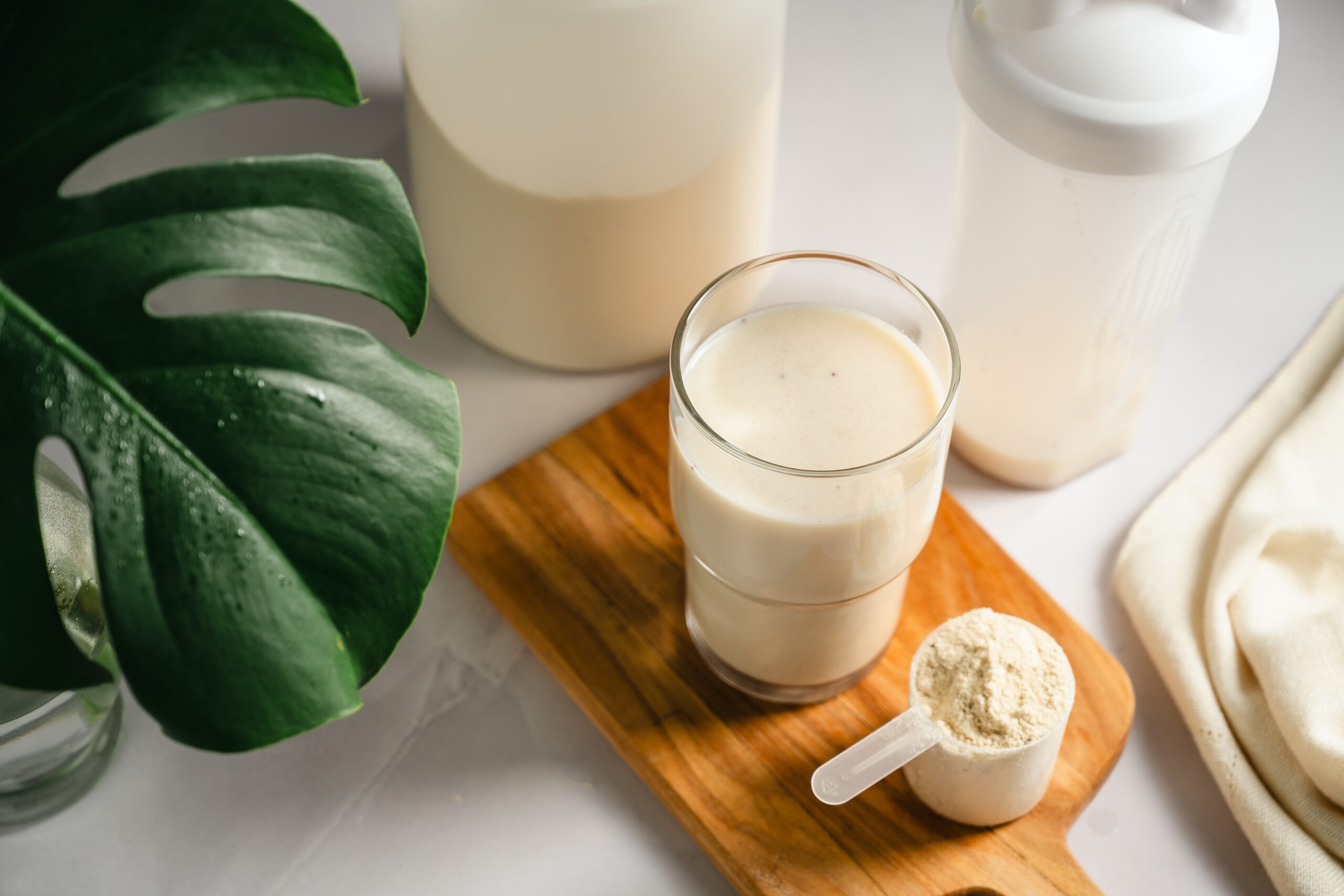
A protein shot is a small, ready-to-drink serving of protein, often around 1 to 3 ounces. Many contain roughly 15 to 30 grams of protein and fewer than 100 calories, though the amounts vary by brand.
Noom’s Most Powerful Program
A dual-pathway GLP-1 and behavior change for lasting results.
You’ve probably heard of other wellness shots, like turmeric shots, apple cider vinegar shots, and baking soda and lemon juice shots. Protein shots are different: they’re not marketed as a metabolism booster or detox. They’re simply a concentrated way to get protein in a few sips.
The biggest difference between a protein shot and a protein shake is volume. A shake may be 10 to 16 ounces and can include fruit, milk, fiber, fat, and other ingredients. A shot is designed to get you protein in just a few sips.
Most protein shots use one of these protein sources:
- Whey protein: A dairy-based protein that provides all nine essential amino acids. Whey is well studied for supporting muscle protein synthesis, especially alongside resistance training.
- Collagen protein: A protein found in connective tissues. It can contribute to your total protein intake, but it isn’t a complete protein and isn’t the best choice if your goal is building or preserving muscle.
- Plant protein: Some shots use soy or a blend of pea, rice, and other plant proteins. Check the label for the amount of protein and whether it provides a complete amino acid profile.
“A shot can be convenient, but it’s still a supplement and not a replacement for a varied diet,” notes Hudspeth. “Whole-food protein sources also bring nutrients that a shot may not. With a real meal or snack, you’re also getting fiber, iron, calcium, or healthy fats.”
Here’s a comparison of some popular brands:
| Product | Calories | Protein | Protein type | Key ingredients or features |
|---|---|---|---|---|
| Oikos Pro Shot | 60 | 10 g | Milk and whey | Cultured ultra-filtered nonfat milk, whey protein concentrate; 0 g added sugar |
| Frog Fuel Power Protein | 60 | 15 g | Hydrolyzed collagen | Collagen protein plus amino acids; 1-ounce packet |
| LiquaCel | 100 | 16 g | Hydrolyzed collagen | Includes arginine; available as 1-ounce packets or liquid |
| Proteinex Core | 72 | 18 g | Hydrolyzed collagen | Zero sugar; 1-ounce serving |
| Pure Genius Protein + Fiber Shot | 100 | 20 g | Whey plus collagen | 5 g prebiotic fiber; 3.38-ounce bottle |
| Pure Genius Protein Shot | 100 | 23 g | Whey plus collagen | 0 g sugar and fat; 3.38-ounce bottle |
| Proteinex 2GO | 100 | 26 g | Hydrolyzed collagen | Ready-to-drink 2.5-ounce bottle |
Do you actually need more protein than you’re already getting?
For most people, no. The recommended dietary allowance for healthy adults is 0.8 grams of protein per kilogram of body weight per day. That’s the amount intended to meet basic needs for most people, and nationally representative data suggest that most U.S. adults meet it through food.
That said, “enough” can look different when your goals, appetite, age, health needs, or activity level change. You may benefit from paying closer attention to protein if you:
- Strength train or are very active. Your muscles need protein to repair and adapt after exercise.
- Are an older adult. Protein needs may be higher with age because it becomes harder to maintain muscle mass and strength.
- Are losing weight. Weight loss can include lean mass as well as fat. Protein, especially combined with strength training, can help support muscle during a calorie deficit.
- Take a GLP-1 medication. A smaller appetite can make it harder to eat enough overall, including enough protein. This guide to protein on a GLP-1 can help you think through your needs.
- Have had bariatric surgery. Your care team may set a daily protein target because smaller portions can make it harder to meet protein needs through regular meals alone.
“The goal isn’t to ‘protein-max’ every bite of food. It’s to get an amount that supports your body and fits your lifestyle. If you have kidney disease, a history of an eating disorder, are pregnant, or have another medical condition that affects your diet, ask your clinician or a registered dietitian before making major changes to your protein intake,” advises Hudspeth.
How protein shots can fit into weight loss
Protein shots don’t cause weight loss by themselves. Weight loss happens when, over time, you take in less energy than your body uses. A review of higher-protein eating patterns suggests protein can support weight-loss and maintenance efforts, but it works best as part of an overall eating pattern—not as a single product or shortcut. Here’s where a shot can fit in.
They can help you reach a protein goal when food feels like too much
If you’re short on time, have a low appetite, or find a full shake too heavy, a protein shot can be an easy way to add 15 to 30 grams of protein. That can be particularly useful at breakfast, after a workout, or on a day when meals are lighter than usual.
They may help support muscle while you lose weight
Your body needs protein to maintain and repair muscle. Higher-protein eating patterns can help preserve lean mass during weight loss, particularly when paired with resistance training. The benefit comes from your overall protein intake and exercise routine—not from the shot format itself.
Noom’s Most Powerful Program
A dual-pathway GLP-1 and behavior change for lasting results.
Remember: They aren’t a shortcut to fullness
This is where marketing can get ahead of the science. Protein can support fullness: in a controlled trial, increasing protein intake increased satiety and several appetite-related hormones. But a tiny liquid shot probably won’t satisfy you the same way a protein-rich meal does. Research comparing liquids with solid foods and protein-rich beverages with solid breakfasts suggests that drinks generally lead to less of a fullness response than solid foods, and that’s even when the liquids have a similar nutrition profile.
“If you’re having a protein shot because you’re genuinely hungry, try pairing it with something more substantial, such as fruit and nuts, a piece of whole-grain toast, or a snack with fiber. That combination is more likely to keep you comfortable until your next meal,” suggests Hudspeth.
Common myths about protein shots
As with all trends, myths start to spread online and can be hard to separate from the truth. Let’s go through what people claim about protein shots compared to what they really do.
Myth: A protein shot fills you up the same way a high-protein meal does
The claim: If it has 20 grams of protein, it should be just as filling as a meal with 20 grams of protein.
What the science says: Not necessarily. Protein amount matters, but texture and volume matter too. Higher-protein breakfasts have been linked with better appetite control, but chewing, the physical bulk of food, and taking time to eat also contribute. A small liquid shot may be convenient, but it usually won’t feel the same as eggs, Greek yogurt with fruit, tofu and vegetables, or another protein-rich meal.
The takeaway: Use a protein shot to supplement a meal or snack when needed—not as a guaranteed appetite fix.
Myth: All protein is built the same way
The claim: Protein is protein, so the source doesn’t matter.
What the science says: The source can matter for muscle. Complete proteins, including whey, dairy, soy, eggs, meat, and fish, contain all essential amino acids. A review of protein quality and muscle protein synthesis found that collagen has a different amino acid profile and isn’t an equivalent substitute for a complete protein when muscle support is the goal.
The takeaway: If you want a protein shot mainly to support muscle after strength training or during weight loss, choose one with whey, soy, or another complete protein source.
Myth: Your body can only use about 30 grams of protein at once
The claim: Any protein above 20 or 30 grams is wasted.
What the science says: Your body digests and uses protein beyond that amount. One study found that 100 grams of protein after exercise produced a longer-lasting muscle-building response than 25 grams. But it was a single study in young men who weren’t resistance trained, so it doesn’t mean everyone needs that much at one time. Spreading protein across meals can still be a practical way to meet your daily needs.
The takeaway: You don’t need to worry about getting more than 20-30 grams of protein at once. Focus on your overall pattern, not a rigid cap.
Protein shots on a GLP-1 medication: What to know
GLP-1 medications like Wegovy® and Zepbound® can make it easier to eat less by reducing appetite and helping you feel full sooner. That can be helpful for weight loss, but it can also make it harder to eat enough protein, especially if nausea show up. Recent research on preserving lean mass during GLP-1 treatment supports a food-first approach that includes adequate protein and resistance exercise when appropriate.
Ongoing studies are testing whether higher protein intakes—around 1.6 grams per kilogram of body weight per day—alongside resistance exercise can preserve even more muscle during GLP-1 treatment. That number isn’t a one-size-fits-all target, so it’s worth discussing what makes sense for you with your prescriber or a registered dietitian.
That’s where a protein shot may be practical: it’s small, quick, and less filling than a full shake. But it’s important to keep expectations realistic. Just know there aren’t studies showing that protein shots specifically prevent muscle loss in people taking GLP-1 medications.
Read more: How much protein to eat on a GLP-1
Protein shots after bariatric surgery
After bariatric surgery, getting enough protein can be tough because portions are much smaller, especially early in recovery. Research on protein intake after sleeve gastrectomy highlights why protein targets matter. A shot may be easier to tolerate than a full shake, but your bariatric team should guide when and how to use one.
Frequently asked questions about protein shots
What is a protein shot?
A protein shot is a small, drinkable serving that delivers a concentrated amount of protein—often 15 to 30 grams—in a few ounces. It can be a convenient supplement when a full meal or shake doesn’t sound appealing.
Are protein shots good for you?
They can be, especially if they help you meet a protein need. But they aren’t necessary for everyone, and they don’t replace the benefits of a balanced diet. Check the ingredients and choose a product that fits your goals and any guidance from your care team.
How do you make protein shots?
Mix protein powder with a small amount of water, milk, or a milk alternative until smooth. You can make it thicker or thinner based on what you prefer. Use a protein powder you tolerate well and follow the serving size on the label.
Access GLP-1 Weight Loss with Noom
Explore a wide range of prescription medications supported by Noom’s program.
Microdose GLP-1rx
Noom GLP-1rx
Noom GLP-1rx Plus
Wegovy®
Ozempic®
Metformin
Zepbound®
Mounjaro®
Liraglutide
Do I need a protein shot, or is it just marketing?
For many people, it’s optional. Most adults can meet their basic protein needs through food. A protein shot may be useful if you’re active, older, losing weight, taking a GLP-1 medication, recovering from bariatric surgery, or simply struggle to eat enough protein at certain times of day.
Will a protein shot keep me full until my next meal?
Maybe for a short time, but don’t count on it to work like a meal. Because it’s small and liquid, it may not be as satisfying as solid food. Pairing it with a fiber-rich snack can help.
Do I need to drink a protein shot right after a workout?
No. Getting enough protein across the day matters more than drinking it immediately after you finish exercising. Having protein sometime around your workout can be convenient, but there’s no need to rush if you’re eating a balanced meal later.
Are protein shots recommended after bariatric surgery?
They can be useful, but only if your bariatric team says they’re appropriate for your stage of recovery. Your team can help you choose a product and make sure it supports—not disrupts—your nutrition plan.
Noom’s Most Powerful Program
A dual-pathway GLP-1 and behavior change for lasting results.
The bottom line: Protein shots aren’t a replacement for full meals
Protein shots are convenient, but they’re not a weight loss hack, and they won’t replace the staying power of a protein-rich meal. They can be a genuinely useful tool when your appetite is low, your schedule is packed, or you have a higher protein need during weight loss.
The most helpful choice is usually the least complicated one: choose a complete protein when muscle support is the goal, keep an eye on the overall ingredients, and use the shot to fill a real gap in your day.
At the end of the day, no protein shot outperforms sustainable, evidence-based habits. You still need to eat well-rounded foods and move your body for your overall wellness.
Want to learn more and get daily guidance for improving your habits? Download Noom now to see all of our new features to help you stay on track on iOS and Android.
Editorial standards
At Noom, we’re committed to providing health information that’s grounded in reliable science and expert review. Our content is created with the support of qualified professionals and based on well-established research from trusted medical and scientific organizations. Learn more about the experts behind our content on our Health Expert Team page.