

What you’ll learn:
- Temporal hollowing is a cosmetic loss of volume in the temples that can happen after significant weight loss.
- It’s not a side effect of GLP-1 medications; it’s a visible result of losing facial fat, and sometimes lean tissue, during weight loss.
- While there’s no guaranteed way to prevent temporal hollowing, losing weight at a sustainable pace, eating enough protein, and strength training can help support healthier body composition during weight loss.
You may have heard of “Ozempic face” or other body changes associated with GLP-1 medications. The latest term gaining attention is temporal hollowing. So what is it?
The simple answer: temporal hollowing is a visible change in the temples—the flat areas on the sides of your forehead between your eyes and hairline—that can become more noticeable after significant weight loss. It’s getting more attention because more people than ever are losing larger amounts of weight, often more quickly, with the help of GLP-1 medications.
More people are taking these medications than ever before. A 2026 Gallup poll estimates that about 11% of U.S. adults are currently using a GLP-1 medication for weight loss, up from 3% in 2024, while roughly 15% have used one at some point. As more people lose weight, more are noticing changes in their faces they weren’t expecting—and wondering what’s behind them.
The important thing to know is GLP-1 medications themselves don’t cause that temporal hollowing. It can happen after significant weight loss from any cause, including diet, exercise, bariatric surgery, or weight loss medications. GLP-1s have simply made substantial weight loss more common, bringing these changes into the spotlight.
Here’s what temporal hollowing is, what causes it, whether it’s something to worry about, and what—if anything—you can do about it.
New from Noom
Microdose GLP-1Rx Plus
An affordable way to start your GLP-1 journey with Compounded Tirzepatide.

*Initial 3 week subscription and 4 weeks of medication from $79 plus tax and $199 per month plus tax for 12 week subscription thereafter. Final pricing depends on program selection. Noom GLP-1Rx Plus Microdose Program involves medication (when appropriate), healthy diet, exercise and support. Individual results vary. Meds & personalization based on need as determined by a third-party clinician. Medications are not reviewed by FDA for safety, efficacy, or quality. No affiliation with Eli Lilly and Company, the only US source of FDA-approved tirzepatide. Not available in all 50 US states.
What is temporal hollowing?
Temporal hollowing is a loss of volume in the temples—the flat areas on the sides of the forehead. As fat beneath the skin decreases, and in some cases the underlying temporalis muscle becomes smaller as well, the temples can appear more sunken or concave. The change can make a person’s face look older, thinner, or more tired.
You’ll often hear temporal hollowing discussed alongside “Ozempic face,” but it’s actually more specific. “Ozempic face” is the catch-all term for facial changes that can accompany significant weight loss, including thinner cheeks, more prominent facial contours, and hollower under-eyes.
Temporal hollowing refers to just one of those changes: volume loss in the temples. You may also see the term temporal wasting, particularly in medical or cosmetic settings, though it often refers more specifically to loss of the underlying temporalis muscle.
It’s also part of a growing list of social media nicknames tied to dramatic weight loss. Despite the names, none of these are recognized side effects of GLP-1 medications themselves. Instead, they’re informal terms for changes that can occur when someone loses a substantial amount of body fat, whether through GLP-1 medications, bariatric surgery, or diet and exercise alone. Examples include:
- “Ozempic butt,” referring to looser skin after fat loss,
- “Ozempic feet,” describing a thinner, more wrinkled appearance of the feet.
- “Ozempic mouth,” a term used for volume loss around the cheeks and lips.
While each nickname focuses on a different body part, they all reflect the same underlying process: significant fat loss that changes the body’s contours.
What causes temporal hollowing?
The biggest reason temporal hollowing happens is simple: losing volume in your face. Your face stores fat just like the rest of your body, including in the temples. As you lose weight, you lose fat throughout your body—including from your face. Some people also lose volume from the underlying temporalis muscle, which can make the hollowing even more noticeable.
Exactly where you lose fat is largely genetic. Some people lose weight first from their waist or hips, while others notice it in their face long before the rest of their body changes.
Temporal hollowing has much more to do with how much weight you lose—and often how quickly you lose it—than with any specific medication. The reason it’s being talked about so much now is that today’s weight-loss medications can produce larger average weight losses than lifestyle changes alone:
- Semaglutide: People lose an average of about 18% of their starting weight at the highest approved dose, and roughly one-third lose 25% or more.
- Tirzepatide: Average weight loss is about 21%, with more than one-third of participants losing 25% or more.
- Orforglipron (Foundayo): At the highest dose, people without diabetes lost about 11% of their starting weight on average. People with type 2 diabetes lost about 10% on average.
Losing 10% or more of your body weight is a major change, so it’s not surprising that your face changes too. Research on GLP-1 medications has also found that, without resistance training and adequate protein, roughly 25% to 40% of the weight lost may come from lean body mass rather than fat alone, although much of that reflects water and other lean tissues in addition to skeletal muscle. The combination of fat loss and lean tissue loss can make facial contours—including the temples—appear more pronounced.
A few other factors influence how noticeable temporal hollowing becomes:
- How quickly you lose weight. Faster weight loss gives your body less time to adapt to changes in facial volume.
- Age and skin elasticity. As you get older, your skin naturally produces less collagen and elastin, making volume loss more apparent.
- Your natural facial anatomy. Some people naturally have fuller temples than others, so the same amount of weight loss can produce very different results.
One more thing to know: this isn’t unique to GLP-1 medications. The same changes can happen after bariatric surgery or any other period of rapid, significant weight loss. GLP-1 medications haven’t created temporal hollowing—they’ve simply made substantial weight loss more common, bringing a long-recognized phenomenon into the spotlight.
How likely is temporal hollowing: What research shows
Researchers have started measuring facial volume changes in people taking GLP-1 medications, but there still isn’t enough evidence to say exactly how common temporal hollowing is.
In one small imaging study, researchers compared CT or MRI scans from 20 people before and after they started a GLP-1 medication. Participants lost an average of about 24 pounds, and every 22 pounds of weight loss was associated with approximately a 7% reduction in total midfacial volume. Most of that loss occurred in the superficial fat compartments closest to the skin, while deeper facial fat changed less.
Another very small analysis looked specifically at the temples. Among five people taking semaglutide who lost an average of about 21% of their body weight, researchers measured an average reduction of about 43% in the superficial temporal fat pad and about 70% in the superficial cheek fat pad. Because the study included only five participants, these findings shouldn’t be considered typical or used to predict an individual’s results.
Taken together, these studies suggest that substantial weight loss can reduce volume in the superficial fat pads of the face, including around the temples. However, they don’t tell us how many people develop visible temporal hollowing, and larger studies are needed before researchers can estimate that risk.
Is temporal hollowing dangerous?
No. In the setting of intentional weight loss, temporal hollowing is generally considered a cosmetic change, not a medical problem. It isn’t listed as a specific side effect in the prescribing information for GLP-1 medications. Instead, it’s thought to reflect the loss of facial fat—and sometimes lean tissue—that can accompany significant weight loss from any cause.
But not every change in the temples should be assumed to be weight loss. If one temple suddenly becomes more sunken than the other, or you develop pain, swelling, weakness when chewing, numbness, vision changes, or other new neurological symptoms, you should be evaluated by a healthcare provider. Those symptoms aren’t typical of weight-loss-related temporal hollowing and may have another cause.
How to protect against temporal hollowing
There’s no proven way to prevent temporal hollowing, and some people are simply more likely to lose facial fat than others. Still, the same habits that help preserve muscle and support healthy weight loss may also help minimize changes in facial volume.
- Lose weight at a sustainable pace. GLP-1 medications are designed to be increased gradually, and not everyone needs the highest dose. If you’re losing weight very quickly or experiencing bothersome side effects, talk with your healthcare provider about whether your current dose is still the right fit. Weight loss experts generally recommend using the lowest effective dose that helps you reach your health goals while minimizing side effects.
- Prioritize protein. Eating enough protein helps preserve lean body mass while you lose weight. Clinical guidance for people taking GLP-1 medications commonly recommends about 1.2 to 1.6 grams of protein per kilogram of body weight per day, but the right amount varies based on your weight, age, activity level, and overall health. For someone who weighs 160 pounds, that’s roughly 87 to 116 grams daily. Try to spread your protein intake across three or four meals instead of eating most of it at once. Research has consistently found that higher-protein diets help preserve more lean mass during weight loss.
- Add strength training. Resistance training—including free weights, machines, resistance bands, or bodyweight exercises—is one of the best-studied ways to maintain muscle while losing weight. Aim for at least two or three sessions each week. Research suggests that people who combine exercise with a GLP-1 medication preserve more strength and lean mass than those who rely on medication alone.
- Take care of your skin. While skin care won’t prevent fat loss, healthy skin can make changes in facial volume less noticeable. Wear sunscreen, avoid smoking, stay well nourished, and eat a diet rich in vitamins and minerals that support collagen production. Rapid weight loss has been associated with changes in collagen and elastin that may contribute to a less firm appearance.
- Stay connected to your clinician. Regular follow-ups give your clinician a chance to monitor your rate of weight loss, muscle mass, nutrition, and medication dose. If you’re losing weight faster than expected or struggling to eat enough protein, they may recommend adjusting your treatment plan tto support your long-term health better
Remember, the goal of GLP-1 treatment isn’t to lose weight as quickly as possible. It’s to find a sustainable approach that improves your health while helping you preserve as much muscle, strength, and overall function as possible.
What to do about temporal hollowing
If you’ve noticed temporal hollowing and it bothers you, the best first step is a conversation—not a cosmetic procedure.
Start with the healthcare provider who prescribed your GLP-1 medication. They can help determine whether you’re losing weight faster than expected, whether your current dose is still appropriate, and whether your nutrition and strength-training plan are helping you preserve lean mass. While adjusting your treatment won’t restore lost facial fat, it may help slow further volume loss if you’re still actively losing weight.
If the change continues to bother you, a board-certified dermatologist or plastic surgeon can discuss cosmetic treatment options. These may include dermal fillers to restore lost volume, biostimulatory injectables that encourage your body’s own collagen production, or fat grafting (fat transfer), which uses fat from another part of your body to add volume to the temples. The right approach depends on your goals, anatomy, and the amount of volume loss.
One important thing to know: the temples contain major blood vessels and nerves, making them one of the more technically challenging areas of the face to treat with injectable products. If you decide to pursue treatment, choose a qualified, experienced injector—such as a board-certified dermatologist, facial plastic surgeon, or plastic surgeon—rather than selecting a provider based on convenience or price alone.
Finally, remember that temporal hollowing is a cosmetic change, not a sign that your medication is harming your health. If your GLP-1 treatment is helping you achieve meaningful improvements in your weight and overall health, it’s worth discussing the trade-offs with your healthcare team before making any changes.
Reviews from real Noom users
Desirea N. — Real Noom user
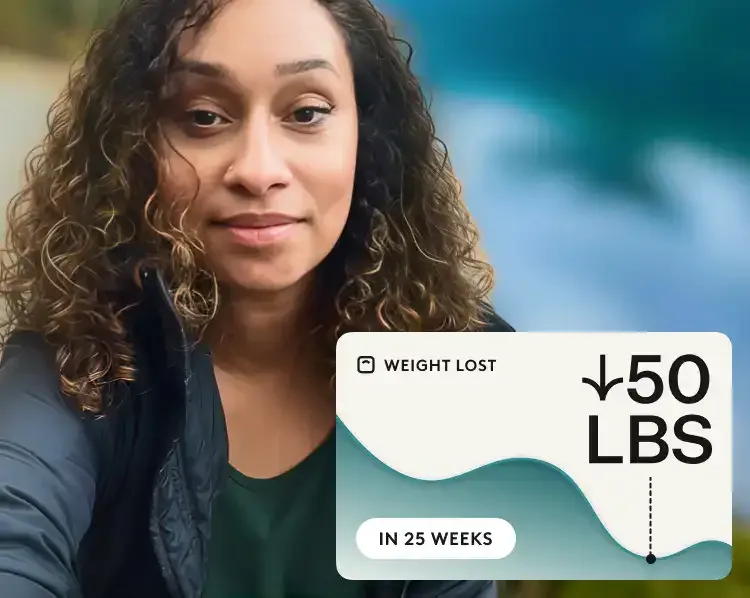
“My favorite parts of Noom are the care team and other Noomers. Sharing and getting help made me feel like I wasn’t doing it alone. That support made all the difference.”
Desirea N. — Real Noom user
Matthew M. — Real Noom user
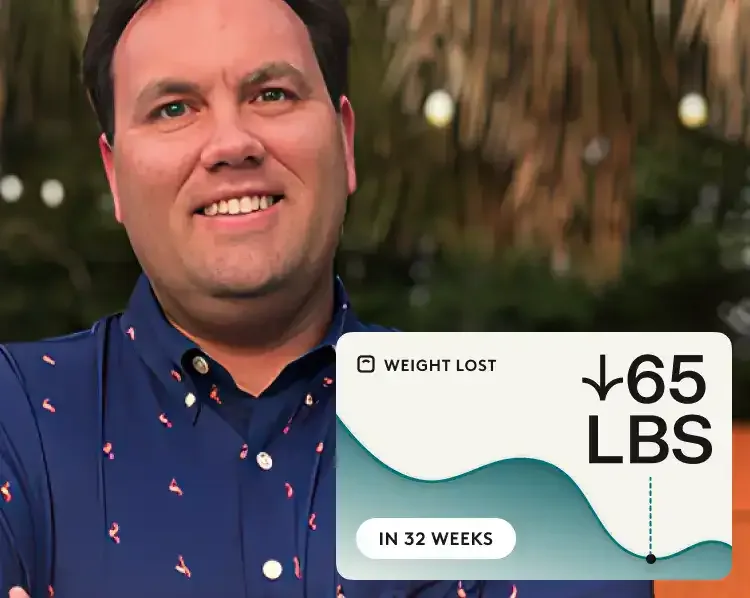
“Noom has taught me that every day is a new chance to make better, healthier choices. It's taught me how to stop overeating.’’
Matthew M. — Real Noom user
Lila M. — Real Noom user
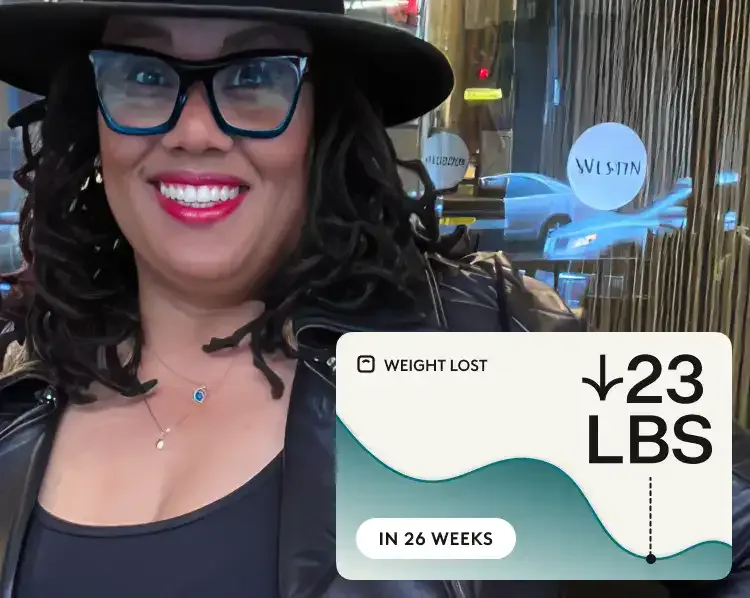
“Clinicians who understand how supportive medication can be is one of the best parts of Noom! I was convinced I wouldn’t have success but I’m down 11 pounds in two months.’’
Lila M. — Real Noom user
Steve M. — Real Noom user
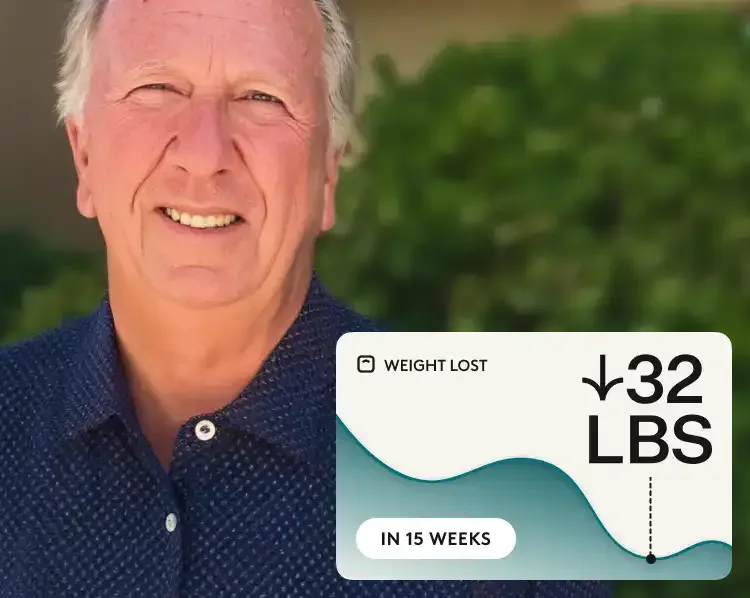
“Noom provided me with the medication which I could not get through Medicare. I have learned the tricks to better eating and life in general.”
Steve M. – Real Noom user
Daisy R. — Real Noom user
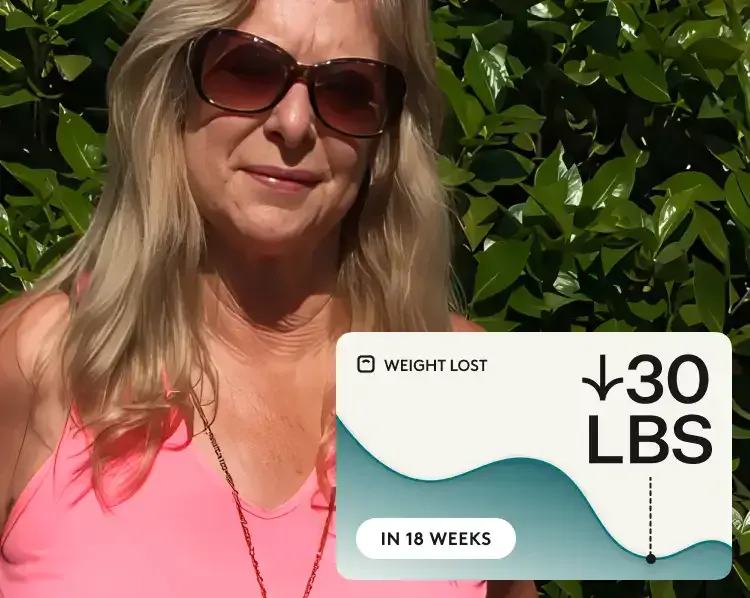
‘’Noom has changed my life and I’m so thankful, I feel great, have more energy and am no longer prediabetic.”
Daisy R. – Real Noom user
Sarah R. — Real Noom user
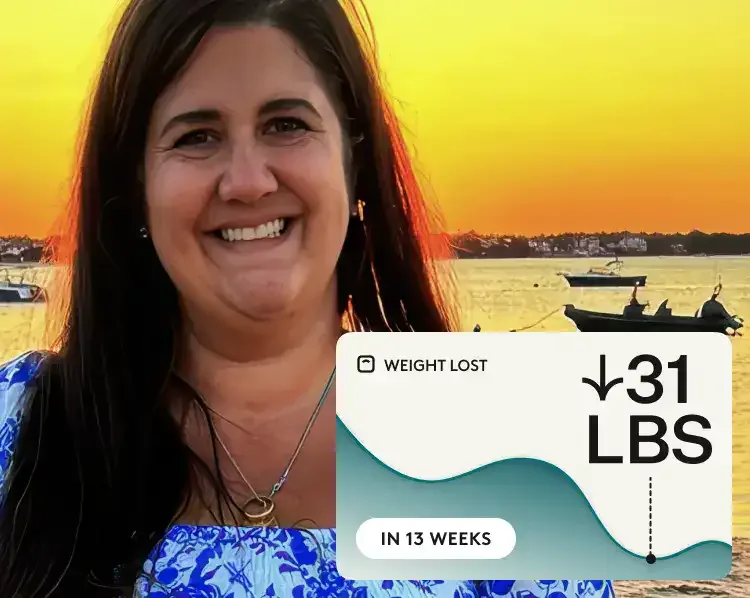
“All of the Noom providers that I’ve met with have been exceptional and prescribed medications that are appropriate for my situation and health.”
Sarah R. – Real Noom user
Madison S. — Real Noom user
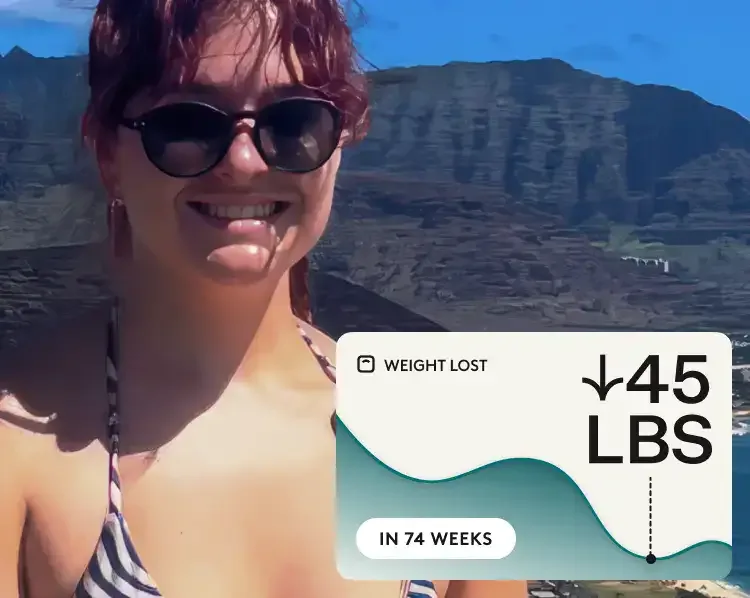
“Noom made the process so simple and now I feel full, free from diet obsession, and at ease in my body again.”
Madison S. – Real Noom user
Sonday K. — Real Noom user
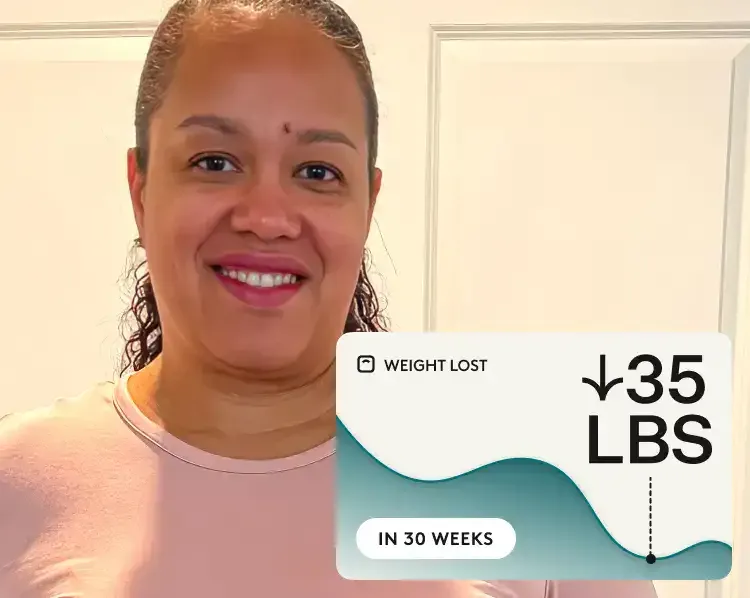
“My doctor recommended Noom after I was frustrated trying to lose weight. The lessons helped change my relationship with food. My body feels lighter & energized.”
Sonday K. – Real Noom user
Cam K. — Real Noom user
“I built healthy habits with coaching and lessons that make me confident I can maintain my weight loss long term.”
Cam K. – Real Noom user
Laura TR. — Real Noom user
“With the right medication through Noom, hunger and sugar cravings finally quieted and I have the tools to break the cycle.”
Laura TR. – Real Noom user
Jessica S. — Real Noom user
“Cravings and food noise are gone, I finally feel confident in the healthy habits I’ve built to last with Noom.”
Jessica S. – Real Noom user
The bottom line: Temporal hollowing is a physical change that results from significant weight loss
Temporal hollowing is a loss of facial volume around the temples that can become more noticeable after significant weight loss, including weight loss achieved with GLP-1 medications. While it may be surprising, it’s considered a cosmetic change—not a sign that the medication is harming your health.
There’s no guaranteed way to prevent temporal hollowing, but losing weight at a sustainable pace, eating enough protein, and strength training can help preserve lean mass and support healthier weight loss overall. Because everyone loses fat differently, some people will notice changes in their face more than others.
If you’re interested in exploring weight loss medication, see if you qualify for Noom Med. If you’re eligible, you’ll be connected with a clinician who can recommend the treatment that’s right for you and prescribe it if appropriate. You’ll also have access to a Care Team that can help you navigate common side effects, support healthy nutrition and exercise habits, and lose weight in a gradual, sustainable way.
Editorial standards
At Noom, we’re committed to providing health information that’s grounded in reliable science and expert review. Our content is created with the support of qualified professionals and based on well-established research from trusted medical and scientific organizations. Learn more about the experts behind our content on our Health Expert Team page.