

What you’ll learn:
- “GLP-3” isn’t an official hormone or an FDA drug class—it’s shorthand people use for retatrutide, a triple hormone agonist still in clinical trials.
- Retatrutide is a triple-agonist that targets GLP-1, GIP, and glucagon.
- Retatrutide is still in phase 3 clinical trials and isn’t expected to be available until 2027 or beyond.
If you’ve researched GLP-1 medications like Ozempic® or Wegovy®, you may have also started seeing the term GLP-3 online. It sounds like the next generation of GLP-1 drugs—but GLP-3 isn’t a real hormone or an official medication class.
Instead, “GLP-3” is an unofficial nickname some people use to describe retatrutide, an investigational weight-loss medication from Eli Lilly that’s still in clinical trials.
To understand where the name comes from, it helps to know a little about how today’s weight-loss medications work.
Your body naturally produces a hormone called GLP-1 (glucagon-like peptide-1) after you eat. It helps regulate appetite, slows stomach emptying, and plays a role in blood sugar control. GLP-1 medications work by mimicking this hormone, activating the same receptors to produce similar effects.
The nickname “GLP-3” comes from the fact that retatrutide doesn’t just activate the GLP-1 receptor. It also targets receptors for two other hormones—GIP and glucagon—for a total of three hormone receptors. That’s why some people have started calling it a “GLP-3” drug, even though scientists and healthcare providers don’t use that term.

The Easy Way
to lose weight and get healthy.
See if you qualify
Why are people calling retatrutide a “GLP-3”?
To understand why the nickname has caught on, it helps to look at how obesity medications have evolved.
The first wave of modern weight-loss medications, including semaglutide (the active ingredient in Ozempic® and Wegovy®), target a single hormone pathway: GLP-1. These medications are known as GLP-1 receptor agonists.
The next generation was tirzepatide (Mounjaro® and Zepbound®), which activates receptors for both GLP-1 and GIP. Because it targets two hormone pathways, tirzepatide is called a dual GIP/GLP-1 receptor agonist—not a “GLP-2.” (GLP-2 is actually the name of a completely different hormone that’s involved in intestinal health.)
Retatrutide goes one step further by activating receptors for GLP-1, GIP, and glucagon. That makes it a triple hormone receptor agonist. Some people have shortened that idea to “GLP-3,” but the term is informal and isn’t recognized by regulators or medical organizations.
If retatrutide is eventually approved, it would become the first medication in this new category.
More about retatrutide
Retatrutide, the investigational medication behind the “GLP-3” nickname, is being developed by Eli Lilly, the same company that makes Mounjaro® and Zepbound®. If approved, it would be the first obesity medication designed to activate three hormone receptors at once—GLP-1, GIP, and glucagon—rather than the one or two hormone receptors targeted by currently approved medications. It’s still in phase 3 clinical trials.
In clinical trials, retatrutide has produced some of the largest weight-loss results seen with any obesity medication to date. Participants taking the highest dose lost an average of about 25% after 88 weeks among those who remained on treatment. By comparison, tirzepatide (Zepbound®) produced about 21% average weight loss after 72 weeks, while semaglutide (Wegovy®) produced about 17% to 18% after 68 weeks in their respective trials.
Researchers think activating the glucagon receptor may contribute to retatrutide’s impressive results by increasing energy expenditure in addition to reducing appetite, but that’s still being studied. It’s also important to keep in mind that these results come from different clinical trials involving different groups of participants. Retatrutide hasn’t yet been compared head-to-head with tirzepatide or semaglutide, so it’s too early to say exactly how much better it performs.
Is there a GLP-2?
Yes. GLP-2 (glucagon-like peptide-2) is a real hormone your body naturally produces in the intestine. Unlike GLP-1, it isn’t involved in regulating appetite or blood sugar. Instead, it helps maintain the lining of the intestine, promotes intestinal growth and repair, and improves the gut’s ability to absorb nutrients.
The only FDA-approved GLP-2 medication, teduglutide (Gattex®), is used to treat short bowel syndrome—a condition in which part of the small intestine has been removed or isn’t functioning properly, making it difficult to absorb enough nutrients and fluids. It’s not used to treat diabetes or obesity.
So when people casually line up “GLP-1, GLP-2, and GLP-3” as if they’re a series of increasingly powerful weight-loss drugs, that’s a misunderstanding. GLP-2 is a completely different hormone, and it isn’t part of the current generation of weight-loss medications.
GLP-1 medications vs. “GLP-3”: What’s the difference?
Although people sometimes refer to retatrutide as a “GLP-3” medication, it’s more accurately described as a triple hormone receptor agonist. The table below shows how it compares with today’s approved GLP-1 and dual agonist medications. The biggest difference isn’t just how many hormone receptors each medication targets—it’s that retatrutide is still investigational and isn’t yet available by prescription.
| Factor | GLP-1 (single agonist) | Dual agonist | Triple agonist |
|---|---|---|---|
| Example medications | Semaglutide (Ozempic®, Wegovy®), liraglutide (Victoza®, Saxenda®) | Tirzepatide (Mounjaro®, Zepbound®) | Retatrutide (investigational) |
| Hormones targeted | GLP-1 | GLP-1 + GIP | GLP-1 + GIP + glucagon |
| FDA approval | Yes | Yes | No (phase 3 trials) |
| Available by prescription | Yes | Yes | No |
| Official medication class | GLP-1 receptor agonist | Dual GIP/GLP-1 receptor agonist | No official class; triple hormone receptor agonist |
When might a triple agonist be available?
Retatrutide has delivered some of the strongest weight-loss results seen with a GLP-1 medication to date. In its phase 3 trial, people taking the highest dose lost an average of 25% of their body weight after 80 weeks. By comparison, people taking tirzepatide (Zepbound®) lost about 21% after 72 weeks, while those taking semaglutide (Wegovy®) at its higher 7.2 mg dose lost about 18% after 72 weeks.
Retatrutide isn’t available by prescription yet, though. Eli Lilly must first submit a New Drug Application (NDA) to the FDA and complete the agency’s review process. The company has said it plans to submit its application in the first quarter of 2027. If approved, retatrutide would become the first triple hormone receptor agonist available for obesity treatment.
While it’s impossible to predict exactly when an approval decision will come, FDA review typically takes several months after an application is accepted for review. That means, if everything stays on schedule and the medication is approved, retatrutide would likely become available sometime after the FDA completes its review.
FAQs about the GLP-3 name and retatrutide
Does GLP-3 work for weight loss?
The medication behind the nickname—retatrutide—has shown promising weight loss in trials, an average of 25% of body weight lost over 80 weeks, depending on the dose. It’s still investigational, with an FDA application not expected before the first quarter of 2027.
What is the difference between GLP-1 and GLP-3?
GLP-1 medications activate one hormone receptor (or two, for dual agonists like tirzepatide). The drug nicknamed “GLP-3,” retatrutide, activates three—GLP-1, GIP, and glucagon. It’s technically a triple agonist.
Is GLP-3 a real hormone?
No. Your body produces GLP-1 and GLP-2, but there’s no third GLP hormone. “GLP-3” is an informal shorthand that spread online because retatrutide targets three receptors—it isn’t a term Eli Lilly, the FDA, or medical journals use.
Is GLP-3 (retatrutide) FDA-approved?
No. Retatrutide is still in phase 3 trials. Eli Lilly has said it plans to submit its FDA application in the first quarter of 2027, after which the agency’s review process typically takes several months.
What are the side effects of retatrutide?
Similar to other GLP-1-based medications—nausea, diarrhea, vomiting, and constipation are most common, especially during dose increases. Because retatrutide also activates glucagon receptors, it’s shown a side effect not typically seen in GLP-1 drugs: dysesthesia (skin tingling, numbness, or burning), which is usually mild.
Reviews from real Noom users
Desirea N. — Real Noom user

“My favorite parts of Noom are the care team and other Noomers. Sharing and getting help made me feel like I wasn’t doing it alone. That support made all the difference.”
Desirea N. — Real Noom user
Matthew M. — Real Noom user
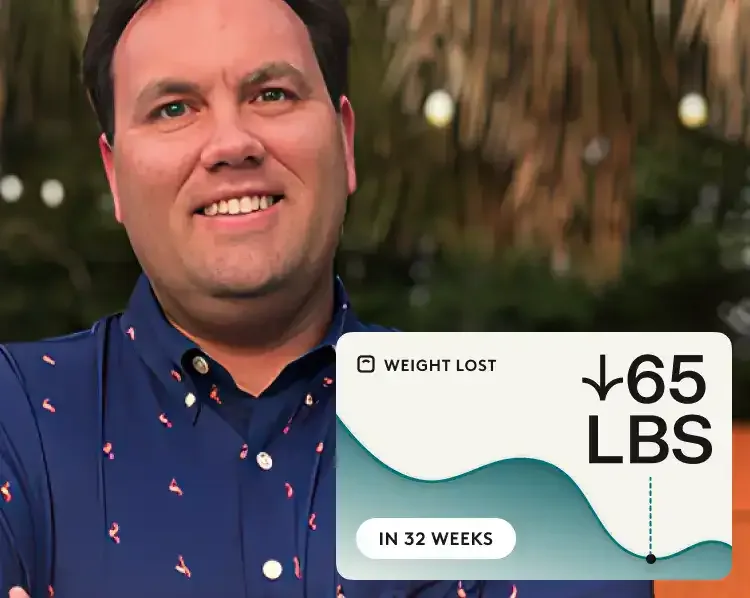
“Noom has taught me that every day is a new chance to make better, healthier choices. It's taught me how to stop overeating.’’
Matthew M. — Real Noom user
Lila M. — Real Noom user

“Clinicians who understand how supportive medication can be is one of the best parts of Noom! I was convinced I wouldn’t have success but I’m down 11 pounds in two months.’’
Lila M. — Real Noom user
Steve M. — Real Noom user
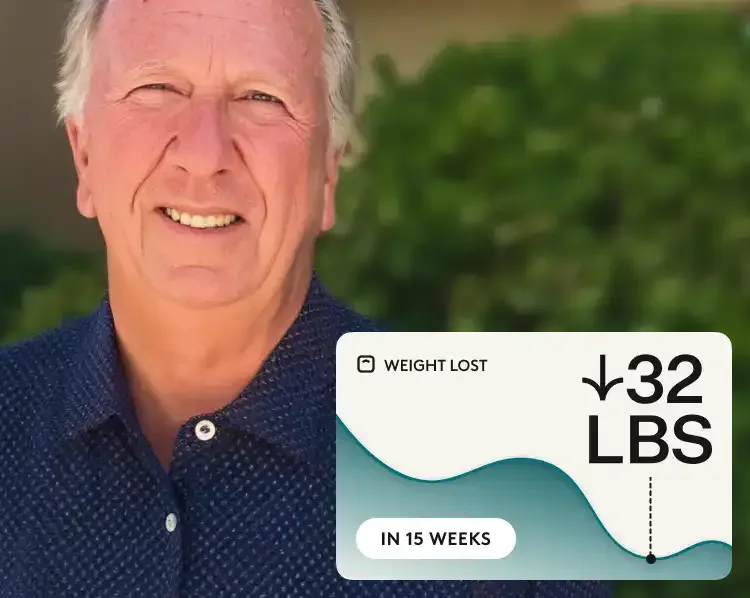
“Noom provided me with the medication which I could not get through Medicare. I have learned the tricks to better eating and life in general.”
Steve M. – Real Noom user
Daisy R. — Real Noom user
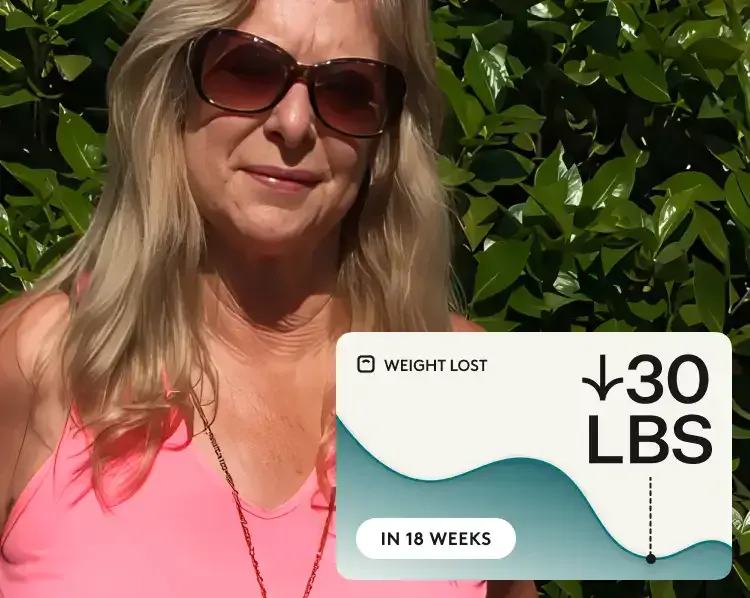
‘’Noom has changed my life and I’m so thankful, I feel great, have more energy and am no longer prediabetic.”
Daisy R. – Real Noom user
Sarah R. — Real Noom user

“All of the Noom providers that I’ve met with have been exceptional and prescribed medications that are appropriate for my situation and health.”
Sarah R. – Real Noom user
Madison S. — Real Noom user

“Noom made the process so simple and now I feel full, free from diet obsession, and at ease in my body again.”
Madison S. – Real Noom user
Sonday K. — Real Noom user
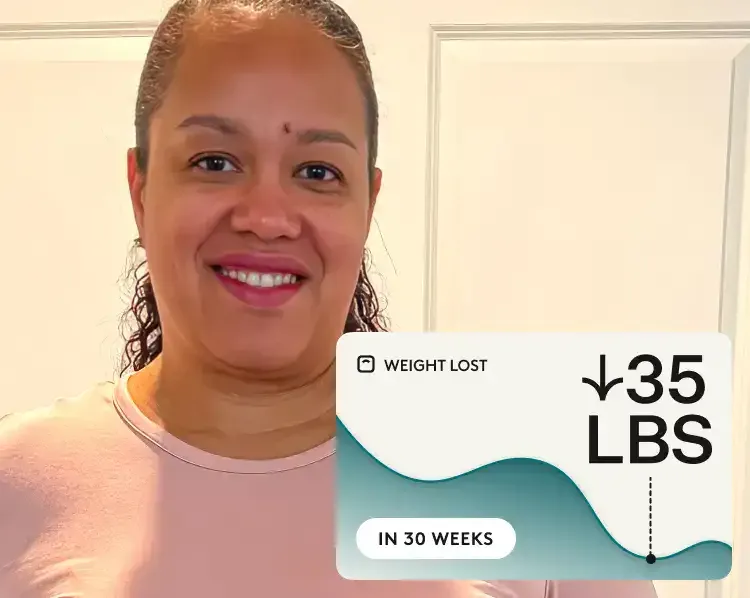
“My doctor recommended Noom after I was frustrated trying to lose weight. The lessons helped change my relationship with food. My body feels lighter & energized.”
Sonday K. – Real Noom user
Cam K. — Real Noom user
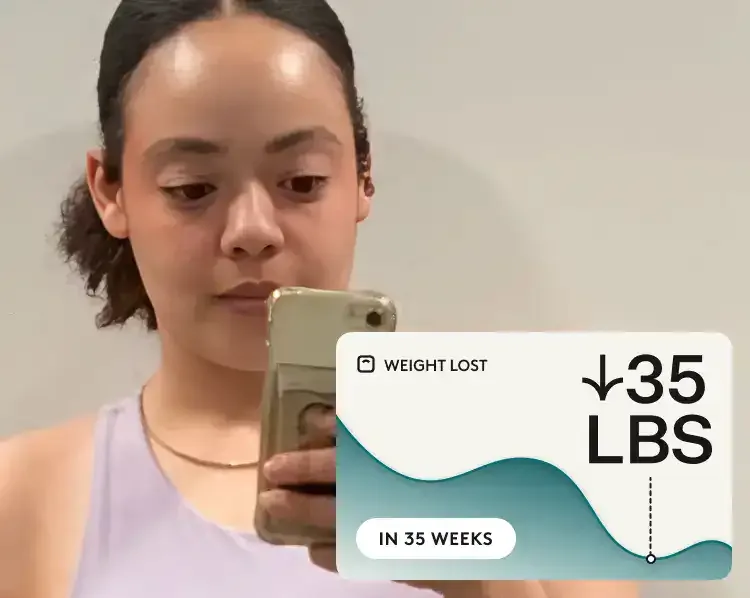
“I built healthy habits with coaching and lessons that make me confident I can maintain my weight loss long term.”
Cam K. – Real Noom user
Laura TR. — Real Noom user
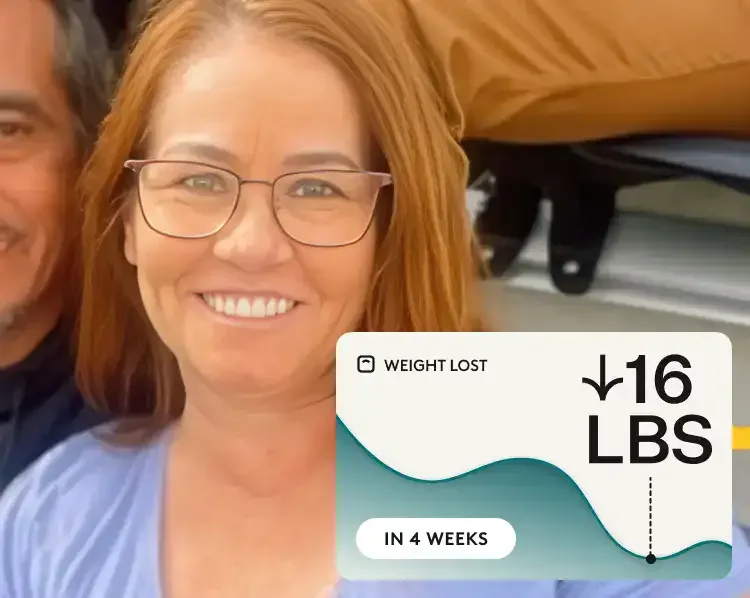
“With the right medication through Noom, hunger and sugar cravings finally quieted and I have the tools to break the cycle.”
Laura TR. – Real Noom user
Jessica S. — Real Noom user

“Cravings and food noise are gone, I finally feel confident in the healthy habits I’ve built to last with Noom.”
Jessica S. – Real Noom user
The bottom line: GLP-3 is a nickname for retatrutide, which is still in trials
“GLP-3” describes retatrutide, a drug still working through clinical trials. It’s a slang term given to it by social media; no hormone or drug class by that name exists. It’s called that because retatrutide activates three hormone receptors.
Retatrutide has gotten a lot of buzz because it has been shown in clinical trials to outperform semaglutide and tirzepatide medications, but it’s still in phase 3 trials. If retatrutide clears FDA review, it’ll be the first triple hormone agonist on the market—but that timeline is still likely well into 2027.
If you’re exploring medication options, Noom Med can help you find the one that is available now. If you qualify, you’ll be connected with a licensed clinician who can find the right medication for you and prescribe it if needed. Your Care Team will then help manage dose increases and help you work through any side effects. Plus, you’ll get access to Noom’s behavior-change program, which can help you build the habits around eating and activity that work alongside the medication for lasting weight loss.
Editorial standards
At Noom, we’re committed to providing health information that’s grounded in reliable science and expert review. Our content is created with the support of qualified professionals and based on well-established research from trusted medical and scientific organizations. Learn more about the experts behind our content on our Health Expert Team page.