
What you’ll learn:
- Insurance coverage for liraglutide depends on your plan type, choice of medication, and what condition it’s prescribed for.
- Checking what your insurance covers and understanding prior authorization requirements early can save you time and help you avoid unexpected costs.
- If your plan doesn’t cover liraglutide, generic options and alternative medications may help bring the cost down.
Liraglutide has been around longer than many of the newer weight loss medications, but it’s still very much part of the conversation. You will see it under brand names like Saxenda® (for weight loss) or Victoza® (for type 2 diabetes and to lower cardiac risk), or as a generic version, which can be prescribed for different indications.
Like other GLP-1 medications, cost is often a key consideration. Brand-name versions like Saxenda® and Victoza® can cost around $1,000 to $1,300 per month without insurance, while generic liraglutide may be less expensive—but pricing can vary widely depending on the pharmacy and dose.
One thing that matters a lot with liraglutide is what it’s prescribed for. Insurance plans are not required to cover medications used for weight loss, which is why coverage for options like Saxenda® can be limited or inconsistent. When prescribed for type 2 diabetes as Victoza® or generic liraglutide, it’s more likely to be covered.
In practice, what you’ll pay usually comes down to two things: your type of insurance (private, federal, or state) and the reason the medication is prescribed. Let’s go through how insurance coverage for liraglutide works in 2026, when it’s more likely to be covered, and what your options are if it’s not.
Is liraglutide ever covered by insurance?
Yes, liraglutide may be covered by insurance—but it depends on a few things that can vary quite a bit from one plan to the next.

The Easy Way
to lose weight and get healthy.
See if you qualify
Most insurers start by looking at what it’s prescribed for. That means Victoza®, which is approved for type 2 diabetes and heart disease, tends to have an easier path to coverage than Saxenda®, which is approved for weight management. Many plans still separate weight management medications from other prescription categories, and some exclude them entirely.
Even when a plan does include liraglutide, approval usually comes with conditions. Insurers commonly also look for:
- Prior authorization – your provider submits paperwork explaining why the medication is appropriate for you
- Step therapy – your plan may require you to try another medication first before approving liraglutide
- Evidence of lifestyle changes – sometimes documented in your health records
How coverage differs by plan type
Whether liraglutide is covered often comes down to what kind of insurance you have. Private or employer-sponsored plans, Medicare, and Medicaid each set their own rules.
- Private or employer-sponsored plans: These plans vary the most. Some include Saxenda® and generic liraglutide for weight loss with prior authorization requirements, while others exclude weight management medications entirely. Victoza® is more commonly included for diabetes treatment, though cost-sharing tiers and prior authorization rules can still apply. Larger employers are increasingly adding weight management drug benefits, but this isn’t standard across the board.
- Medicare: Traditional Medicare Part D plans cover Victoza and generic liraglutide when it’s prescribed for type 2 diabetes.
- Medicaid: Medicaid coverage varies by state. When Victoza® is covered, it usually requires documentation of a type 2 diabetes diagnosis and may involve step therapy or prior authorization. If weight management coverage exists for Saxenda, it usually requires prior authorization and clinical documentation.
Checking your plan’s formulary and benefit summary is the most direct way to understand where you stand.
What insurance covers liraglutide medications?
Coverage for liraglutide varies by insurer, plan type, and what condition you’re treating. Nearly all plans require prior authorization from your provider before they’ll approve a prescription. If you’re interested in how dosing works as part of your treatment plan, see our complete dosage guide here.
Here’s a quick look at how major insurance providers typically handle liraglutide:
| Insurance provider | Coverage status | Requirements | Comments | State variation |
|---|---|---|---|---|
| Aetna | Victoza® is often covered for type 2 diabetes or heart disease. Saxenda® may be covered in plans that include weight management benefits, but is frequently considered non-preferred. | Prior authorization and step therapy are common. BMI documentation and evidence of lifestyle interventions may be required. | Some Aetna Medicaid plans require additional documentation. Pharmacy benefits may run through CVS Caremark. | Yes |
| Blue Cross Blue Shield (BCBS) | Varies widely by state and plan. Diabetes coverage for Victoza® is more common than weight management for Saxenda®. | Prior authorization is common for Saxenda®. BMI thresholds and comorbidity documentation may apply. | Each BCBS affiliate sets its own criteria, so rules can differ significantly between states. | Yes |
| Cigna | Victoza® is often covered. Saxenda® coverage depends on whether the plan includes weight management drug benefits. | Prior authorization required. Weight management approval often depends on BMI criteria and documented behavioral changes. | Coverage rules are strongly tied to the member’s specific benefit plan. | Yes |
| UnitedHealthcare | Available in some commercial plans. Saxenda® coverage is often limited and tied to weight loss. | Prior authorization and reauthorization rules apply. BMI thresholds and lifestyle change documentation may be required. | State mandates and plan-specific benefit rules may affect eligibility. | Yes |
| Kaiser Permanente | Coverage varies by region and plan. Liraglutide may be covered in certain formularies. | Prior authorization is common. BMI criteria and possible step therapy requirements. | Kaiser formularies differ by region, so coverage can depend on where you live. | Yes |
| Humana | Plan-dependent. | Members may need to request a coverage determination or check plan drug lists. | Formularies are updated regularly and differ across plans. | Yes |
| Anthem | Coverage depends on state and plan design. | Prior authorization or exception requests may be required. | Members should use Anthem’s drug list search tools for plan-specific criteria. | Yes |
| Molina Healthcare | Victoza is often covered in certain Medicaid-managed plans with authorization. Saxenda is usually excluded or harder to get covered, though a few states cover weight-management GLP-1s (like Wegovy) with prior authorization, so it’s worth checking the specific state formulary. | BMI thresholds, a documented treatment plan, and prior medication trials may be required. | Requirements depend on the specific Molina state program. | Yes |
| Ambetter | Coverage varies by state Marketplace plan. Saxenda® may not appear on some formularies. | Prior authorization may apply where coverage exists. | Some state formularies may not include Saxenda®. | Yes |
| Oscar Health | Plan and state dependent. Saxenda® may not appear on some formularies. | Prior authorization and quantity limits may apply depending on the plan. | Drug lists differ between Oscar marketplace plans. | Yes |
| CVS Caremark (PBM) | Coverage depends on the employer or health plan using the PBM. | Prior authorization typically includes BMI thresholds and participation in a weight management program. | Caremark criteria often reflect requirements used by many employer plans. | Yes |
| Express Scripts (PBM) | Coverage depends on the employer or health plan. | Prior authorization, step therapy, and clinical criteria may apply. | Express Scripts administers benefits for many insurers and employer plans. | No |
The information above reflects publicly available plan details as of early 2026. Coverage policies can change frequently, so always check your plan’s drug list for the most current information.
Liraglutide coverage: Federal and state insurance programs
Coverage for liraglutide under government-backed insurance is shaped by a mix of federal guidelines and state-level decisions. Medicare and TRICARE follow standardized federal rules, creating more consistency across plans, while Medicaid is administered at the state level, which leads to wider variation in coverage. Together, these structures play a major role in how liraglutide medications are approved, restricted, or excluded.
Here’s how those rules typically translate into real coverage decisions.
Access GLP-1 Weight Loss with Noom
Explore a wide range of prescription medications supported by Noom’s program.Microdose GLP-1rx
Noom GLP-1rx
Noom GLP-1rx Plus
Wegovy®
Ozempic®
Metformin
Zepbound®
Mounjaro®
Liraglutide
| Insurance provider | Coverage Status | Requirements | Comments | State variation |
|---|---|---|---|---|
| Medicare (Part D) | Victoza® and generic liraglutide may be covered for type 2 diabetes. Saxenda® isn’t covered for weight management. | Victoza® and generic liraglutide must follow the plan’s formulary and Part D rules. | Federal rules limit coverage for weight management medications. Coverage varies by individual Part D plan. Medicare GLP-1 Bridge program covers some GLP-1 medications for weight loss. | No |
| TRICARE | Generic liraglutide is covered with prior authorization under certain TRICARE programs. | Clinical criteria include BMI thresholds, step therapy, and lifestyle modification requirements. | TRICARE publishes centralized rules and uses its own formulary tools. | No |
Liraglutide coverage: State Medicaid insurance plans
Coverage for liraglutide under Medicaid varies significantly by state, especially when used for weight management rather than diabetes. While diabetes-related use is commonly covered, weight-loss coverage depends on individual state policies, with many programs requiring prior authorization, BMI criteria, and documentation of related health conditions. Because each state manages its own drug list and benefits, eligibility, and requirements can differ widely.
| Insurance Provider | Coverage Status | Requirements | Comments | State Variation |
|---|---|---|---|---|
| Medicaid | Diabetes coverage for Victoza and generic liraglutide is common. Weight management coverage for Saxenda and generic liraglutide varies widely by state. | State-specific rules often require prior authorization, BMI thresholds, and documentation of related health conditions. | Each state sets its own preferred drug list and coverage rules. | Yes |
State-by-state coverage for liraglutide medications
Where you live can play a significant role in whether liraglutide is covered, especially if you’re enrolled in Medicaid. Each state runs its own Medicaid program and sets its own prescription drug rules, which means the same medication might be accessible in one state but excluded in another. Several states adjusted their GLP-1 and weight management medication policies heading into 2026, and those changes have affected access for many people.
Here are the states with the most notable recent policy differences for liraglutide weight management coverage:
| State | What’s changed |
|---|---|
| California | Medi-Cal Rx removed coverage for Saxenda® when prescribed specifically for weight management, effective January 1, 2026. Prior authorizations approved before that date are no longer valid. Coverage may still be possible for members under 21 through special pediatric pathways. Victoza® remains available for type 2 diabetes with clinical criteria. |
| New York | New York’s Medicaid preferred drug list includes Victoza® for type 2 diabetes, though it’s subject to the Brand Less Than Generic (BLTG) program now that generic alternatives are available. For weight management, coverage rules for Saxenda® are more restrictive and require separate prior authorization. |
| Michigan | Michigan Medicaid tightened coverage rules for GLP-1 medications used for weight management. Saxenda® may still be considered, but approvals typically require strict prior authorization and documentation showing a BMI of 40 or higher, or a BMI of 35 or higher with related health conditions, plus prior treatment attempts. Victoza® for diabetes follows standard Medicaid coverage with prior authorization. |
| Wisconsin | Wisconsin’s ForwardHealth program still allows Saxenda® coverage with prior authorization. Initial approvals may last up to about six months, and renewals require a documented response to treatment. There are also limits on how long the medication can be used. Victoza® is covered for diabetes under standard formulary rules. |
| Mississippi | Mississippi Medicaid lists Saxenda® as a preferred medication for eligible members ages 12 and older, though prior authorization is still required and approvals are typically based on defined BMI and clinical criteria. Victoza® is also commonly included for type 2 diabetes treatment and may appear on the state’s preferred drug list, with coverage generally requiring a confirmed diagnosis and, in some cases, prior authorization or step therapy. |
| Pennsylvania | Pennsylvania’s Medicaid program ended adult coverage for all GLP-1 medications used for weight management starting January 1, 2026. Members under 21 may still qualify under federal EPSDT rules. Victoza® for type 2 diabetes remains available, but everyone on a GLP-1 needs a new prior authorization request submitted for 2026. |
| Kentucky | Kentucky Medicaid has a categorical exclusion for weight management medications. Because of that policy, Saxenda® is generally not covered. Victoza® for type 2 diabetes follows standard Medicaid formulary rules. |
Coverage information may vary and change frequently. Always confirm with your state Medicaid office or insurance provider.
What determines insurance coverage?
Getting liraglutide covered usually involves more than a single yes-or-no rule. Insurance companies look at several pieces of information together before deciding whether they’ll approve the prescription. Here’s what typically comes into play.
- FDA approval and your diagnosis: Most plans use the FDA label as their starting point.
- Coverage exclusions: Some insurance plans exclude weight management medications entirely. If your plan has that type of rule, Saxenda® may not be covered regardless of your clinical documentation.
- Medical documentation: The records your provider submits might matter depending on the plan. Insurers often review your BMI, diagnosis code, and sometimes records showing related health conditions. This documentation helps them decide whether the medication meets their definition of medical necessity.
- Prior authorization: Many plans require prior authorization before a prescription can be filled. Your provider sends a request explaining why liraglutide is the right fit for you, and the insurer reviews that information before approving or denying coverage.
- Formulary preferences: Each plan has its own list of preferred medications. If liraglutide isn’t on that list, the insurer may require trying a different medication first. For example, some plans may cover tirzepatide but not liraglutide. See how these two compare here.
How to check if your insurance covers liraglutide
Working through a few steps can get you a clear answer on whether liraglutide is covered and help you plan ahead. If you are looking for coverage for weight loss, use Noom’s Insurance Checker to see if your plan covers Saxenda or generic liraglutide.
- Call the member services number on your insurance card. Ask whether Saxenda®, Victoza®, or generic liraglutide are covered under your pharmacy benefit. Request a link to your plan’s formulary if you don’t already have it.
- Ask about prior authorization. Find out if your plan requires your provider to submit documentation before the prescription can be filled.
- Check for step therapy rules. Some plans require you to try another medication first. Ask which medications must be tried before liraglutide and how the process works.
- Confirm eligibility criteria. Plans often use clinical guidelines—such as a BMI of 30 or higher, or a BMI of 27 or higher with a related health condition—before approving weight management medications.
- Review Medicare or Medicaid rules if they apply. Medicare Part D doesn’t cover liraglutide prescribed solely for weight loss, but the new GLP-1 Bridge program covers some GLP-1 medications for weight loss. Medicaid coverage varies by state.
- Keep written records. If your insurer approves or denies coverage, ask for confirmation in writing. Having those details can help if you need to appeal or follow up later.
If liraglutide isn’t covered under your plan, another medication may still be an option. Ask about other GLP-1s for diabetes and weight loss.
Cost of liraglutide medications with and without insurance
The cost of liraglutide can vary widely depending on whether you have insurance and which version you’re prescribed. With coverage, many people pay around $100 to $300 per month, though factors like formulary tier, deductible, and prior authorization can affect the final price. There are currently no manufacturer savings cards for Saxenda®, Victoza®, or generic liraglutide.
Without insurance, costs are significantly higher, often ranging from about $800 to $1,300+ per month for brand-name options, while generic liraglutide may offer a lower-cost alternative depending on the pharmacy and dose. Because pricing can differ substantially, comparing pharmacies and using discount tools is often the best way to reduce out-of-pocket costs.
Liraglutide: Costs with insurance
When your insurance covers liraglutide, the monthly cost is typically much lower than the list price. Many people with commercial insurance end up paying somewhere around $100 to $300 per month, though the exact amount depends on your plan.
At this time, Novo Nordisk doesn’t offer any savings cards or patient assistance programs for Saxenda® or Victoza®. While a savings card used to be available for Saxenda®, it has since been discontinued.
For generic liraglutide, a savings program is available through Teva Pharmaceuticals, one of the companies that manufactures the generic version. Those who have insurance coverage may pay as little as $20 per prescription, though people on Medicare, Medicaid, or other government-funded plans aren’t eligible. People can often reduce costs further by comparing pharmacies or using discount tools like GoodRx, SingleCare, or pharmacy-specific savings programs.
A few factors can influence what you pay:
- Your plan’s drug tier: Liraglutide may be placed on a higher formulary tier, which usually means a higher copay.
- Your deductible status: If you have a high-deductible plan, you may pay closer to the full retail price until you’ve met your deductible.
- Prior authorization approval: Many insurers require documentation from your provider before they’ll approve coverage, which can also affect timing.
- Prescription length: Some plans offer lower per-month costs if you fill a 90-day supply instead of a monthly prescription.
Even with insurance, the final amount can vary widely. Calling your pharmacy benefit line before filling the prescription can give you the most accurate estimate.
For more information, see our guides on the costs of Saxenda®, Victoza®, and generic liraglutide.
The Easy Way
to lose weight and get healthy.
See if you qualifyLiraglutide: Costs without insurance
The price of both name-brand and generic liraglutide can vary depending on the pharmacy location, dose, and whether you’re filling a 30- or 90-day prescription. Let’s take a look at what you can expect to pay for Victoza®, Saxenda®, and generic liraglutide when you’re paying out-of-pocket:
| Medication | Typical monthly cost (without insurance) | How to save |
|---|---|---|
| Victoza® | $800–$900 | Compare pharmacies; use pharmacy discount tools |
| Saxenda® | $1,300–$1,400 | Compare pharmacies; use pharmacy discount tools |
| Generic liraglutide | $200–$1,300 | Most affordable of the three; Teva’s savings program may lower costs further for commercially insured patients |
Your final price can still vary based on where you fill the prescription. Different pharmacies set their own cash prices, so calling around or using price-comparison tools like GoodRx can sometimes help you find a lower option. Some people also use pharmacy discount cards or savings apps to bring the price down at checkout.
Savings options
Even when insurance doesn’t cover liraglutide, there are a few more affordable options you can consider. Sometimes switching to a different GLP-1 medication that your plan prefers can save money. Your provider might suggest semaglutide (Wegovy or Ozempic) or tirzepatide (Zepbound or Mounjaro) if your insurance covers those instead.
How to save on GLP-1 medications
If your plan doesn’t cover semaglutide or tirzepatide medications, you can get some for less through their manufacturer cash pay programs. With manufacturer’s savings programs, Wegovy®, Ozempic, Zepbound®, and Mounjaro® could end up costing less. Let’s look at the differences:
| Medication | Approved for | Cash-pay cost range per month |
|---|---|---|
| Wegovy® (semaglutide) | Weight loss, heart disease, MASH | Injection: $199–$399 Pill: $149-$299 |
| Ozempic® (semaglutide) | Type 2 diabetes | $199–$499 |
| Zepbound® (tirzepatide) | Weight loss, OSA | $299–$449 |
| Mounjaro® (tirzepatide) | Type 2 diabetes | $499 |
For detailed comparisons, check out our guides on liraglutide vs. semaglutide and liraglutide vs. tirzepatide.
Medicare coverage updates: If you’re on Medicare Part D, a new program called the Medicare GLP-1 Bridge launched on July 1, 2026, making certain GLP-1 medications available at a $50 monthly copayment for eligible people. The program currently covers Wegovy® (injection and tablet), Zepbound® KwikPen, and Foundayo®, and runs through December 31, 2027. Liraglutide hasn’t been included in the program, but it’s worth knowing this option exists if your provider suggests a different GLP-1 that your coverage supports.
Frequently asked questions about insurance coverage for liraglutide
Insurance rules around liraglutide can vary significantly. Here are straightforward answers to the most common ones.
Why is liraglutide often not covered by insurance?
Coverage largely depends on why the medication is prescribed. Victoza® is approved for type 2 diabetes, a condition that most insurance plans routinely cover, so it’s more likely to be included. Saxenda® is prescribed specifically for weight management, a category that many insurers still exclude or restrict since insurance carriers are not required to cover medications for weight loss.
Because of this distinction, Saxenda® is often not covered even though it’s FDA-approved, while Victoza® is typically covered when used for diabetes. The best way to confirm your coverage is to check your plan’s formulary or contact your insurer directly.
How can I get insurance to cover liraglutide?
Start by checking your plan’s drug list or calling the number on your insurance card. If liraglutide is included, your provider will usually need to submit a prior authorization request explaining why the medication is right for you. That request often includes your medical history and any previous treatment attempts. The insurer reviews that information before deciding whether to approve coverage.
If coverage is denied, you still have the right to appeal the decision. Your provider can strengthen the case by submitting additional documentation, such as medical records, lab results, or a letter explaining why other treatment options may not be suitable for you.
How much is liraglutide with insurance coverage?
When insurance covers liraglutide, many people with commercial plans pay somewhere around $100 to $300 per month. The exact amount depends on your plan’s drug tier, copay structure, and deductible status. Always check with your pharmacy benefit line for the most accurate number.
How do I get liraglutide for $25?
You may have seen older information about Saxenda® or Victoza® costing as little as $25 per month. These prices were tied to manufacturer savings programs that, at times, reduced costs for eligible individuals with commercial insurance. Many of those offers have since changed or are no longer available in the same form, so the $25 price is not something most people can rely on today.
What you pay now depends on your insurance coverage, your plan’s drug tier, pharmacy pricing, and any current savings or discount programs you qualify for.
What is the cheapest way to get liraglutide?
The lowest cost usually comes from insurance coverage, which is more likely if you are prescribed Victoza or generic liraglutide for diabetes or heart disease. If you’re prescribed Saxenda or generic liraglutide for weight management, your insurance may be less likely to cover it, since insurers aren’t required to cover weight loss medications. If you’re paying out of pocket, comparing pharmacies and using discount programs can sometimes lower the price.
How much weight can you lose on liraglutide in 3 months?
Weight loss with liraglutide happens gradually. Research suggests that people taking the highest approved dose (3 mg daily) can lose an average of about 5% of their starting body weight in around 3 months, especially when the medication is combined with lifestyle changes. Individual results vary depending on your dose, daily habits, and how your body responds.
How much is liraglutide if my insurance won’t pay for it?
Without insurance, you’ll usually pay close to the list price. For brand-name Saxenda®, that’s about $1,349 per month; for Victoza®, it’s around $ 500- $ 800 depending on dose. For generic liraglutide, the price can range from about $200 to $1,300 per month, depending on the dose and quantity. The exact amount can vary depending on the pharmacy and location. Some people lower the cost by using discount programs or shopping around at different pharmacies.
How long will I need to take liraglutide?
Liraglutide is typically used as part of a longer-term treatment plan. For weight loss, many people continue the medication as long as it’s helping and side effects remain manageable. Research shows that stopping often leads to gradual weight regain, so your provider will work with you to decide how long treatment should continue based on your health goals and response. For diabetes treatment and cardiovascular risk management, people tend to take liraglutide for several years, depending on their health needs and goals. Decisions about continuing or stopping your medication should always be made with your healthcare provider.
Reviews from real Noom users
Desirea N. — Real Noom user
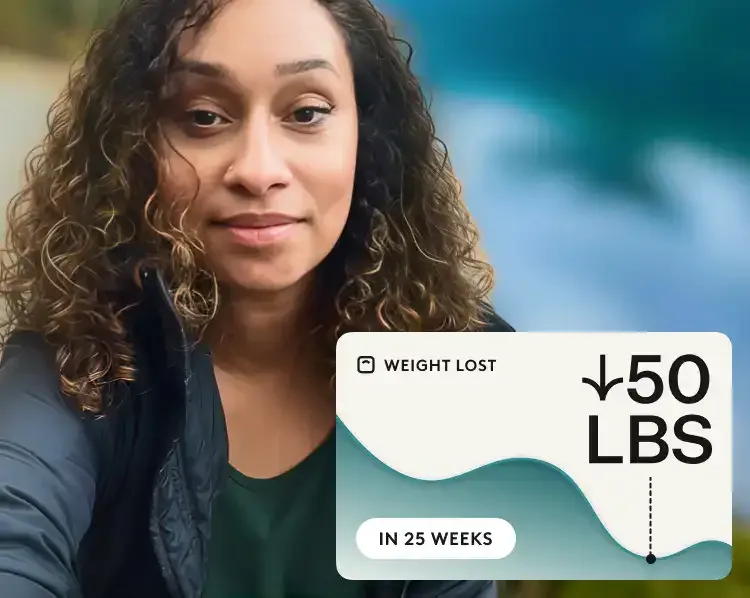
“My favorite parts of Noom are the care team and other Noomers. Sharing and getting help made me feel like I wasn’t doing it alone. That support made all the difference.”
Desirea N. — Real Noom user
Matthew M. — Real Noom user
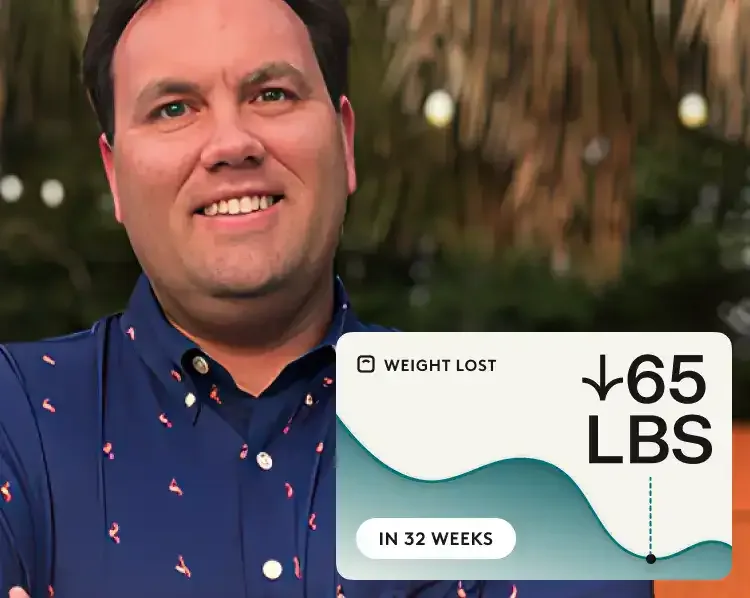
“Noom has taught me that every day is a new chance to make better, healthier choices. It's taught me how to stop overeating.’’
Matthew M. — Real Noom user
Lila M. — Real Noom user
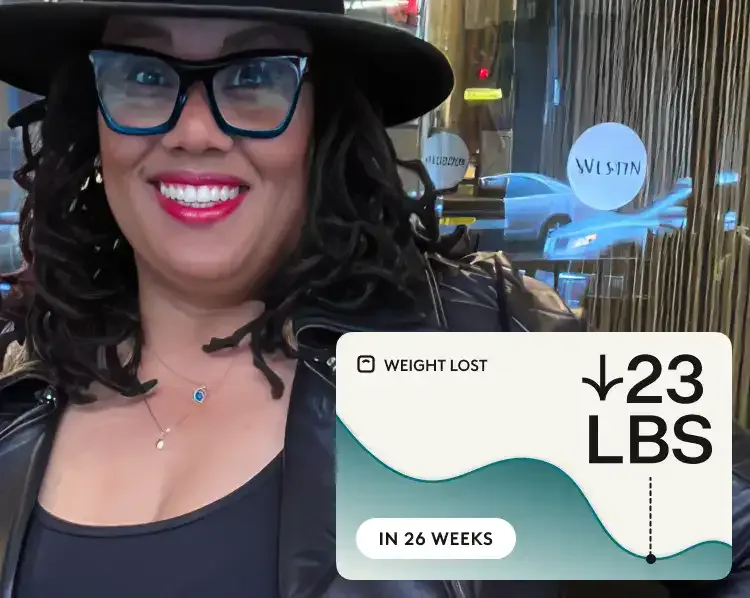
“Clinicians who understand how supportive medication can be is one of the best parts of Noom! I was convinced I wouldn’t have success but I’m down 11 pounds in two months.’’
Lila M. — Real Noom user
Steve M. — Real Noom user
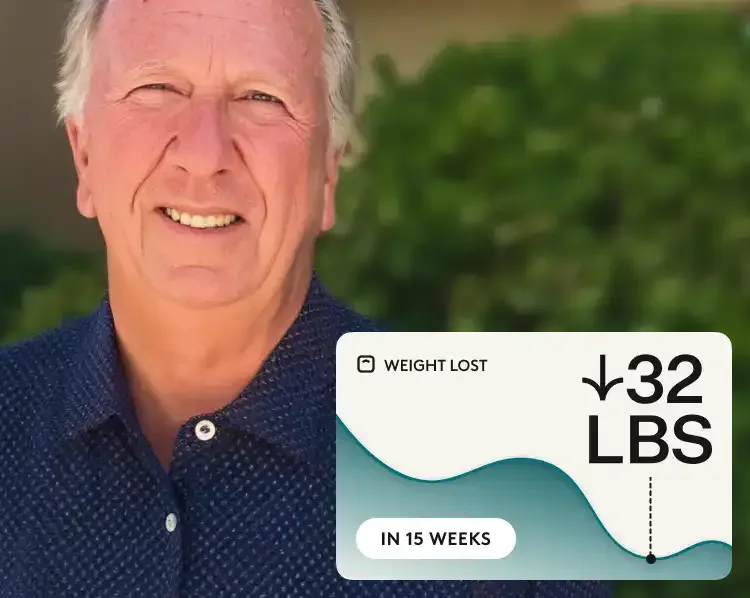
“Noom provided me with the medication which I could not get through Medicare. I have learned the tricks to better eating and life in general.”
Steve M. – Real Noom user
Daisy R. — Real Noom user
‘’Noom has changed my life and I’m so thankful, I feel great, have more energy and am no longer prediabetic.”
Daisy R. – Real Noom user
Sarah R. — Real Noom user
“All of the Noom providers that I’ve met with have been exceptional and prescribed medications that are appropriate for my situation and health.”
Sarah R. – Real Noom user
Madison S. — Real Noom user
“Noom made the process so simple and now I feel full, free from diet obsession, and at ease in my body again.”
Madison S. – Real Noom user
Sonday K. — Real Noom user
“My doctor recommended Noom after I was frustrated trying to lose weight. The lessons helped change my relationship with food. My body feels lighter & energized.”
Sonday K. – Real Noom user
Cam K. — Real Noom user
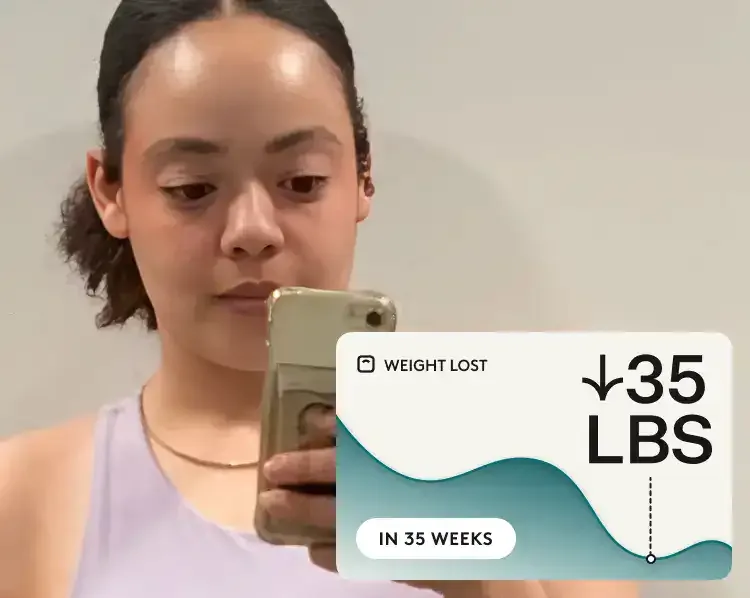
“I built healthy habits with coaching and lessons that make me confident I can maintain my weight loss long term.”
Cam K. – Real Noom user
Laura TR. — Real Noom user
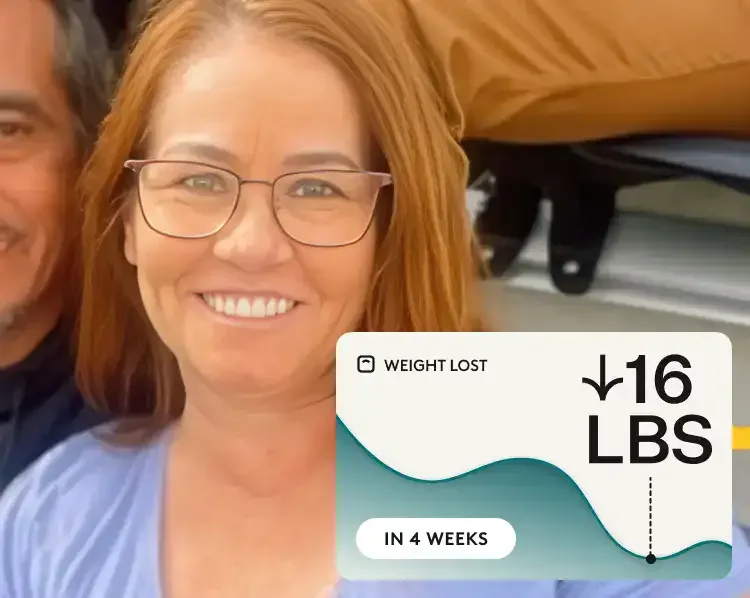
“With the right medication through Noom, hunger and sugar cravings finally quieted and I have the tools to break the cycle.”
Laura TR. – Real Noom user
Jessica S. — Real Noom user
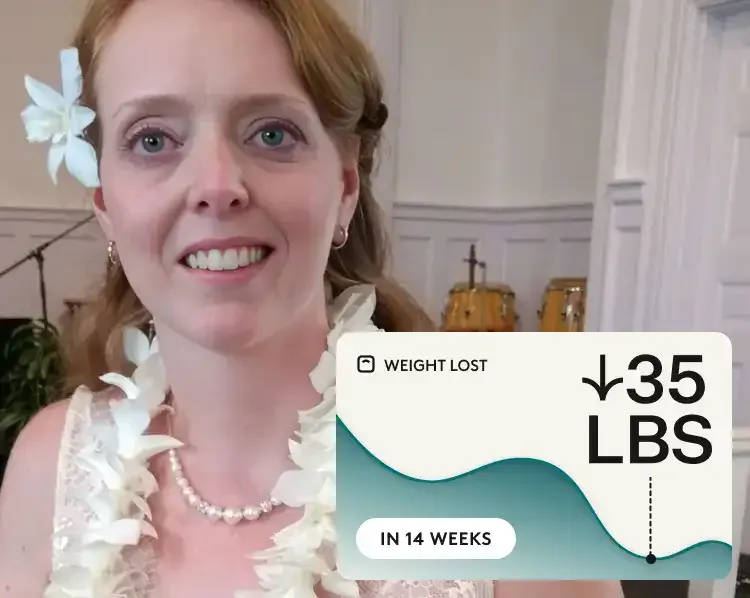
“Cravings and food noise are gone, I finally feel confident in the healthy habits I’ve built to last with Noom.”
Jessica S. – Real Noom user
The bottom line: Insurance coverage for liraglutide can vary widely
Liraglutide can be a helpful medication for both type 2 diabetes and weight management, but insurance coverage is far from guaranteed. Whether your plan covers it depends on the brand prescribed, your diagnosis, your plan’s benefit structure, and where you live. Even though Saxenda® is FDA-approved for weight loss, many insurance plans still won’t cover it for that purpose since plans aren’t required to cover weight loss medications. Liraglutide is more likely to be covered when prescribed for type 2 diabetes or cardiovascular risk as Victoza® or generic liraglutide.
That’s why checking your plan details early makes such a difference. Reviewing your insurer’s formulary, confirming eligibility criteria, and asking about step therapy or prior authorization can give you a clearer picture of what to expect. If your plan doesn’t include liraglutide, comparing pharmacies, exploring generic options, or looking at alternative medications may help manage the cost.
If you’d like help navigating these options, see if you qualify for Noom Med. You’ll be connected with a clinician who can review your health history and help you explore medication options if appropriate, including liraglutide or other treatments. Along the way, you’ll also get tools and guidance designed to help you build habits that support steady, long-term progress.
Editorial standards
At Noom, we’re committed to providing health information that’s grounded in reliable science and expert review. Our content is created with the support of qualified professionals and based on well-established research from trusted medical and scientific organizations. Learn more about the experts behind our content on our Health Expert Team page.